Category: Uncategorized

  • Affordable Online Therapy in India: Your Guide to Accessible Mental Health Support

    Affordable Online Therapy in India: Your Guide to Accessible Mental Health Support

    Finding quality online therapy in India that fits your budget is more possible now than ever. With sessions typically ranging from ₹500 to ₹3,000, professional support for your mental well-being is a real option for many people navigating stress, anxiety, or personal growth—all from home.

    Finding Your Path to Accessible Mental Wellness

    Smiling young Indian man using laptop by a bright window, enjoying tea.

    Taking the first step toward caring for your mental well-being is a sign of strength, and you are not alone on this journey. Many of us feel the pressures of modern life, from workplace stress and burnout to feelings of anxiety or depression. This guide is here to help you find quality online therapy that respects your budget.

    Our goal is to help you find tools to build resilience, practice compassion, and create a more fulfilling life. We'll show you how to find trusted, affordable counselling and give you the confidence to begin.

    The Growing Accessibility of Online Counselling

    The conversation around mental health in India is changing for the better. Improved internet access has opened up professional counselling to many who were held back by distance or stigma. This is a positive shift as more of us recognize that our emotional health is just as vital as our physical health.

    This change is supported by data, showing that seeking help is becoming more common. India's online mental health market is growing, expected to reach about USD 133.47 million in 2024, with online consultations increasing by over 90% since 2020. You can explore these trends in this detailed market analysis.

    What to Expect from This Guide

    Think of this guide as a warm, practical roadmap for your well-being journey. We will break down everything you need to know to feel empowered and informed.

    Here’s what we’ll cover:

    • Understanding Costs: We’ll provide a clear picture of what "affordable" means for online therapy in India.
    • Finding Support: You'll get actionable tips for finding skilled and low-cost therapists.
    • Building Skills: The focus is not just on managing challenges but also on cultivating lasting well-being and resilience.

    A quick note: If you come across online assessments or quizzes, please view them as informational tools for self-reflection. They can offer useful insights but are not a substitute for a formal diagnosis from a qualified professional.

    Your path is unique, and finding the right person to support you is a crucial first step. Let's begin.

    Decoding the Cost of Online Therapy in India

    Let's talk about the financial side of therapy. Understanding what 'affordable' means in an India-first context is key to feeling in control of your well-being journey. The cost of support shouldn't add to the stress you may already be feeling from challenges like anxiety or burnout.

    One of the biggest advantages of online therapy is its cost-effectiveness. By connecting with a counsellor from home, you eliminate travel time and expenses. These savings can make consistent therapy much more manageable for your budget.

    Additionally, many online platforms offer flexible pricing that traditional clinics often don't. You may find subscription plans or package deals that lower the per-session cost. This makes it easier to plan for your mental wellness expenses.

    Understanding the Price Spectrum

    When you start your search, you'll notice that online therapy prices vary. This is often linked to a therapist's experience, their qualifications, and the type of counselling offered. Knowing what to expect helps you find a good match for your needs and your wallet.

    So, what are the different formats you'll come across?

    • Individual Video Sessions: This is a classic one-on-one session with a therapist, ideal for personalized support for concerns like depression, relationship issues, or workplace stress.
    • Text-Based Support: Some services offer counselling through chat or messaging, which can be a lower-cost way to get ongoing support whenever you need it.
    • Group Therapy Sessions: Joining a professionally-led group session can be very powerful. It is a budget-friendly way to connect with others facing similar challenges, share experiences, and build resilience together.

    It can be helpful to see therapy as an investment in your long-term well-being, rather than just an expense. Finding the right financial fit makes that investment sustainable.

    What You Can Expect to Pay

    Now, let's look at the actual numbers. Online platforms have made mental healthcare much more accessible across India.

    Here is a quick comparison to give you a clearer picture of what you might find.

    A Look at Online Therapy Costs in India

    Therapy Format Typical Price Range (per session/month) Best Suited For
    Individual Video/Audio Session ₹600 – ₹3,500 Personalised, in-depth work on specific issues.
    Text-Based/Chat Therapy ₹1,500 – ₹4,000 (monthly plans) Ongoing, flexible support and daily check-ins.
    Group Therapy Session ₹500 – ₹1,500 Shared experiences, peer support, and specific focus areas.
    NGO/Subsidised Services ₹300 – ₹1,150 Those on a very tight budget needing foundational support.

    While prices vary, a typical online session generally falls between ₹600 to ₹3,500. For those needing more budget-friendly options, services from NGOs can lower that cost to ₹300–₹1,150 per session. You can explore this detailed cost analysis of therapy in India for more insights.

    This means professional support is no longer out of reach due to high clinic fees. It empowers you to prioritize your mental health without financial strain, making the path to building resilience and happiness clearer.

    How to Find High-Quality, Low-Cost Therapy

    Finding mental health support that feels right and fits your budget is absolutely possible. This section is your practical guide to finding great, affordable counselling in India.

    The key is not just finding the cheapest option, but knowing where to look. Many therapists and organizations are committed to making mental healthcare more accessible. Let's explore the different ways you can find therapy that supports your emotional well-being without straining your finances.

    This chart can help you see which therapy formats might work best for your budget.

    A therapy format decision guide flow chart showing options based on budget: low, medium, and high.

    As you can see, there is a path forward for every budget, from simple text-based check-ins to dedicated one-on-one sessions.

    Explore Therapists Offering Sliding Scale Fees

    One of the best ways to access affordable therapy is by finding a professional who offers a sliding scale. This is a compassionate system where the session fee is adjusted based on your income. This ensures quality care is available to everyone, not just those with high earnings.

    Don't hesitate to ask a therapist if they offer a sliding scale during your first contact. It's about finding a price point you can manage consistently. Many independent therapists see this as a core part of their mission to serve the community.

    Consider the Power of Group Therapy

    Group therapy is another fantastic, budget-friendly option. In these sessions, a small group of people facing similar issues—like anxiety, grief, or workplace stress—meet with a trained therapist. The cost is shared, making it more affordable than individual counselling.

    The benefits go beyond the price. There is incredible power in realizing you’re not alone. Sharing your story with others who understand can be deeply validating and helps build a sense of community and compassion.

    Remember, therapy is not about finding a quick cure. It's about building skills to handle life's challenges. Finding an affordable option allows you to stick with the process long enough to see real, lasting change.

    Look into NGOs and University Clinics

    Don’t overlook non-governmental organizations (NGOs) and university psychology departments. Many of these institutions are committed to providing low-cost or even free counselling services.

    University clinics are a hidden gem. You may work with postgraduate psychology students who are supervised by experienced, licensed faculty. They are equipped with the latest knowledge and provide thoughtful, high-quality care.

    Indian startups and NGOs are also making a difference. Some offer text-based support for under ₹500 per month, while others provide one-on-one sessions between ₹500–₹800. You can discover more about these affordable mental health initiatives in India to see what's available.

    Ensuring Quality and Safety in Online Therapy

    Finding affordable online therapy in India is a huge step, but it is crucial that it doesn't compromise quality or safety. Your peace of mind is the ultimate goal.

    Think of this section as your checklist for connecting with a qualified professional. Let's walk through how to ensure your online therapy experience is secure, supportive, and effective.

    Verifying a Therapist’s Credentials

    Before you book a session, it is a good idea to check the therapist’s qualifications. Any credible professional will be transparent about their education and training.

    Most qualified therapists in India hold at least a Master’s degree in Psychology (M.A. or M.Sc.) or an M.Phil in Clinical Psychology. Many are also registered with bodies like the Rehabilitation Council of India (RCI), which indicates adherence to ethical standards.

    Feel free to ask about their credentials during your initial consultation. A good therapist expects and welcomes these questions; it shows you are taking an active role in your well-being.

    Assessing the Right Fit for You

    Finding the right therapist is about personal connection. Your first call or chat is a two-way conversation to see if you feel comfortable with their style.

    Pay attention to your gut feeling during that first interaction. Do you feel heard and understood? Does their approach make sense to you? This initial sense of safety is the foundation for the trust needed for effective therapy.

    Remember, therapy is a partnership. The goal is to find someone you feel comfortable working with—someone who empowers you to build resilience and self-awareness.

    Protecting Your Privacy and Confidentiality

    Confidentiality is the cornerstone of therapy, especially when sharing personal information online. Any reputable service will have a clear and accessible privacy policy.

    Before signing up, take a moment to read the platform's terms of service. Look for clear statements on data encryption and confirmation that your information will not be shared without your permission. This ensures your private conversations about anxiety or depression remain private.

    As you explore digital mental health tools, you may also find various online mental health assessment options. These can be helpful starting points, but it's important to remember they are informational guides, not a clinical diagnosis.

    Preparing for Your First Therapy Session

    A woman with short dark hair works focused on a laptop at a wooden desk, illuminated by natural light.

    Starting therapy can feel a bit nerve-wracking, which is completely normal. A little preparation can help calm your nerves and make you feel more in control. This is about setting the stage to ease into the process.

    Think of your first session as a simple conversation. It's a chance for you and your therapist to meet and see if it feels like a good fit. There is no pressure to say the "right" thing; this is your time.

    Setting Up Your Space and Mindset

    To get the most out of online counselling, your environment matters. Find a quiet, private space where you won’t be disturbed. This could be any place where you feel comfortable speaking freely.

    Do a quick tech check before your session begins. Ensure your internet is stable and your device is charged. Testing your camera and mic beforehand helps you focus entirely on the conversation.

    Your first therapy session is a brave step forward. It's not about having all the answers but being open to exploring the questions. This is your dedicated time for personal growth and well-being.

    Thinking About Your Goals

    It's perfectly fine to show up without knowing exactly what you want to work on. Many people start therapy because they feel stuck, anxious, or not like themselves. This could be due to workplace stress, sadness, or relationship challenges.

    If it helps, you could jot down a few thoughts beforehand. Simple prompts can get you started:

    • What feelings or situations have been on your mind lately?
    • When did you first start noticing these challenges?
    • Have you tried anything on your own to feel better?
    • What does a "good day" look and feel like for you?

    These notes are just for you and can serve as a starting point. Sharing these initial thoughts helps your therapist understand your needs and begin creating a supportive plan. It’s a key part of making sure the affordable online therapy you’ve found in India is genuinely effective.

    A Final Word: Your Path Forward

    As we conclude, please hold onto this key thought: reaching out for therapy is a sign of strength. It is an active investment in yourself and your resilience for whatever life brings. Think of it as building a stronger foundation for your emotional well-being.

    We've covered how to find affordable, quality online therapy in India that you can trust. The goal is to leave you feeling confident that support for challenges like anxiety, depression, or workplace stress is within your reach.

    It’s a Journey, Not a Quick Fix

    It's natural to want instant results, but therapy is a gradual process. There will be sessions that feel like a breakthrough and others that feel more challenging. This is a normal part of the journey toward understanding yourself better and finding a healthier balance.

    Therapy isn't about finding a magic solution. It is about building a connection with a professional who helps you tap into your own inner strength and develop tools to navigate life with more confidence and self-compassion.

    As you move forward, keep these supportive takeaways in mind:

    • You're in control: You have the power to choose a therapist and a plan that works for you.
    • Every small step counts: Reading this guide is a positive step for your mental health.
    • Help is available: Quality, affordable counselling in India is accessible. You don’t have to do this alone.

    Frequently Asked Questions

    It’s normal to have questions when you’re considering therapy. It shows you are taking this step seriously. Here are straightforward answers to some common questions about affordable online therapy in India.

    What’s the Difference Between a Therapist and a Counsellor?

    In India, the terms "therapist" and "counsellor" are often used interchangeably. While there is overlap, there can be a slight difference.

    A counsellor often helps you navigate specific life challenges, like workplace stress or relationship difficulties, usually over a shorter term. This process focuses on building resilience and practical coping skills.

    A therapist, particularly a clinical psychologist, is typically equipped to work with more deep-rooted mental health conditions like chronic anxiety or depression. This work may take longer. The best choice depends on your current needs.

    How Do I Know if Online Therapy Is Right for Me?

    Online therapy is a fantastic option for many people, especially if you prefer the comfort of your own space. It is effective for working through common issues like anxiety, stress, mild to moderate depression, and personal growth goals.

    However, it is not the right fit for every situation. If you are experiencing a severe mental health crisis or having thoughts of self-harm, please seek immediate, in-person help. Online therapy is for support, not a replacement for emergency care.

    A helpful reminder: The self-assessment tools you see online can be great for reflection, but they are informational, not diagnostic. Only a qualified professional can provide a formal diagnosis.

    How Long Does Therapy Usually Take?

    This is a common question, and the answer is that it's different for everyone. There is no set number of sessions.

    Some people feel they achieve their goals in just a few appointments. Others find long-term therapy beneficial for ongoing personal growth and well-being. It's a journey that moves at your pace.

    You and your therapist will set goals together and check in on your progress along the way. For more general information on how online health services work, this general telehealth FAQ is a helpful resource.


    Ready to find someone you can connect with? At DeTalks, we make it easy to find qualified, caring professionals all over India. You can start exploring our directory right now to find the support that feels right for you at https://detalks.com.

  • What Causes Low Self Esteem and How to Build Your Confidence

    What Causes Low Self Esteem and How to Build Your Confidence

    Low self-esteem isn't a character flaw or something you're born with. It's often a lens that becomes smudged over time, shaped by early life experiences, social pressures, and our own inner thoughts.

    If this feels familiar, please know you are not alone on this journey. Understanding where these feelings come from is the first gentle step towards healing and self-acceptance.

    Unpacking the Roots of Low Self-Esteem

    Getting to the heart of what causes low self-esteem is the first step toward rebuilding it. It’s rarely a single event but a slow build-up of past experiences, our interactions with the world, and the stories we tell ourselves.

    Everyone’s journey is different because this is such a personal mix of factors. For some, the seeds were planted by a critical parent, while for others, they grew from intense workplace stress or social media pressure. Pinpointing these origins helps build self-compassion.

    This diagram helps to visualise how these different areas—our past, our social world, and our inner life—all connect.

    A diagram illustrating the causes of low self-esteem, categorized into past, social, and inner factors.

    As you can see, our view of ourselves doesn't form in a vacuum. It’s a dynamic interplay between historical, external, and internal forces.

    Primary Factors That Shape Your Self-Esteem

    To help make sense of it all, let's briefly look at the primary factors that influence our self-worth. The table below summarises the main cause categories we'll be exploring in more detail throughout this guide.

    Cause Category Brief Description Common Examples
    Early Life Experiences Foundational events and relationships from childhood that shape our core beliefs about ourselves. Unsupportive parenting, bullying, academic struggles, difficult childhood friendships.
    Life's Challenges & Trauma Significant negative events that can shatter our sense of safety and competence. Abuse, neglect, major illness or injury, loss of a loved one, significant failure.
    Relationships The quality of our connections with others and how they impact our sense of value and belonging. Toxic relationships, social isolation, break-ups, lack of a support system.
    Cognitive Patterns Ingrained habits of thinking that distort reality and reinforce negative self-perceptions. All-or-nothing thinking, catastrophising, harsh self-criticism (the "inner critic").
    Mental Health Conditions Conditions like anxiety and depression that are deeply intertwined with, and often fuel, low self-esteem. Generalised anxiety disorder, social anxiety, major depressive disorder.
    Social & Cultural Factors Broader societal messages and pressures that dictate standards for success, beauty, and worth. Media portrayals, unrealistic beauty standards, workplace competition, discrimination.
    Biological Factors Our inherent temperament and genetic predispositions that can make us more vulnerable to low self-esteem. A naturally sensitive temperament, genetic links to mood disorders.

    Understanding these areas can help you connect the dots in your own life. This awareness is the first step toward making meaningful changes for your well-being.

    It’s vital to remember that exploring these causes is about gaining understanding, not assigning blame. The aim is to achieve clarity so you can start treating yourself with more kindness and compassion.

    While self-help is powerful, professional support can offer a safe space to work through these issues. Remember, any self-esteem assessments are for informational purposes to guide your journey; they are not a clinical diagnosis. This knowledge is your foundation for building resilience and a more authentic sense of happiness.

    How Your Earliest Years Shape Who You Are Today

    Think of childhood as the foundation of a house. A foundation laid with care and support creates a strong structure, but one marked by criticism or neglect can lead to cracks in your self-worth later in life.

    From the start, we look to our caregivers to understand our place in the world. Their reactions—their smiles, words, and attention—are the first mirrors we see. Encouragement teaches us we are capable and valuable.

    On the other hand, a childhood filled with harsh words or unrealistic expectations can form a negative self-image. These early messages often become a nagging inner critic that stays with us for decades.

    Your Family and First Relationships

    The family home is our first school, where we learn powerful lessons about our value. The way our parents treated us sent signals about whether we were "good enough," shaping feelings of anxiety later on.

    A child with critical parents might grow up fearing failure and feeling they always fall short. Similarly, a child who feels ignored can internalise the belief that they don’t matter, damaging their core sense of worth.

    A crucial takeaway is that a child's inner voice often records their parents' voices. Awareness of this pattern, often with professional support through therapy or counselling, allows it to be changed. The goal is not blame, but understanding.

    Navigating School and Friendships

    Outside the home, the classroom and playground become the next test of our self-worth. This is where we start measuring ourselves against others, and a few tough experiences can leave a lasting impact.

    Consider these common situations:

    • Academic Pressure: In a culture like India's, where academic success is highly valued, not performing well can feel like a deep personal failure. This can lead to intense workplace stress later in life.
    • Bullying and Social Rejection: Being excluded or made fun of by peers is incredibly painful. These experiences can sow the seeds of social anxiety and make it hard to trust people.
    • The Comparison Trap: Constant comparison to a "smarter" sibling or a "more popular" classmate can breed resentment. This makes a child doubt their own unique talents and feel inadequate.

    These early social tests can be a huge factor in developing low self-esteem and may contribute to challenges like anxiety and depression. Understanding these origins is the first step toward rewriting your story and improving your well-being.

    The Weight of Social Pressure and Modern Expectations

    While our early years lay the foundation, adult life introduces new challenges that can chip away at our self-worth. It's easy to measure our value by external achievements, making our self-esteem fragile and dependent on others' opinions.

    Child's hands holding a vibrant green seedling in soil, symbolizing growth and family future.

    It often feels like we are on a treadmill, always chasing the next promotion or lifestyle goal. Tying our identity to these external goals can make any setback feel like a personal failure, stirring up feelings of inadequacy and anxiety.

    The High Stakes of Academic and Career Pressure

    In many cultures, including India, the pressure to be a top performer at school and work is immense. This focus on exam scores and prestigious jobs creates a constant fear of not being good enough, leading to significant workplace stress.

    This pressure is a major source of distress for young people, fuelling low self-esteem. In fact, a recent report on the mental health of Gen Z found that a significant number of young people are struggling, much of it stemming from this relentless chase for success.

    When your value is tied to your performance, you believe you are only as good as your last success. This mindset makes it difficult to build lasting resilience because any setback feels like a direct hit to your identity.

    This environment leaves little room for discovering who you are outside a narrow definition of success. Support through therapy or counselling is vital for helping people find their worth beyond these external benchmarks and improve their overall well-being.

    Comparison Culture and the Social Media Effect

    Social media is another powerful force shaping how we see ourselves. These platforms can ironically leave us feeling more alone and inadequate as we scroll through curated "highlight reels" of others' lives.

    This endless stream of idealised images sets unrealistic standards for happiness and success. It's easy to fall into the comparison trap, where our own life, with its normal ups and downs, seems disappointing.

    This constant social scoreboard can trigger a cascade of negative feelings:

    • Feelings of Inadequacy: Your own achievements can suddenly feel insignificant next to the polished perfection you see online.
    • Increased Anxiety and FOMO: The "Fear of Missing Out" becomes a constant worry that everyone else is having more rewarding experiences than you are.
    • Distorted Self-Image: Unrealistic beauty filters and lifestyle portrayals can do a number on your body image and overall sense of self-worth.

    This digital comparison game is a direct line to low self-esteem and is often linked to rising rates of anxiety and depression. The need for online validation can replace the steady work of building genuine, internal self-worth.

    How Your Inner Critic Shapes Your Reality

    It’s not just past events or outside pressures that determine how we see ourselves. One of the most powerful forces is the constant chatter inside our own heads, often called the "inner critic."

    Imagine your mind has a radio station that’s always on. Is it playing a supportive soundtrack or a loop of harsh self-criticism? This internal monologue is a major driver of what causes low self esteem.

    From a rooftop, a young man views the city skyline and illuminated buildings at twilight.

    This is the part of you that whispers doubts, replays mistakes, and constantly compares you to others. Over time, this negative thinking can start to feel automatic and true, chipping away at your confidence and feeding feelings of inadequacy.

    The Downward Spiral of Negative Thinking

    Our brains are naturally wired to notice negative experiences more than positive ones. When this tendency goes into overdrive, it creates thought patterns that warp our reality and keep our self-esteem low.

    This creates a tough cycle: a negative thought sparks a negative feeling, which influences your behaviour. This can seem to confirm the original thought, reinforcing the loop and impacting your overall well-being.

    The link between thoughts and feelings is fundamental to our mental state. Persistent negative self-talk is deeply connected to ongoing challenges like anxiety and depression. Understanding this connection is the first step toward taking back control.

    Common Thought Patterns That Damage Self-Esteem

    These mental traps are common ways of thinking that many of us fall into. Here are a few to watch out for:

    • All-or-Nothing Thinking: You see everything in black and white. If you aren't perfect, you see yourself as a total failure.
    • Jumping to Conclusions: You assume the worst without any real evidence, like mind-reading ("I know they think I'm incompetent").
    • Emotional Reasoning: You take your feelings as facts. For instance, "I feel like a loser, so I must be one."
    • Magnification and Minimisation: You blow your mistakes out of proportion while brushing off your strengths and achievements.

    These thought patterns contribute to everything from workplace stress to social isolation. In India, this inner critic is often amplified by digital life, with one study on the impact of social media on Indian youth highlighting how online pressures can worsen stress and anxiety.

    Remember, these thoughts are not facts. With awareness and practice, often with help from therapy or counselling, you can learn to challenge your inner critic, build mental resilience, and practice self-compassion.

    Practical Strategies to Build Resilience and Self-Compassion

    Knowing what causes low self-esteem is one thing; building confidence is a journey of small, consistent actions. The real work is in cultivating your inner strength and learning to treat yourself with kindness.

    A person sits at a dressing table, gazing at their reflection in a sunlit room.

    Think of resilience as a muscle that gets stronger with use; it helps you bounce back from setbacks faster. Self-compassion is the gentle inner voice that gives you permission to struggle, a perfect antidote to the harsh inner critic.

    Starting with Small, Achievable Steps

    Trying to change your self-perception all at once can be overwhelming. Starting small creates a positive feedback loop where small wins build momentum and reinforce a healthier self-image.

    Here are a few simple yet powerful techniques:

    • Journal to Challenge Your Inner Critic: Spend a few minutes each day writing down your thoughts. When a negative belief appears, challenge it with evidence that proves it wrong.
    • Set Tiny, Attainable Goals: Break large objectives into bite-sized pieces, like going for a 10-minute walk. Each completed task builds your confidence.
    • Rediscover Joyful Activities: Re-engage with a hobby that makes you feel competent and happy. This shifts your focus from perceived flaws to moments of enjoyment.

    These actions are the building blocks for a stronger sense of self. They help focus on your achievements and genuine moments of happiness.

    Cultivating a Supportive Environment

    Your surroundings and the people you connect with have a massive impact on your mental well-being. It is important to be intentional about who and what you allow into your daily life.

    Setting healthy boundaries is a powerful act of self-respect. Learning to say "no" to things that drain your energy is critical for managing workplace stress and protecting your emotional resources.

    Your digital world needs boundaries, too. Curating your social media feed by unfollowing accounts that trigger comparison or anxiety can significantly improve your mood.

    Learning to overcome challenges is crucial for self-worth. For more detailed guidance, you can explore how to build mental resilience and thrive through adversity. Building these skills is a key part of the journey.

    Knowing When and How to Find Professional Support

    Self-help strategies are valuable, but sometimes the journey requires a guide. Reaching out for professional help through therapy or counselling is a courageous act of self-care and a powerful step towards lasting change.

    A therapist or counsellor offers a safe, confidential space to explore the roots of your low self-esteem without judgment. They can help you connect past experiences to present feelings and build personalised strategies for emotional resilience.

    What to Expect From Therapy

    Taking the first step can feel daunting, so knowing what to expect can ease any anxiety. Your first session is usually a conversation to share your story and goals, and to see if you and the therapist are a good fit.

    Therapy is a collaborative process, not a quick fix. You and your therapist work together to help you gain a deeper understanding of yourself and develop tools for your well-being.

    Remember, any assessments you might encounter are for informational purposes only. They are designed to offer insights and guide your journey, not to provide a clinical diagnosis or label.

    Finding the Right Support in India

    Finding the right mental health professional is crucial. Platforms like DeTalks make this easier by offering a directory of qualified professionals across India.

    When you start your search, keep these things in mind:

    • Check Credentials: Ensure they are a qualified psychologist or counsellor with relevant experience in areas like anxiety, depression, or self-esteem.
    • Understand Their Approach: Different therapists use different methods. A brief chat can help you see if their style feels right for you.
    • Trust Your Gut: The connection with your therapist is key. It’s okay to speak with a few professionals before finding one who feels right.

    Building self-esteem is a gradual process. Professional support can provide the tools and encouragement you need to navigate challenges like workplace stress or past trauma, helping you on your journey to a happier, more authentic you.

    Your Self-Esteem Questions, Answered

    It's normal to have questions as you explore your relationship with yourself. Here are some common ones, answered with clarity and support.

    Can Low Self-Esteem Be a Symptom of a Mental Health Condition?

    Yes, low self-esteem and conditions like anxiety or depression often have a two-way relationship. Each can make the other worse.

    For instance, a persistent feeling of worthlessness is a key aspect of depression. That's why building a healthier sense of self is a central part of effective therapy.

    Is It Possible to Completely Overcome Low Self-Esteem?

    It's more helpful to see it as an ongoing practice of self-kindness and resilience, much like maintaining physical fitness. It requires consistent, gentle effort.

    The goal is not to silence self-doubt forever but to manage it when it appears. With practice and often with professional counselling, you can learn to treat yourself with compassion.

    Remember, healing isn't a straight line. You will have good days and tough days. The real win is in continuing to show up for yourself, patiently and kindly, through it all.

    How Does Workplace Stress Affect Self-Esteem?

    Workplace stress can be very damaging to self-esteem, especially in high-pressure or unsupportive jobs. Constant demands and a fear of failure can lead to self-doubt.

    When your value gets tangled up in your job, any stumble can feel like a personal failing. Learning to separate your identity from your career is vital for protecting your well-being.

    Are Self-Esteem Assessments Accurate?

    Self-esteem quizzes can be handy starting points to notice patterns in your thinking. They can offer a way to begin a conversation with a therapist.

    However, it's important to remember they are a snapshot in time, not a diagnosis. Treat the results as a guide for curiosity, not a final verdict.


    Taking steps to understand and nurture your self-esteem is a sign of true strength. If you’re looking for a professional to support you on this path, DeTalks is a safe place to find qualified therapists and scientifically-backed assessments to guide your journey. Find the right person to talk to at https://detalks.com.

  • How to Manage Panic Attacks: A Guide to Finding Calm

    How to Manage Panic Attacks: A Guide to Finding Calm

    A panic attack is a sudden, intense wave of fear that triggers very real physical reactions, even when there's no actual danger. Understanding what's happening and learning simple techniques can help you feel more in control. This isn't a sign of weakness; it's your body's alert system getting a false alarm, and you can learn to manage it with practice and self-compassion.

    What a Panic Attack Actually Feels Like

    If you've had a panic attack, you know it can feel like you're losing control, having a heart attack, or that something terrible is about to happen. Simply understanding the experience is a powerful first step. It is a sudden surge of overwhelming fear or discomfort that reaches a peak within minutes.

    What’s happening is your body's "fight or flight" response—its natural alarm system—is activated by mistake. It's meant to protect you from real threats, but during a panic attack, this system gets triggered for no clear reason. Your body is flooded with adrenaline, preparing you for a danger that isn't there, which causes frightening physical and emotional feelings.

    The Physical Side of Panic

    The physical feelings of a panic attack can be terrifying, and many people mistake them for a serious medical emergency. This can increase the sense of fear and urgency. Learning to recognise these feelings as symptoms of panic can help reduce their power over you.

    Here are some common physical sensations you might experience:

    • A Racing Heart: It might feel like your heart is pounding, fluttering, or skipping beats.
    • Shortness of Breath: A frightening feeling that you can't get enough air or are suffocating is very common.
    • Dizziness or Light-headedness: You might feel unsteady, wobbly, or like you're about to faint.
    • Sweating or Chills: Your body temperature can feel out of control, causing you to sweat or shiver.
    • Numbness or Tingling: Many people feel a "pins and needles" sensation, often in their hands, feet, or face.

    The Emotional and Mental Storm

    Alongside the physical chaos, a panic attack brings intense emotional and mental feelings. It is more than just worry; it's an overwhelming sense of doom or a fear that you are losing control completely. This experience can be incredibly isolating.

    Many people also feel a sense of detachment, as if they are watching themselves from outside their body (depersonalisation) or that the world isn't real (derealisation). Acknowledging that these are symptoms of anxiety—not signs of immediate danger—is a key step toward feeling grounded again.

    "A panic attack is your body's alarm system going off at the wrong time. Learning to recognise the false alarm is the first step in learning how to switch it off."

    This experience is more common than you might think, especially with rising challenges like workplace stress and burnout. In India, the conversation around mental health is growing, helping more people seek support for anxiety and depression. Studies on mental health trends in India00135-1/fulltext) show a notable increase in these challenges, making open dialogue more important than ever.

    Grounding Yourself When Panic Strikes

    When a panic attack hits, your mind can feel like it's spiralling. The most helpful thing you can do is bring yourself back to the present moment. This is called grounding, and it's a powerful way to anchor yourself and interrupt the cycle of fear.

    Grounding isn’t about ignoring the panic; it’s about shifting your focus from the frightening feelings inside to the real world around you. By engaging your senses—sight, touch, and sound—you send a message to your nervous system that you are safe. This simple act is your first step toward regaining a sense of control and building resilience.

    Flowchart illustrating the panic attack process: trigger, response, and symptoms with corresponding icons.

    Understanding this process helps you see that these intense feelings are part of a predictable sequence—one you can absolutely learn to navigate with the right techniques.

    Reconnecting with Your Senses

    One of the most reliable grounding techniques is the 5-4-3-2-1 method. It's simple, private, and can be done anywhere, whether you're on a crowded train in Delhi or in a high-pressure meeting. The goal is to observe your surroundings instead of getting lost in anxious thoughts.

    Here’s how it works:

    • Look for 5 things you can see. Glance around and name five objects. Notice their colour, shape, or texture. "I see a blue pen. I see the wooden desk. I see a green plant."
    • Acknowledge 4 things you can feel. Bring your attention to physical sensations. Notice the feeling of your feet on the floor, the texture of your shirt, or a cool surface under your hand.
    • Listen for 3 things you can hear. Tune into the sounds around you. It could be the hum of traffic, the ticking of a clock, or your own breathing.
    • Notice 2 things you can smell. Try to identify scents in your environment, like coffee, soap, or fresh air from a window.
    • Identify 1 thing you can taste. Focus on one taste. You could take a sip of water or simply notice the current taste in your mouth.

    This exercise pulls your brain out of its "what if" spiral and back into reality. It breaks the momentum of panic, giving you a crucial window to breathe and re-centre.

    Grounding Techniques for Immediate Relief

    Technique How It Helps You Simple Steps to Follow
    The 5-4-3-2-1 Method Engages all five senses to interrupt anxious thought loops and anchor you in the present moment. Systematically identify 5 things you see, 4 you can feel, 3 you can hear, 2 you can smell, and 1 you can taste.
    Temperature Shock A sudden change in temperature can jolt your nervous system, redirecting your focus instantly. Splash cold water on your face, or hold an ice cube in your hand for a few seconds.
    Firm Pressure Deep, steady pressure provides reassuring physical feedback and helps you feel more contained and secure. Press your feet firmly into the floor. Push your palms together. You can also try wrapping yourself in a heavy blanket.
    Object Focus Concentrating on a single object provides a simple, external anchor for your wandering mind. Pick up a nearby object (like keys or a pen). Notice its weight, texture, temperature, and colours in detail.

    Experiment with these to find what feels most helpful for you. Having a few go-to techniques ready helps you respond calmly when panic arises.

    The Power of Controlled Breathing

    During a panic attack, breathing often becomes fast and shallow, which can increase dizziness and anxiety. Slow, deep breathing is a powerful tool for calming your body’s stress response. You can practise this simple exercise to find your balance.

    Place one hand on your stomach and, if you feel comfortable, close your eyes. Inhale slowly through your nose for a count of four, feeling your belly expand. Hold the breath for a moment, then exhale slowly through your mouth for a count of six.

    By making your exhale longer than your inhale, you activate your body's natural relaxation response. This is a direct signal to your nervous system to slow down and find calm.

    Repeat this for a few minutes. Focusing on your breath stabilises oxygen levels and gives your mind a single, calming task to hold onto. Practising these techniques regularly helps build emotional resilience, making it easier to turn to them when you need them most. For more personalised strategies, seeking therapy or counselling can provide valuable support.

    Building Your Daily Resilience to Anxiety

    Managing panic attacks isn't just about what you do in the moment. The most lasting change comes from building a daily foundation of calm and well-being. Think of it as preventative care for your mind—small, consistent habits that strengthen your emotional resilience and compassion.

    The first step is to gently understand what makes you feel vulnerable. This isn't about avoiding life's challenges but about spotting patterns. This awareness allows you to make mindful choices that support your mental health.

    Person writing a checklist in a notebook on a bedside table with a steaming coffee mug and plant.

    Identifying Your Personal Triggers

    Triggers are the specific situations, thoughts, or feelings that tend to come before a panic attack. Pinpointing them gives you the power of awareness. They often fall into a few common areas.

    For some, it might be a looming work deadline or a crowded market. For others, it could be a physical feeling like a racing heart after exercise or the effects of too much caffeine. This self-awareness helps you prepare and respond with kindness.

    Think of yourself as a detective of your own experiences. A simple journal is a great tool. When you feel anxious, note what was happening—where you were, who you were with, and what you were thinking. You're not looking for blame, just clues to support your well-being.

    This awareness can be a game-changer. For example, if you notice poor sleep leaves you on edge, prioritising rest becomes a clear, compassionate action for your mental health.

    Lifestyle Choices and Your Mental Well-being

    Your daily habits and mental state are deeply connected. Small changes to your routine can lower your baseline anxiety, creating a helpful buffer against panic. Let’s look at a few areas where simple adjustments can make a positive difference for your well-being.

    Nourishment and Hydration
    What you eat and drink has a direct link to your mood and anxiety.

    • Mindful caffeine and sugar intake: Both can activate your nervous system and mimic anxiety symptoms like a racing heart.
    • Stay hydrated: Dehydration can cause dizziness and fatigue, which an anxious mind might misinterpret as a sign of panic.
    • Eat regular meals: Consistent meals prevent blood sugar crashes that can lead to irritability and increased anxiety.

    The Power of Sleep
    A good night's rest is one of the most effective tools for managing anxiety. Aiming for a solid 7-9 hours helps your brain regulate hormones that control stress and mood. A calming bedtime routine, like reading or listening to quiet music, signals to your body that it's time to unwind.

    Navigating Workplace Stress and Burnout

    For many, especially in busy cities across India and globally, the workplace can be a source of significant pressure. Deadlines, high expectations, and long hours can contribute to chronic anxiety and burnout. Managing workplace stress is essential for your long-term well-being and happiness.

    One practical step is setting clear boundaries. This could be not checking work emails after a certain hour or taking a full lunch break away from your desk. These small acts of self-preservation create pockets of calm and prevent stress from becoming overwhelming.

    Another helpful strategy is to integrate moments of mindfulness into your day. Take two minutes between meetings to focus on your breath or do a quick stretch. These micro-breaks can reset your nervous system and help you navigate the day with greater ease. If workplace stress feels unmanageable, professional counselling can offer tailored strategies.

    Supportive Takeaway: Building resilience is a journey, not a destination. The goal is to weave small, compassionate choices into your daily life. Every healthy meal, mindful breath, and protected boundary is a step toward a stronger, calmer you. This is about consistent, kind practice, not perfection.

    When to Consider Professional Support

    Deciding to seek professional help is a positive and courageous step. It's an act of self-care and a commitment to your long-term well-being. It means you're ready to get the right tools and support to manage overwhelming experiences like panic attacks.

    In India, this can be a significant decision, as the conversation around mental health is still evolving. Cultural views can sometimes create barriers, and research on mental health barriers in India shows that many don't get the care they need due to stigma or lack of awareness. By reaching out for therapy or counselling, you are helping to change that narrative and build personal resilience.

    Understanding Your Options for Support

    There are different ways to get support, and it’s helpful to know your options. The right path is the one that makes you feel comfortable and understood.

    Here are the most common avenues for professional help:

    • Psychotherapy (Talk Therapy): A professional can help you work through mental health challenges in a supportive space. Cognitive Behavioural Therapy (CBT) is particularly effective for panic attacks, as it helps you identify and reframe the thought patterns that trigger panic.
    • Counselling: This is often focused on specific life challenges, like workplace stress or major transitions. A counsellor provides a safe space to develop practical coping skills.
    • Psychiatry: Psychiatrists are medical doctors who specialise in mental health. They can provide a formal assessment, offer therapy, and prescribe medication if it is a useful part of your treatment plan.

    It's important to remember that online self-assessments are for informational purposes only. They can be a good starting point for self-reflection but are not a substitute for a professional diagnosis.

    How to Find the Right Professional

    Finding a therapist you connect with is key to a positive experience. You need to feel safe and trusted, so the relationship matters. Today, you have more options than ever, from in-person meetings to flexible online sessions.

    When searching, look for professionals who list anxiety, stress, or panic as their areas of expertise. Reading reviews or asking a trusted doctor for a recommendation can be helpful. Don't be discouraged if the first person you speak with isn't the right fit; finding the right connection can sometimes take a few tries.

    For many, panic attacks are linked to a broader experience with anxiety. Exploring professional anxiety therapy can offer a comprehensive plan to address the root of the issue and build lasting coping skills.

    Supportive Takeaway: Reaching out is a sign of strength. It means you value your well-being enough to invest in it. Professional support provides a safe, non-judgmental space to understand your experiences, learn powerful strategies, and build a more resilient and peaceful life.

    Seeking help is a partnership. You are teaming up with someone who has the expertise to offer new perspectives and proven techniques. This collaboration can empower you to move beyond just surviving anxiety and depression and toward a future with more happiness and self-awareness.

    Creating a Long-Term Plan for Well-Being

    Managing a panic attack in the moment is one part of the journey. The other is building a life that feels more stable and secure over the long term. This is about shifting from reacting to fear to intentionally cultivating calm and happiness.

    This process involves nurturing a deeper sense of security within yourself. You'll learn who you can rely on and create a clear, actionable plan for moments of high anxiety. It’s a gentle, ongoing practice of self-compassion and resilience, where progress, not perfection, is the goal.

    A minimalist workspace with a notebook, pen, smartphone, wireless earbuds, a plant, and a water bottle on a white desk.

    Building Your Personal Well-Being Toolkit

    Your well-being toolkit is your personal collection of strategies that you know work for you. It's unique because what brings calm to one person may not work for another. Think of it as your go-to resource for maintaining emotional balance.

    To get started, include a mix of proactive habits and in-the-moment comforts.

    • Mindfulness and Movement: Incorporate small, consistent practices like a five-minute morning meditation or a short walk after lunch. Regular physical activity is a wonderful way to manage stress hormones.
    • Creative Outlets: Find activities that help you process emotions, such as journaling, painting, or listening to a specific playlist. These can provide a healthy release for pent-up tension.
    • Calming Routines: Establish predictable routines, especially around bedtime. Consistency signals safety and relaxation to your nervous system.

    For these habits to become second nature, it's helpful to understand effective habit formation strategies. This knowledge can help you integrate these supportive practices into your daily life.

    Communicating Your Needs to Your Support Network

    You don't have to go through this alone. A supportive network of friends, family, or a partner can be a great source of strength. However, they can only help if they understand what you need, as panic attacks can be confusing for those who haven't experienced them.

    Opening up takes courage but can greatly improve your relationships. Instead of just saying you feel anxious, try being specific and constructive.

    You could say, "When I start to feel overwhelmed, having a quiet space and a gentle reminder that I'm safe helps me most. Phrases like 'just calm down' aren't helpful, because my body isn't listening at that moment."

    This clear communication turns loved ones into true allies. It gives them practical ways to support you, which reduces their own feelings of helplessness and strengthens your connection.

    Creating a Personal Safety Plan

    A personal safety plan is a simple, written guide you create for yourself to use during moments of intense anxiety or panic. It's a roadmap that removes the guesswork when fear makes it hard to think clearly. Just knowing you have this plan can provide a powerful sense of security.

    Keep it somewhere easily accessible, like the notes app on your phone or a card in your wallet. Here’s what it could include:

    1. Early Warning Signs: List 2-3 personal signs that anxiety is building (e.g., "Tightness in my chest," "Racing thoughts").
    2. Immediate Coping Strategies: Write down your most effective grounding techniques (e.g., "Do the 5-4-3-2-1 exercise," "Listen to my calming playlist").
    3. Supportive Contacts: List the names and numbers of 1-2 people you can call who can offer calm support.
    4. Reassuring Reminders: Write a kind message to your future self, like "This feeling is temporary and will pass. I am safe."

    Challenges with anxiety and depression are widespread, and proactive well-being strategies are essential for navigating them. These plans are a compassionate way to care for yourself.

    Supportive Takeaway: The journey of managing panic attacks is about building a life that feels safe, supportive, and fulfilling. Your well-being plan will evolve as you grow. The goal isn't to erase anxiety, but to build the confidence and resilience to live beautifully alongside it.

    Got Questions About Panic Attacks? You're Not Alone.

    It's completely normal to have questions when you're trying to understand panic attacks. Finding clear, straightforward answers is a huge step toward feeling more in control. Let's address some of the most common concerns.

    Feeling uncertain is part of the process when dealing with something so overwhelming. The more you know, the more tools you have to build your resilience. Knowledge empowers you to make the best decisions for your mental health and happiness.

    Can I Stop Panic Attacks From Ever Happening Again?

    While the goal might feel like "curing" panic attacks forever, a more helpful aim is learning to manage them so they no longer control your life. Through consistent practice of coping skills, lifestyle adjustments, and often with therapy, most people find they can significantly reduce the frequency and intensity of attacks.

    The focus shifts from eliminating fear to building the confidence to handle it. The ultimate goal is to build resilience so you can live a full, meaningful life without the constant worry of when the next one might happen.

    How Do I Explain This to My Family or My Boss?

    Explaining what a panic attack feels like can be difficult, especially since mental health can be a sensitive topic. It's often best to keep it simple and direct. You don't have to share every detail unless you feel comfortable doing so.

    You could try saying something like: "I sometimes experience a strong physical reaction to stress called a panic attack. When it happens, what I need most is a quiet space and some patience while it passes." By focusing on what you need, you give people a practical way to help and show compassion.

    Do I Need Both Medication and Therapy?

    Not necessarily, as the best treatment plan is always personalised. For many, counselling—especially Cognitive Behavioural Therapy (CBT)—is very effective on its own. It provides practical tools to change your response to anxiety.

    For others, especially when attacks are frequent or severe, a combination of therapy and medication may be the most helpful path. The best way to know is to consult with a mental health professional. They can provide a thorough assessment (as self-assessments are informational, not diagnostic) and help you decide on a plan that supports your long-term well-being.

    What's the Difference Between a Panic Attack and an Anxiety Attack?

    People often use these terms to mean the same thing, but in a clinical sense, they are different. A panic attack is a sudden, intense wave of fear that peaks within minutes and brings on strong physical symptoms like a pounding heart or dizziness. It often feels like it comes out of nowhere.

    An "anxiety attack," which is not a formal clinical term, usually describes anxiety that builds more slowly. It is often tied to a specific worry, like an upcoming deadline. While it's very unpleasant, it is typically less intense than the sudden, overwhelming feeling of a panic attack.


    At DeTalks, we believe that finding the right professional support is a critical step towards healing and growth. Our platform connects you with qualified therapists and provides science-backed assessments to help you understand your mental health and build a more resilient life. Begin your journey toward clarity and well-being at https://detalks.com.

  • A Guide on How to Build Trust in Relationships

    A Guide on How to Build Trust in Relationships

    Building and nurturing trust is a gentle process, forged in the small, consistent moments of daily life. It grows from a foundation of honesty, dependability, and emotional safety, creating a space where we feel truly seen and heard. This is a journey that asks for patience and a real commitment to being there for one another.

    Why Trust Is the Foundation of Every Strong Relationship

    A young couple in soft light, holding arms and gazing intently at each other.

    At its heart, trust is the quiet confidence that lets us be vulnerable without fearing judgment or hurt. It is the emotional glue holding our connections together, whether with a partner, a friend, or a family member.

    When you have trust, you create psychological safety. It’s a space where you can be your authentic self, share your fears, and work through disagreements without the relationship feeling at risk.

    This sense of security is essential for our well-being. It helps us build resilience against life's challenges, like personal anxiety or workplace stress. Knowing you have a reliable support system acts as a powerful buffer against loneliness and even feelings of depression.

    The Core Components of Trust at a Glance

    Pillar of Trust What It Means in Practice
    Honesty Being truthful, even when it's difficult. It's about transparency and not withholding information.
    Reliability Doing what you say you will do. Your actions consistently match your words, showing you're dependable.
    Vulnerability Sharing your true self—fears and insecurities included. It’s about letting someone in and seeing them do the same.
    Emotional Safety Creating a space where someone feels safe to express emotions without fear of dismissal or judgment.
    Non-Judgment Accepting people for who they are, flaws included. It means listening without jumping to conclusions.

    Each of these pillars works together to create a strong bond. Emotional safety feels possible because of honesty, and reliability makes vulnerability feel safe.

    The Cultural Fabric of Trust

    In community-focused cultures like India, strong interpersonal bonds are woven into the fabric of society. Relationships are often seen as a collective effort, built on mutual respect and shared history.

    In fact, a 2023 report revealed that 62% of Indians place their deepest trust in family and close circles, compared to 30% who trust institutions. This highlights how our immediate environment shapes our expectations. You can explore these cultural dynamics in this comprehensive study on social trust in India.

    While culture plays a role, the core principles of trust are universal. Consistency, honesty, and empathy are recognised as hallmarks of a trustworthy person anywhere in the world.

    Trust and Its Impact on Mental Health

    The link between trust and our mental health is incredibly strong. A lack of trust can create a draining cycle of anxiety and hyper-vigilance. Constantly questioning someone's motives or bracing for disappointment is emotionally exhausting and can lead to chronic stress or burnout.

    A stable emotional foundation is key for our well-being. Simple practices that help to reduce cortisol levels naturally can make a difference. When we feel calmer, we're better equipped for the patient, compassionate work that building trusting connections requires.

    A Quick Note From Our Team: This guide offers informational support for building healthier relationships. These assessments are not diagnostic tools. If you're facing challenges, seeking professional therapy or counselling is a compassionate step toward well-being.

    The Art of Honest and Open Communication

    Two Asian women, one young and one older, in deep conversation at a table.

    The work of building trust begins with communication. It’s not just about talking; it’s about creating a space where both people feel safe enough to be honest. This is the bedrock of a resilient and happy connection.

    Genuine, open dialogue is about listening as much as it is about speaking. It means truly hearing what someone is trying to say, both with their words and the emotions behind them.

    This skill is essential for navigating everything from daily irritations to major life decisions, like managing workplace stress or family expectations. Getting this right can dramatically improve your well-being and ease the anxiety that often comes with strained relationships.

    Moving Beyond Surface-Level Conversations

    To build genuine trust, we must listen with our full attention. This is often called active listening, and it’s a game-changer. It means you’re not just waiting for your turn to speak; you are fully present and focused on understanding.

    Imagine your partner comes home and says, "Work was so stressful today." A surface-level reply might be, "It'll be better tomorrow."

    An active listener goes deeper: "That sounds tough. What happened that made it so stressful?" This simple shift shows you care about their experience, which is a powerful way to build emotional safety and happiness in your bond.

    The Power of 'I' Statements

    One of the most practical tools for better communication is the "I" statement. This technique helps you express your feelings without making the other person feel defensive.

    Let’s take a common scenario in many Indian families where a young adult feels pressured about their career.

    • A "You" Statement (Blaming): "You never listen to what I want." This can immediately put the other person on the defensive.
    • An "I" Statement (Expressive): "I feel anxious when we talk about my career because I need to feel my choices are respected." This frames the concern around personal feelings.

    This approach transforms a potential conflict into a conversation. It opens the door for understanding and collaboration, which are essential for building trust.

    "When we communicate from a place of honesty and vulnerability, we invite others to meet us there. This is how true connection is formed, one conversation at a time."

    Cultivating Empathy in Your Dialogue

    At the heart of great communication is empathy—the ability to understand and share someone else's feelings. It helps you see a situation from their point of view, even if you don’t agree.

    To truly master honest communication, it helps to deepen your understanding of empathy. When someone feels genuinely understood, they feel safe, and safety is the soil in which trust and compassion grow.

    Here are a few ways to practice empathy in daily conversations:

    • Reflect Feelings: Try saying, "It sounds like you felt really disappointed by that," to show you're hearing the emotion.
    • Ask Open-Ended Questions: Instead of "yes" or "no" questions, ask, "How did that make you feel?"
    • Listen to Understand: For a few moments, set aside your own opinions. Make your only goal to understand their world.

    These practices are crucial steps in learning how to build lasting trust. Consistently showing up with empathy creates a powerful pattern of mutual respect, which is a foundation of therapy and professional counselling.

    Consistent Actions: The Real Currency of Trust

    Open communication is where trust starts, but consistent action is what truly builds it. Words are promises, but actions are proof. Reliability and dependability form a silent language of trust that often speaks louder than anything we can say.

    Think of trust as a savings account. Every time you follow through on a promise, you make a deposit. Showing up when you said you would or just being there on a rough day are all deposits that build a powerful sense of security and well-being.

    Why Predictability Feels So Good

    We are all wired to seek safety and predictability. When someone’s actions consistently line up with their words, it calms the part of our brain that worries about uncertainty. This creates a safe space in a relationship.

    This is especially true when navigating challenges like anxiety or intense workplace stress. Knowing you have a partner or friend who will reliably show up for you acts as a powerful buffer. It's unspoken reassurance that helps build personal resilience.

    It's the Small Promises That Count the Most

    Lasting reliability is forged in the hundreds of small commitments we make every day, not just grand gestures.

    What does this look like in the real world?

    • Following through: If you tell a friend you'll call them back after a meeting, doing it sends a clear message: your word is good.
    • Being punctual: Consistently showing up on time tells someone you respect their time and energy. It's a non-verbal way of saying, "You matter."
    • Remembering the little things: Asking about a small detail from a past conversation shows you were genuinely listening and that you care.

    These small actions add up, weaving a strong fabric of dependability. Every fulfilled promise reinforces the message: "You can count on me." This is the practical, day-to-day work of learning how to build trust in relationships.

    How You Show Up in Tough Times Says Everything

    Reliability is truly tested when someone is vulnerable or going through a hard time. Showing up when it’s inconvenient or difficult is what cements trust.

    For example, if a friend is experiencing depression, saying "I'm here for you" is a start. But consistently checking in, dropping off a meal, or just sitting with them in silence makes that support real. These actions create profound emotional safety.

    Your actions become the story people tell themselves about who you are. When that story is one of consistency, reliability, and unwavering support, trust becomes the natural outcome.

    This kind of dependable support is also a cornerstone of good counselling and therapy. A therapist’s consistent presence creates the safe space a person needs to heal and grow with compassion.

    In the end, building trust through your actions isn't about being perfect. It’s about being consistent and showing through your daily choices that you are a safe person in someone's life.

    Navigating Betrayal and Rebuilding a Path Forward

    When trust is broken, it can feel like the ground has been pulled out from under you. The aftermath often brings hurt, anger, and confusion. It's one of the toughest challenges a relationship can face.

    Moving forward isn't easy, but it is possible. It requires significant emotional work from both people to face the pain, take responsibility, and patiently build a new foundation. This journey is often filled with stress and anxiety, but it's the only way through.

    The First Step: Genuine Accountability and Remorse

    If you are the one who broke the trust, rebuilding starts with owning it completely. This isn't the time for excuses or downplaying the hurt you’ve caused.

    A quick "I'm sorry" is often not enough. True remorse means listening to the pain you’ve inflicted and validating the other person's feelings. Resisting the urge to be defensive is crucial for creating an opening for healing.

    For the Person Who Was Hurt: Processing and Setting Boundaries

    If you’ve been betrayed, your first priority is your own well-being. Give yourself permission to feel everything—the anger, sadness, and confusion are all valid. Suppressing these feelings can prolong the pain and may lead to lasting anxiety.

    Healing is not a straight line; expect good days and tough ones. Boundaries become your lifeline, creating the safe space you need to heal. This might mean asking for time alone or clearly stating what you need to see before you can consider rebuilding.

    Rebuilding trust isn't about forgetting what happened. It's about consciously creating a future where both people feel respected, secure, and emotionally safe again. That takes patience, empathy, and a shared commitment.

    A Roadmap for Rebuilding

    Once accountability has been taken and emotions are on the table, the slow work of rebuilding can begin. This is about consistent, transparent actions over a long period.

    Here are a few practical actions to help pave the way:

    • Offer Total Transparency: This could mean sharing information openly for a while to prove there are no more secrets.
    • Get Professional Support: Professional counselling or therapy offers a safe, structured space to communicate and process what happened.
    • Be Patient with the Process: Healing takes time. Trust has to be re-earned, one day at a time, and the person who was hurt cannot be rushed.

    The core of this process is re-establishing reliability.

    Diagram illustrating how reliability is built through promise, action, and resulting in trust.

    As the diagram shows, trust is the result of a promise being kept. It's about your actions consistently matching your words.

    The Role of Professional Guidance

    Feeling isolated after a betrayal is common and can trigger feelings of depression and severe anxiety. Reaching out for professional help is a sign of strength. A therapist can provide tools to manage difficult emotions and facilitate conversations.

    Many relationship challenges in India stem from unresolved distrust. The supportive takeaway is that many couples are able to rebuild that trust through structured counselling and patient work. You can explore the dynamics of interpersonal trust in this detailed research on social connections.

    Ultimately, rebuilding is a choice. It requires a profound commitment from both people to cultivate resilience, show compassion, and work towards a healthier, more honest connection.

    Building Trust in a Modern Digital World

    Our relationships today exist in both the real and digital worlds. This adds a new layer of complexity to building trust, as so much of our connection happens through screens.

    Learning how to build trust in a relationship now means handling texts and social media with the same care you’d use face-to-face. The core principles of honesty and reliability haven't changed, but how we practice them has.

    Navigating Digital Etiquette and Transparency

    Online, misunderstandings can happen quickly. A text left on ‘read’ can easily be misinterpreted, sparking unnecessary anxiety.

    The solution is to be clear and upfront. Being open about your digital habits can prevent potential stress. Something as simple as, "Hey, I'm not great at texting during work, but I always catch up in the evenings," can set a reliable expectation and build trust.

    This proactive communication is vital for everyone's well-being. It replaces ambiguity with predictable patterns, which is especially helpful when dealing with workplace stress from remote work.

    The Importance of Respecting Digital Boundaries

    We all understand physical boundaries, but digital ones are just as important for our well-being. It’s about respecting someone's online privacy and thinking twice before sharing or posting something involving them.

    Here are a few ways to show respect and build trust online:

    • Ask Before You Post: Always check if it’s okay before sharing photos or personal details about someone else.
    • Honour Their Online Space: Avoid digging through someone's old posts or questioning their past online life. Trust focuses on the present.
    • Be a Secure Digital Confidante: If someone trusts you with personal information in a private message, treat it with respect.

    Trust in the digital space isn't just about what you say; it's about respecting the unspoken rules of digital privacy and consent. Your actions online create a story of your reliability and respect for others.

    Using Technology to Strengthen Bonds

    While technology can sometimes create distance, it can also be a fantastic tool for connection and building resilience. Technology allows us to be there for each other in ways that weren't possible before.

    A quick video message on a tough day or a shared playlist can be a small but powerful deposit into your relationship's trust bank. These digital gestures show you care and can help combat feelings of loneliness that can contribute to depression.

    Research from the Indian Council of Social Science Research (ICSSR) highlights this shift, showing an 18% decline in trust among neighbours in big cities as digital connections change community ties. But we are also finding new ways to prove reliability online. You can find more insights on how community relationships strengthen public trust on independentsector.org.

    Building trust in our connected world is about mixing timeless principles with modern awareness. If you're finding this balance challenging, professional therapy or counselling can offer guidance for building healthier communication habits.

    Your Questions About Building Trust, Answered

    When you're trying to build or repair trust, it's natural to have questions. We've gathered some common questions and answered them with a practical, supportive perspective.

    How Long Does It Realistically Take to Build Trust?

    There is no set timeline for building trust. It's a living thing that grows over time, nurtured by consistent, reliable actions. Think of it less like a race and more like tending a garden.

    In a new relationship, you might feel a solid foundation after a few months of dependable interactions. If you're rebuilding trust after it's been broken, it often takes a year or more of patient, dedicated effort to restore a true sense of safety. The key is to focus on "how well?" rather than "how long?".

    Can Trust Be Fully Rebuilt After a Major Betrayal?

    Yes, it is possible, but it is one of the hardest things two people can do. Rebuilding requires an incredible commitment from both sides.

    The person who broke the trust must show genuine remorse and offer complete transparency. The person who was hurt has to find a willingness to eventually open up to the possibility of forgiveness. This journey often benefits from professional support, like counselling or therapy, which provides a safe space for difficult conversations.

    True healing doesn’t erase the past, but it can integrate the experience into a new story of resilience and renewed connection. The goal is not to go back to how things were, but to build something stronger and more honest.

    What If I Struggle with Trust Due to Past Experiences?

    This is a completely valid and understandable feeling. If you've been hurt in the past, your brain’s natural defense mechanism tries to protect you. This can show up as persistent anxiety or a reluctance to be vulnerable.

    Working through this is a journey of self-compassion. Therapy offers a non-judgmental space to explore the roots of trust issues and develop healthier coping strategies. Putting your own well-being first is a courageous step.

    How Do I Trust Myself Again After Making a Mistake?

    Losing faith in your own judgment after hurting someone can be painful. Rebuilding that self-trust starts with self-forgiveness. This means accepting what you did without letting it define who you are.

    Start by taking accountability. Then, begin making small, manageable promises to yourself and keeping them. Each time you follow through, you are proving to yourself that you are reliable, which can be a supportive step in managing feelings of depression or low self-esteem.


    At DeTalks, we know that building trust—with others and yourself—is a deeply personal journey. If you're grappling with relationship challenges, anxiety, or the aftershocks of broken trust, our platform connects you with compassionate, qualified therapists who can guide you. Explore our directory of professionals and take the first step towards healing and building the stronger, more meaningful connections you deserve.

  • How to Increase Self Motivation and Reignite Your Drive

    How to Increase Self Motivation and Reignite Your Drive

    Figuring out how to increase self-motivation is not about forcing yourself to feel better. It’s about taking a gentle, honest look at why your drive may have faded. This journey begins with understanding the roots of your feelings without judgment.

    Why Your Motivation Fades and How to Recognise It

    It's completely normal for your inner drive to dip sometimes. Life is full of challenges that can drain our energy and enthusiasm. Before you can rebuild that fire, it helps to understand what might be dampening it.

    This process is an act of self-compassion, not self-blame. It’s about taking a moment to listen to what your mind and body are telling you. Often, a lack of motivation is a signal that something deeper needs your attention.

    Common Roots of Low Motivation

    A persistent feeling of being drained is rarely just "laziness." It's usually a sign of bigger challenges affecting your overall well-being. Sometimes the cause is clear, but often it builds slowly from different sources.

    Here are a few common reasons your motivation might be low:

    • Workplace Stress and Burnout: Constant pressure or long hours can lead to emotional and physical exhaustion. When this happens, it's hard to feel motivated about anything, both at work and at home.
    • Underlying Anxiety: If you are constantly worried, your mind uses a lot of energy just to manage those feelings. This leaves very little mental space for pursuing goals or being proactive.
    • Feelings of Depression: A persistent low mood can make even small tasks feel overwhelming. This is a real challenge that can significantly sap your drive and is not a matter of choice.

    Spotting these triggers is a key first step toward regaining your energy. This simple flow can help you visualise the path from feeling stuck to taking meaningful action.

    This visual reminds us that building motivation is a process. It begins with recognising your feelings, moves to identifying the cause, and finally leads to real, tangible action.

    To help you with the recognition phase, here are some common motivation blockers and what they might look like in your daily life.

    | Common Motivation Blockers and Their Signs |
    | :— | :— |
    | Motivation Blocker | Common Signs to Look For |
    | Burnout | Feeling cynical about your job, chronic fatigue, a sense of ineffectiveness. |
    | Lack of Clarity | Feeling overwhelmed, procrastinating on tasks, unsure where to start. |
    | Fear of Failure | Avoiding new challenges, perfectionism, self-sabotaging behaviour. |
    | Depression | Persistent sadness, loss of interest in hobbies, changes in sleep or appetite. |
    | Physical Exhaustion | Poor sleep, bad diet, or lack of exercise leading to low energy levels. |

    Please remember, this table is informational and not a diagnostic tool. It can simply be a starting point for understanding what might be happening under the surface.

    Building Self-Awareness

    The goal here is to gently figure out if this is just a tough day or a more persistent pattern. Ask yourself: have you been feeling this way for a few days, or has it stretched into weeks or months? Acknowledging the duration can bring a lot of clarity.

    Remember, this self-reflection is purely for your own information and awareness. It is not a diagnostic tool but an empowering first step to better understand your emotional landscape and improve your well-being.

    Taking time for this self-assessment helps you pinpoint your personal triggers. You might notice your motivation drops after a stressful project or during certain family events. These small insights are incredibly valuable for building resilience.

    If you find that these feelings are sticking around and affecting your life, seeking professional support through therapy or counselling can be a courageous and helpful step. It offers a safe space to explore what’s really going on.

    Setting Goals That Actually Inspire Action

    Do you ever feel like you're spinning your wheels with a vague desire to "do better" but no clear map? This feeling is one of the quickest ways to lose motivation. A wish isn't a plan; the key is to turn big ambitions into clear, actionable steps that feel exciting, not exhausting.

    This is where setting goals becomes a powerful tool for your well-being. It’s not about adding pressure, but about creating a personal roadmap that gives you direction and purpose. When you know where you're going and why, your goals start to pull you forward.

    A thoughtful young man with a pen and notebook, looking out a window, questioning 'Why?'.

    Making Your Goals SMART

    A brilliant way to create clarity is by setting SMART goals. This simple framework helps make your objectives clear, grounded, and genuinely achievable. It helps you avoid the trap of vague goals that often lead to procrastination.

    Here’s the breakdown:

    • Specific: What, exactly, do you want to achieve? Instead of "get fit," aim to "join a yoga class and go twice a week."
    • Measurable: How will you track your progress? For "learn a new skill," a measurable goal is to "complete three online modules and build a small project."
    • Achievable: Is this goal realistic for you right now? Setting a goal you can reach builds confidence and happiness.
    • Relevant: Does this goal truly matter to you? When it aligns with your personal values, your motivation to see it through will be much higher.
    • Time-bound: When will you complete this? A deadline creates a healthy sense of urgency and prevents the goal from being pushed to "someday."

    Think of it this way: "Upskill for a better job" is a nice idea. A SMART goal transforms it into a plan: "I will complete a certified digital marketing course online (Specific, Achievable) by finishing one module per week (Measurable, Time-bound) so I can qualify for a promotion in the next six months (Relevant)." Suddenly, you know exactly what to do first.

    Breaking Down Big Ambitions

    Even a perfect SMART goal can feel overwhelming if it's large. The trick is to break it down into the smallest possible chunks. This simple strategy helps manage the feeling of being overwhelmed, a common trigger for workplace stress and anxiety.

    If your goal is to write a book, the first step isn't "write chapter one." It could be "open a document and write one paragraph." These small wins create momentum and give you a sense of accomplishment, fuelling your motivation for the next step.

    This is especially helpful for career goals. For many young professionals in India, skill development is a major motivator. The India Skills Report 2025 highlights a significant rise in graduate employability, showing that building tangible skills boosts career prospects and drive.

    With so many students actively seeking practical experience, the link between action and motivation is clear. You can learn more about these trends shaping career motivation in India. By setting small, skill-focused goals, you build your competence and confidence, which is the foundation of long-term drive and the resilience needed in any career.

    Practical Techniques to Rewire Your Mindset

    Your thoughts shape your reality. When you feel stuck, figuring out how to increase self-motivation often starts with changing the inner voice in your head. With a few simple techniques, you can build a mindset that is more positive, resilient, and ready for action.

    This isn’t about pretending challenges don’t exist; it's about learning to view them from a more empowering perspective. Shifting your outlook can break a cycle of self-doubt and free up the mental energy needed to move forward. These strategies give you a real sense of control over your goals and life.

    Overhead shot of a person writing SMART goals in a notebook with coffee and a timer.

    Practice Cognitive Reframing

    Have you ever found yourself spiralling after a setback? Cognitive reframing is the skill of changing how you look at a situation to find the opportunity within the obstacle. It's a game-changer for managing difficult emotions that come with workplace stress or personal disappointments.

    So, instead of thinking, "I failed that interview, I’m not good enough," you could reframe it to: "That was excellent practice. Now I know what to prepare for next time." This small mental shift moves you from defeat to a mode of learning and growth, keeping your motivation intact.

    Use Implementation Intentions

    A goal without a plan is just a wish. Implementation intentions create a bridge between wanting to do something and actually doing it. The technique involves creating a specific "if-then" plan that decides your actions in advance.

    The formula is simple: "If situation X happens, then I will perform action Y."

    • For exercise: If my alarm goes off at 7 a.m., then I will immediately put on my workout clothes.
    • For work boundaries: If a colleague asks for help when I'm on a deadline, then I will say, "I can help you with that after I finish this task at 3 p.m."

    This pre-planning automates your response and removes the need for in-the-moment decision-making. It helps you stay on track even when your motivation is low.

    This strategy is effective because it cuts out the "should I or shouldn't I" debate that can lead to procrastination and anxiety. With a plan in place, you simply follow the script.

    Design a Personal Rewards System

    Celebrating your progress is essential for staying motivated, no matter how small the win. A personal rewards system reinforces positive behaviour and makes the journey towards your goals more enjoyable.

    Choose rewards that you find meaningful and that match the achievement. Finishing a difficult report could earn you an hour to read a book you love. Hitting your workout goals for a week might be rewarded with your favourite takeaway.

    This system trains your brain to connect effort with positive feelings, creating a sustainable cycle of motivation and boosting your overall sense of well-being. Alongside rewiring your mindset, you can explore other ways to improve your mental wellbeing through practical lifestyle changes.

    Creating an Environment That Fuels Your Drive

    Your motivation is constantly shaped by your surroundings. Your physical space, the people you talk to, and your work culture all play a part in either firing you up or draining your energy. Taking control of your environment is a powerful way to keep your ambition alive.

    Think of your surroundings as the soil for your goals. If the soil is supportive, motivation grows strong. This means creating a space that reduces distractions and fills your view with positive cues and reminders of what you're working toward.

    The Power of a Supportive Workplace

    For most of us, work is where we spend a huge portion of our time. A positive workplace culture is essential for staying motivated. When you feel you belong and are trusted to do your work, your engagement naturally increases.

    Recent data from India highlights this point. While workplace engagement has seen a dip, employees with more control over where they work show much higher engagement. This is a clear signal that empowerment is directly linked to motivation.

    Flexibility and trust are not just perks; they are fundamental for preventing the kind of workplace stress that leads to burnout. A company culture that trusts its people builds the resilience we all need to stay driven.

    Building Your Accountability System

    Trying to achieve big goals alone is incredibly difficult. An accountability system can provide the structure and support needed to stick with it, especially on days when your internal drive is low.

    This system can look different for everyone. Here are a few ideas:

    • Find a Mentor or Coach: This is someone who has been where you want to go and can offer guidance and perspective.
    • Get an Accountability Partner: Team up with a friend or colleague for regular check-ins. Knowing someone will ask about your progress can be a powerful push.
    • Consider Professional Therapy: A therapist offers a safe space to work through deeper roadblocks like anxiety or depression and develop helpful coping strategies.

    Accountability is about creating a compassionate support structure for yourself. It’s a reminder that you’re not in this alone and that your efforts matter.

    To keep that fire lit long-term, you have to build an environment that supports your overall well-being. This includes fundamental habits like improving sleep quality naturally. When your mind and body are rested, every challenge feels more manageable.

    When It’s Time to Call in Professional Support for Your Well-Being

    The journey to boost your self-motivation is a personal one. Sometimes, the bravest and most effective step is admitting you don't have to figure it all out alone. Reaching out for support is a powerful act of self-awareness and strength.

    The idea of professional support may seem intimidating, but it just means adding an expert to your corner. A therapist or counsellor can help when feelings of low motivation, anxiety, or sadness become constant and get in the way of your life.

    A bright workspace with a laptop displaying a calendar, a potted plant, and a 'Start Small' framed note.

    Is It Just a Slump or Something More?

    We all have off days or even off weeks. That's perfectly normal. The key is to recognise when a temporary dip in motivation might be hinting at a deeper issue.

    Consider these signs as signals that it might be time to get a professional perspective:

    • Duration: The feeling of being unmotivated has been dragging on for several weeks or more.
    • Impact: It’s affecting your work, straining your relationships, or making self-care feel impossible.
    • Other Feelings: Your lack of motivation is paired with persistent sadness, irritability, or overwhelming anxiety.
    • Loss of Interest: You've stopped caring about hobbies and activities that used to bring you happiness.

    What Actually Happens in Therapy or Counselling?

    Taking the first step into therapy or counselling can feel daunting. In India, thankfully, the conversation around mental health is opening up, and support is more accessible. At its core, a session is a confidential chat with a trained professional focused on your well-being.

    Your first session is usually about telling your story in a safe, non-judgmental space. The therapist will listen to understand your challenges and work with you to create a practical plan for building resilience.

    This kind of collaborative guidance is becoming more common. The personal development market in India, which includes coaching and self-motivation training, is growing rapidly. This shows how much people value structured support. You can read more about this growing trend toward self-improvement.

    Using Assessments for Insight, Not Diagnosis

    If you're trying to make sense of your feelings, informational assessments can be a great starting point. Platforms like DeTalks offer scientifically validated tools that provide a snapshot of things like depression, workplace stress, or anxiety levels.

    It’s crucial to remember that these are for your information only—they are not a diagnosis. Think of them as a compass that can point you in the right direction. Armed with this insight, you can have a more focused conversation with a mental health professional.

    Common Questions About Finding Your Motivation Again

    It's completely normal for questions to pop up when you're working on how to increase self-motivation. You might wonder how long it will take or what to do when you hit a wall. Let's tackle some of the most common questions.

    How Long Does It Take to Feel Motivated Again?

    There’s no one-size-fits-all answer, as the journey is deeply personal. Some people feel small sparks of motivation within a couple of weeks of trying new habits. For others, especially if the root cause is burnout or ongoing workplace stress, it can take more time.

    The key is to focus on consistency, not speed. Celebrate the small wins, as they build the momentum you need for bigger steps. Think of it as a long-term investment in your well-being and personal happiness.

    Can I Boost Motivation While Dealing with Anxiety?

    Yes, absolutely, but it requires a great deal of self-compassion. Challenges like anxiety and depression can drain your energy, making simple tasks feel difficult. The strategies in this guide can be helpful, especially when paired with professional support from a therapist.

    Start with the smallest, most manageable step you can think of. On some days, just getting through the day is a massive win, and that is more than okay. Professional counselling can provide a structured, safe space to work through these complex feelings.

    It can be disheartening when you put in the effort but don't see immediate results. This is not a sign of failure. It often means the root issue may benefit from a different approach, which is a perfect time to bring a professional onto your team.

    What if I Try These Techniques and Still Feel Stuck?

    Feeling stuck after trying new strategies is frustrating, but it’s not a personal failing. It’s a common experience that usually means the underlying cause needs a different approach.

    This is a good time to consider outside support. A counsellor can help you explore things you might not be aware of, like lingering stress or old thought patterns. You’ve already done the hard work of trying on your own; getting professional guidance is just the next smart, logical step.

    How Can I Stay Motivated in a Stressful Work Environment?

    A high-pressure job can drain motivation quickly. While you might not be able to change the company culture, you can work on what’s within your control to build resilience.

    Start by setting firm boundaries to protect yourself from burnout. Try to focus on the parts of your job that you find meaningful. Finally, don't underestimate the power of leaning on a few trusted colleagues for support and connection.


    Navigating your mental health is a journey, and you don’t have to do it alone. DeTalks offers a safe space to find the right therapist or explore scientifically-backed assessments to better understand what you're feeling. Take the next step toward clarity and resilience by visiting the DeTalks website.

  • How to Deal with Homesickness and Find Your Footing Again

    How to Deal with Homesickness and Find Your Footing Again

    Dealing with homesickness is about finding a delicate balance. It means honouring the home you miss while actively building a life you love right where you are.

    It’s a process of staying connected to your roots without letting nostalgia stop you from planting new ones. This journey requires patience, self-compassion, and practical strategies to manage your well-being.

    Why Homesickness Feels So Overwhelming

    That deep ache for the familiar isn’t a sign of weakness. It’s proof of the meaningful connections you’ve built back home.

    Homesickness is a natural response to being away from the people, places, and routines that make you feel safe. It feels so intense because it’s a mix of loss, anxiety, and sadness all at once.

    A thoughtful young man sits on a window sill at twilight, gazing outside, next to a vintage photo and letter.

    When you move, you leave more than a location behind; you leave your support system and daily comforts. This sudden shift can increase feelings of stress and make it tough to feel grounded.

    The Emotional and Physical Toll

    Homesickness can affect both your mind and body. It's more than just missing your family's cooking; it's a genuine emotional strain that can show up in physical ways.

    You might find yourself struggling with challenges such as:

    • Persistent Sadness or Loneliness: A constant feeling of being alone, even in a crowd.
    • Anxiety and Worry: Feeling on edge about loved ones back home or your ability to cope.
    • Difficulty Concentrating: Your mind keeps drifting back home, making it hard to focus on work or studies.
    • Physical Discomfort: Emotional distress can lead to headaches, stomach aches, or changes in sleep and appetite.

    This experience is very common, especially for those who move for work or education in a country like India. A study on internal migration and student mental health highlights how this transition creates unique psychological challenges affecting well-being.

    Feeling homesick doesn’t mean you made a mistake. It just means you have a home and people worth missing—and that’s a beautiful thing.

    Understanding the Psychology Behind It

    At its core, homesickness is linked to our human need for connection and belonging. When those attachments are gone, it's natural to feel adrift.

    Adding academic or workplace stress can escalate this feeling into burnout if it’s not addressed. Building resilience and self-compassion are key to navigating this transition.

    Recognising this as a normal part of any major life change is a powerful first step. From there, you can begin finding your footing and creating a new sense of happiness. Professional therapy or counselling can provide essential tools for this journey.

    Practical Ways to Find Immediate Relief

    When a wave of homesickness hits, it can feel sudden and intense. In these moments, you need simple strategies to find your footing again.

    The goal isn't to ignore your sadness, but to manage its intensity so it doesn't take over. Grounding exercises can help by anchoring you in the present moment.

    Items for comfort: a snack, photo, headphones, and lavender sachet on a light wood table.

    Use Your Senses to Stay Present

    One of the most effective grounding techniques is the 5-4-3-2-1 method. It's simple, discreet, and you can do it anywhere.

    Just take a slow, deep breath and start to notice your surroundings:

    • 5 things you can see: Look around and name five things, like a pen on your desk or a leaf outside.
    • 4 things you can feel: Notice four physical sensations, like the texture of your shirt or your feet on the floor.
    • 3 things you can hear: Listen closely for three distinct sounds, like distant traffic or a clock ticking.
    • 2 things you can smell: Identify two scents, such as coffee brewing or soap on your hands.
    • 1 thing you can taste: Focus on one thing you can taste, like a sip of water or a piece of fruit.

    This exercise gently pulls your brain's focus to the here and now, which can dial down anxiety.

    Create a Personal Comfort Kit

    A 'comfort kit' can be a great tool for self-soothing. Think of it as an emotional first-aid kit filled with small items that connect you to home in a positive way.

    Your kit could include things like:

    • A few favourite photos of your family or friends.
    • A comforting snack from home that you love.
    • A familiar scent, like a small perfume sample or a sachet.
    • A special playlist of songs that lift your spirits.

    Having these items ready provides a tangible source of comfort when you need it most.

    Remember, the goal of these immediate strategies is to manage overwhelming peaks of emotion. Acknowledging your feelings while using these tools builds resilience.

    Connect Mindfully with Loved Ones

    Connecting with people back home is crucial, but how you do it matters. A frantic call when you're at your lowest can sometimes make things feel worse.

    Instead, try to be more mindful. Before you call, take a few deep breaths and think of one small, positive thing to share from your day. This can turn the conversation into a more balanced exchange, helping you feel connected without deepening the ache.

    When you're hit with a sudden wave of homesickness, having go-to techniques can make all the difference. The table below summarises some quick strategies.

    Quick Coping Techniques for Homesickness

    Technique How It Helps When to Use It
    The 5-4-3-2-1 Method Anchors you in the present moment, reducing anxiety. When you feel overwhelmed or lost in sad thoughts.
    Deep Breathing Calms your nervous system and slows a racing heart. Anytime you feel a surge of anxiety or sadness.
    Engage with a Comfort Item Provides an immediate link to feelings of safety and belonging. When you feel particularly lonely or disconnected.
    Mindful Connection Shifts the focus of calls home to a more positive exchange. Before calling a loved one, especially when you feel emotional.
    A Short Walk A change of scenery can interrupt negative thought loops. When you're feeling stuck and ruminating on what you miss.

    These are practical tools to have in your pocket. Using them consistently helps you build confidence that you can manage these feelings.

    Building Routines That Create a Sense of Home

    To truly settle in, you need to create a new life that feels like your own. Routines bring back a sense of predictability and comfort when everything feels uncertain.

    Think of it as creating anchor points in your day. This practice grounds you and can quieten the background hum of anxiety.

    Person pouring hot coffee into a mug on a sunny kitchen counter with a small plant and notebook.

    Weave the Old with the New

    Start small by identifying one or two simple habits from your old life that brought you comfort. Make a point of carving out time for those in your new schedule.

    At the same time, look for opportunities to start new traditions. This could be finding a favourite local bakery or discovering a nearby park for a walk. These new spots gradually become yours, building a fresh layer of familiarity.

    Create Your New Local Spots

    Having "your" places is a game-changer for feeling at home. It creates a sense of belonging and predictability.

    • Your Café: A spot where you can relax with a book or watch the world go by.
    • Your Green Space: A park or quiet street for walks to clear your head.
    • Your Grocery Shop: Getting to know a local market can make a chore feel more like a comforting routine.
    • Your Quiet Corner: A library or bookshop where you can find some peace.

    The power of these places is in their consistency. Slowly, they turn an unfamiliar map into your personal landscape.

    Low-Pressure Ways to Build Connections

    Loneliness is a huge part of homesickness, and making new friends can feel overwhelming. Instead, focus on creating chances for regular, light-hearted social contact.

    Joining a club based on a hobby is a great way to do this, as conversations can happen naturally. Volunteering is another fantastic option, connecting you with like-minded people.

    Building a new support network is about expanding your community and creating new layers of connection that support your well-being.

    Immersing yourself in the local culture is another powerful way to feel more grounded. For example, learning the language can open countless doors. Exploring Dutch language courses to help you integrate and feel at home is a proactive step that builds confidence.

    If sadness or stress feels too heavy, remember that therapy and counselling are valuable tools for learning new coping skills and building emotional resilience.

    Tailoring Your Approach: Tips for Students, Expats, and Remote Workers

    Everyone’s journey with homesickness is different. Whether you’re a student, an expat, or a remote worker, the triggers are unique to your situation.

    Let's break down some specific advice that can help you navigate these distinct challenges.

    A laptop on a table displays a video call with two men, alongside an open notebook and a passport, overlooking a city skyline.

    By understanding what you’re up against, you can start building strategies that actually work for you. This helps create a life that feels fulfilling, no matter how far you are from home.

    For Students Adjusting to a New Chapter

    Moving away for studies is a massive step that comes with new pressures. You're juggling academics, trying to make friends, and making a new place feel like home.

    This is a shared experience. Research on student adjustment findings shows that a large number of students feel homesick, with missing family being a top reason.

    Here are a few things that can make a real difference:

    • Make Your Space Your Own: Your room is your haven, so claim it. Put up photos, bring a favourite blanket, or get a small plant to make it feel cosy.
    • Be Proactive with Friendships: Suggest a study group, join a college club, or ask a classmate to grab a coffee. Small, consistent efforts build community.
    • Don't Let Studies Consume You: Academic pressure is intense, but burnout is real. Schedule breaks for things you enjoy to protect your mental health.

    For Expats Balancing Work and a New Culture

    Life as an expat involves learning a new culture and navigating language barriers. This constant adaptation can lead to serious workplace stress and anxiety.

    Understanding new social cues at work can be draining. What's considered polite back home might be different in your new office, making it tough to connect with colleagues.

    Give yourself permission to be a beginner again. Cultural misunderstandings are part of the learning process, not failures.

    To manage this unique stress, try to focus on integration:

    • Find a "Cultural Guide": Connect with a local colleague or another expat who’s been there longer. They can help you decipher unwritten rules and build your confidence.
    • Set Clear Communication Boundaries: Your family back home might not understand your new demands. Set up regular call times to manage expectations and reduce guilt.
    • Create a Life Outside of Work: Make a real effort to separate your job and personal life. Explore your new city and protect your downtime.

    For Remote Workers Facing Digital Isolation

    Remote work offers freedom, but it can also lead to a deep sense of isolation. You miss the small, human interactions of an office, which can make homesickness hit hard.

    When your home is your office, lines can blur, leading to a strange kind of burnout. This is where professional counselling can be a great tool for developing coping mechanisms.

    Here's how to build connection and find your footing:

    • Be Intentional About Socialising: Schedule virtual coffee chats with colleagues where work talk is off-limits. These chats are vital for building personal relationships.
    • Find a "Third Place": Don't stay home all day. Work from a co-working space, a café, or a library a few times a week to be around other people.
    • Plug Into Your Local Community: Make an effort to build a social life where you live. Join a local group or volunteer for a cause you care about.

    Keeping in touch with loved ones is a lifeline for anyone struggling with distance. For some helpful ideas, check out these 7 Cheap Ways to Make International Calls.

    Knowing When to Seek Professional Support

    While self-help strategies are fantastic, sometimes homesickness can become more persistent. It is perfectly okay to need extra support.

    Reaching out for professional help isn’t a sign of failure. It’s a proactive and courageous step towards protecting your well-being.

    If feelings of sadness or anxiety continue for weeks without relief, it might be time to speak with a professional. This is especially true if homesickness starts getting in the way of your daily life.

    Recognising the Signs for Deeper Support

    Pay attention to how you're feeling over time. A little sadness is normal, but certain patterns can signal that homesickness is developing into something more serious, like depression or persistent anxiety.

    Consider looking into counselling if you notice any of these signs:

    • Prolonged Low Mood: A feeling of sadness that just won't lift, lasting for two weeks or more.
    • Loss of Interest: You've stopped finding joy in hobbies or activities you used to love.
    • Significant Changes in Sleep or Appetite: You're sleeping and eating much more or less than usual.
    • Social Withdrawal: You constantly avoid people and isolate yourself from others.
    • Feelings of Hopelessness: A nagging belief that things will never get better.

    These are clues that the emotional weight might be too heavy to carry alone. Professional therapy offers a safe space to unpack these feelings and build coping strategies.

    What to Expect from Therapy

    The thought of therapy can feel daunting, but it's just a conversation with a trained professional who listens without judgement.

    A good therapist will help you explore your feelings, pinpoint what triggers your sadness, and work with you to build up your resilience.

    In India, the link between homesickness and academic pressure is strong. Research on student homesickness and its academic impact showed that a high percentage of first-year medical students experienced it, which affected their performance. This highlights how common these struggles are and why support is so crucial.

    It is important to clarify that any self-assessments you find online are for informational purposes only. They are not a substitute for a professional diagnosis from a qualified healthcare provider.

    How Counselling Builds Resilience

    Therapy is more than just talking about problems; it’s about building practical life skills. A counsellor can help you learn to reframe negative thoughts, manage workplace stress, and treat yourself with more compassion.

    This process empowers you to face challenges with greater confidence. It's like adding new tools to your emotional toolkit.

    Seeking support is a powerful investment in your long-term happiness and well-being.

    Wrapping Up: Your Path Forward

    Think of homesickness not as something to be 'cured', but as a process of adjustment. It's a journey that requires patience and self-compassion.

    Along the way, celebrate the small wins, like trying a local café or having a friendly chat with a neighbour. These moments are the building blocks of a new home.

    Embracing Your New Chapter

    Keep nurturing your connections, both old and new. Your relationships back home are your anchor, but it's just as important to leave space for new friendships to grow.

    Finding that balance will help you feel truly grounded and improve your overall well-being.

    Remember, this is about growth, not perfection. Be kind to yourself on tough days and acknowledge the strength it takes to build a life somewhere new.

    If feelings of anxiety or depression become too much, professional counselling can make a world of difference. A therapist can give you personalised tools to manage workplace stress and build the resilience you need.

    Got Questions About Homesickness? We've Got Answers

    When you're far from home, a lot of questions can come up. It's completely normal to wonder if what you're feeling is okay. Let's walk through some common concerns.

    How Long Is This Feeling Going to Last?

    There's no magic number for how long homesickness lasts. For some, the most intense ache fades after a few weeks, while for others, it can take a couple of months to settle.

    Try to give yourself grace. The timeline is personal and depends on many factors. Focusing on building your resilience and looking after your well-being is what truly helps.

    Is It Weird That My Homesickness Comes in Waves?

    Not at all; in fact, it's incredibly common. You might feel great for a while, and then a familiar song or sight triggers a sudden wave of longing.

    This isn't a setback. It just means you’re human. The trick is to acknowledge the feeling, let it be there, and then gently guide your focus back to the present.

    Homesickness isn't a straight line from sad to settled. These feelings are a sign of meaningful connections, not a sign that you're failing to adapt.

    How Can I Help a Friend Who's Really Struggling?

    Watching a friend feel homesick can be tough. The best thing you can do is listen with empathy and let them know their feelings are valid.

    Simple, low-pressure invitations can make a world of difference. Ask them to grab a coffee or just hang out. Sometimes, the most powerful support is just being present and reminding them they aren't alone.

    When Should I Worry That It's More Than Homesickness?

    Homesickness involves waves of sadness, but it's important to know when it might be tipping into something more serious, like clinical anxiety or depression.

    Pay attention if sadness becomes constant or if you lose interest in things you used to enjoy. If these feelings last for more than a few weeks, it's a good time to reach out for professional support.

    Please remember that online quizzes are informational tools, not diagnostic ones. A qualified therapist is the only person who can provide a proper evaluation for your mental well-being.


    If homesickness is hitting you hard and making it difficult to enjoy your new life, you don't have to go through it alone. DeTalks connects you with experienced therapists who get it. They can give you the tools and support you need to build resilience and start feeling at home again. Explore therapy options and book a session today.
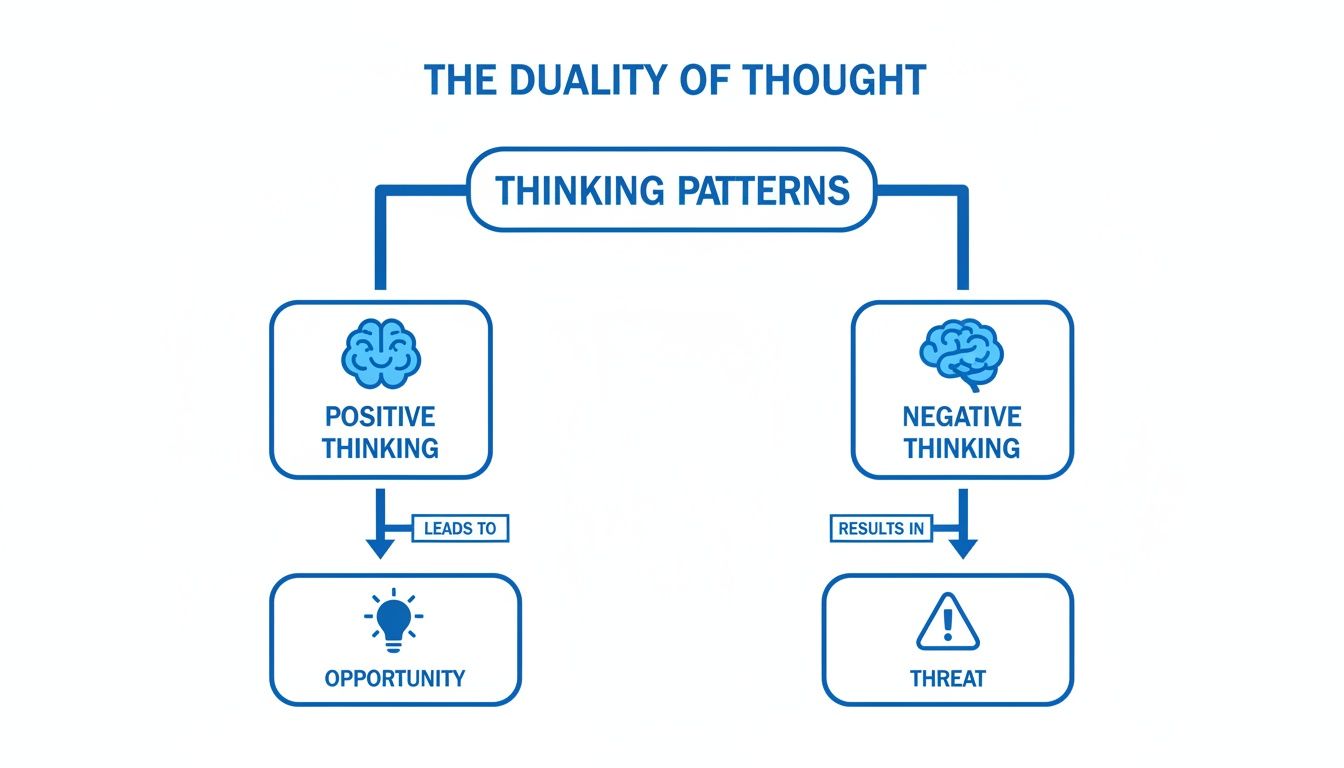
  • A Guide to Online Treatment for Depression in India

    A Guide to Online Treatment for Depression in India

    Recognising you might need support is a brave and important step. If you're exploring your options, this guide offers a clear, gentle path through online treatment for depression. Think of it as a helpful map for finding your way to feeling better, with a special focus on the context in India.

    A New Path to Mental Well-Being in India

    Taking the first step toward mental wellness can feel big, but you are not alone on this journey. In India, conversations about mental health are becoming more open, creating new ways to find professional, confidential help. Online therapy offers a private and flexible way to get support from your own comfortable space.

    This guide is designed to be a supportive companion on your path. We will explore how online treatment for depression can provide you with tools to manage difficult emotions and build a stronger, more resilient you.

    Navigating Life's Modern Pressures

    Modern life can be demanding, whether you're in a bustling city or a quiet town. Juggling a career, family, and personal goals can leave anyone feeling overwhelmed and stretched thin.

    This constant pressure can show up in different ways, making everyday tasks feel like a challenge. Recognising these signs is the first step toward feeling more in control of your well-being.

    • Workplace Stress: Feeling overwhelmed by deadlines or a tough work environment can lead to burnout.
    • Anxiety: This can feel like a persistent worry or restlessness that makes it hard to focus.
    • Depression: This often shows up as a heavy sadness, loss of interest in things you once enjoyed, or feeling tired all the time.

    Online counselling provides a safe, non-judgemental space to work through these feelings. A therapist can help you understand the roots of these challenges and develop practical strategies to manage them.

    Building a Foundation of Well-Being

    Support isn't just about managing tough times; it's about building a life that feels good and meaningful. This is where positive psychology can help by focusing on our strengths, like resilience and compassion.

    "Therapy is not about becoming a new person. It’s about becoming more of who you truly are, with tools to navigate life’s ups and downs more effectively."

    It’s a shift from just getting by to truly thriving. Online therapy can be a wonderful guide in this process, helping you lay a solid foundation for your overall well-being and happiness.

    • Resilience: This is your ability to bounce back from challenges and adapt to change.
    • Compassion: Learning to be kinder to yourself can quiet your inner critic and improve your relationships.
    • Happiness: It's about discovering what brings you joy and purpose to build a more fulfilling life.

    Please remember, the information here is for guidance and understanding. It is not a substitute for a formal evaluation by a qualified healthcare professional.

    Understanding Online Depression Treatment

    Online therapy is much like a traditional therapy session, but it happens in a secure, private digital space. Instead of travelling to an office, you receive professional support for challenges like depression and anxiety from wherever you feel most comfortable.

    Online treatment for depression offers a variety of care options, from live video calls to structured self-paced programs. This flexibility is making professional mental health support more approachable and accessible for many people.

    Bridging a Critical Gap in Mental Health Care

    In India, accessing quality mental health care can be difficult due to distance, schedules, or stigma. Online platforms are helping to close this gap by connecting people with the support they need, wherever they are.

    The need for this is clear. India has just 0.75 psychiatrists for every 100,000 people, which is far below the recommended number. This makes finding in-person help a challenge for many, positioning online therapy not just as a convenience but as a vital solution. You can read more about India's mental health landscape and how technology is helping.

    This improved access means expert care for depression or workplace stress is now within reach for many more people.

    More Than Just Managing Symptoms

    Good online counselling does more than help with the symptoms of depression or anxiety. It aims to build a strong foundation for your long-term mental well-being by giving you practical skills and a deeper understanding of yourself.

    This often involves a blend of proven therapeutic methods and principles from positive psychology. The goal is to equip you with the tools you need to face future challenges with greater strength and confidence.

    At its core, therapy is about building resilience—that inner capacity to navigate life's inevitable ups and downs without getting swept away. It's about strengthening your own resources so you can face challenges from a place of calm and control.

    How It Fosters Growth and Resilience

    Online treatment provides a supportive space to work on personal growth. Your therapist acts as a guide, helping you identify unhelpful thought patterns that may contribute to feelings of sadness, stress, or burnout.

    Together, you can build healthier ways of coping. This process might involve:

    • Building Self-Compassion: Learning to be as kind to yourself as you would be to a friend.
    • Developing Emotional Regulation: Gaining skills to better understand and manage your emotions so they feel less overwhelming.
    • Finding Purpose and Happiness: Exploring what gives your life meaning to create a more fulfilling future.

    While tools like online assessments can offer useful insights into your emotional state, they are informational, not diagnostic. They serve as a starting point for a meaningful conversation with a qualified professional.

    Exploring Different Types of Online Therapy

    When you look into online treatment for depression, you'll find several options. The best approach is the one that fits your personality, schedule, and comfort level.

    Think of it as a menu of services, each offering a unique way to get support. Let’s look at the most common formats to help you understand how they work.

    Live Video and Audio Sessions (Teletherapy)

    This is what most people picture when they think of online counselling. You schedule live appointments with a therapist and meet through a secure video or audio call for a real-time conversation.

    This format is great if you value direct interaction and want to build a strong connection with your therapist. It provides dedicated time to work through feelings related to depression, anxiety, or workplace stress.

    Internet-Delivered CBT Programmes

    Internet-delivered Cognitive Behavioural Therapy (iCBT) is a structured, educational approach. You work through online modules that teach you the core skills of CBT, a powerful method for managing depression.

    A therapist often guides you, checking in with messages or short calls to offer support. This blend of self-paced learning and professional guidance is ideal if you prefer a clear curriculum. You can also explore best Cognitive Behavioural Therapy (CBT) apps that use a similar model.

    This flowchart can help you think about whether the flexibility of online care is a good fit for you.

    Flowchart asking if online therapy is right, showcasing flexibility with time, mental health, and location.

    As you can see, factors like a busy schedule or the comfort of home can make online therapy an excellent choice for your mental well-being.

    Medication Management (Telepsychiatry)

    For many, an effective path for managing depression includes both therapy and medication. Telepsychiatry makes this process seamless online by connecting you with a qualified psychiatrist through video consultations.

    It's important to know that only medical doctors, like psychiatrists, can prescribe medication. Therapists provide talk therapy but cannot write prescriptions, making telepsychiatry a vital part of online care.

    This service is a game-changer if you need medication but find it hard to get an in-person appointment. It brings expert medical care into your home, ensuring your treatment plan is complete and well-managed.

    Comparing Online Therapy Formats

    How do you choose the right format? It depends on what you're looking for in terms of interaction, structure, and support. The table below outlines the key differences to help you decide.

    Therapy Type Best For Level of Interaction Typical Structure
    Live Teletherapy Those who want a strong, direct connection with a therapist and real-time conversation. High Weekly or bi-weekly scheduled sessions (video or audio).
    Internet-Delivered CBT Individuals who prefer a structured, educational approach and self-paced learning. Low to Medium Sequential modules with exercises, often with periodic therapist check-ins.
    Guided Self-Help Apps People looking for introductory tools to build resilience and manage mild symptoms. Low Daily check-ins, guided meditations, mood tracking, and educational articles.
    Telepsychiatry Those needing a medical evaluation for medication to complement their therapy. High (Medical Focus) Initial consultation followed by regular follow-up appointments for management.

    Ultimately, the best online treatment for depression is the one that feels right for you. Whether you prefer direct interaction or self-paced learning, there is an online path that can help you build resilience.

    Online vs. In-Person Therapy: Which Is Right for You?

    When considering therapy, you might wonder whether to choose an online or in-person setting. Research shows that for many people, especially those with mild to moderate depression, online support can be just as effective.

    There is no single "better" option. The right choice depends on your lifestyle, comfort with technology, and personal preferences for your therapy journey.

    Convenience and Access: Therapy on Your Terms

    The biggest advantage of online therapy is its convenience. It eliminates travel time, which is a huge benefit whether you live in a busy city or a remote area.

    This means you can connect with a professional from a place where you feel completely comfortable, like your own home. Feeling safe can make it easier to open up and discuss what’s on your mind.

    The Client-Therapist Connection

    The bond you build with your therapist is a key part of successful therapy. Many people wonder if this connection can be as strong through a screen, and experience shows that it absolutely can.

    A strong therapeutic relationship is built on trust, empathy, and feeling truly heard. These human qualities come through a screen just as powerfully as they do in person.

    While in-person sessions offer the benefit of seeing body language, a skilled online therapist is trained to listen closely to build a deep connection. The chemistry between you and your therapist matters most, not the medium you use.

    Weighing Up the Cost and Effectiveness

    Effectiveness and cost are important considerations. Studies have shown that online Cognitive Behavioural Therapy (CBT) is as effective as face-to-face therapy for managing depression and anxiety.

    In India, the demand for mental health support has grown, with a 40% jump in people seeking help since the pandemic. Online therapy is often 20–30% less expensive than traditional sessions, making care more accessible. You can learn more about the rise of online therapy packages in India and their effectiveness.

    This blend of effectiveness and affordability makes online treatment for depression a powerful and practical choice for improving your well-being.

    How to Choose the Right Online Therapist for You

    Finding the right person to talk to is the most important step in your therapy journey. The connection you build with your therapist is the foundation for growth, so it's worth choosing thoughtfully.

    This guide will walk you through what qualifications to look for and the best questions to ask. Making an informed choice helps you start your online treatment for depression feeling confident.

    Checking Qualifications and Specialisations

    First, ensure you're speaking with a qualified professional. In India, look for credentials like a Master's degree in Psychology (M.A./M.Sc.), an M.Phil in Clinical Psychology, or a PhD in Psychology.

    Also, consider their areas of expertise. A therapist specializing in depression, anxiety, or workplace stress will have a deeper understanding of your challenges. Platforms like DeTalks make this easy by listing each therapist's credentials and specialities.

    Questions to Ask in Your First Consultation

    Most online services offer an initial consultation, which is a great chance to see if you connect. Think of it as a conversation to see if the therapist feels like a good fit for you.

    Having a few questions ready can help you make the most of this chat. It's about understanding their approach and seeing if it aligns with your needs.

    Here are a few ideas:

    • What's your approach to helping with challenges like depression?
    • How do you help clients build skills for resilience and self-compassion?
    • What does a typical therapy session with you look like?
    • How will we work together and track progress toward my goals?

    Pay attention to how the conversation feels. The best therapist for you is someone you feel you can be open and honest with.

    Understanding Costs and Payment in India

    The cost of online counselling in India is generally more affordable than in-person sessions. Most services charge per session, and some offer discounted packages for booking multiple sessions.

    Before you commit, get a clear understanding of the payment process and cancellation policy. Feeling clear about the financial side removes a potential source of stress, allowing you to focus on your well-being.

    Choosing a therapist is a personal decision, so take your time. Finding someone who feels like a true partner for your journey can make all the difference.

    Final Thoughts on Your Path Forward

    Exploring therapy is a courageous act of self-care and an investment in your well-being. This journey is not about finding a quick fix but about discovering new ways to cope and uncovering your inner resilience.

    Online treatment for depression offers a safe space to process your experiences and practical tools for the road ahead. It’s about building resilience to handle life's challenges and learning to show yourself compassion along the way.

    How to Make Online Therapy Work for You

    A little preparation can make a big difference in your online counselling sessions. Creating a focused and secure space helps you open up and engage fully with your therapist.

    Here are a few tips to get the most out of every session:

    • Find a private space: Choose a quiet spot where you won't be disturbed to help you focus.
    • Be open and honest: The more you share, the better your therapist can support you.
    • Apply what you learn: The real progress happens when you practice new skills in your daily life.

    The effort you put in is a direct investment in your long-term well-being.

    It's a Marathon, Not a Sprint

    Therapy is a partnership where you are the expert on your life, and your therapist is a guide. They have the tools to help you navigate challenges like anxiety, workplace stress, or depression.

    I often tell my clients to think of therapy like tending to a garden. It takes patience, consistent care, and the right environment to thrive. Some days will be bright and sunny, while others might bring rain. But every single day of tending to it helps something beautiful grow.

    Progress isn't always a straight line, so celebrate small wins and be kind to yourself on tough days. Exploring strategies to reduce brain fog can also be a helpful addition to your toolkit. Remember that online assessments are informational starting points, not diagnoses. Help is more accessible than ever, and you can take the next step whenever you're ready.

    Your Questions About Online Depression Treatment, Answered

    It's natural to have questions when starting something new, especially regarding your mental health. We've gathered answers to some common questions about online treatment for depression to help you feel more comfortable.

    Getting your questions answered is an important part of feeling ready. This can help you make a choice that feels right for you on your journey toward building greater resilience.

    Is My Information Kept Confidential in Online Therapy?

    Yes, absolutely. Reputable online therapy platforms in India follow the same strict confidentiality rules as in-person therapists. They use secure, encrypted technology to ensure your conversations remain private.

    It's always a good idea to review a platform's privacy policy before signing up. This will help you feel secure and focus on your well-being.

    What if I Don’t Click with My First Online Therapist?

    This can happen, and it's perfectly okay. The connection with your therapist is vital for successful therapy, and it might take time to find the right match.

    Most online services make it easy to switch to a new therapist if the first one doesn't feel right. Finding someone who understands you is a key step in feeling supported with challenges like anxiety or depression.

    "Finding the right therapist is like finding the right key for a lock. It's not about the key being 'bad' if it doesn't fit the first time—it's about finding the one that turns smoothly."

    Can I Get Medication Through Online Treatment?

    Yes, through a service called telepsychiatry. While counsellors provide talk therapy, only a psychiatrist, who is a medical doctor, can prescribe and manage medication.

    Many platforms now offer access to online psychiatrists for evaluation and prescription management. This allows you to receive both therapy and medical treatment conveniently, supporting your overall well-being.

    What Technology Do I Need for Online Therapy?

    You likely already have what you need: a smartphone, tablet, or computer with a camera and a stable internet connection.

    Just as important is your environment. Finding a quiet, private space where you can speak openly is essential for making the most of your counselling sessions.


    Taking steps towards better mental health is a personal and brave decision. If you feel ready to connect with a professional who can guide you, DeTalks provides a safe, trusted space with qualified therapists and science-backed assessments. Begin your journey to resilience and well-being today at https://detalks.com.

  • Overcome insecurity in relationship: Build Confidence and Trust

    Overcome insecurity in relationship: Build Confidence and Trust

    Feeling a pang of insecurity in your relationship is a common human experience, not a personal flaw. It’s that nagging worry or anxiety about your partnership, a knot in your stomach that whispers fears of rejection or abandonment. This feeling isn’t a sign of weakness; think of it as a signal from your heart, telling you something needs attention.

    What Does it Mean to Feel Insecure in a Relationship?

    A hand gently waters a wilting potted plant on a sunlit windowsill.

    Imagine your relationship is like a plant. For it to thrive, it needs the right environment—sunlight of trust, water of reassurance, and the solid ground of a stable emotional foundation. When these elements are missing, the plant naturally shows signs of stress, and your sense of security in a relationship works in much the same way.

    This feeling of insecurity in a relationship is more than simple jealousy or mistrust. It’s a complex mix of emotions that can stem from past experiences, current life pressures, or deep-seated anxieties about the future.

    You're Not Alone—This is a Common Feeling

    First things first: it’s completely normal to feel this way. Especially in a place like India, where family and societal expectations add another layer of pressure, navigating relationships can feel challenging. You are not the only one wrestling with these feelings of unease.

    This feeling is simply a message. Just as physical pain warns you of an injury, emotional insecurity points to a need for better communication, deeper understanding, or personal healing. Acknowledging it without judgment is the first step toward building a stronger, more connected partnership.

    This guide is here to help you unpack those feelings in a supportive way. We’ll explore common causes and signs, and share practical steps to nurture your emotional well-being. Remember, this journey is about making progress, not achieving an impossible standard of perfection.

    “Insecurity is a natural response to perceived threats to our connection with a loved one. Viewing it as a cue for introspection, rather than a character flaw, opens the door to growth, compassion, and a more secure bond.”

    How It Affects Your Well-being

    When insecurity lingers, it can start to wear you down. It can feed a constant cycle of anxiety, create distance between you and your partner, and sometimes spiral into feelings of depression. The endless worry is draining and can spill over into other parts of your life, increasing workplace stress.

    But there is a positive side. Confronting these feelings can spark incredible personal growth and build resilience. As you learn to navigate your insecurity, you develop powerful self-awareness and sharpen your communication skills. The goal isn’t to erase insecurity forever, but to learn how to manage it with kindness, which can lead to greater happiness and a stronger relationship.

    Understanding the Roots of Relationship Insecurity

    Hands cradle a young plant, old photo, boy figurine, and phone in soil, symbolizing roots and growth.

    That nagging feeling of insecurity rarely appears out of nowhere. It often grows from seeds planted long ago or is nurtured by the pressures of our daily lives. Getting to the root of these feelings is a huge step toward healing and building stronger relationships.

    Think of your emotional reactions like a familiar path in a forest. The more a path is used—whether carved by childhood experiences or past heartbreaks—the easier it is to slip back onto it. Understanding where these paths came from helps you consciously choose a new direction with more self-compassion.

    Generally, the causes of insecurity in a relationship fall into two main areas: the internal patterns we carry within us, and the external pressures from the world around us.

    Internal Patterns: The Stories We Tell Ourselves

    Our inner world is a rich tapestry of memories, beliefs, and learned behaviours that shape how we experience love. These internal patterns are often the main source of the anxiety and doubt we feel in our partnerships.

    A major influence is our early attachment style, the blueprint for relationships we formed as children. If our caregivers were consistently loving, we likely developed a secure attachment, making it easier to trust. But if that care was unpredictable, we might have an anxious attachment style, which can trigger a deep fear of abandonment in adult relationships.

    Low self-worth is another powerful internal driver. If you don’t feel worthy of love and respect, it's incredibly difficult to believe someone else when they offer it to you. That inner critic can twist a simple misunderstanding into "proof" that you’re not good enough, trapping you in a painful cycle of doubt.

    Remember, these patterns are not your fault. They are learned responses that developed to protect you. Acknowledging them with kindness is the first step toward rewriting your story and building emotional resilience.

    Past betrayals can also leave deep, lasting scars. If a previous partner was unfaithful, it can feel almost impossible to trust again, even with a dependable new partner. Your mind is trying to shield you from getting hurt again, but this constant watchfulness can create unnecessary stress.

    External Pressures: The Weight of the World

    Our relationships don’t exist in a bubble; they are constantly influenced by society, finances, and cultural norms. These external forces can easily fuel the fire of insecurity.

    In India, for example, relationship dynamics are often deeply connected to economic and social pressures. A study found that 41% of Indian adults report feeling insecure in their romantic relationships sometimes. For 55% of those, economic uncertainty was a major factor. You can read the full research about these connection challenges to see how intertwined these issues are.

    This data shows how easily outside stressors can create an environment where insecurity can flourish.

    • Financial Uncertainty: Worrying about your job or income creates immense workplace stress that spills into your personal life. This instability can erode your confidence and make you feel more dependent on your relationship for safety, which is a recipe for anxiety.
    • Social and Family Expectations: In many Indian families, there are powerful expectations around marriage, career, and lifestyle. The pressure to live up to these ideals can leave you and your partner questioning if you’re "good enough," fuelling feelings of inadequacy and even depression.
    • The Social Media Effect: It’s hard to feel good about your relationship when you’re constantly seeing curated, "perfect" versions of others' lives. This comparison culture creates unrealistic benchmarks that can make you doubt your own partnership.

    Understanding both the internal and external roots of your insecurity in a relationship is empowering. It helps you see how outside forces might be affecting your feelings. With that clarity, you can nurture your well-being and find the right support, whether through self-reflection, honest conversations, or professional counselling.

    Spotting the Signs of Insecurity in Your Relationship

    It’s one thing to know what relationship insecurity is, but another to see how it plays out in your life. Think of these signs not as personal flaws, but as signals your mind is sending for your attention. If you can look at these patterns with curiosity instead of judgment, you’re already on the path to feeling more secure.

    Insecurity often shows up in two ways: through your actions (behaviours) and your feelings (emotional triggers). The feelings frequently drive the actions. Learning to spot both can help you untangle the knot of anxiety and confusion.

    Behavioural Clues You Might Notice

    These are the outward actions that often point to a shaky feeling inside. You might see yourself or your partner doing things to gain control or seek constant validation. These actions are often just an attempt to quiet the anxious voice in your head, even if they end up making things worse.

    For example, do you find yourself needing a lot of reassurance, like repeatedly asking, "Do you still love me?" Other common habits include checking your partner’s phone, monitoring their social media, or relying on them for all your emotional needs.

    Try to see these behaviours as a cry for connection, not an accusation. Shifting your perspective this way can change everything. It moves the conversation from blame to understanding and opens up a space where you can both heal and grow together.

    Another classic pattern is starting arguments just to test your partner's commitment. It’s a subconscious way of checking if they’ll stick around when things get tough. While it might feel like a way to get the security you crave, it often just pushes your partner away, creating a self-fulfilling prophecy.

    The Emotional Triggers Beneath the Surface

    Underneath these actions are powerful emotions that can feel overwhelming and seem to appear out of nowhere. Getting good at naming these emotions is a game-changer for managing how you react.

    A constant, nagging anxiety about the future of the relationship is a major sign. You might be stuck in a loop, worrying your partner will leave, even with no real reason to think so. This often goes hand-in-hand with intense jealousy over small things.

    Living in this state of high alert is draining and can lead to burnout or contribute to feelings of depression. It’s important to remember that these feelings are real and valid, even if they aren't an accurate reflection of your relationship. They are often just echoes from your past that haven't fully healed yet.

    To help you connect the dots, we’ve created a table with some common signs. Please remember, this is an informational guide to help you reflect, not a diagnostic tool.

    Recognising Signs of Relationship Insecurity

    Category Common Manifestations Example in Daily Life
    Thoughts Assuming the worst about your partner's intentions or feelings. "They haven't replied to my message in an hour; they must be angry with me or losing interest."
    Feelings Pervasive jealousy, anxiety, or a deep-seated fear of being abandoned. Feeling a surge of panic when your partner mentions spending time with friends without you.
    Behaviours Seeking constant reassurance or checking up on your partner. Repeatedly asking your partner, "Are we okay?" after a minor disagreement.

    Seeing these signs in yourself is an act of self-care. It provides the clarity you need to address the real issues, build your inner resilience, and find the right support, whether through personal strategies or professional counselling.

    Actionable Steps for Building a Secure Connection

    A young Asian couple sits on a couch, talking intensely. The woman holds a checklist notebook.

    Understanding where your insecurity comes from is the first big step. Now comes the empowering part: turning that understanding into positive action. Let's walk through some practical ways to build a stronger, more secure bond—with your partner and with yourself.

    Think of these strategies not as quick fixes, but as small, consistent habits that build emotional resilience over time. By learning to calm your mind, question your fears, and talk openly, you can lay the groundwork for a much healthier relationship.

    Practise Self-Soothing Techniques

    When a wave of anxiety or panic hits, your first job is to calm your nervous system. Self-soothing techniques are simple, mindful actions you can do anywhere to bring yourself back to the present moment and reduce the intensity of overwhelming feelings.

    Consider them a kind of emotional first aid. For instance, the 5-4-3-2-1 grounding exercise is incredibly powerful. Just pause and quietly name:

    • 5 things you can see
    • 4 things you can touch
    • 3 things you can hear
    • 2 things you can smell
    • 1 thing you can taste

    This simple act pulls your focus away from racing thoughts and grounds you in your physical surroundings.

    Another fantastic tool is deep belly breathing.

    • Place one hand on your chest and the other on your stomach.
    • Breathe in slowly through your nose for a count of four, feeling your belly expand.
    • Hold for a moment.
    • Then, breathe out slowly through your mouth for a count of six.
    • Continue this for a few minutes until you feel a sense of calm.

    This type of breathing directly counteracts the fight-or-flight response that fuels insecurity in a relationship, sending a signal to your brain that you're safe.

    Challenge and Reframe Negative Thoughts

    Insecure feelings are often powered by what experts call Automatic Negative Thoughts (ANTs). These are the critical voices that pop into our heads, often without us realizing it. The key is to stop accepting them as fact and start questioning them, a practice known as cognitive reframing.

    First, just notice when these thoughts show up. The next time your mind jumps to, "They're definitely going to leave me," pause. Ask yourself: "Is that thought 100% true? What evidence do I have for it? What evidence do I have against it?"

    “Our thoughts are not facts. By learning to observe them with curiosity instead of judgment, we can separate our true selves from the stories of fear our minds create, paving the way for greater peace and happiness.”

    Then, look for a more balanced, kinder perspective. Instead of, "They haven't texted back; they must be mad," you could reframe it as, "They might just be busy at work. Their response time doesn't define how they feel about me." This small mental shift can stop a minor worry from spiraling into major workplace stress or a relationship conflict.

    Use Clear Communication Scripts

    Voicing your fears and needs without sounding accusatory is a cornerstone of trust. When you're feeling insecure, it's easy for "I'm worried" to come out as "You always…," which puts your partner on the defensive. Using simple communication scripts can help you express yourself constructively.

    The key is to use "I feel" statements, which center the conversation on your emotions. For example, instead of saying, "You never listen to me," try this: "I feel unheard when we discuss important topics, and it makes me feel anxious about our connection."

    Here are a few scripts you can adapt:

    • To express a need: "I feel a little disconnected lately. Would you be open to spending some quality time together this weekend?"
    • To share an insecurity: "I've been feeling some anxiety about [specific issue]. Could you share your perspective? It would help me feel more secure."
    • To set a boundary: "I feel overwhelmed when we argue via text. Can we agree to discuss sensitive topics in person?"

    To truly build a secure connection, it's helpful to explore strategies for navigating communication breakdown in relationships. When you can state your needs kindly and clearly, you're not attacking your partner; you're inviting them to be part of the solution.

    Build Your Self-Esteem Outside the Relationship

    A solid sense of self is the ultimate antidote to relationship insecurity. When your self-worth isn’t completely tied to your partner's approval, you bring a calmer, more resilient energy to your partnership.

    Make it a priority to invest in activities and people that make you feel capable and valued on your own. This could mean reconnecting with friends, dusting off a hobby, or chasing a personal goal. Every small accomplishment builds your confidence from the inside out.

    Cultivating a life that feels full and meaningful on your own terms is vital for your overall well-being. It ensures you're in the relationship because you want to be, not because you need your partner to feel whole. This independence helps create space for a more authentic and secure love to grow.

    When to Consider Professional Support

    While working on yourself is powerful, sometimes the weight of insecurity is too heavy to lift alone. Reaching out for professional support isn’t a sign of failure. It is a courageous step toward healing and an investment in your long-term happiness and well-being.

    The thought of seeking help can feel intimidating. However, certain signs suggest it might be the most compassionate choice for yourself and your relationship. If you notice insecurity is fuelling constant arguments, or if you feel like you're always walking on eggshells, it may be time. These patterns can create a draining cycle of stress that is tough to break without an outside perspective.

    Recognising It Is Time to Reach Out

    A clear signal is when the insecurity in a relationship starts affecting your daily life. Perhaps you can’t concentrate at work because you’re consumed by worry, or you've started withdrawing from friends. If you're noticing ongoing symptoms of anxiety or depression, that is a definite sign that professional support could be beneficial.

    Another indicator is when insecurity feels tangled with older issues, like past trauma or a lifelong struggle with low self-esteem. A good therapist can help you gently unpack those experiences in a way self-help guides cannot. They provide the specific tools and support needed to heal from the root, helping you build genuine, lasting resilience.

    “Therapy is not about being ‘fixed.’ It's about being seen, heard, and guided as you discover the strength you already possess. It’s a proactive choice for a healthier, more authentic life.”

    Individual Therapy vs Couples Counselling

    Knowing your options can make the process feel more manageable. Both individual therapy and couples counselling have unique strengths, and the best fit depends on your needs.

    • Individual Therapy: This is your dedicated space to explore the internal roots of your insecurity, whether that means building self-esteem, healing from the past, or managing anxiety and workplace stress.
    • Couples Counselling: This brings you and your partner together to work on communication and rebuild trust. It’s a collaborative setting where you can both learn to handle disagreements better and understand each other’s emotional worlds.

    Often, a combination of both can be a powerful approach. You might work on personal triggers in individual therapy while attending counselling with your partner to strengthen the relationship itself. Please remember that this guide is informational, not diagnostic—a professional can help you find the best path forward.

    Seeking support is an act of profound strength. Platforms like DeTalks are a great starting point for exploring qualified therapists and finding someone who feels like the right fit for your journey.

    A Final Word on Your Journey Forward

    An open notebook with handwritten text and a cup of tea on a wooden table with sunlight.

    Tackling insecurity in a relationship isn’t about finding a quick fix; it's a personal journey of growth. The path forward is about progress, not perfection. The most important thing you can bring along is compassion for yourself.

    Simply understanding where these feelings come from is a huge first step. From there, it’s a process of patiently unlearning old habits and practising healthier ways of connecting. It's the small, consistent efforts that build lasting security.

    Gentle Reminders for the Road Ahead

    Every step you take, no matter how small, builds your emotional resilience and contributes to your overall well-being. Keep these supportive takeaways in mind as you move forward.

    • Your Feelings Are Messengers, Not Monsters: When insecurity pops up, try to meet it with curiosity, not criticism. See it as a signal pointing to a need that isn't being met or an old wound that needs your attention.
    • Self-Compassion Is Key: You will have good days and tough days. On the hard ones, treat yourself with the same kindness you’d offer a close friend who was struggling.
    • Small Steps Lead to Big Changes: Don't try to change everything at once. Focus on one small thing, like using a breathing exercise when you feel anxious. These little wins add up over time.

    Ultimately, building security in your relationship starts with building a stronger, more trusting relationship with yourself. When you know your own worth, you bring a calmer, more confident, and compassionate energy to your partnership.

    Reaching Out Is a Sign of Strength

    If this journey feels overwhelming, please remember that asking for help is an act of courage. Professional therapy or counselling offers a safe, non-judgmental space to explore these feelings, especially if they’re linked to issues like depression or workplace stress.

    You have it in you to create a more secure and loving connection. By understanding your emotions, being kind to yourself, and reaching out when needed, you are taking charge of your own happiness and emotional freedom.

    Frequently Asked Questions

    It's completely normal to have questions when you're working through feelings of insecurity in your relationship. Let's tackle some of the most common ones that come up on the path to building a more trusting and connected partnership.

    Can Relationship Insecurity Ever Be Cured?

    It’s more helpful to think of managing relationship insecurity rather than "curing" it, as everyone feels uncertain now and then. The real goal is to develop emotional resilience and coping skills so these feelings don't dictate your actions or harm your well-being.

    With self-awareness, open communication, and sometimes professional guidance, you can dramatically lessen insecurity's hold on you. Over time, you can build a genuine, lasting sense of security from within.

    Is It My Partner's Responsibility to Make Me Feel Secure?

    This is a tricky one. While a supportive partner is a cornerstone of a healthy relationship, your core sense of security is ultimately your own to cultivate.

    Your partner can offer reassurance and be a reliable presence. However, the deepest roots of insecurity often grow from our own past experiences. A partnership works best when both people take responsibility for their own emotional health while also supporting each other. Placing the entire burden of your security on your partner can create unhealthy dynamics and add stress to the relationship.

    How Do I Talk to My Partner About My Insecurity?

    Bringing this up requires courage and a gentle approach. The key is to use "I" statements to share your feelings without making your partner feel blamed, which helps keep the conversation collaborative.

    For instance, instead of saying, "You make me feel insecure," try framing it like this: "Lately, I've been feeling some anxiety when [mention a specific situation], and I'm working through it. Would you be open to talking with me about it?" This simple change invites them to be part of the solution with you.


    At DeTalks, we believe everyone deserves to feel secure and understood. If you are struggling with insecurity or looking to build a healthier relationship with yourself and others, we are here to help. Explore our directory of qualified therapists or take a confidential assessment to gain deeper insight into your emotional well-being by visiting DeTalks.

  • How to Stop Overthinking Your Relationship: Finding Peace and Security

    How to Stop Overthinking Your Relationship: Finding Peace and Security

    Realizing your thoughts are signals, not facts, is the first step to stop overthinking your relationship. It’s about learning to gently question worst-case scenarios and return to the present moment. Opening up to your partner can replace anxious guesswork with real clarity, building the trust that quiets your mind.

    Understanding Why You Overthink Your Relationship

    Do you replay conversations on a loop or constantly analyse your partner’s every move? If so, you’re not alone. This mental treadmill is incredibly common, and understanding its roots is the first step toward peace.

    This habit is not a character flaw; think of it as a protective instinct that's gone into overdrive. At its core, overthinking often feels like an attempt to gain control when things feel uncertain, driven by stress or anxiety.

    The Connection Between Past Hurts and Present Worries

    Our past relationships create a mental blueprint for what we expect from love. If you've been hurt before, trusting a new partner can feel challenging, leading you to dissect their actions for hints of dishonesty.

    Similarly, if you grew up where affection felt unpredictable, you might develop an anxious attachment style. This can leave you constantly seeking reassurance, trapping you and your partner in a draining cycle of overthinking.

    Overthinking is the mind's way of trying to control outcomes to avoid being hurt again. It feels like preparation but often leads to mental exhaustion, contributing to feelings of anxiety or depression.

    How Cultural Pressures Can Fuel Overthinking

    In India, cultural and family expectations can add another layer of complexity. The pressure to please family or follow traditional timelines can turn happy relationship milestones into sources of stress and worry.

    For example, societal timelines for marriage can create a sense of urgency, causing you to overanalyse if your relationship is "the one." Seeking this external validation can disrupt the natural flow of a partnership.

    This is a real issue in India, where gaps in social support can intensify relationship distress. Research from the CDC links loneliness to increased stress and depression. In an Indian context, factors like heavy family involvement can increase this pressure, making it vital to build emotional resilience.

    From Self-Criticism to Self-Compassion

    Recognizing these patterns isn't about blame; it’s about cultivating self-compassion. You developed these habits to protect yourself, which shows how deeply you care, even if it's causing pain now.

    Acknowledging the roots of your overthinking allows you to treat yourself with kindness. This shift is fundamental for building the inner foundation needed to change these thought patterns, often with support from therapy and counselling.

    How to Recognise Your Overthinking Triggers

    Before you can learn how to stop overthinking your relationship, you must become a curious observer of your mind. The key is understanding what kicks off the thought spiral in the first place, spotting the spark before it becomes a wildfire of anxiety.

    Often, these triggers are small, seemingly harmless moments. A vaguely worded text, a change in routine, or a social media post can activate deep-seated fears and send your mind racing.

    Identifying Your Unique Triggers

    Think of yourself as a detective gathering clues about your own thought patterns. The goal isn't to judge but simply to notice. Your triggers are personal but often fall into common categories.

    Some of the most frequent ones include:

    • Vague Communication: A short "OK" text or delayed response can feel like a sign of anger, even when it’s not.
    • Changes in Routine: If your partner usually calls after work but forgets, your mind might jump to worst-case scenarios.
    • Social Media Comparisons: Seeing friends' posts can trigger insecurities about your own relationship's pace or quality.
    • Moments of Disconnection: A quiet evening can be misinterpreted as a red flag that the relationship is failing.

    When you can name these situations, you can prepare for them. Knowing a vague text is a personal trigger allows you to pause and question the automatic negative thought instead of letting it hijack your emotions.

    This infographic shows the deeper roots—like past hurts, anxiety, and fear—that often fuel our reactions to everyday triggers.

    It’s a great reminder that our mind’s response is often connected to deeper emotional patterns, not just the event itself.

    Spotting Unhelpful Thought Patterns

    Once you've identified your triggers, the next step is to notice the mental habits they set off. These are flawed lenses that colour how you see reality, almost always leading to more anxiety and emotional burnout.

    Learning to spot them is a crucial skill for improving your mental well-being, which you can develop on your own or with guidance through counselling. Let's look at some common thought patterns and how to gently challenge them.

    Common Overthinking Patterns and How to Reframe Them

    Overthinking Pattern What It Sounds Like A Healthier Reframed Thought
    Catastrophising "We had a small argument. This means we’re totally incompatible and we’re going to break up." "We disagreed, which is normal. We can talk about this when we're both calm and find a way forward."
    Mind-Reading "They're being quiet. They must be angry with me for what I said earlier." "They seem quiet. I can't know what they're thinking. Maybe they're just tired from work. I'll ask them how their day was."
    "Should" Statements "A perfect partner should always know what I need without me having to ask." "It's not fair to expect my partner to be a mind-reader. I need to communicate my needs clearly and kindly."
    Black-and-White Thinking "If we don't move in together by next year, this relationship is a complete failure." "Relationships progress at their own pace. What matters is that we're both happy and feel secure right now."

    Becoming familiar with these patterns is incredibly empowering. It helps you see them for what they are: just thoughts, not facts.

    Unfortunately, negative past experiences can make these thought patterns feel more real. In India's evolving dating scene, finding emotional security can be a real challenge. Research shows that negative relationship experiences, like cheating (42%), are a major factor in psychological distress. You can read the full research about these relationship anxiety findings to understand more.

    By simply naming the pattern—"Ah, that's catastrophising again"—you create a small but powerful space between yourself and the thought. This separation gives you the power to choose how you respond instead of being swept away by the emotion.

    This process of identifying triggers and patterns is the first, most important step toward building resilience. It's not about trying to eliminate worry but about learning to manage it, transforming you from a passive victim of your thoughts into an active participant in your emotional health.

    Actionable Techniques to Calm Your Mind Now

    When your mind races with relationship worries, you need practical, in-the-moment tools to find your footing. Think of this as your first-aid kit for an overthinking spiral—simple techniques you can use anywhere to bring peace back to your mind and body.

    These strategies are about gently shifting your focus and calming your nervous system. This creates breathing room between you and the overwhelming emotions, giving you the power to respond with clarity instead of fear.

    A woman meditating peacefully on a rug in a bright bedroom next to a bed and open notebook.

    Ground Yourself with Sensory Awareness

    One of the quickest ways to break a thought loop is to pull your attention into the world around you. Grounding techniques use your five senses to anchor you in the present, sending a powerful signal to your brain that you're safe right now.

    A simple but effective method is the 5-4-3-2-1 technique. Wherever you are, pause and gently identify:

    • 5 things you can see: Look around and name five objects. Notice their colour and shape.
    • 4 things you can feel: Tune into physical sensations, like the texture of your shirt or the ground beneath your feet.
    • 3 things you can hear: Listen closely for sounds you might have been ignoring, like birds chirping or your own breath.
    • 2 things you can smell: Take a moment to notice any scents in the air, like coffee or fresh air.
    • 1 thing you can taste: Focus on whatever taste is in your mouth, or take a sip of water.

    This exercise forces your brain to switch gears from abstract worry to concrete, sensory input, which can dramatically lower the intensity of your anxiety. It’s a discreet and powerful tool you can use anytime.

    Contain Your Worries with a 'Worry Time'

    This might sound strange, but giving your worries a designated appointment can stop them from taking over your day. This cognitive strategy involves scheduling a limited window—say, 15 minutes each evening—to intentionally think about your relationship concerns.

    When a worry appears during the day, acknowledge it and then mentally "reschedule" it. You can tell yourself, "I'll give that my full attention tonight at 6 PM," which helps you reclaim a sense of control over intrusive thoughts.

    This isn’t about ignoring your feelings. It's about training your brain that you decide when to engage with anxious thoughts, building mental discipline and resilience over time.

    Overthinking in relationships often connects to broader mental health challenges. This is a growing concern in India, particularly among young adults navigating anxiety and stress. A 2021 study highlighted over 5 million cases of anxiety disorders among youth in regions including India, linking the mental health burden to persistent worrying.

    Untangle Your Thoughts with Journaling

    Getting thoughts out of your head and onto paper is a time-tested way to reduce their power. Journaling gives you a private space to explore your fears without judgement, helping you see them more objectively.

    Use specific prompts to guide your reflection, shifting from worry to problem-solving. This helps you understand the root of your feelings and build a path towards happiness.

    Journaling Prompts for Relationship Anxiety:

    • What is the specific fear underneath this worry? Am I afraid of being abandoned, rejected, or misunderstood?
    • What’s a more compassionate or balanced way of looking at this situation?
    • What evidence do I have that my fear is true? What evidence do I have that it isn't?
    • If my best friend were in this situation, what would I tell them?

    Journaling consistently helps you spot recurring triggers and thought patterns. To take this a step further, you can explore actionable self-discipline techniques that build mental fortitude against intrusive thoughts. These small, steady actions create lasting well-being and a quieter mind.

    Building a Stronger Foundation with Communication

    While managing your own thoughts is a massive step, the long-term solution to stop overthinking your relationship often comes from strengthening the connection itself. A foundation of open, honest communication and trust can naturally quiet the anxiety that fuels thought spirals.

    Your partnership can shift from a source of stress to your greatest source of support and well-being. This starts when you learn to share your insecurities in a way that feels constructive, not accusatory, turning worry into connection.

    A happy couple sits across a table, holding hands and smiling lovingly at each other.

    Voicing Your Needs Without Blame

    One of the biggest barriers to open talk is the fear of sounding needy or starting a fight. A simple and powerful technique is using "I" statements. This shift in framing lets you express your feelings without putting your partner on the defensive.

    For instance, instead of, "You never text me back, it feels like you don't care," you could try a softer approach. An "I" statement reframes it: "I start to feel a bit anxious when I don't hear from you. A quick text would help me feel more secure."

    See the difference? The second version invites empathy and opens the door for a conversation about how you can both feel more connected and supported, fostering compassion between you.

    Starting the Conversation About Insecurity

    Bringing up your insecurities takes courage and vulnerability. Choose a calm moment when you’re both relaxed and can truly listen—definitely not in the middle of a disagreement.

    Here are a few gentle ways to begin:

    • "I've been feeling a bit anxious about us lately, and I think it's my own stuff, but I'd love to talk it through with you."
    • "Can we set aside some time to connect? Sometimes my mind runs away with worries, and just talking to you helps."
    • "I sometimes create stories in my head when I'm feeling insecure. Could you help me understand what's real?"

    These conversation starters create a sense of teamwork. You aren't just dropping a problem in your partner's lap; you're inviting them to help you build more resilience together.

    The goal of sharing isn't just to get reassurance. It’s to build a shared understanding where both of you feel emotionally safe, which is a powerful defence against anxiety and depression.

    Setting Boundaries for Mutual Security

    Healthy boundaries are not walls; they are guidelines that help both of you feel respected and secure. They are crucial for protecting your mental energy and stopping the burnout that comes from constant worry.

    Setting a boundary can be as simple as saying, "I need some quiet time after a long day at work to recharge." Or it could be agreeing not to have serious discussions over text, where tone is easily misread.

    These mutual agreements reduce uncertainty, a massive trigger for overthinking. When you both respect each other's needs, there's far less room for anxious guesswork. For more on this, you can find great tips for building a strong relationship that focus on communication and trust.

    When to Seek Professional Support

    Learning to manage overthinking on your own is a huge achievement, but it's just as important to know when to ask for help. Reaching out for professional support isn't a sign of failure; it’s a proactive step toward protecting your mental well-being.

    Sometimes, the thought spirals persist, affecting your daily life, your work, and the very relationship you're trying to protect. When overthinking becomes relentless, it might be tangled with deeper patterns of anxiety or even depression. You don't have to navigate it alone.

    Recognising the Signs You Might Need Support

    It can be tough to know the line between normal worries and something more serious. A good rule of thumb is to look at the impact on your ability to function and enjoy your day.

    Here are a few signals that it might be time to talk to a professional counsellor or therapist:

    • Your Anxiety Is Constant: You feel on edge most of the time, with physical symptoms like a racing heart or tight chest.
    • It’s Derailing Your Life: Overthinking makes it hard to focus at work or enjoy hobbies, leading to mental burnout.
    • You Feel Hopeless: The thoughts are overwhelmingly negative, and you're starting to believe things are doomed to fail.
    • Your Coping Methods Are Unhealthy: You're leaning on emotional eating, drinking more, or withdrawing from others.

    While online assessments from platforms like DeTalks can offer helpful insights, please remember they are for informational purposes only. They are not a substitute for a professional diagnosis from a qualified mental health expert.

    How Therapy Can Help Break the Cycle

    Therapy provides a safe, non-judgemental space to explore the roots of your relationship anxiety. A trained professional can help you connect past experiences to current thought patterns with an objective perspective.

    A good therapist will equip you with practical, evidence-based skills to challenge unhelpful thoughts and manage your emotions. This is about building genuine, long-term resilience and learning to communicate your needs clearly.

    Think of therapy as an investment in your future happiness. It empowers you with personalised tools to not only stop overthinking your relationship but also to handle future challenges like workplace stress with more confidence.

    Taking That First Step

    Making that initial call can feel like the hardest part, especially when you’re already overwhelmed. In India, while the conversation around mental health is improving, there can still be hesitation. Frame it as an act of self-care.

    Platforms like DeTalks are designed to make this process less intimidating, helping you find qualified professionals who are the right fit. Taking this step is a powerful move away from just surviving and toward truly thriving.

    Your Top Questions About Overthinking, Answered

    When you're dealing with relationship anxiety, it's natural to have questions. Let's tackle some of the most common ones to provide clear, reassuring answers and reinforce the practical steps you can take.

    Is It Normal to Overthink a Little in a Relationship?

    Yes, a certain amount of reflection is healthy. Thinking about your relationship and your partner’s feelings helps you nurture a strong connection and handle small issues before they grow.

    The trouble starts when thoughtful reflection turns into a constant, looping cycle of worry. If your thoughts cause you distress or keep you up at night, the pattern has stopped being helpful and is hurting your well-being.

    Can Overthinking Actually Hurt My Relationship?

    Unfortunately, it can. When you're trapped in your head, it's easy to become distant or irritable. It can also create a dynamic where you constantly seek reassurance, which can become draining for both of you.

    Over time, this cycle can chip away at trust and intimacy. The good news is that you can break this cycle. By learning how to stop overthinking your relationship, you can rebuild that foundation of security.

    The real damage isn't from the thoughts but from the behaviours they trigger. When you react to fears as if they're facts, you can end up pushing away the person you want to be close to, which can fuel more anxiety and depression.

    How Do I Know If It’s My Intuition or Just Anxiety?

    This is a great question. The difference is in the feeling. Intuition usually feels like a quiet, calm "knowing" in your gut. It brings a sense of clarity, even if the message is difficult.

    Anxiety, on the other hand, is loud and chaotic. It's packed with "what if" scenarios and feels urgent and panicky. Anxiety-driven thoughts spiral, leaving you feeling more confused and exhausted, not clear. Learning to tell them apart is a massive step toward building emotional resilience.

    • Intuition: Feels like a calm, deep signal. It provides clarity without an emotional storm.
    • Anxiety: Feels like a noisy, frantic alarm. It creates confusion and emotional chaos.

    Will I Ever Stop Overthinking Completely?

    The goal isn't to silence every worry forever. The real aim is to change your relationship with your thoughts. With practice, you can learn to notice an anxious thought starting without getting swept away by it.

    Think of it as building a new muscle. The more you practise grounding techniques, challenge negative thoughts, and communicate openly, the stronger your "overthinking management" muscle gets. The thoughts might still pop up, especially during times of workplace stress, but they'll have much less power over you.

    This journey is about progress, not perfection. Every time you choose a healthier response, you're rewiring your brain for more peace. If the thoughts feel too big to handle on your own, remember that therapy and counselling are wonderful resources for building these skills with professional support.


    At DeTalks, we believe everyone deserves to feel secure and happy in their relationships. If you're finding it hard to break free from the cycle of overthinking, our platform is here to connect you with qualified therapists and counsellors across India who can provide support and practical tools.

    Ready to take the first step toward a calmer mind and a stronger connection? Explore our resources at https://detalks.com.

  • 10 Effective Workplace Conflict Resolution Strategies

    10 Effective Workplace Conflict Resolution Strategies

    Workplace conflict is a natural part of professional life. When people with different ideas, styles, and pressures work together, disagreements can happen. These moments don't have to harm team morale; instead, they can be opportunities for growth and stronger relationships when handled with care.

    This guide offers practical and supportive workplace conflict resolution strategies. We will explore a range of methods, from collaborative problem-solving to mediation and assertive communication, to help you navigate disputes with confidence and empathy. For a comprehensive overview, explore this essential guide on Conflict Resolution in the Workplace: Your Essential Guide.

    Managing disagreements is about more than just finding a solution; it's also about managing the workplace stress and anxiety that can come with them. We'll touch on how these strategies support overall well-being and when seeking professional support through counselling or therapy can be a helpful step. The goal is to build your resilience in a way that prioritises both professional outcomes and personal peace of mind.

    1. Collaborative Problem-Solving (Win-Win Approach)

    Collaborative problem-solving turns a "me versus you" conflict into an "us versus the problem" partnership. This strategy encourages everyone to work together to find a solution that meets everyone's most important needs. It’s about creating a true win-win outcome, not just a compromise where everyone loses something.

    Diverse team collaborates to form a circle with colorful puzzle pieces, representing problem-solving and unity.

    This approach builds trust and strengthens relationships. By validating each person's perspective, it reduces defensiveness and lowers workplace stress, making everyone feel invested in a positive result.

    How to Implement Collaborative Problem-Solving

    1. Set the Stage: Find a private, neutral space. Start by agreeing on a shared goal, like: "We both want what's best for the project. Let's figure this out together."
    2. Share Perspectives: Each person explains their viewpoint and the needs behind it. Use "I" statements to avoid blame, for example, "I feel concerned about the deadline because I need enough time for quality checks."
    3. Brainstorm Solutions Together: List all possible ideas without judgment. At this stage, the goal is to be creative and open to different options.
    4. Evaluate and Choose: Review the ideas and select the one that best meets everyone's core needs.

    Example Dialogue:
    Instead of: "You can't change the project timeline now; it’s your fault we're behind."
    Try: "I understand the timeline is tight. My main concern is ensuring we have enough time for a thorough quality review. Can we brainstorm ways to build that in without delaying the launch?"

    This method turns a potential source of burnout into an opportunity for teamwork and innovation, building a healthier and more resilient workplace.

    2. Mediation

    Mediation involves a neutral third person who helps guide a conversation between people in conflict. The mediator doesn't decide the outcome but helps each person understand the other's perspective. This is one of the most effective workplace conflict resolution strategies for empowering people to find their own solutions.

    Three professionals in a modern office, one speaking while two others listen intently.

    This process is helpful when communication has broken down or there's a power imbalance. It creates a safe space that can reduce the workplace stress and anxiety of direct confrontation. Many organisations in India and globally use mediation to resolve disagreements respectfully.

    How to Implement Mediation

    1. Select a Neutral Mediator: Choose an impartial person, like someone from HR or a certified professional, who is trusted by everyone.
    2. Establish Ground Rules: The mediator sets rules for a respectful conversation, such as listening without interrupting.
    3. Facilitate Guided Dialogue: The mediator gives each person time to share their side. They help clarify points and find common ground.
    4. Move Towards Agreement: The mediator assists the parties in brainstorming solutions. Once an agreement is reached, it’s written down to ensure clarity.

    Example Dialogue:
    Mediator: "Rohan, you've mentioned the report deadlines are causing stress. Priya, you've shared that you need more detailed input to meet those deadlines. What's a first step we could take to bridge this gap between information and timing?"

    Mediation transforms a difficult situation into a structured problem-solving session, building communication skills and resilience for the future.

    3. Assertive Communication

    Assertive communication is about expressing your thoughts and needs clearly and respectfully, without being aggressive or passive. It's a powerful way to advocate for yourself while honouring others. This approach creates a foundation for honest dialogue and effective problem-solving.

    This communication style builds self-respect and mutual respect. By fostering clear boundaries, it can lower workplace stress and anxiety, as people feel safe to speak up without fear of negative consequences.

    How to Implement Assertive Communication

    1. Use 'I' Statements: Frame your concerns from your own perspective to avoid sounding accusatory. Focus on the impact of the behaviour, not the person's character.
    2. Stay Calm and Neutral: Maintain a composed tone of voice and relaxed body language. This helps convey respect and a willingness to work together.
    3. Be Specific and Outcome-Oriented: Clearly state the issue and what you would like to see happen. For example, say, "I could use some help with these reports to meet our deadline."
    4. Listen Actively: After you speak, give the other person your full attention. Acknowledge their perspective to show you are in a two-way conversation.

    Example Dialogue:
    Instead of: "You always interrupt me in meetings, and it's completely disrespectful."
    Try: "I feel frustrated when I'm interrupted while presenting my ideas. I would appreciate it if I could finish my points before we discuss them."

    This method helps prevent small frustrations from becoming major conflicts or contributing to burnout, promoting a healthier and more resilient work culture.

    4. Arbitration

    Arbitration is a formal process where a neutral third party, called an arbitrator, hears both sides of a dispute and makes a binding decision. Unlike mediation, the arbitrator's ruling is final and legally enforceable. This is one of the more structured workplace conflict resolution strategies, often used for serious issues.

    This method provides a definite end to a conflict, which is important for serious disputes like contract disagreements. It is often faster and more confidential than going to court, helping to manage the prolonged stress and anxiety that can come with unresolved conflicts.

    How to Implement Arbitration

    1. Review Agreements: Check if an employment contract requires arbitration for certain types of disputes.
    2. Select an Arbitrator: Both parties agree on a neutral arbitrator, often from a professional organisation, with relevant expertise.
    3. Prepare Your Case: Gather all relevant documents, evidence, and witness information. Organise your points clearly and focus on the facts.
    4. Attend the Hearing: Present your case to the arbitrator in a formal hearing. The arbitrator will listen to both sides before making a final decision.

    Example Scenario:
    Conflict: An employee claims wrongful termination, which the company disputes. Internal discussions and mediation have not worked.
    Arbitration Action: Both parties proceed to arbitration as per their agreement. They present their cases to a neutral arbitrator, who makes a binding decision.

    Arbitration provides a clear resolution when other methods don't work, preventing long-term disputes that can contribute to chronic workplace stress.

    5. Active Listening

    Active listening is a communication skill where the goal is to fully understand what the other person is saying, both in words and emotions. This important strategy involves hearing the message and the feelings behind it. It helps people feel heard and respected, which can de-escalate tension.

    Man and woman in a professional setting, actively discussing, possibly resolving a workplace conflict.

    This approach is highly effective because it builds trust and connection. When people feel understood, they are more open to dialogue and collaboration, which can reduce workplace stress and foster greater resilience.

    How to Implement Active Listening

    1. Give Your Full Attention: Put away distractions and maintain open body language. Show the other person you are present and engaged.
    2. Listen Without Interrupting: Allow the speaker to finish their thoughts completely. Your goal is to understand, not to debate.
    3. Reflect and Clarify: Gently paraphrase what you heard to check your understanding. You could say, "What I'm hearing is…" or "It sounds like you felt frustrated when…"
    4. Ask Open-Ended Questions: Encourage them to share more by asking questions that need more than a "yes" or "no" answer. For example, "Can you tell me more about that?"

    Example Dialogue:
    Instead of: "That's not what happened. You're overreacting."
    Try: "It sounds like you felt completely overlooked when the decision was made without your input. Is that right? I want to understand what that was like for you."

    By prioritising understanding, active listening turns a confrontation into a conversation and helps build a supportive work environment.

    6. Compromise

    Compromise is a practical strategy where each person agrees to give up something to reach a solution. Unlike collaboration's win-win goal, compromise is about finding a fair middle ground. It's a useful tool for resolving issues quickly when a perfect solution isn't possible.

    This approach works well for time-sensitive issues or when the stakes are moderate. It shows flexibility and a commitment to moving forward, which can prevent stalemates that increase workplace stress.

    How to Implement Compromise

    1. Clearly Define Positions: Each person states their ideal outcome and what they might be willing to concede. Transparency is key to finding a fair balance.
    2. Identify Non-Negotiables: Determine the absolute must-haves for each side. This helps focus the conversation on areas with more flexibility.
    3. Propose and Counter-Propose: Begin making and responding to offers, moving closer to an agreement with each step.
    4. Formalise the Agreement: Once a compromise is reached, write it down to avoid future confusion. Ensure everyone agrees on the terms.

    Example Dialogue:
    Instead of: "My team needs the entire marketing budget for this launch. We can't do it with less."
    Try: "I understand your project is also a priority. My team's critical need is the budget for digital ads. Could we reallocate the print budget to your team in exchange for the full digital ad spend?"

    Using compromise shows a pragmatic approach to problem-solving, helping to maintain relationships and reduce the anxiety of long disputes.

    7. Conflict Coaching

    Conflict coaching is a one-on-one process where a trained professional helps someone build skills to manage disagreements. Unlike mediation, coaching focuses on empowering one person to handle difficult conversations with more confidence. It's a proactive strategy that supports personal growth and well-being.

    This approach is valuable because it addresses the root of conflict behaviour, like communication habits or unmanaged workplace stress. By building an individual's resilience, organisations can cultivate a more emotionally intelligent workforce and reduce issues like anxiety and burnout.

    How to Implement Conflict Coaching

    1. Identify the Need: Recognise when an employee could benefit from developing their conflict management skills, especially before a difficult conversation.
    2. Select a Qualified Coach: Engage a coach with expertise in workplace conflict. This could be part of a broader counselling or EAP offering.
    3. Set Clear Goals: The employee and coach work together to define specific goals, such as learning to receive feedback calmly. These assessments are informational, not diagnostic.
    4. Practice and Apply: Through role-playing and reflection, the employee practices new skills in a safe space and applies them to real situations.

    Example Dialogue:
    Instead of: "I just can't work with them. We're always arguing."
    A coach might ask: "Let's explore that. What specific behaviours trigger your frustration? Can we identify a different way you could respond next time to change the outcome and lower your stress?"

    Conflict coaching is a personalised strategy that equips people with lasting skills to navigate challenges with confidence and compassion.

    8. Restorative Justice Practices

    Restorative justice focuses on repairing harm and rebuilding relationships rather than on punishment. It brings together those who have been harmed with those who caused the harm to understand the impact. The goal is to figure out what needs to be done to make things right.

    This method is highly effective for addressing serious interpersonal issues like bullying or discrimination. It promotes accountability, empathy, and healing, helping to restore trust and manage collective workplace stress.

    How to Implement Restorative Justice Practices

    1. Engage a Trained Facilitator: Restorative processes need a skilled, neutral facilitator to create a safe space and guide the conversation.
    2. Prepare All Participants: The facilitator meets with each person individually to explain the process and listen to their perspective.
    3. Conduct the Restorative Circle: Everyone gathers to discuss what happened, how people were affected, and what is needed to repair the harm.
    4. Create a Repair Plan: The group develops a concrete plan of action to address the harm and prevent it from happening again.

    Example Dialogue:
    Instead of: "HR has decided your comment was inappropriate and you will receive a formal warning."
    Try: "We'd like to hold a restorative circle. The goal is for you to hear directly from your colleagues about the impact of your words and for us all to work together on a plan to repair the trust that was broken."

    By prioritising healing, this strategy helps organisations address deep-seated issues and build a more supportive and accountable culture.

    9. Direct Negotiation / Interests-Based Relational (IBR) Approach

    Direct negotiation empowers people in conflict to find common ground through structured communication. The Interests-Based Relational (IBR) approach focuses on understanding the "why" behind each person's position. This transforms a debate into a mutual search for a solution that respects everyone's core needs.

    This method is effective because it separates people from the problem, which reduces defensiveness. By focusing on interests instead of rigid demands, it opens up more creative outcomes and strengthens relationships, building team resilience.

    How to Implement Direct Negotiation (IBR)

    1. Prepare and Set the Scene: Before meeting, think about your own needs and priorities. Arrange to talk in a private, neutral space.
    2. Explore Interests, Not Positions: Use open-ended questions to understand the other person's needs. Ask, "Why is that important to you?" to get beyond surface-level demands.
    3. Generate Multiple Options: Brainstorm a variety of potential solutions together without judgment. The goal is to create a pool of possibilities.
    4. Select a Solution Using Objective Criteria: Evaluate the options against fair standards, like company policy or industry best practices.

    Example Dialogue:
    Instead of: "My department needs a ₹5 Lakh budget increase, and that's final."
    Try: "My core interest is ensuring our team has the resources for the new marketing campaign. Can we explore how the current budget allocation could be adjusted or if other resources are available to meet that goal?"

    This approach helps manage workplace stress by turning potential deadlocks into opportunities for stronger, more sustainable agreements.

    10. Organisational Policy and Procedure Implementation

    A structured approach using formal policies provides a clear, consistent, and fair framework for managing disagreements. This strategy relies on predefined procedures to guide everyone, reducing confusion. It shifts conflict handling from a personal issue to a systematic, organisational process.

    This method is crucial for handling serious issues and creating a psychologically safe environment. Formalising the process reduces workplace stress and anxiety by assuring staff that their concerns will be taken seriously. This is especially relevant in the Indian context, where clear policies help navigate diverse workplace cultures.

    How to Implement Organisational Policies and Procedures

    1. Develop and Communicate Policies: Create easy-to-understand policies for handling grievances, codes of conduct, and harassment. Make sure everyone knows where to find them.
    2. Define a Clear Escalation Path: Outline the step-by-step process for reporting and resolving a conflict, such as talking to a manager, then HR.
    3. Train Managers and Staff: Provide managers with the training needed to apply these policies fairly. Educate all employees on their rights and responsibilities.
    4. Review and Refine: Regularly review how well the procedures are working. Use feedback to make improvements that support employee mental well-being.

    Example Dialogue:
    Instead of: "Just figure it out between the two of you; I don't want to get involved."
    Try: "I understand this is a difficult situation. As per our company's grievance policy, the first step is a documented conversation. Let's schedule a time for you to meet with an HR representative who can guide you through the process fairly."

    Using established policies ensures that conflicts are managed with the structure and seriousness they require, promoting a culture of respect.

    Comparison of 10 Workplace Conflict Resolution Strategies

    Strategy 🔄 Implementation complexity ⚡ Resources & speed ⭐ Expected effectiveness 📊 Results / impact 💡 Ideal use cases / tips
    Collaborative Problem-Solving (Win‑Win) High — needs facilitation, time, EI ⚡ Slow; moderate resources (facilitators, time) ⭐⭐⭐⭐ — durable, mutual satisfaction 📊 Long‑term solutions; stronger relationships 💡 Use with cooperative parties; focus on interests, brainstorm options
    Mediation Medium — structured sessions with neutral facilitator ⚡ Faster than formal processes; requires trained mediator ⭐⭐⭐⭐ — 70–80% success when voluntary 📊 Confidential outcomes; preserves autonomy and privacy 💡 Good when both parties agree to participate; select certified mediators
    Assertive Communication Low–Medium — training and practice required ⚡ Fast in use; low resource once trained ⭐⭐⭐ — prevents escalation, improves clarity 📊 Reduces misunderstandings; builds transparent culture 💡 Use 'I' statements, stay calm; ideal for everyday conflicts
    Arbitration High — formal hearing, legal considerations ⚡ Moderate speed; high cost (arbitrator fees) ⭐⭐⭐⭐ — binding and enforceable outcomes 📊 Conclusive resolution; may strain relationships; limited appeals 💡 Use for serious/contractual disputes; choose experienced arbitrator
    Active Listening Low — skill-based, scalable ⚡ Low cost; time‑variable (can be time‑intensive) ⭐⭐⭐ — de‑escalates and uncovers needs 📊 Increases feeling of being heard; prevents escalation 💡 Ideal for early‑stage conflicts; reflect, paraphrase, validate feelings
    Compromise Low — simple, quick process ⚡ Fast; minimal resources ⭐⭐⭐ — practical but often partial satisfaction 📊 Quick productivity preservation; may leave resentment 💡 Use for time‑sensitive issues; ensure roughly equal concessions
    Conflict Coaching Medium–High — individualized sessions ⚡ Slower; moderate–high cost for coach time ⭐⭐⭐⭐ — strong long‑term skill gains 📊 Builds capability; often leads to self‑resolution later 💡 Use when one party needs development; hire certified coaches
    Restorative Justice Practices High — skilled facilitation and preparation ⚡ Time‑intensive; requires trained facilitators ⭐⭐⭐⭐ — effective for repairing harm and reducing recidivism 📊 Promotes accountability, healing, preserved relationships 💡 Best for harm‑based incidents; prepare parties and follow up on repair plans
    Direct Negotiation / IBR Medium — structured party‑to-party process ⚡ Faster than mediation; low third‑party cost ⭐⭐⭐⭐ — strong when parties engaged and skilled 📊 Ownership of agreements; durable if fair 💡 Use when parties willing to negotiate; prepare interests and options
    Organizational Policy & Procedure Implementation High — systemic design, legal alignment ⚡ Slow to implement; high upfront resources, scalable later ⭐⭐⭐⭐ — high consistency and compliance 📊 Predictability and reduced legal risk; may feel bureaucratic 💡 Use for organization‑wide consistency; train managers and review regularly

    Building a Culture of Resilience and Compassion

    Navigating workplace disagreements is a skill we can all learn and improve. This guide has covered ten different workplace conflict resolution strategies, from collaborative problem-solving to formal procedures. Each offers a unique way to turn disputes into opportunities for growth and a more supportive work environment.

    A common theme across these methods is the importance of understanding, respect, and proactive communication. Skills like Active Listening help us see beyond words to the feelings underneath, reducing workplace stress and building connection. These approaches help create a culture where people feel safe to speak up, knowing they will be treated with fairness and empathy.

    Supportive Takeaways for Lasting Change

    Creating a positive workplace is an ongoing journey. Here are some key principles to keep in mind:

    • Address Issues Early: It's often easier to resolve misunderstandings when they are small. Clear organisational policies can provide a helpful framework for this.
    • Lead with Empathy: Trying to see a situation from another's perspective is a powerful tool. It helps reduce defensiveness and opens the door to collaboration and better well-being.
    • Keep Learning: Conflict resolution is a skill that grows with practice. Trying out techniques like assertive communication can build your confidence over time.
    • Prioritise Mental Health: It's important to recognise when conflict is affecting your mental health, leading to anxiety, depression, or burnout. Seeking support through counselling or therapy is a sign of strength and an investment in your resilience.

    Your Actionable Next Steps

    Putting these ideas into practice is where change happens. Start small by choosing one strategy, like Active Listening, to focus on in your next team meeting. Notice how it changes the conversation.

    You might also consider talking with your team about creating clearer communication guidelines. Remember, building a positive workplace is also about fostering shared values. You can explore boosting integrity and building a resilient ethical culture to reinforce trust and respect.

    Ultimately, resolving workplace conflict is about building a foundation of mutual respect and compassion. By using these strategies, you are investing in a healthier and more supportive future for yourself and your organisation.


    If navigating workplace dynamics feels overwhelming, professional support can make all the difference. DeTalks offers confidential, expert-led therapy and counselling to help you build resilience, improve communication skills, and manage workplace stress effectively. Explore how our services can support your well-being journey at DeTalks.