Tag: anxiety help

  • OCD Symptoms Test: A Guide to Understanding Your Thoughts

    OCD Symptoms Test: A Guide to Understanding Your Thoughts

    If you're exploring this topic, it shows you're taking a thoughtful step towards understanding your well-being. An OCD symptoms test is a supportive tool for self-reflection, and it's important to know it is not a diagnosis. Think of it as a private, gentle way to gain clarity about your thoughts and feelings.

    What Is an OCD Symptoms Test and Should You Take One?

    A thoughtful young man looking at a checklist on his smartphone, sitting at a table.

    Taking an online test for OCD symptoms can feel like a big step, but its purpose is to offer insight, not judgment. These questionnaires help you notice patterns, like recurring thoughts (obsessions) and repetitive actions (compulsions), that may be causing you stress. They provide a confidential first look into your experiences.

    This process can be a powerful way to move from confusion toward understanding. The questions act as a guide, helping you reflect on specific thoughts and behaviours you might not have connected before.

    A Tool for Self-Awareness, Not Diagnosis

    It is essential to clarify that an online assessment cannot replace an evaluation by a qualified professional. Only a trained therapist, psychologist, or psychiatrist can provide a diagnosis. They use a comprehensive approach, including detailed clinical interviews, to understand your unique situation.

    So, how does a self-screening test help? It plays its own important role in your journey toward better well-being.

    • It offers a starting point. The results help you organize your concerns, making it easier to explain what you're experiencing if you choose to seek counselling.
    • It builds self-awareness. Answering specific questions helps you see how symptoms might affect your daily life, from managing workplace stress to your personal relationships.
    • It can reduce uncertainty. Instead of wondering if something is "wrong," a test provides a structured way to explore your experiences, which can quieten the anxiety that comes from not knowing.

    Before taking a specific test, it can be useful to understand more about mental health screenings in general. Viewing them as simple check-ins for your mental health helps put their role into a supportive perspective.

    To make the distinction even clearer, here’s a quick comparison of what a self-screening test offers versus a professional diagnosis.

    Understanding Self-Screening vs Professional Diagnosis

    Aspect Online OCD Symptoms Test (Self-Screening) Professional Diagnosis
    Purpose To provide a private, preliminary insight into your symptoms and build self-awareness. To provide a definitive, clinical confirmation of a mental health condition.
    Process Answering a standardised questionnaire online, usually taking 5–15 minutes. In-depth clinical interviews, observation, and standardised diagnostic assessments with a trained professional.
    Outcome A score or result that suggests the likelihood of symptoms being present and their severity. A formal diagnosis based on established criteria (like the DSM-5), which is required for treatment planning.
    Limitation Cannot diagnose OCD or any other condition. It is an informational tool only. Requires finding a qualified professional, and can involve costs and waiting times.
    Next Step Helps you decide whether to seek professional help and gives you a clear way to describe your concerns. Leads to a personalised treatment plan, such as therapy, medication, or a combination of both.

    As you can see, both are valuable, but they serve very different functions in your mental health journey.

    From Insight to Action

    The purpose of an OCD symptoms test is not to receive a label, but to gather information that empowers you. The results can act as a bridge, connecting what you’ve discovered about yourself with the expert support that can make a real difference. If the test suggests your symptoms are causing significant distress, it may be a good sign that talking to a therapist is a positive next step.

    This is all about building self-compassion. Acknowledging that you’re struggling and taking steps to understand why is an act of strength and an investment in your own happiness. The journey from worry to clarity is a hopeful one, and a self-assessment can be a supportive first step.

    Understanding Obsessions and Compulsions

    Before exploring what an OCD symptoms test might show, it's helpful to understand what obsessions and compulsions feel like. Let's move away from clinical language and see them as two parts of a cycle that can feel difficult to break.

    A distressed young man with a thought bubble, contemplating a closed door with his hand on the handle.

    It’s crucial to know this cycle is a recognized pattern of the brain and behaviour, not a flaw in your character. Understanding this is a key step toward self-compassion and building the resilience needed to move forward with your life.

    What Are Obsessions?

    Obsessions are intrusive, unwanted thoughts, images, or urges that appear without invitation. They can trigger intense feelings like anxiety, disgust, or a sense of dread. These thoughts often clash with your personal values, and you don't want them there.

    For example, you might be trying to work, but your mind keeps showing an image of your house on fire because you fear you left an appliance on. This isn't a fleeting thought but a persistent alarm, creating significant workplace stress. This sticky, distressing thought is an obsession.

    An obsession can feel like an unwanted song stuck on a loop, demanding your attention and insisting that if you don't listen, something awful will happen.

    These intrusive thoughts are a global challenge, and they are not uncommon in India. In fact, local studies show that the prevalence of OCD symptoms is around 3.3%. You can learn more about these OCD statistics and their global context by exploring the research.

    And What Are Compulsions?

    Compulsions are the repetitive behaviours or mental acts you feel driven to perform to reduce the noise of an obsession. These actions, like checking, counting, or praying, are done to ease the overwhelming anxiety or prevent a feared outcome. The challenge is that any relief they bring is only temporary.

    If the obsession is a fire alarm, the compulsion is frantically trying to turn it off. For the person worried about the house fire, this could mean driving back home multiple times to check appliances. It might even become a complex ritual they believe is necessary to keep their family safe.

    These actions are not enjoyable; they feel like urgent, non-negotiable tasks. Not performing them can cause intense panic, leaving a person feeling trapped in a cycle.

    The Cycle in Action

    Let’s see how obsessions and compulsions work together, creating a powerful loop that can affect your overall well-being.

    • Obsession: An unwanted thought appears, such as, "What if this food is contaminated and will make my family sick?" This thought causes a sudden wave of intense anxiety.
    • Compulsion: To ease that fear, you feel an overwhelming urge to perform a ritual. You might wash vegetables in a very specific way or repeat a silent prayer until it "feels right."
    • Temporary Relief: Performing the act brings a brief moment of calm. The anxiety subsides, and for a moment, you feel safe again.
    • Reinforcement: This short-lived relief reinforces the behaviour. Your brain learns the ritual "worked," making it more likely you'll repeat it the next time the obsession arises.

    This exhausting and isolating cycle is often linked with feelings of depression. It's important to remember these are symptoms of a condition, not personal failings. An OCD symptoms test is designed to shed light on this pattern, offering a starting point for finding effective counselling or therapy.

    A Practical Guide to Common OCD Screening Tools

    When you take an OCD symptoms test online, you are often using a simplified version of the tools a professional might use. These are thoughtfully designed questionnaires that help give structure to your experiences. Knowing a bit about them can make the process feel less intimidating.

    Remember, these are screening tools, not diagnostic ones. Their purpose is to provide a structured way for you to reflect on your thoughts and behaviours, acting as a starting point for self-awareness.

    Demystifying the Questionnaires

    Most online tests are based on scientifically validated assessments used in therapy and clinical research. One of the most recognized is the Yale-Brown Obsessive Compulsive Scale (Y-BOCS). Online screeners often borrow its principles to understand how symptoms might be impacting your daily life.

    These tools can be seen as a compassionate guide. They ask questions that gently explore the space intrusive thoughts and compulsions take up, helping to quantify experiences that can feel chaotic.

    The Obsessive-Compulsive Inventory-Revised (OCI-R)

    One common questionnaire you might encounter is the OCI-R, which is designed to be direct. It can help you see which types of OCD symptoms might be most prominent for you. The questions are often grouped into categories, providing a clear picture of your unique challenges.

    The OCI-R typically focuses on six key areas:

    • Washing: Looks at feelings of contamination and the need to wash.
    • Checking: Focuses on the urge to repeatedly check things like locks or emails.
    • Ordering: Relates to the need for things to be arranged perfectly or "just right."
    • Obsessing: Focuses on the intrusive thoughts themselves, separate from any action.
    • Hoarding: Explores difficulty in discarding items others might see as unimportant.
    • Neutralising: Looks at mental rituals, like counting or repeating a phrase to "undo" a thought.

    As you rate how much each statement has bothered you, patterns begin to emerge. For many, this process is validating, as it shows that their struggles have a name and can be understood.

    Understanding the “Why” Behind the Questions

    The questions in an OCD symptoms test are crafted to measure two important things: the frequency of your symptoms and the distress they cause. This distinction is what separates a personal quirk from a mental health concern affecting your well-being.

    Remember, these assessments are not about judging you. They are informational tools to translate private struggles into a format that can be shared with a professional, paving the way for effective counselling.

    For example, a question might ask: "How much time is occupied by your obsessive thoughts?" This is a practical way to understand the impact on your life, such as causing workplace stress or affecting relationships.

    A question about the anxiety you'd feel if you couldn't perform a compulsion helps measure the ritual's power. High distress scores can signal a difficult cycle where anxiety or even depression may be intertwined with OCD symptoms. Understanding your experience this way can make the path toward building resilience feel more manageable.

    How to Interpret Your Test Results Safely and Mindfully

    After receiving your results, take a moment to breathe. The most important thing to remember is that an online test score is not a diagnosis. It is simply a signpost, suggesting it might be helpful to talk with a professional.

    Think of your score as a "conversation starter." It gives you language to describe your experiences, which can make the first conversation with a therapist feel less overwhelming. This perspective shifts the focus from self-diagnosis to taking a positive, proactive step for your well-being.

    Understanding What Scoring Ranges Mean

    Most screening tools provide a score in a range, such as mild, moderate, or severe. These labels are not about you as a person but are meant to measure the impact symptoms may be having on your daily life. A higher score often means these thoughts and behaviours are taking up significant time or causing distress.

    Here’s a general way to think about what those ranges might indicate:

    • Mild: Symptoms are present and may cause some anxiety, but you can generally manage them without major disruptions.
    • Moderate: Symptoms are more persistent, causing distress and likely interfering with your job or social life. This may contribute to workplace stress.
    • Severe: Symptoms feel intense and time-consuming, often taking up over an hour a day. They likely cause serious problems and may be accompanied by significant anxiety or depression.

    This flowchart offers a simple, visual guide for your next steps, regardless of your score.

    Flowchart for OCD test result interpretation, guiding action based on score relative to a threshold.

    The bottom line is that any score reflecting genuine distress is a valid reason to seek support.

    A Bridge From Insight to Professional Action

    It's normal to feel overwhelmed after seeing your score, but you are not alone. In India, studies show the prevalence of OCD symptoms among college students is between 3.8% and 6.7%. This highlights how common these challenges are.

    In this group, an OCD symptoms test might find moderate severity in around 4.3% of young adults, often alongside higher levels of anxiety and depression. You can learn more about mental health trends in Indian youth and see that what you're feeling is a recognized human challenge.

    Your test results are a bridge, not a destination. They connect your private self-awareness with the professional support system ready to help you build resilience and move toward greater happiness.

    The goal is not to fixate on a number but to use it as motivation. A high score is a clear signal that it may be time to speak with a trained professional who can provide a formal assessment and guide you through effective therapy. The true value of an OCD symptoms test is that it empowers you to take that next step with confidence.

    Common Misconceptions About OCD You Can Ignore

    If you've just taken an OCD symptoms test, you may be dealing with many confusing feelings. It is easy to get caught up in myths about OCD, so let's clear up some common misconceptions. This can help you move forward with more self-compassion.

    These stereotypes can create barriers, making it difficult for people to seek the therapy and support they need. Understanding the facts is a powerful step for your own healing and helps create a more compassionate world for everyone.

    It Is Not Just About Being Neat

    The biggest myth is that OCD is just a personality trait for people who love being clean. Liking a tidy space is a preference. For someone with OCD, the drive for order is fueled by intense anxiety and fear, not pleasure. The temporary relief from a compulsion is very different from the satisfaction of a clean room.

    It Is Not a Sign of Weakness or a Character Flaw

    OCD has nothing to do with willpower or character. It is a recognized neurobiological condition. The intrusive thoughts (obsessions) are not a reflection of who you are; in fact, they often represent your greatest fears and are the opposite of your values.

    Understanding that you are not your thoughts is a cornerstone of building resilience. What you're experiencing are symptoms of a treatable condition, not a personal failure.

    The compulsions are your brain's misguided attempt to reduce distress. Seeing it this way can help lift the weight of shame and make it easier to seek effective counselling. It takes enormous strength just to navigate a day with these symptoms.

    Everyone Is Not a Little Bit OCD

    While many people have an occasional odd thought or double-check a lock, the difference with clinical OCD is the scale and impact. For a diagnosis, obsessions and compulsions must be very time-consuming (often over an hour a day) or cause major life problems. This might look like workplace stress from constant re-checking or social avoidance due to contamination fears, which is why the condition is often linked to depression.

    A Few Reminders for Yourself:

    • What you're going through is real and significant.
    • Your intrusive thoughts are just thoughts; they don't define you.
    • Reaching out for help shows incredible strength and self-awareness.

    By letting go of these myths, you can focus on your path to feeling better. You are not alone, and the journey toward improved mental health is one filled with hope.

    Your Next Steps Toward Healing and Resilience

    Woman on couch having a video call with another woman on a laptop in a bright room.

    Taking an OCD symptoms test is a brave first move. It’s a step out of uncertainty and into understanding. This is not about getting a label, but about gaining clarity to take meaningful action toward your own healing.

    The path ahead is about learning more about yourself and finding the right support. With help, you can manage these challenges and build a life with more peace and balance. You don't have to do it alone.

    Finding a Qualified Therapist

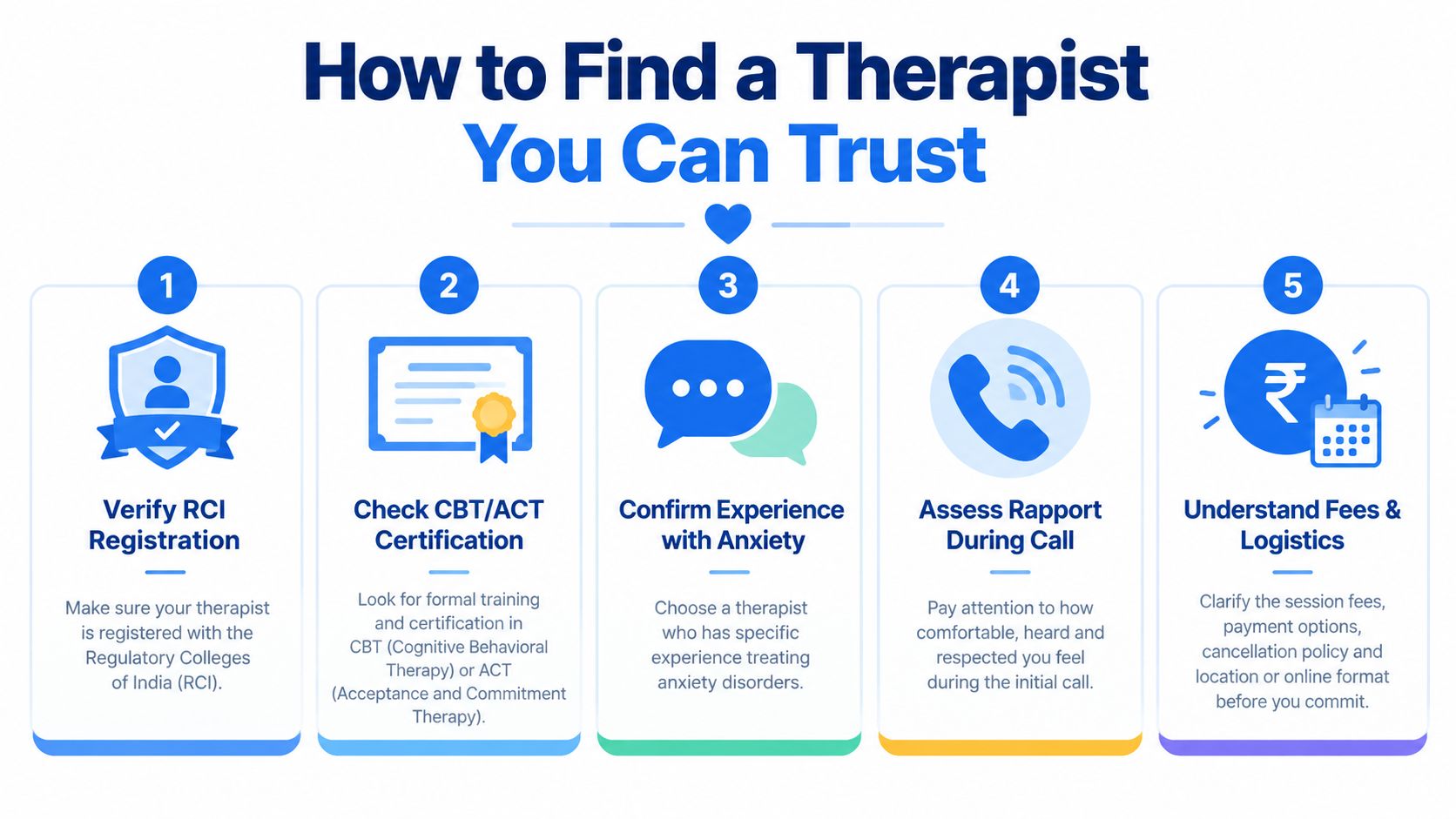
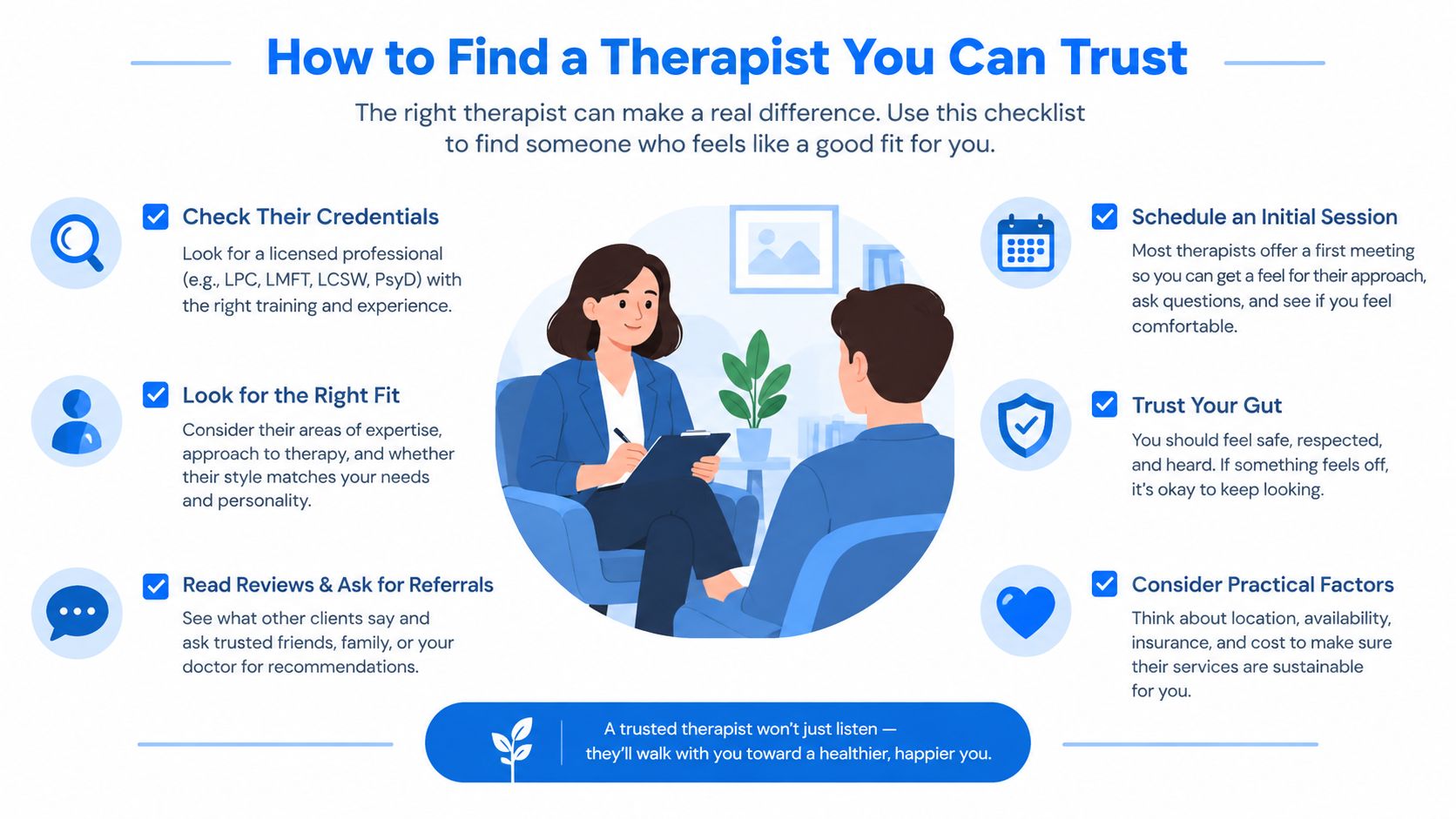
    Your most important next step is to connect with a mental health professional who understands OCD. Finding someone with specialized expertise is key.

    Look for therapists trained in evidence-based treatments for OCD. The two most effective approaches are:

    • Exposure and Response Prevention (ERP): A type of Cognitive Behavioural Therapy (CBT) where you gradually face fears in a safe way while resisting compulsions. This process teaches your brain that anxiety fades without the ritual.
    • Cognitive Behavioural Therapy (CBT): A broader approach that helps you identify and reframe unhelpful thought patterns. CBT provides practical strategies to change how you think and behave.

    Addressing Related Challenges

    It is common for OCD to co-occur with other concerns like anxiety and depression. The exhaustion of managing symptoms can also create significant workplace stress.

    Reaching out for support is a powerful act of self-care and a testament to your strength. It marks the beginning of your journey to reclaim your peace of mind and overall well-being.

    Good counselling will address these interconnected issues. A skilled therapist can provide coping strategies to manage your mood, reduce stress, and improve your quality of life. You can learn more by reviewing these frequently asked questions about counselling.

    Building Resilience and Self-Compassion

    Therapy is more than reducing symptoms; it's about building a stronger, more resilient you. A great therapist will also weave in principles from positive psychology to help you develop long-term stability and happiness.

    This process is about:

    • Building Resilience: Learning to navigate life’s setbacks and manage difficult emotions.
    • Developing Self-Compassion: Treating yourself with the kindness you’d offer a struggling friend.
    • Enhancing Well-being: Focusing on what brings you joy, meaning, and purpose.

    In India, data shows that while OCD affects all walks of life, co-occurring depression is found in up to 60% of individuals. The good news is that evidence-based therapy like ERP offers real hope, proving effective for 65-80% of people who commit to it. You’ve taken the first step with the OCD symptoms test; now, let the next one be reaching out for the support you deserve.

    Frequently Asked Questions About OCD Tests

    It’s natural to have questions after taking a step to understand your thoughts better. Here are some clear, straightforward answers to common queries about OCD self-assessments.

    Can an Online Test Actually Diagnose Me with OCD?

    No, an online OCD symptoms test is a screening tool, not a diagnostic one. It is designed to help you privately spot patterns that might align with OCD symptoms. A formal diagnosis of OCD can only come from a qualified mental health professional after a thorough evaluation.

    What Should I Do If My Score Is High?

    A high score can be unsettling, but view it as helpful information. It suggests the symptoms you’re experiencing may be causing significant distress or interfering with daily life. It is a strong sign that now might be a good time to talk to a professional.

    Are the Results of an OCD Symptoms Test Kept Private?

    Yes. Reputable platforms that offer mental health tools are built on trust and privacy. When you take an OCD symptoms test on a trusted site, your individual results are confidential. This privacy creates a safe space for you to be honest with yourself, which is the first step toward gaining insight into your mental well-being.

    Is OCD Something That Can Be Cured with Therapy?

    While "cure" is not a term mental health professionals typically use, OCD is a very treatable condition. With the right support, people can and do regain control of their lives. Evidence-based therapy, especially Exposure and Response Prevention (ERP), has a high success rate. The goal is to build your resilience so that intrusive thoughts no longer trigger intense anxiety or depression, allowing you to be in control, not the OCD.


    Ready to take the next step on your journey to understanding and well-being? DeTalks offers a safe, confidential space to explore your mental health. Find a qualified therapist or take a scientifically validated assessment today.

  • 8 Signs You Need a Therapist: A Guide to Well-Being

    8 Signs You Need a Therapist: A Guide to Well-Being

    In our fast-paced world, it's easy to dismiss ongoing stress or sadness as 'just a bad week'. While everyone faces challenges, sometimes these feelings point to a need for more support. Recognising these signs is a courageous first step toward better well-being and building resilience.

    This guide offers a warm and clear look at experiences that suggest counselling could be helpful. The goal is to help you understand yourself better, not to diagnose. Seeking therapy is a positive step for your health, like visiting a gym for physical fitness.

    We will explore common signs like lasting sadness, overwhelming anxiety, and relationship issues. This information is a starting point for self-awareness, designed to empower you. These assessments are informational only and not a substitute for a professional diagnosis.

    If you're wondering whether therapy is right for you, these signs can offer clarity. For more insights, this guide on 'Do I Need Mental Health Treatment: Recognizing the Signs and Getting Help' is a helpful resource. Consider this article a supportive tool on your journey to well-being.

    1. Persistent Sadness or Hopelessness

    It’s natural to feel sad after a disappointment or loss. But when sadness or hopelessness lasts for more than two weeks and impacts your daily life, it may be one of the clearer signs you need a therapist. This is more than a bad mood; it’s a heavy feeling that can affect your energy, sleep, and joy.

    A person looking out a window on a rainy day, conveying a sense of sadness and introspection.

    This prolonged emotional state can be related to conditions like depression. It's not a sign of weakness or something you can just "snap out of." Counselling offers a safe space to understand these feelings and learn healthy ways to cope.

    What Does This Look Like in Daily Life?

    • A recent graduate in India feels unmotivated for months after a tough job search, losing interest in hobbies and friends.
    • A new parent feels a deep sadness that goes beyond the "baby blues," making it hard to connect with their child.
    • A professional with a successful career feels a constant sense of hopelessness about the future for no clear reason.

    Quick Self-Assessment

    Ask yourself these questions. Please remember, these are for reflection, not diagnosis.

    • Have I felt sad or hopeless most days over the past two weeks?
    • Have I lost interest in things I used to enjoy?
    • Do these feelings make it hard to manage work, school, or relationships?

    Actionable Next Steps

    If you relate to these patterns, consider these gentle steps:

    1. Track Your Mood: Note your feelings in a journal each day. This can help you see patterns and share them with a professional.
    2. Talk to Someone You Trust: Sharing with a friend or family member can help you feel less alone.
    3. Rule Out Physical Causes: Some health issues, like vitamin deficiencies, can mimic symptoms of depression. A visit to your doctor can be a useful step.
    4. Find the Right Support: Look for therapists who specialise in mood concerns. Platforms like DeTalks connect you with qualified professionals in India for support and growth.

    When to Seek Immediate Help: If feelings of hopelessness include thoughts of self-harm, it is a medical emergency. Please contact a crisis helpline. Your life is important, and help is available.

    2. Overwhelming Anxiety and Panic Attacks

    Worry is a normal part of life, but when it becomes constant and uncontrollable, it’s a sign that you might need support. If you experience sudden, intense episodes of fear known as panic attacks, it’s one of the key signs you need a therapist. This isn't just "being a worrier"; it's a level of anxiety that can disrupt your life.

    When anxiety interferes with work, social life, or daily tasks, it may be related to a condition like an anxiety disorder. These conditions are very treatable. Professional counselling offers effective strategies to manage symptoms and regain a sense of calm.

    What Does This Look Like in Daily Life?

    • A university student in India constantly worries about exams and their future, finding it hard to concentrate or sleep.
    • A professional experiences sudden panic attacks before big meetings, with a racing heart and fear of losing control.
    • An individual starts avoiding crowded places like markets or metros for fear of having a panic attack.

    Quick Self-Assessment

    Ask yourself these questions. Please remember, these are for reflection, not diagnosis.

    • Do I feel worried or on edge most days?
    • Do I find it hard to control my worrying?
    • Have I experienced sudden, intense episodes of fear (panic attacks)?
    • Does anxiety stop me from doing things I need to do?

    Actionable Next Steps

    If these patterns seem familiar, here are some small steps you can take:

    1. Learn Grounding Techniques: When you feel overwhelmed, try the 5-4-3-2-1 method: name five things you see, four you feel, three you hear, two you smell, and one you taste.
    2. Practise Deep Breathing: Take a few minutes each day for slow, deep breathing. This can help calm your nervous system and reduce feelings of anxiety.
    3. Review Your Lifestyle: Reducing caffeine can sometimes help lessen anxiety. A consistent sleep schedule is also very important for your well-being.
    4. Connect with a Professional: Look for therapists who specialise in anxiety and cognitive-behavioural therapy (CBT). Platforms like DeTalks offer access to qualified professionals across India.

    When to Seek Immediate Help: If anxiety leads you to avoid daily responsibilities or is accompanied by thoughts of self-harm, please seek immediate help. Contact a crisis helpline or visit an emergency room.

    3. Relationship and Social Connection Problems

    Our connections with others are vital for our well-being, but they can also be a source of stress. If you often find yourself in conflict, struggle to maintain healthy bonds, or feel very isolated, these are strong signs you need a therapist. These challenges often point to deeper patterns in how we communicate and connect.

    Two people sitting back-to-back on a sofa, looking disconnected and upset, illustrating relationship conflict.

    Whether it’s frequent arguments with a partner or difficulty making friends, these issues can impact your mental health. A therapist can help you understand the root causes. They can also provide tools for building more satisfying and resilient relationships.

    What Does This Look Like in Daily Life?

    • A young professional finds their relationships feel one-sided and draining, as they struggle to say "no."
    • A couple feels stuck in the same arguments, leading to resentment and emotional distance.
    • A student feels intensely lonely and avoids social events, which stops them from forming friendships.

    Quick Self-Assessment

    Ask yourself these questions. Please remember, these are for reflection, not diagnosis.

    • Do I often feel lonely or disconnected, even when with others?
    • Do I find myself in the same kind of unhealthy relationships over and over?
    • Does the thought of social events cause me significant stress or anxiety?

    Actionable Next Steps

    If these patterns feel familiar, here are some gentle steps to consider:

    1. Identify a Pattern: Reflect on your relationships. Acknowledging a recurring theme or conflict is the first step.
    2. Practise One Boundary: Start small. Set a simple boundary, like asking for 15 minutes of quiet time after work.
    3. Explore Communication Styles: Try using "I" statements (e.g., "I feel hurt when…") instead of "You always…" in a conversation.
    4. Seek Professional Guidance: Look for therapists who specialise in relationship dynamics or couples counselling. DeTalks offers access to professionals who provide a non-judgemental space to work on these skills.

    When to Seek Immediate Help: If conflicts involve emotional, verbal, or physical abuse, your safety is the priority. Please contact a domestic violence helpline or local authorities. You deserve to be safe.

    4. Uncontrolled Anger or Emotional Outbursts

    Everyone feels angry sometimes; it's a normal emotion. But when anger is explosive and hard to control, it may be a sign that something deeper needs attention. If your reactions feel too intense for the situation, this is one of the key signs you need a therapist.

    This type of anger is often more than a "short temper." It can come from unresolved issues, chronic stress, or anxiety. Professional counselling provides a safe place to find the triggers for your anger and learn healthier ways to manage it.

    What Does This Look Like in Daily Life?

    • A professional snaps at colleagues over small issues, leading to problems with workplace stress and team dynamics.
    • A parent finds themselves yelling over minor mistakes, feeling guilty afterwards but unable to change the pattern.
    • An individual has intense outbursts during arguments, saying hurtful things that harm their relationships.

    Quick Self-Assessment

    Ask yourself these questions. Please remember, these are for reflection, not diagnosis.

    • Do I feel my anger is often too intense for the situation?
    • Have my angry outbursts negatively affected my relationships or work?
    • Do I feel regret or shame after I calm down?

    Actionable Next Steps

    If these patterns are familiar, consider these constructive steps:

    1. Identify Your Triggers: Note when you feel angry. This helps you recognise early warning signs.
    2. Develop a "Time-Out" Plan: When you feel anger rising, step away. Taking a short walk or listening to music can help.
    3. Practise Assertive Communication: Learn to express your feelings respectfully, rather than letting frustration build.
    4. Seek Professional Guidance: A therapist can help you explore the roots of your anger. DeTalks connects you with professionals in India who specialise in emotional regulation.

    When to Seek Immediate Help: If your anger leads to aggression, violence, or thoughts of harming yourself or others, it is critical to seek immediate help. Contact a crisis helpline or go to the nearest emergency room.

    5. Trauma Symptoms or Intrusive Memories

    Difficult life events can leave a lasting impact. If you find yourself reliving a distressing event through flashbacks, nightmares, or intrusive thoughts, this is one of the critical signs you need a therapist. These are not just bad memories; they are vivid and can feel like the event is happening again.

    These experiences are often related to post-traumatic stress. You might also find yourself feeling constantly on edge or avoiding things that remind you of the event. A trauma-informed therapist provides a safe space to process these memories and heal.

    What Does This Look Like in Daily Life?

    • A survivor of an accident has flashbacks and feels panic when they hear loud noises like screeching tires.
    • Someone who experienced workplace bullying feels constantly on edge and has nightmares about their former job.
    • An adult who grew up in a difficult home feels emotionally numb and is easily startled by loud noises.

    Quick Self–Assessment

    Ask yourself these questions. Please remember, these are for reflection, not diagnosis.

    • Do I have unwanted memories, flashbacks, or nightmares about a past event?
    • Do I avoid things that remind me of a difficult experience?
    • Do I often feel jumpy, on guard, or emotionally numb?

    Actionable Next Steps

    If you relate to these patterns, consider these gentle steps:

    1. Practice Grounding Techniques: When overwhelmed, focus on your senses. Name five things you see, four you touch, three you hear, two you smell, and one you taste to return to the present.
    2. Create a Sense of Safety: Identify people, places, and activities that make you feel calm and safe.
    3. Find a Trauma-Informed Therapist: Look for professionals trained in approaches like EMDR or Somatic Experiencing.
    4. Connect with Specialised Support: Platforms like DeTalks can connect you with qualified therapists in India who specialise in trauma, ensuring you receive compassionate and effective care.

    When to Seek Immediate Help: If trauma symptoms are causing intense distress or thoughts of self-harm, please reach out to a crisis line immediately. Healing is possible, and you don’t have to do it alone.

    6. Substance Abuse or Addictive Behaviours

    Using substances like alcohol, or behaviours like excessive shopping, to cope with pain can be harmful. When this becomes your main way to handle stress and you can’t stop despite negative outcomes, it's a critical sign you need a therapist. These behaviours often mask deeper issues like anxiety or depression.

    Addiction is a complex condition that affects your brain and judgment. Therapy offers a non-judgmental space to understand the root causes. It helps you develop healthier, more sustainable ways to cope with life's challenges.

    What Does This Look Like in Daily Life?

    • A student drinks heavily to deal with academic pressure, often missing classes as a result.
    • A professional compulsively shops online late at night to escape workplace stress, creating financial problems.
    • An individual uses more prescription medication than prescribed to manage emotional distress, not just physical pain.

    Quick Self-Assessment

    Ask yourself these questions. Please remember, these are for reflection, not diagnosis.

    • Do I use a substance or behaviour to escape or forget my problems?
    • Have my attempts to stop or cut back been unsuccessful?
    • Is this behaviour causing problems in my relationships, work, or finances?

    Actionable Next Steps

    If you see these patterns in yourself, seeking help is a sign of strength:

    1. Identify Your Triggers: Notice what situations or feelings lead you to the behaviour. This awareness is the first step.
    2. Seek Specialised Support: Look for therapists who specialise in addiction and recovery.
    3. Explore Support Groups: Organisations like Alcoholics Anonymous (AA) or SMART Recovery offer valuable peer support.
    4. Find the Right Professional: Platforms like DeTalks connect you with therapists in India who understand addiction, offering a confidential path to recovery.

    When to Seek Immediate Help: If substance use leads to a medical emergency (like an overdose) or severe withdrawal symptoms, seek immediate medical attention. Your physical safety is the top priority.

    7. Sleep Problems Affecting Daily Functioning

    Good sleep is essential for mental and physical health. While an occasional bad night is normal, chronic issues like insomnia or waking up exhausted can be important signs you need a therapist. Poor sleep is deeply connected to your emotional state and can be a sign of anxiety or depression.

    When your mind is racing with worries, it's hard to relax enough to sleep. This creates a cycle where lack of sleep makes it harder to cope with stress, which in turn makes sleep more difficult. A therapist can help you address the root causes of your sleep problems.

    What Does This Look Like in Daily Life?

    • A student lies awake for hours with anxious thoughts before exams, leading to poor performance.
    • An individual has recurring nightmares that disrupt their sleep, leaving them tired and fearful during the day.
    • A professional wakes up at 3 a.m. worrying about work and can't fall back asleep.

    Quick Self-Assessment

    Ask yourself these questions. Please remember, these are for reflection, not diagnosis.

    • Do I often struggle to fall asleep, stay asleep, or wake up feeling unrested?
    • Are my sleep problems making it hard to concentrate or manage my emotions?
    • Have I noticed a link between my stress levels and the quality of my sleep?

    Actionable Next Steps

    If you relate to these patterns, consider these gentle steps:

    1. Prioritise Sleep Hygiene: Create a calming bedtime routine. Avoid screens an hour before bed and stick to a consistent sleep schedule.
    2. Avoid Stimulants: Cut back on caffeine and alcohol in the evening, as they can disrupt sleep.
    3. Explore Relaxation Techniques: Practice deep breathing or meditation to calm your nervous system before bed.
    4. Seek Professional Guidance: A therapy called CBT-I is a very effective, non-medical approach to insomnia. DeTalks can connect you with therapists trained to help with sleep issues.

    When to Seek Immediate Help: If poor sleep is paired with extreme disorientation or thoughts of self-harm, please contact a crisis helpline or see a doctor immediately.

    8. Difficulty Coping with Major Life Changes or Grief

    Life is full of changes, and some can shake our sense of stability. Losing a loved one, a job loss, or a major health diagnosis can be very difficult to navigate. When adjusting feels impossible, it can be one of the most important signs you need a therapist.

    A person sitting on a packed suitcase, looking contemplative, symbolising a major life change or transition.

    While grief and stress are normal, feeling stuck for a long time can disrupt your life and well-being. A therapist provides a compassionate space to process these feelings. They can help you honour your past and find a way to rebuild your life with meaning and resilience.

    What Does This Look Like in Daily Life?

    • A recent retiree feels a loss of identity and purpose, struggling with unstructured days.
    • A person going through a divorce feels overwhelmed by loneliness and the challenge of building a new life.
    • Someone who lost a family member finds their intense grief isn't lessening over many months.

    Quick Self-Assessment

    Ask yourself these questions. Please remember, these are for reflection, not diagnosis.

    • Am I struggling to accept a major life change that happened months ago?
    • Does my grief or stress interfere with my ability to work, sleep, or maintain relationships?
    • Do I feel a persistent sense of identity loss since the change?

    Actionable Next Steps

    If you are finding it hard to cope, these steps can offer a path forward:

    1. Allow Yourself to Grieve: Give yourself permission to feel all your emotions without judgment. There is no "right" timeline for healing.
    2. Maintain Simple Routines: Small, consistent routines can provide a sense of stability when things feel uncertain.
    3. Find Specific Support: Look for support groups for people going through similar life transitions.
    4. Seek Professional Guidance: A therapist specialising in grief and life transitions can provide crucial support. DeTalks connects you with qualified counsellors in India who can help you navigate these chapters with compassion.

    When to Seek Immediate Help: If your grief is so overwhelming that you have thoughts of harming yourself, please seek emergency help immediately. Support is available to help you through this pain.

    8-Point Comparison: Signs You Need a Therapist

    Sign / Condition Complexity 🔄 Resources ⚡ Expected Outcomes ⭐📊 Ideal Use Cases Key Advantages 💡
    Persistent Sadness or Hopelessness Moderate 🔄 — weeks to months of therapy/med management Therapist, possible medication, support network ⚡ Symptom reduction and improved daily functioning ⭐⭐📊 Major depressive episodes, persistent depressive disorder Early recognition enables effective intervention; builds coping skills 💡
    Overwhelming Anxiety and Panic Attacks Moderate‑High 🔄 — CBT/exposure and routine practice CBT therapist, possible meds, apps/support groups ⚡ Fewer panic episodes; improved coping and functioning ⭐⭐⭐📊 Panic disorder, GAD, social anxiety, agoraphobia Strong evidence for CBT; practical grounding techniques taught 💡
    Relationship and Social Connection Problems Moderate 🔄 — interpersonal/attachment work; may involve partners Couples/family therapy, group therapy, self-work ⚡ Better communication, healthier boundaries, stronger relationships ⭐⭐📊 Couples conflict, codependency, social withdrawal Improves conflict resolution and emotional intelligence 💡
    Uncontrolled Anger or Emotional Outbursts Moderate‑High 🔄 — emotion regulation and sometimes trauma work Anger‑management therapy, trauma‑informed clinicians, groups ⚡ Fewer outbursts; improved regulation and repaired relationships ⭐⭐📊 Intermittent explosive disorder, workplace/family conflicts Reduces relational/legal harm; teaches coping plans and de‑escalation 💡
    Trauma Symptoms or Intrusive Memories High 🔄 — trauma processing can be intensive and staged Trauma‑trained therapist (EMDR/CPT/PE), stable supports ⚡ Significant symptom reduction with appropriate treatment ⭐⭐⭐📊 PTSD, complex childhood trauma, severe flashbacks/nightmares Evidence‑based trauma modalities; potential for deep healing 💡
    Substance Abuse or Addictive Behaviors High 🔄 — multifaceted, often long‑term recovery work Specialized addiction programs, medical support, peer groups ⚡ Recovery possible but requires sustained support; relapse risk remains ⭐⭐📊 Alcohol/drug use disorders, behavioral addictions Addresses root causes; community accountability boosts success 💡
    Sleep Problems Affecting Daily Functioning Low‑Moderate 🔄 — CBT‑I and behavioral changes Sleep specialist or CBT‑I provider, apps, sleep hygiene tools ⚡ Improved sleep quality and daytime cognition/mood ⭐⭐📊 Insomnia, PTSD/nightmare‑related sleep disruption, circadian issues Nonpharmacologic, evidence‑based treatments improve overall mental health 💡
    Difficulty Coping with Major Life Changes or Grief Moderate 🔄 — grief/adjustment therapy over time Individual therapy, support groups, time and routines ⚡ Better adaptation, restored purpose and functioning ⭐⭐📊 Bereavement, divorce, job loss, major health or identity shifts Normalizes transitions; builds resilience and new coping strategies 💡

    Your Next Steps Toward Emotional Well-Being

    Recognising parts of your own experience in this list is an act of self-awareness. Seeing these signs you need a therapist is a sign of strength. The journey to well-being is not about avoiding challenges, but about learning to navigate them with greater skill, resilience, and self-compassion.

    Remember, therapy isn't only for a crisis. It's a proactive space to manage workplace stress, process life changes, and build a happier life. Counselling offers a confidential path forward if you are struggling or just feel something isn't right.

    Key Takeaway: Recognising the need for support is a strength. Therapy provides tools not just to cope with challenges like anxiety and depression, but to build a more resilient and fulfilling life.

    Turning Recognition into Action

    Understanding the signs is the first step; taking action is the next. Breaking it down into small tasks can make the process feel less overwhelming. The goal is to move from awareness to empowerment.

    Here is a practical, step-by-step guide to get you started:

    1. Reflect and Acknowledge: Take a moment to acknowledge which points resonated with you, without judgment. Ask yourself: "What is one area where I need the most support right now?"
    2. Research and Explore: Look into different types of therapy, like Cognitive Behavioural Therapy (CBT). Exploring broader resources on mental health and well-being can also provide guidance and reduce any anxiety about the process.
    3. Find the Right Fit: Your connection with your therapist is very important. Look for professionals whose specialties align with your needs, whether it's trauma, relationship issues, or workplace stress.
    4. Schedule Your First Appointment: This is a concrete commitment to your well-being. The first session is just a conversation, with no pressure to have everything figured out.

    Taking this step is an act of courage. It is a declaration that your mental health matters. You are not alone on this journey, and dedicated support is within your reach.


    Ready to take that first step? DeTalks simplifies the process of finding the right therapist for your unique needs. Browse through verified professionals, read about their specialities, and book a confidential session online at DeTalks to begin your journey toward greater well-being today.