You might be finishing work in Mumbai or Bengaluru, replaying a difficult conversation while trying to sleep, or noticing that worry and low mood are making ordinary tasks feel heavier. You want help, but searching for the best therapy for anxiety and depression can raise another question: where do you start when different options seem to promise different things?
There isn't one treatment that suits everyone. The right next step depends on what you're experiencing, how much it affects daily life, what feels acceptable to you, and what care is available. The aim is a pathway that's evidence-based, safe, and sustainable.
Finding the Best Therapy for Your Needs
Consider someone who has been feeling tense, sleeping poorly, and withdrawing from friends. They may wonder whether to try counselling, an online exercise, or a doctor's appointment first. A person in a similar situation might be dealing with a specific trigger, while another may have persistent symptoms that call for a fuller clinical assessment. Their next steps need not be identical.
“Best” doesn't mean one therapy wins every comparison. It means choosing care that fits the person's symptoms, severity, daily functioning, safety, preferences, language, budget, and access to a suitable professional. Psychotherapy can help people understand patterns and practise new ways of coping. A psychiatric evaluation can assess whether medical care, including medication, should be considered. Some people benefit from a coordinated combination, while structured self-help may be a starting point for suitable mild difficulties.
India's National Mental Health Survey found that 85.2% of people with major depressive disorder and 84.0% of people with anxiety disorders weren't receiving appropriate treatment, underscoring the importance of accessible professional support (National Mental Health Survey findings). Seeking help is a responsible step, not a sign of failure.
| Treatment pathway | Main purpose | When it may be considered | Important boundary |
|---|---|---|---|
| Structured self-help | Practise coping skills and build awareness | Mild concerns, with no immediate safety risk | It isn't a substitute for diagnosis or needed clinical care |
| Psychotherapy or counselling | Work with a professional on thoughts, feelings, behaviour, and life difficulties | Anxiety, low mood, stress, or relationship concerns | Fit, training, access, and follow-up matter |
| Psychiatric evaluation | Assess symptoms and medical treatment options | Persistent, severe, complex, or safety-related concerns | Medication decisions require a qualified clinician |
| Combined care | Coordinate psychological and medical support | When a clinician considers both approaches appropriate | Providers should communicate and review progress |
If anxiety seems connected to life-stage changes, a focused resource on anxiety during perimenopause may help you prepare questions for a healthcare professional. An online assessment can also help organise observations before an appointment, but assessments are informational, not diagnostic. Start by understanding the options, compare them in context, and make the next decision with safety and professional guidance in mind.
Understanding Anxiety, Depression and Care Options
Anxiety and depression can range from temporary distress to symptoms that persist and interfere with daily life. Stress, workplace strain, burnout, poor sleep, grief, and relationship difficulties can overlap and affect mood without automatically meaning someone has a mental-health disorder.
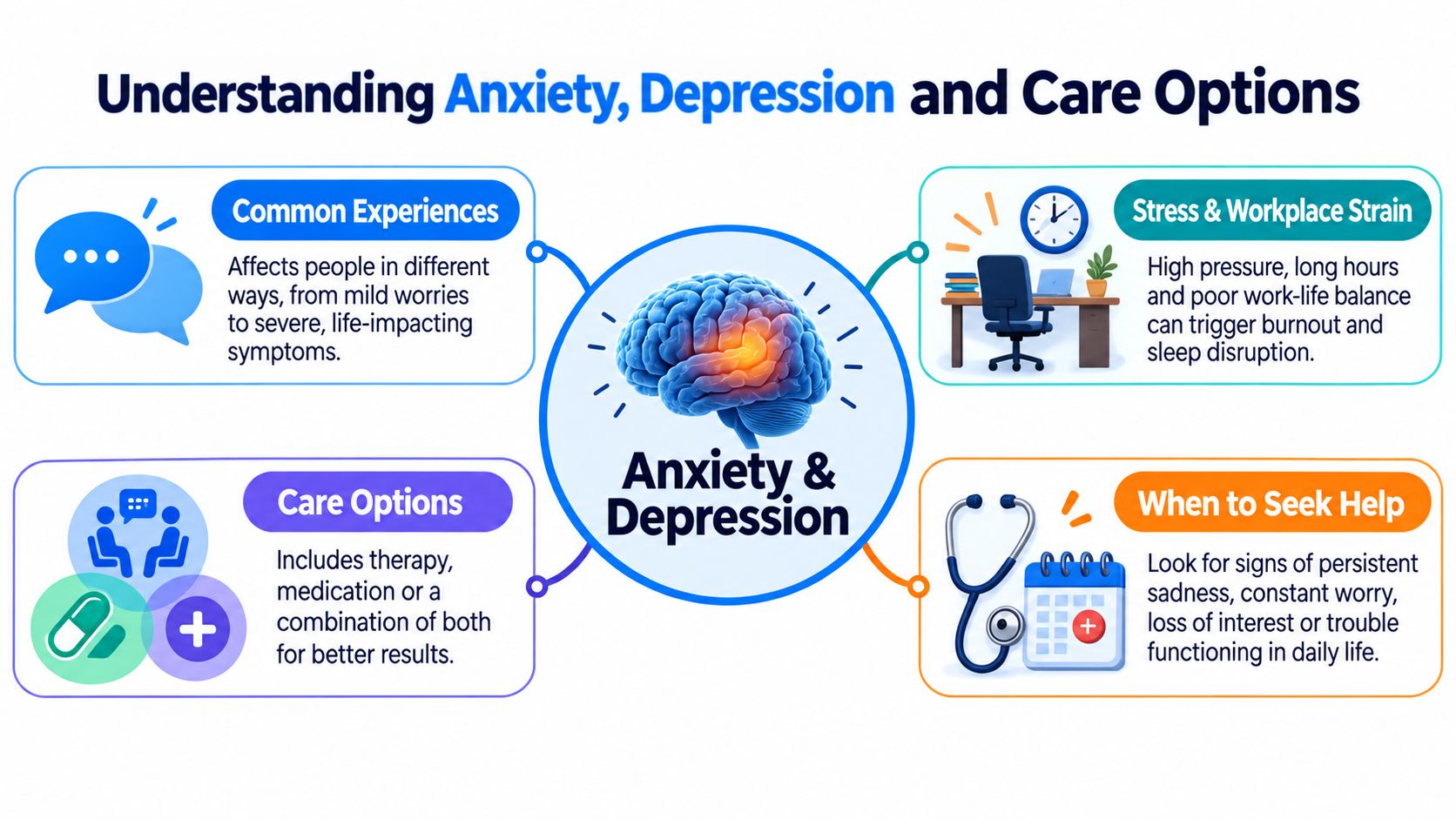
Therapy is a broad term for working with a trained professional on emotional or behavioural difficulties. Counselling often describes supportive conversations focused on particular concerns, though the terms can overlap in practice. Psychotherapy is psychological treatment; psychiatric care involves medical assessment and may include medication. A clinician can recommend one approach or coordinate both.
Analysis of India's National Mental Health Survey estimated current common mental disorders at 5.1% of the population, with an overall treatment gap of 80.4% (analysis of NMHS data). This points to a practical distinction: knowing that distress is common doesn't tell an individual what treatment they need. A professional assessment considers the person, not just a label or screening score.
What different approaches focus on
Cognitive behavioural therapy (CBT) helps people notice connections between thoughts, feelings, and actions, then practise changing unhelpful patterns. Behavioural activation focuses on gradually reconnecting with meaningful activities when low mood has led to withdrawal. Interpersonal therapy explores how relationships, grief, and changes in social roles may affect mood.
Practices associated with positive psychology, such as gratitude, compassion, mindfulness, purpose, and resilience-building, can support well-being. They can be part of a broader plan, but shouldn't be presented as a replacement for professional treatment when symptoms are persistent, severe, or affecting safety.
A clinician needs to understand how long symptoms have lasted, how much they affect functioning, and whether there are safety concerns. Online screening may help someone describe what they've noticed, but it cannot diagnose anxiety or depression. The distinction matters: a tool can help start a conversation, while a qualified professional evaluates what's happening and what care may be appropriate.
Comparing Evidence-Based Therapies for Both Conditions
Different therapies work in different ways. CBT examines how thoughts, feelings, and behaviour reinforce one another. For example, someone who fears a work presentation may avoid preparing, feel temporary relief, and then become more anxious as the presentation approaches. In therapy, they can work with a clinician on the thinking and avoidance patterns that keep the fear going.
Other approaches may suit different concerns. Behavioural activation can help when low mood has narrowed someone's routine and reduced contact with valued activities. Interpersonal therapy may be relevant when grief, relationship conflict, or a difficult role change is closely linked with depression. A qualified therapist can discuss the approach, explain what sessions involve, and consider whether it fits the person's goals and circumstances.
| Therapy | Core approach | Potential fit | Evidence context | Practical considerations |
|---|---|---|---|---|
| CBT | Works with patterns in thinking and behaviour | Anxiety, avoidance, or recurring unhelpful patterns | Indian guidance supports its use, with study results varying by condition | Participation includes practising agreed skills between sessions |
| Behavioural activation | Builds engagement with meaningful activities | Low mood and withdrawal | Often used as a structured psychological approach | The plan should be manageable and shaped with support |
| Interpersonal therapy | Addresses relationships, grief, and social roles | Depression linked with interpersonal difficulties | A recognised therapy, with suitability determined clinically | Sessions may involve discussing emotionally difficult experiences |
| Combined psychotherapy and medication | Pairs psychological work with medical treatment | When a clinician considers both appropriate | Evidence depends on the condition and the populations studied | Requires coordination, follow-up, and clear responsibilities |
Indian Journal of Psychiatry guidance reports 12-week response rates of approximately 70% for CBT alone, 66% for CBT plus a serotonin-reuptake inhibitor, and 49% for a serotonin-reuptake inhibitor alone. These figures are context, not a universal head-to-head scorecard: the evidence reviewed includes studies of particular disorders and populations, so it doesn't predict an individual's outcome (Indian CBT guidance).
Fit is more than the therapy label
A person who can attend regular sessions may value structured, therapist-led CBT and the chance to discuss progress in detail. Someone who faces travel, cost, limited privacy, or a shortage of local providers may need to explore a different format or a more accessible starting point. Online, telephone, and self-guided options can remove practical barriers, but the suitability and support offered should be considered rather than assumed.
Therapy quality, the relationship with the professional, cultural relevance, attendance, and follow-up all matter. Ask what the proposed approach involves and how the provider will review whether it's helping. For a simple way to organise racing thoughts before a conversation with a clinician, the SleepHabits guide to quieting your mind may offer a useful reflection prompt. It isn't a substitute for care when distress is persistent or worsening.
Choosing Between Therapy, Medication and Combined Care
Psychotherapy, medication, and combined care have different roles. Therapy offers structured work on coping, behaviour, and emotional patterns. Medication may be considered after a psychiatric assessment, particularly when symptoms are moderate or severe, persistent, recurrent, or linked with safety concerns. Some people may start with psychological care alone; others may need medical input from the outset.
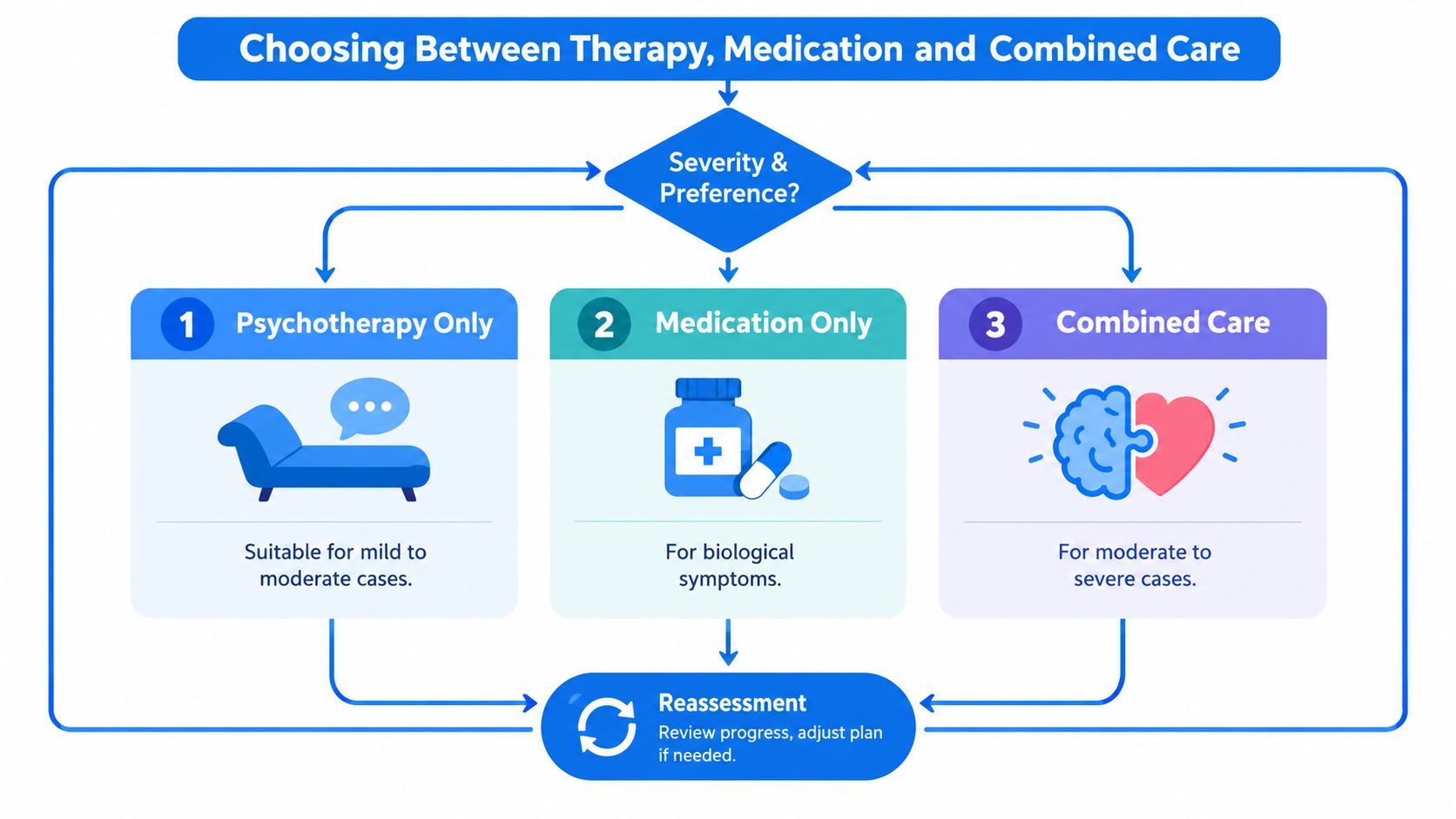
Combined care doesn't mean the treatments are interchangeable. A therapist and psychiatrist may contribute different expertise to a shared plan. For example, therapy can address avoidance or withdrawal, while a psychiatrist assesses medication and monitors its effects. The plan should reflect the individual's needs and be reviewed when symptoms or circumstances change.
Use stepped care, not guesswork
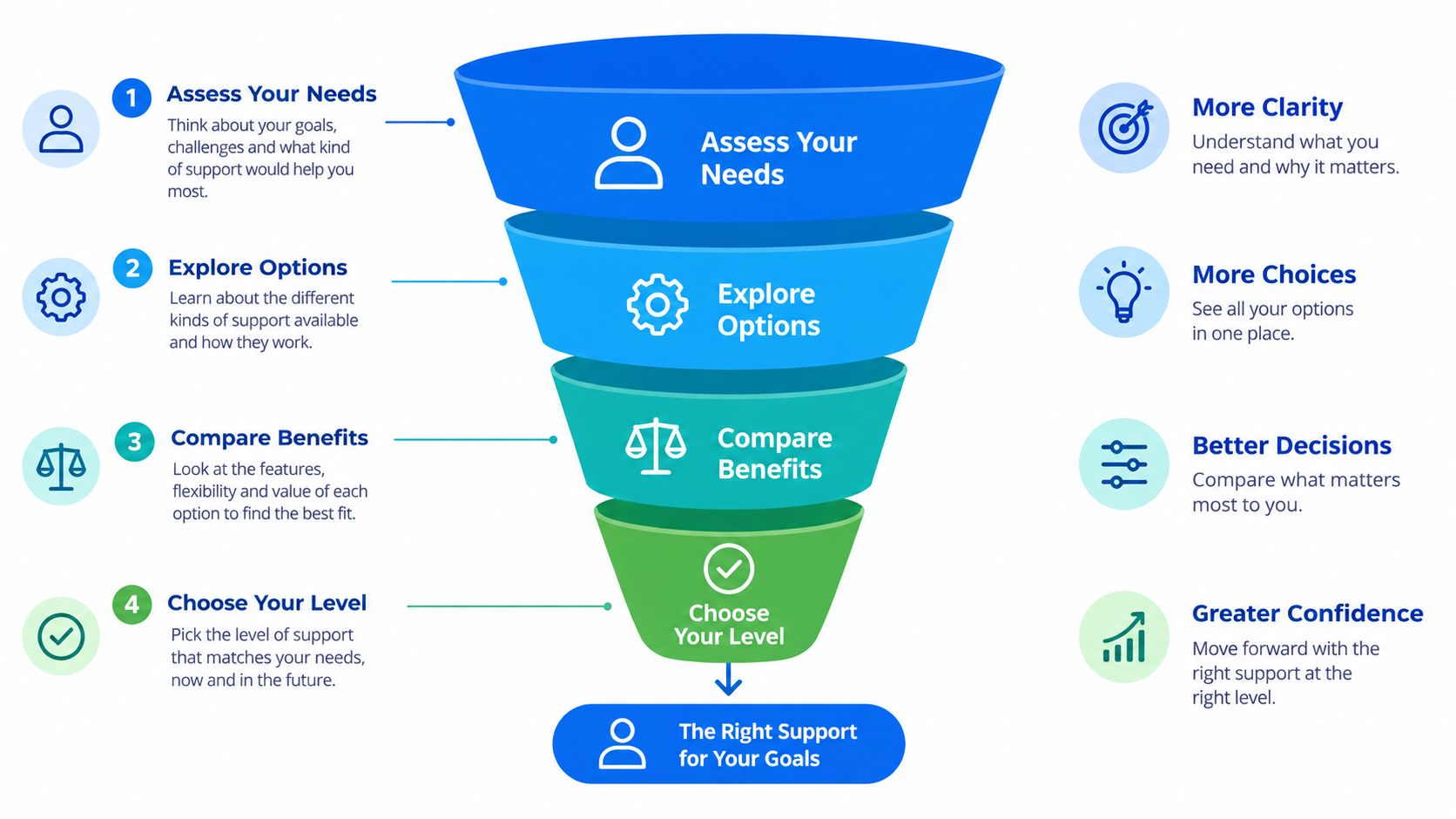
A stepped approach matches the level of support to the person's needs. Suitable mild difficulties may call for psychoeducation, structured self-help, or low-intensity support. Persistent or more disruptive symptoms may require a licensed therapist, psychiatric review, or coordinated care. Behavioural activation can be part of structured psychological support, but it shouldn't delay assessment when symptoms are severe or risk is present.
The Indian Council of Medical Research guidance notes that improvement with antidepressants may begin around week 2, with an adequate response generally assessed by about week 6 (ICMR guidance on anxiety disorders). That timeline is a guide for clinical follow-up, not a reason to start or change medication independently. If improvement is limited, a clinician can reassess the plan and consider other support, including CBT where appropriate.
Medication selection, dose changes, interactions, monitoring, and discontinuation belong with a psychiatrist. Don't stop or adjust a prescription on your own. Resilience-building, mindfulness, compassion, and activities that support well-being can complement treatment, but they shouldn't distract from addressing significant symptoms or arranging medical care when needed.
Matching Treatment to Real-Life Situations
A working professional in Bengaluru whose deadlines have begun eroding sleep and mood may benefit from counselling that addresses coping skills and boundaries. Individual support has limits, though. Gallup's India country data reports that 28% of employees experienced substantial stress on the previous day (Gallup India workplace data). When stress is that widespread, employers share responsibility for workload and working conditions rather than placing it entirely on the employee.

The right question changes with the situation. Someone with recurring panic or avoidance could ask a therapist whether structured CBT is suitable and what practice between sessions would involve. A student distressed before exams might describe how sleep, concentration, and everyday tasks are affected, then discuss whether short-term counselling or a fuller assessment fits better.
When anxiety and depression overlap
Low mood alongside persistent anxiety rarely sorts itself into two neat categories. An integrated assessment lets a clinician identify which symptoms are most disruptive, whether daily functioning is affected, and whether psychiatric input belongs in the plan. The plan can then be revised as the picture becomes clearer, which is common when the two conditions feed each other.
When access shapes the choice
What is realistic matters as much as what is ideal. A review of Indian care constraints describes a shortage of trained psychosocial professionals, the concentration of private services in cities, and barriers linked to out-of-pocket costs and limited insurance reimbursement (review of mental-health access in India). Someone outside a metro might explore a telephone or video appointment, a therapist who speaks their preferred language, or a community pathway. Formats differ in the evidence and support behind them, so it is reasonable to ask how care is delivered and when referral happens.
A plan a person can continue often serves them better than a theoretically stronger option they cannot reach or afford. Treatment works best when tied to goals that matter in daily life, such as feeling steadier, rebuilding relationships, and managing work. Those outcomes give progress conversations a practical anchor without turning well-being into a promise of cure.
Starting Therapy Through a Clear Decision Process
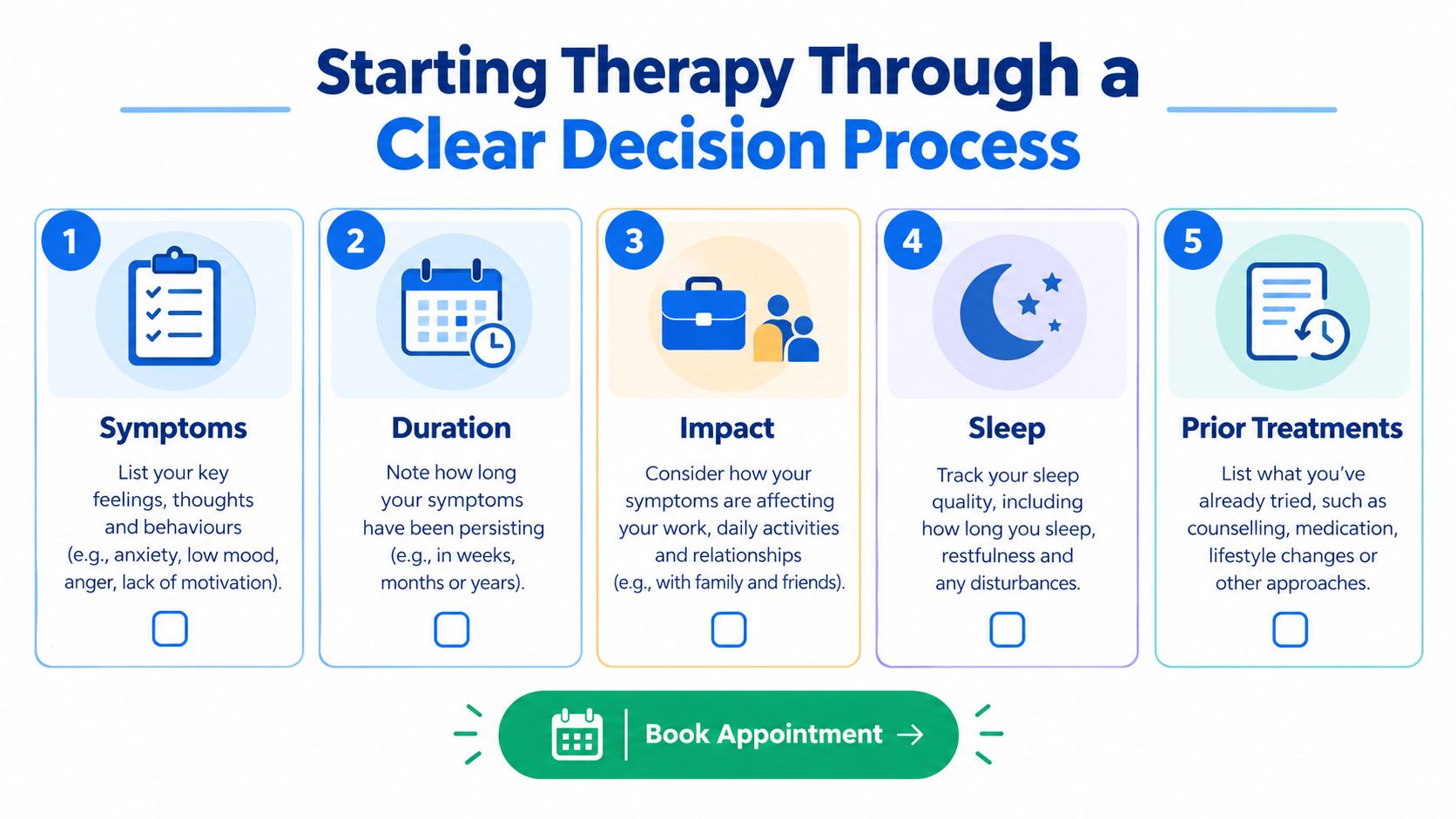
Before an appointment, note what has changed and what you want help with. This gives a professional a practical starting point and can make it easier to explain concerns when finding the right words feels difficult.
Prepare information that helps a clinician
- Symptoms: Note changes in mood, worry, motivation, or behaviour.
- Duration: Describe when the difficulties began and whether they come and go.
- Impact: Explain how work, study, relationships, or daily tasks are affected.
- Sleep and health: Mention sleep changes, current medicines, and alcohol or other substance use if relevant.
- Previous support and preferences: List what you've tried, your preferred language and session format, budget, privacy needs, and any immediate safety concerns.
Use this information to discuss the level of care that makes sense. Self-guided or low-intensity support may be a starting point for suitable mild concerns, but persistent symptoms that interfere with daily functioning warrant professional discussion. Ask whether a licensed therapist, psychiatric evaluation, or coordinated care is appropriate.
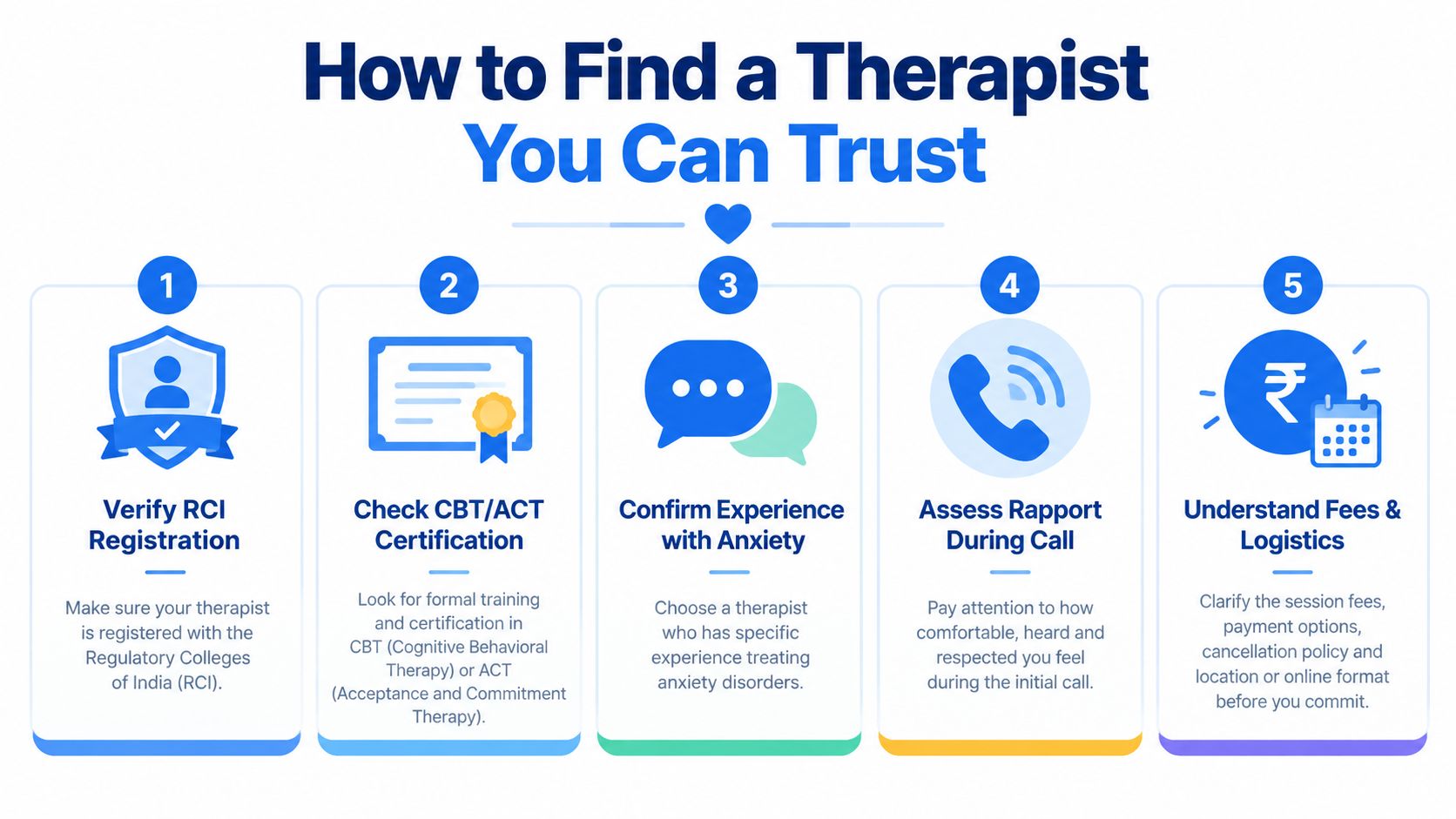
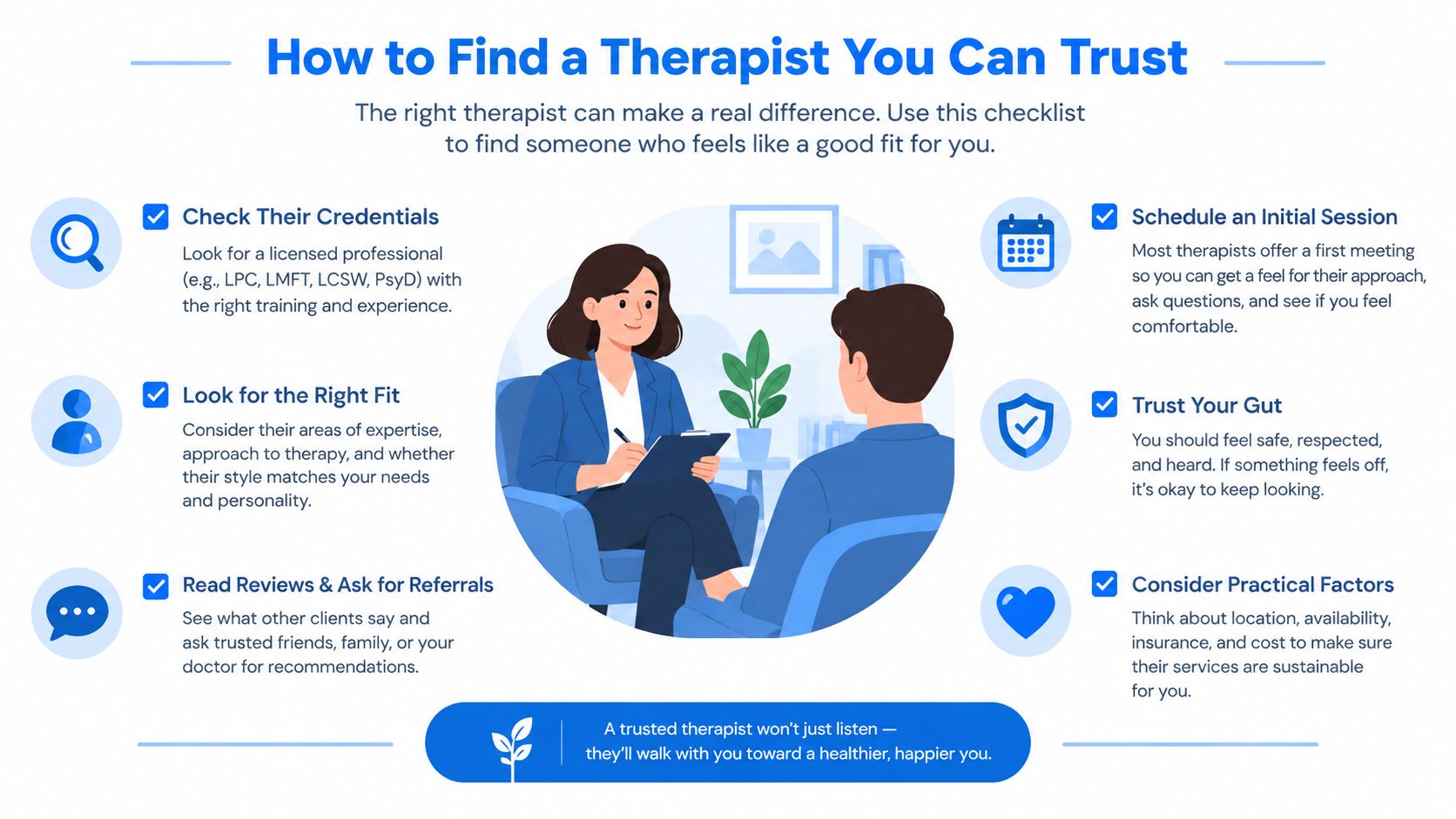
When choosing a provider, check their qualifications and experience, ask about their approach, and confirm fees, availability, language, confidentiality, and how sessions are delivered. You can also discuss what you hope will change and how you'll review progress together.
Language access is part of whether care is usable. A systematic review of 350 mental-health apps available to Indian users found that only 2.9% offered an Indian language in addition to English (review of mental-health apps for Indian users). If English isn't the language in which you can most comfortably discuss personal concerns, ask about alternatives before beginning. Also consider privacy and connectivity when choosing between video, audio, text, or telephone sessions.
DeTalks offers a directory to explore psychologists, therapists, counsellors, and other mental-health professionals in India, alongside assessment and screening tools. These assessments are informational, not diagnostic; a qualified professional needs to interpret concerns and recommend care. Use any screening result to prepare for a conversation, not to diagnose yourself or decide on medication.
Recognising When Anxiety or Depression Needs Urgent Care
Self-help and online screening can support reflection, but neither should become the response to immediate danger. Seek urgent help if you're thinking about suicide, have a plan or intent to harm yourself, feel unable to stay safe, experience psychosis or severe confusion, face an urgent risk related to substance use, or notice symptoms worsening rapidly.
In India, contact local emergency medical services or go to a nearby emergency department. Tell a trusted person what's happening and ask them to stay with you while help is arranged. Don't wait for an assessment result, a scheduled therapy session, or a self-help exercise to address immediate danger.
For urgent concerns that aren't immediately life-threatening, arrange a same-day or early psychiatric assessment where possible. A clinician can evaluate what support is needed and help determine the safest next step.
India's National Mental Health Survey estimated an 85.0% treatment gap for common mental disorders, reinforcing the importance of making professional care easier to reach (National Mental Health Survey treatment-gap findings). That wider access challenge doesn't make an urgent warning sign less important. Needing immediate support isn't something to be ashamed of: urgent care protects safety, while longer-term therapy can address underlying patterns.
Building Resilience Through Consistent Therapy
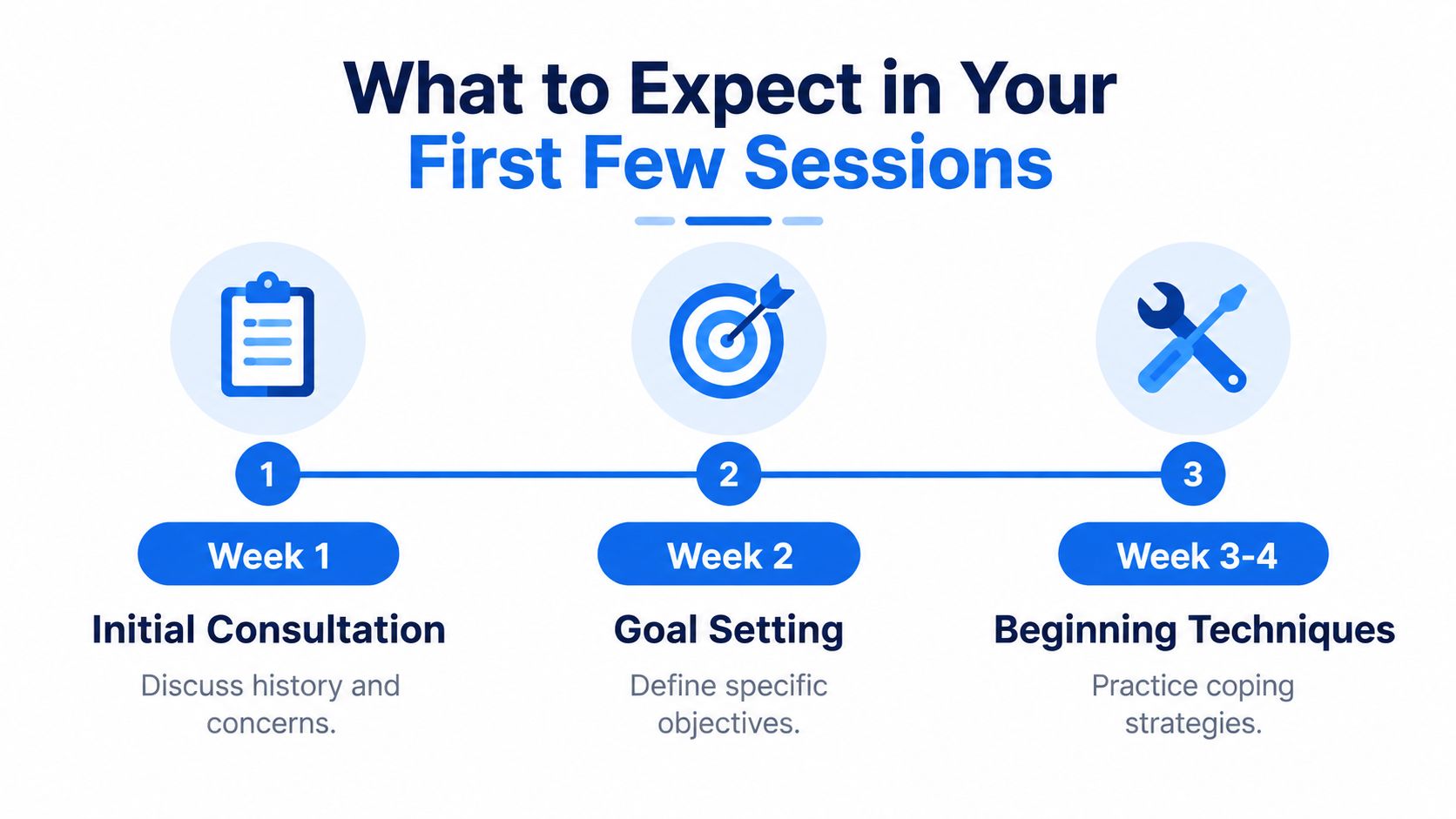
Therapy works best as an ongoing collaboration rather than a fixed prescription. Attend sessions where possible, try agreed practices between appointments, and speak openly about side effects, barriers, or stalled progress. If a therapist or approach doesn't feel like a good fit, raise that directly instead of continuing unchanged.
Ask what the plan is meant to improve and how progress will be reviewed. You can also ask whether maintenance sessions might help after symptoms ease, or when a second opinion or combined care with medication deserves consideration. Questions like these turn treatment into a shared process, which matters in India where follow-up care can be irregular and people often stop attending once acute distress settles.
Support well-being beyond the session
Small, compassionate habits can reinforce what happens in the room: regular meals and sleep routines, manageable movement, time with people you trust, and realistic boundaries at work or home. Gratitude or mindfulness practices may help when they fit your preferences and beliefs. These habits complement therapy; they do not replace professional support for significant or persistent anxiety or depression.
Workplace stress deserves a wider lens. Individual counselling can support coping and recovery, yet sustainable change also depends on employers addressing workload and working conditions, a conversation worth starting if work strain is a main driver of your symptoms.
Resilience is a capacity that grows with support. It develops as people find care that fits, build connection, and regain everyday functioning. If anxiety, depression, burnout, or exhaustion is affecting your life, speaking with a qualified professional is a reasonable first step. A single appointment can bring clarity and safety, even when the path ahead takes adjustment.
Explore DeTalks to browse mental-health professionals and counselling options, and use its screening tools to organise what you'd like to discuss. Treat any assessment as informational, not diagnostic, and bring your concerns to a qualified professional who can help you choose a suitable next step.