
Corporate employee wellness is more than a business strategy; it’s a commitment to supporting the whole person. This means looking beyond physical health to nurture the mental, physical, and emotional well-being of your team. When people feel genuinely cared for, you build the foundation for a resilient, engaged, and thriving organisation.
The Growing Need for Corporate Employee Wellness
In today's fast-paced world, the lines between work and personal life often blur, placing significant pressure on employees. Constant connectivity and high expectations can fuel a silent crisis of workplace stress, leaving people feeling overwhelmed. This isn't just about a heavy workload; it's about the cumulative emotional and mental toll it takes.
When left unaddressed, this pressure can lead to serious challenges like chronic anxiety, depression, or burnout. These issues affect not only an individual's performance but their entire quality of life. Acknowledging this reality is the first step toward creating a healthier, more supportive workplace for everyone.

Understanding the Human Impact
To truly appreciate why these programs matter, it helps to understand the core of employee well-being. It’s a mix of job satisfaction, a sense of purpose, connection with colleagues, and the ability to manage stress. When well-being declines, the entire organisation feels the impact through lower morale and reduced innovation.
This is particularly relevant in India’s demanding corporate environment, where many employees report facing mental health challenges. These are not just statistics; they are a clear call for proactive, compassionate support systems. Such systems are no longer a 'nice-to-have' but an essential part of a responsible business.
From Challenge to Opportunity
Focusing on wellness isn't just about addressing problems; it’s about building a foundation of positive mental health. This means cultivating practical skills like resilience to help people navigate setbacks and fostering a culture of compassion. When colleagues feel supported by one another, the entire workplace feels stronger.
Investing in employee wellness is an investment in your company's greatest asset—its people. When employees feel genuinely cared for, they bring their best selves to work, driving creativity, collaboration, and sustainable growth for the entire organisation.
This shift in perspective moves the conversation from managing issues to actively promoting happiness and fulfilment. Supportive services like confidential therapy and counselling are vital, of course. It's also important to clarify that any assessments offered are informational tools for self-awareness, not clinical diagnoses.
A strong wellness program sends a powerful, supportive message: we see you, we value you, and we are here for you. This approach is invaluable for building a workplace where everyone has the chance to flourish.
Listening to What Your Team Truly Needs
An effective corporate wellness program begins with a simple, powerful action: listening. It's easy to offer popular perks, but without understanding what your team is experiencing, your efforts may miss the mark. A one-size-fits-all approach rarely works because every company culture is unique.
The goal is to build something genuinely helpful, not just another corporate exercise. This starts by gathering real insights to create a foundation of trust. When your team sees their feedback shaping the program, they are far more likely to feel seen and get involved.
Building a Clear Picture from the Ground Up
The first step is to create safe, confidential channels for people to share their thoughts and feelings. This isn't about collecting complaints; it's about identifying patterns in workplace stress or other challenges. Understanding what would truly make a difference in their day-to-day well-being is key.
Anonymous surveys are a great way to start this conversation, allowing for honest feedback without fear of judgment. It’s important to frame these surveys clearly: their purpose is to help design a better support system, not to diagnose anyone.
A few areas you might explore in a confidential survey:
- Mental and Emotional Health: Gently inquire about stress levels, feelings of burnout, and awareness of support for anxiety or depression.
- Workplace Culture: Ask about psychological safety, manager support, and connection with colleagues.
- Work-Life Balance: Explore workloads, the effectiveness of flexible policies, and the pressure to be 'always-on'.
- Physical Health: Inquire about ergonomic setups, opportunities for movement, and interest in health-related activities.
Going Beyond the Numbers
Surveys provide the 'what,' while conversations help you understand the 'why.' Small, informal focus groups can uncover the personal stories behind the data. These sessions are ideal for exploring the nuances of workplace culture and individual challenges.
For these discussions to be effective, people must feel safe enough to speak openly. Using a neutral facilitator and ensuring confidentiality helps create the psychological safety needed for honest conversations.
The most impactful wellness strategies are co-created with employees, not just designed for them. By bringing your team into the discovery process, you turn a top-down initiative into a shared commitment to a healthier culture.
This deep listening is what separates generic perks from meaningful support. It's an investment that pays off, as seen in the growing corporate wellness market in India, which is projected to reach USD 4.0 billion by 2033. This surge, detailed in a report on the Indian corporate wellness market growth from IMARC Group, shows the clear link between employee well-being and business success.
To help guide your efforts, here is a simple breakdown of the core areas to explore.
Table: Key Areas for Your Employee Wellness Needs Assessment
This table summarises the core domains to investigate when assessing your organisation's wellness needs. Using this as a guide will help you create a targeted and effective programme that addresses the right issues from the start.
| Wellness Domain | What to Assess | Example Tools |
|---|---|---|
| Mental & Emotional | Stress levels, burnout risk, anxiety, depression symptoms, access to mental health support, emotional resilience. | Anonymous surveys (e.g., Perceived Stress Scale), confidential focus groups, one-on-one interviews. |
| Physical Well-being | Activity levels, nutrition habits, sleep quality, ergonomic comfort (office and remote), preventive health interest. | Health Risk Assessments (HRAs), lifestyle questionnaires, biometric screenings (optional), feedback on facilities. |
| Workplace Culture | Psychological safety, manager support, team connection, recognition, workload manageability, communication clarity. | Culture surveys (e.g., Officevibe), pulse surveys, exit interview data analysis. |
| Financial Wellness | Financial stress, retirement planning confidence, debt management concerns, interest in financial education. | Financial wellness surveys, usage data from existing employee assistance programmes (EAPs). |
| Work-Life Integration | Ability to disconnect, flexible work effectiveness, childcare/eldercare challenges, use of paid time off. | Employee feedback sessions, workload analysis, survey questions on work boundaries. |
By thoughtfully exploring these areas, you move beyond assumptions and build your program on a solid foundation of data and empathy. This ensures that the support you provide, whether it's counselling or flexible work, is what your team genuinely needs.
Designing a Holistic Programme That Actually Works
Once you understand your team's needs, you can build a program that offers meaningful support. A great wellness program is a thoughtful strategy that supports the whole person. It should weave together three core pillars: mental health, physical well-being, and a positive workplace culture.
An integrated approach ensures that each element strengthens the others, creating a supportive ecosystem. For example, offering therapy is a great step, but its impact is multiplied in a culture where leaders openly discuss managing workplace stress.
This simple flow chart shows how to turn raw data into a solid, well-structured plan.
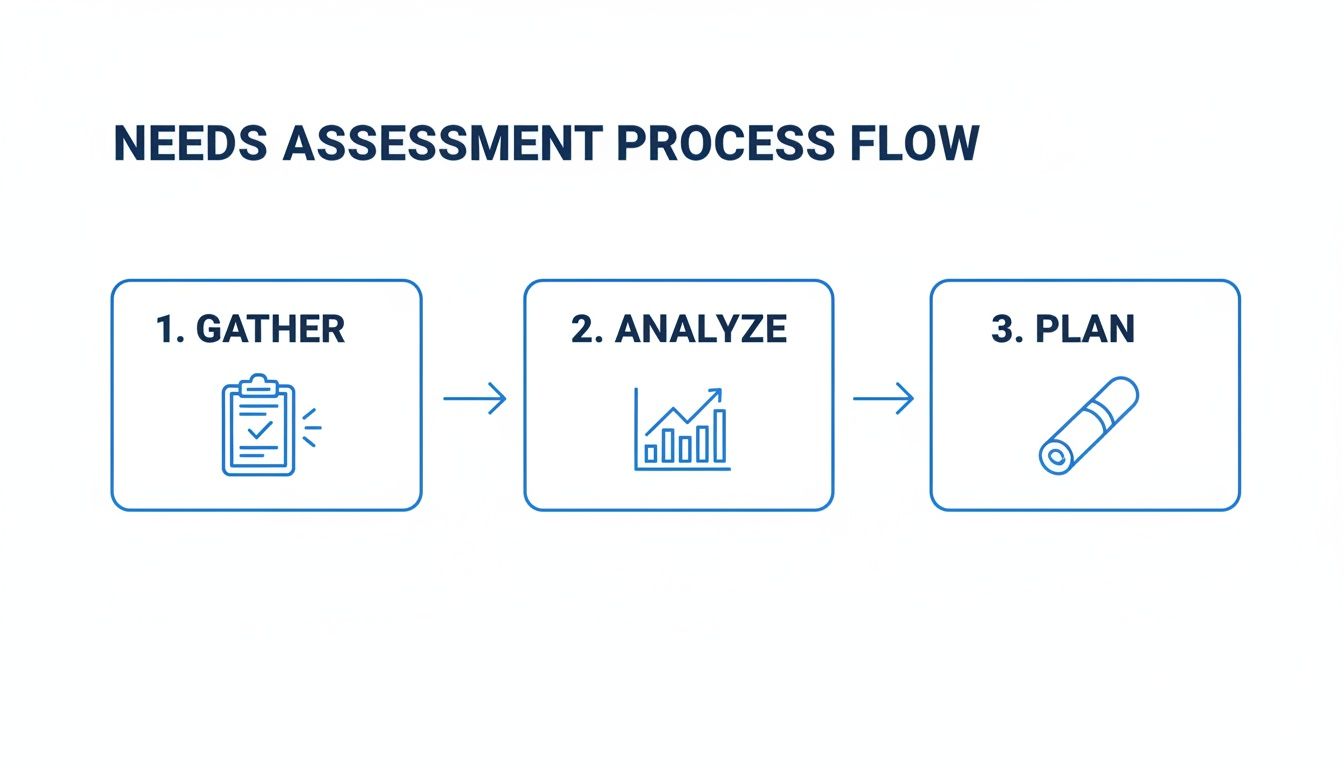
This process ensures every part of your wellness program is grounded in what employees actually told you, making it relevant and effective right from the start.
The Mental and Emotional Health Pillar
Supporting mental health is essential in any modern wellness program. It begins with making professional help easy to access and free from stigma. Offering confidential access to counselling and therapy for challenges like anxiety or depression sends a powerful message that it's okay to seek support.
Proactive education is just as important as reactive support. Consider workshops on practical topics that address the feedback you received from your team.
- Stress Management Techniques: Teach evidence-based methods like mindfulness to help people handle daily pressures.
- Building Resilience: Host sessions focused on developing coping skills and bouncing back from setbacks.
- Digital Detox and Boundaries: Offer guidance on switching off to prevent burnout and protect personal time.
It is vital to clarify that any assessments offered are informational, not diagnostic. They are tools for self-awareness and personal growth, empowering people with insights, not labels.
The Physical Well-being Pillar
Physical and mental health are deeply connected. This part of your program should encourage healthy habits and reduce physical strain. This is especially important in hybrid work models, where home office setups can vary.
Simple, practical steps can make a huge impact. Offer ergonomic assessments for both office and remote workstations to prevent chronic pain. You can also introduce policies that encourage movement, like "walking meetings" or breaks between video calls.
A supportive workplace doesn't just look after the employee; it cares for the person. By integrating physical and mental health support, you acknowledge that well-being is interconnected, fostering a culture where people can truly thrive.
Voluntary health screenings or fun wellness challenges can also build a sense of community. These activities can motivate employees to engage with their health while strengthening team bonds. The goal is to make the healthy choice the easy choice.
The Financial Wellness Pillar
Financial stress is a significant, often hidden, source of anxiety and lost productivity. A dedicated financial wellness program for employees can show your team you care about their overall stability. These programs can provide confidential, expert guidance on a range of topics.
- Budgeting and Debt Management Workshops
- Retirement Planning Seminars
- Access to Confidential Financial Advisors
Providing these resources can demystify personal finance and give your team the tools to build a secure future. This helps remove a major source of underlying stress and worry.
The Cultural Foundation Pillar
No amount of perks will be effective in a toxic culture. Fostering an environment of psychological safety and compassionate leadership is the most important pillar. This is the foundation upon which all your other wellness initiatives will either grow or wither.
Psychological safety means creating a space where people feel secure enough to voice concerns or admit mistakes without fear. This requires intentional effort, starting with leadership. Training managers in empathetic communication and active listening is a vital first step.
Leaders set the tone for the entire organisation. When they prioritize their own well-being and respect boundaries, they give their teams permission to do the same. This cultural shift turns corporate employee wellness from an initiative into a lived reality.
Choosing the Right Tools and Partners for Success
Building a great corporate wellness program doesn't mean you have to create everything from scratch. Leaning on the expertise of external partners and smart digital tools can amplify your efforts. This makes high-quality support accessible to everyone on your team.
The key is to find partners who align with your company's values and understand your team's specific needs. Think of them as an extension of your commitment to your people. Their expertise brings credibility and helps your program scale effectively.
Vetting Your Potential Wellness Partners
With so many options available, it's important to focus on a few non-negotiable criteria. This will help you find partners who are genuinely invested in your team's health and happiness. A simple checklist can guide your conversations and ensure you compare everyone on the same factors.
- Credentials and Expertise: Look into the qualifications of their professionals. Do they have experience with common issues like workplace stress, anxiety, or depression?
- Confidentiality and Data Security: This is critical. Ask about their privacy policies and ensure they have robust systems for protecting employee data.
- Scalability and Accessibility: Can the solution grow with your company and is it easy for all employees to use?
- Cultural Fit: Does their approach feel empathetic and human? You want to foster a warm, welcoming environment.
Choosing a wellness partner is a lot like hiring a key team member. They need the right skills, of course, but they also have to share your core values of empathy, confidentiality, and genuine care.
Getting this right ensures that the tool or service you introduce becomes a trusted resource, not just another unused benefit.
How a Platform Like DeTalks Can Be an Ally
Digital platforms are a cornerstone of modern corporate employee wellness, offering a private, stigma-free way for people to seek support. A comprehensive platform like DeTalks can be a powerful ally in addressing critical mental health needs. It helps bridge the gap between needing help and actually getting it.
For instance, a platform can give your team confidential access to vetted therapists and counsellors. An employee can discreetly find a professional who specialises in their specific challenge. This fosters a huge sense of psychological safety and empowers them to take action.
Empowering Employees with Self-Awareness Tools
Beyond one-on-one therapy, the best partners offer tools that encourage proactive mental fitness. It can be hard to recognise the early signs of burnout or notice when our resilience is low. This is where scientifically validated assessments can be incredibly useful.
It is vital to be clear that assessments are informational, not diagnostic. They are designed to give someone personal insights into their emotional patterns, resilience levels, or stress triggers. They empower employees to take that crucial first step, whether it leads to self-help resources or professional counselling.
By offering such tools, you give your team the language and understanding to be more intentional about their mental health. It builds a foundation of positive psychology, helping people cultivate skills like compassion and happiness. The right partners make quality support accessible and help you create a thriving workplace.
Launching and Championing Your Wellness Initiative
Even the best corporate employee wellness program needs a thoughtful rollout and consistent support. A great plan is only as good as its execution. This is where you move from strategy to inspiring action, making wellness a living part of your company culture.
The success of your launch depends on leadership buy-in that goes beyond a generic email. When leaders personally and publicly support the program, it sends a powerful message. Their active participation shows that well-being is a core company value.

Securing Authentic Leadership Buy-In
True advocacy starts at the top. Encourage leaders to share their own stories about managing workplace stress or finding a healthy work-life balance. A senior manager admitting they use therapy is far more impactful than any corporate memo.
This vulnerability normalizes conversations around mental health and gives everyone permission to focus on their own well-being. It helps reframe seeking help for anxiety or burnout as a sign of strength.
When leadership champions wellness, it transforms from a policy into a principle. Their authentic engagement is the single most important factor in building a culture where employees feel genuinely supported.
Equip your leaders with simple, empathetic language that focuses on the human side of well-being. Their consistent, visible support will drive engagement and build long-term trust.
Crafting Communication That Actually Connects
How you talk about your wellness initiative matters greatly. Your communications should feel warm, encouraging, and respectful. Use positive language that focuses on goals like building resilience, fostering compassion, and finding more happiness at work.
Always be clear about confidentiality. Reassure your team that their use of services like counselling is completely private. This trust is the bedrock of a successful program, especially for mental health support.
Financial stress is a huge burden, and with more companies shifting to hybrid work, prioritizing well-being is essential. To see how these shifts are shaping employer offerings, you can find a deeper analysis of the top wellness trends in India on BharatSURE.com.
Building a Network of Wellness Champions
While leadership support is critical, peer-to-peer enthusiasm gives a program real energy. Invite employees who are passionate about well-being to become "Wellness Champions." These individuals can generate authentic buzz on the ground.
These champions don't need to be experts, just approachable advocates who can share information and organize informal activities. Their genuine passion will make the initiative feel like a shared community effort.
Driving Engagement with Meaningful Activities
A strong launch should be followed by a steady rhythm of engaging activities. Create a calendar that keeps well-being front and centre to embed healthy habits into your company’s DNA.
Here are a few ideas:
- Themed Wellness Months: Dedicate each month to a different aspect of well-being, like mindfulness or financial fitness.
- Team-Based Challenges: Build connection with group challenges, like a team step-counting competition.
- Skill-Building Workshops: Host interactive sessions on practical topics like improving sleep or managing depression.
Consistency and authentic advocacy are what truly count. A well-launched and continuously championed program becomes a cultural asset, creating a workplace where everyone has the support they need to thrive.
Measuring Real Impact and Fostering a Better Future
Once your wellness program is running, how do you know if it's making a difference? Measuring what matters is the final piece of the puzzle. It’s about looking beyond simple participation to understand the real human impact of your efforts.
To get a complete picture, you need to track both hard numbers and personal stories. This means combining quantitative data with rich, qualitative feedback. This combination reveals the true value of what you’re doing.
Seeing the Full Story in Your Data
Quantitative metrics provide concrete evidence of change. These numbers show how your wellness initiatives are influencing key business outcomes.
Start with a few core indicators:
- Employee Turnover and Retention: A drop in turnover is a powerful sign that people feel more supported.
- Absenteeism Rates: Healthier, less stressed employees naturally take fewer sick days.
- Usage of Wellness Resources: Track engagement with offerings like confidential therapy or counselling to see what resonates.
These metrics help connect wellness efforts to the overall health of the business. They demonstrate that investing in your people's well-being is a smart, sustainable strategy.
The most meaningful measure of success isn't just a lower healthcare spend. It's creating a workplace where people feel seen, supported, and psychologically safe enough to bring their whole selves to work.
The Power of Qualitative Feedback
While numbers are essential, stories give them meaning. Qualitative feedback reveals how your program is truly changing lives. This is where you hear about an employee using mindfulness to navigate workplace stress or finding the courage to seek help for their anxiety.
Gathering these insights can be simple. Regular, confidential satisfaction surveys with open-ended questions encourage people to share their personal experiences. These stories turn abstract data into relatable human accounts that inspire others and secure ongoing leadership support.
Remember to always position any assessments as informational tools for self-awareness around challenges like depression or burnout, not as diagnostic tests.
Redefining ROI as Return on Individual
Ultimately, the goal is to shift the conversation around ROI to "Return on Individual." This perspective focuses on what truly matters: a healthier, more resilient, and more engaged workforce.
Corporate employee wellness is a continuous journey of listening, adapting, and caring. It's about progress, not perfection. By measuring what counts—like individual growth in resilience and happiness— you build a workplace where your people don’t just work, they thrive.
Your Questions About Corporate Wellness, Answered
As you explore corporate wellness, questions are bound to arise. Whether you're a leader or a team member, clarity is key. Here are straightforward answers to some common questions.
How Can We Get Employees to Actually Use Mental Health Resources?
It comes down to building trust and reducing stigma, starting with leadership. Consistent, positive communication that frames mental health support as a tool for strength is effective. Think of it as a gym for your mind.
Absolute confidentiality is non-negotiable for services like therapy or counselling. When leaders are open about their own experiences with workplace stress, it encourages others to prioritize their well-being.
Building trust is the most critical first step. An employee will only reach for support if they feel psychologically safe and are absolutely certain their privacy will be respected.
What's the Difference Between a Wellness Assessment and a Medical Diagnosis?
This is a crucial distinction. A wellness assessment is an informational tool designed to give you personal insights into your emotional state, resilience, or anxiety triggers. It is a snapshot to help you become more self-aware.
A formal diagnosis for a condition like depression can only be made by a qualified clinical professional. Assessments are a starting point for personal reflection, never a clinical label.
We Have a Small Budget. What Are Some Cost-Effective Wellness Ideas?
You don't need a huge budget to make a real difference. Some of the most impactful initiatives are cultural and cost very little. You could introduce "no-meeting" blocks for focused work or encourage managers to have regular, informal check-ins.
Other low-cost ideas include:
- Organising free workshops led by talented people on your own team.
- Championing small habits, like taking a full lunch break away from a desk.
- Creating a dedicated channel for sharing positive news or gratitude.
These simple shifts can dramatically improve the daily work experience and cultivate a healthier, more supportive environment for everyone.
Ready to build a workplace where your team can truly thrive? DeTalks provides the tools and expert support to make mental well-being a cornerstone of your culture. Explore our confidential therapy services and science-backed assessments at https://detalks.com.