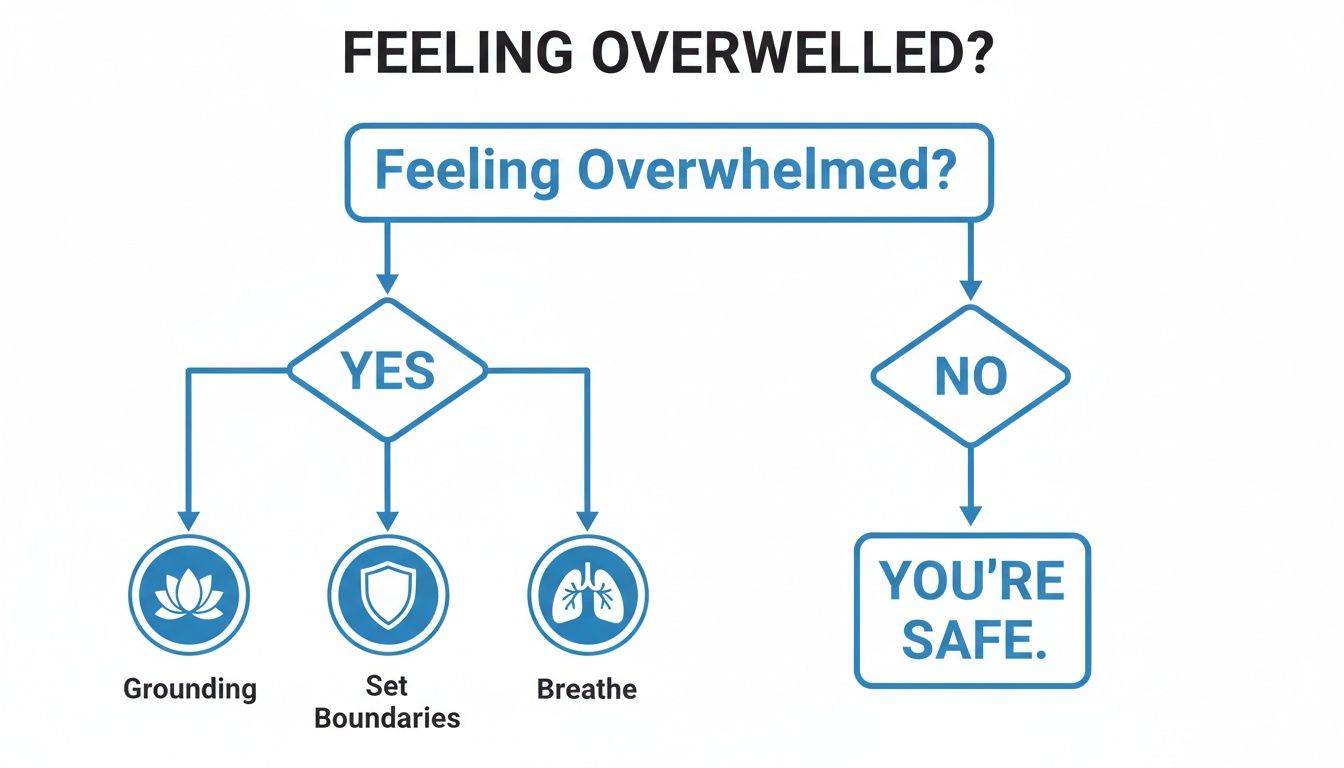
When a marriage ends, it can feel like your world has been turned upside down. You may be dealing with a mix of difficult emotions, from grief and fear to confusion. It's an overwhelming time, but you don't have to go through it alone.
This guide offers practical, supportive steps to help you find your footing. The goal is to move through this major life change with compassion for yourself, focusing on your well-being and future happiness.
Understanding Divorce in an Indian Context
In India, ending a marriage can come with unique social and family pressures. While perspectives are changing, the process can sometimes feel isolating. Choosing to seek support is a sign of great strength.
While India's national divorce rate is relatively low, numbers in major cities have been rising. This mix of traditional expectations and modern realities can create a specific kind of stress. This is why professional support for your mental well-being is so valuable.
Your First Priorities: Safety and Clarity
Before any legal steps are taken, your first priority is your emotional and physical well-being. If your living situation feels tense or unsafe, creating a safety plan is the most important step. This could mean arranging a temporary stay with family or a trusted friend.
Once you feel safe, the next step is to gain clarity without rushing into big decisions. It’s about gathering information to understand what lies ahead.
- Lean on Your People: Talking to a trusted friend, family member, or a professional counsellor can provide a safe space to process your feelings.
- Understand the Legal Landscape: An initial conversation with a legal advisor is about understanding your rights and the general process, not starting a conflict. Knowledge helps reduce anxiety.
- Create a Financial Snapshot: Gently begin gathering key financial documents like bank statements and salary slips. The goal is simply to get a clear picture of your financial situation.
Divorce is an emotional journey as much as a legal one. Building a strong support system provides the stability needed for clear-headed decisions.
Before taking official steps, it's wise to think through some critical considerations before divorcing. Taking time to reflect can prepare you mentally and practically, which helps build resilience. This approach frames therapy not as a last resort, but as a proactive step toward well-being.
Building Your Practical Action Plan
When life feels uncertain, focusing on practical tasks can be very grounding. It’s about taking back a sense of control, one small step at a time. The goal is to create stability for today.
Your first priority is always your safety—physical, emotional, and mental. If your home environment is filled with tension, find a space where you can breathe and think clearly. This might mean staying with a friend or family for a short while.
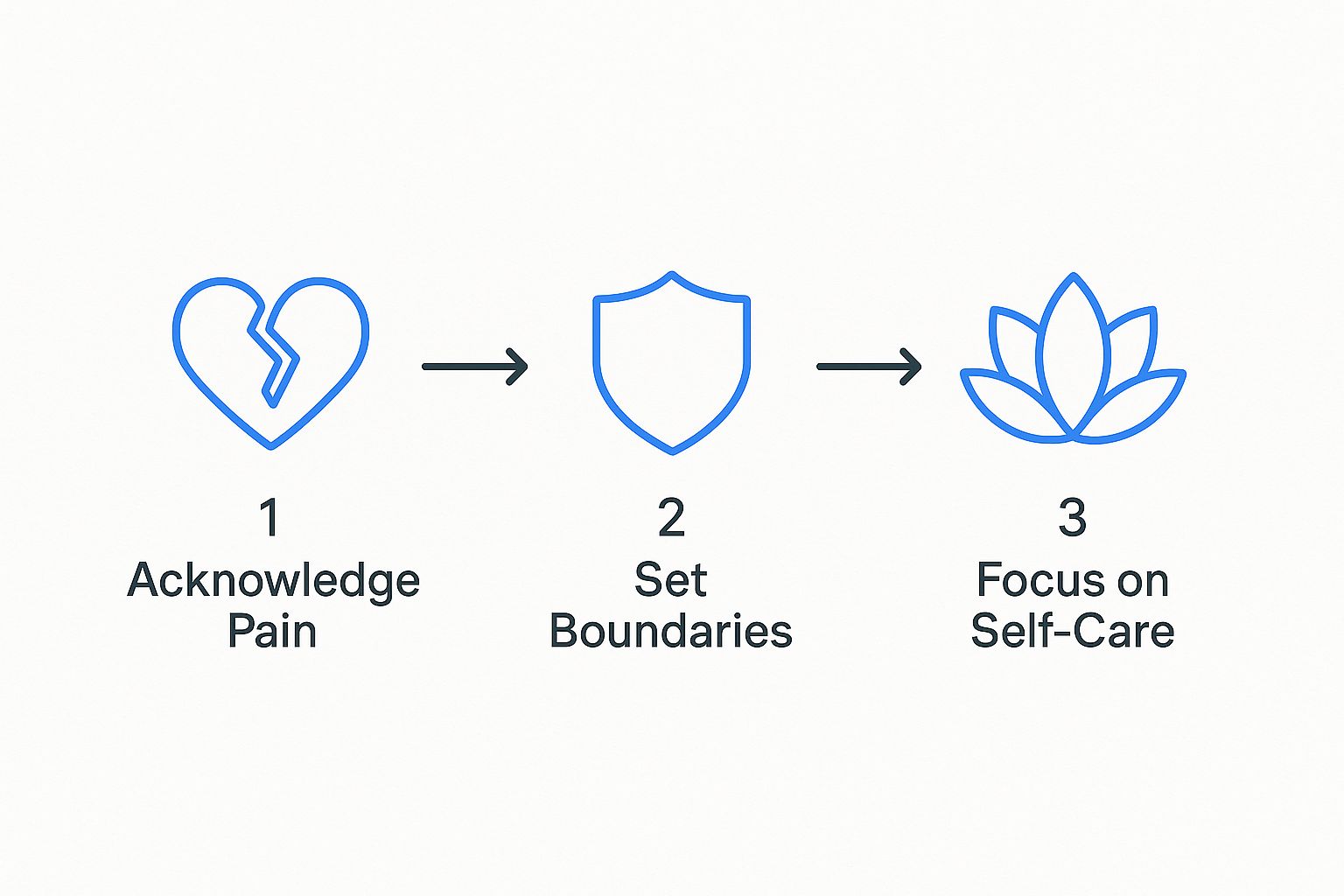
This infographic outlines those crucial first moves.

It’s about building a solid foundation by ensuring your safety, learning your rights, and gathering support. With these pillars in place, the path forward becomes more manageable.
Gather Your Financial Information
Money is a common source of anxiety during a divorce. Getting organized can significantly reduce this stress. Start by calmly gathering and making copies of important financial documents.
Having these papers ready provides peace of mind and ensures transparency. It empowers you to plan for your future.
- Income Records: Collect salary slips, tax returns for the past few years, and any other income-related documents.
- Bank Statements: Gather recent statements from all accounts, whether they are joint or individual.
- Property Documents: Locate deeds for your home, vehicle registration papers, and other proofs of ownership.
- Debt Information: List all loans, including home loans, car loans, and credit card balances.
Seek Initial Legal Guidance
Knowing your rights is empowering and helps you feel more secure. An initial meeting with a family law advocate is an educational step, not an aggressive one. Indian laws around property, maintenance, and child custody can be complex, and an expert can explain how they apply to you.
Think of this first consultation as a fact-finding mission. It helps clear up myths and allows you to make informed decisions, free from fear.
An initial legal consultation replaces uncertainty with facts and a clear understanding of your options, which is crucial for your long-term well-being.
Address Immediate Housing Logistics
The question of "Where will I live?" is often the most urgent. If one person is moving out, the logistics can add to existing workplace stress and emotional strain.
Breaking the move down into a simple plan can make it feel less overwhelming. This moving house checklist template is a great resource for staying organized.
If children are involved, their stability is paramount. Aim to keep their routines as consistent as possible. This is a time to lean on your support network for help, and counselling can offer kids a safe space to discuss their feelings about the changes.
Navigating the Emotional Rollercoaster of Divorce
Divorce is much more than a legal event; it's an emotional earthquake. You are grieving the future you imagined, which can bring up a wave of complex feelings. It's important to allow yourself to feel everything—sadness, anger, and even relief—without self-judgment.
These emotions can surface unexpectedly, making simple tasks feel difficult. You might feel a burst of energy one moment and a deep sense of loss the next. This emotional fluctuation is a normal part of processing a major life change.

Making Sense of the Grief
The "stages of grief" are often less of a straight line and more of a complex, personal journey. You might move between different feelings or experience several at once. Understanding these emotional states can help you feel less alone and normalize your experience.
The table below describes some common emotional phases. Recognizing where you are can be the first step toward coping in a healthy way.
Emotional Stages of Divorce and Healthy Coping Strategies
| Emotional Stage | What It Might Feel Like | Healthy Coping Strategy |
|---|---|---|
| Denial | "This can't be happening." A sense of shock or numbness, finding it hard to accept the situation. | Allow yourself time to process. Talk to trusted friends who can listen without offering judgment. |
| Anger | Feeling intense frustration or resentment, directed at your ex-partner, yourself, or the situation. | Channel this energy through physical activity like a walk or run. Journaling is another safe outlet to express feelings. |
| Bargaining | "What if I had done…?" Thinking about different scenarios or trying to find ways to change the past. | Practice grounding yourself in the present moment. A simple mindfulness exercise can be very helpful. |
| Sadness | A deep sense of sorrow, emptiness, or hopelessness. This is a core part of the grieving process. | Allow yourself to feel the sadness. Connecting with nature or listening to music can be comforting. |
| Acceptance | "This is my new reality." Acknowledging the change and starting to look toward the future. | Begin setting small, forward-looking goals, like exploring a new hobby or planning a short trip. |
Remember, this isn't a race. The goal is to move through these feelings in a way that allows you to heal. Each stage has its own timeline.
From Surviving to Thriving
Building resilience isn't about "bouncing back" to who you were before. It's about integrating this experience and growing into a stronger version of yourself.
You can start with small, consistent actions. A five-minute breathing exercise to calm anxiety, a short walk, or making your bed each morning can create a sense of stability.
"Your present circumstances don't determine where you can go; they merely determine where you start." – Nido Qubein
This need for emotional support is reflected in a key trend in India. Women now initiate a high percentage of divorces, supported by greater financial independence. However, this empowerment can come with social judgment, making therapy a vital lifeline for navigating these complex emotions.
When to Seek Professional Support
It's normal to feel sad and overwhelmed during a divorce. But sometimes, these feelings can become persistent and start to interfere with daily life. This may indicate something more serious, like clinical anxiety or depression.
Consider professional counselling if you are experiencing:
- Persistent Sadness: Feeling empty or hopeless most of the day, nearly every day.
- Loss of Interest: Hobbies and activities that once brought you joy now feel like a chore.
- Changes in Sleep or Appetite: Experiencing significant shifts, either sleeping or eating too much or too little.
- Constant Worry: Feeling stuck in a loop of anxiety, having panic attacks, or being unable to relax.
- Difficulty Functioning: Your emotional state is making it hard to manage work, parenting, or daily tasks.
This is not a diagnostic checklist but an informational guide to help you recognize when you might need more support. A therapist provides a confidential space to explore your feelings and build healthy coping skills for the future.
Co-Parenting with Clarity and Compassion
When you have children, divorce changes your relationship into a co-parenting partnership. This new role is focused on raising your kids and is essential for their emotional well-being.
The golden rule of co-parenting is to prioritize your children's needs above your own feelings about your ex-partner. This means setting aside hurt to build a stable and loving environment for them, even across two homes.
Setting Ground Rules for Communication
Your previous way of communicating as a couple needs to be replaced with a new, business-like approach. The goal is to be clear, concise, and focused only on the children.
Establish a method that works for both of you, like a co-parenting app or email. Keep conversations focused on logistics to avoid old arguments.
A few ground rules can make a big difference:
- Keep It Child-Centred: If a conversation isn't about your children's schedule, health, or schooling, it's off-topic.
- Use Neutral Language: Avoid blame and sarcasm. Instead of, "You're always late," try, "A reminder that pick-up is at 6 PM. It's important for the kids' routine."
- Respond, Don't React: If you receive a frustrating message, step away before replying. Waiting 24 hours can prevent many unnecessary conflicts.
Creating Consistency and Security
Children thrive on routine because it makes them feel safe. You can rebuild that security by creating consistent rules and expectations in both homes.
This doesn't mean your households have to be identical. But agreeing on important things like bedtimes, screen time, and homework helps reduce children's anxiety.
Creating a unified front on core parenting values shows your children they are still part of a strong, supportive family structure, even if it looks different now.
In the Indian context, this may also involve managing input from extended family. It is helpful for you and your ex-partner to present a united front, explaining that you will make co-parenting decisions together.
Navigating Common Co-Parenting Hurdles
Disagreements will happen, whether about holidays or discipline. The key is to handle them without involving the children.
When you face a major issue, professional counselling or mediation can help. A neutral third party can assist you in finding common ground. Addressing conflicts constructively helps avoid personal burnout and workplace stress.
Try to see co-parenting as a long-term project in building resilience. Every conflict you resolve respectfully shows your children how to manage difficult emotions and compromise.
Designing Your New Beginning After Divorce
While divorce marks an ending, it also offers a blank page. This is your opportunity to intentionally build a life that feels authentic to you.
This is a gentle process of rediscovery, not a race. It begins with small, deliberate actions that prioritize your well-being and help you reconnect with yourself.

Prioritising Genuine Self-Care
Self-care during this time is about building a strong foundation for your emotional recovery. It means treating yourself with the kindness and compassion you deserve.
Start with the basics: getting enough sleep, eating nutritious food, and moving your body. These fundamentals help regulate your nervous system and give you the strength to handle emotional challenges.
Rediscovering Your Identity
For years, your identity was likely tied to being a spouse. It's normal to feel a bit lost and ask, "Who am I now?" This is a powerful chance to redefine yourself on your own terms.
Think about hobbies or passions you enjoyed before your marriage. Re-engaging with those parts of yourself can feel like coming home.
- Reconnect with Old Hobbies: Did you enjoy painting, playing music, or hiking? Carve out a little time each week for something you love.
- Explore New Interests: This is a perfect time to try something new, like a class or a volunteer opportunity that interests you.
- Nurture Your Social Circle: Spend time with friends and family who lift you up. Your support system is a vital source of strength.
Redefining your identity isn’t about erasing your past. It's about integrating what you've learned and allowing yourself to grow.
Setting Goals for Your Future
As the initial storm of the divorce subsides, you can start looking toward the future. Setting small, achievable goals provides a sense of purpose and direction.
These goals don't have to be monumental. They just need to be meaningful to you, like planning a trip or redecorating your space. Each small accomplishment builds confidence and resilience.
Embracing Self-Compassion and Gratitude
This journey will have ups and downs. On difficult days, self-compassion is your most powerful tool. Treat yourself with the same kindness you would offer a friend.
Practicing gratitude can also shift your perspective. At the end of each day, try to note three small things you are grateful for. This simple habit can help combat anxiety or feelings of depression and pave the way to lasting happiness.
Finding the Right Professional Support
Deciding to seek professional help during a divorce is an act of strength. You don't have to carry this emotional weight alone. Realizing you could use guidance is a brave first step toward healing.
Therapy or counselling offers a safe, confidential space to process complex emotions like grief, anger, and anxiety without judgment. A good therapist acts as a guide, helping you find your own clarity.
When to Consider Reaching Out
While anyone going through a divorce can benefit from support, there are signs it might be time to make the call. The clearest signal is when your emotional state starts to interfere with your daily life.
Consider reaching out if you notice:
- A Persistent Feeling of Hopelessness: A deep sadness that makes it difficult to imagine a positive future.
- Overwhelming Anxiety: Constant worry or panic attacks that disrupt your sense of peace.
- Social Withdrawal: Consistently avoiding friends, family, and activities you once enjoyed.
- Struggling to Keep Up: Emotional turmoil that affects your work, parenting, or daily tasks.
These are common reactions to a major life change and may indicate depression or anxiety. Professional support can provide tools to help you cope.
Remember, these are informational indicators to help you gain insight into your emotional well-being. Assessments from online tools or initial chats are not a formal diagnosis.
How to Find the Right Therapist for You
Finding a therapist you connect with is a personal process. The right fit is essential for building the trust needed for therapy to be effective.
In India, platforms like DeTalks can connect you with qualified professionals experienced in divorce, grief, and related issues like workplace stress.
Pay attention to a therapist's approach and feel free to have initial consultations with a few different people. Finding the right guide is a crucial step in building your resilience for the path ahead.
Answering Your Biggest Questions About Divorce
When you're facing a divorce, your mind is likely filled with questions. It's a confusing time, and feeling lost is completely normal. Here are answers to some common concerns.
Many people ask, "How long will this take?" The timeline varies greatly, from a few months to over a year. Try to focus on taking it one step at a time instead of fixating on a finish line.
It's also normal to wonder about the emotional ups and downs. Feeling angry one moment and sad the next is a natural part of the grieving process.
Will I Ever Feel Happy Again?
This question comes from a place of deep pain, and the answer is a definite yes. Happiness is absolutely possible on the other side of this experience.
Healing isn't about forgetting the past but about intentionally building a new life that fits who you are now. It’s about rediscovering joy in small moments and building resilience. Your well-being and future happiness are worth investing in.
Remember, the goal isn't to go back to the person you were before. It's to grow into the person you are meant to be now, integrating all you have learned.
How Do I Know if I Need Therapy?
Wondering how to deal with divorce often leads to this question. Choosing to see a professional is a personal decision, but it's a step many find very helpful.
Consider therapy or counselling if you feel stuck. If feelings of anxiety or depression make it hard to get through the day, or if workplace stress is adding to the burden, it’s a clear sign. A good therapist can provide practical tools for a solid foundation for your future.
Navigating divorce is a journey you don't have to take alone. If you feel professional guidance could help, DeTalks connects you with qualified therapists who understand. Find the right expert to help you build resilience and design your new beginning. Explore your options today at https://detalks.com.