
A panic attack is a sudden, intense wave of fear that triggers very real physical reactions, even when there's no actual danger. Understanding what's happening and learning simple techniques can help you feel more in control. This isn't a sign of weakness; it's your body's alert system getting a false alarm, and you can learn to manage it with practice and self-compassion.
What a Panic Attack Actually Feels Like
If you've had a panic attack, you know it can feel like you're losing control, having a heart attack, or that something terrible is about to happen. Simply understanding the experience is a powerful first step. It is a sudden surge of overwhelming fear or discomfort that reaches a peak within minutes.
What’s happening is your body's "fight or flight" response—its natural alarm system—is activated by mistake. It's meant to protect you from real threats, but during a panic attack, this system gets triggered for no clear reason. Your body is flooded with adrenaline, preparing you for a danger that isn't there, which causes frightening physical and emotional feelings.
The Physical Side of Panic
The physical feelings of a panic attack can be terrifying, and many people mistake them for a serious medical emergency. This can increase the sense of fear and urgency. Learning to recognise these feelings as symptoms of panic can help reduce their power over you.
Here are some common physical sensations you might experience:
- A Racing Heart: It might feel like your heart is pounding, fluttering, or skipping beats.
- Shortness of Breath: A frightening feeling that you can't get enough air or are suffocating is very common.
- Dizziness or Light-headedness: You might feel unsteady, wobbly, or like you're about to faint.
- Sweating or Chills: Your body temperature can feel out of control, causing you to sweat or shiver.
- Numbness or Tingling: Many people feel a "pins and needles" sensation, often in their hands, feet, or face.
The Emotional and Mental Storm
Alongside the physical chaos, a panic attack brings intense emotional and mental feelings. It is more than just worry; it's an overwhelming sense of doom or a fear that you are losing control completely. This experience can be incredibly isolating.
Many people also feel a sense of detachment, as if they are watching themselves from outside their body (depersonalisation) or that the world isn't real (derealisation). Acknowledging that these are symptoms of anxiety—not signs of immediate danger—is a key step toward feeling grounded again.
"A panic attack is your body's alarm system going off at the wrong time. Learning to recognise the false alarm is the first step in learning how to switch it off."
This experience is more common than you might think, especially with rising challenges like workplace stress and burnout. In India, the conversation around mental health is growing, helping more people seek support for anxiety and depression. Studies on mental health trends in India00135-1/fulltext) show a notable increase in these challenges, making open dialogue more important than ever.
Grounding Yourself When Panic Strikes
When a panic attack hits, your mind can feel like it's spiralling. The most helpful thing you can do is bring yourself back to the present moment. This is called grounding, and it's a powerful way to anchor yourself and interrupt the cycle of fear.
Grounding isn’t about ignoring the panic; it’s about shifting your focus from the frightening feelings inside to the real world around you. By engaging your senses—sight, touch, and sound—you send a message to your nervous system that you are safe. This simple act is your first step toward regaining a sense of control and building resilience.
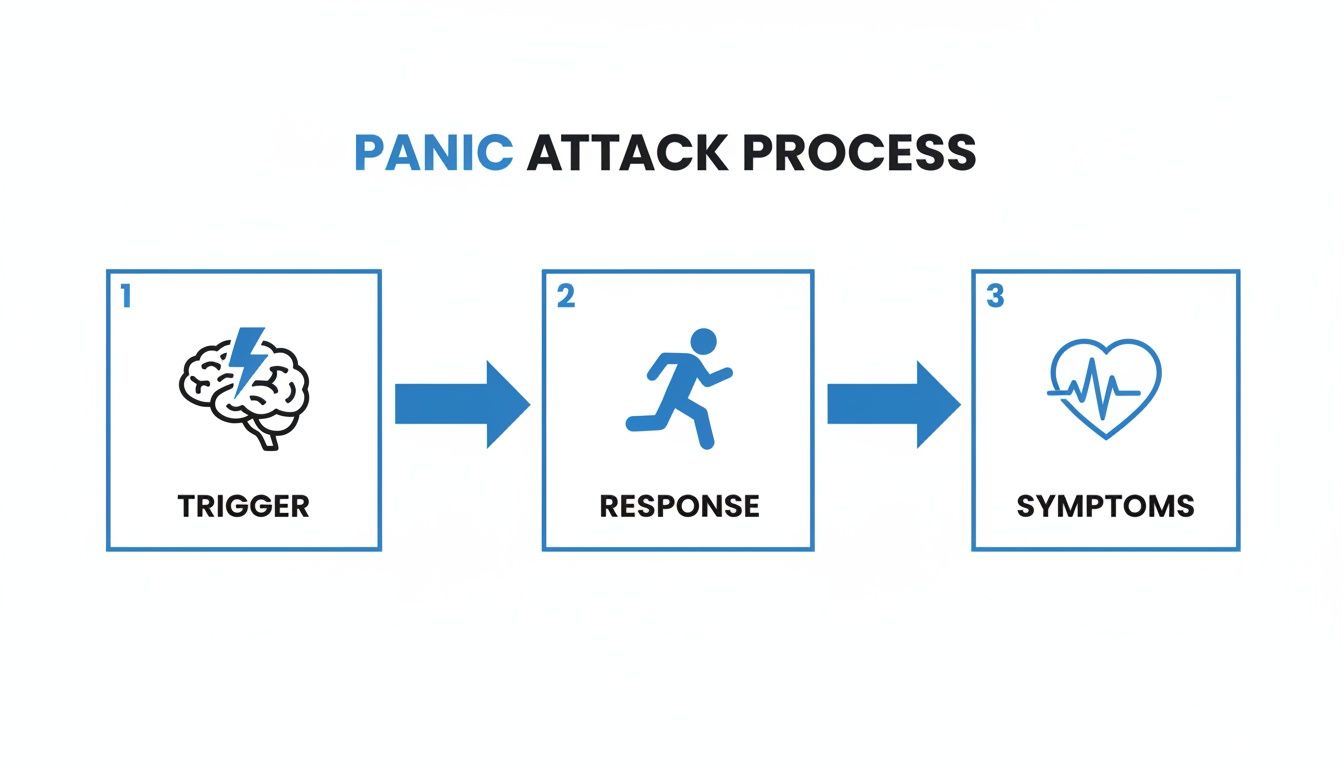
Understanding this process helps you see that these intense feelings are part of a predictable sequence—one you can absolutely learn to navigate with the right techniques.
Reconnecting with Your Senses
One of the most reliable grounding techniques is the 5-4-3-2-1 method. It's simple, private, and can be done anywhere, whether you're on a crowded train in Delhi or in a high-pressure meeting. The goal is to observe your surroundings instead of getting lost in anxious thoughts.
Here’s how it works:
- Look for 5 things you can see. Glance around and name five objects. Notice their colour, shape, or texture. "I see a blue pen. I see the wooden desk. I see a green plant."
- Acknowledge 4 things you can feel. Bring your attention to physical sensations. Notice the feeling of your feet on the floor, the texture of your shirt, or a cool surface under your hand.
- Listen for 3 things you can hear. Tune into the sounds around you. It could be the hum of traffic, the ticking of a clock, or your own breathing.
- Notice 2 things you can smell. Try to identify scents in your environment, like coffee, soap, or fresh air from a window.
- Identify 1 thing you can taste. Focus on one taste. You could take a sip of water or simply notice the current taste in your mouth.
This exercise pulls your brain out of its "what if" spiral and back into reality. It breaks the momentum of panic, giving you a crucial window to breathe and re-centre.
Grounding Techniques for Immediate Relief
| Technique | How It Helps You | Simple Steps to Follow |
|---|---|---|
| The 5-4-3-2-1 Method | Engages all five senses to interrupt anxious thought loops and anchor you in the present moment. | Systematically identify 5 things you see, 4 you can feel, 3 you can hear, 2 you can smell, and 1 you can taste. |
| Temperature Shock | A sudden change in temperature can jolt your nervous system, redirecting your focus instantly. | Splash cold water on your face, or hold an ice cube in your hand for a few seconds. |
| Firm Pressure | Deep, steady pressure provides reassuring physical feedback and helps you feel more contained and secure. | Press your feet firmly into the floor. Push your palms together. You can also try wrapping yourself in a heavy blanket. |
| Object Focus | Concentrating on a single object provides a simple, external anchor for your wandering mind. | Pick up a nearby object (like keys or a pen). Notice its weight, texture, temperature, and colours in detail. |
Experiment with these to find what feels most helpful for you. Having a few go-to techniques ready helps you respond calmly when panic arises.
The Power of Controlled Breathing
During a panic attack, breathing often becomes fast and shallow, which can increase dizziness and anxiety. Slow, deep breathing is a powerful tool for calming your body’s stress response. You can practise this simple exercise to find your balance.
Place one hand on your stomach and, if you feel comfortable, close your eyes. Inhale slowly through your nose for a count of four, feeling your belly expand. Hold the breath for a moment, then exhale slowly through your mouth for a count of six.
By making your exhale longer than your inhale, you activate your body's natural relaxation response. This is a direct signal to your nervous system to slow down and find calm.
Repeat this for a few minutes. Focusing on your breath stabilises oxygen levels and gives your mind a single, calming task to hold onto. Practising these techniques regularly helps build emotional resilience, making it easier to turn to them when you need them most. For more personalised strategies, seeking therapy or counselling can provide valuable support.
Building Your Daily Resilience to Anxiety
Managing panic attacks isn't just about what you do in the moment. The most lasting change comes from building a daily foundation of calm and well-being. Think of it as preventative care for your mind—small, consistent habits that strengthen your emotional resilience and compassion.
The first step is to gently understand what makes you feel vulnerable. This isn't about avoiding life's challenges but about spotting patterns. This awareness allows you to make mindful choices that support your mental health.

Identifying Your Personal Triggers
Triggers are the specific situations, thoughts, or feelings that tend to come before a panic attack. Pinpointing them gives you the power of awareness. They often fall into a few common areas.
For some, it might be a looming work deadline or a crowded market. For others, it could be a physical feeling like a racing heart after exercise or the effects of too much caffeine. This self-awareness helps you prepare and respond with kindness.
Think of yourself as a detective of your own experiences. A simple journal is a great tool. When you feel anxious, note what was happening—where you were, who you were with, and what you were thinking. You're not looking for blame, just clues to support your well-being.
This awareness can be a game-changer. For example, if you notice poor sleep leaves you on edge, prioritising rest becomes a clear, compassionate action for your mental health.
Lifestyle Choices and Your Mental Well-being
Your daily habits and mental state are deeply connected. Small changes to your routine can lower your baseline anxiety, creating a helpful buffer against panic. Let’s look at a few areas where simple adjustments can make a positive difference for your well-being.
Nourishment and Hydration
What you eat and drink has a direct link to your mood and anxiety.
- Mindful caffeine and sugar intake: Both can activate your nervous system and mimic anxiety symptoms like a racing heart.
- Stay hydrated: Dehydration can cause dizziness and fatigue, which an anxious mind might misinterpret as a sign of panic.
- Eat regular meals: Consistent meals prevent blood sugar crashes that can lead to irritability and increased anxiety.
The Power of Sleep
A good night's rest is one of the most effective tools for managing anxiety. Aiming for a solid 7-9 hours helps your brain regulate hormones that control stress and mood. A calming bedtime routine, like reading or listening to quiet music, signals to your body that it's time to unwind.
Navigating Workplace Stress and Burnout
For many, especially in busy cities across India and globally, the workplace can be a source of significant pressure. Deadlines, high expectations, and long hours can contribute to chronic anxiety and burnout. Managing workplace stress is essential for your long-term well-being and happiness.
One practical step is setting clear boundaries. This could be not checking work emails after a certain hour or taking a full lunch break away from your desk. These small acts of self-preservation create pockets of calm and prevent stress from becoming overwhelming.
Another helpful strategy is to integrate moments of mindfulness into your day. Take two minutes between meetings to focus on your breath or do a quick stretch. These micro-breaks can reset your nervous system and help you navigate the day with greater ease. If workplace stress feels unmanageable, professional counselling can offer tailored strategies.
Supportive Takeaway: Building resilience is a journey, not a destination. The goal is to weave small, compassionate choices into your daily life. Every healthy meal, mindful breath, and protected boundary is a step toward a stronger, calmer you. This is about consistent, kind practice, not perfection.
When to Consider Professional Support
Deciding to seek professional help is a positive and courageous step. It's an act of self-care and a commitment to your long-term well-being. It means you're ready to get the right tools and support to manage overwhelming experiences like panic attacks.
In India, this can be a significant decision, as the conversation around mental health is still evolving. Cultural views can sometimes create barriers, and research on mental health barriers in India shows that many don't get the care they need due to stigma or lack of awareness. By reaching out for therapy or counselling, you are helping to change that narrative and build personal resilience.
Understanding Your Options for Support
There are different ways to get support, and it’s helpful to know your options. The right path is the one that makes you feel comfortable and understood.
Here are the most common avenues for professional help:
- Psychotherapy (Talk Therapy): A professional can help you work through mental health challenges in a supportive space. Cognitive Behavioural Therapy (CBT) is particularly effective for panic attacks, as it helps you identify and reframe the thought patterns that trigger panic.
- Counselling: This is often focused on specific life challenges, like workplace stress or major transitions. A counsellor provides a safe space to develop practical coping skills.
- Psychiatry: Psychiatrists are medical doctors who specialise in mental health. They can provide a formal assessment, offer therapy, and prescribe medication if it is a useful part of your treatment plan.
It's important to remember that online self-assessments are for informational purposes only. They can be a good starting point for self-reflection but are not a substitute for a professional diagnosis.
How to Find the Right Professional
Finding a therapist you connect with is key to a positive experience. You need to feel safe and trusted, so the relationship matters. Today, you have more options than ever, from in-person meetings to flexible online sessions.
When searching, look for professionals who list anxiety, stress, or panic as their areas of expertise. Reading reviews or asking a trusted doctor for a recommendation can be helpful. Don't be discouraged if the first person you speak with isn't the right fit; finding the right connection can sometimes take a few tries.
For many, panic attacks are linked to a broader experience with anxiety. Exploring professional anxiety therapy can offer a comprehensive plan to address the root of the issue and build lasting coping skills.
Supportive Takeaway: Reaching out is a sign of strength. It means you value your well-being enough to invest in it. Professional support provides a safe, non-judgmental space to understand your experiences, learn powerful strategies, and build a more resilient and peaceful life.
Seeking help is a partnership. You are teaming up with someone who has the expertise to offer new perspectives and proven techniques. This collaboration can empower you to move beyond just surviving anxiety and depression and toward a future with more happiness and self-awareness.
Creating a Long-Term Plan for Well-Being
Managing a panic attack in the moment is one part of the journey. The other is building a life that feels more stable and secure over the long term. This is about shifting from reacting to fear to intentionally cultivating calm and happiness.
This process involves nurturing a deeper sense of security within yourself. You'll learn who you can rely on and create a clear, actionable plan for moments of high anxiety. It’s a gentle, ongoing practice of self-compassion and resilience, where progress, not perfection, is the goal.
Building Your Personal Well-Being Toolkit
Your well-being toolkit is your personal collection of strategies that you know work for you. It's unique because what brings calm to one person may not work for another. Think of it as your go-to resource for maintaining emotional balance.
To get started, include a mix of proactive habits and in-the-moment comforts.
- Mindfulness and Movement: Incorporate small, consistent practices like a five-minute morning meditation or a short walk after lunch. Regular physical activity is a wonderful way to manage stress hormones.
- Creative Outlets: Find activities that help you process emotions, such as journaling, painting, or listening to a specific playlist. These can provide a healthy release for pent-up tension.
- Calming Routines: Establish predictable routines, especially around bedtime. Consistency signals safety and relaxation to your nervous system.
For these habits to become second nature, it's helpful to understand effective habit formation strategies. This knowledge can help you integrate these supportive practices into your daily life.
Communicating Your Needs to Your Support Network
You don't have to go through this alone. A supportive network of friends, family, or a partner can be a great source of strength. However, they can only help if they understand what you need, as panic attacks can be confusing for those who haven't experienced them.
Opening up takes courage but can greatly improve your relationships. Instead of just saying you feel anxious, try being specific and constructive.
You could say, "When I start to feel overwhelmed, having a quiet space and a gentle reminder that I'm safe helps me most. Phrases like 'just calm down' aren't helpful, because my body isn't listening at that moment."
This clear communication turns loved ones into true allies. It gives them practical ways to support you, which reduces their own feelings of helplessness and strengthens your connection.
Creating a Personal Safety Plan
A personal safety plan is a simple, written guide you create for yourself to use during moments of intense anxiety or panic. It's a roadmap that removes the guesswork when fear makes it hard to think clearly. Just knowing you have this plan can provide a powerful sense of security.
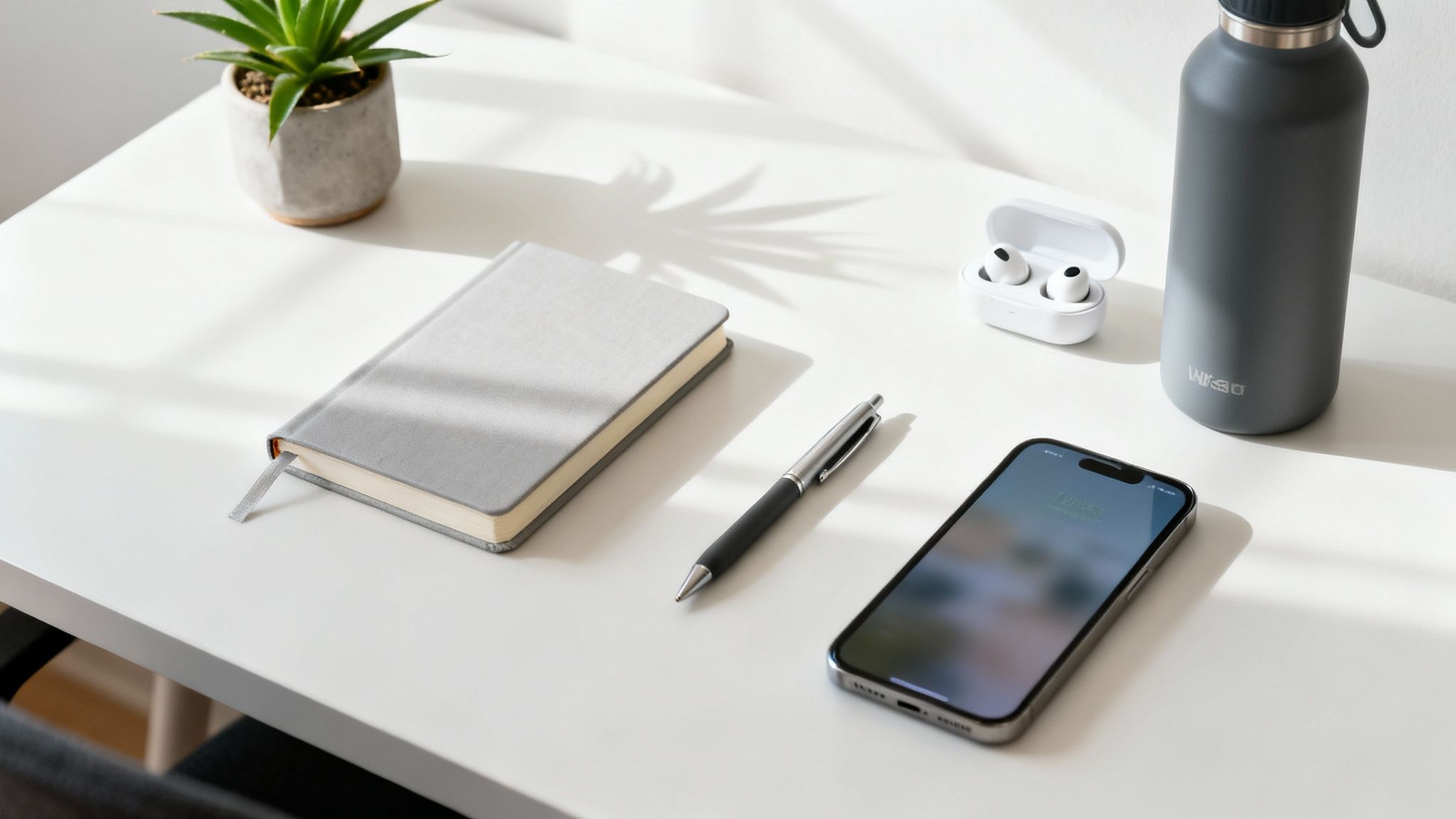
Keep it somewhere easily accessible, like the notes app on your phone or a card in your wallet. Here’s what it could include:
- Early Warning Signs: List 2-3 personal signs that anxiety is building (e.g., "Tightness in my chest," "Racing thoughts").
- Immediate Coping Strategies: Write down your most effective grounding techniques (e.g., "Do the 5-4-3-2-1 exercise," "Listen to my calming playlist").
- Supportive Contacts: List the names and numbers of 1-2 people you can call who can offer calm support.
- Reassuring Reminders: Write a kind message to your future self, like "This feeling is temporary and will pass. I am safe."
Challenges with anxiety and depression are widespread, and proactive well-being strategies are essential for navigating them. These plans are a compassionate way to care for yourself.
Supportive Takeaway: The journey of managing panic attacks is about building a life that feels safe, supportive, and fulfilling. Your well-being plan will evolve as you grow. The goal isn't to erase anxiety, but to build the confidence and resilience to live beautifully alongside it.
Got Questions About Panic Attacks? You're Not Alone.
It's completely normal to have questions when you're trying to understand panic attacks. Finding clear, straightforward answers is a huge step toward feeling more in control. Let's address some of the most common concerns.
Feeling uncertain is part of the process when dealing with something so overwhelming. The more you know, the more tools you have to build your resilience. Knowledge empowers you to make the best decisions for your mental health and happiness.
Can I Stop Panic Attacks From Ever Happening Again?
While the goal might feel like "curing" panic attacks forever, a more helpful aim is learning to manage them so they no longer control your life. Through consistent practice of coping skills, lifestyle adjustments, and often with therapy, most people find they can significantly reduce the frequency and intensity of attacks.
The focus shifts from eliminating fear to building the confidence to handle it. The ultimate goal is to build resilience so you can live a full, meaningful life without the constant worry of when the next one might happen.
How Do I Explain This to My Family or My Boss?
Explaining what a panic attack feels like can be difficult, especially since mental health can be a sensitive topic. It's often best to keep it simple and direct. You don't have to share every detail unless you feel comfortable doing so.
You could try saying something like: "I sometimes experience a strong physical reaction to stress called a panic attack. When it happens, what I need most is a quiet space and some patience while it passes." By focusing on what you need, you give people a practical way to help and show compassion.
Do I Need Both Medication and Therapy?
Not necessarily, as the best treatment plan is always personalised. For many, counselling—especially Cognitive Behavioural Therapy (CBT)—is very effective on its own. It provides practical tools to change your response to anxiety.
For others, especially when attacks are frequent or severe, a combination of therapy and medication may be the most helpful path. The best way to know is to consult with a mental health professional. They can provide a thorough assessment (as self-assessments are informational, not diagnostic) and help you decide on a plan that supports your long-term well-being.
What's the Difference Between a Panic Attack and an Anxiety Attack?
People often use these terms to mean the same thing, but in a clinical sense, they are different. A panic attack is a sudden, intense wave of fear that peaks within minutes and brings on strong physical symptoms like a pounding heart or dizziness. It often feels like it comes out of nowhere.
An "anxiety attack," which is not a formal clinical term, usually describes anxiety that builds more slowly. It is often tied to a specific worry, like an upcoming deadline. While it's very unpleasant, it is typically less intense than the sudden, overwhelming feeling of a panic attack.
At DeTalks, we believe that finding the right professional support is a critical step towards healing and growth. Our platform connects you with qualified therapists and provides science-backed assessments to help you understand your mental health and build a more resilient life. Begin your journey toward clarity and well-being at https://detalks.com.