Tag: mental health

  • How to Find Purpose in Life: Your Practical Guide

    How to Find Purpose in Life: Your Practical Guide

    Finding your purpose isn't about a single, grand revelation. It's a gentle process of looking inward to understand what truly matters to you—your values, passions, and strengths—and weaving them into your daily life.

    This is an ongoing journey, a continuous conversation between who you are and what you do. It’s about building a life that feels authentic and meaningful to you.

    Starting Your Search for Meaning

    If you've ever asked yourself, "what is my purpose?", you are not alone. This question often comes up during times of change, or when challenges like workplace stress and anxiety begin to feel overwhelming.

    Feeling a bit lost is often the first step toward meaningful personal growth. It's a sign that you are ready to connect with yourself on a deeper level.

    Understanding the Search for Purpose

    Searching for meaning doesn't mean something is wrong; it's a natural part of human growth. The pressures of modern life can lead to burnout or a sense of disconnection, and this guide is here to help you reconnect with your inner voice.

    We will explore ideas from positive psychology, focusing on building skills like resilience and self-compassion to help navigate life's challenges. It's important to clarify that these exercises are for self-discovery and are not a substitute for professional diagnosis or treatment of conditions like anxiety or depression.

    "Purpose is not something you discover, but something you build. It is created in the small moments of choice, in the commitments you keep, and in the connections you nurture every day."

    An India-First Perspective on a Global Journey

    While the search for purpose is a universal human experience, our cultural context shapes this journey. In India, a strong sense of purpose is deeply linked to overall well-being and is often nurtured through community and family bonds.

    The Voluntās Foundation's Global Meaningfulness Index recently ranked India 4th globally, highlighting how purpose and belonging contribute to a meaningful life. You can discover more about how Indians find purpose in the full report.

    This guide uses an India-first context while offering insights that are globally relatable. The goal is to provide supportive takeaways that bring more clarity and well-being into your life.

    What Are Your Core Values, Really?

    Your core values are like a personal compass, guiding your decisions and behaviours. Understanding them is the first step toward building a life that feels truly yours.

    When your daily actions don't align with your deepest beliefs, it can create a sense of unease. This disconnect is a common source of workplace stress and anxiety, making it vital to identify what truly matters for your well-being.

    A Practical Way to Uncover What Matters

    The best way to identify your values is through honest self-reflection. This isn't a test; it's about listening to the wisdom of your own experiences.

    Grab a journal or open a document and explore these prompts without judgment:

    • Think of a time you felt genuinely happy. What was happening? Who was with you? Pinpoint what made that moment special—was it connection, challenge, or freedom?
    • Recall a time you were deeply proud of yourself. What did you do, and what principle did that action reflect? Perhaps it was integrity, courage, or creativity.
    • Now, consider a time you felt angry or frustrated. What injustice or broken rule triggered that feeling? Anger often points directly to a core value that has been challenged.

    This exercise is designed to connect you with what you genuinely value, not what you think you should value.

    Connecting with your fundamental beliefs gives you a solid foundation for making decisions that align with your true self. This alignment is essential for building resilience and improving your overall mental health.

    Turning Your Reflections Into a Clear Guide

    After reflecting, look for recurring themes in your writing. Words like "community," "freedom," "creativity," "security," or "kindness" may appear often.

    Try to create a list of your top five core values to bring focus and clarity to your decisions. This makes it easier to say "no" to things that drain you and "yes" to what energizes you.

    This clarity is a key step in learning how to find purpose in life. If you feel persistently stuck or are navigating challenges like depression, professional therapy or counselling can provide a supportive space to explore these ideas further.

    Connecting Passions to Your Strengths

    Purpose often emerges where your passions and natural talents meet. This is about exploring with curiosity, not pressure, to see where your energy flows most freely.

    Think about activities that make you lose track of time—these are powerful clues to your passions. Leaning into them is an effective way to manage workplace stress and prevent burnout.

    Identifying What You Genuinely Love

    A passion is something that energizes you, something you would do even without external reward. To uncover yours, reflect on these questions:

    • What topics could you discuss or read about for hours? No subject is too big or small, from sustainable farming to cinematic history.
    • If you had a free afternoon with no obligations, what would you choose to do? Let your mind wander past your to-do list.
    • What brought you joy as a child? Our earliest interests often hold a pure reflection of our authentic selves.

    This is about reconnecting with parts of yourself that feel most alive. This self-awareness is a cornerstone of strong mental well-being.

    Purpose isn’t a destination you arrive at. It's the meaning you create in your actions, day by day, by connecting with who you truly are.

    Recognising Your Natural Talents

    Your strengths are the things you do with natural ease, perhaps so easily that you don't even see them as special skills. What do others consistently ask for your help with?

    Using your talents provides a sense of competence and accomplishment, which can counter feelings of helplessness that may accompany anxiety or depression. This reinforces a positive sense of self and builds incredible resilience.

    This self-assessment is informational, not diagnostic. If feelings of inadequacy are persistent, professional counselling or therapy can offer a supportive space to explore them with compassion.

    Mapping Your Personal Purpose Drivers

    This self-reflection tool can help you see where your passions, strengths, and contributions overlap.

    My Passions (What I Love) My Strengths (What I'm Good At) My Contribution (How I Can Help Others)
    Example: Cooking traditional family recipes Example: Organising events and bringing people together Example: Hosting small potluck dinners to foster community
    Example: Mentoring junior colleagues at work Example: Explaining complex ideas in a simple, patient way Example: Volunteering to tutor students in my area of expertise
    Example: Spending time in nature and gardening Example: Planning long-term projects and staying consistent Example: Starting a small community garden in my neighbourhood

    Jot down the first things that come to mind. Seeing these areas together can spark powerful insights and offer a clearer direction.

    Turning Purpose into Actionable Goals

    Purpose comes to life through action. This is where your inner values meet the real world, turning ideas into tangible steps that shape your days.

    The key is to avoid feeling overwhelmed by breaking down your purpose into small, achievable goals. This approach creates momentum without adding pressure.

    From Vague Ideas to Concrete Steps

    Let's make this practical. If a core value is "community connection," an actionable goal moves beyond the idea and becomes a specific, doable task.

    For example, this value could become one of these goals:

    • Mentoring: Spend one hour every two weeks mentoring a junior colleague.
    • Volunteering: Commit to two hours a month with a local charity.
    • Neighbourhood Initiative: Organise a small seasonal get-together for neighbours.

    These small, consistent actions are the building blocks of a purposeful life. They provide a sense of accomplishment and reinforce your values, which is key for building resilience and improving your well-being.

    The journey toward a purpose-driven life is built on small, consistent actions, not grand gestures. Progress, no matter how small, is more important than perfection.

    Setting Goals That Nurture Your Purpose

    This practical mindset is growing in India, with many seeing life goals as a path to purpose. A recent study found that 71% of Indians view providing financial security for family as a primary life goal, reflecting a collective desire for more fulfilling lives.

    If your purpose involves your career, a guide to career promotion may be a helpful resource. The most important thing is to ensure your goals are truly your own.

    If goal-setting brings up feelings of anxiety or depression, remember that professional counselling offers a supportive space to navigate these challenges. The aim is to create a sustainable and meaningful path forward.

    How to Navigate Setbacks with Resilience

    The journey of exploring how to find purpose in life is rarely a straight line. You will encounter setbacks and moments of self-doubt along the way.

    These challenges are not signs of failure; they are part of the discovery process. Building resilience is the key to navigating these moments.

    Resilience is the inner strength that helps you bounce back, learn, and keep moving forward. It's like a muscle that you can strengthen with practice and self-compassion.

    Practising Self-Compassion in Tough Times

    When things don't go as planned, our first reaction is often self-criticism. Practicing self-compassion—treating yourself with the kindness you would offer a friend—is a healthier way to build resilience.

    This practice can reduce feelings of anxiety and prevent negative thought cycles. It begins by acknowledging your feelings without judgment.

    Here are a few ways to practice self-compassion:

    • Mindful Pauses: When you feel overwhelmed, stop and take a few deep breaths. Notice your feelings without needing to "fix" them.
    • Positive Self-Talk: Gently reframe harsh inner criticism. Instead of "I failed," try, "This was a learning experience."
    • Supportive Journaling: Write about your struggles as if you were talking to a friend, then write a kind, understanding response back to yourself.

    Seeking Support and Gaining Perspective

    Remember, you don't have to navigate this journey alone; reaching out is a sign of strength. Professional therapy or counselling provides a safe space to discuss challenges like workplace stress, anxiety, or depression.

    A therapist can offer tools to reframe negative thoughts and develop healthier coping strategies. These services are here to provide support and encourage growth.

    The ability to navigate setbacks is a crucial part of living a purposeful life. It teaches us that our purpose isn't defined by uninterrupted success, but by our capacity to grow through challenges with grace and self-kindness.

    Research in India supports this idea, showing a strong link between purpose and life satisfaction in older adults. Their well-being was tied to factors like health and living situation, showing how purpose evolves and strengthens as we age. You can learn more in the World Happiness Report.

    Building resilience is an ongoing practice. Each challenge navigated with compassion makes you stronger for the next, keeping you connected to your unique journey.

    Still Have Questions About Finding Your Purpose?

    It is completely normal for questions to arise as you explore what gives your life meaning. This is a sign that you are engaging deeply with the process.

    Let's address some common questions that come up on this path. Think of these as supportive guideposts for your personal journey.

    "What If I Don't Have One Big Passion?"

    Many of us believe purpose must be a single, grand passion, but this is rarely the case. Purpose is often found in the small, consistent ways we live our values.

    Your purpose might be expressed through being a reliable friend, a patient parent, or a supportive colleague. A collection of small, meaningful actions can boost your well-being and build powerful resilience.

    Purpose isn’t something you just find, fully formed. It’s something you build, piece by piece. You create it in the small choices you make, the promises you keep, and the relationships you nurture day in and day out.

    "Is It Okay for My Purpose to Change?"

    Yes, it is not only okay for your purpose to change, but it is expected. The priorities and insights you have at 20 will be different from those you have at 40 or 60.

    Major life events naturally shift what you find meaningful, which is a sign of healthy growth. Embracing this evolution allows you to ensure your life reflects who you are now.

    "What Should I Do If I Feel Stuck or Overwhelmed?"

    Feeling stuck is a normal part of this journey. When deep reflection stirs up difficult feelings like anxiety, it's important to pause and simplify.

    • Pick one small thing. Focus on one small action you can take today that aligns with your values.
    • Talk it out. Sharing your thoughts with someone you trust can offer a fresh perspective and reduce feelings of isolation.
    • Reach out for support. If feeling stuck persists and is linked to challenges like depression or severe workplace stress, consider professional help. Therapy or counselling is a proactive step toward getting the support you deserve.

    These assessments are informational, not diagnostic. A safe, dedicated space can help you untangle your thoughts and find clarity on your path.


    At DeTalks, we believe that everyone should have access to the right mental health support. Our platform can connect you with qualified therapists and provides scientifically-backed assessments to help you understand yourself better. It’s all about building a more resilient, meaningful life. Start your journey with DeTalks today.

  • Employee Assistance Program Benefits for Work Wellness

    Employee Assistance Program Benefits for Work Wellness

    An Employee Assistance Programme offers confidential, professional support for life's hurdles—both at work and at home. It is a proactive and compassionate resource, offered at no cost to you, designed to help manage stress and build well-being.

    What Exactly Is an Employee Assistance Programme?

    Think of an Employee Assistance Programme (EAP) as a confidential support system, fully paid for by your employer, created to help you navigate life’s ups and downs. It’s a private and safe space to connect with experts who can guide you through a wide range of challenges.

    This could be anything from managing workplace stress and dealing with anxiety, to getting advice on personal matters that are weighing on you.

    The key word here is confidentiality. Your conversations are completely protected, which means you can seek support without worrying about privacy. Employers offer this because they understand that your overall well-being matters, and they see reaching out for help as a sign of strength.

    A Toolkit for Everyday Well-being

    An EAP isn't just for a crisis; it’s a practical toolkit for everyday life that supports both challenges and growth. The aim is to give you easy access to resources that support your mental and emotional health, whether that’s short-term therapy, counselling, or guidance.

    Here are a few common areas where an EAP can lend a hand:

    • Mental Health Support: Guidance for managing feelings of anxiety, depression, or burnout.
    • Workplace Challenges: Help with navigating on-the-job stress, conflicts with colleagues, or career pressures.
    • Personal and Family Issues: Support for relationship difficulties, parenting concerns, or coping with grief.
    • Financial and Legal Guidance: Initial consultations to help point you in the right direction.

    An EAP is a compassionate first step. It empowers you to tackle concerns early, helping you build resilience, compassion, and happiness before challenges grow too large. The assessments offered are informational tools to guide your journey, not clinical diagnoses.

    Here in India, we're seeing a growing commitment to employee well-being, with many companies increasing their wellness spending.

    Despite this investment, EAP usage often remains low, showing how important it is for us to better understand and embrace these valuable programmes. You can explore more about EAP trends in India to see how organisations are adapting.

    The takeaway is simple: your EAP is there to help you grow, cope, and ultimately, thrive.

    How EAPs Directly Support Your Mental Well-Being

    An Employee Assistance Programme (EAP) is a confidential support line for your mental and emotional health. It gives you a direct, private path to licensed professionals who can help you work through challenges like workplace stress, anxiety, or burnout.

    In one-on-one sessions, you can learn practical coping skills and build the kind of resilience that helps you not just get by, but genuinely thrive. This kind of therapy or counselling is an incredible tool for personal growth, and reaching out is a sign of strength.

    From Navigating Challenges to Fostering Happiness

    But an EAP isn't just for difficult moments; it’s also for proactively building a more positive life. It helps you shift from only managing problems to actively cultivating happiness, resilience, and self-compassion.

    It's also important to know that any initial assessments are for informational purposes. They are not clinical diagnoses but helpful guides to understand your needs and find the best path forward.

    An EAP is designed to be a safe harbour. It offers a confidential space where you can speak freely, process your thoughts, and gain new perspectives on whatever is on your mind, empowering you to take control of your well-being.

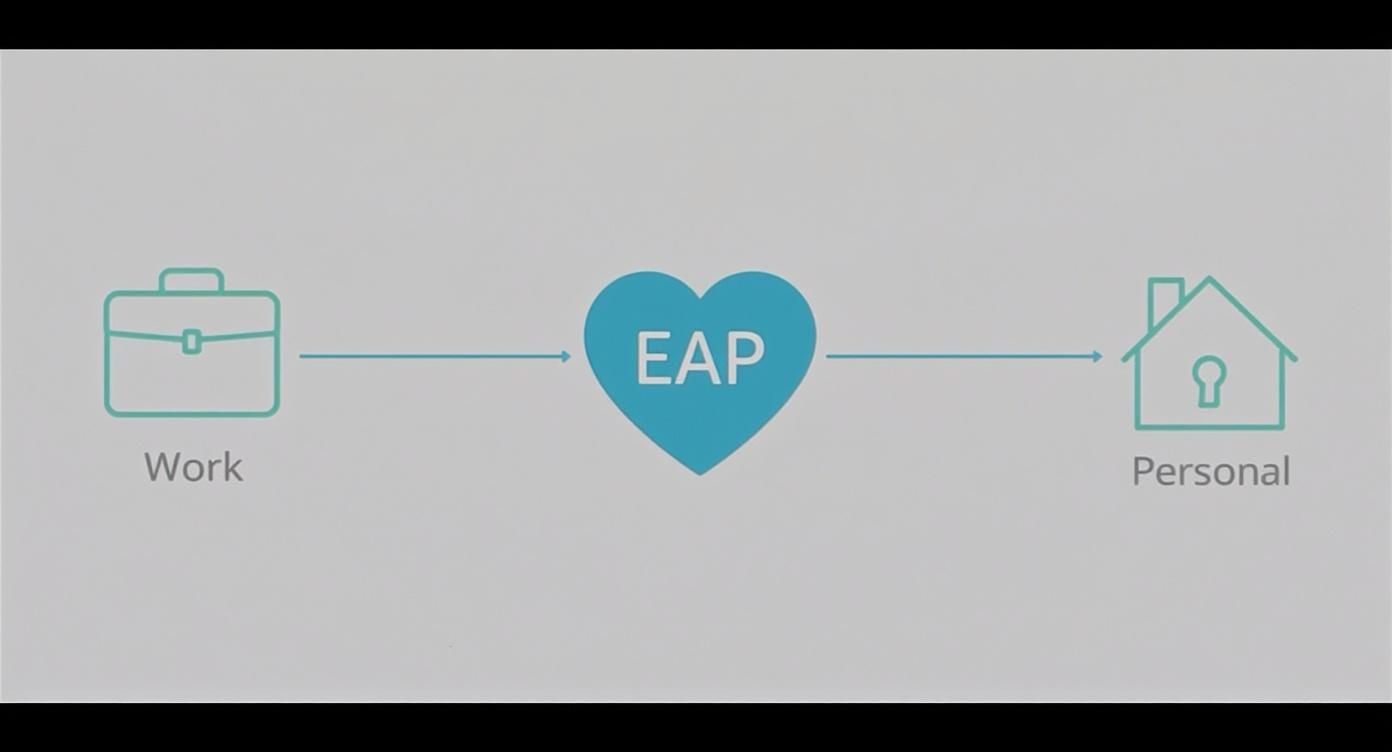
    This visual map shows how an EAP acts as a central hub, connecting confidential support to both your work and personal life.

    Infographic about employee assistance program benefits

    The key takeaway is that an EAP integrates support across all areas of your life, reinforcing that personal wellness and professional performance are deeply connected.

    Building Resilience and a Healthier Workplace

    When people have the right tools to manage their mental health, the ripple effect is felt across the entire organisation. In India, EAPs have shown a remarkable return on investment by improving employee mental health and reducing productivity losses.

    This focus on well-being helps address challenges like anxiety and depression early, creating a more stable and supportive environment for everyone.

    The table below breaks down the wide range of support an EAP typically offers, showing just how versatile this resource can be.

    How EAPs Support Employee Well-being

    Area of Support Common Challenges Addressed Potential Positive Outcome
    Mental Health Stress, anxiety, depression, burnout, trauma Improved emotional regulation, resilience, coping skills
    Work-Life Balance Time management, caregiver stress, personal responsibilities Reduced feelings of being overwhelmed, better focus at work
    Relationship Issues Marital conflict, family problems, workplace disagreements Stronger communication skills, healthier relationships
    Financial Well-being Debt management, budgeting, financial planning stress Increased financial literacy and reduced money-related anxiety
    Legal Guidance Divorce, tenancy issues, will preparation Clarity on legal rights and a clear path forward
    Addiction & Substance Use Alcohol or drug dependency, behavioural addictions Access to recovery resources and ongoing support

    As you can see, the support is holistic, addressing the many interconnected parts of an employee's life.

    By their very nature, EAPs are instrumental in reducing absences related to mental health. As you build your own resilience, you're also contributing to a healthier, more positive workplace culture. It's worth exploring other strategies for reducing mental health absence to see how individual support lifts the entire team.

    Ultimately, the benefits of an employee assistance programme are both personal and profound, offering supportive takeaways for a more balanced life.

    The Business Case for Investing in Employee Wellness

    An Employee Assistance Programme (EAP) is more than a perk; it is a strategic investment in your team and your business. When you give your team tools to manage their well-being, the positive effects ripple across the entire organisation.

    This kind of support has a direct, measurable impact on business outcomes. A team that feels genuinely cared for is more engaged, focused, and motivated, creating a powerful cycle of productivity and growth.

    A group of colleagues collaborating in a bright, modern office, showcasing a positive work environment.

    Tackling Absenteeism and Turnover

    When an employee is navigating workplace stress, anxiety, or personal difficulties, it often leads to sick days and disengagement. An EAP offers a confidential lifeline, providing professional counselling and support to find real solutions.

    Moreover, a culture of genuine support is a powerful way to retain talent. People are far more likely to commit to a company that invests in their total well-being, lowering the costs of high staff turnover.

    Driving Productivity and Engagement

    A person's mental state and their performance at work are deeply connected. Challenges like anxiety or depression can make it difficult to concentrate, collaborate, or innovate.

    By providing an EAP, you give people practical tools to navigate these issues, freeing them up to be their most effective selves. This helps prevent burnout and cultivates a more energetic and driven workforce.

    Investing in an EAP sends a clear message: we see you as a whole person, not just a role. This builds the trust and loyalty that form the foundation of a resilient, high-performing organisation.

    Building a Resilient Organisation

    A compassionate and supportive culture is the bedrock of any adaptable business. An EAP is a cornerstone for building this resilience, giving your team essential coping strategies for today's fast-moving world.

    Consider the long-term returns on this investment: better morale, a stronger reputation for attracting talent, and potentially lower long-term healthcare costs.

    Ultimately, offering employee assistance program benefits is about creating a workplace where people can thrive. It shows a deep commitment to your team's health, building a compassionate culture where people and business can flourish.

    How EAPs Are Evolving for the Modern Workforce

    Today's Employee Assistance Programmes have transformed into dynamic, digital-first well-being platforms. This evolution makes support more accessible, private, and seamlessly integrated into our daily routines than ever before.

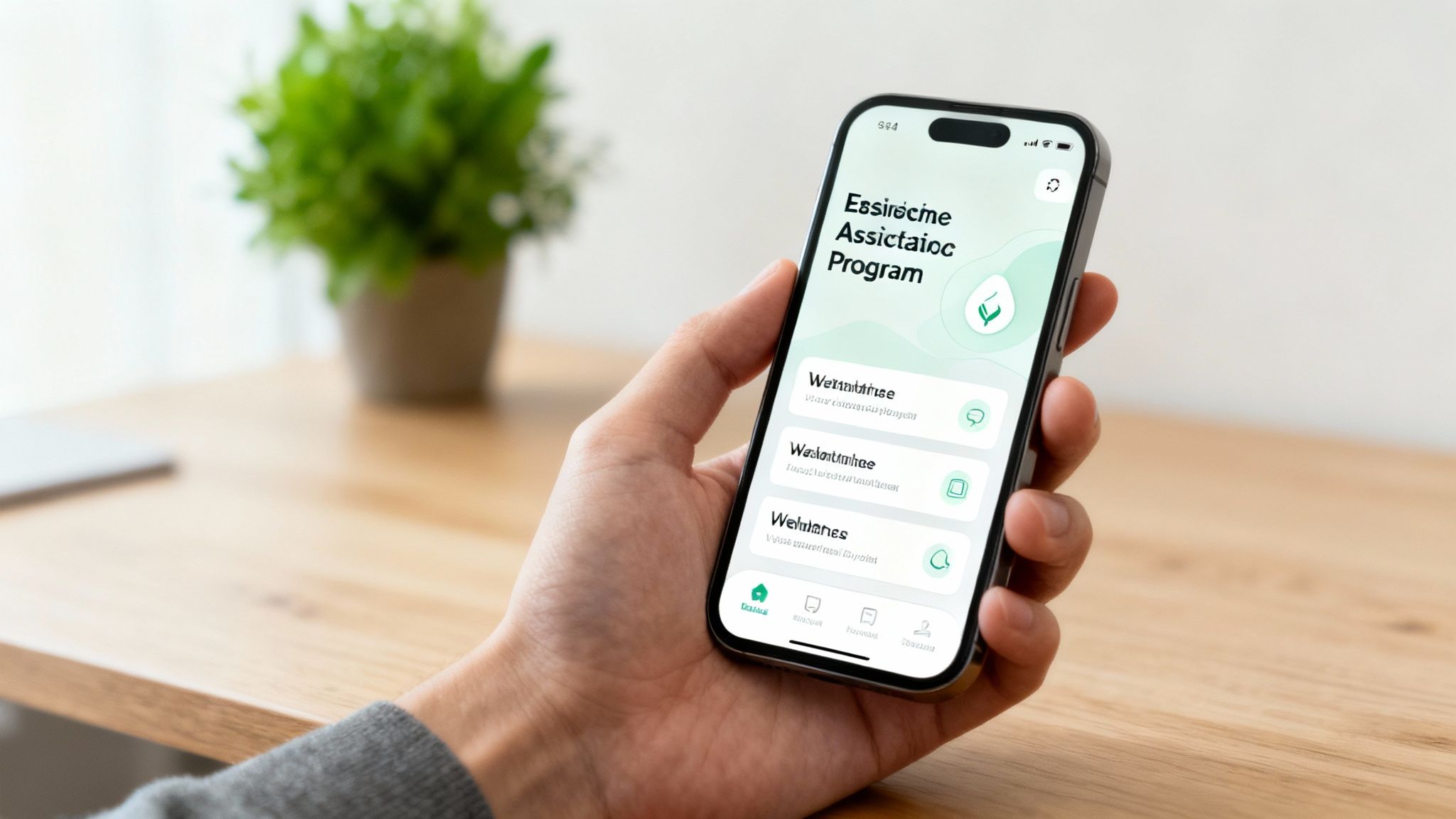
    Technology is the real game-changer here, knocking down old barriers to getting help. Many modern EAPs are built around mobile apps that put confidential therapy and counselling sessions right at your fingertips, which is a massive plus for remote or hybrid work across India.

    A person using a smartphone to access a wellness app, with icons for therapy and support visible.

    From Reactive Support to Proactive Well-being

    The biggest shift is in the mindset from reactive to proactive care. New EAPs give you the tools to build mental fitness every day, long before burnout or severe workplace stress can take hold.

    This approach puts you in the driver's seat of your own mental health journey, offering resources that fit your life.

    • Virtual Workshops: Live and on-demand sessions on topics like building resilience, managing anxiety, and practising mindfulness.
    • Self-Paced Resources: Libraries of articles, guided meditations, and assessments to help you better understand your emotional health.
    • Digital Check-ins: Simple tools to monitor your mood and spot patterns, so you can address small issues before they grow.

    It’s worth noting that any assessments on these platforms are for your information only, not for diagnosis. They are simply guides to help you understand yourself and point you towards the right support.

    The Rise of Data-Informed, People-Focused Care

    Technology also gives organisations a way to understand well-being trends without compromising privacy. By looking at anonymised data, a company might spot rising stress levels and proactively offer a workshop on coping with pressure.

    This responsive approach is fuelling huge growth in the EAP market globally, with India being a significant part of this expansion. You can learn more about the EAP market’s projected growth and the tech behind it.

    The evolution of EAPs marks a huge step forward in making mental health support more approachable. By making it discreet and easy to access, these programmes empower more people to prioritise their well-being.

    The modern EAP offers a supportive, confidential space to not only navigate challenges like anxiety or depression but also to build skills for a happier, more resilient life.

    Breaking Down the Barriers to Using Your EAP

    An Employee Assistance Programme is a fantastic resource, but often goes unused. The biggest hurdles are often the invisible walls we build around asking for help, like stigma or confusion about privacy.

    Reaching out takes courage when you're struggling with workplace stress or a personal issue. Let's gently pull back the curtain on these common barriers and make EAPs feel more approachable for everyone.

    For Employees: Let's Bust Some Common Myths

    One of the first questions on anyone's mind is, "Will my boss find out?" The answer is a firm no. Your conversations are 100% private and protected, just like any session with a therapist or counsellor.

    Your company only ever sees high-level, anonymous data—like the total number of people who used the service. They never see your personal details.

    Another hurdle is thinking EAPs are only for major crises. While they are a lifeline in tough times, they’re just as valuable for everyday challenges and personal growth, helping you build resilience before small stresses become bigger issues like anxiety or depression.

    Think of your EAP as a confidential coach for your personal well-being. Using it isn't about admitting defeat; it's about being proactive and using a resource designed to help you become stronger.

    For Employers: How to Foster a Truly Supportive Culture

    Organisations have a huge part to play in knocking down these barriers. Engagement begins when you build a culture where reaching out for support is seen as a sign of strength.

    Here are a few practical strategies that companies in India and around the world can use:

    • Talk About it Often: Weave reminders into company newsletters, mention it in team meetings, and highlight it during wellness campaigns. Make sure contact info is always easy to find.
    • Get Leaders on Board: When leaders openly discuss the importance of mental health, it changes the conversation and breaks down stigma faster than any policy.
    • Train Your Managers: Ensure managers understand the EAP's benefits and strict confidentiality rules, so they can confidently guide their team members toward this resource.

    Closing the gap between having an EAP and using it is a team effort. By tackling myths and building a compassionate workplace, we can ensure these powerful programmes deliver their intended employee assistance program benefits.

    Choosing the Right EAP for Your Organisation

    For HR leaders, picking an Employee Assistance Programme is a significant decision for your team’s well-being. It's less about hiring a vendor and more about finding a partner who becomes an extension of your company's culture.

    The right fit means looking closely at what a provider offers. A good programme should provide professional counselling for mental health issues like anxiety and workplace stress, as well as practical support for financial or legal situations.

    Key Criteria for Selecting Your EAP Partner

    When looking at providers, it helps to have a clear set of criteria. The aim is to find a provider whose values mirror your own and who understands the specific context of your team in India.

    Here are a few essential factors to consider:

    • Cultural Relevance: Does the provider understand India's diverse landscape? Their network of counsellors should be familiar with local contexts and speak regional languages.
    • Digital Accessibility: A seamless mobile app and online portal are essential for hybrid teams. Getting help should be easy, no matter where employees are.
    • Commitment to Confidentiality: This is a deal-breaker. A provider must have an ironclad commitment to protecting employee data and ensuring every conversation remains private.
    • Proactive Well-being Tools: Look for tools that help your team build resilience before a crisis hits, like workshops and self-help resources. Remember, any assessments are informational guides, not a formal diagnosis.

    The best EAP is one that feels like a trusted, approachable resource, not a faceless corporate benefit. It should be just as easy for a remote employee in Pune to use as it is for someone in your Mumbai head office.

    A great partnership doesn’t stop once the contract is signed. A top-tier provider will collaborate with you on a thoughtful launch plan and supply ongoing materials to keep the EAP top-of-mind and build trust.

    Got Questions About EAP Benefits? Let's Clear Things Up

    It’s completely normal to have questions when you first hear about an Employee Assistance Programme (EAP). Understanding how it works is the first step toward feeling confident enough to use it.

    Our goal here is to pull back the curtain on EAPs. We want you to see it as a personal, supportive tool you can turn to whenever you need it.

    Is This Really Confidential?

    Absolutely. Confidentiality is the foundation of any good EAP.

    Your employer will never know that you’ve reached out for help or what’s discussed during therapy or counselling sessions. They only see high-level, anonymous data, while your personal details are always kept private.

    What Can I Actually Talk to an EAP Counsellor About?

    Honestly, you can talk about almost anything that’s on your mind. EAPs are built to help with the full spectrum of life's challenges.

    Whether you're dealing with workplace stress, grappling with anxiety or depression, or need advice on personal matters, they can help. No problem is too small if it's affecting your well-being.

    Think of your EAP as a safe starting point. The support is designed to be informational and empowering, helping you find the right path forward rather than providing a formal clinical diagnosis.

    Do I Have to Pay for This?

    Nope. The EAP is a benefit paid for entirely by your employer. Core services like short-term counselling are available to you—and often your immediate family—at no cost.

    If you need more specialised or long-term support, your EAP counsellor will help you navigate your options. They can connect you with affordable resources through your health plan or community programmes.

    The bottom line is that an EAP offers accessible, confidential, and professional support when you need it most. It's a supportive takeaway to handle life’s challenges and build a greater sense of well-being.


    At DeTalks, we believe everyone deserves access to the right mental health support. Our platform connects you with qualified therapists and provides science-backed assessments to guide your journey toward resilience and clarity. Explore your path to well-being with us at https://detalks.com.

  • 10 Best Books on Mental Health to Read in 2025

    10 Best Books on Mental Health to Read in 2025

    Navigating your inner world can be challenging, but you don't have to do it alone. In places like India, where conversations about mental health are opening up, finding supportive resources is a vital step toward greater well-being. Books can be wonderful companions on this journey, offering insights to build resilience, manage workplace stress, or simply find more happiness.

    This list of the best books on mental health is a starting point for your exploration. It includes resources for understanding challenges like depression and anxiety, as well as guides for cultivating self-compassion and a growth mindset. To deepen your understanding, you can explore expert insights on understanding and assessing your mental health.

    These books provide valuable information, but they are not a substitute for professional diagnosis or care. They are designed to support, not replace, guidance from a mental health expert. If you are struggling, seeking therapy or counselling is a powerful step toward healing.

    1. Feeling Good: The New Mood Therapy

    Dr. David Burns' Feeling Good: The New Mood Therapy makes Cognitive Behavioural Therapy (CBT) accessible to everyone. Therapists often recommend this book because it provides a clear, practical approach to managing your moods. It teaches you how to identify and reframe the unhelpful thought patterns that can lead to depression and anxiety.

    The book is based on a simple idea: your thoughts influence your feelings. By learning to change how you think, you can change how you feel, building resilience and improving your overall well-being. Its techniques are especially useful for managing workplace stress and persistent low moods.

    How to Apply Its Teachings

    To benefit from Feeling Good, consistent practice is helpful. Try integrating these exercises into your routine:

    • Complete the Daily Mood Log: This tool helps you connect your moods to the specific thoughts that trigger them.
    • Identify Cognitive Distortions: Learn to recognize common thinking patterns, like "all-or-nothing thinking," in your daily life.
    • Talk Back to Your Thoughts: Actively challenge negative thoughts with more balanced and realistic responses.

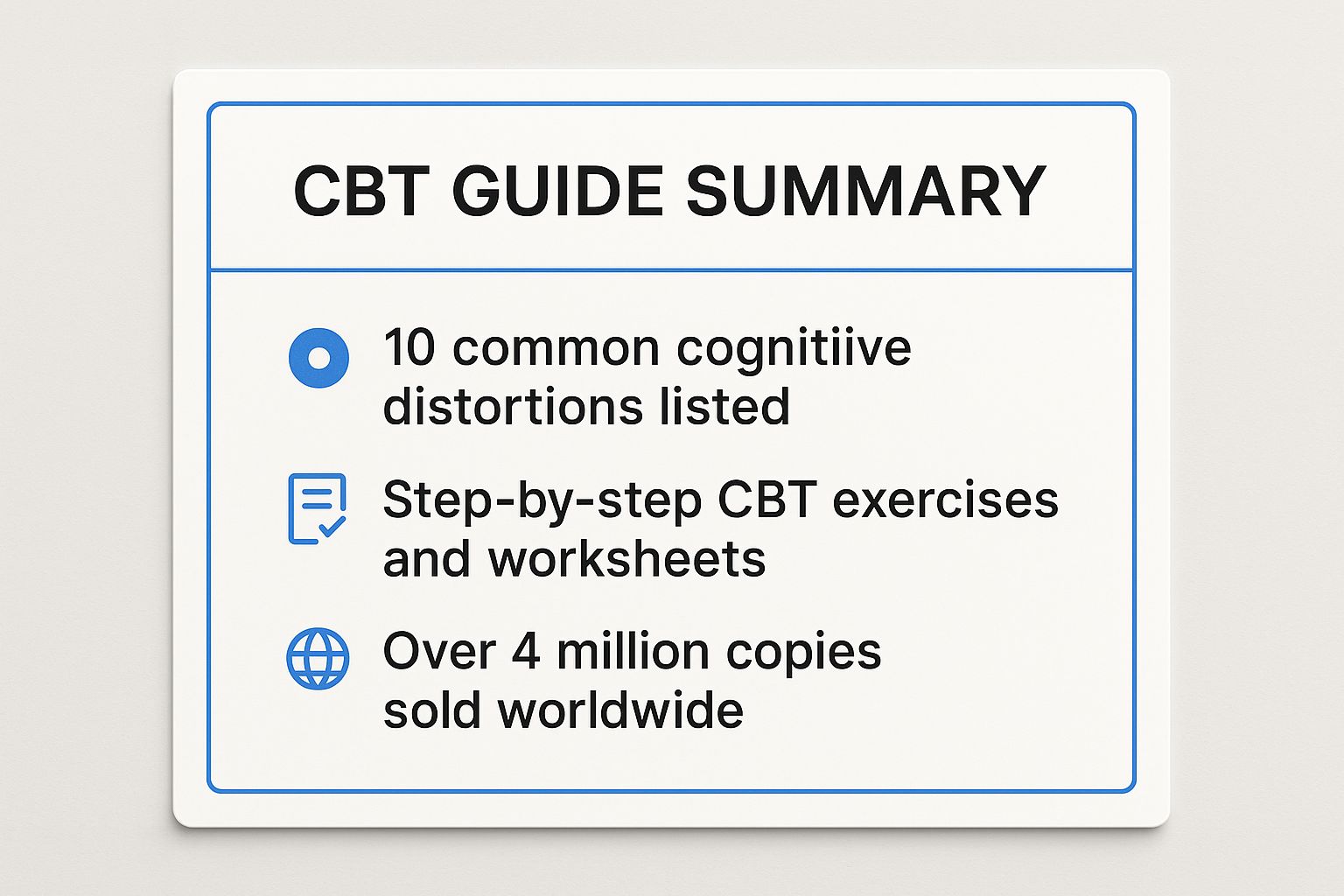
    This infographic summarises the book's core concepts, including the cognitive distortions it helps you identify and its global impact.

    Infographic showing key data about Feeling Good: The New Mood Therapy

    The book's structured exercises have made it a trusted resource for improving mental health through therapy and self-guided practice.

    Dr. Burns explains how these simple yet powerful CBT techniques can help you improve your emotional state.

    2. The Body Keeps the Score

    Dr. Bessel van der Kolk’s The Body Keeps the Score transformed our understanding of trauma. The book explains how difficult experiences can affect our brains and bodies, influencing our emotions and even our physical health. It shows why approaches that include the body are often essential for healing, moving beyond traditional talk therapy.

    The Body Keeps the Score

    A key insight is that trauma is stored in the body, not just in our memories. The book introduces healing methods like yoga and EMDR that help reconnect the mind and body. It is one of the best books on mental health for anyone who has experienced trauma, their loved ones, and professionals seeking a deeper understanding.

    How to Apply Its Teachings

    This book deals with sensitive topics, so it's important to approach it with care. Consider these steps:

    • Read with a Support System: Discuss your thoughts and feelings with a trusted friend, family member, or therapist.
    • Take Breaks: If the content feels overwhelming, pause and practice grounding techniques like deep breathing.
    • Focus on Relevant Chapters: You don't have to read it all at once. Start with the sections that feel most applicable to you.
    • Work with a Professional: This book is a great companion to therapy. A professional can help you process its insights in a safe and supportive way.

    3. Mindset: The New Psychology of Success

    Dr. Carol Dweck's Mindset: The New Psychology of Success is a powerful book about personal growth and resilience. It introduces the concepts of the "fixed mindset" and the "growth mindset." This book is often recommended in therapy and counselling because of its practical approach to overcoming challenges.

    The core idea is that our beliefs about our abilities shape our lives. A fixed mindset assumes our talents are unchangeable, which can create a fear of failure. In contrast, a growth mindset views challenges as opportunities to learn and grow, which is key for building resilience and managing anxiety or workplace stress.

    How to Apply Its Teachings

    Adopting a growth mindset takes conscious effort. You can start with these simple steps:

    • Use 'Yet' Language: When you face a challenge, add the word "yet" to your thoughts. For example, change "I can't do this" to "I can't do this yet."
    • Focus on Process, Not Just Outcome: Acknowledge your effort and strategies, not just the final result. This builds long-term resilience.
    • Embrace Imperfection: See mistakes as valuable learning opportunities, not as reflections of your worth.

    This infographic shows the key differences between a fixed and a growth mindset.

    Adopting a growth mindset is linked to greater achievement and well-being, making it a cornerstone of modern personal development.

    Dr. Dweck explains how this powerful shift in mindset can change how we approach challenges and lead to greater success.

    4. The Gifts of Imperfection

    Brené Brown's The Gifts of Imperfection is a guide to living a more authentic life by embracing who you are. The book challenges the pressure to be perfect and offers a compassionate way to build self-acceptance. It is one of the best books on mental health for anyone looking to cultivate courage and connection.

    The central message is that vulnerability is a sign of strength, not weakness. Brown provides ten guideposts for living with more authenticity and resilience. This book offers a path away from perfectionism toward a life with more joy, making it helpful for those dealing with anxiety or low self-worth.

    How to Apply Its Teachings

    Living more wholeheartedly is a daily practice. Here are a few ways to start:

    • Practise Self-Compassion: When you're having a hard time, treat yourself with the same kindness you would offer a friend.
    • Cultivate Gratitude and Joy: Keep a journal to notice moments of gratitude, which can help shift your perspective.
    • Set Boundaries and Say No: Protect your energy by setting clear limits in your relationships and commitments.
    • Embrace Creativity and Play: Make time for activities you enjoy, just for the sake of doing them.

    5. Maybe You Should Talk to Someone

    Lori Gottlieb's Maybe You Should Talk to Someone offers a warm and insightful look into the world of therapy. The book shares stories from her work as a therapist while also documenting her own experience seeking counselling. It explores universal human experiences like love and loss, making it one of the best books on mental health for anyone curious about therapy.

    The book’s power lies in its ability to normalise seeking support for your mental well-being. By showing that everyone, including therapists, has vulnerabilities, Gottlieb helps reduce stigma. It's a reassuring read for anyone considering therapy or wanting to better understand their own emotions.

    How to Apply Its Teachings

    You can use this book as a tool for personal reflection. Here are a few ideas:

    • Normalise Your Experience: The stories can help you see that your feelings are valid and shared by many others.
    • Reflect on Your Relationships: Notice the relationship patterns described in the book and consider how they might show up in your life.
    • Observe Therapeutic Dynamics: See how the therapist and client interact, which can help you think about what you might want from counselling.
    • Embrace Self-Compassion: The book is a reminder that being imperfect is human, and asking for help is a sign of strength.

    6. Atomic Habits

    James Clear's Atomic Habits is a practical guide to building good habits that support long-term well-being. Although not strictly a mental health book, its principles are incredibly useful. It shows how small, consistent changes can lead to remarkable results, which is why it is one of the best books on mental health for creating positive routines.

    Atomic Habits

    The book explains a simple four-step loop for habit formation: cue, craving, response, and reward. By making small improvements, you can build supportive daily structures that promote resilience and self-care. This approach can be effective for managing symptoms of anxiety, depression, and workplace stress.

    How to Apply Its Teachings

    To build habits that support your mental well-being, try these practical strategies:

    • Start with the Two-Minute Rule: Begin with a habit that takes less than two minutes, like meditating for 60 seconds.
    • Use Habit Stacking: Link a new habit to one you already have. For example, "After my morning tea, I will stretch for two minutes."
    • Focus on Identity: Instead of thinking, "I want to be less stressed," try, "I am a calm person." This makes your actions feel like a natural part of who you are.

    7. The Anxiety and Worry Workbook

    Written by pioneers in cognitive therapy, Dr. Aaron T. Beck and Dr. David A. Clark, this workbook is a hands-on guide for managing anxiety. It translates proven CBT techniques into clear exercises and worksheets. This makes it one of the best books on mental health for anyone who wants a structured, self-guided path to feeling better.

    The book helps you systematically identify, challenge, and change the thoughts and behaviours that contribute to anxiety. It offers tools for confronting fears and managing worry using evidence-based methods. Therapists often recommend this workbook to help people build practical coping skills for anxiety and resilience.

    How to Apply Its Teachings

    A consistent approach helps you get the most from this workbook. Consider these steps:

    • Complete the exercises consistently: Work through the activities regularly to build momentum.
    • Practise during low-anxiety periods first: Build confidence with the techniques when you are calm so they are easier to use during stressful moments.
    • Focus on relevant chapters: Target the sections that address your specific type of anxiety, such as social anxiety or worry.
    • Combine with relaxation practices: Pair the book's cognitive techniques with mindfulness or deep breathing to help calm your nervous system.

    8. Self-Compassion: The Proven Power of Being Kind to Yourself

    Dr. Kristin Neff’s Self-Compassion offers a refreshing alternative to the constant pressure for high self-esteem. The book uses research to show that being kind to ourselves is essential for good mental health. It provides a gentle yet powerful framework for building emotional resilience and well-being.

    The book introduces three key elements of self-compassion: self-kindness, recognizing our common humanity, and mindfulness. This approach is very helpful for dealing with anxiety, self-criticism, or the effects of past mistakes. Its teachings are widely used in therapy and mindfulness programs to foster greater well-being.

    How to Apply Its Teachings

    Integrating self-compassion into your life means shifting from self-judgment to self-kindness. Here are a few simple ways to begin:

    • Take a Self-Compassion Break: In a difficult moment, pause to acknowledge your pain, remind yourself that everyone struggles, and offer yourself comforting words.
    • Interrupt Self-Critical Thoughts: When you notice your inner critic, gently pause and reframe the thought with a kinder perspective.
    • Practise Loving-Kindness Meditation: This practice helps you cultivate feelings of warmth and care toward yourself and others.

    9. The Upward Spiral

    Dr. Alex Korb’s The Upward Spiral uses neuroscience to explain how small actions can create positive changes in the brain. The book makes the science behind depression easy to understand. It is one of the best books on mental health for those who want a practical, science-backed approach to improving their well-being.

    The core idea is that you don't need a major life change to feel better. Korb explains how small shifts in exercise, sleep, and decision-making can trigger an "upward spiral" of positive brain activity. This is an empowering resource for anyone feeling overwhelmed by depression or workplace stress, as it shows how small steps can lead to big improvements in mood and resilience.

    How to Apply Its Teachings

    To create an upward spiral, focus on making small, consistent changes.

    • Start with One Small Action: Pick one manageable habit, like taking a 10-minute morning walk.
    • Prioritise Sleep: Korb highlights the importance of sleep. Aim for a consistent schedule to help regulate your brain chemistry.
    • Engage in Light Exercise: Gentle movement, like a short walk, can release mood-boosting chemicals in your brain.
    • Practise Gratitude: Intentionally focusing on what you're thankful for can help rewire your brain for happiness.

    10. Untamed

    Glennon Doyle's memoir Untamed is a call to break free from other people's expectations and live as your true self. This book explores how trying to fit in can lead to anxiety, depression, and feeling lost. It encourages listening to your inner voice, making it one of the best books on mental health for anyone feeling unfulfilled.

    The main message is that true well-being comes from living authentically. Doyle shares her personal journey to illustrate the freedom that comes from honouring your own truth. The book is especially helpful for those working to set boundaries and build a life that feels right for them.

    How to Apply Its Teachings

    To apply the wisdom of Untamed, focus on self-reflection and taking small, brave steps.

    • Identify Your "Cages": Reflect on the expectations that make you feel confined and write them down to better understand their influence.
    • Practise Listening to Your Inner Knowing: When making a decision, pause and ask yourself what you truly want.
    • Dare to Disappoint: Start small by saying no to something that doesn't feel right for you. Practice honouring your own needs.

    Top 10 Mental Health Books Comparison

    Title Implementation Complexity 🔄 Resource Requirements ⚡ Expected Outcomes 📊 Ideal Use Cases 💡 Key Advantages ⭐
    Feeling Good: The New Mood Therapy Moderate – requires self-discipline and consistent exercise completion Low – mostly self-help tools and worksheets Reduction in depression and anxiety symptoms through CBT Individuals with mild to moderate depression/anxiety; supplement to therapy Evidence-based CBT; practical exercises; accessible writing
    The Body Keeps the Score High – involves understanding trauma neuroscience and multiple healing modalities High – often requires professional guidance for treatments Trauma recovery, improved mind-body integration Trauma survivors, PTSD treatment, veterans, complex trauma cases Groundbreaking trauma research; diverse healing approaches
    Mindset: The New Psychology of Success Low – conceptual understanding with practical mindset shifts Low – reading and mindset practice only Enhanced resilience, growth mindset adoption across life areas Education, workplace leadership, personal development Wide applicability; builds resilience; reframes failure
    The Gifts of Imperfection Low to moderate – requires ongoing personal reflection and practice Low – reading and practical exercises Increased self-compassion, reduced shame and perfectionism Those struggling with self-acceptance, shame, or vulnerability Relatable style; combines spirituality with psychology
    Maybe You Should Talk to Someone Low – narrative memoir with professional insights Low – reading only Reduced stigma about therapy; normalized therapy process Readers curious about therapy, mental health awareness Engaging dual perspective; reduces therapy stigma
    Atomic Habits Moderate – requires consistent habit-building efforts Low to moderate – self-application with tracking Sustainable behavior change, improved mental health routines Habit formation, behavioral change, self-care improvement Clear, actionable framework; evidence-based strategies
    The Anxiety and Worry Workbook Moderate – structured CBT workbook needing dedication Moderate – requires time commitment and active participation Anxiety reduction and improved worry management Anxiety sufferers seeking structured self-help or therapy homework Highly practical CBT methods; structured approach
    Self-Compassion Low to moderate – requires regular practice of self-compassion techniques Low – reading and meditation practice Reduced self-criticism; improved emotional resilience Individuals with self-esteem issues, perfectionism, trauma recovery Research-backed; applicable across cultures
    The Upward Spiral Moderate – need to apply multiple neuroscience-based strategies consistently Low to moderate – self-help with scientific explanations Improved mood and depression symptoms Depression management; mood improvement strategies Neuroscience-backed; accessible explanations; practical steps
    Untamed Low – memoir with personal and societal reflections Low – reading only Increased authenticity and empowerment Readers exploring self-identity, women’s mental health, addiction recovery Inspiring storytelling; encourages authenticity

    Your Next Chapter in Mental Well-being

    Exploring your inner world is a personal journey, and books can be wonderful guides. This list of the best books on mental health offers different paths to understanding yourself better. Whether you're learning cognitive skills from Feeling Good or embracing vulnerability with The Gifts of Imperfection, each book provides valuable tools.

    Atomic Habits helps build supportive routines, while The Body Keeps the Score highlights the mind-body connection in healing. These books offer wisdom for managing challenges like anxiety, depression, and workplace stress. They remind us that well-being is a journey, not a destination.

    Turning Knowledge into Action

    Reading is the first step, and putting these ideas into practice is where real change begins. The goal is progress, not perfection.

    • Choose One Core Idea: Pick one concept that resonated with you, like adopting a 'growth mindset' or practicing self-compassion, and focus on it for a few weeks.
    • Implement a Single Practice: Try one small, actionable technique, such as a five-minute self-compassion break or challenging one negative thought.
    • Share Your Learnings: Discussing what you've learned with a friend can deepen your understanding and create connection.

    The Journey Continues

    Embracing the lessons from these books is an act of self-care. It's about building resilience and creating a life that feels authentic. This journey is about equipping yourself with tools to navigate life’s challenges with greater awareness and compassion.

    You don't have to walk this path alone. If you feel overwhelmed or simply want a safe space to explore your thoughts, seeking professional support from a therapist is a sign of strength. The right counselling can offer personalized guidance to help you on your unique journey.


    Ready to translate insight into action? The journey that begins with a book can continue with a conversation. Connect with a qualified, empathetic therapist at DeTalks to explore these topics further and receive personalised support for your mental well-being. Start your journey with DeTalks today.