Tag: psychological assessment

  • What Does a Clinical Psychologist Do? a Simple Guide

    What Does a Clinical Psychologist Do? a Simple Guide

    A clinical psychologist assesses, understands, and treats mental health concerns through evidence-based therapy and standardised psychological testing, but cannot prescribe medication. In India, the pathway may include a 2-year M.Phil. in Clinical Psychology, a 1-year professional diploma, or a 4-year Psy.D., followed by registration in the Central Rehabilitation Register.

    You may be searching for help after weeks of workplace stress, poor sleep, anxiety, low mood, or emotional exhaustion. Perhaps you're supporting a child with learning concerns, a partner after trauma, or yourself through a difficult transition, but you're unsure whether to contact a counsellor, psychiatrist, or clinical psychologist first.

    That confusion is common in India. People often have limited knowledge of the available mental-health pathways, including who can assess concerns, provide therapy, support rehabilitation, or evaluate the need for medication. A clinical psychologist can help make sense of symptoms and daily functioning, then suggest a suitable route forward. Seeking that support isn't a sign of weakness. It's a practical step towards better well-being.

    Understanding the Role of a Clinical Psychologist

    Suppose Riya has felt tense and distracted for months. She's still attending work, but she avoids meetings, worries about small mistakes, and struggles to sleep. She doesn't know whether she needs counselling, therapy, or a medical appointment.

    A clinical psychologist assesses, understands, and treats mental health concerns through evidence-based therapy and standardised psychological testing. They don't prescribe medication. Their work may include understanding anxiety, depression, trauma, OCD, behavioural concerns, emotional difficulties, and the effect these problems have on relationships, study, work, and everyday decisions.

    More than a general counsellor

    Counselling can be useful for everyday stress, adjustment, relationship concerns, and emotional support. A clinical psychologist has specialised training in psychological assessment, diagnosis support, structured psychotherapy, rehabilitation, and treatment planning. The difference isn't that one professional cares more. The difference lies in training, scope, and the complexity of concerns they're prepared to assess.

    A clinical psychologist may use interviews and standardised tests to understand symptoms, history, thinking patterns, emotional regulation, and functioning. They may then recommend brief counselling, structured therapy, rehabilitation support, or an assessment by a psychiatrist if medication or medical review could help.

    Practical rule: You don't need to wait until life feels unmanageable before asking for professional guidance.

    India's need makes this role especially important. People often ask not only what a clinical psychologist does, but also how to choose between a clinical psychologist, psychiatrist, and counsellor, partly because knowledge about diagnosis, treatment, and care options remains limited. This overview of the clinical psychologist's role and qualifications in India reflects that practical decision gap.

    A psychologist's work can focus on reducing symptoms, strengthening coping skills, improving relationships, and helping someone return to valued activities. It can also support positive goals such as resilience, compassion, self-esteem, happiness, and a more balanced life.

    What a Clinical Psychologist Actually Does Every Day

    A clinical psychologist's day isn't limited to listening while someone talks. The work usually combines careful information gathering, clinical reasoning, therapy, coordination with other professionals, and education.

    Five parts of the role

    1. Assessment: The psychologist asks about symptoms, personal history, relationships, health, habits, and daily functioning. Standardised tests may add useful information when a person presents with attention concerns, trauma symptoms, learning difficulties, anxiety, or mood changes.

    2. Diagnosis support: Assessment findings can help a psychologist develop a clinical understanding of what may be happening. This doesn't mean a test result alone decides a diagnosis. The psychologist considers the wider history and may coordinate with a psychiatrist or physician when medical evaluation is relevant.

    3. Intervention planning: The plan depends on the person's needs. Someone facing temporary workplace stress may benefit from focused counselling, while persistent OCD symptoms, trauma, or severe depression may call for structured psychotherapy and coordinated care.

    4. Rehabilitation: Rehabilitation helps people regain confidence, routines, independence, communication, and participation after significant mental-health or neurological difficulties. The focus is functional recovery, not only symptom reduction.

    5. Mental-health education: Psychologists explain symptoms, coping strategies, emotional regulation, relapse-prevention planning, and ways families can offer helpful support without blame.

    Clinical psychologists may work in hospitals, rehabilitation centres, schools, private practices, community services, and online settings. Their work also connects with primary-care delivery through Ayushman Bharat's Ayushman Arogya Mandirs, which include over 1.75 lakh upgraded SHCs and PHCs, as described in this Government of India update on Ayushman Arogya Mandirs.

    An infographic showing the four-step educational and professional training pathway to become a clinical psychologist.

    In a resource-constrained system, psychologists may also provide screening, psychosocial support, referrals, follow-up, and stepped-care coordination. People exploring professional opportunities in this field can review remote psychologist positions to see how online care is becoming part of mental-health service delivery.

    The Training and Qualifications Behind the Title

    The word clinical matters because the title has a regulated meaning in India. The Rehabilitation Council of India, or RCI, oversees the professional framework, and the RCI Act, 1992 strengthened clinical psychology as a legally defined profession.

    What the pathway can include

    An aspiring clinical psychologist typically completes an RCI-recognised professional programme. The pathways listed in the available India-specific information include:

    • M.Phil. in Clinical Psychology: A 2-year professional programme.
    • Professional diploma: A 1-year route recognised within the stated framework.
    • Psy.D.: A 4-year professional doctorate pathway.
    • Central Rehabilitation Register: Registration is required for professional recognition under the framework.

    The exact route a person follows can depend on current regulatory requirements and the institution's recognition status. For someone seeking care, the practical point is simple: check whether the professional is RCI-registered and whether their qualification is recognised for clinical psychology practice in India. You can ask directly for registration details before beginning an assessment or therapy.

    A diagram outlining the seven sequential training and qualification steps required to become a professional psychologist.

    This verification step protects against a common misunderstanding. Someone may offer emotional support, coaching, or general counselling without being qualified to use the regulated title or conduct specialised psychological assessment. That doesn't automatically make their work unhelpful, but it does mean their role and limits should be clear.

    Why training affects your care

    Clinical training prepares professionals to interpret psychological information carefully, recognise when a concern may require referral, and select suitable evidence-based interventions. It also supports work with children, adults, families, hospitals, schools, rehabilitation services, and community settings.

    The profession demands both technical knowledge and human sensitivity. A good clinician should explain what an assessment involves, what therapy is intended to address, how confidentiality works, and when another professional's input may be needed.

    How Psychological Assessment and Therapy Sessions Work

    An assessment is like making a map before choosing a route. The psychologist gathers information about the terrain, including symptoms, history, relationships, physical context, and day-to-day functioning, before deciding what kind of support may fit.

    What happens during assessment

    The first meeting often includes a structured conversation. You may be asked when the concern began, what makes it better or worse, how it affects sleep or work, whether similar difficulties occurred earlier, and what you hope will change.

    Standardised psychological tests may be used when they can clarify a question. For example, an assessment might explore attention, memory, learning, personality patterns, mood, anxiety, or trauma-related symptoms. You should receive an explanation of why a test is being used and how the information will inform care.

    Assessments are informational, not diagnostic by themselves. They help clarify concerns and contribute to a broader clinical conclusion. A test score shouldn't be treated as a label or as a substitute for a full professional evaluation, as outlined in this explanation of the psychological diagnostic process.

    A professional psychologist meeting with a patient to discuss psychological assessment and therapy session steps.

    What therapy may feel like

    Therapy is usually a collaborative conversation with a clear purpose, not a lecture and not a test you can fail. You and the psychologist may identify goals, notice patterns, practise coping skills, explore painful experiences, or change behaviours that keep distress going.

    For anxiety and depression, a psychologist may use Cognitive Behavioural Therapy, which connects thoughts, feelings, and actions. Other approaches may support trauma recovery, emotional regulation, relationships, acceptance, or self-compassion. The method should be adapted to your history, culture, preferences, and current capacity.

    Families can also need structured support. When conflict, parenting stress, or a child's difficulties affect the whole household, learning about family therapy approaches in Katy can help readers understand how family-focused work differs from individual therapy.

    Common Concerns a Clinical Psychologist Can Help With

    People seek clinical psychology for many reasons, and not all of them fit a neat category. A student may be overwhelmed by exam stress, a parent may feel unable to respond calmly to a child, or a professional may notice that workplace stress has begun to affect sleep, concentration, and relationships.

    Distress that deserves attention

    Clinical psychologists can support people experiencing anxiety, depression, OCD, trauma, burnout, grief, sleep difficulties, and behavioural concerns. They may also work with attention-related difficulties, autism-related concerns, relationship distress, health-related emotional challenges, and problems linked to major life changes.

    A person with anxiety might avoid travel, meetings, or social situations. Someone with depression may continue meeting responsibilities while losing interest, energy, hope, or connection. A person with OCD may spend substantial mental energy managing unwanted thoughts or repetitive behaviours. These experiences can look different across people, families, languages, and communities.

    Workplace stress deserves particular attention because distress can be measurable, not merely a feeling of being busy. An India-based study of industrial workers found that about 36% screened positive for anxiety and 18% for stress on the DASS-21 scale. The findings are from that study's sample and shouldn't be treated as a universal estimate for every workplace, but they show why persistent work strain deserves more than dismissal as tiredness. You can review the India-based study of anxiety and stress among industrial workers for its context.

    A diagram illustrating common mental health concerns that a clinical psychologist can help patients address and treat.

    Support for growth, not only crisis

    Therapy can also help when a person isn't experiencing a mental-health condition. You might want to build resilience, improve emotional intelligence, develop self-esteem, practise compassion, manage anger, or create a more meaningful routine.

    Positive psychology doesn't mean forcing happiness or ignoring pain. It can involve identifying strengths, strengthening supportive relationships, developing gratitude, and choosing actions that reflect personal values. A clinical psychologist can help you understand what's getting in the way of well-being while respecting the actual circumstances.

    You're allowed to ask for help because life feels difficult, and you're also allowed to ask for help because you want to grow.

    Clinical Psychologist vs Psychiatrist vs Counsellor

    Choosing a first point of contact becomes easier when you compare the roles rather than the job titles alone.

    Professional Core Work Best First Contact When
    Clinical psychologist Psychological assessment, diagnosis support, evidence-based therapy, rehabilitation, and care planning. They don't prescribe medication. You need specialised assessment, structured therapy, support for anxiety, depression, OCD, trauma, behavioural concerns, or complex emotional difficulties.
    Psychiatrist Medical assessment of mental-health conditions and medication management. They may also provide or coordinate psychological care. Symptoms are severe, safety is a concern, medication may be needed, or mental and physical health factors need medical review.
    Counsellor Emotional support, coping guidance, adjustment work, relationship support, and help with everyday concerns, depending on training. You're facing manageable stress, grief, a life transition, relationship distress, or want supportive conversations and practical coping tools.

    The table is a guide, not a rigid rule. A counsellor may recognise that a full clinical assessment would help and refer you. A clinical psychologist may recommend psychiatric review, while a psychiatrist may refer you for therapy. Good care often involves collaboration, especially when symptoms affect safety, functioning, medication, or several areas of life.

    Matching the concern to the first appointment

    For severe depression, marked changes in behaviour, possible risk of self-harm, or symptoms that may require medication, a psychiatrist or hospital-based service may be an appropriate first contact. A clinical psychologist can still be part of the care team for assessment and therapy.

    For trauma, OCD, persistent anxiety, or depression without an urgent medical concern, a clinical psychologist may be a suitable starting point. For ADHD or autism-related concerns, seek a professional with relevant assessment experience, and ask whether the process includes developmental history and appropriate coordination.

    Relationship distress, family conflict, grief, everyday workplace stress, and adjustment difficulties may begin with a counsellor or therapist. If the concern continues, becomes more severe, or affects functioning, referral to a clinical psychologist or psychiatrist can follow.

    Finding the Right Support and Taking the First Step

    You don't have to wait for a crisis. Persistent low mood, anxiety that interferes with daily life, overwhelming workplace stress, major sleep changes, repeated panic, loss of interest, or coping strategies that no longer work are reasonable reasons to seek support.

    Wanting better communication, resilience, confidence, emotional balance, or well-being is also enough. Early support can help you understand a pattern before it becomes more disruptive.

    A practical way to begin

    Start by writing down what you've noticed. Include the main concern, how it affects work or study, sleep and relationships, what you've tried, and what you want from therapy or counselling. This gives the first conversation a useful starting point, even if your thoughts feel scattered.

    Then check the professional's qualifications and scope. Ask whether they're an RCI-registered clinical psychologist when you need specialised clinical assessment, and ask how they handle referrals if medication, medical evaluation, or another form of care becomes relevant.

    Online services can make access more practical for people who live far from specialist centres, have mobility limitations, or prefer a private appointment from home. They don't remove the need for confidentiality, professional boundaries, and appropriate emergency support, but they can widen the ways people connect with care.

    NIMHANS in Bengaluru describes its Department of Clinical Psychology as the first course in India for psychological assessments and also runs a Centre for Well Being offering psychotherapy sessions, psychosocial care, and relapse-prevention strategies. Its Department of Clinical Psychology information offers an India-specific reference point for understanding the field.

    A small next step: Write one sentence describing what has been hardest lately, then use it when contacting a professional.

    Progress in therapy isn't always linear. Some sessions may bring clarity, while others may feel tiring or uncertain. Support can help you build skills, make informed referrals, strengthen resilience, and move towards a life with more balance, connection, and choice. It can't promise a simple or instant cure, but it can give you a safer place to understand what you're facing and decide what to do next.


    If you're ready to understand your options, visit DeTalks to browse and book qualified psychologists and therapists, explore confidential science-backed assessments, and find self-help resources for concerns such as anxiety, depression, workplace stress, relationships, and personal growth. Choose the type of support that fits your needs today, and take one practical step towards better mental health and well-being.

  • What Is Psychological Assessment and Its Benefits

    What Is Psychological Assessment and Its Benefits

    You may be searching for answers after weeks of poor sleep, workplace stress, anxious thoughts, low motivation, or changes in a relationship. Perhaps you've completed an online questionnaire and are now wondering whether the result means you have anxiety or depression. Psychological assessment can offer useful direction, but it isn't a verdict, a cure, or a substitute for therapy or counselling.

    In simple terms, it's a structured way to understand how you think, feel, and behave. A qualified professional combines conversations, carefully chosen tools, observations, and relevant background information to answer a specific question. The result should help you understand yourself and consider appropriate support, including self-help, counselling, psychiatric care, or further evaluation.

    When You Wonder If Something Is Wrong

    Consider a student who sits at her laptop for hours but can't absorb what she's reading. She worries about falling behind, feels tense whenever she opens her notebook, and has started avoiding messages from friends. A working professional might recognise a similar pattern after months of workplace stress, burnout, irritability, and restless sleep.

    In either situation, the first question may be, “What's happening to me?” The second is often, “Do I need a psychological assessment?” Those questions deserve a calm answer, not a label.

    A woman focused on her studies while working on a laptop and reading an open notebook indoors.

    Assessment is information, not a final judgement

    A psychological assessment gathers evidence about a person's experiences and functioning. It may highlight symptoms of stress, anxiety, depression, attention difficulties, or emotional strain, while also identifying strengths such as resilience, compassion, motivation, or supportive relationships.

    A screening questionnaire can suggest that a concern deserves attention. It usually can't establish a clinical diagnosis on its own. Diagnosis requires a thorough evaluation by an appropriately qualified professional, with attention to history, context, symptoms, and how those symptoms affect daily life.

    That distinction matters in India, where people may use the word “assessment” to mean a quick online test, a clinical diagnosis, or an evaluation intended for court. These are different purposes. A screening tool helps flag a possible concern, a clinical assessment supports diagnosis and treatment planning, and a legal evaluation addresses a clearly defined question within a formal process.

    Why clarity matters in India

    The National Mental Health Survey of India, conducted in 2015–16, used a uniform scientific method across 12 states, 43 districts, 80 sub-districts, 729 clusters, 10,152 households, and 34,802 individuals. It used structured diagnostic methods, including MINI 6.0 for adults and MINI Kid for adolescents, reflecting a move from informal clinical judgement towards large-scale, evidence-based measurement. The survey estimated 13.67% lifetime mental morbidity and 10.56% current mental morbidity, and concluded that nearly 150 million people in India required mental healthcare services. The survey's findings are available through PubMed.

    People also ask whether assessment can help with cognitive changes in an older family member. For practical support alongside professional evaluation, families may find this resource on managing early stage dementia at home useful.

    Remember: An assessment is a starting point for understanding, not a statement about your worth or your future.

    Understanding the Building Blocks of Assessment

    A useful way to understand assessment is to compare it with a general health check-up. A doctor doesn't rely only on one number from a blood test. They ask questions, review history, observe signs, and interpret findings together. Psychological assessment follows a similar multi-method approach.

    An infographic titled Understanding Psychological Assessment explaining clinical interviews, psychological tests, observation, and collateral information methods.

    The conversation comes first

    A clinical interview gives the psychologist the story behind the concern. You might discuss your current difficulties, past experiences, health, relationships, work or studies, sleep, coping habits, and what you hope to learn.

    This isn't an interrogation. A good interview helps the professional decide which questions are relevant and prevents a questionnaire from being interpreted without context. For example, difficulty concentrating might relate to anxiety, poor sleep, grief, workplace pressure, medication, or several factors at once.

    Standardised tools add structure

    Psychological tests use established questions and scoring procedures to examine areas such as mood, personality, memory, attention, abilities, or coping. In Indian psychiatric practice, professional publications recognise tools including PHQ-2, PHQ-9, the Beck Depression Inventory, and MoCA for screening and assessment in clinical settings. The Indian Journal of Psychiatry publication discusses these instruments.

    A score has meaning only when interpreted against suitable norms or a clearly described reference group. The same raw score can mean different things depending on the tool, purpose, population, and setting.

    Observation shows patterns in action

    Behavioural observation focuses on how you respond during an assessment or in a relevant environment. The professional may notice attention, communication, persistence, emotional expression, problem-solving approach, or signs of discomfort.

    Observation doesn't mean someone is judging your personality from a single gesture. It's one source of information, considered alongside your report and the test results.

    Other perspectives can complete the picture

    With your knowledge and consent, collateral information may come from a parent, partner, teacher, medical record, or another professional involved in your care. This can be particularly useful when assessing children, cognitive concerns, school functioning, or workplace difficulties.

    The purpose isn't to replace your voice. It's to understand how a concern appears across settings and whether different accounts point to the same pattern.

    Common Types of Psychological Assessments

    Different assessments answer different questions. Someone experiencing panic and constant worry may need a screening measure for anxiety, while a person facing memory changes may need a cognitive assessment. A manager concerned about workplace stress may need an organisational measure rather than a personal diagnostic questionnaire.

    The table below offers a practical comparison. Typical length varies by tool and purpose, so these descriptions should guide questions, not determine what you need.

    Assessment Type What It Measures Typical Length When It Helps
    Screening assessment Possible symptoms of anxiety, depression, stress, or burnout Brief When you want an initial indication of whether further support may be useful
    Personality assessment Patterns in thinking, feeling, relating, values, and preferences Varies When exploring relationships, career confusion, coping, or personal growth
    Cognitive assessment Attention, memory, reasoning, and problem-solving Often more detailed When there are concerns about learning, concentration, ageing, or cognitive functioning
    Behavioural assessment Triggers, habits, responses, and patterns in daily situations Varies When a person wants to understand and change a recurring behaviour
    Well-being assessment Resilience, compassion, happiness, strengths, and life satisfaction Usually focused When the aim includes growth, emotional balance, or positive psychology
    Workplace assessment Stress, employee well-being, organisational support, and related experiences Tool-dependent When examining workplace stress, burnout risk, or organisational conditions

    Screening for common concerns

    A screening tool can help someone notice a pattern they've been minimising. For example, a person who says, “I'm just tired,” may recognise through a structured measure that low mood, loss of interest, worry, or exhaustion are affecting daily functioning.

    The result should lead to a conversation, not self-diagnosis. It can help you decide whether to speak with a therapist, counsellor, psychologist, or doctor.

    Looking beyond symptoms

    Assessment doesn't have to focus only on what feels wrong. Positive psychology measures can explore resilience, compassion, happiness, gratitude, self-esteem, emotional intelligence, and purpose. These areas can help a person understand what supports their well-being and where they'd like to grow.

    Workplace tools also differ in design and purpose. A published review describes measures such as the 37-item A Shortened Stress Evaluation Tool, the 141-item standard and 80-item brief Brief Job Stress Questionnaire, a 14-item Mental Health Audit, and an India-developed Employee Well-Being Scale with 31 items. The review explains these workplace assessment approaches.

    Your Journey Through the Assessment Process

    Knowing what happens can make the first appointment feel less uncertain. You don't need to arrive with the perfect explanation. A simple description such as “I'm overwhelmed and can't focus” is enough to begin.

    A five-step infographic showing the psychological assessment journey from initial referral to follow-up recommendations and next steps.

    Step 1, referral or self-referral

    Some people are referred by a doctor, school, employer, or another mental health professional. Others contact a psychologist themselves because they want clarity about anxiety, depression, attention, relationships, workplace stress, or well-being.

    Ask what question the assessment is designed to answer. If the purpose isn't clear, the process can feel like a collection of tests rather than a meaningful service.

    Step 2, initial consultation

    The psychologist will usually ask about your concerns, history, daily functioning, health, and goals. This is also your opportunity to explain cultural, family, educational, or work circumstances that may influence your experience.

    Feeling nervous is common. You can request clarification, ask how information will be used, and discuss any test that makes you uncomfortable.

    Step 3, formal assessment

    You may complete questionnaires, answer interview questions, perform memory or attention tasks, or take part in other structured activities. Try to answer truthfully rather than choosing responses that seem more acceptable.

    There's no prize for producing a particular result. The most useful assessment reflects your actual experience.

    Step 4, interpretation and feedback

    The psychologist reviews your responses in context. Interpretation isn't merely a matter of adding up scores. It involves considering the quality of the tool, relevant norms, your history, cultural setting, strengths, and the question that prompted the assessment.

    Feedback should happen in language you can understand. You should be able to ask, “What does this mean in my daily life?” and “What does it suggest I do next?”

    Step 5, recommendations and follow-up

    Recommendations might include self-help resources, counselling, therapy, lifestyle changes, workplace support, psychiatric consultation, or another assessment. The right next step depends on the findings and your goals.

    This video can offer another accessible introduction to the assessment journey:

    Why Quality and Validation Matter

    A questionnaire can look professional and still be unsuitable for a particular purpose. Trustworthy assessment depends on reliability, validity, norms, and objectivity.

    Reliability asks whether a tool produces reasonably consistent results. Validity asks whether it measures what it claims to measure. A test may give consistent scores while measuring the wrong thing, so both questions matter.

    The problem with outdated norms

    Indian training material commonly teaches that reliability coefficients should exceed +0.70, while validity should be supported by criterion-related and construct evidence rather than face plausibility alone. The assessment material from eGyanKosh explains these technical foundations.

    Many tests used in India still rely on old norms, incomplete standardisation, or no established norms at all. This creates measurement error. A person may be directed towards self-help when they need counselling, or towards a more intensive pathway when the score has been misunderstood.

    A raw score isn't a conclusion. It becomes useful only when a qualified professional connects it to appropriate norms, context, and the person's lived experience.

    What local validation looks like

    Cultural context affects how people describe distress, cope with pressure, and understand questions. A tool validated for an Indian population or a clearly defined local reference group gives the interpreter a stronger basis for understanding results.

    One Indian undergraduate study of GHQ-12 reported Cronbach's alpha of .784, CFI .989, TLI .982, and RMSEA .039, supporting acceptable internal consistency and structural validity in that sample. The study provides its psychometric findings.

    Before completing an assessment, ask whether the tool has been validated for people like you, whether its norms are current, and how the cutoff will be interpreted. For a broader overview of evidence-based professional practice, this compliance guide for psychologists can also help you understand the kinds of standards responsible services should consider.

    Ethical Safeguards and Your Rights

    Psychological assessment involves private information. You may share details about family life, trauma, health, relationships, work, or thoughts that you haven't discussed elsewhere. Ethical practice should protect your dignity before, during, and after testing.

    Consent should be meaningful

    Before you agree, the professional should explain the purpose of the assessment, what it involves, who will interpret the results, how the information will be stored, and who may receive a report. You should have a chance to ask questions before beginning.

    Consent isn't a formality. You can ask why a particular test is being used and how it relates to the question being assessed.

    Confidentiality has boundaries

    Results should be handled privately and shared only within the agreed boundaries. If an employer, school, family member, court, or another professional is involved, ask what information will be shared and in what format.

    Confidentiality can have legal and safety-related limits, so a responsible practitioner should explain those limits clearly. Don't hesitate to ask whether the final report will include raw scores, conclusions, recommendations, or all of these.

    Screening isn't diagnosis

    A screening result may indicate that you're experiencing significant distress. It doesn't prove that you have a mental health disorder. Diagnosis requires a full evaluation by a qualified professional, and it should consider the whole person rather than a single number.

    Legal evaluation is also separate from both screening and ordinary clinical care. In custody cases, a 2026 Supreme Court-linked judgment stressed that psychological or psychiatric assessments shouldn't be ordered routinely, should have explicit reasons, and should generally be conducted by an independent expert. The Ministry of Health and Family Welfare document discusses the treatment gap and related context.

    The same source reports that India's treatment gap for mental disorders ranged from 70% to 92%. Clear explanations can help people understand when assessment is appropriate, while reducing the risk that a screening score is treated as a diagnosis or a legal verdict.

    Making Sense of Your Results and Next Steps

    Results can bring relief, confusion, or both. A finding that names a difficulty may feel heavy at first, but it can also provide language for an experience you've been carrying alone. A result that highlights strengths can be equally valuable because resilience and well-being deserve attention, not just symptoms.

    Start with a feedback conversation

    Read the report with the professional who interpreted it. Ask:

    • Meaning: Which findings are most important in everyday life?
    • Context: What other factors could have influenced my responses?
    • Strengths: What resources, skills, or relationships can I build on?
    • Support: Would therapy, counselling, self-help, coaching, or psychiatric care be appropriate?
    • Follow-up: What should I monitor, and when should we review the plan?

    You don't need to understand every technical term immediately. Ask for examples and request a plain-language summary if the report feels difficult to follow.

    Turn insight into a manageable plan

    Choose next steps that fit your circumstances. Someone experiencing workplace stress may begin with boundaries, rest, and counselling. Someone facing persistent anxiety or depression may need a fuller clinical evaluation. Another person may use positive psychology exercises to strengthen compassion, happiness, purpose, or resilience.

    Share your results with family only if you feel safe and comfortable doing so. You can explain the practical implication without disclosing every private detail.

    DeTalks offers a directory of psychologists, therapists, and counsellors, along with scientifically validated psychological assessments and screening tools for concerns such as stress, anxiety, depression, burnout, and well-being. It can be one place to explore assessment information and connect with professional support, while remembering that tools are informational and shouldn't be used as self-diagnosis.

    Supportive takeaway: Understanding yourself better is a courageous first step. You don't have to interpret every result alone, and asking for help is a practical act of care.


    If you're exploring stress, anxiety, depression, burnout, or personal growth, visit DeTalks to browse qualified mental health professionals and learn about validated assessment options. Use what you discover as a guide for a thoughtful conversation about therapy, counselling, resilience, and well-being.

  • 12 Best Mental Health Assessment Tools for 2025: A Guide

    12 Best Mental Health Assessment Tools for 2025: A Guide

    Understanding our inner world is the first step toward a more balanced and fulfilling life. Mental health assessment tools are supportive resources that offer insights into our emotional landscape, from challenges like workplace stress and anxiety to our capacity for resilience, compassion, and happiness.

    This guide explores a range of valuable assessment tools, with a special focus on options available in India while keeping a global perspective. We'll cover what each tool does and who it's for, helping you find the right fit. It’s also helpful to remember that taking care of our well-being includes rest; understanding mental health days off work can be a part of this journey.

    It's important to remember that these assessments are for informational purposes. They are designed to build self-awareness and open up helpful conversations, not to replace a formal diagnosis from a qualified therapy or counselling professional.

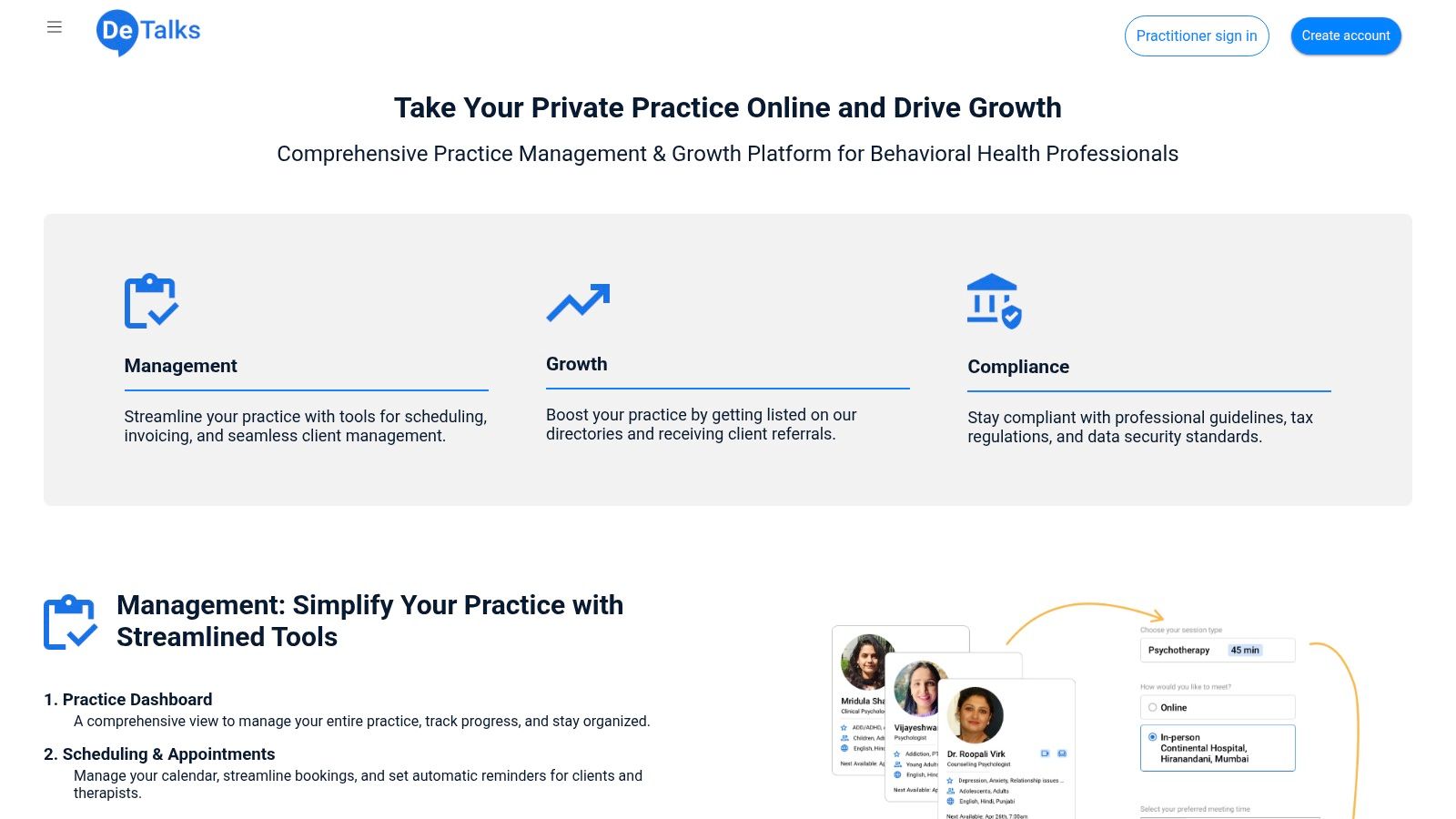
    1. DeTalks for Therapists | All‑in‑One Practice Management Solution

    DeTalks for Therapists is a leading all-in-one practice management solution designed for mental health professionals in India. It combines scheduling, billing, and client management with a powerful suite of mental health assessment tools, creating a seamless ecosystem. This allows therapists to focus more on providing quality care and less on administrative tasks.

    The platform’s strength is its direct integration with PsyPack Assessments, which embeds scientifically validated screening tools into the clinical workflow. Professionals can administer and review assessments for challenges like anxiety and depression within the same system they use for daily practice. This supports an informed approach to therapy and counselling from the very first session.

    DeTalks for Therapists | All‑in‑One Practice Management Solution

    Why It Excels as an Assessment Platform

    DeTalks acts as a supportive clinical partner, enhancing the therapeutic journey for both therapist and client. The built-in assessments help practitioners gain objective insights into a client's experiences with issues like workplace stress or anxiety. This helps in creating personalised care plans and tracking progress in well-being over time.

    For group practices, the system offers a central hub for managing multiple clinicians and their clients, ensuring organised and consistent care. The secure client portal also empowers individuals to actively participate in their mental health journey. This unified environment makes DeTalks an excellent choice for any practice aiming to enhance its services.

    • Best for: Individual therapists and group practices in India seeking an integrated system that combines practice management with robust, evidence-based assessment capabilities.
    • Key Features: Integrated PsyPack assessments, secure client-therapist communication, intuitive scheduling, and a dedicated client portal.
    • Pricing: Customised pricing plans are available upon request.
    • Pros: A complete all-in-one solution that saves time; provides deep clinical insights through validated assessments; enhances client engagement.
    • Cons: Primarily serves the Indian market currently; may involve a learning curve for those new to comprehensive digital platforms.

    Website: https://detalks.com/for-therapists/

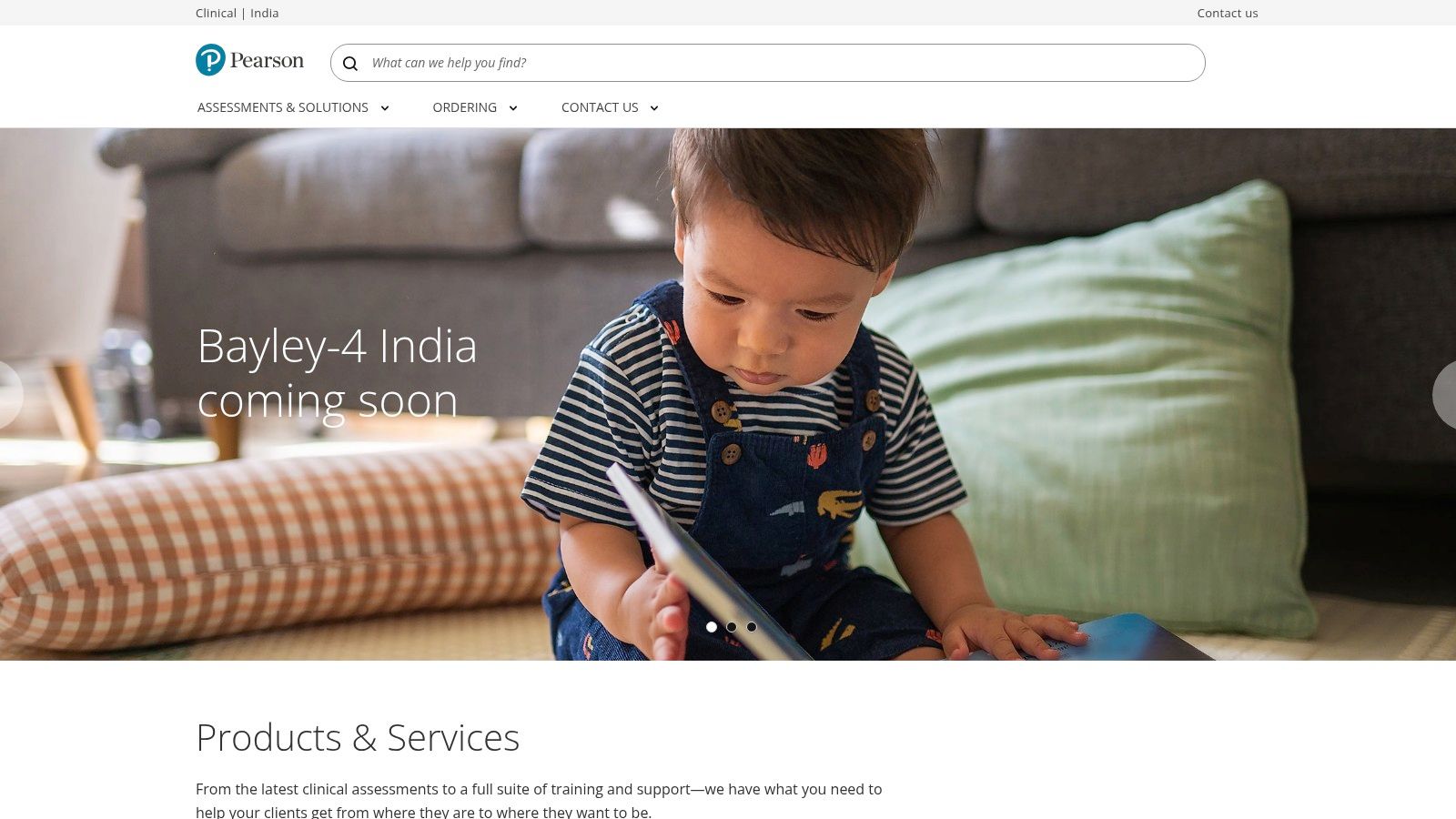
    2. Pearson Clinical Assessment India (Q-global)

    For mental health professionals in India, Pearson Clinical is a key resource for world-renowned mental health assessment tools. It offers India-adapted versions of well-known assessments like the MMPI and Beck Depression Inventory (BDI). The platform focuses on providing tools that are culturally and linguistically relevant for Indian populations.

    Pearson Clinical Assessment India (Q-global)

    Its Q-global web platform allows practitioners to administer, score, and generate reports online. This simplifies the assessment process for understanding conditions like anxiety and depression. The platform offers a mix of digital and paper formats to suit different clinical needs.

    Access and Practical Considerations

    Access to these professional tools is restricted to qualified professionals who must verify their credentials before purchasing. Pricing is in Indian Rupees, with local support available. This platform is ideal for clinics, hospitals, and educational institutions needing validated and standardised assessment instruments for therapy and counselling.

    3. PARiConnect (PAR, Inc.)

    PARiConnect from PAR, Inc. is a reliable digital platform offering a wide range of clinical mental health assessment tools. It is widely used in clinical and research settings for its extensive catalog covering challenges like anxiety, depression, and other emotional patterns. The platform's strength is its digital efficiency, helping professionals administer, score, and report on assessments online.

    PARiConnect (PAR, Inc.)

    The platform is known for its high uptime, ensuring these critical tools are almost always available. PAR continually updates its library, giving practitioners access to the latest instruments in psychological assessment. This commitment to technology and content makes it a dependable choice for modern mental health practice, supporting overall well-being.

    Access and Practical Considerations

    Access to PARiConnect's instruments is limited to qualified professionals who must register and meet specific criteria. While based in the US, its digital-first nature makes it accessible globally. The platform is ideal for professionals who need a broad, continuously updated, and highly reliable digital assessment solution for their therapy practice.

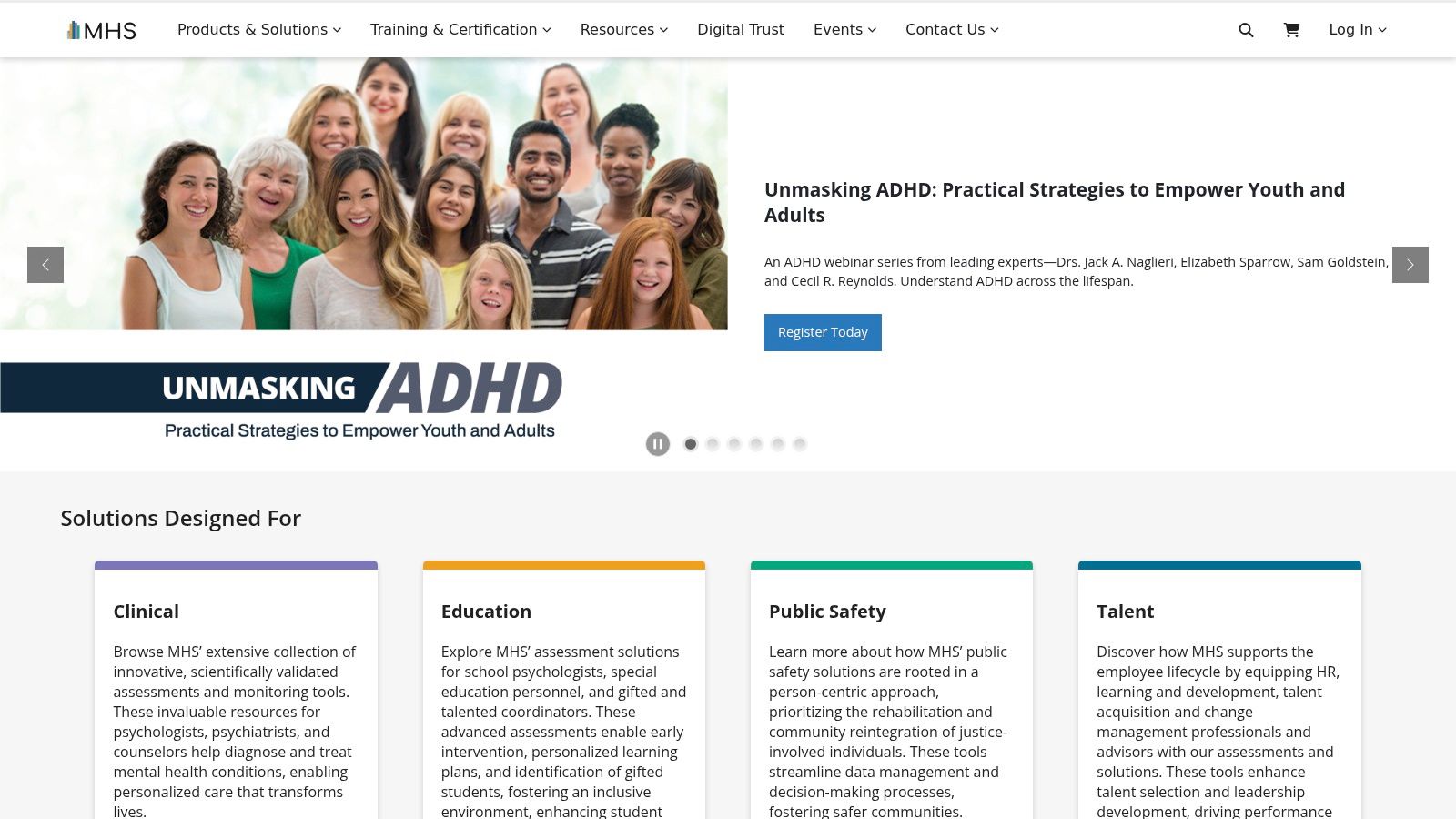
    4. MHS Online Assessment Center+ (Multi-Health Systems)

    The MHS Online Assessment Center+ (MAC+) is a powerful resource for professionals seeking a streamlined digital platform. It provides access to a wide range of MHS clinical measures covering anxiety, behaviour, and emotional patterns. The platform is efficient, offering pay-per-use digital forms and automated reminders that simplify the assessment process.

    MHS Online Assessment Center+ (Multi-Health Systems)

    A key feature is its support for remote and tele-assessment, which is crucial in today's world. This flexibility makes mental health assessment tools more accessible to clients, regardless of their location. The pay-per-use model is cost-effective, and MHS provides excellent training resources, supporting professional growth.

    Access and Practical Considerations

    Similar to other professional-grade platforms, access to the MAC+ requires professional credential verification. Users must create an account and prove their qualifications. The platform is an attractive option for educational institutions and clinicians in training, helping build skills in areas like counselling and well-being.

    5. WPS Publishing – Online Evaluation System (OES)

    WPS Publishing is a respected source for clinical assessments, especially for understanding autism and behavior. Its Online Evaluation System (OES) provides a powerful digital platform for administering, scoring, and generating reports. The system focuses on providing efficient and cost-effective tools for professionals.

    A key benefit of the OES is its pricing model, where users only pay for completed forms, which is helpful for smaller practices. The platform also offers strong support for tele-assessment, making it an excellent resource for remote counselling. Its progress monitoring reports are valuable for tracking a client's journey over time.

    Access and Practical Considerations

    Access to WPS tools requires user qualification verification to ensure assessments are used ethically. While the content is primarily oriented towards US markets, its high-quality mental health assessment tools are widely used internationally. It's ideal for practitioners who need a flexible, digital-first solution to support their clients' well-being.

    6. ePROVIDE by Mapi Research Trust (PROQOLID/COA licensing)

    For researchers and organisations conducting formal studies, ePROVIDE by Mapi Research Trust is a critical resource. It is a central hub for legally accessing and licensing validated mental health assessment tools. It simplifies the complex process of getting official permissions for copyrighted scales used in research and practice.

    The platform's strength is its large database of Clinician-Reported Outcome Assessments (COAs). It offers licensing and translation services for hundreds of instruments, which is invaluable for multicountry studies. This ensures that the correct and validated version of an assessment for conditions like anxiety or depression is being used.

    Access and Practical Considerations

    Accessing the full databases often requires a subscription or payment. The platform is not for casual users but for professionals who need to ensure their use of a specific tool is fully authorized. It is essential for clinical trials, academic research, and healthcare organisations integrating validated mental health assessment tools into their systems.

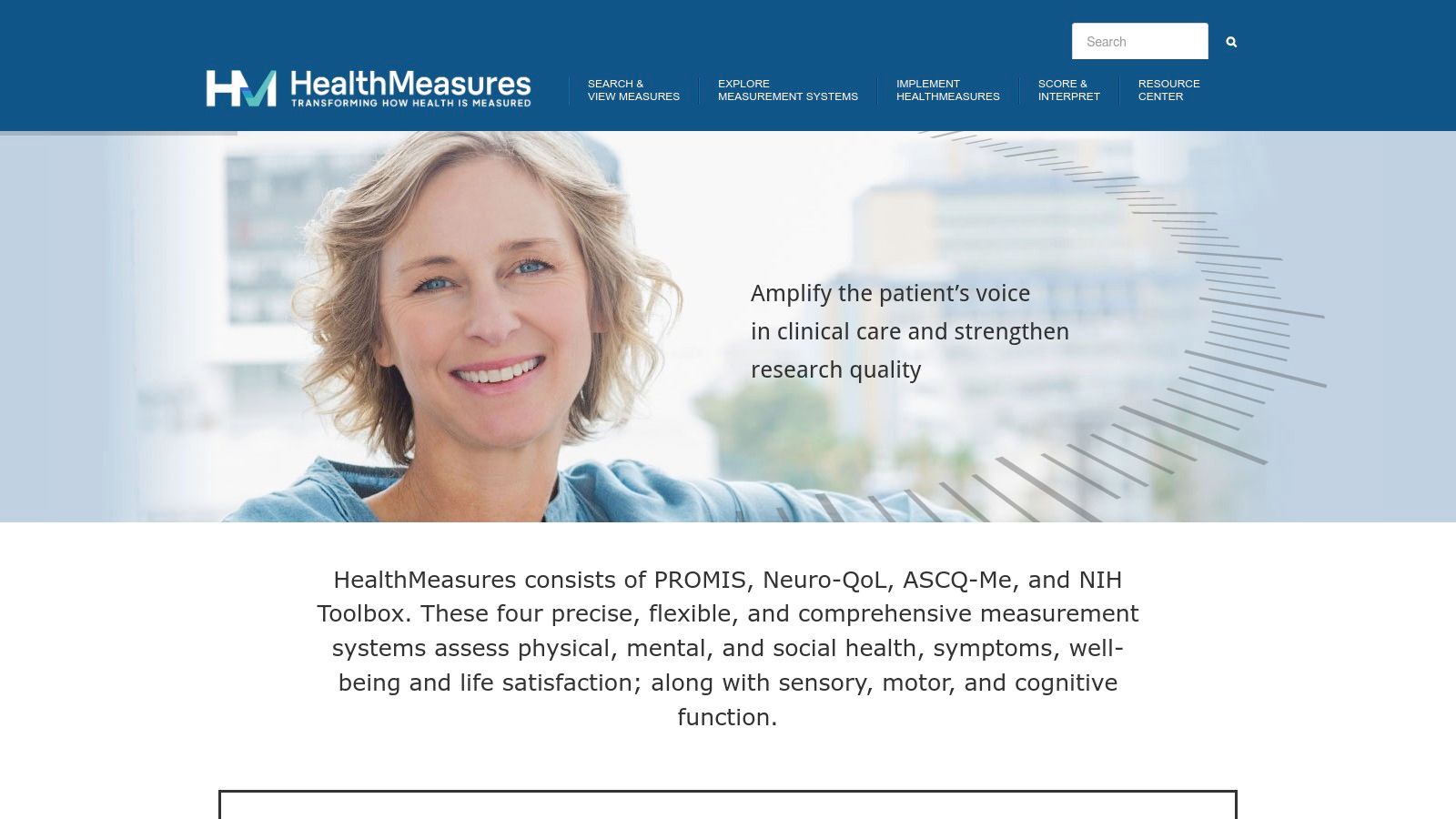
    7. HealthMeasures (PROMIS, NIH Toolbox, Neuro-QoL)

    HealthMeasures is a vital resource for anyone seeking robust, publicly available information on patient-reported outcomes. Backed by the U.S. National Institutes of Health (NIH), it provides free access to powerful tools like PROMIS. These tools cover areas like depression, anxiety, and sleep, helping to build a picture of overall well-being.

    HealthMeasures (PROMIS, NIH Toolbox, Neuro-QoL)

    The platform offers different formats, including short forms and Computerized Adaptive Tests (CATs), which provide precise and efficient measurement. This flexibility allows for integration into electronic health records or research studies. HealthMeasures also provides extensive support, making it a powerful tool for tracking well-being and resilience.

    Access and Practical Considerations

    The primary tools, such as PROMIS measures, are free to use. Users can download paper forms or access APIs for digital integration without charge. The platform is ideal for large-scale research projects and practitioners who need scientifically rigorous and cost-effective mental health assessment tools.

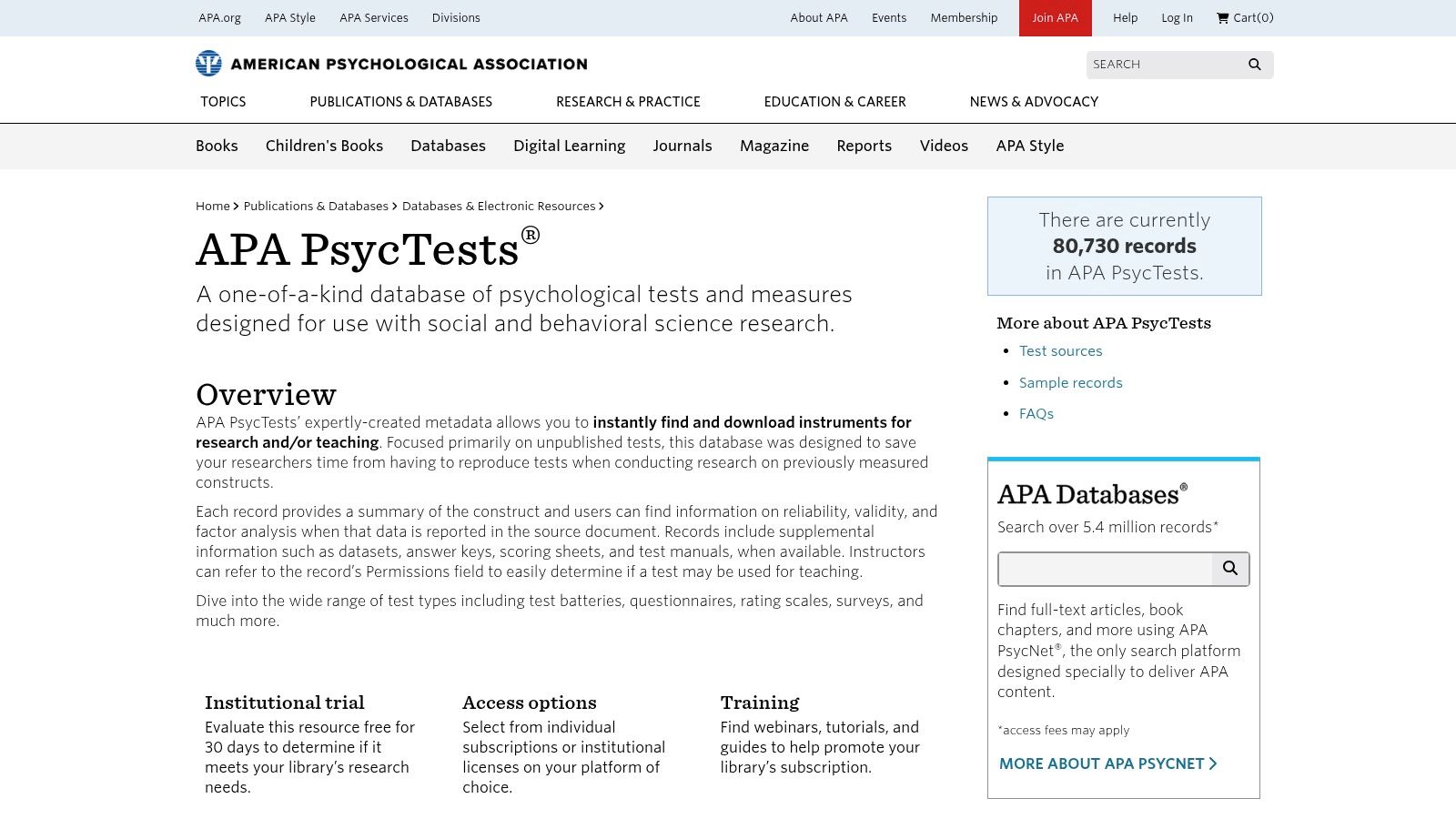
    8. APA PsycTests (American Psychological Association)

    For researchers and academics, APA PsycTests is an unparalleled database for discovering a vast range of mental health assessment tools. It is not a platform for taking tests but a comprehensive library of measures, scales, and surveys. Its value lies in providing detailed records for thousands of instruments, which is essential for academic work.

    APA PsycTests (American Psychological Association)

    The platform is a great resource for finding tools to understand experiences like workplace stress, anxiety, and depression. It offers direct downloads for many non-commercial tests and provides clear guidance on how to obtain commercial ones. It empowers professionals to find the most appropriate tools for their specific needs, from large studies to developing therapy programs.

    Access and Practical Considerations

    Access to PsycTests is typically provided through an institutional subscription, common in university and research libraries. It is an ideal resource for academic institutions rather than individual practitioners. It helps professionals and researchers find validated tools to support evidence-based practice and build resilience.

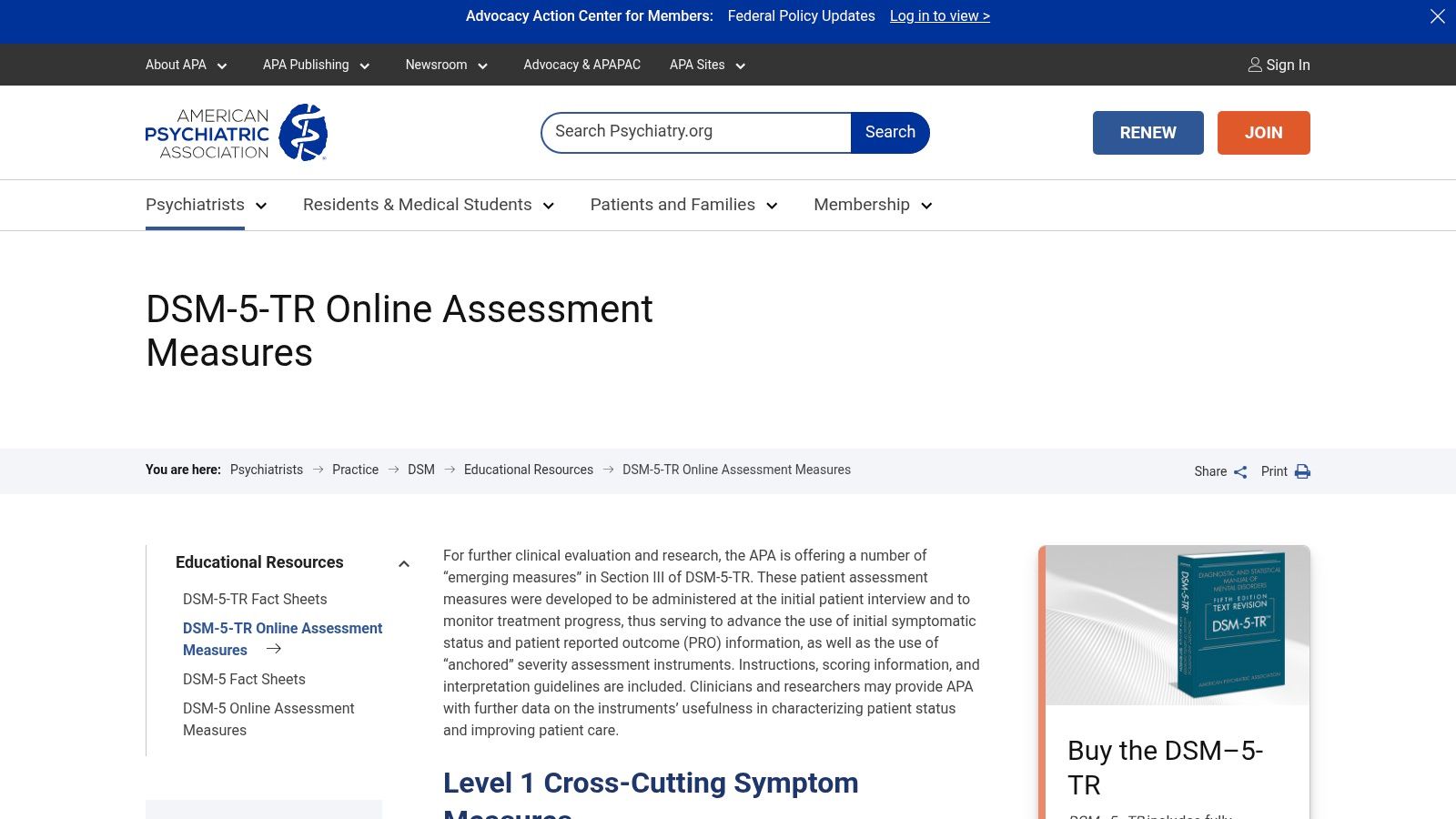
    9. American Psychiatric Association – DSM-5/DSM-5-TR Online Assessment Measures

    The American Psychiatric Association (APA) offers its official DSM-5 and DSM-5-TR Online Assessment Measures completely free of charge. These tools are designed to help practitioners systematically screen for and monitor symptoms across a range of mental health domains. They are a vital and accessible resource for clinicians worldwide.

    American Psychiatric Association – DSM-5/DSM-5-TR Online Assessment Measures

    The collection includes measures for initial broad screening and more specific tools for deeper investigation into areas like depression or anxiety. Available in adult and youth versions, these are some of the most widely used mental health assessment tools globally. They support a measurement-based care approach in therapy, establishing a baseline and tracking progress.

    Access and Practical Considerations

    Access is simple: the measures are available as free, downloadable PDFs directly from the APA website. There are no qualification checks or fees, making them incredibly accessible. It's important to remember these are informational tools; positive screens require a thorough clinical follow-up with a counselling professional.

    10. PHQ/GAD Official Screeners (Pfizer – PHQscreeners)

    Pfizer’s PHQscreeners website is an essential, no-fee resource for clinicians and public health professionals. It provides official versions of the globally recognized Patient Health Questionnaire (PHQ-9) for depression and the Generalised Anxiety Disorder (GAD-7) scale. It offers these gold-standard mental health assessment tools directly from the developers.

    The platform is designed for quick access to printable PDF screeners. These instruments are helpful for initial screening in various settings to identify individuals who may need further evaluation for anxiety or depression. The availability of multiple validated translations makes it invaluable for diverse communities in India and globally.

    Access and Practical Considerations

    Access to all screeners is completely free and unrestricted. However, these are informational tools, not diagnostic ones. It is crucial for practitioners to have supportive protocols in place. This resource is ideal for any setting needing rapid, validated, and copyright-clear screening measures to support well-being.

    11. Prasad Psycho (India)

    Prasad Psycho is a key Indian publisher and distributor of psychological tests. Their digiConnect platform facilitates online administration of many of their assessments. They are a vital resource for Indian practitioners using both international and locally developed mental health assessment tools.

    The organization focuses on professional development, regularly conducting training workshops. By partnering with test authors, Prasad Psycho ensures a relevant catalog for evaluating challenges like workplace stress and anxiety. Their local presence provides dependable support for clinics, researchers, and educational institutions across India.

    Access and Practical Considerations

    Similar to other professional distributors, access requires qualification verification. Pricing is in Indian Rupees, and one of the main benefits is the local, India-based customer support. This platform is ideal for Indian professionals seeking a mix of established tools, local support, and resources for counselling.

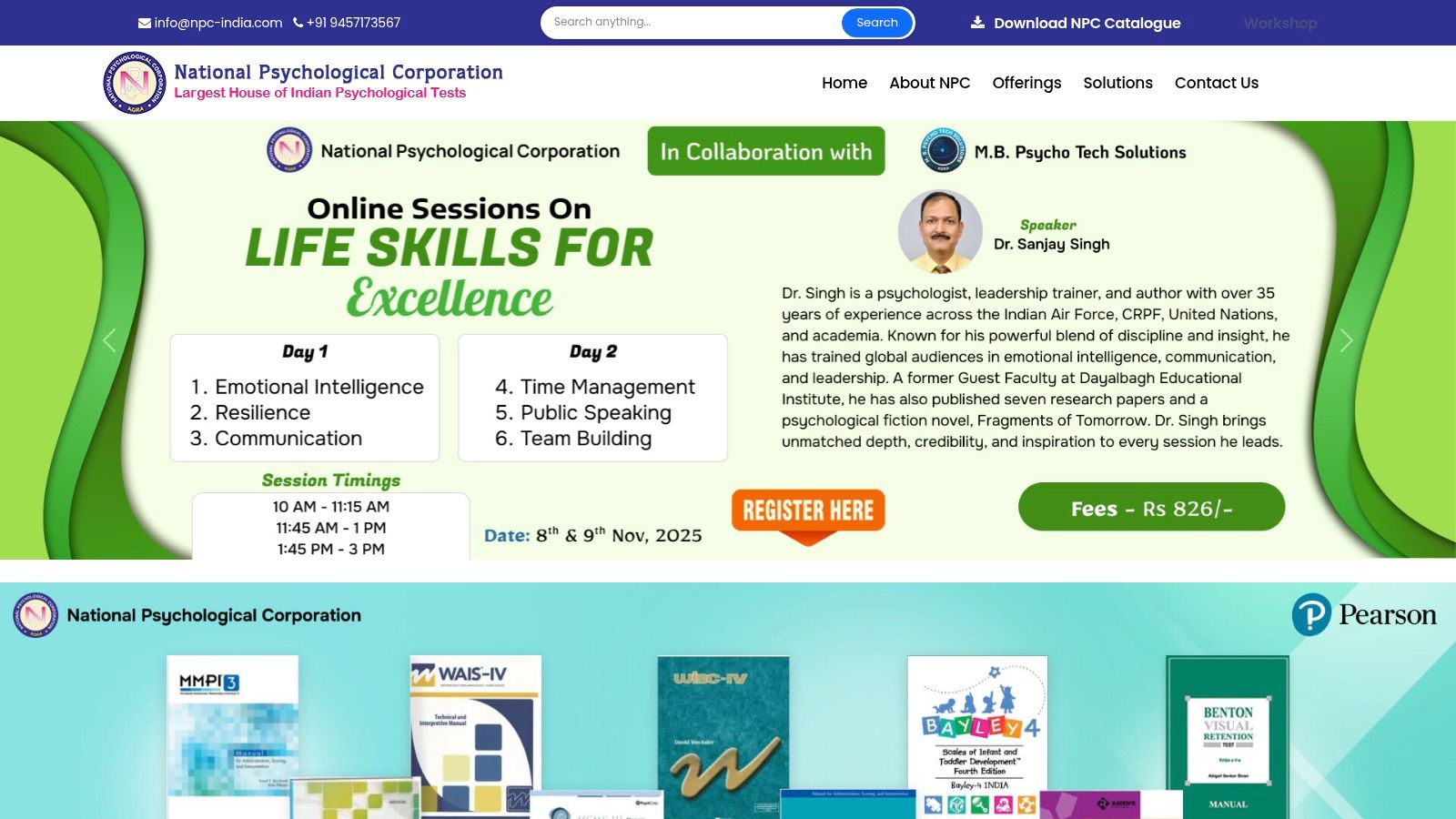
    12. National Psychological Corporation (NPC), Agra (India)

    The National Psychological Corporation (NPC) is a major Indian publisher and distributor of mental health assessment tools. It offers a vast catalog of standardized tests, many developed or adapted for Indian populations. This focus on local relevance makes it an essential resource for culturally sensitive assessments of challenges like anxiety and depression.

    National Psychological Corporation (NPC), Agra (India)

    NPC acts as a comprehensive hub, not only publishing its own instruments but also reselling for major international publishers. This provides a single point of access to a wide array of tools. Their services are particularly valuable for academic institutions and clinics engaged in local research, supporting the growth of India-centric psychological knowledge.

    Access and Practical Considerations

    Accessing NPC’s catalog requires professional qualification. Procurement is often traditional, involving phone or email orders, as the website serves as a catalog. The organization's long-standing reputation ensures reliability, making it an indispensable partner for practitioners needing India-normed psychological tests for their therapy or research work.

    Mental Health Assessment Tools: Feature Comparison of Top 12

    Product Core Features & Integration User Experience & Quality ★ Value Proposition 💰 Target Audience 👥 Unique Selling Points ✨
    🏆 DeTalks for Therapists All-in-one scheduling, secure client portal, PsyPack Assessments ★★★★☆ Streamlined clinical workflow Competitive, time-saving practice management Therapists & group practices in India Integrated evidence-based assessments
    Pearson Clinical Assessment India (Q-global) India-adapted digital & paper assessments, local support ★★★☆☆ Localized tools & training Mid-range, India-specific pricing Clinicians requiring Indian norms Local reseller network & training
    PARiConnect (PAR, Inc.) 80+ tests, online admin, batch & inventory ★★★★☆ Highly reliable platform Variable, broad test portfolio Clinics, researchers worldwide Large, updated test library
    MHS Online Assessment Center+ (MAC+) Pay-per-use digital forms, remote admin ★★★☆☆ Efficient workflow Pay-as-you-go, academic discounts Professionals using MHS tools Tele-assessment & training supports
    WPS Publishing – Online Evaluation System Autism/behavior focus, pay-per-completed form ★★★☆☆ Cost-effective, user tutorials Pay-per-completion, reduces waste Autism/behavior specialists Focused portfolio with video tutorials
    ePROVIDE by Mapi Research Trust Licensing & translations, 8,400+ instruments ★★★★☆ Authoritative metadata Subscription/licenses required Researchers & clinicians needing licenses One-stop official instrument licensing
    HealthMeasures (PROMIS, NIH Toolbox) Free PROMIS tools, adaptive testing ★★★★☆ NIH-backed, multilingual Free tools, some consulting costs Clinicians & researchers globally Free validated multi-language PROMs
    APA PsycTests Indexed test database, research-focused ★★★☆☆ Extensive, scholarly Institutional subscription required Researchers & educators Historic & comprehensive test archive
    American Psychiatric Assoc. DSM-5 Tools Free DSM-5 Cross-Cutting symptom measures ★★★★☆ Clinician-trusted Free official tools Clinicians using DSM-5 No-cost validated screening tools
    PHQ/GAD Official Screeners (Pfizer) Free PHQ-9, GAD-7 screeners with guides ★★★★☆ Widely used, evidence-based Free Primary care, public health Official, globally recognized tools
    Prasad Psycho (India) DigiConnect platform, India-centric tools & training ★★★☆☆ Local digitization & workshops India-focused pricing Indian clinicians & institutions Local test publishing & training
    National Psychological Corp. (NPC), India 1000+ India-normed tests, publishing & reselling ★★★☆☆ Established authority Moderate, local manufacturing Indian clinical & educational use Strong Indian adaptations & support

    Your Path Forward: Using Insights for Growth

    Exploring mental health assessment tools is an empowering first step toward greater self-awareness and well-being. Throughout this guide, we have looked at a variety of platforms, from comprehensive clinical systems to accessible screeners. We've also highlighted India-specific resources like Prasad Psycho and NPC to provide a relevant perspective.

    The purpose of these assessments is not to give a diagnosis but to offer a language for your inner experiences. They can help you recognize patterns related to anxiety, depression, or workplace stress. This clarity can be a powerful starting point for communicating your needs to a loved one or a mental health professional.

    Choosing the Right Tool for Your Journey

    Selecting the right tool depends on your personal goals and circumstances. A few key questions can guide you:

    • For Individuals: Are you looking for a simple check-in on your emotional state? Freely available screeners can be a great place to start. They can help you decide if seeking professional counselling or therapy could be a supportive next step.
    • For HR Leaders and Organisations: Is your goal to support employee well-being and address workplace stress? A platform offering insights into burnout and organisational health would be more suitable.
    • For Clinicians and Counsellors: Do you need reliable, validated instruments for client evaluation? Professional platforms like MHS Online, WPS, or DeTalks for Therapists are designed specifically for clinical practice.

    The true value of any mental health assessment tool is in how the information is used. The insights are not labels but starting points for a deeper conversation. They can guide you toward resources that help build resilience, enhance compassion, and foster a more fulfilling life.

    Taking the Next Meaningful Step

    Your mental health journey is a personal and ongoing process of growth. Taking the initiative to understand yourself better through these tools is an act of self-care. It acknowledges that your well-being matters and that support is available to help you navigate life's challenges.

    Whether the results encourage you to explore self-help strategies, talk about your mental health, or seek formal therapy, you are moving in a positive direction. This journey is yours, and you don't have to walk it alone. Every step contributes to building a stronger, more resilient you.


    Ready to connect with a professional who can help you interpret these insights and guide your next steps? DeTalks offers a secure and supportive platform to find qualified therapists and counsellors across India who can help you transform self-discovery into lasting growth. Visit DeTalks to begin your journey with a trusted expert today.