Tag: self improvement

  • Making Positive Changes in Life That Actually Stick

    Making Positive Changes in Life That Actually Stick

    Taking the first step toward making positive changes in life is an act of genuine courage. If you've tried before and felt like you've hit a wall, you are not alone. The real journey isn’t about a massive, overnight transformation, but the small, intentional shifts that build momentum day by day.

    Why Lasting Change Feels So Hard (And How to Actually Start)

    A barefoot man walks out of a sun-drenched house doorway into a bright green garden.

    Starting on a path of personal growth can feel overwhelming. Many of us want to improve our lives, but the thought of breaking old habits can bring up stress and anxiety. This guide is a supportive space to understand those challenges and find a gentle way forward.

    Real, sustainable change isn't about finding a quick fix. It’s about patiently rediscovering your inner strength, especially when dealing with challenges like workplace stress or navigating difficult times.

    Understanding the Roots of Resistance

    Our brains are wired for routine and comfort, which is why stepping into the unknown can feel difficult. This resistance is a completely normal part of the process. It's a sign that you're stretching beyond your comfort zone and creating new pathways for growth.

    Recognising this internal friction is the first real step. Instead of fighting that feeling, you can learn to work with it. The goal is to build a mindset of growth and resilience, creating a solid foundation for the road ahead.

    It also helps to see the bigger picture. In India, for example, there has been a positive shift in well-being, with more people accessing mental health resources. You can read more about these encouraging mental health trends to see how the landscape is changing.

    Setting a Supportive Foundation

    A better life is built with small, manageable steps, not giant, intimidating leaps. Thinking this way makes the process feel much more doable. Here are a couple of ideas to get you started:

    • Self-Compassion is Key: Talk to yourself with the same kindness you'd offer a friend. Acknowledge your efforts and forgive the slip-ups—they are a natural part of any meaningful change.
    • Find Your 'Why': Get clear on your deeper reasons for wanting change. Is it for healthier relationships or a greater sense of peace? Your 'why' is your anchor when motivation dips.

    Remember, the goal is progress, not perfection. Every small effort builds on the last, creating a powerful momentum that helps sustain positive changes for good.

    Turn Vague Wishes into a Clear Action Plan
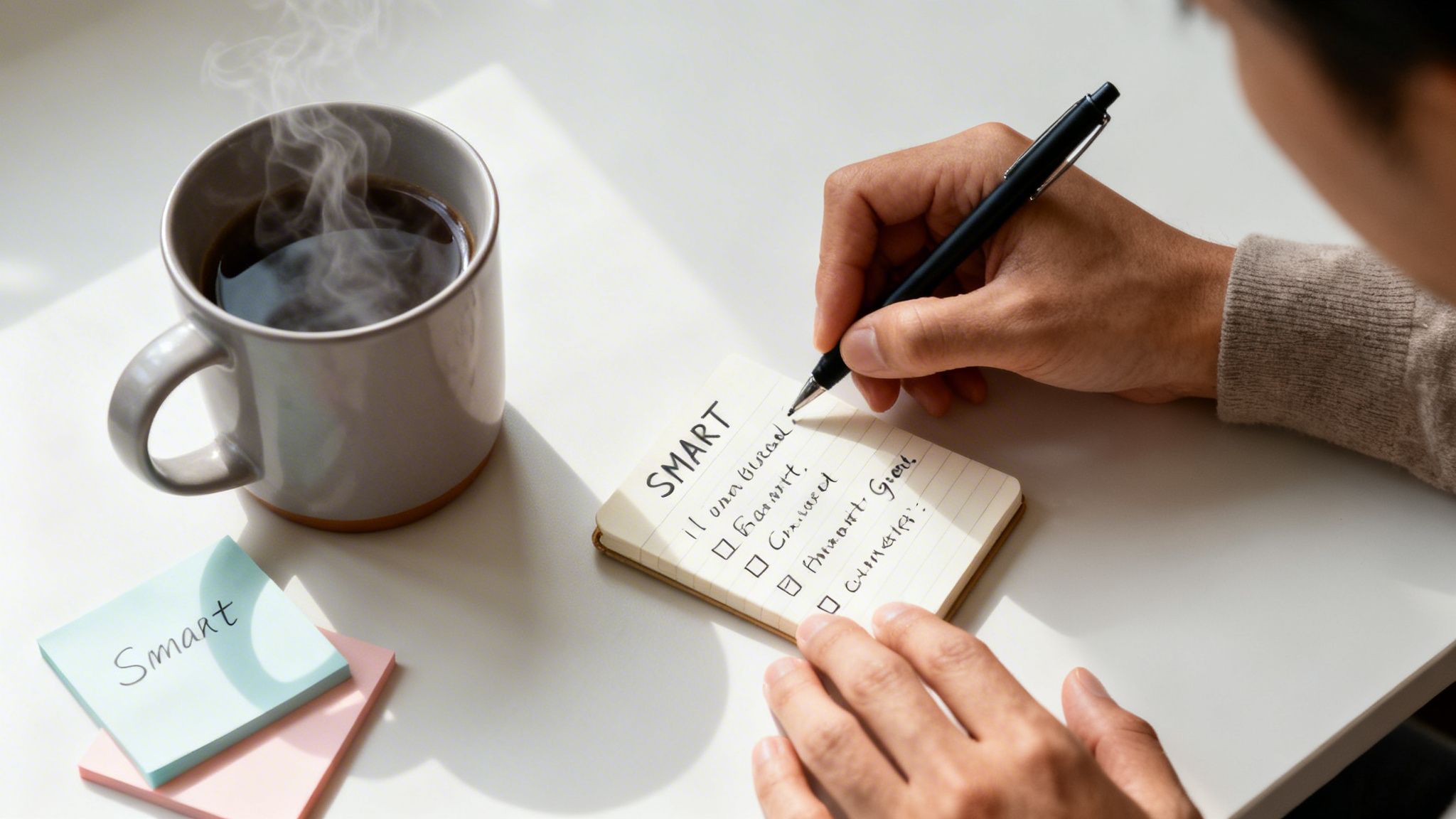
    A person diligently writes 'SMART' goals on a notepad beside a steaming coffee mug.

    It’s one thing to say you want to “feel less stressed” or “be happier.” These are wonderful intentions, but without a clear direction, they can leave you feeling frustrated and wondering why nothing is changing.

    The trick is to shape those big ideas into a concrete plan you can follow. A tried-and-tested method like SMART goals is a simple but effective way to give your ambitions structure and turn them into a realistic roadmap.

    Breaking Down the SMART Method

    Think of SMART goals as a way to create a clear target. Instead of aiming for a general feeling, you create a focused objective. Let’s break down what each letter means and how it helps you move forward with confidence.

    • S – Specific: Be precise. "I want to manage my anxiety" is a great start, but it's broad. A specific goal would be, "I will practise one deep-breathing technique to calm my nerves when I feel overwhelmed."

    • M – Measurable: How will you track your progress? A measurable version is, "I will practise this breathing technique for five minutes, three times a week."

    • A – Achievable: Be realistic with yourself. Deciding to run a marathon next week when you've never run before can lead to burnout. A 20-minute daily walk, however, is achievable. This principle applies to your well-being too, and learning about setting fitness goals you'll actually achieve can offer useful insights.

    • R – Relevant: Does this goal truly matter to you? A relevant goal connects to something bigger, like reducing workplace stress to be more present with your family.

    • T – Time-bound: Give yourself a gentle deadline. For example, "I will schedule an initial consultation for counselling within the next two weeks."

    This framework isn’t about making life rigid; it’s about giving yourself clarity. It helps you shift your focus from an overwhelming mountain to a series of small, manageable hills.

    Putting It into Practice

    Let's take a real-world example. Imagine a student in India who is overwhelmed by exam stress. Their first thought might be, "I need to stop worrying so much," which is a huge, uncontrollable goal.

    Using the SMART method, they could reframe it: "To reduce my exam anxiety (Relevant), I will dedicate 15 minutes each evening to journaling (Specific, Measurable). I will do this for the next three weeks (Time-bound). This feels like a small, manageable step (Achievable)."

    Suddenly, a big challenge like anxiety becomes a series of small, intentional actions. Each completed step boosts your well-being and makes the next one feel that much easier.

    Build Good Habits Without Relying on Motivation

    A serene bathroom shelf with a toothbrush, notebook, pen, and steaming mug by a bright window.

    Many of us believe we need a powerful wave of motivation to change our lives. But motivation is a fleeting feeling; it comes and goes. Lasting change is built through the small, consistent things you do every day.

    Instead of waiting for the mood to strike, a smarter strategy is to build a system that runs on autopilot. A simple technique called habit stacking can help make desired behaviours feel almost automatic.

    How to Practise Habit Stacking

    The idea is simple: you link a new, desired habit to an old, existing one. You take something you already do—like making your morning chai or brushing your teeth—and use it as a trigger for the new action.

    This trick sidesteps the biggest obstacle to forming a new habit: figuring out when and where to do it. The formula looks like this: After/Before [MY CURRENT HABIT], I will [MY NEW HABIT].

    For example, if you want to feel less frazzled after work, you could decide, "After I shut down my laptop, I will take five deep, slow breaths." The routine action of closing your computer becomes the cue.

    Practical Examples for Better Well-Being

    Here are a few simple ways you can stack habits to boost your mental and emotional well-being.

    • To Cultivate Gratitude: While your morning tea is brewing, think of one thing you're grateful for.
    • To Start Your Day Mindfully: After you get out of bed, take a full minute to stretch.
    • To Wind Down and Reflect: After you brush your teeth at night, write down one challenge you faced and how you handled it.

    By anchoring a new behaviour to an old one, you reduce decision fatigue. It makes building resilience feel less like a struggle and more like a natural part of your day.

    The key is to start small. Here are a few more ideas to inspire you.

    Sample Habit Stacking Plans for Better Well-Being

    Current Habit (The Anchor) New Habit to Stack Potential Benefit
    Finishing your morning chai Put your cup in the sink and wipe the counter Reduced clutter, sense of accomplishment
    Sitting down for lunch Drink a full glass of water first Improved hydration, better digestion
    Getting into your car/bus Take three deep breaths before starting Reduced travel anxiety, mindful transition
    Opening your work laptop Write down your top 3 priorities for the day Increased focus and productivity

    These pairings might seem minor, but that’s why they work. Over time, these tiny habits compound into significant, positive changes in life without feeling like a monumental effort.

    Reframe Your Thoughts and Build a More Resilient Mindset

    Our thoughts shape our feelings and actions. When we get stuck in unhelpful thinking, it can increase anxiety and lead to burnout, making positive change feel impossible.

    The good news is we can borrow practical techniques from therapy to spot, challenge, and reframe these thoughts. This isn't about fake positivity, but about cultivating a more balanced and realistic way of seeing things.

    First, Spot the Unhelpful Thought Patterns

    The first step is simply becoming aware of the thoughts running through your head without judgment. We all have common unhelpful thought patterns that pop up when we're stressed.

    See if any of these sound familiar:

    • Black-and-White Thinking: Seeing things in extremes. If you don't achieve perfection, you feel like a complete failure. For example, a project gets mixed feedback, and you think, "This is a total disaster."
    • Catastrophising: Automatically expecting the worst possible outcome. Your friend doesn't text back, and you think, "They must be furious with me," instead of considering other reasons.
    • Personalisation: Taking the blame for things that are out of your control. You might blame yourself for a team project that didn't go to plan, even though other factors were involved.

    Just catching these automatic thoughts is a massive step toward building resilience. It creates a crucial space between a thought and your reaction to it.

    Reframing isn't about ignoring reality; it's about seeing the full picture. It’s a compassionate way to challenge stressful stories and find a more balanced perspective.

    How to Gently Challenge and Reframe Your Thinking

    Once you spot these patterns, you can begin to question them with gentle curiosity. This practice loosens the grip that anxiety and negativity can have on you. Let's walk through an example of receiving critical feedback at work.

    Your initial thought might be, "I'm terrible at my job." Instead of letting that thought take over, here’s how you could gently reframe it:

    1. Pause and Get Curious: Ask, "Is this thought 100% true?" You might remember praise you've received in the past.
    2. Find a More Balanced View: A more balanced thought could be, "My manager pointed out one area for improvement. This is a chance for me to learn."
    3. Turn to Self-Compassion: Shift from self-criticism to kindness. Try, "It's okay to make mistakes. This feedback doesn't define my worth."

    This intentional shift can significantly reduce feelings of stress, clearing the way for positive changes in life. If these thought patterns feel too overwhelming to manage alone, professional counselling or therapy can offer structured support.

    When to Consider Professional Support on Your Journey

    While these strategies can make a real difference, sometimes the journey of change needs a co-pilot. Knowing when to reach out for professional support is a sign of strength and self-awareness.

    If you’re consistently feeling stuck, overwhelmed by sadness or anxiety, or just finding it hard to get through the day, it might be time to bring in an expert. These persistent feelings are clear signals that you don't have to carry the weight alone.

    Finding the Right Path for You

    The thought of therapy can feel intimidating, but finding support is more straightforward than ever. In India, numerous online platforms connect you with qualified professionals, allowing you to take the first step from home.

    Government initiatives are also making support more accessible. For example, many primary care centers are being upgraded to Ayushman Arogya Mandirs, integrating mental health services and helping to tackle the treatment gap across the country.

    Using Tools to Understand Your Needs

    Online psychological assessments can offer valuable insights into what you’re feeling. These informational tools can help you put words to your experiences and pinpoint areas of concern, like workplace stress or symptoms of anxiety.

    Important Clarification: Please remember, these online tools are for informational purposes only. They are a great starting point for self-reflection but are not a substitute for a professional diagnosis from a qualified expert.

    As you explore options, you might come across different approaches, such as transformational coaching. The goal is to find a supportive, professional space where you feel heard and empowered.

    Staying the Course: How to Handle Setbacks and Keep Moving Forward

    A vibrant green sprout in a terracotta pot sits on a sunlit window sill next to a dried leaf.

    The path to lasting change is rarely a straight line. Hitting a setback doesn’t mean you've failed—it means you're human. It's a normal part of any worthwhile journey.

    The real skill is learning how to navigate these bumps without getting discouraged. This is about having smart strategies, tracking your progress, and celebrating small wins to keep your motivation going.

    Turn Setbacks into Stepping Stones

    When you slip up, your first instinct might be self-criticism. Instead, try meeting that moment with gentle curiosity. This simple shift is a game-changer for building resilience and long-term progress.

    Ask yourself what was going on. Was it a stressful day at work? Were you exhausted? Pinpointing the trigger gives you valuable information to adjust your plan, turning a setback into a powerful lesson.

    This idea of building resilience is gaining traction in India. The government has increased its health budget, signaling a national commitment to help people manage life's challenges and sustain their well-being. You can read more about India's mental health budget on myndstories.com.

    Practical Tips for Staying on Track

    One off day doesn't undo all your progress. Here are a few reliable ways to keep moving forward:

    • Log Your Wins: Acknowledge what went right each week, no matter how small. Celebrating these little victories makes the new behaviour stick.
    • Reconnect with Your 'Why': When motivation wanes, remember why you started. Tapping into that deeper purpose can be the spark you need.
    • Don't Be Afraid to Adjust: If a strategy isn't clicking, it’s okay to change it. Your journey is yours alone, so your plan needs to be flexible.

    The goal is never perfection; it's consistent effort. Every time you get back on track after a stumble, you're building the mental and emotional muscle for lasting change. That is the true heart of resilience.

    Your Questions, Answered

    Starting a journey of personal growth brings up questions. Here are some answers to common concerns.

    "What Happens When My Motivation Disappears?"

    Motivation is a feeling that comes and goes, so don't rely on it alone. This is why we focus on building systems like habits. When your drive is low, your habits are what keep you going.

    Gently remind yourself of your 'why'—the core reason you started. Reconnecting with that purpose can often be enough to get you moving again.

    "How Long Until I Actually See a Difference?"

    There's no universal timeline for change. The real magic is in the small, consistent steps you take every day.

    Celebrate the small wins. Did you stick to your routine for a week? That's a victory. These small moments of recognition build momentum and prevent burnout.

    "Do I Really Need Therapy to Make These Changes?"

    Not always, but it can be a powerful support. You can achieve incredible positive changes in life on your own. However, think of therapy or counselling as having an expert guide in your corner.

    Professional support is especially helpful if you feel stuck, or are managing significant anxiety, depression, or stress. Reaching out is a sign of strength.

    This is your journey, and there is no single "right" way to do it. The most important takeaways are to be kind to yourself, stay patient, and choose the tools and support that feel right for you.


    Ready to explore what support could look like for you? At DeTalks, we make it simple to connect with qualified therapists and access science-backed assessments to guide your next steps. Find the clarity you deserve by visiting us at DeTalks.
  • Top 12 Personal Development Plan Template Resources for 2025

    Top 12 Personal Development Plan Template Resources for 2025

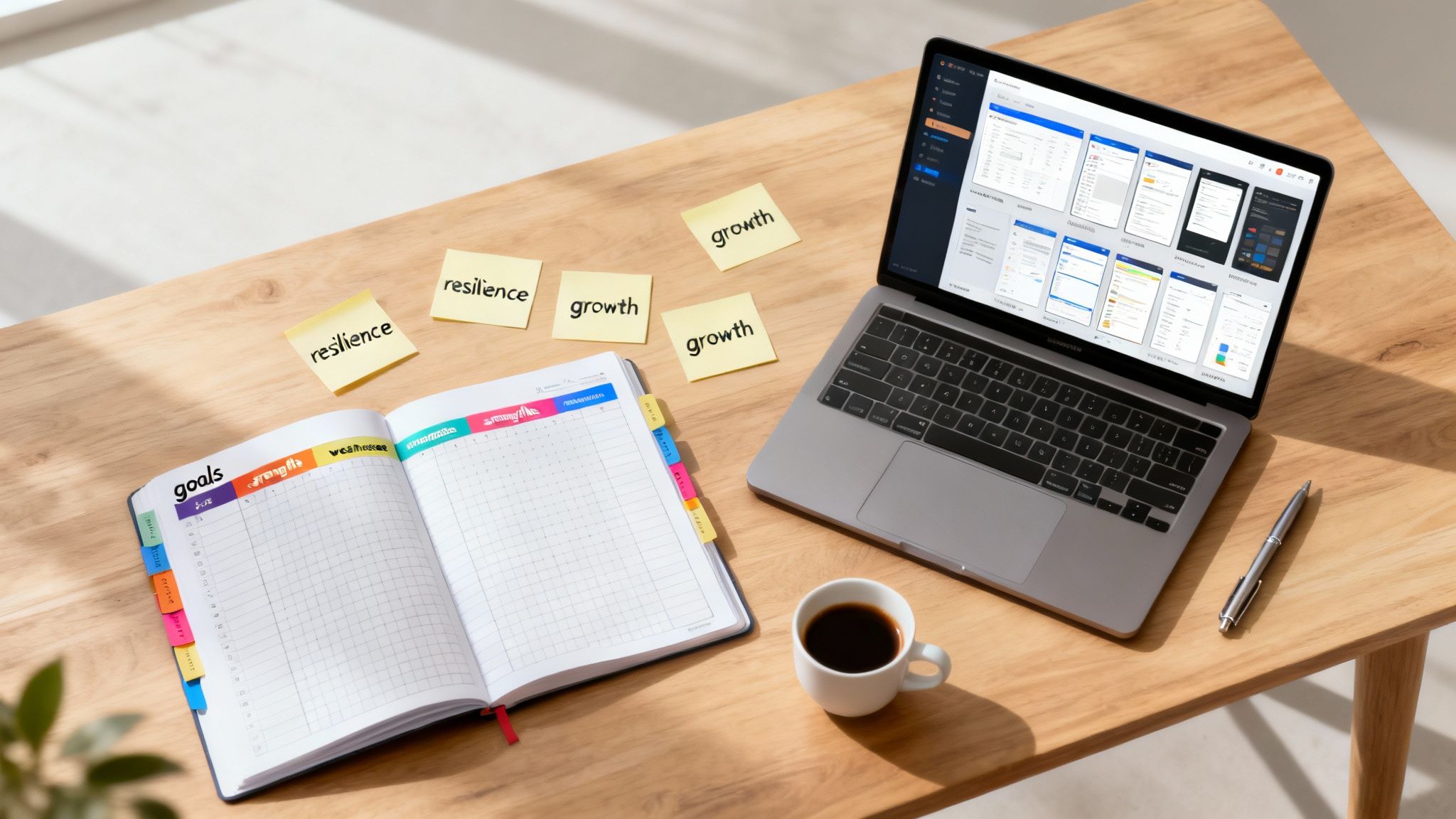
    Starting a journey of self-improvement is a meaningful step. Yet, turning big goals into small, manageable actions can feel challenging. A good personal development plan template can provide the structure you need to move from intention to achievement.

    This guide helps simplify your search for the right tool. It is for anyone navigating life's demands, whether you're managing workplace stress, dealing with anxiety, or building greater resilience. We have curated a list of the best platforms offering a high-quality personal development plan template.

    From flexible tools like Asana and ClickUp to creative spaces like Canva, each option is reviewed to help you find what fits. Your personal development plan might focus on building healthy habits that actually stick. The right template can help you track your progress in a way that feels supportive and clear.

    1. Template.net

    Template.net is like a large digital library for anyone needing a structured personal development plan template quickly. It offers a wide variety of designs for different needs, from professionals managing workplace stress to students planning their careers. You can find simple one-page plans or more detailed roadmaps.

    The platform is especially helpful for people in India looking for easy downloads. Templates are available in common formats like Word and Google Docs, and an online editor allows for quick adjustments before you download. This makes it simple to get started on your well-being journey.

    Key Considerations

    While many templates are free, some of the more detailed designs may require a subscription. It's also good to remember that some templates focus more on looks than function. You may need to browse a bit to find a practical tool for building resilience.

    Best For: Users who need a visually organised, ready-to-use template for immediate download.

    Website: Template.net

    2. Smartsheet

    Smartsheet provides practical tools for creating a personal development plan template using familiar spreadsheet formats. It’s well-suited for professionals and HR managers who prefer a data-driven way to track goals and progress. The platform offers a collection of free templates for Excel, Google Sheets, and Word.

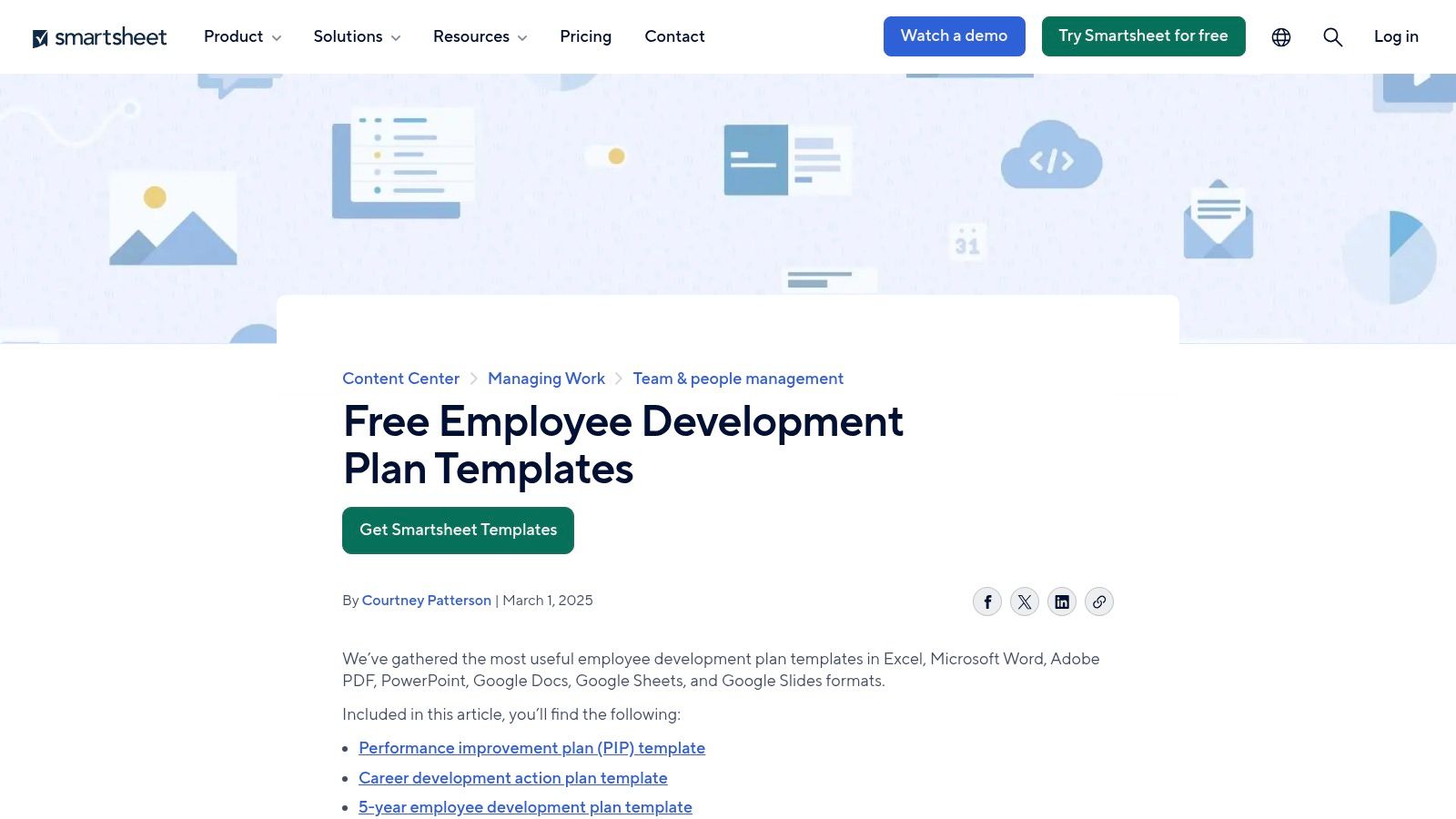
    A screenshot of the Smartsheet website showing a personal development plan template.

    Unlike platforms focused on design, Smartsheet’s strength is its functional structure. Templates include frameworks for performance improvement and career planning. Many are available for direct download, which is great for users in India wanting quick access to tools that help manage workplace stress and anxiety.

    Key Considerations

    The templates are free, but the website heavily promotes its paid software, which can be a bit distracting. The templates themselves are sometimes found within long articles, so finding the download link might take a moment.

    Best For: Professionals and HR managers who prefer spreadsheet-based, functional templates for goal tracking.

    Website: Smartsheet

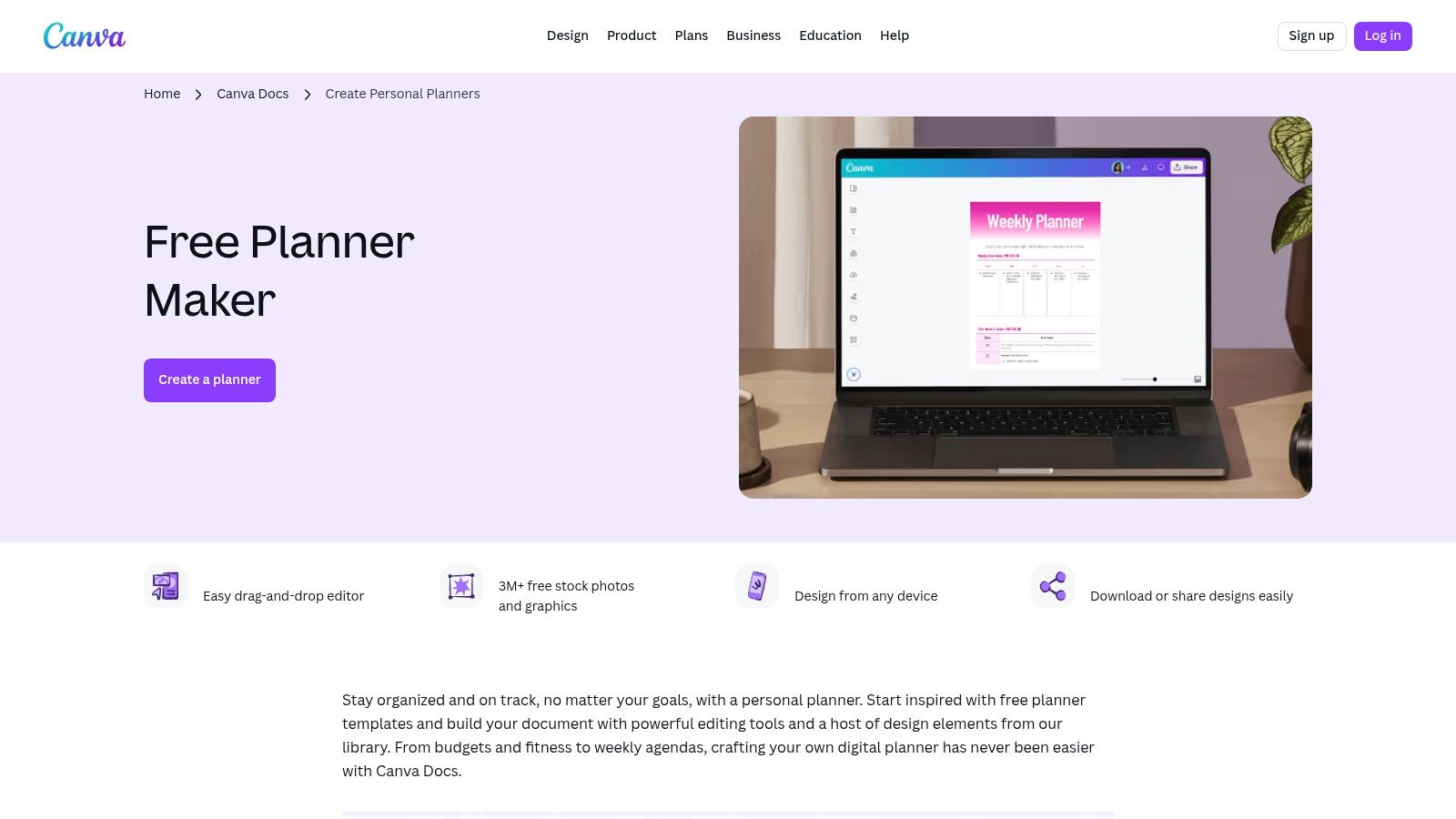
    3. Canva

    Canva helps turn a simple personal development plan template into a visually engaging and motivating document. It's a great choice if you want your plan to be both functional and beautiful. Its easy-to-use editor lets you customise layouts and add graphics to create a plan that truly inspires you.

    A screenshot of the Canva website displaying personal development plan templates.

    The platform offers a large library of templates, including planners and goal sheets. For users in India, Canva offers a smooth experience with local pricing. Its collaboration features also make it easy to share your plan with a mentor or through counselling, fostering a supportive environment for growth.

    Key Considerations

    The free version is very useful, but some premium designs and tools require a Pro subscription. Since the focus is on visuals, you might need to put a little extra thought into making the template practical for tracking your progress.

    Best For: Individuals who want a highly customisable, visually polished plan that can be easily shared or presented.

    Website: Canva

    4. ClickUp

    ClickUp changes the personal development plan template from a static page into a dynamic project. It offers a template within its project management platform, which is ideal for actively tracking your well-being goals. This approach helps you manage personal growth with the same focus as a professional project.

    The template includes helpful features like custom statuses to see if you're on track and fields for logging goals and wins. Its real strength is helping you take action. This is especially useful for professionals in India managing workplace stress by breaking down large goals into smaller, more achievable steps.

    Key Considerations

    Because the platform is so comprehensive, there can be a learning curve. To use the template, you need to use the ClickUp workspace, which might feel like too much if you just want a simple plan. The free version is generous, but advanced features require a paid plan.

    Best For: Individuals who prefer a task-based, highly organised system for continuous tracking and execution of their development goals.

    Website: ClickUp

    5. Miro (Miroverse templates)

    Miro offers an interactive way to create a personal development plan template. It uses digital whiteboards where you can visually map out your growth journey. This format is great for workshops, coaching, or manager-employee planning, turning the process into a real-time collaboration.

    The platform is designed for creative brainstorming and flexible planning. It's ideal for individuals in India and around the world who prefer a less rigid environment. Using tools like this can help build resilience and a shared sense of purpose in a team. You can also explore Miro's AI-powered capabilities for more ideas.

    Key Considerations

    The free-form style might feel unstructured for those who prefer a clear, spreadsheet-like format. While the free plan is good for individual use, extensive team features are part of the paid subscriptions. A stable internet connection is also needed for the best experience.

    Best For: Teams, mentors, and visual thinkers who want a collaborative and interactive planning experience.

    Website: Miro

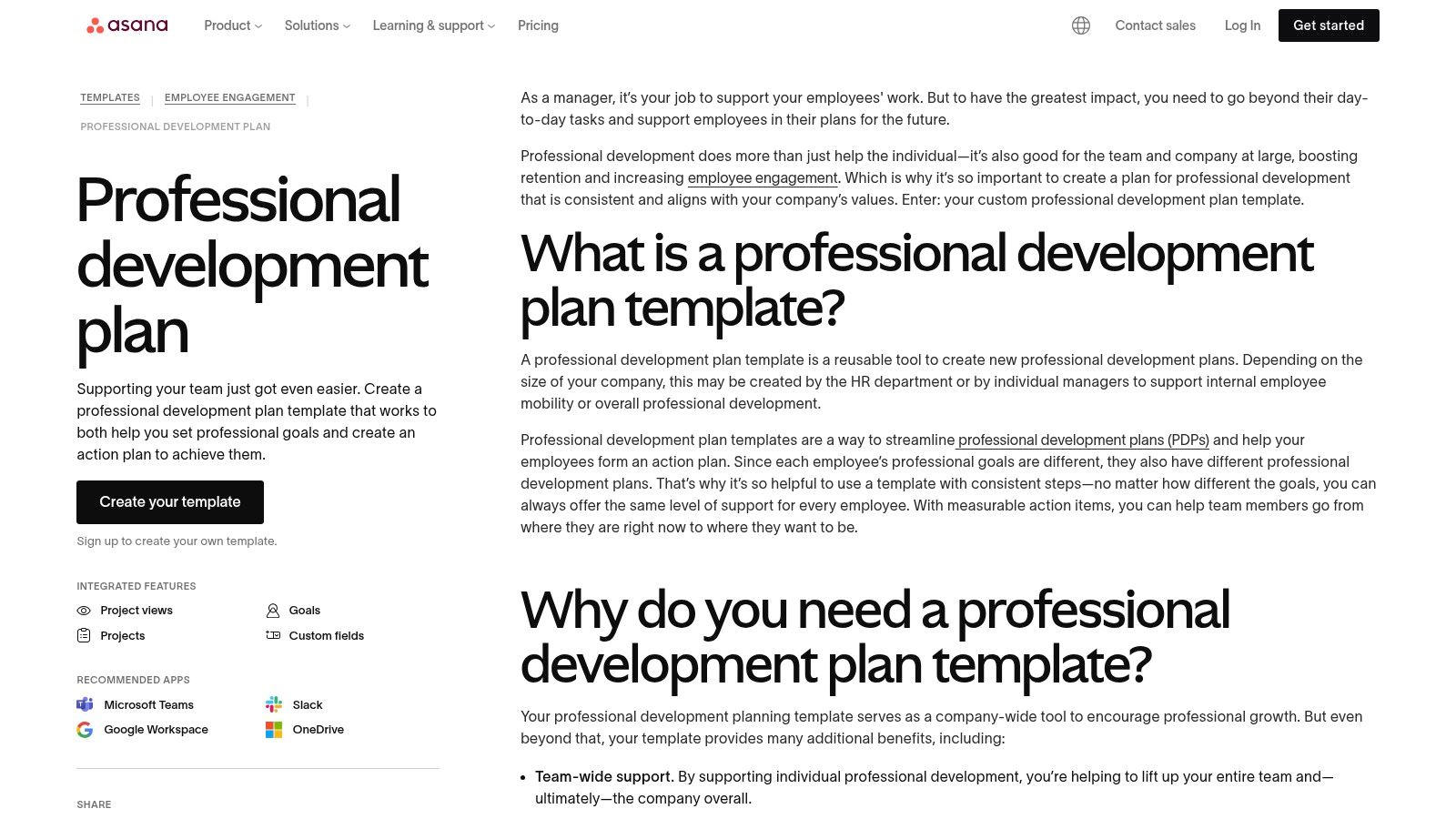
    6. Asana

    Asana helps turn personal development into an actionable project. Its personal development plan template is integrated into its task management system, making it great for professionals who already use Asana. Your plan becomes a dynamic project with tasks and due dates, perfect for structured growth.

    A screenshot of the Asana website showing its professional development plan template.

    This approach is very effective for tracking progress, especially in a professional setting. You can link your development plan to team goals or performance reviews, creating transparency. This organized method can help manage workplace stress by keeping everything in one place.

    Key Considerations

    To use the template, you must set up an Asana workspace, which might not be ideal for someone seeking a simple, standalone document. The platform is most beneficial when used with a team. The free plan is quite generous for individuals and small teams.

    Best For: Professionals and teams who want to integrate personal development directly into their project management workflows.

    Website: Asana

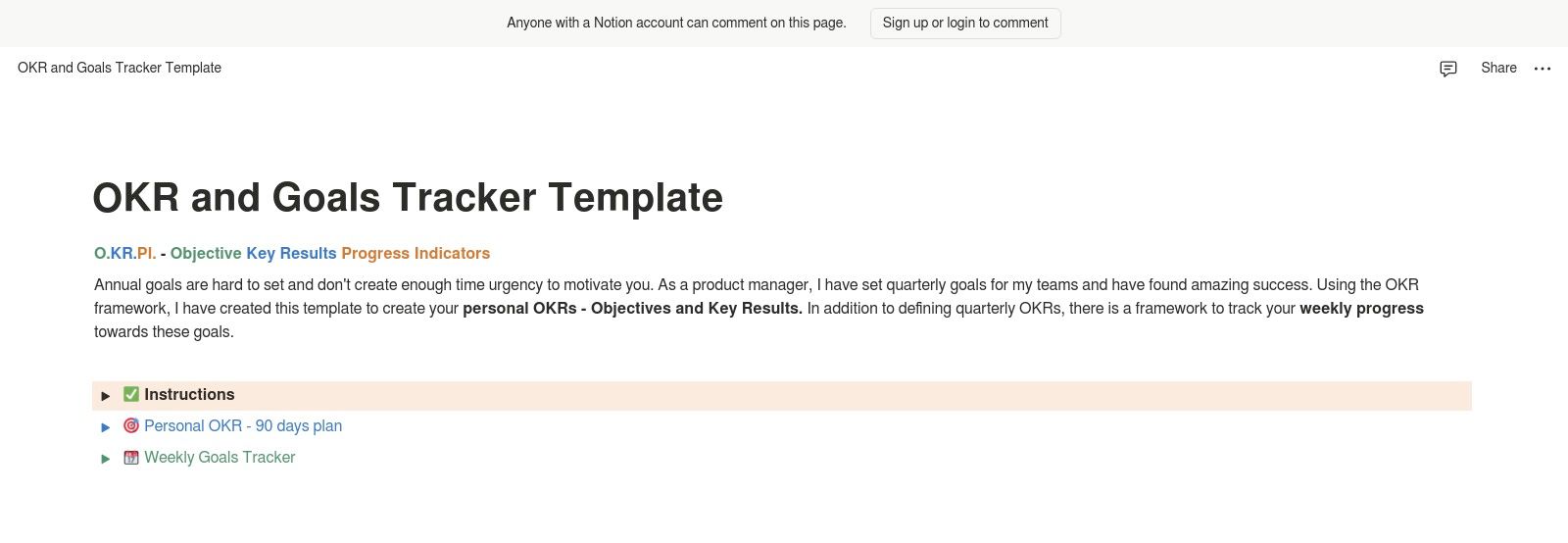
    7. Notion

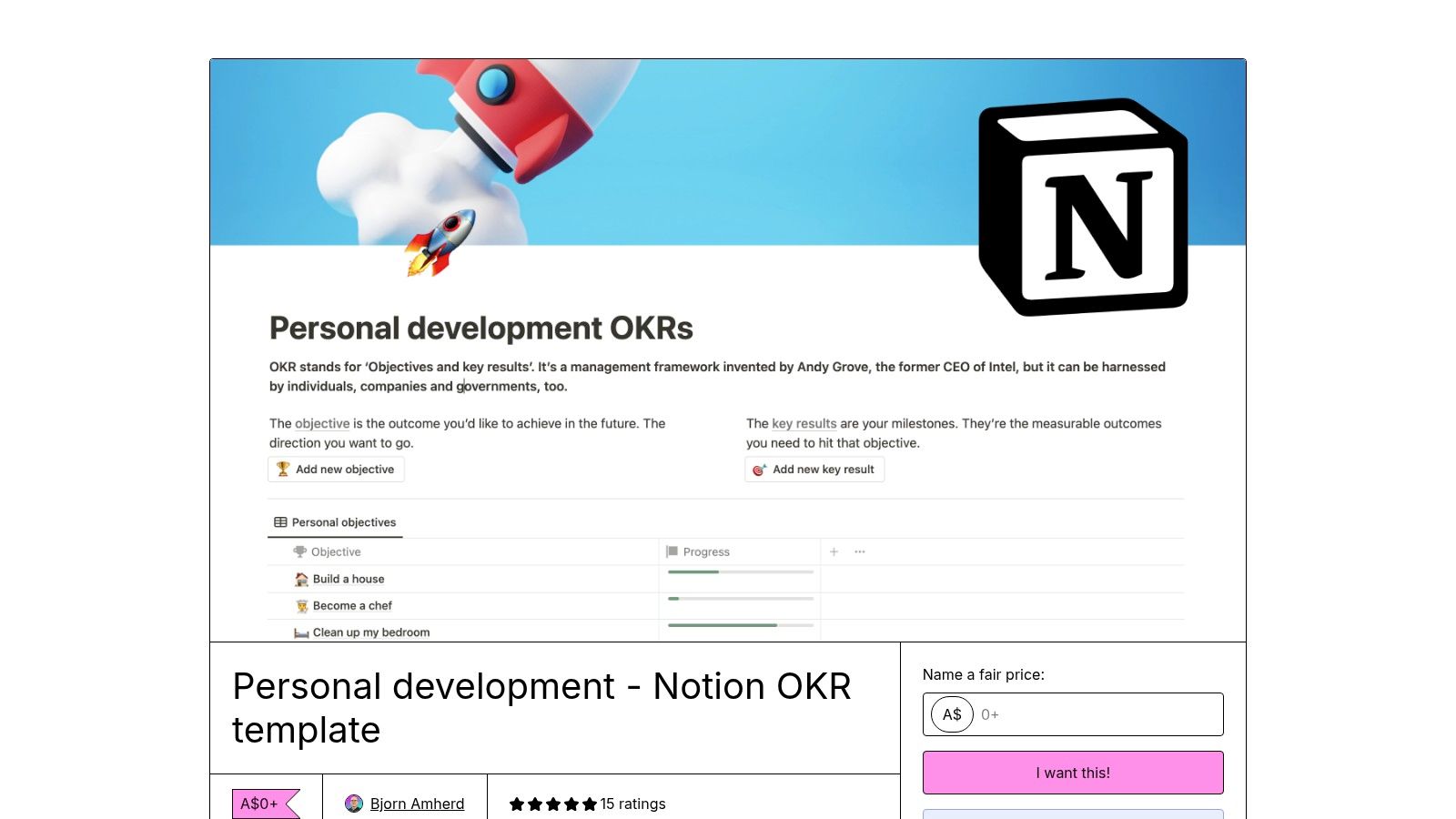
    Notion transforms a static personal development plan template into a flexible, all-in-one digital workspace. It allows you to build a completely customised system, linking goals to projects and daily habits. You can create interconnected pages for tracking objectives, making it a powerful tool for organising your life.

    A screenshot of a Notion workspace showing a goals and OKR tracker template.

    The platform has a strong community that shares many free goal-setting templates you can easily add to your workspace. For individuals in India who enjoy digital customisation, Notion’s free plan is often enough. This makes it a great choice for building resilience and an organised approach to growth.

    Key Considerations

    Notion's great flexibility comes with a steeper learning curve. You may need to invest some time upfront to understand how it works. It's less of a quick-download solution and more of a long-term tool for creating a personalised productivity and well-being hub.

    Best For: Tech-savvy users who want a highly customisable, integrated system to manage all aspects of their personal development.

    Website: Notion

    8. Etsy

    Etsy is a marketplace where independent creators offer unique and creative versions of a personal development plan template. These templates often feel more like guided workbooks, with sections for reflection and habit tracking. They are perfect for those who prefer a more holistic and visually appealing approach.

    The platform is excellent for users who want to print their plans or use them on a tablet. Most are instant digital downloads in PDF or Canva formats. The wide variety of styles, from minimal to colourful, makes it easier to find a template that supports your personal well-being journey.

    Key Considerations

    Since these are made by individual sellers, quality can vary. It’s a good idea to read descriptions and reviews before buying. Some templates might be more aesthetic than practical, so be sure it has the structure you need for your goals.

    Best For: Individuals who prefer a creative, printable, or digitally annotatable workbook-style planner.

    Website: Etsy

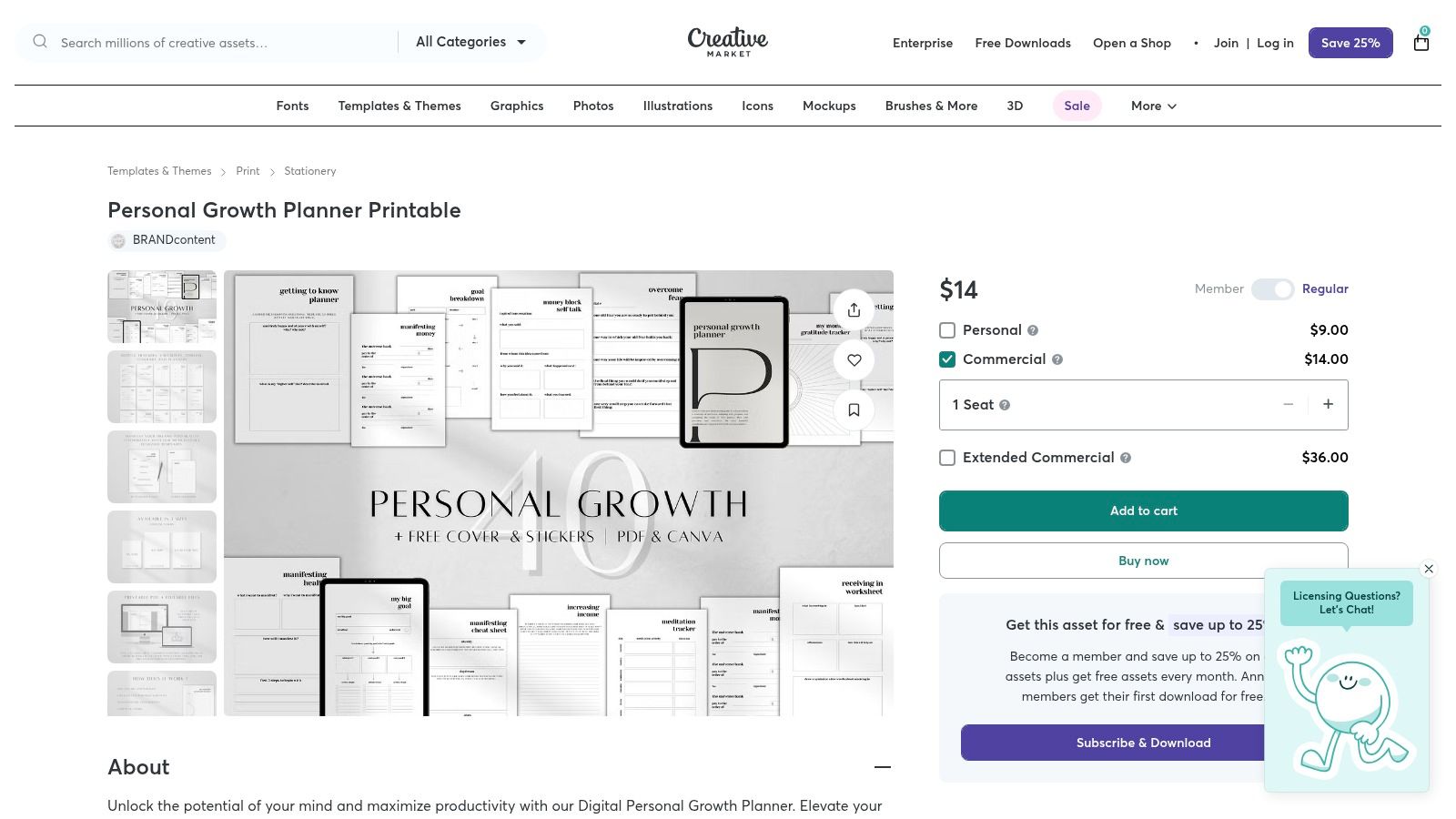
    9. Creative Market

    Creative Market is a digital marketplace for design assets, including polished and professional personal development plan template collections. It is an excellent resource for coaches, professionals, or small businesses who need a visually impressive template. Many are sold as comprehensive planner bundles, offering great value.

    A screenshot of the Creative Market website displaying a personal growth planner template.

    The platform provides editable source files, often for Canva, along with printable PDFs. This allows for deep customisation, which is ideal for client-facing work in counselling or corporate training. The one-time purchase model is clear, and it’s a good idea for users in India to check licence terms for commercial use.

    Key Considerations

    Since it’s a marketplace, quality and structure can differ. Some templates might focus more on appearance than on practical elements. Be sure to read the item description carefully to ensure it meets your needs for managing well-being and growth.

    Best For: Coaches, trainers, and professionals who need a customisable, design-forward template for client work.

    Website: Creative Market

    10. Gumroad

    Gumroad is a digital marketplace where creators sell their digital products directly. For those seeking a modern personal development plan template, it offers sophisticated systems, many designed for tools like Notion. You can find all-in-one dashboards that integrate goal setting, habit tracking, and journaling.

    A screenshot of a Gumroad product page showing a Notion-based personal development plan template.

    This platform is great for tech-savvy individuals in India and worldwide who want an instant and interactive solution. Products are delivered immediately after purchase. The variety is huge, from simple trackers to complex systems that help manage everything from workplace stress to personal well-being.

    Key Considerations

    As Gumroad is a marketplace, the quality and complexity can vary. It's important to check previews and user ratings before buying. While many options are affordable, their usefulness depends on your comfort with the platform they are built for, such as Notion.

    Best For: Users who prefer integrated digital systems within tools like Notion and want to support independent creators.

    Website: Gumroad

    11. AIHR (Academy to Innovate HR)

    AIHR (Academy to Innovate HR) offers a professional and structured personal development plan template. Grounded in HR best practices, this resource is perfect for professionals and managers. The template is evidence-based and guides you through identifying skills, setting clear goals, and defining actionable steps.

    The template is a free download in Word and PDF formats, making it easy to access. AIHR also provides detailed guides and examples to help you fill out the plan effectively. This extra context is very valuable for building resilience and skills in a professional environment.

    Key Considerations

    The templates are naturally designed for a professional context. If your focus is purely on personal well-being outside of work, you might need to adapt the language a bit. The core template is free, though the site also promotes paid courses.

    Best For: Professionals and team leaders who want a credible, HR-approved template for structured career and skill development.

    Website: AIHR

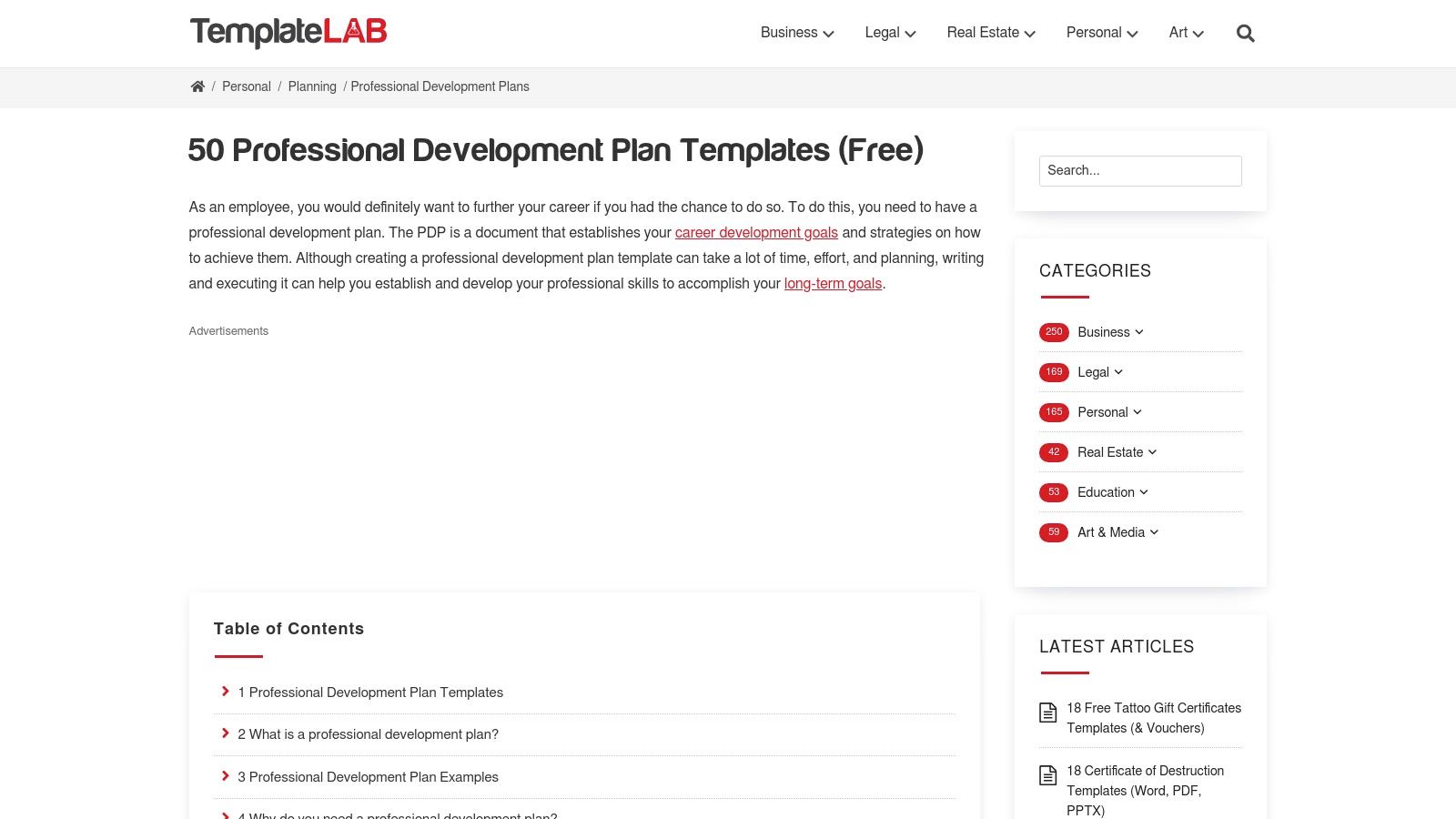
    12. TemplateLab

    TemplateLab is a great resource for a large collection of free personal development plan template options in Word and PDF. The platform allows users in India and worldwide to compare different formats quickly. You can find everything from simple forms to more detailed professional development plans.

    A screenshot of the TemplateLab website showing various professional development plan templates.

    The direct download model, with no sign-ups, is a big plus for efficiency. The site also offers SMART goal worksheets to help break down larger ambitions into manageable steps. The templates are simple Word forms, making them easy to adapt for your personal journey toward better well-being.

    Key Considerations

    TemplateLab focuses more on function than on visual design; many templates are quite basic. The website is also ad-supported, which can sometimes be a distraction as you search for the right tool to manage workplace stress and build resilience.

    Best For: Individuals who want to compare many different free PDP formats quickly before committing to one.

    Website: TemplateLab

    Personal Development Plan Templates: 12-Resource Comparison

    Provider Core features ✨ Experience & Quality ★ Price / Value 💰 Target audience 👥 Best for 🏆
    Template.net ✨ Wide PDP formats + online editor ★★★★☆ 💰 Freemium (downloads/subscription) 👥 Users wanting ready‑to‑use documents 🏆 Deep PDP template variety
    Smartsheet ✨ Spreadsheet templates & trackers ★★★★☆ 💰 Many free downloads; platform upsell 👥 HR teams & spreadsheet users 🏆 Practical trackers & HR frameworks
    Canva ✨ Drag‑drop visuals, collaboration ★★★★☆ 💰 Free / Pro for brand assets 👥 Presenters & visually oriented users 🏆 Polished, shareable PDPs
    ClickUp ✨ Task-based PDPs, automations ★★★★☆ 💰 Freemium (best with paid plan) 👥 People needing execution & monitoring 🏆 Ongoing tracking & reminders
    Miro ✨ Visual canvases + real‑time collab ★★★★☆ 💰 Free plan / paid team features 👥 Coaches, managers, workshop facilitators 🏆 Interactive planning workshops
    Asana ✨ Task owners, due dates, dashboards ★★★★☆ 💰 Free for small teams; paid tiers 👥 Teams integrating PDPs into workflows 🏆 Structured development conversations
    Notion ✨ Databases, relations, duplicable templates ★★★★☆ 💰 Free / Paid upgrades 👥 Power users who customize systems 🏆 Highly customizable all‑in‑one PDP
    Etsy ✨ Printable kits, guided prompts ★★★☆☆ 💰 Low‑cost one‑time purchases 👥 Users preferring printables/tablet use 🏆 Designer workbook styles
    Creative Market ✨ Polished printable + editable files ★★★★☆ 💰 One‑time purchases (varied price) 👥 Professionals needing branded assets 🏆 High‑quality, client‑ready templates
    Gumroad ✨ Creator‑made Notion/OKR templates ★★★★☆ 💰 Affordable/pay‑what‑you‑want 👥 Notion users & indie‑supporters 🏆 Quick plug‑ins & dashboards
    AIHR ✨ Evidence‑based IDP + guides ★★★★★ 💰 Free templates & examples 👥 HR professionals & L&D teams 🏆 HR‑aligned, best‑practice IDPs
    TemplateLab ✨ Large collection of Word/PDF samples ★★★★☆ 💰 Free downloads (ad‑supported) 👥 Users comparing multiple formats quickly 🏆 Fast access to many PDP structures

    Your Journey Forward: Embracing Growth with Self-Compassion

    Choosing to work on your personal development is an act of self-care and courage. This guide has shown a variety of resources, from structured tools like ClickUp to creative platforms like Canva. Each one can be a helpful companion on your journey toward greater well-being.

    There is no single "best" personal development plan template. The right tool is the one that fits your personality and goals. Your path is your own, and a template is just a guide to help you move forward with more clarity and intention.

    Choosing Your Guide: A Final Thought

    To choose the best template for you, consider what you need most:

    • For Visual Thinkers: If you are motivated by design and creativity, platforms like Canva, Miro, or Etsy will likely feel most comfortable. They help you build a plan that is inspiring to look at.
    • For Structure-Oriented Professionals: If you like organization and clear metrics, tools such as Smartsheet, ClickUp, or Asana are great choices. They help you manage workplace stress and career goals with precision.
    • For Ultimate Customisation: If you enjoy building your own systems, Notion offers incredible flexibility. It allows you to create a personalised dashboard for your professional goals and mental well-being practices.
    • For Simplicity and Ease: Sometimes, the simplest tool is the most effective. The easy-to-download documents from Template.net or TemplateLab offer a direct way to get your thoughts on paper and start taking action.

    Moving Forward with Kindness

    Remember, a personal development plan is a living document, not a rigid set of rules. Life is unpredictable, and it’s okay for your priorities to change. This is a sign of growth, not a setback. Challenges like stress, anxiety, or burnout are part of being human.

    Check in with your plan regularly and adjust it with self-compassion. This journey is about continuous learning and becoming more resilient, not about achieving perfection. The goal is sustainable well-being, and you deserve to treat yourself with kindness along the way.

    Your commitment to growth is a sign of your strength. By choosing a personal development plan template that feels right and approaching it with flexibility, you are setting yourself up for a more fulfilling life.


    If you feel overwhelmed while creating your plan, you don't have to navigate it alone. Assessments in these templates are informational, not diagnostic, but talking to someone can help. DeTalks offers a supportive space with professional therapy and counselling to help you build resilience, manage stress, anxiety, or feelings of depression, and align your actions with your values. Explore how guided support can enhance your journey at DeTalks.