Tag: therapy in India

  • Mind and Wellness: Your Ultimate Guide to Well-being

    Mind and Wellness: Your Ultimate Guide to Well-being

    Some days look fine from the outside. You answer messages, attend calls, help your family, study for exams, finish tasks, and still feel strangely tired inside. Your mind keeps running even when your body is sitting still.

    That quiet strain is common. In India, it may show up through workplace stress, exam pressure, family expectations, long commutes, social comparison, or the feeling that you always need to keep up. Anywhere in the world, the core experience is familiar. You want to feel steadier, clearer, and more like yourself.

    Mind and wellness begins there. Not with the idea that something is “wrong” with you, but with the simple truth that your inner life needs care, just like your physical health does. Therapy, counselling, rest, reflection, and healthy routines all belong in that picture.

    Your Journey into Mind and Wellness Begins Here

    A young professional finishes dinner, opens a laptop again, and tells himself he’ll only check one more email. A university student revises late into the night, but nothing seems to stay in memory. A parent holds everything together for everyone else, yet feels increasingly irritable and drained.

    These moments can look ordinary. They’re also signs that your mind may be carrying more than it can comfortably hold.

    A focused man looking at his smartphone screen while holding it in his hand near a laptop.

    When life feels full but you feel empty

    Many people think well-being only matters when there’s a crisis. That idea keeps people waiting too long. Mind and wellness is relevant when you're struggling, but it also matters when you’re functioning and still not feeling balanced.

    In daily life, stress rarely arrives with a label. It may look like short patience, shallow sleep, tension headaches, procrastination, overthinking, or losing interest in things you usually enjoy. Anxiety can feel like a mind that won’t switch off. Burnout can feel like caring has become heavy work.

    A helpful reframe: You don’t need to “hit rock bottom” before you start caring for your mental well-being.

    Why this matters in the Indian context

    India carries many strengths. Strong family networks, community ties, ambition, and adaptability help people get through difficult times. But those same environments can also make it hard to admit when you’re tired, low, or overwhelmed.

    A student may hear that everyone else is managing, so they should too. A working adult may worry that asking for therapy or counselling will be seen as weakness. Someone in a smaller town may not know where support is available at all.

    That’s why mind and wellness needs to be discussed in plain, practical language. It isn’t only about illness. It includes well-being, resilience, emotional balance, healthy relationships, purpose, and the ability to recover after hard days.

    A kinder starting point

    You don’t need to fix your whole life this week. You only need a starting point.

    That might mean noticing your patterns, improving sleep, talking to someone you trust, learning a simple breathing practice, or considering professional therapy if things feel stuck. Small steps count because the mind responds to repeated care more than dramatic effort.

    What is Mind and Wellness Really

    Mind and wellness is easier to understand if you stop thinking of it as a test you either pass or fail. It’s closer to caring for a garden. A garden doesn’t stay healthy because of one good day. It grows through regular attention.

    Some days your inner garden gets sunlight. That might come from rest, friendship, meaning, movement, or doing work that feels worthwhile. Other days, stress acts like harsh weather. If the pressure lasts too long, even strong roots can struggle.

    A diagram depicting the concept of mind and wellness illustrated as a garden with various cultivation techniques.

    Mental health and mental well-being aren’t identical

    People often use these terms as if they mean the same thing. They’re related, but not identical.

    Mental health is the broader area. It includes emotional functioning, distress, and clinically significant concerns such as anxiety or depression. Mental well-being is about how you’re living and feeling within that bigger picture. It includes steadiness, connection, self-respect, hope, and the ability to cope.

    A person can be free from severe distress and still feel flat, disconnected, or lost. Another person may face a challenge and still build resilience, meaning, and support around it. That’s why mind and wellness isn’t only about reducing pain. It’s also about growing strength.

    The five parts of the inner garden

    The garden analogy helps because wellness has several parts working together.

    • Roots of resilience help you stay grounded when life becomes demanding.
    • Nourishing soil comes from basics such as rest, routine, food, and recovery.
    • Blooming thoughts include self-talk, gratitude, perspective, and attention.
    • Weeding worries means noticing unhelpful patterns before they spread.
    • Sunlight of support comes from friendship, family, mentors, community, therapy, or counselling.

    If one area weakens, the whole system feels it. Poor sleep can reduce patience. Isolation can make stress feel louder. Constant self-criticism can shrink motivation.

    Wellness is active, not passive

    Many readers get confused here. They assume wellness is a mood. It’s not just a mood. It’s a set of habits, conditions, and relationships that support your mind over time.

    That includes basic things people dismiss because they seem too simple. Sleep is one of them. If you want a practical read on optimal sleep and wellness habits, that resource is useful because it connects rest with day-to-day functioning in a straightforward way.

    Wellness grows best when you stop asking, “What’s wrong with me?” and start asking, “What does my mind need more of, and what is draining it?”

    Positive psychology without toxic positivity

    Positive psychology doesn’t mean pretending everything is fine. It means paying attention to qualities that help people live well. Compassion. Purpose. Engagement. Gratitude. Healthy relationships. A sense that your efforts mean something.

    That matters because well-being isn’t the absence of struggle. It’s the presence of inner and outer supports that help you move through struggle without losing yourself.

    A good garden still gets storms. The difference is that it has roots, care, and room to recover.

    The Science Behind How You Feel

    Your feelings aren’t “all in your head” in the dismissive way people sometimes say it. Your mind and body constantly affect each other. That’s why workplace stress can tighten your shoulders, anxiety can upset your stomach, and low mood can make even small tasks feel heavy.

    The body reads emotional pressure as real pressure. If your nervous system keeps receiving signals that something is wrong, it stays alert for longer than is helpful. That can leave you tired, scattered, and emotionally thin.

    Your stress system can get stuck on high alert

    A useful analogy is a car alarm. It’s meant to switch on when there’s danger, then switch off once things are safe. Stress works in a similar way. It helps you respond to challenge.

    But chronic pressure can make that alarm overactive. Tight deadlines, exam stress, conflict at home, financial worry, and repeated sleep loss can all keep the system ringing. When that happens, concentration drops, patience shrinks, and recovery becomes slower.

    For many people in cities, this pattern feels normal because it’s common. But common doesn’t mean harmless.

    Why mood changes can feel so physical

    When stress rises, the body shifts resources toward survival. That’s useful in a short burst. Over time, though, you may notice headaches, body tension, shallow breathing, digestive discomfort, poor sleep, and forgetfulness.

    Low mood can work similarly. People often expect depression to look only like sadness. In real life, it may also look like numbness, low drive, slower thinking, or feeling disconnected from things that used to matter.

    In India, the National Mental Health Survey 2015-16 found that 23.6% of adults aged 18-39 suffer from depressive disorders, with higher prevalence in urban metro areas. The same verified data notes that teletherapy apps using CBT modules have demonstrated a 30-40% reduction in depression symptoms, highlighting why accessible support matters in daily life as well as crisis care, according to the mental wellness and technology discussion.

    The brain can learn new patterns

    Hope takes on a practical dimension. The brain isn’t fixed in the way people often fear. It adapts through repetition. When you practise calmer breathing, healthier thinking, better boundaries, or regular reflection, you’re not “just trying to feel better.” You’re training your system to respond differently over time.

    That ability to adapt is why small habits matter. A brief pause before reacting. A walk after work. Writing down one thought instead of believing it automatically. Speaking to a counsellor before stress becomes collapse. These actions look modest, but repeated patterns shape the mind.

    Why understanding the science reduces shame

    People often blame themselves for symptoms that are partly biological, partly emotional, and partly situational. They say, “Why can’t I handle this?” when the better question is, “What has my system been carrying?”

    Practical rule: If your reactions feel stronger than the situation seems to justify, don’t rush to judge yourself. Check your stress load, sleep, support, and recovery first.

    This matters for anxiety, burnout, and depression. Once you understand that your body may be responding to overload, your next step becomes clearer. You can begin to support your system rather than fight it.

    Practical Ways to Nurture Your Well-being Daily

    Daily well-being doesn’t usually come from one breakthrough moment. It comes from steady actions that lower pressure and increase support. The good news is that these actions can be simple.

    A cup of herbal tea next to a journal labeled Mindfulness and a book about wellbeing.

    Some people get discouraged because they think self-care must be elaborate. It doesn’t. A few minutes of attention done regularly is often more useful than a perfect routine you can’t maintain.

    Start with mindfulness in ordinary moments

    Mindfulness sounds abstract until you make it concrete. It means noticing what is happening right now without immediately judging it. You don’t need a special room, incense, or a silent mountain.

    Try this one-minute practice while sitting at your desk, on a train, or before sleep:

    1. Place both feet on the floor and relax your jaw.
    2. Inhale slowly and notice the air moving in.
    3. Exhale a little longer than you inhaled.
    4. Name what you feel in simple words such as “tense”, “tired”, “rushed”, or “sad”.
    5. Ask one gentle question. “What do I need in the next ten minutes?”

    That last step matters. Awareness becomes useful when it leads to care.

    A simple CBT method for difficult thoughts

    Cognitive Behavioural Therapy, often shortened to CBT, helps people examine the link between thoughts, feelings, and actions. You don’t need to turn into your own therapist, but one technique is especially helpful in daily life.

    Use a small three-part note in your phone:

    Situation Automatic thought Balanced response
    Missed a deadline “I ruin everything” “I missed one deadline. I can apologise, reset, and plan better”

    This doesn’t mean forced positivity. It means accuracy. Many anxious and depressed thoughts are harsh, sweeping, and incomplete.

    When you write them down, they lose some of their power. You start seeing the difference between a feeling and a fact.

    Protect sleep like it matters, because it does

    When sleep slips, almost everything feels harder. Focus weakens. Emotions become sharper. Minor problems start feeling large.

    A realistic sleep routine doesn’t have to be perfect. What helps is consistency. Try dimming screens before bed, keeping a similar sleep time on most days, and avoiding the habit of carrying work into the final minutes before sleep if you can.

    For students and professionals, this often means accepting one difficult truth. Late-night productivity can turn into next-day anxiety.

    If your mind gets loud at night, don’t argue with every thought. Park it on paper. A short note such as “I’ll revisit this tomorrow” can help the brain stand down.

    Use movement as mental recovery

    Exercise is often presented as a body goal. It’s also a mind tool. You don’t need a gym plan to benefit.

    A brisk walk after a workday can help your system shift out of pressure mode. Gentle yoga in the morning can reduce stiffness and create a calmer start. Climbing stairs, stretching between meetings, and walking during phone calls all count.

    The key is to stop treating movement as something that only matters if it’s intense. For well-being, regularity beats drama.

    Build resilience through people, not just habits

    Resilience is often misunderstood as “handling everything alone.” In practice, people become more resilient when they feel supported.

    That support can take different forms:

    • A friend who listens without trying to solve everything.
    • A family member who respects your need for quiet time.
    • A colleague who helps reduce workplace stress by sharing load fairly.
    • A support group or counsellor who offers structure when emotions feel tangled.

    Many people wait until they feel better before reconnecting. Try the opposite. Gentle connection often helps create the very energy you think you need first.

    Here’s a grounding resource to follow along with if you want a pause in the middle of a demanding day:

    A realistic daily reset

    Not every day needs a full wellness routine. A reset can be small and still useful.

    • Morning check-in
      Before touching your phone, ask how your body feels. Tired, calm, tense, heavy, restless. This builds awareness before the day starts making demands.

    • Midday pause
      Step away from your screen for a few minutes. Breathe, stretch, drink water, and soften your shoulders.

    • Evening closure
      Write down what is unfinished. Your brain rests better when it knows tasks have somewhere to go.

    • One kind action toward yourself
      Make tea. Take a short walk. Say no to one non-essential demand. Text someone safe. Read a few pages instead of doom-scrolling.

    When daily care feels hard

    If these practices sound simple but still feel difficult, that doesn’t mean you’re failing. It may mean you’re already depleted. Start smaller.

    Some days “wellness” means taking a shower, eating something nourishing, and asking for help. That still counts. Consistency grows from compassion, not self-criticism.

    Recognising When to Seek Professional Support

    There’s a point where self-help stops being enough on its own. That point isn’t a personal weakness. It’s information.

    If your distress keeps returning, lasts for weeks, affects work or study, strains relationships, or makes daily tasks feel unusually hard, professional support may help. Therapy and counselling create a structured space that friends and family usually can’t provide.

    Signs that deserve attention

    People often wait for dramatic warning signs. More often, the signs are gradual.

    You might notice:

    • Sleep changes such as trouble falling asleep, waking often, or sleeping but not feeling rested
    • Appetite or energy shifts that feel unusual for you
    • Social withdrawal because conversation, calls, or even simple replies feel draining
    • Persistent anxiety that doesn’t settle after the stressful event has passed
    • Low mood or numbness that makes joy, motivation, or concentration harder to access
    • Burnout signs such as cynicism, emotional exhaustion, or feeling unable to cope with normal responsibilities

    None of these automatically confirms a diagnosis. They are signals worth listening to.

    Why many people delay getting help

    In India, barriers can be practical and emotional at the same time. Some people fear stigma. Some worry about what family members will think. Others do not know how to find the right therapist, especially outside major cities.

    Verified data notes that over 65% of India’s population resides in rural areas, and 80-85% of individuals with common mental disorders receive no treatment, which shows how large the access gap still is, as discussed in the piece on addressing the mental health needs of underserved populations.

    That’s one reason accessible and tech-enabled support matters. It reduces the distance between recognising a problem and acting on it.

    Reaching out early often makes care feel less overwhelming. You don’t need to wait until life becomes unmanageable.

    Counselling, therapy, and psychiatry

    These terms can feel confusing, so here’s a simple distinction.

    Type of support What it often helps with
    Counselling Stress, decision-making, relationship strain, adjustment issues, coping skills
    Therapy Deeper emotional patterns, anxiety, depression, trauma, burnout, behaviour change
    Psychiatry Medical evaluation, diagnosis, and medication when needed

    In real life, these categories can overlap. A counsellor may help with anxiety management. A therapist may work on trauma or long-term patterns. A psychiatrist may become part of care when symptoms are severe, persistent, or biologically driven.

    What if you’re still unsure

    Uncertainty is normal. You don’t need perfect clarity to ask for support.

    A good first question is simple: “Is what I’m feeling affecting how I live?” If the answer is yes, a professional conversation can help you understand what’s happening and what kind of support fits best.

    How Assessments and Therapy Can Guide You

    Many people want support but don’t know where to begin. They don’t have the words for what they’re experiencing. They may know they’re struggling with anxiety, workplace stress, low motivation, attention difficulties, or emotional overload, but they’re unsure what kind of help fits.

    That’s where assessments can be useful. Not as labels. Not as self-diagnosis. As informational tools that organise your experience and give you a starting point.

    A therapist shows a mood assessment and progress chart on a tablet to a patient in therapy.

    What assessments can do well

    A thoughtful screening tool can help you notice patterns you may have normalised. It can show whether your stress seems situational, whether your mood has been consistently low, whether your attention difficulties deserve a deeper look, or whether burnout signs are building.

    That kind of insight can make the next step less intimidating. Instead of saying, “I feel bad and I don’t know why,” you can say, “My responses suggest stress, anxiety, or attention-related concerns are worth discussing.”

    If you want a plain-language overview of what a mental health assessment can involve, that guide is a useful starting read.

    Important limits to remember

    Assessments are helpful, but they aren’t the final word. They are informational, not diagnostic.

    A score or screening result should guide a conversation, not replace one. Context matters. Your sleep, health, grief, workload, family situation, and personal history all shape how symptoms appear.

    Keep this in mind: An assessment can point you in a direction. A qualified professional helps you understand the map.

    Why this matters for students and young adults

    This is especially relevant for younger people who may confuse chronic stress with a personality flaw. Verified data states that anxiety disorders affect 6.8% of university students in India, linked to academic pressures, and notes that evidence-based tools such as the Adult ADHD Self-Report Scale (ASRS-v1.1) can help identify at-risk individuals and guide them toward coaching or psychiatric support, according to the NIMH overview of ADHD.

    A student who keeps saying “I’m lazy” may actually be overwhelmed, anxious, distracted, sleep-deprived, or dealing with attention concerns. An assessment can help separate shame from useful information.

    How therapy uses that insight

    Therapy becomes more effective when the starting point is clearer. If your main issue is workplace stress, therapy may focus on boundaries, nervous system regulation, and thought patterns around pressure. If your concern is depression, the work may centre on activation, self-talk, grief, motivation, and support. If your challenge is attention, the plan may include behavioural strategies, routines, and further evaluation.

    The value isn’t in being categorised. It’s in being understood more accurately.

    For many people, the process becomes less frightening when broken into steps:

    1. Notice a pattern that keeps affecting daily life.
    2. Use an assessment for structured insight.
    3. Discuss the results with a qualified professional.
    4. Choose the right support, whether that’s counselling, therapy, coaching, or psychiatry.

    That path is far more approachable than guessing alone.

    Supportive Takeaways for Your Wellness Journey

    Mind and wellness isn’t a finish line. It’s an ongoing relationship with yourself. Some weeks you’ll feel steady and open. Other weeks you may feel anxious, low, stretched thin, or unsure. Both belong to a human life.

    What matters most is how you respond. A little more honesty. A little more rest. A little more compassion. A little more willingness to ask for support before things become too heavy.

    You don’t need to master every technique in this article. Start with one. Protect your sleep. Name what you feel. Question one harsh thought. Take a short walk. Reply to the friend you trust. Consider counselling or therapy if your stress, anxiety, depression, or burnout keeps interrupting your life.

    There’s strength in paying attention to your inner world. There’s resilience in learning what supports your well-being. And there’s wisdom in accepting that self-awareness and support often work better together than either one alone.


    If you’re ready to take a gentle next step, DeTalks can help you explore therapy, counselling, and science-backed assessments in one place, so you can better understand what you’re feeling and find support that fits your needs.

  • Reactive Depression ICD 10: Symptoms & Support

    Reactive Depression ICD 10: Symptoms & Support

    Some evenings, the mind does not feel sad. It feels bruised.

    A job ends unexpectedly. A relationship breaks down. Conflict at home stretches on for weeks. You keep telling yourself to stay strong, but your body feels heavy, sleep changes, and even small tasks begin to feel like climbing a hill.

    Many people in this situation wonder, “Is this normal stress, burnout, anxiety, or something more?” That question is reasonable. When emotional pain follows a major life event, the term reactive depression often comes up. It is a common phrase, but the clinical language around it can feel confusing, especially when you see terms like ICD-10, F32, or F43.21 on reports or insurance paperwork.

    This guide is here to make that language easier to understand. It is educational, not diagnostic. If you recognise yourself in these patterns, that does not mean you should label yourself. It means your experience deserves care, clarity, and support.

    Feeling Overwhelmed After a Life-Changing Event

    One morning after a job loss, a person may wake up and notice that nothing feels simple anymore. Getting out of bed takes effort. Messages stay unanswered. The mind keeps returning to the same question: “Why am I not coping better than this?”

    That reaction can feel frightening, especially when other people treat the event as something you should “move on” from quickly. Yet emotional strain after a major life change is a human response, not a character flaw.

    A young man sits by a window during a rainy day, looking down with a contemplative expression.

    In India, this question matters for many families. The National Mental Health Survey has reported that depressive disorders affect a meaningful share of young and middle-aged adults, with patterns that differ between urban and rural settings. That broader picture helps explain why distress after work pressure, loss, conflict, or sudden change deserves attention rather than dismissal.

    When pain follows an event

    Sometimes the link is clear. A breakup is followed by weeks of crying and poor sleep. A parent’s illness brings constant dread and mental exhaustion. A humiliating experience at work leaves someone withdrawn, tense, and unable to focus.

    Common triggers include:

    • Work stress: job loss, burnout, harassment, public criticism, or ongoing insecurity
    • Relationship disruption: separation, divorce, betrayal, or repeated conflict at home
    • Family strain: caregiving pressure, grief, financial stress, or heavy expectations
    • Life upheaval: relocation, medical illness, exam setbacks, or a sudden change in routine

    The trigger does not make the suffering less real. It gives the suffering context. That distinction matters because many people hear the word “reactive” and mistakenly assume it means “mild” or “temporary.” It may be temporary for some people, but the impact can still be intense and disabling while it lasts.

    Why this feels so confusing

    People often judge themselves harshly when they can identify the cause of their distress. They may think, “If I know what started it, I should be able to control it.”

    The mind does not work like a switchboard.

    A better comparison is a body reacting to an injury. If you twist your ankle, knowing how it happened does not cancel the swelling. In the same way, a painful event can strain your emotional system beyond its usual coping capacity. Sleep changes, concentration drops, confidence shrinks, and everyday tasks begin to feel heavier than they used to.

    Key takeaway: Struggling after a major life event can be a sign that your coping system is overloaded, not that you are weak.

    Why this section matters for ICD 10 confusion

    Many people in India search for “reactive depression ICD 10” because they are trying to connect everyday language with what appears on medical records, insurance papers, or psychiatric notes. That is a reasonable concern. A person may describe their experience as depression after a stressful event, while a clinician may record it under a more specific ICD 10 category.

    Understanding the life event comes first. The coding comes later.

    That is why it helps to start here, with the lived experience. If your symptoms began after a clear stressor and your daily functioning has started to slip, that pattern deserves careful assessment and support. The next step is learning how common language such as “reactive depression” maps to official ICD 10 terms used in India.

    What Is Reactive Depression Really

    The phrase reactive depression sounds official, but it is best understood as a descriptive term. People use it to describe depression symptoms that seem to arise in response to something that happened.

    Consider this: a body reacts to an injury. If you sprain your ankle, swelling appears because something strained the tissue. Emotional life can work in a similar way. A breakup, job loss, family conflict, or prolonged workplace stress can trigger a strong psychological reaction.

    More than sadness

    Sadness is a human emotion. Reactive depression usually refers to something broader.

    A person may feel low, but also notice:

    • trouble sleeping
    • fatigue that does not lift with rest
    • reduced interest in daily life
    • frequent crying or emotional numbness
    • difficulty concentrating
    • self-blame, guilt, or hopeless thoughts

    The key feature is the connection to a stressor. The reaction is not random. It appears in the context of something difficult, painful, or destabilising.

    Why the term is still useful

    Even though clinicians may not write “reactive depression” as a standalone diagnosis, the phrase helps many people make sense of what they are experiencing. It says, in clear language, “This emotional pain may be related to what happened.”

    That can be relieving. It gives context without minimising suffering.

    In India, questions about this topic are rising. One source notes a 40% surge in teletherapy queries about reactive depression, often tied to workplace harassment and family conflict, and also reports that an AIIMS 2025 finding described brief CBT showing 60% efficacy for such cases (Blueprint AI article). Because those figures are reported in a future-dated source, it is safer to treat them as emerging claims rather than settled current facts.

    What it does not mean

    Reactive depression does not mean your distress is “just in your head.”
    It does not mean you are overreacting.
    It does not mean you will always feel this way.

    It means an external situation may have pushed your internal coping system beyond its current capacity.

    Where anxiety and burnout fit in

    For many people, the picture is mixed. They do not feel only depressed. They also feel anxious, irritable, mentally exhausted, and emotionally flat.

    That overlap is common in real life. A person dealing with reactive depression may also experience:

    • Anxiety: racing thoughts, dread, restlessness
    • Burnout: detachment, low motivation, emotional exhaustion
    • Stress overload: headaches, muscle tension, poor sleep, low patience

    This is one reason proper assessment matters. Different symptoms can look similar from the outside, but support works best when the pattern is understood clearly.

    Helpful frame: The term “reactive” points to a trigger. It does not reduce the seriousness of your symptoms. It helps explain why they may have started.

    Decoding Reactive Depression and the ICD 10 Codes

    Many people get stuck at this point. They hear the phrase reactive depression, then see a code like F32 or F43.21 and wonder whether these mean the same thing.

    The short answer is this. Reactive depression is not a separate standalone ICD-10 diagnosis. In ICD-10 language, clinicians usually map that experience to a code based on the type, severity, timing, and duration of symptoms.

    Infographic

    The broad ICD 10 picture

    One source summarising ICD-10 guidance explains that reactive depression is included under F32 (Depressive episode) and F33 (Recurrent depressive disorder) rather than given its own unique code (SimplePractice overview).

    Another commonly used mapping is F43.21, which refers to adjustment disorder with depressed mood in ICD-10-CM style clinical use. This is often the closest fit when symptoms are clearly tied to a recent stressor and follow a shorter stress-related course.

    When F43.21 is often considered

    A clinician may think about F43.21 when a person develops depressed mood after something identifiable, such as unemployment, separation, relocation, or conflict.

    According to the clinical summary used in the India-focused material, this diagnosis generally requires symptoms to appear within 3 months of a stressor and last no more than 6 months after the stressor ends. The same source reports a 28% prevalence of F43.21 among professionals facing workplace stress, with 72% showing full remission after 8 to 12 sessions of problem-focused therapy (Carepatron overview).

    In simple terms, this code is often used when the emotional reaction is clearly linked to life circumstances and has not grown into a longer, broader depressive pattern.

    When F32 codes may fit better

    If symptoms are stronger, more disabling, or meet full criteria for a depressive episode, clinicians may map the presentation to the F32 range instead.

    The source above also notes that reactive depression is often mapped to ICD-10 codes like F32 or F43.21, depending on the person’s presentation. In practice, that means the trigger still matters, but the clinician looks closely at the depth of symptoms and their effect on functioning.

    A depressive episode can include low mood, reduced energy, sleep problems, poor concentration, guilt, and marked loss of interest. If those symptoms are intense enough, the coding may move from adjustment-related language to depressive episode language.

    Where F33 comes in

    F33 is used when depressive episodes are recurrent. If a person has repeated episodes over time, and there is no history of mania, this category may be more appropriate than a single-episode code.

    That is one reason reactive depression icd 10 can feel confusing. The everyday phrase focuses on the trigger. ICD-10 coding focuses on the full clinical pattern.

    A side-by-side comparison

    Criterion Adjustment Disorder with Depressed Mood (F43.21) Reactive Depressive Episode mapped to F32.x Major Depressive Disorder (MDD)
    Main link Clear response to an identifiable stressor May begin after a stressor but meets depressive episode coding Not necessarily tied to a specific event
    Timing Often begins within 3 months of the stressor Can follow a stressor, but coding depends on symptom pattern Timing varies
    Duration Usually resolves within 6 months after the stressor ends Depends on clinical course and severity Can persist or recur
    Clinical focus Stress-response pattern Depressive episode severity Full depressive syndrome
    Common question “Is this mainly a reaction to what happened?” “Are symptoms severe enough for an F32 episode code?” “Is this depression beyond a stress-linked reaction?”

    This table simplifies things. Real diagnosis depends on a full professional assessment, not self-labelling.

    Why coding matters to patients

    ICD-10 codes are not there to define your identity. They help clinicians communicate clearly, plan treatment, and handle records or claims.

    For a concerned individual, the practical point is this:

    • F43.21 often points to a stress-linked adjustment picture
    • F32.x often points to a depressive episode
    • F33.x often points to recurrent episodes

    A clinician does not choose between them casually. They ask when symptoms started, what triggered them, how severe they are, and how much they affect work, relationships, sleep, and day-to-day functioning.

    A reassuring reminder: A code is a clinical shorthand, not a verdict on your future. The most important question is not “Which number am I?” but “What kind of support will help me recover?”

    Recognising the Signs in Yourself and Others

    Sometimes the signs are loud. More often, they are subtle.

    A person keeps going to work but stops laughing. They answer messages later and later. Meals become irregular. Their face looks tired even after a full night in bed.

    Two young women sitting in a café engaged in an emotional and serious conversation with concerned expressions.

    Emotional signs

    Emotions often shift first.

    You might notice:

    • Persistent low mood: not just upset, but weighed down for days or weeks
    • Irritability: snapping more easily, especially with loved ones
    • Tearfulness: crying suddenly, or feeling close to tears often
    • Emotional numbness: not feeling much at all, even when you want to

    A common example is someone who says, “I know this should matter to me, but I feel blank.” Numbness is still distress.

    Thinking changes

    Depression and anxiety often affect the mind’s “processing speed.”

    People may describe:

    • forgetting small things
    • rereading the same email several times
    • struggling to make simple decisions
    • harsh self-talk such as “I’m failing” or “I’m a burden”

    This is especially noticeable during workplace stress. A capable professional may suddenly find routine tasks exhausting, then feel ashamed for not performing as before.

    Physical signals

    Mental health is never only mental. The body often carries part of the story.

    Common changes include:

    • sleep becoming lighter, broken, or too long
    • appetite increasing or dropping
    • ongoing fatigue
    • heaviness in the chest or limbs
    • headaches or tension linked to stress and anxiety

    These symptoms can make people think they only need more rest. Rest helps, but when the root issue is emotional overload, rest alone may not be enough.

    A short video can help put these patterns into words:

    Behavioural changes

    Often, other people spot behaviour shifts before the person does.

    Look for patterns such as:

    • Withdrawal: avoiding calls, cancelling plans, staying isolated
    • Loss of interest: hobbies, music, exercise, prayer, or social connection no longer feel meaningful
    • Reduced self-care: bathing less, skipping meals, neglecting routine tasks
    • Overworking or shutting down: some people become busier to avoid feelings, while others freeze

    When to take signs seriously

    Take these signs seriously when they persist, intensify, or begin affecting functioning.

    Warning signs include:

    • work or study performance dropping sharply
    • frequent hopelessness
    • feeling trapped
    • thoughts that life is not worth continuing

    If someone expresses suicidal thoughts or immediate danger, seek urgent local emergency support right away and contact a trusted person nearby.

    Gentle guidance: You do not need to wait until things become unbearable to ask for help. Early support is often kinder and more effective than waiting for a crisis.

    Understanding Your Experience with Assessments

    When feelings are tangled, a structured assessment can act like a torch. It does not solve the whole problem, but it can help you see what is going on more clearly.

    That matters because emotional distress is often messy. People use words like stress, anxiety, burnout, or depression interchangeably, even when their experiences differ.

    A woman sitting in a comfortable chair using a digital tablet to fill out an online form.

    What assessments can do

    Psychological screening tools such as the PHQ-9 and GAD-7 are commonly used to organise symptoms into a clearer picture. They can help you notice severity, frequency, and overlap between depression and anxiety.

    These tools are useful because many people minimise their distress. Others fear they are “making it up.” Seeing answers laid out in a structured format can create a more honest conversation with yourself.

    A broader self-check like the Depression Anxiety Stress Scale Test can also help you reflect on whether your main struggle feels more like anxiety, low mood, stress overload, or a combination.

    What assessments cannot do

    This part is important. Assessments are informational, not diagnostic.

    A questionnaire cannot capture every detail of grief, trauma, family pressure, sleep problems, physical illness, or the context behind a life event. It can suggest patterns. It cannot replace a trained clinician’s judgement.

    That is why a screening result should be treated as a conversation starter, not a final label.

    Why early screening matters

    Early clarity can make support easier to access. The India data summarised from the National Mental Health Survey reports 4.5% prevalence of depressive disorders in adults aged 18 to 39, and the same source notes that the likelihood of remission within 6 months is 30% higher when psychosocial interventions are started early for reactive episodes (TheraPlatform summary).

    That does not mean a questionnaire alone changes outcomes. It means early recognition can help people reach therapy, counselling, and coping support sooner.

    How to use results wisely

    A simple approach works well:

    1. Answer truthfully
      Do not answer based on how you think you should feel. Answer based on the last days or weeks.

    2. Notice patterns, not just scores
      Are sleep, motivation, concentration, and anxiety all shifting together? Is there a clear link to a recent stressor?

    3. Take the results into therapy or counselling
      A professional can help interpret what the pattern means in context.

    4. Repeat only if useful
      Rechecking after some time can show whether well-being is improving, stable, or worsening.

    Practical tip: If a self-assessment result worries you, do not panic and do not ignore it. Treat it as a prompt to speak with a mental health professional.

    Pathways to Healing and Building Resilience

    A lot of people reach this stage feeling confused by two questions at once. “Why am I feeling this bad after what happened?” and “What kind of help fits this?”

    If you have been using the everyday term reactive depression, it can help to know that treatment is guided less by the label itself and more by the full picture. Clinicians look at the trigger, the symptoms, how long they have lasted, and how much daily life has been affected. That is the practical bridge between common language and ICD-10 diagnosis. A stress-linked reaction may be understood differently from a depressive episode, even if both feel heavy from the inside.

    Therapy should match the story, not just the symptoms

    If low mood began after a breakup, loss, humiliation, family conflict, job stress, or another major life change, therapy usually works best when it addresses both the event and its emotional aftershocks.

    Several approaches can help:

    • Cognitive Behavioural Therapy
      CBT helps you notice thought patterns that make pain feel larger, such as self-blame, hopeless predictions, or harsh comparisons. Then it helps you test those thoughts and build steadier habits.

    • Problem-focused therapy
      This approach can help when part of the distress comes from a situation that still needs action. For example, housing stress, workplace conflict, caregiving strain, or financial pressure.

    • Supportive counselling
      Sometimes the mind settles only after it feels heard. A calm, respectful space can reduce shame and help you make sense of what happened.

    Good therapy is not about forcing a neat explanation. It works more like sorting a tangled drawer. You slowly separate grief, stress, fear, anger, exhaustion, and depression so the problem becomes clearer and more treatable.

    Self-checks can guide the next step

    Many people want something concrete before booking help. A screening tool can offer that first bit of structure. The Depression Anxiety Stress Scale Test is one example people use to notice whether sadness, worry, and stress are rising together.

    That kind of test cannot diagnose you, and it cannot assign an ICD-10 code. A clinician does that by looking at context. Still, a careful self-check can make it easier to explain what has been happening when you speak to a psychologist, counsellor, or psychiatrist.

    Daily routines help the nervous system recover

    After a stressful life event, the body often stays on alert. Sleep changes. Appetite shifts. Concentration becomes patchy. You may feel flat one hour and overwhelmed the next.

    Simple routines can act like repeated signals of safety:

    • sleeping and waking at roughly similar times
    • eating regular meals, even if appetite is low
    • doing gentle movement such as walking, stretching, or yoga
    • staying in touch with one safe person instead of isolating completely

    These supports do not replace therapy. They make recovery easier to hold.

    Resilience grows in small, believable ways

    People sometimes hear the word resilience and assume it means being strong all the time. In mental health care, it means something gentler. It means recovering bit by bit without expecting yourself to be untouched by pain.

    That may include:

    • noticing one part of the day that feels slightly easier
    • speaking to yourself with less blame
    • returning to values like family, faith, honesty, creativity, or service
    • remembering earlier periods you survived, even imperfectly

    If self-criticism is loud, try a simple question: “What would I say to someone I love if they were going through this?”
    Then borrow that tone for yourself.

    You might say:

    • “This has been a lot.”
    • “I am hurting, and I still deserve care.”
    • “I can handle today before I handle next month.”

    Medication can be one part of care

    Some people improve with therapy, rest, support, and time. Others need medication too, especially if symptoms are severe, prolonged, or affecting sleep, appetite, work, or safety.

    A psychiatrist or qualified doctor can help you weigh that decision carefully. The goal is not to choose the “strongest” treatment. The goal is to choose the treatment that fits your symptoms and your life.

    Recovery often begins subtly. Better sleep. Fewer tears. A little more concentration. One honest conversation. Those changes may seem small, but they matter. They are often the first signs that your system is beginning to heal.

    How to Find the Right Professional Support in India

    Looking for help can feel harder than admitting you need it. Many people worry about stigma, cost, privacy, or whether a therapist will understand family expectations, workplace stress, or cultural language around “tension.”

    Those concerns are valid. The process becomes easier when you know what to look for.

    Know who does what

    In India, you may come across several kinds of professionals:

    • Psychologists often provide assessments and therapy
    • Therapists or counsellors may offer structured counselling, emotional support, and skill-building
    • Psychiatrists are medical doctors who can diagnose, assess risk, and prescribe medication

    You do not need to choose perfectly at the start. If you begin with one professional and need another kind of support, referral is common.

    Questions worth asking in a first consultation

    The first conversation does not need to be polished. You can ask simple questions such as:

    • Have you worked with depression linked to stress or life events?
    • Do you support clients with anxiety, burnout, grief, or workplace stress?
    • What kind of therapy do you use?
    • How do online sessions work?
    • What should I do if my symptoms worsen between sessions?

    Their answers should feel clear, respectful, and free of judgement.

    Signs of a good fit

    A good fit does not mean instant comfort. Hard conversations can still feel emotional.

    But you should feel that the professional:

    • listens without dismissing your experience
    • explains things in plain language
    • respects confidentiality
    • works collaboratively rather than acting like they know your life better than you do
    • helps you create realistic next steps

    If the issue includes both mental health and substance use

    Sometimes depression and anxiety come with unhealthy coping, such as alcohol misuse, medication overuse, or other addictive behaviours. In those cases, integrated care can matter.

    If you are trying to understand what combined support can look like, this overview of mental health and addiction services gives a useful example of coordinated care models, even if your final provider is local.

    Making support easier to start

    Online therapy has made help more reachable for students, professionals, parents, and people in smaller cities. It can reduce travel, make scheduling simpler, and lower the emotional barrier of walking into a clinic.

    If you are unsure where to begin, start small:

    1. write down your main symptoms
    2. note any recent stressor or life event
    3. complete an informational assessment
    4. book an initial session
    5. decide after one or two conversations whether the fit feels right

    You do not need to have the perfect words. You only need a starting point.

    Taking that first step does not mean something is wrong with you. It means you are responding to your pain with care.


    If you want a simple, private way to begin, DeTalks helps you explore mental health assessments, understand what you may be experiencing, and connect with therapists, psychologists, and counsellors for support. Whether you are dealing with depression, anxiety, burnout, workplace stress, or relationship strain, reaching out can be a steady first step towards greater clarity, resilience, and well-being.

  • A Compassionate Guide to Anxiety and Related Disorders for 2026

    A Compassionate Guide to Anxiety and Related Disorders for 2026

    In our fast-paced lives, feeling overwhelmed by stress or worry is a common experience. Sometimes, these feelings grow into patterns that affect our work, relationships, and overall well-being. This guide reframes conditions historically called 'neurotic disorders' with a clearer, more compassionate understanding.

    Using simple and supportive language, this article provides a helpful neurotic disorders list, explaining these challenges in a way that is globally relatable but mindful of contexts like India. We will discuss how modern therapy and counselling can build resilience and improve your well-being. The term 'neurotic' is outdated clinically but helps group related conditions like anxiety, OCD, and stress for discussion.

    This article is an informational resource to build awareness, not a diagnostic tool. If you recognise these patterns, remember that understanding is the first step toward feeling better. Assessments on platforms like DeTalks are for informational purposes and can help you start a conversation with a qualified therapist on your journey to emotional balance.

    1. Generalized Anxiety Disorder (GAD)

    Generalized Anxiety Disorder (GAD) involves constant and excessive worry about everyday things, from workplace stress to family health. This isn't just normal anxiety; it's a persistent feeling of unease that can be mentally and physically exhausting. This ongoing state of high alert is a key reason GAD is on any neurotic disorders list.

    A man in a suit looks stressed, surrounded by glowing icons representing work-life balance.

    For example, a student might worry so much about exams and their future that they struggle to study, leading to burnout. A professional might feel paralyzed by "what-if" scenarios, impacting their decisions and team. These feelings of anxiety and depression often go hand-in-hand, making daily tasks feel overwhelming.

    Practical Steps for Managing GAD

    If you recognise these patterns, there are practical steps you can take to manage your symptoms. Building resilience against anxiety involves creating new habits and thought processes.

    • Practice structured worry time: Set aside a brief period (e.g., 15 minutes) each day to think about your worries. If anxious thoughts arise outside this time, gently postpone them until your scheduled slot.
    • Implement grounding techniques: During an anxiety spike, use the 5-4-3-2-1 method. Name five things you can see, four you can touch, three you can hear, two you can smell, and one you can taste to return your focus to the present.
    • Establish routines: A consistent sleep schedule and regular physical activity can significantly lower baseline anxiety by regulating your body's stress response.

    When to Seek Help: If persistent worry disrupts your work, relationships, or well-being, it is a sign to seek professional support. Counselling can offer effective strategies for managing GAD and improving your happiness.

    Cognitive Behavioural Therapy (CBT) is a highly effective, evidence-based treatment for GAD. Platforms like DeTalks can help you find therapists and offer screening tools to understand your symptoms. Remember, these assessments are for informational purposes, not a substitute for a professional diagnosis.

    2. Social Anxiety Disorder (SAD)

    Social Anxiety Disorder (SAD) is an intense and persistent fear of being judged by others in social situations. This goes far beyond shyness, making interactions feel daunting and leading people to avoid them altogether. This avoidance can impact work, education, and relationships, making SAD a critical entry on any neurotic disorders list.

    A young man with a sad, tearful expression stands amidst a bustling, blurred crowd in a city.

    A talented professional might turn down promotions that involve public speaking, limiting their career. A student may avoid social events despite wanting to make friends, leading to isolation. These aren't choices made from disinterest but are driven by an overwhelming fear of humiliation.

    Practical Steps for Managing SAD

    If these patterns feel familiar, there are practical ways to manage symptoms and build social confidence. Taking small, consistent steps can gradually reduce the power anxiety holds over your life.

    • Practice graduated exposure: Start with low-stress social situations, like a brief chat with a cashier. Gradually work your way up to more challenging scenarios, like speaking up in a small meeting.
    • Challenge negative thoughts: Identify anxious thoughts (e.g., "Everyone will think I'm awkward"). Gently question these thoughts and consider more realistic, compassionate outcomes.
    • Prepare talking points: For events that cause anxiety, preparing a few simple questions or topics can ease the pressure. This makes starting conversations feel more manageable.

    When to Seek Help: If fear of social situations prevents you from pursuing your goals or forming relationships, it's a clear signal to seek professional guidance. Therapy can provide powerful tools to build confidence.

    Cognitive Behavioural Therapy (CBT) and exposure therapy are effective treatments for SAD. Platforms like DeTalks can connect you with therapists and offer screening tools to understand your symptoms. These assessments are for informational insight, not a substitute for a professional diagnosis.

    3. Panic Disorder

    Panic Disorder involves unexpected and recurrent panic attacks—sudden episodes of intense fear with physical symptoms like a racing heart and shortness of breath. The fear of having another attack can cause someone to avoid places or situations, significantly restricting their daily life. This anticipatory anxiety makes it a critical part of any neurotic disorders list.

    For instance, after a panic attack in a crowded market, someone might start avoiding all public places. A professional who has an attack during a presentation may develop a fear of public speaking. This avoidance is driven by the intense fear of another attack, which can lead to isolation.

    Practical Steps for Managing Panic Disorder

    If you experience these sudden episodes of intense fear, practical strategies can help you regain a sense of control. Building resilience against panic involves both in-the-moment techniques and long-term adjustments.

    • Learn diaphragmatic breathing: Practice the 4-7-8 breathing technique: inhale for 4 seconds, hold for 7, and exhale slowly for 8. This simple exercise can help calm your nervous system during a moment of panic.
    • Create a comfort plan: Write down a simple plan for when you feel an attack coming on. Include grounding techniques, reassuring statements, and the number of a trusted friend or family member.
    • Make lifestyle adjustments: A regular sleep schedule, gentle physical exercise, and reducing caffeine can lower your baseline anxiety. These habits can make panic attacks less likely to occur.

    When to Seek Help: If the fear of panic attacks is causing you to avoid activities or is impacting your work and relationships, it's time to seek support. Counselling is highly effective for managing Panic Disorder.

    Cognitive Behavioural Therapy (CBT) is a very effective treatment for Panic Disorder. Platforms like DeTalks offer access to therapists and screening tools to track triggers and patterns. Remember, these assessments are for informational purposes only and do not replace a diagnosis from a qualified professional.

    4. Obsessive-Compulsive Disorder (OCD)

    Obsessive-Compulsive Disorder (OCD) involves a cycle of unwanted thoughts (obsessions) and repetitive behaviors (compulsions) performed to reduce the anxiety they cause. This is far more than being neat; it is a distressing condition that can involve themes like contamination or harm. The intense anxiety that fuels this cycle places OCD firmly on any neurotic disorders list.

    Hands carefully arranging multiple small white cups on a light wooden table in preparation.

    For instance, a new parent might have intrusive thoughts about their baby's safety, leading to constant checking rituals that disrupt sleep. A professional might be unable to work due to fears of making a mistake, checking their emails for hours. These compulsions are not choices but attempts to manage unbearable anxiety.

    Practical Steps for Managing OCD

    Managing OCD requires specific strategies that break the obsessive-compulsive cycle. Understanding and confronting the disorder with compassion is key to regaining control.

    • Understand the OCD cycle: Recognise the pattern: a trigger leads to an obsession, which causes anxiety. The anxiety then drives a compulsion, which provides temporary relief but reinforces the cycle.
    • Practice Exposure and Response Prevention (ERP): With professional guidance, this involves gradually facing triggers (exposure) while choosing not to perform the related compulsions (response prevention).
    • Avoid seeking reassurance: Asking others for confirmation (e.g., "Are you sure the stove is off?") can be a compulsion. While it offers temporary relief, it strengthens the idea that you cannot trust your own judgment.

    When to Seek Help: If obsessions and compulsions take up more than an hour a day or cause significant distress, it is important to seek professional support. Therapy for OCD is highly effective but requires specialised care.

    Exposure and Response Prevention (ERP) is the leading therapy for OCD. Platforms like DeTalks can connect you with specialised therapists and offer assessments to identify symptom themes. These informational tools are a helpful first step but are not a substitute for a formal diagnosis.

    5. Specific Phobia

    A Specific Phobia is an intense, irrational fear of a particular object or situation that leads to avoidance and distress. This goes far beyond a simple dislike; the anxiety is overwhelming and out of proportion to any actual danger. This condition can severely restrict a person's life, making it a key entry in any neurotic disorders list.

    For example, a talented manager might turn down international roles due to a fear of flying, limiting their career growth. Someone else might avoid necessary medical care because of a severe needle phobia. These are not choices made lightly but are driven by a powerful fear that feels uncontrollable.

    Practical Steps for Managing a Specific Phobia

    Confronting a phobia is challenging, but it is very manageable with the right approach. The goal is to gradually reduce the fear response through structured, safe methods.

    • Create a fear hierarchy: List situations related to your phobia, from least scary to most terrifying. This graded list provides a roadmap for gradually and safely facing the fear.
    • Practice relaxation techniques: Before and during exposure practice, use methods like deep breathing or mindfulness. This helps calm your body’s anxiety response, making the fear more manageable.
    • Challenge anxious thoughts: Gently question your fearful thoughts. Ask yourself: What is the realistic worst-case scenario? How likely is it to happen? This helps weaken the power of irrational beliefs.

    When to Seek Help: If a phobia is preventing you from living your life fully, affecting your career, health, or relationships, professional help is strongly recommended. Avoidance only strengthens the fear over time.

    Exposure therapy is a highly effective treatment for specific phobias, especially when guided by a trained therapist. Platforms like DeTalks can connect you with professionals who can help you build a safe, structured plan to face your fears and regain control of your well-being.

    6. Post-Traumatic Stress Disorder (PTSD)

    Post-Traumatic Stress Disorder (PTSD) can develop after experiencing a traumatic event, such as an accident, assault, or natural disaster. It involves intense, disturbing thoughts and feelings related to the experience that continue long after the event. People with PTSD may have flashbacks, nightmares, and severe anxiety, placing it on any neurotic disorders list.

    For instance, a survivor of a serious car accident might experience debilitating anxiety when driving or hearing loud noises. A healthcare worker who faced extreme workplace stress during a crisis may struggle with burnout and have trouble feeling safe. These experiences can strain relationships and make daily life feel like a constant struggle.

    Practical Steps for Managing PTSD

    If you recognise these experiences, taking gentle steps to establish safety and manage symptoms is crucial. Recovery involves compassionately processing trauma and rebuilding a sense of security.

    • Establish safety and stability first: Before addressing the trauma directly, focus on creating a stable routine and a strong support system. This foundation is essential for healing and building resilience.
    • Practice grounding techniques for flashbacks: When a flashback occurs, use the 5-4-3-2-1 sensory method. Name five things you can see, four you can touch, three you can hear, two you can smell, and one you can taste to reconnect with the present.
    • Prioritise foundational well-being: Consistent sleep, gentle movement, and social connections are fundamental to recovery. They help regulate your nervous system and build emotional strength.

    When to Seek Help: If intrusive memories, avoidance, and hypervigilance are disrupting your daily life, it is vital to seek professional support. Therapy provides a safe space for healing and recovery.

    Trauma-informed therapy is a highly effective approach for PTSD. You can find specialised therapists on platforms like DeTalks and use their PTSD assessments to better understand your symptoms. Remember, these informational tools are a starting point, not a substitute for a formal diagnosis.

    7. Health Anxiety Disorder (Illness Anxiety Disorder/Hypochondriasis)

    Health Anxiety Disorder is a persistent fear of having a serious, undiagnosed medical condition despite reassurance from doctors. People may interpret normal bodily sensations as signs of a severe illness, causing significant distress. This intense focus on health makes it an important entry on any neurotic disorders list.

    For example, a person might spend hours each day researching symptoms online, convinced a minor headache is a brain tumor. This can lead to either excessive health-related behaviors, like constant body-checking, or avoidance of doctors out of fear. This cycle of anxiety and reassurance-seeking can be exhausting.

    Practical Steps for Managing Health Anxiety

    If you are caught in a cycle of health-related worry, practical strategies can help you regain control and reduce anxiety. The goal is to build tolerance for uncertainty and shift focus to your overall well-being.

    • Break the reassurance-seeking cycle: Consciously limit how often you search for health information online or ask others for reassurance. Trust the medical process and stick to scheduled appointments.
    • Use thought records: When a health worry appears, write it down. Gently challenge the thought by considering more balanced, realistic explanations for your symptoms.
    • Practice acceptance: Learn to notice bodily sensations without immediately judging them as dangerous. Observe the feeling with curiosity and compassion, and let it pass without assigning a catastrophic meaning to it.

    When to Seek Help: If preoccupation with your health is damaging your relationships, affecting your work, or causing constant distress, professional support is crucial. Counselling is very effective for health anxiety.

    Cognitive Behavioural Therapy (CBT) helps challenge and reframe beliefs about health and illness. You can connect with therapists on platforms like DeTalks, where screening tools can offer initial insights. Remember, these assessments are for informational purposes, not a substitute for a professional diagnosis.

    8. Adjustment Disorder with Anxiety

    Adjustment Disorder with Anxiety occurs when someone develops significant emotional symptoms after a stressful life event. The anxiety and worry are a reaction to events like a job loss, breakup, or relocation. Unlike generalized anxiety, the distress is tied to a specific trigger, making this a key entry on any neurotic disorders list.

    A professional who was recently laid off might experience excessive worry and poor sleep far beyond typical workplace stress. A student who moved to a new city might feel significant anxiety and withdraw socially. These reactions show a struggle to adapt to major life changes and can impact overall happiness.

    Practical Steps for Managing Adjustment Disorder with Anxiety

    If you are navigating a difficult life transition, practical ways can help you manage the stress and build resilience. The focus is on accepting your emotional response and taking active steps to cope.

    • Implement problem-focused coping: Break down the stressor into manageable parts. If you've relocated, set small, achievable goals each week, like exploring a new area or joining a local group.
    • Practice emotion-focused coping: For things you cannot change, turn to mindfulness and self-compassion. Acknowledge your feelings without judgment through journaling or guided breathing exercises.
    • Maintain routines and social support: During times of change, familiar routines provide stability. Stick to regular sleep and meal schedules, and make an effort to connect with supportive friends and family.

    When to Seek Help: If your anxiety following a life event feels overwhelming for more than a few weeks, professional support can be beneficial. With guidance, therapy can help you regain your sense of well-being.

    Brief, supportive therapy can be very effective for adjustment disorders. A counsellor can provide coping tools and a safe space to process the transition. Platforms like DeTalks offer access to therapists and screening assessments to help you understand your emotional response, though these are informational, not diagnostic.

    Comparison of 8 Neurotic/Anxiety Disorders

    Condition 🔄 Implementation complexity ⚡ Resource requirements & speed 📊 Expected outcomes (⭐) 💡 Ideal use cases ⭐ Key advantages
    Generalized Anxiety Disorder (GAD) Moderate — long-term CBT + med management, individualized plan Moderate — regular therapy sessions, possible SSRI, ongoing monitoring Good — substantial symptom reduction with sustained treatment (⭐⭐⭐⭐) Persistent, broad worry across work, family, studies Evidence-based CBT and meds; scalable via online care
    Social Anxiety Disorder (SAD) Moderate–High — repeated exposure, social-skill training, relapse prevention High — frequent exposure practice, possible group therapy or meds Strong — marked functional gains with exposure/CBT (⭐⭐⭐⭐) Avoidance of evaluations, public speaking, networking High efficacy of exposure; online access lowers barriers
    Panic Disorder Moderate — CBT with interoceptive exposure and crisis planning Moderate — therapy, panic tracking tools, short-term meds as needed Excellent — 60–80% remission with proper treatment (⭐⭐⭐⭐) Recurrent unexpected panic attacks and agoraphobic avoidance Rapid symptom control; clear self-management strategies
    Obsessive-Compulsive Disorder (OCD) High — intensive ERP requiring specialized therapists and adherence High — specialized ERP, homework, often higher-dose SSRIs High — 60–80% improvement with ERP (⭐⭐⭐⭐) Time-consuming compulsions or distressing intrusive thoughts Clear, protocolized ERP treatment; strong online specialty options
    Specific Phobia Low–Moderate — focused, targeted exposure; usually brief course Low — time-limited sessions; VR can speed progress Very high — >90% success with exposure (⭐⭐⭐⭐⭐) Single-object/situation fears (flying, needles, heights) Fast, measurable results; short treatment duration
    Post-Traumatic Stress Disorder (PTSD) High — trauma-focused therapies with safety and stabilization phases High — prolonged PE/CPT/EMDR, clinician expertise, strong supports Moderate — 50–60% remission rates; gradual recovery (⭐⭐⭐) Trauma survivors with flashbacks, avoidance, hyperarousal Multiple evidence-based trauma protocols; peer support aids recovery
    Health Anxiety Disorder Moderate — CBT with reassurance-restructuring and behavior change Moderate — therapy, coordination with medical providers, possible SSRIs Good — reduced health-focused behaviors and healthcare use (⭐⭐⭐⭐) Excessive health worries, frequent checking or ER visits Targeted CBT reduces unnecessary medical utilization
    Adjustment Disorder with Anxiety Low — brief supportive therapy, problem-solving, psychoeducation Low — short-term sessions; quick access yields fast benefit Good — time-limited recovery typically within months (⭐⭐⭐⭐) Recent identifiable stressors (job loss, breakup, relocation) Rapid response; prevents escalation to chronic disorders

    Your Path Forward: From Awareness to Resilience

    Recognising your own experiences in this neurotic disorders list can be validating. It means what you're feeling is understood, and there are well-established paths toward feeling better. These challenges are not signs of weakness but human responses to a mix of life events, biology, and stress.

    The goal is not a quick 'cure' but building a life defined by resilience, self-compassion, and practical coping strategies. It is about learning to manage anxiety or intrusive thoughts, rather than being controlled by them. This process empowers you to reclaim your well-being and find stability even when facing workplace stress or personal hardship.

    Taking the First Step: Supportive Takeaways

    Knowledge is the first step, but gentle action is where change begins. Here are a few supportive takeaways to help you move forward:

    • Practise Self-Compassion: Acknowledge your struggle with kindness. Remember that millions in India and around the world face similar mental health challenges with anxiety and depression.
    • Start a Journal: Writing down your thoughts and feelings can bring clarity. It helps you notice patterns in your anxiety or mood, which can be a valuable tool to share with a professional.
    • Seek Professional Support: Lasting change often benefits from guidance. Modern therapy and counselling are powerful tools for growth, grounded in evidence-based psychology practices that can help you build a happier life.

    You Are Not Alone in This Journey

    The most powerful takeaway is that you do not have to navigate this path alone. Engaging with a therapist provides a confidential, supportive space to explore these challenges. Whether you are dealing with anxiety, burnout, or the strain of modern life, counselling can offer new perspectives and teach you skills that last a lifetime.

    This exploration of the neurotic disorders list is an invitation to understand yourself better and take the brave step of seeking support. Your mental health is a vital part of your overall well-being. Investing in it is an investment in a more peaceful, resilient, and fulfilling future.


    Ready to take that first step? DeTalks offers confidential assessments and connects you with qualified therapists who can support you on your journey. Explore your options and find the right professional for your needs at DeTalks.

  • Psychologists near me: Find trusted therapists for your well-being

    Psychologists near me: Find trusted therapists for your well-being

    Typing "psychologists near me" into a search bar can feel like a simple action. But it's also a powerful act of strength—a hopeful step toward looking after yourself, whether you're navigating daily pressures or simply want to understand yourself better.

    Why Searching for a Psychologist Is a Sign of Strength

    A person holds a phone searching 'psychologists near me' with a map pin, next to tea on a table.

    Taking the first step to find support is a significant and positive move. It shows you recognise that your mental and emotional health are just as vital as your physical health. While conversations about mental health in India are opening up, it's still common for people to hesitate when they need help.

    Realising the deep connection between mind and body—like understanding how chronic anxiety can impact physical health—is a huge part of prioritising your well-being. Your search is a clear sign that you’re ready to invest in your own resilience and happiness.

    Navigating Life’s Challenges and Opportunities

    Life brings many challenges, and sometimes it can feel overwhelming. Experiences like workplace stress, burnout, and lingering anxiety are incredibly common. They are not signs of weakness, but human experiences that deserve care and attention, just like deep sadness or what could be symptoms of depression.

    But therapy or counselling isn’t just for when things are tough; it's also an incredible space for growth. Many people work with a psychologist to build resilience, find self-compassion, or cultivate more lasting happiness. It's a journey toward a more fulfilling life.

    Therapy is a dedicated, confidential space that is entirely yours. It’s a partnership designed to help you make sense of your thoughts and feelings, build practical coping skills, and move toward a more balanced sense of well-being.

    Bridging the Gap in Mental Healthcare

    The need for accessible mental healthcare is clear. In India, the treatment gap for mental health issues is a serious concern, with reports from the Indian Psychiatric Society suggesting an estimated 80-85% of people with psychiatric disorders don't receive the care they need. You can read more about this on Express Healthcare.

    This is where platforms like DeTalks can make a real difference. We designed it to simplify your search and connect you with qualified, vetted professionals across India. Whether you need support for a specific challenge or guidance on your personal journey, finding the right person is a crucial step toward not just coping, but thriving.

    Clarifying What You Hope to Achieve with Therapy

    A notebook with 'Therapy Goals' handwritten, listing managing anxiety, building resilience, and improving relationships.

    Before searching for "psychologists near me," pausing to reflect on what brings you to therapy can be empowering. This moment of thought can turn a broad search into a focused first step.

    Perhaps a specific challenge has become hard to ignore, like persistent anxiety, the fog of depression, or workplace stress leading to burnout. These are all common and valid reasons people seek support through counselling.

    It’s not always about a problem, though. You might be looking to focus on personal growth, such as building resilience, learning self-compassion, or discovering how to find more genuine happiness in your life.

    Understanding Your Unique Needs

    Everyone's journey is different, and there’s no right or wrong reason to begin therapy. Your reason might be clear—like navigating a major life change—or it could be a general feeling that something just isn't right.

    Thinking about these areas helps you put your needs into words. It's like knowing your destination before you start a trip; it helps you choose the right path to get there.

    Mapping Your Therapy Goals

    To help you get started, this table outlines some common areas of focus. Think of it as a guide to help you identify what you might want to address, from specific challenges to opportunities for personal growth.

    Area of Focus Common Examples Potential Therapy Goals
    Managing Emotions Feeling overwhelmed by anxiety, sadness, or anger. Develop coping strategies for anxiety; learn to process grief; manage anger in a healthy way.
    Life Transitions Starting a new job, moving, relationship breakup, bereavement. Build resilience during change; process the end of a relationship; find a new sense of identity.
    Relationships Communication issues, frequent arguments, feeling disconnected. Improve communication skills; set healthy boundaries; build deeper intimacy with a partner.
    Personal Growth Feeling stuck, low self-esteem, lack of purpose. Build self-confidence; explore personal values; cultivate more self-compassion.
    Work & Career Burnout, workplace stress, lack of motivation. Develop strategies for work-life balance; manage stress; clarify career goals.

    Using Assessments for Clarity, Not Diagnosis

    If you find it hard to put your feelings into words, tools like the informational assessments on DeTalks can offer valuable clarity. These are scientifically-backed questionnaires designed to give you a snapshot of your emotional state or concerns like anxiety or workplace stress.

    It's important to clarify: these assessments are informational, not diagnostic. Think of them as a structured way to reflect on your experiences, helping you find the language to describe what you're going through. The results can provide a great starting point for a productive conversation with a professional.

    How to Find and Evaluate Potential Psychologists

    A person uses a laptop to view an online profile for a psychologist, showing booking details and a calendar.

    Now that you have a sense of what you're looking for, let's get practical. Sifting through profiles to find the right psychologist can feel daunting, but modern tools make this process much more manageable. This is where your search for “psychologists near me” becomes a focused choice.

    Using a platform like DeTalks allows you to go beyond just location and find professionals based on details that matter for your well-being.

    Using Filters to Find Your Match

    Think of search filters as your personal guide to finding the right fit. You can immediately narrow the field to professionals equipped to help you with your specific needs. Start with their specialities, such as anxiety, workplace stress, depression, or relationship counselling.

    From there, you can add practical details like language, availability for appointments, and session mode. Deciding between face-to-face sessions or the convenience of online therapy is a key part of finding what works for you.

    The Rise of Online Therapy in India

    Online therapy has become a game-changer, especially in a country as diverse as India. It breaks down barriers of distance and time, offering privacy, convenience, and access to a wider pool of specialised experts.

    This access is more critical than ever, as India faces a significant shortage in its mental health workforce, with just 0.07 clinical psychologists per lakh of the population, according to one report on Lyfsmile. This underscores why platforms that provide a nationwide directory of verified professionals are so vital.

    Platforms like DeTalks were designed to bridge this gap. By creating a centralised, vetted directory, they give you the power to find quality care, no matter your location.

    Verifying Credentials and Understanding Approaches

    Once you have a few potential candidates, it's time to do a little research. In India, a key credential to look for is a Rehabilitation Council of India (RCI) license, which confirms a clinical psychologist meets the national standard of practice. You’ll also see different therapy methods mentioned.

    A few common approaches include:

    • Cognitive Behavioural Therapy (CBT): A practical, goal-focused method to change unhelpful thought patterns, often used for anxiety and depression.
    • Psychodynamic Therapy: A deeper approach that explores how past experiences shape your current feelings and behaviours.
    • Humanistic Therapy: This philosophy centres on your potential for growth, creating a supportive, non-judgemental space.

    Don't get bogged down by the terms; a good psychologist will explain their approach in a way that makes sense. What matters most is that it resonates with you and feels like a good fit.

    Creating Your Shortlist with Confidence

    As you look through profiles, pay attention to how their bio or introductory video makes you feel. Do they seem warm and professional? This gut feeling is as important as their qualifications.

    The goal is to build a shortlist of two or three professionals who seem like a promising fit. By taking these steps, you are actively choosing a partner for your well-being journey.

    Preparing for Your First Therapy Conversation

    A person takes notes titled 'First Session Notes' on a pad, with questions about expectations and confidentiality.

    The first therapy appointment can bring up excitement, hope, and some nerves, which is completely natural. Think of this first meeting as a conversation to see if the psychologist feels like the right person for your team. You've already invested in your well-being by getting to this point.

    Feeling a little prepared can help calm any jitters, but there’s no pressure to get everything "right." This is just the beginning of a supportive dialogue.

    What to Think About Before You Go

    Organising a few thoughts beforehand can make a world of difference. It helps you stay grounded and cover what’s most important to you. A few notes on your phone or in a notepad are all you need.

    Think about what brought you to therapy now, what you've tried so far to manage, and what your hopes are. Sharing this gives the psychologist a head start in understanding your story and tailoring their approach to you.

    The real goal of your first session is connection, not perfection. It’s about opening a door to a safe conversation where you can feel heard and understood without judgement.

    Questions to Ask Your Potential Psychologist

    This first meeting is also your chance to interview them. Asking questions is a powerful way to take an active role in your own care.

    Here are a few great questions to start the conversation:

    1. Could you describe your approach to therapy?
    2. How do you handle confidentiality?
    3. What does a typical session with you look like?
    4. How will we track progress together?

    Don't be shy about asking. Finding a professional partnership that feels right is the foundation of successful therapy.

    Managing Your Expectations

    Therapy is a process of growth and discovery, not an instant fix. The first session is about laying the groundwork for a trusting, collaborative relationship where the real work can begin.

    Getting support early is vital, especially as mental health disorders are often diagnosed before the age of 35, according to experts cited in The Indian Practitioner. It’s crucial to give the process time, as meaningful change happens gradually. You've already taken the hardest step.

    Navigating the Financial Side of Therapy

    Talking about money can feel awkward, but sorting out the finances upfront is a practical step that removes stress. It allows you to focus on the work of feeling better. A good psychologist will welcome questions about fees and payment.

    A direct question like, “Could you walk me through your fees and payment options?” is the best way to get the clarity you need.

    Understanding Session Fees and Payment Options

    In India, therapy costs can vary widely depending on the psychologist's experience, location, and session mode. As a general guide, expect fees to range from ₹800 to ₹3000 or higher per session.

    Many therapists list their fees on their profiles, which helps when you're searching for "psychologists near me." Some also offer a discount for booking a block of sessions, which can make long-term support more sustainable.

    What Is a Sliding Scale?

    You may see the term "sliding scale fees," which is a flexible pricing model where the fee is adjusted based on your income. It's a way for therapists to make mental healthcare more accessible.

    If your budget is a concern, don't hesitate to ask a potential therapist if they offer a sliding scale. It's a sign of an empathetic and inclusive practice.

    Asking about sliding scale options is a smart, proactive move to ensure you can invest in your well-being without adding financial strain.

    Does Insurance Cover Therapy in India?

    The insurance situation for mental health in India is improving, but it can be complex. The Mental Healthcare Act of 2017 requires insurance companies to cover mental health conditions, but coverage varies between policies.

    It's crucial to know what your policy covers. Check your policy document, call your insurer directly, or ask the therapist's office, as they often have experience with different insurance providers. Sorting out these details ahead of time is freeing.

    Therapy is a Journey, Not a Destination

    You’ve done the hard work of searching for "psychologists near me," which is a huge first step. Finding the right person is the starting line, not the finish. The real journey of discovery unfolds one session at a time.

    Think of therapy as a unique partnership built on trust. It is a safe and non-judgemental space where you and your psychologist work together to explore your thoughts, feelings, and patterns.

    From Coping to Thriving

    We often turn to therapy to manage challenges like anxiety, workplace stress, or depression. But its real power goes beyond just getting by; it’s about building a life you truly want to live.

    Your counselling sessions can become a place to actively cultivate skills for long-term well-being, like building resilience and self-compassion. This is where you move from coping to thriving. You might also explore complementary practices that support your mental health, like vagus nerve stimulation techniques for wellness and recovery.

    Supportive Takeaways for Your Path

    Therapy offers a chance to build your own emotional toolkit, equipping you to navigate life’s ups and downs with more confidence. It does not promise a cure, but it provides a supportive path forward.

    Seeking support is not a sign of being broken. It is a commitment to your own growth, resilience, and happiness.

    Progress isn't a straight line; you will have ups and downs, and both are vital parts of the process. Be patient and compassionate with yourself, and trust that this journey is a courageous step toward a more balanced life.

    Your Questions About Finding a Psychologist, Answered

    It's completely normal to have questions when you're starting the search for a psychologist. Being thoughtful about your mental health is a great sign. Here are some answers to common queries.

    How Do I Know if Therapy Is Right for Me?

    Therapy isn't just for when things feel overwhelming; it's a space for anyone wanting to understand themselves better. You might be dealing with workplace stress or anxiety, or you might want to build positive skills like resilience or finding more happiness. Counselling provides the tools and a supportive space for both.

    What’s the Difference Between a Psychologist and a Psychiatrist?

    This is a common and important question, as their roles are distinct. A psychiatrist is a medical doctor who can diagnose conditions and prescribe medication. A psychologist focuses on "talk therapy," using proven techniques to help you work through your thoughts and emotions, and they also conduct psychological assessments.

    While psychologists don't prescribe medication, they often work with psychiatrists to ensure you get well-rounded care.

    How Long Will Therapy Actually Take?

    There’s no set timeline, as therapy is tailored to you and your goals. For a focused issue, a few sessions might be enough, while deeper-rooted patterns related to depression or trauma may benefit from longer-term therapy. You and your psychologist will map out a plan that feels right for your well-being journey.

    The point of good therapy isn't to stay in it forever. It’s to give you the insight and skills to confidently handle life's challenges on your own.

    Is Online Therapy as Good as Meeting in Person?

    For many people and concerns like anxiety and depression, research shows online therapy can be just as effective as face-to-face sessions. In a country as vast as India, online therapy offers incredible convenience, access, and privacy, making it easier to fit mental health support into a busy schedule.


    Ready to move forward with a clearer picture? DeTalks offers a library of science-backed informational assessments to help you understand your needs and a directory of verified professionals to guide you on your journey. Explore your options and book a session today.

  • A Guide to Marriage Counseling Online for Indian Couples

    A Guide to Marriage Counseling Online for Indian Couples

    Taking the first step to support your relationship is a sign of great strength. Think of marriage counselling online as a modern way for you and your partner to reconnect and work through challenges, all from the comfort and privacy of your home. It's about building a stronger, more resilient partnership for the future.

    Starting Your Journey with Online Marriage Counselling

    A smiling couple sits on a couch, watching an online counseling session on a laptop.

    Welcome. Just by being here, you have taken a positive step forward. In India, life moves fast, and the pressures of work and family can strain even the strongest relationships. Seeking guidance to navigate these challenges is becoming a healthy, common choice.

    Online therapy offers a confidential, judgement-free space to talk things through. It solves practical problems like traffic and mismatched schedules, making it much easier to prioritise your relationship's well-being. This convenience helps you fit this important work into your real lives.

    What Does Online Therapy Actually Focus On?

    Good counselling helps you build a stronger foundation for the long run. It provides a dedicated time and space to work on what truly matters in a partnership. This helps you move forward with more understanding and compassion for each other.

    The process often helps you with:

    • Managing Stress and Anxiety: Learn healthier ways to handle outside pressures like workplace stress, so they don’t create friction at home.
    • Improving Communication: You will learn practical skills to express your needs and truly hear your partner, which helps reduce misunderstandings.
    • Building Resilience: Life brings unexpected challenges. Therapy helps you learn to face them as a team, turning tough times into opportunities to grow closer.
    • Enhancing Emotional Well-being: Explore ways to bring more happiness, gratitude, and genuine connection into your daily life.

    It’s important to clarify that any assessments or questionnaires your therapist uses are informational tools to start a conversation. They are not diagnostic tests. Their purpose is simply to offer insight into your relationship patterns and guide the sessions.

    Starting marriage counselling online is a powerful investment in your shared future. It’s about creating a partnership where you both feel seen, heard, and respected. This guide offers supportive takeaways so you can begin this journey feeling confident and prepared.

    Why More Couples Are Turning to Relationship Support

    Life today can feel like a constant juggle. Between work deadlines and family commitments, it’s understandable why many couples feel their connection starting to fade. The pressure can create distance, which is why so many are now using marriage counselling online to protect their bond.

    This is a proactive and positive shift in mindset. Instead of waiting for small issues to become bigger problems, couples are choosing to build a stronger foundation together. This shows a growing awareness that caring for your relationship's health is a sign of strength.

    A Cultural Shift Towards Personal Well-being

    In India, the way we think about marriage and relationships is evolving. People are increasingly taking charge of their own decisions, moving away from older models. This sense of personal ownership means we are also more invested in making sure our partnerships are truly happy and supportive.

    You can see this trend in recent data. A Jeevansathi report, for instance, highlighted a 43% rise in people seeking remarriage over the last decade. More telling is that self-managed profiles have jumped to 77%, showing that as people take charge, they also seek professional help through counselling to navigate relationship complexities.

    The privacy offered by online therapy is a significant reason for its growing popularity. It allows couples to get help without stigma or logistical headaches, which is especially helpful for those in smaller towns or with demanding jobs.

    Seeking support is not about admitting failure; it’s about choosing to invest in your shared happiness and well-being. It is a powerful statement that your relationship is a priority worth nurturing with the right tools and guidance.

    Addressing Modern Relationship Challenges

    For many couples, the search for help begins when they feel stuck in a cycle of arguments. They find it hard to stop arguing in relationships and reconnect on a deeper level. This is a very common starting point and the right time to bring in a professional.

    Online counselling creates a safe, structured space to understand these conflicts. A therapist can help you both see what is really driving the arguments—whether it is underlying anxiety, unresolved issues, or even symptoms of depression affecting your interactions.

    The goal is not to assign blame but to find kinder, more effective ways to communicate. By learning new skills, you can turn conflict into an opportunity for growth and build a stronger, more understanding bond. These tools help you create positive, lasting change.

    How a Typical Online Counselling Session Unfolds

    It’s natural to wonder what happens during an online couples therapy session. The process is designed to be straightforward and supportive. Think of it as a guided conversation in a safe, private space that just happens to be online.

    It starts with getting comfortable in a quiet spot where you won't be interrupted. You and your partner will log in at your scheduled time and meet your therapist on screen. The first few minutes are usually about helping you both feel at ease and building a sense of trust.

    Your therapist will likely start by asking what brought you to counselling and what you hope to achieve. This initial conversation sets a positive tone for your work together.

    The Structure of the Conversation

    During the session, the therapist acts as a neutral guide. Their role is not to take sides but to help you both see your communication patterns and recurring issues more clearly.

    This guided dialogue helps you to:

    • Talk to each other constructively: The therapist creates a space where you can express yourselves without the conversation escalating into an argument.
    • Understand the root of the problem: You’ll move past surface-level disagreements to uncover the real emotions and needs underneath.
    • Learn new tools: Your therapist might teach you practical skills, like how to listen with more empathy, that you can start using right away.

    These sessions take place on secure and reliable platforms. Therapists use professional tools, like HIPAA Compliant Video Conferencing Platforms, to protect your privacy. This ensures your discussions about sensitive topics like anxiety or workplace stress remain completely confidential.

    Focusing on Positive Growth and Well-being

    While addressing challenges is important, marriage counselling online also celebrates what is already good in your relationship. Your therapist will help you identify your strengths as a couple and find ways to build on them. The approach is grounded in fostering resilience, compassion, and your emotional well-being.

    The goal is not just to resolve conflict, but to actively bring more joy, understanding, and connection back into your partnership. Each session aims to leave you with something concrete to work on, helping you build a stronger relationship one step at a time.

    Sometimes, the therapist might suggest a brief individual check-in with each of you. Remember, any assessments used are for informational purposes only. They are not diagnoses but simply tools to help make your conversations more focused and productive.

    The Real Benefits of Choosing Online Therapy

    Choosing marriage counselling online comes with practical advantages that can make the entire process feel more approachable. For many couples, the greatest benefit is convenience. You can avoid traffic, arranging childcare, or rushing to an appointment after a long day.

    You and your partner can log in from your own home, a place where you already feel safe and comfortable. This familiar environment can reduce the anxiety that sometimes comes with discussing sensitive topics. When you are more relaxed, it is easier to be open and honest.

    Greater Accessibility and Choice

    Online therapy gives you access to a much wider range of experts. You are no longer limited to therapists in your immediate area. This means you can find someone who truly understands your specific challenges, whether it's navigating workplace stress or rebuilding trust.

    This broader selection allows you to find a professional whose style and expertise genuinely match your needs as a couple. Building this connection is key to feeling supported and making progress in therapy.

    The path through online therapy is designed to be clear and supportive, helping you build practical skills for a stronger, healthier relationship.

    Diagram illustrating the online therapy journey with steps: Consultation, Session, and Skills & Growth.

    As you can see, the process is a structured journey focused on giving you tools to create lasting change and improve your overall well-being.

    A Comparison to In-Person Counselling

    Deciding between online and in-person therapy comes down to what fits your life and relationship best. To help you weigh your options, here is a straightforward comparison.

    Online vs In-Person Marriage Counseling at a Glance

    This table breaks down the key differences between online and traditional in-person marriage counselling, helping you see which format might be the right fit for you.

    Feature Online Counseling In-Person Counseling
    Convenience Sessions from home, flexible scheduling. Requires travel to an office, fixed hours.
    Accessibility Wider choice of therapists, regardless of location. Limited to professionals in your local area.
    Comfort Familiar home environment can reduce stress. A neutral, professional setting may feel more focused for some.
    Privacy High level of privacy with no waiting rooms. Potential for running into others in a waiting room.

    Ultimately, both methods can be highly effective. The best format is the one you and your partner will consistently attend. Online therapy removes common barriers, making it easier to put your relationship first and build the resilience to handle challenges together.

    Finding Your Way Back to a Stronger Partnership

    It's common to love your partner deeply yet still feel that something is missing in the relationship. This is not a sign of failure but often a reflection of modern pressures. The demands of workplace stress, financial worries, and family dynamics can create distance between even the most loving couples.

    This is where professional support can make a real difference. Marriage counselling online creates a dedicated space to close that gap, focusing on your well-being as both individuals and a couple. It is a proactive step to nurture your bond and improve your connection.

    What's Behind the "Satisfaction Gap"?

    Recent studies highlight this challenge. An Ipsos survey found that while 67% of Indians describe their relationships as loving, the country ranked last out of 29 for partner satisfaction. This is a reminder that love alone does not always guarantee a happy partnership, which is why the demand for therapy is growing, as detailed in this report on online couples therapy counseling services from researchandmarkets.com.

    This gap between love and satisfaction is often where chronic anxiety and burnout can begin. Online therapy offers practical tools to address these issues directly. It helps you turn vague feelings of unhappiness into clear, manageable steps toward a more fulfilling connection.

    Building a More Resilient, Emotionally Close Relationship

    Good counselling is about building a foundation of resilience so you can face future challenges as a team. A therapist can help you find your way back to compassion for one another. This is especially important during times when you both feel drained or overwhelmed.

    Therapy is not about finding fault. It is a team effort to understand each other’s perspective, communicate more effectively, and intentionally create more positive, connected moments together. This focus on compassion and happiness is central to the process.

    Your sessions become a safe space to explore the real roots of conflict, whether they relate to money, parenting, or underlying symptoms of depression. By talking without fear of judgement, you can replace old arguments with genuine understanding. This process helps you build lasting emotional closeness and the kind of partnership you both truly want.

    How to Find the Right Therapist for You

    Hands holding a tablet displaying a profile screen with multiple user photos and star ratings.

    Finding the right person to guide you is the most important part of your marriage counselling online journey. The connection you build with your therapist is the foundation for making progress. It is crucial that you both feel comfortable and safe with the person you choose.

    A great place to start is by looking at a therapist’s areas of focus. Do they have experience with the challenges you want to work on, such as communication, intimacy, or navigating workplace stress? A therapist's profile should give you a clear picture of their expertise.

    Understanding Therapeutic Approaches

    Next, consider the therapist's approach. You might see terms like the Gottman Method, which focuses on friendship and conflict management, or Emotionally Focused Therapy (EFT), which centers on strengthening emotional bonds. A quick read about their methods can help you see if their style feels right for you.

    Here are a few things to look for in a therapist’s profile:

    • Specialisations: Do they have experience with the issues you're facing, like anxiety or depression?
    • Therapeutic Style: Does their approach sound like something you and your partner would be open to trying?
    • Experience: How long have they been practising? What’s their professional background?
    • Personal Fit: From their introduction, do they seem warm, professional, and approachable?

    This careful approach reflects a wider trend. India’s matrimony market is now an INR 1.2-1.4k crore industry where 90% of people say finding the ‘right person’ is their top priority, as detailed in India’s evolving matrimony market on redseer.com. That same desire for genuine compatibility is now shaping how we seek professional support.

    Remember, initial consultations and any assessments are for informational purposes, not for diagnosis. They help the therapist understand your situation and, just as importantly, help you decide if you have found the right fit. It is a two-way conversation.

    Platforms like DeTalks are designed to make this process simpler. You can filter professionals by their expertise, helping you find the right match to guide you toward better well-being and resilience. The goal is to feel empowered as you take this positive step for your relationship.

    Common Questions About Online Marriage Counselling

    Deciding to start marriage counselling online is a significant step, and it is natural to have questions. Feeling curious or even a bit hesitant is perfectly normal. Let's walk through some of the most common thoughts couples have before they begin.

    Getting a clearer picture of what to expect can help ease any anxiety and make you both feel more prepared. Our goal is to provide clarity so you can feel confident about this positive choice for your relationship's well-being.

    Is Online Marriage Counselling Really Confidential?

    Yes, it is. Reputable online platforms use secure, encrypted video technology to protect your privacy. Your conversations are kept completely private. Additionally, your therapist is bound by the same professional codes of confidentiality as they would be in a physical office.

    This commitment to security is what creates the safe, trusted environment needed for effective therapy. You can feel comfortable opening up about personal challenges without worrying about your privacy.

    What if My Partner Is Hesitant to Try Counselling?

    This is a very common challenge, so you are not alone. The key is often how you frame the conversation. Instead of focusing on problems, present it as a positive, proactive step—something you do for the relationship, together.

    A gentle approach often works best. You could suggest trying just one introductory session to see what it is like, with no pressure to continue. A good counsellor knows how to create a welcoming space that helps even a reluctant partner feel comfortable and heard.

    The most important factor for successful counselling is the connection you build with your therapist. The goal of the first session is simply to see if you have found a good fit for you both.

    Is Online Counselling as Effective as In-Person Therapy?

    Yes. A growing body of research shows that for most relationship issues, online therapy is just as effective as traditional sessions. What truly matters for success is the therapeutic relationship—the trusting bond you form with your counsellor—which can absolutely be built through a screen.

    Many couples find that being in their own home helps them relax and speak more freely. This can lead to more open conversations, helping them build resilience and improve their communication skills effectively.

    What Should We Expect in Our First Online Session?

    Your first session is best viewed as a relaxed introduction. It is a chance for the therapist to get to know you both, hear your story, and understand what you hope to gain from counselling. It is a supportive, non-judgmental starting point.

    It is also your time to get a feel for the therapist’s approach and ask questions. The aim is not to solve everything at once but to lay a foundation of trust and map out a supportive path forward for your shared well-being. This is the first step toward building a stronger, happier partnership.


    Ready to find a professional who can support your relationship journey? At DeTalks, we make it simple to browse and connect with qualified therapists who specialise in couples counselling. Find the right support for you and your partner on detalks.com.

  • A Guide to Mental Health Services for Your Well-Being

    A Guide to Mental Health Services for Your Well-Being

    Realising you might need support is a courageous first step toward feeling better. Mental health services, including therapy and counselling, are professional resources designed to help you handle life's challenges. Think of this guide as a gentle introduction to your options.

    Taking the First Step Towards Well-Being

    We all have times when stress, anxiety, or burnout feels overwhelming. Reaching out for help is a sign of strength, showing you are ready to take care of yourself.

    This journey is not just about managing difficulties; it's also about building a more resilient and compassionate life. It is a proactive step toward feeling more balanced, connected, and happy.

    Thankfully, the conversation around mental health in India is becoming more open and supportive. Professional support can help with many things, from managing workplace stress or symptoms of depression to simply understanding yourself better. The goal is to make mental health care feel as normal and accessible as any other kind of healthcare.

    Understanding the Need for Support

    Many of us could benefit from some form of mental health support. A significant number of people in India live with mental health concerns, but a large gap exists between who needs help and who receives it.

    The National Mental Health Survey found that about 10.6% of adults in India have experienced a mental health condition. This means nearly 150 million people could use support, yet a staggering 70-92% never receive formal treatment. This data highlights the scale of the challenge.

    Taking care of your mind is just as important as taking care of your body. Think of mental health services as personal training for your emotional well-being—a way to build strength, flexibility, and resilience from the inside out.

    Your Journey Begins with a Single Step

    Starting this process can feel daunting, but you are not alone. It often begins with small, practical actions that move you forward at your own pace.

    One of the first things you might do is fill out some initial paperwork. Getting familiar with digital patient registration forms can make that first interaction feel much smoother.

    Remember, every step you take is progress. Whether you're exploring therapy, looking for counselling, or learning more about your own mind, you are actively investing in yourself.

    Understanding the Types of Mental Health Support

    Exploring mental health services can feel like learning a new language. Words like therapy, counselling, and psychiatry are common, but it can be hard to know where to begin.

    Think of it this way: different health needs require different specialists. Mental health is similar, with various professionals offering distinct forms of support to help you.

    This section clarifies the kinds of support available, from one-on-one sessions to group settings. Our goal is to help you make an informed choice, whether you're navigating workplace stress, managing anxiety, or aiming for personal growth.

    The Core Pillars of Professional Support

    The most common mental health services involve working with a trained professional. Each offers a different approach, tailored to specific needs and goals.

    A psychiatrist is a medical doctor who specialises in mental health. They can diagnose conditions and prescribe medication, often helping with concerns like severe depression or anxiety where biological factors play a role.

    A psychologist or therapist focuses on psychotherapy, also known as "talk therapy." They help you explore your thoughts, feelings, and behaviours to develop healthier coping skills and build resilience.

    Mental health support isn't a one-size-fits-all solution. The "best" service is simply the one that aligns with your personal needs, goals, and comfort level right now.

    Looking at treatment plan example templates can give you a better sense of how therapy is structured. A counsellor typically provides guidance for specific life challenges, like grief or relationship issues, often offering practical, short-term strategies.

    Broadening the Circle of Support

    Beyond individual sessions, other mental health services offer community and immediate help. These options recognise that shared experiences can be a powerful source of support.

    This diagram shows how our well-being is built on internal strength, external support, and a commitment to personal growth.

    Diagram depicting the Well-Being Hierarchy with Strength, Support, and Growth stages.

    It’s a great reminder that a holistic approach involves nurturing your own resilience (Strength), leaning on professional and peer networks (Support), and staying committed to self-improvement (Growth).

    Two great examples of this wider support network include:

    • Support Groups: These are gatherings of people facing similar challenges, like grief or chronic illness. They provide a safe space to share experiences and feel less alone.
    • Crisis Services: Helplines and crisis centres offer immediate, confidential support for anyone in serious distress. They are staffed by trained individuals ready to listen and help.

    A Clear Comparison to Guide Your Choice

    Seeing your options side-by-side can make choosing a path feel less overwhelming. The table below outlines the primary focus and typical scenarios for each service. It is normal to use a combination of these services as your needs evolve.

    Choosing the Right Mental Health Service for You

    This table compares different types of mental health services to help you understand their primary focus, who they help, and what to expect.

    Service Type Primary Focus Best Suited For Example Scenario
    Psychiatry Medical diagnosis, medication management, and treatment of complex mental health conditions. Individuals experiencing significant symptoms of depression, anxiety, or bipolar disorder that may benefit from medication. A person struggling with persistent low mood and lack of energy who hasn't found relief through other methods.
    Therapy In-depth exploration of thoughts, emotions, and behavioural patterns to foster long-term change. Anyone looking to understand themselves better, heal from past trauma, or build lasting resilience and coping skills. Someone wanting to work through long-standing anxiety patterns that affect their relationships and professional life.
    Counselling Practical, goal-oriented support for navigating specific life challenges and stressors. People facing immediate issues like workplace stress, grief, or relationship conflicts who need targeted strategies. A professional feeling overwhelmed by burnout and looking for practical ways to set boundaries and manage stress.
    Support Groups Peer-based community and shared understanding to reduce isolation and foster connection. Individuals who would benefit from hearing from others with similar life experiences, such as new parents or caregivers. A person coping with the loss of a loved one who wants to connect with others who understand their grief.

    Seeking support is a powerful step toward taking charge of your well-being. Each of these mental health services offers a unique path to feeling understood, gaining clarity, and building a more fulfilling life.

    How to Find the Right Mental Health Professional

    Finding a therapist or counsellor you connect with is a vital part of your journey. It helps to think of it as finding the right partner for your personal growth. The goal is to find a professional who makes you feel seen, heard, and understood.

    This is about matching your needs with their expertise. Whether you are navigating workplace stress, managing anxiety, or living with depression, finding someone who specialises in those areas can make a significant difference.

    Starting Your Search with Clarity

    Before you begin, take a moment to think about what you hope to achieve. Are you looking for practical strategies to manage stress, or do you need a safe space to explore deeper issues?

    Consider practical factors, too. In a country as diverse as India, language and cultural understanding are important. Platforms like DeTalks can simplify your search, allowing you to filter professionals by specialisation, language, and session type.

    Accessible care has never been more critical. India's mental health landscape and its economic impact30475-4/fulltext) show an immense need, with an estimated 150 million people requiring support. Modern therapy and counselling platforms are working to close this gap.

    Online Therapy vs In-Person Sessions

    Deciding between online or in-person sessions is a key choice. Both have advantages, and the right option depends on your personal comfort and needs.

    Online therapy offers great convenience, saving travel time and fitting easily into busy schedules. For many, talking from the privacy of home makes it easier to open up.

    The "right" therapist is someone with whom you can build a relationship based on trust and safety. This connection, known as the therapeutic alliance, is one of the strongest predictors of successful outcomes in therapy.

    On the other hand, in-person sessions provide a dedicated space away from daily life. Some people find this change of environment helps them focus on their well-being. There is no right or wrong answer—it's about what feels most supportive for you.

    What to Look for in a Professional

    When browsing professional profiles, look beyond qualifications. Their approach to therapy is just as important for finding the right fit.

    Here are a few things to consider:

    • Specialisation: Do they have experience helping people with challenges like yours, whether it's anxiety or building resilience?
    • Therapeutic Approach: What methods do they use, such as Cognitive Behavioural Therapy (CBT) or mindfulness-based practices?
    • Personal Fit: Does their profile give you a good feeling? Finding someone you feel comfortable talking to is essential.

    Your first session is a chance for you to interview them, too. It's okay to ask about their experience and approach, and it's normal to try a few professionals before finding the right one.

    What to Expect in Your First Therapy Sessions

    Deciding to start therapy is a significant step, and it's normal to feel both hopeful and nervous. Knowing what to expect can make the process feel less intimidating.

    Two beige armchairs facing a small table with a notebook and water, suggesting a calm therapy room.

    Your first meeting is a gentle introduction. The therapist's main goal is to create a safe, non-judgemental space where you can share your story at your own pace.

    The Intake Process and Building Trust

    The first session, often called an "intake," is about laying the groundwork. Your therapist will ask questions about your background and what you hope to gain from the process.

    Confidentiality is the bedrock of good counselling. Everything you share is private, creating the security you need to be open and honest.

    Your first therapy session is a two-way street. It's just as much about you interviewing the therapist to see if they're a good fit as it is about them getting to know you.

    Feeling comfortable and respected is crucial. If the connection doesn’t feel right, it is perfectly okay to look for someone who is a better match for you.

    Collaborating on Your Personal Goals

    Therapy is a partnership where you are the expert on your own life. You and your therapist will work together to set meaningful, realistic goals for your well-being.

    These goals might focus on managing a specific challenge like anxiety or workplace stress. They could also be about positive growth, like building resilience or developing self-compassion.

    Here are a few examples of what those goals might look like:

    • For managing anxiety: Learning practical techniques to calm your mind when stress arises.
    • For addressing depression: Identifying and challenging negative thought patterns to improve your mood.
    • For building resilience: Developing healthier coping skills to navigate life’s ups and downs more effectively.

    Asking the Right Questions

    Having a few questions ready can empower you to take an active role in your care. You are a partner in your own growth, not just a recipient of mental health services.

    Consider asking your therapist questions like:

    1. What is your therapeutic approach? Understanding their methods helps you see if their style aligns with your needs.
    2. What is your experience with challenges like mine? It can be reassuring to know they have experience with issues like depression.
    3. How will we measure progress? This question helps set clear expectations for your journey together.

    These first sessions are about planting seeds for self-discovery. It is the start of a supportive partnership dedicated to your personal growth and lasting well-being.

    Using Psychological Assessments for Self-Discovery

    Understanding yourself better can feel like navigating without a map. A psychological assessment can act as a personal compass, offering insights into your emotional landscape.

    A mental health assessment form on a clipboard with a pen, beside a smartphone showing a data chart.

    It is very important to remember that these tools are informational, not diagnostic. They are not meant to give you a label but to illuminate a path forward. An assessment can help you spot patterns related to anxiety, depression, or workplace stress.

    What Assessments Can Reveal

    Scientifically validated assessments are thoughtfully designed questionnaires that help you understand your emotional state. They offer a gentle first step and can give you the language to describe your experiences.

    These tools can measure a range of things, from symptoms of common concerns to personal strengths like resilience. Seeing the results can be a relief, helping you realise that what you're feeling is valid.

    An assessment is like taking your emotional temperature. It doesn't tell you the cause of the fever, but it confirms that something needs attention and helps you decide the next best step.

    This initial insight can be the spark for positive change. It can give you the confidence to explore self-help resources or feel more prepared to seek professional therapy or counselling.

    Focusing on Both Challenges and Strengths

    Good mental health services are not just about addressing difficulties; they are also about building on your strengths. Assessments support this balanced view by looking at both sides.

    • Understanding Challenges: Assessments for anxiety, depression, or workplace stress provide a clearer picture of what you are facing. They offer a structured way to think about your experiences.
    • Highlighting Strengths: Other assessments focus on positive psychology, exploring your capacity for resilience, happiness, and self-compassion. Discovering your natural strengths can be incredibly empowering.

    By looking at both challenges and strengths, you get a more complete and useful picture of your overall well-being.

    Your Next Step After an Assessment

    The results from an assessment are a starting point, not a final destination. They are there to help you make an informed choice about what to do next.

    For some, this may mean exploring helpful articles or trying a mindfulness app. For others, the results might provide the encouragement needed to speak with a professional.

    Your Path Forward to Resilience and Well-Being

    Seeking support is a significant and positive step. This journey is not about finding a quick fix but about tending to your inner world and building strength.

    A wide range of mental health services exists to meet you where you are. Whether you are managing daily pressures like workplace stress or navigating feelings of anxiety or depression, support is available.

    Embracing Both Challenges and Strengths

    True well-being involves acknowledging your struggles while also celebrating your strengths. Mental health support shines a light on your natural capacity for growth, resilience, and happiness.

    A big part of the process is learning to be kinder and more compassionate with yourself. Therapy and counselling can provide tools for managing stress while also helping you connect with what truly matters.

    Your mental health journey is uniquely your own. Seeking support is simply choosing to have a skilled, compassionate guide walk alongside you for part of the way, helping you find the path that feels right for you.

    Supportive Takeaways for Your Journey

    Feeling empowered often begins with small, concrete actions. You don't need a grand plan to get started; the most important thing is to take the first step.

    Here are a few gentle next steps you can take:

    • Explore Self-Help Resources: Start by reading articles or listening to podcasts about well-being to help put words to your feelings.
    • Take a Confidential Assessment: Using a validated tool can offer private insights. Remember, these are informational, not diagnostic.
    • Browse a Professional Directory: Looking through therapist profiles on a platform like DeTalks can make reaching out feel less intimidating.

    Every small action is an investment in your own happiness and resilience. You have the strength to move forward, and professional help is ready to support you when you are.

    Your Questions About Mental Health Services, Answered

    Thinking about getting mental health support can bring up many questions. Let's walk through some common ones to help you feel more clear and confident.

    How Do I Know If I Really Need Therapy?

    You don’t have to be at a crisis point to benefit from therapy. The right time is often when you feel you could use extra support to navigate life's challenges.

    People seek mental health services when they feel stuck, persistently sad or anxious, or are struggling to cope. Therapy is also a powerful space for personal growth, building resilience, and improving relationships.

    Is Online Therapy as Good as Seeing Someone in Person?

    For many common concerns like anxiety, depression, and stress, research shows that online counselling can be just as effective as in-person meetings.

    The main benefits are convenience and access, especially if you have a busy schedule or live in an area with limited options. The success of therapy depends most on the connection you build with your therapist, so the best choice is the one that feels right for you.

    What's the Difference Between a Psychologist and a Psychiatrist?

    It is easy to confuse these terms, but they have different roles. Knowing the distinction can help you find the right kind of support for your needs.

    • Psychiatrist: A psychiatrist is a medical doctor who can prescribe medication. Their focus is often on the biological aspects of well-being.
    • Psychologist: A psychologist is an expert in the mind and behaviour. They use "talk therapy" to help you explore your thoughts and develop healthier coping skills.
    • Counsellor: A counsellor provides talking therapy focused on helping you navigate specific life challenges like grief or workplace stress.

    How Much Do Mental Health Services Cost in India?

    The cost of mental health services in India can vary widely, from ₹500 to ₹5,000 or more per session. This depends on the professional’s experience, the city, and the type of session.

    The Mental Healthcare Act of 2017 requires insurers to cover mental illness like physical illness. However, outpatient therapy coverage can vary, so it is always best to check your specific insurance policy.

    In India, the reality is that a massive treatment gap still exists. Around 150 million people need care, but only a fraction ever receive it. It’s a gap that accessible and modern mental health services are determined to close.

    Data from the National Mental Health Survey revealed a treatment gap of 70-92%. Digital platforms are becoming a lifeline for people dealing with burnout and workplace stress by offering tailored support, from therapist directories to assessments that help build resilience. You can explore more data on India's mental health infrastructure on statista.com.


    Your journey toward well-being is one of the most important things you can invest in, and finding the right help shouldn't add to your stress. At DeTalks, we make it easier to find qualified professionals and take confidential, science-backed assessments to understand what you need. Take a step toward clarity and support today by visiting https://detalks.com.

  • Difference Between Counselor and Psychologist: Choosing the Right Support for You

    Difference Between Counselor and Psychologist: Choosing the Right Support for You

    Deciding between a counsellor and a psychologist comes down to their training and the kind of support they offer. A psychologist often has advanced education, including formal assessments, preparing them to help with persistent mental health conditions. A counsellor typically uses talk therapy to help you navigate specific life challenges, like workplace stress or grief.

    Navigating Your Path to Mental Well-being

    A man speaks and gestures to a woman sitting at a desk during a professional consultation.

    Taking the first step to seek support is an act of strength. It can also feel confusing, as terms like 'counsellor' and 'psychologist' are often used interchangeably. Understanding the difference is key to finding the professional who best aligns with your personal journey.

    This guide is here to bring clarity and help you choose with confidence. It’s not about which professional is “better,” but about finding the right fit for your unique needs and goals for your well-being. We'll explore their education, the concerns they handle, and how their approaches to therapy can differ.

    Counselor vs Psychologist at a Glance

    To start, here is a simple summary of the key differences between these two mental health professionals. This can help you understand their primary distinctions.

    Aspect Counselor Psychologist
    Primary Focus Addresses specific life challenges, like workplace stress or relationship issues, through supportive talk therapy. Works with a range of mental health concerns, from anxiety and depression to more complex conditions.
    Approach Goal-oriented and supportive, focusing on building coping strategies for improved emotional well-being and resilience. May use a combination of therapy, psychological assessments, and structured treatment plans.
    Education Typically holds a Master’s degree in counselling or a related field, with a focus on therapeutic techniques. Holds advanced degrees (Master's, M.Phil, or Doctorate) with extensive training in human behaviour and psychological theory.
    Assessments Generally does not conduct formal psychological testing; these assessments are informational, not diagnostic. Trained and often licensed to perform psychological assessments to help inform the therapy process.

    This table provides a quick overview, but the details are what will help you find the right support. Both professionals are dedicated to helping you build resilience, find compassion, and lead a more fulfilling life.

    Why This Distinction Matters for You

    Understanding these roles empowers you to choose a path that feels right from the start. This ensures your journey to well-being begins on a solid foundation of understanding and trust.

    Are you looking for practical guidance to navigate a period of burnout or build more happiness in your life? A counsellor could be an excellent partner for that journey. Their focus on therapy and practical skills can help you build resilience and compassion.

    However, if you're dealing with persistent feelings of anxiety or depression that impact your daily life, a psychologist’s expertise might be a better fit. They are trained to explore the deeper patterns of thought and behaviour that may be holding you back.

    Comparing Education, Training, and Licensure

    One of the clearest ways to understand the difference between a counsellor and a psychologist is by looking at their education. Their training paths are quite different, shaping their skills and the kind of support they can offer. This foundational training builds trust and clarifies why their roles are distinct yet equally important for your mental well-being.

    A counsellor’s education focuses on building strong therapeutic and supportive skills. In India, this usually means a Master’s degree in counselling or psychology. Their training emphasizes talk therapy techniques and creating a safe space to work through life’s challenges.

    The goal is to prepare them to help with common issues like workplace stress, relationship problems, or grief. Their education shapes them into empathetic guides who can help you build resilience and find practical ways to move forward.

    The Psychologist’s Rigorous Path

    The journey to become a clinical psychologist in India is more intensive and specialised. It typically requires an M.Phil in Clinical Psychology, a demanding two-year training program. This advanced qualification is essential for licensure by the Rehabilitation Council of India (RCI).

    This process involves deep training in psychological theories, research, and administering psychological assessments. These assessments are informational tools that help create a clearer picture of what might be causing challenges like severe anxiety or depression. They are not about assigning labels.

    The RCI license is a crucial differentiator. It signifies that a professional has met a high standard of training, allowing them to work with a broader spectrum of mental health concerns and conduct formal psychological evaluations.

    Why Licensure and Regulation Matter

    In India, these educational requirements create a clear distinction between counsellors and psychologists. Counsellors, with their Master's degree, are well-qualified for many support roles without a specific license for formal diagnosis. Psychologists, however, must complete an RCI-approved M.Phil to practice clinically.

    The RCI, established in 1993, is the regulatory body. As of 2023, there were only about 4,200 RCI-licensed clinical psychologists in India, compared to over 50,000 counsellors. You can find out more about how these paths shape psychologist salaries and career trajectories in India.

    This distinction ensures that professionals who handle more complex mental health conditions have standardised training. While counsellors are skilled at providing therapy and support for personal growth, the RCI license gives psychologists a specific scope of practice that includes formal assessment. To learn more about different roles, a guide to the Top 10 Roles in Mental Health Careers can provide excellent context.

    Global Perspectives on Training

    While the RCI framework is specific to India, this difference in training is consistent globally. In countries like the USA or the UK, psychologists also complete more extensive doctoral-level education and must be licensed to practice. Counsellors in these regions also require a Master’s degree and a license but focus on therapeutic counselling.

    Both paths create dedicated professionals committed to supporting mental health. Understanding their training helps you appreciate their unique strengths, ensuring you find the right expertise for your needs.

    Exploring Their Scope of Practice and Therapeutic Approaches

    To truly understand the difference between a counsellor and a psychologist, it’s helpful to look at what they do in a session. Their scope of practice is a direct result of their training and dictates the kind of support they are best suited to provide. This knowledge helps you connect with the right professional, whether you're looking to build resilience or work through deeper mental health concerns.

    A clinical psychologist's role is often more structured. They are trained to use formal psychological assessments to better understand patterns behind conditions like major depression, severe anxiety, or trauma. These assessments are informational tools, not labels. They help create an effective, personalised therapy plan aligned with your unique situation.

    A person sits at a desk with a laptop, facing a calm counseling room with two armchairs.

    A Counsellor’s Focus on Guidance and Well-being

    A counsellor’s work is centered on providing guidance, support, and a safe space to explore life challenges. Their primary tool is talk therapy, a collaborative conversation where you can speak freely. They help you develop practical coping strategies for issues like workplace stress, relationship hurdles, or grief.

    Their approach is typically goal-oriented, focusing on your present situation and empowering you with self-awareness and skills. The goal is to foster personal growth, a better sense of well-being, and stronger resilience.

    In India, the scope is quite defined: psychologists are authorised for formal diagnosis and therapy, while counsellors primarily offer guidance. This specialisation affects session fees, and you can learn more about how this impacts psychology-related careers and salaries in India.

    Therapeutic Approaches: A Side-by-Side Look

    The methods used by counsellors and psychologists often reflect their distinct training. While both may use similar talk therapy techniques, the application and depth can vary.

    Here’s a simple way to think about their common therapeutic approaches:

    • A Counsellor often uses:
      • Client-centred methods like Person-Centred Therapy, where you guide the conversation in a supportive, non-judgmental space.
      • Solution-Focused Brief Therapy (SFBT) to help you identify your strengths and find practical solutions for immediate problems, like managing burnout.
    • A Psychologist may employ:
      • Specialised therapies like Cognitive Behavioural Therapy (CBT), an effective approach for anxiety and depression that helps change unhelpful thought patterns.
      • For more complex issues, they might use psychodynamic therapy to explore how past experiences shape the present or other evidence-based treatments.

    Key Takeaway: A counsellor's approach often focuses on improving your well-being and managing life's stressors. A psychologist's toolkit is built to handle both life challenges and more complex mental health conditions.

    Real-World Scenarios: Making the Choice Clearer

    Let’s bring this to life with a couple of common situations.

    Scenario 1: Dealing with Workplace Stress
    Anjali feels overwhelmed by constant pressure at her job, leading to burnout and a loss of happiness. She needs practical strategies to manage her workload and set boundaries. In this case, a counsellor would be an excellent choice to provide the guidance and support she needs to navigate workplace stress.

    Scenario 2: Persistent Feelings of Sadness
    Rohan has been experiencing a deep sadness for months, affecting his sleep, relationships, and enjoyment of life. A psychologist would be better suited to help him explore the root causes of his feelings. They could develop a structured therapy plan to address what might be depression.

    Both professionals are dedicated to helping you live a healthier, more fulfilling life. Understanding their unique roles and approaches allows you to make an informed choice on your journey toward well-being.

    Common Conditions They Address and Where They Work

    One of the easiest ways to understand the difference between a counsellor and a psychologist is by looking at where they work. Their professional settings often indicate their training and the type of support they offer. This can help you decide if you need help building resilience or navigating a more persistent mental health challenge.

    A counsellor's work is often embedded in everyday life settings focused on personal growth and well-being. The goal is to make support accessible where people need it most, helping them handle life's hurdles.

    Psychologists, with their specialised training in assessment and complex conditions, are generally found in more clinical environments. Their work often involves a deeper exploration of mental health patterns to develop structured treatment plans.

    Illustrations showing people in different professional counseling and psychology settings: school, corporate, and clinical.

    Where You Might Meet a Counsellor

    Counsellors shine in environments that prioritize proactive well-being and personal development. They help people build skills like resilience and self-compassion to manage challenges before they grow.

    You’ll commonly find counsellors in settings like:

    • Schools and Universities: Guiding students through academic stress, career choices, or personal anxieties.
    • Corporate Wellness Programmes: Helping employees manage workplace stress, avoid burnout, and improve work-life balance.
    • Community Centres: Providing accessible support for relationship problems, grief, or parenting difficulties.
    • Private Practice: Offering talk therapy for clients who want to build self-esteem, improve communication, or find more happiness.

    Their focus is on building your inner strengths and equipping you with practical tools for specific challenges, from stress to enhancing well-being.

    Where You Are Likely to Find a Psychologist

    Given their rigorous training, psychologists tend to work where a more intensive level of care is required. These settings support individuals dealing with significant mental health concerns like anxiety and depression.

    Psychologists are typically based in:

    • Hospitals and Mental Health Clinics: Collaborating with medical teams to treat conditions like severe anxiety or major depression.
    • Private Practice: Providing specialised therapies and conducting psychological assessments for various conditions.
    • Rehabilitation Centres: Assisting individuals with the psychological aspects of recovery.
    • Research and Academic Institutions: Advancing the field of psychology through teaching and study.

    Looking at current psychologist job opportunities can give you a practical glimpse into the breadth of their roles.

    A key takeaway is that both professionals are vital to our collective well-being. A counsellor is often a great first contact for life's challenges, while a psychologist provides specialised care for more complex mental health conditions.

    The professional's work setting often tells you what kind of support to expect. Whether you're aiming to boost your well-being or need help with persistent symptoms, there is someone trained to help.

    Navigating Costs and Accessibility in India

    Making the decision to seek mental health support is a significant step, and practical considerations like cost are important. Understanding the financial aspect can make the process feel less overwhelming. In India, there is often a difference in session fees between a counsellor and a psychologist.

    This price difference is mainly due to their training and qualifications. Psychologists complete a longer, more intensive education, often including an RCI-approved M.Phil. This equips them for formal psychological assessments, which contributes to higher session fees. Budget is a valid and real-world part of choosing the right professional.

    Understanding Session Fees

    Session fees can vary based on experience, specialisation, and location. However, we can look at general price ranges to give you a starting point for therapy costs.

    • Counsellors: A session with a qualified counsellor in India typically costs between ₹800 and ₹2,500. This often makes them an accessible option for working through issues like workplace stress or building personal resilience.
    • Psychologists: With their advanced qualifications, a session with a licensed clinical psychologist usually ranges from ₹1,500 to ₹5,000. Specialists in major cities may charge more.

    This difference in fees is also reflected in their earning potential, as seen in psychologist salary structures in India.

    Think of therapy as a long-term investment in your mental and emotional well-being. Many professionals offer sliding scale fees based on income or discounted session packages, so don't hesitate to ask.

    Accessibility and Finding the Right Fit

    Cost isn't the only practical factor; availability is also key. It can sometimes be harder to find a licensed clinical psychologist due to their smaller numbers, especially outside major cities.

    The good news is that the mental health landscape is improving. Platforms like DeTalks are making it easier to connect with qualified professionals across India. These services help bridge the accessibility gap, allowing you to find someone who fits your budget and understands your specific needs, whether for anxiety, depression, or personal growth.

    The goal is to find support that feels right on every level. Understanding the costs and availability empowers you to make a decision that works for you, so you can focus on your well-being journey.

    How to Choose the Right Professional for You

    Deciding to get help is a courageous first step. The next is choosing the right person to guide you. This isn't about finding the "best" professional, but the one who is the best fit for you right now.

    When you understand the difference between a counsellor and a psychologist, you can make a choice that feels right. Taking a moment to think about what you’re hoping to gain from therapy can offer incredible clarity.

    Reflect on Your Current Needs

    Take a gentle look at what's going on. Are you navigating a specific life event, like a stressful project at work, or is it a persistent feeling of unease?

    Thinking about your challenges in these terms can help:

    • Situational Hurdles: Things like managing workplace stress, grief, or adjusting to change are often well-suited for a counsellor.
    • Deeper Patterns: Repeating cycles of anxiety or long-term feelings of depression that interfere with daily life may be better explored with a psychologist.

    This flowchart can offer a quick visual guide for which path might make sense for your current situation.

    Flowchart guiding choices between a counselor and psychologist for mental health support, based on symptom severity.

    As you can see, a counsellor is a great choice for targeted support with life's challenges. A psychologist is trained to help with more severe, persistent symptoms that might have deeper roots.

    Clarify Your Goals for Well-being

    Now, think about what you want to achieve. Are you looking for a practical toolkit, or do you want to understand why you feel the way you do? Both are valid goals.

    Consider if your aim is:

    • Building Skills: If you want to learn coping mechanisms, improve communication, or build resilience, the practical approach of counselling is a great fit.
    • Exploring the 'Why': If you’re curious about how your past influences your present, a psychologist’s training in human behaviour can help you connect those dots.

    Your goals may change, and that's okay. Starting with a clear intention helps you find someone whose methods align with what you're trying to achieve.

    The first meeting is a two-way conversation. It's your chance to see if you connect with the professional and their style. If it doesn't feel right, it's perfectly okay to look for someone else.

    Questions to Ask a Potential Professional

    Once you have a better sense of your needs, it's time to talk to a few professionals. The initial consultation is the perfect time to ask questions and see if their approach aligns with what you’re looking for.

    Here are a few helpful questions:

    1. "Can you tell me a bit about your therapeutic approach?" This gives you a feel for their style—whether it's structured or more flexible.
    2. "What's your experience with challenges like mine?" Whether you’re dealing with anxiety, burnout, or relationship issues, it helps to know they have relevant experience.
    3. "What can I expect in our first few sessions together?" This helps set expectations and clarifies their process.
    4. "How do you and your clients track progress?" It’s useful to know if their idea of progress matches yours.

    Asking these questions makes you an active partner in your well-being journey.

    Your Supportive Takeaway

    Choosing between a counsellor and a psychologist is a personal decision, and there is no wrong answer. Both are skilled professionals dedicated to helping you live a better, more meaningful life. The key is finding someone whose approach makes you feel safe, heard, and understood.

    Taking time to reflect on what you need is a powerful act of self-care. It's the first step toward building a healthier, more resilient you.

    Frequently Asked Questions

    Stepping into the world of mental health support can bring up many questions. Here, we answer some common queries about counsellors and psychologists to help you move forward with confidence.

    Can a Counsellor Help with Anxiety or Depression?

    Yes, a counsellor can be a great support for mild to moderate anxiety or depression. Through talk therapy, they can help you build coping skills, manage daily symptoms, and improve your emotional resilience. The focus is often on your immediate challenges.

    If your symptoms feel severe or persistent, a psychologist might be a better choice. Their training allows them to explore and treat more complex conditions and the underlying patterns that may be contributing to them.

    Do I Need a Referral to See a Psychologist in India?

    No, you do not need a referral to see a clinical psychologist in India. You can contact them directly to book an appointment. This direct access makes seeking specialised mental health care simpler and faster.

    Which Professional Is Better for Workplace Stress?

    For issues like burnout and workplace stress, a counsellor is often an excellent starting point. Their work is typically solution-focused, providing practical tools to manage stress, set boundaries, and improve work-life balance. They help you develop skills to navigate your professional life more effectively.

    Ultimately, the right professional is the one you connect with. A strong therapeutic relationship is one of the most powerful predictors of positive outcomes, regardless of their title.

    How Do I Know If I Need Formal Assessments?

    You don't have to figure this out on your own. A psychologist uses formal assessments as informational tools to get a clearer picture when a more complex issue might be involved. They are not diagnostic labels.

    Whether you start with a counsellor or a psychologist, they will listen to your concerns. If they believe a formal assessment could provide valuable insights, they will discuss it with you. Think of it as a way to get a more accurate map of what's happening.


    Finding your way to mental well-being is a deeply personal journey, and the right guide makes all the difference. At DeTalks, we simplify the process of finding and connecting with vetted counsellors and psychologists across India. You can find the support that truly fits your needs. Take the first step by exploring our network of professionals today at https://detalks.com.

  • Online Therapy for Anxiety Can Help You Find Your Balance

    Online Therapy for Anxiety Can Help You Find Your Balance

    If you've been carrying the weight of constant worry or stress, you're not alone. Online therapy for anxiety offers a practical and accessible way to get professional support from the comfort and privacy of your own space. It connects you with a qualified therapist to help you build resilience and find balance on your own schedule.

    How Online Therapy Can Help with Anxiety

    Life in India can be incredibly fast-paced, and the pressure to succeed often leaves us feeling anxious or burnt out. When you're stuck in that cycle, acknowledging these feelings is a huge, courageous first step.

    Online therapy gives you a supportive, confidential space to unpack these challenges without commuting or changing your routine. It’s professional counselling delivered securely online, making mental healthcare more convenient than ever before.

    A Modern Approach to Well-being

    Think of online therapy as having a personal guide for your mental and emotional health, accessible from your laptop or phone. It removes common barriers like stigma or a packed schedule, putting you in the driver's seat of your well-being.

    This kind of counselling is about more than just managing tough emotions; it's a tool for genuine personal growth. By focusing on concepts from positive psychology, it helps you build a stronger foundation for mental wellness. This often includes:

    • Building Resilience: Learning to bounce back from setbacks and handle life’s hurdles with more strength.
    • Developing Compassion: Cultivating kindness towards yourself and others, which is a wonderful antidote to harsh self-criticism.
    • Enhancing Happiness: Getting clearer on what truly brings you joy and a sense of purpose for a more fulfilling life.

    Navigating Stress and Anxiety with Support

    Workplace stress and the pressure to perform can take a serious toll on your mental health. Online therapy provides practical strategies to cope with these exact pressures, helping you manage feelings of anxiety and depression.

    Your therapist will work with you to understand what you're feeling and develop tools to manage your thoughts and emotions more effectively. It is a collaborative process designed to help you feel less overwhelmed and more in control.

    Therapy is a partnership aimed at uncovering your strengths. It’s a journey of progress, not perfection, where every small step forward contributes to lasting well-being and resilience.

    Starting Your Journey with Clarity

    For many, the first step is taking an online assessment to get a clearer picture of their emotional state. These tools can offer useful insights into your mental health patterns. It's crucial to remember that these assessments are for your information; they are not a clinical diagnosis.

    This initial step can bring clarity and help you articulate what you hope to get out of therapy. The goal isn't a quick fix, but rather to provide supportive, actionable takeaways that you can weave into your daily life.

    Is Online Therapy an Effective Choice for You?

    It’s completely normal to feel sceptical about online therapy. Can talking to someone through a screen really help? For many of us, support is tied to being in the same room, so virtual counselling might seem impersonal at first.

    However, a growing body of research shows that for most people, online therapy for anxiety is just as effective as meeting in person. The magic of therapy isn’t about the furniture; it’s about the connection you build with your therapist.

    Proven methods like Cognitive Behavioural Therapy (CBT) work beautifully in a digital setting, giving you practical skills to manage anxious thoughts. This shift online is making it easier for people to get the professional help they need. The market analysis of online mental health in India shows significant growth, thanks to growing awareness and better internet access.

    The Power of the Therapeutic Alliance Online

    The most important ingredient for successful therapy is the bond you form with your therapist, known as the therapeutic alliance. This relationship is built on trust and empathy, and it can absolutely thrive online.

    Video calls allow you to see each other face-to-face, so non-verbal cues like facial expressions are still present. Many people find it easier to open up from their own homes, which can help a supportive relationship grow more naturally.

    How Does It Compare to In-Person Therapy?

    Deciding between online and in-person therapy comes down to what works for your lifestyle and comfort level. Both are brilliant ways to get support for challenges like anxiety and workplace stress. The right choice is simply the one that makes you feel most supported.

    To help you weigh your options, let’s look at how the two formats stack up.

    Comparing Online and In-Person Therapy for Anxiety

    This table gives a straightforward look at the key differences, helping you figure out which approach best fits your needs for managing anxiety.

    Feature Online Therapy In-Person Therapy
    Accessibility Highly accessible from any location with an internet connection, breaking down geographical barriers. Requires you to be physically present at a specific location, which can be a barrier for some.
    Convenience Offers flexible scheduling, often including evenings and weekends, with no travel time required. Sessions are typically held during standard business hours and require time for commuting.
    Environment You attend sessions from a private, familiar space where you feel most comfortable and secure. Sessions take place in a professional, neutral office setting designed for therapy.
    Therapist Choice Provides access to a wider range of specialists, regardless of where you or they are located. Your options are limited to professionals who are geographically close to you.

    Ultimately, whether you choose to meet a therapist online or in their office, the goal is the same: to get the support you need to improve your well-being.

    Building Resilience from Your Own Space

    At its core, online therapy offers a powerful way to build resilience and learn to cope with anxiety and depression. It brings expert guidance right to you, empowering you to work on your mental health in a way that fits your life.

    The goal of therapy is not to eliminate challenges, but to build your capacity to navigate them with greater self-awareness and compassion. An online setting provides a unique opportunity to practise these new skills in your everyday environment.

    This is a huge plus, as you can immediately apply new coping strategies in your daily environment. Whether you're feeling burnt out or just want to find more happiness, online counselling is a solid, effective path forward.

    What to Expect in Your Sessions: A Look at Common Therapy Approaches

    Starting online therapy for anxiety can feel a bit mysterious. Your sessions are built around proven methods to help you make sense of your thoughts and feelings. Think of your therapist as a skilled guide, using an established toolkit to help you build resilience.

    These different approaches are like different lenses for looking at the same problem. Getting to know them can take the guesswork out of the process and empower you on your journey.

    Cognitive Behavioural Therapy (CBT)

    One of the most common methods for anxiety is Cognitive Behavioural Therapy (CBT). The core idea is that our thoughts, feelings, and actions are all linked. By learning to change unhelpful thought patterns, we can change how we feel and behave.

    For example, a thought like, "I'm going to stumble over my words," can trigger panic and lead you to avoid practicing. CBT gives you practical strategies to break that cycle by helping you spot, challenge, and reframe these thoughts. This isn't about forced positivity; it's a skill-building process that gives you tools to manage everything from workplace stress to social anxiety.

    Acceptance and Commitment Therapy (ACT)

    Another fantastic approach is Acceptance and Commitment Therapy (ACT). While CBT often focuses on changing your thoughts, ACT is about changing your relationship with them. You learn to accept their presence without letting them run the show.

    Imagine your anxiety is an annoying passenger in your car shouting directions. ACT teaches you to acknowledge the passenger is there but reminds you that you are still the one holding the steering wheel. You decide where you're going, even if anxiety is along for the ride.

    "The goal of ACT is not to eliminate difficult feelings, but to be present with what life brings us and to move toward valued behaviour." – Dr. Russ Harris

    This approach builds psychological flexibility by helping you clarify what truly matters to you (your values). You learn to commit to actions that align with them while using mindfulness to notice your thoughts without getting tangled up in them.

    Other Effective Therapy Styles

    A great therapist often draws from several methods to create a plan that fits you perfectly. Therapy isn't a one-size-fits-all solution, and a good counsellor knows how to adapt.

    Other styles you might encounter include Mindfulness-Based Therapies, Person-Centred Therapy, or Solution-Focused Brief Therapy (SFBT). The specific technique is often less important than the connection you build with your therapist. Their goal is to give you the tools and insight you need to navigate anxiety and stress.

    Finding the Right Online Therapist in India

    Choosing the right person for online therapy for anxiety is the most critical part of the process. Think of them as a partner in your well-being; finding someone you connect with is non-negotiable.

    Online platforms have made it easier to find qualified therapists, which is important given India's shortage of mental health professionals. Online therapy and counselling are making a real difference, connecting people everywhere with the support they need. You can learn more about India's mental health landscape here.

    What to Look for in a Therapist

    Knowing what to look for makes the search less intimidating. A good therapist will be open about their qualifications and methods, which helps you make a confident choice.

    Look for at least a Master’s degree in Psychology or Social Work, and check if their profile mentions experience with anxiety or workplace stress. A therapist who understands the nuances of life in India can also help build a strong foundation of trust.

    The image below shows the basic framework most therapists use to help you tackle anxiety and feel better.

    Three-step process showing search, reframe with gears, and act with person walking forward in orange

    Essentially, therapy is a structured journey where you learn to spot unhelpful patterns, challenge them, and start taking actions that truly matter to you.

    Key Questions to Ask in Your First Consultation

    Most online platforms offer a short introductory call, which is your chance to see if a therapist is a good match. It’s a good idea to have a few questions ready.

    Here are a few solid questions to ask:

    • What's your approach to helping with anxiety?
    • What does a typical session with you look like?
    • How do you measure progress toward better well-being?
    • Do you have experience with [mention your specific concern, like workplace stress]?

    At the end of the day, the single most important factor in successful therapy is the relationship you have with your therapist. Feeling safe, respected, and truly understood is more powerful than any specific technique.

    Ultimately, go with your gut. The aim is to find someone who feels like a real ally—a person you can talk to openly without worrying about being judged.

    What to Expect on Your Therapy Journey

    Person writing session goals in notebook with laptop and headphones on white desk

    Starting online therapy for anxiety often brings a mix of hope and nervousness, which is perfectly normal. Think of this as a gradual journey toward understanding yourself better and building skills for lasting well-being. Your sessions are a partnership where your therapist creates a safe space to explore what’s on your mind.

    Your First Few Sessions

    Think of the first couple of sessions as a "getting to know you" phase. Your therapist will ask about your background, what’s bringing you to counselling, and what you're hoping to change.

    Together, you'll start setting small, realistic goals, such as learning grounding techniques or understanding how your thoughts connect to feelings of anxiety. This is about taking manageable steps, not overhauling your life overnight.

    Technology and Privacy in Online Therapy

    It's smart to have questions about privacy. Professional platforms use high-level encryption to keep your conversations confidential. Your therapist is also bound by the same strict ethical codes of confidentiality as they would be in a physical office.

    The need for accessible support is undeniable. With many young people in India facing anxiety, online therapy is becoming a crucial lifeline, helping to overcome barriers like stigma and cost.

    Therapy is a process of learning, not a performance. It's about showing up for yourself, even on days when it feels hard, and trusting that each session is a step toward building greater resilience and self-compassion.

    Progress Over Perfection

    Once you get going, you'll find a natural rhythm. Some weeks will feel like a major breakthrough, while others might feel like you're just treading water. Both are valid and necessary parts of the healing process.

    Your therapist is there to help you navigate these ups and downs with tools and fresh perspectives. To support your work, exploring self-help resources for anxiety can also offer extra insight. Remember, progress is rarely a straight line, so be patient and kind to yourself along the way.

    Still Have Questions About Online Anxiety Therapy?

    It’s completely normal to have questions before diving into online therapy for anxiety. It shows you’re taking your mental well-being seriously. Let's walk through some common queries to help you feel more confident about getting started.

    Our aim here is to give you straight answers. Once you understand the nuts and bolts, you can move forward knowing you’ve made an informed choice.

    Is Online Therapy as Confidential as Meeting a Therapist in Person?

    Yes, absolutely. Confidentiality is the foundation of all professional therapy and is upheld just as rigorously online. Reputable platforms use secure, end-to-end encryption to ensure your conversations stay completely private.

    Your therapist is also bound by the same professional ethics and confidentiality laws as in a traditional clinic. This framework ensures your personal details and everything you discuss are protected.

    How Much Does Online Therapy Cost in India?

    The cost of online therapy in India can vary, often depending on the therapist's experience and the platform. A single session can range from ₹500 to over ₹3,000, meaning you can usually find an option for your budget.

    Many online services offer different payment options, like subscription plans or package deals. While insurance coverage for mental health is improving in India, it’s always smart to check directly with your provider about your policy.

    What if I Don’t Click with My First Therapist?

    Finding the right therapist can feel a bit like dating; sometimes the first one isn't the right one, and that’s okay. The relationship you build is one of the biggest predictors of success, so it's vital that you feel seen and supported.

    It's not a failure if you don't connect at first. Most online platforms understand this and make switching to a new therapist a simple process. Feel empowered to find someone you truly feel comfortable with.

    "The aim of therapy is not to be in a good place, but to be in a place where you can be good to yourself, no matter where you are." – Achor

    Think of this as finding a trusted guide. Feeling safe and respected is non-negotiable, so advocating for yourself to find the right fit is a powerful first step.

    Is Online Therapy Suitable for Severe Anxiety or a Crisis?

    Online therapy is fantastic for managing mild to moderate anxiety, workplace stress, and symptoms of depression. However, it’s generally not the right choice for someone in an acute crisis or experiencing severe symptoms.

    In an emergency, immediate, in-person help is essential. If you are in a crisis, please contact a local crisis helpline or go to the nearest hospital. A good online therapist will guide you to the right level of care if they believe online therapy isn't enough.

    What Kinds of Physical Symptoms Can Anxiety Cause?

    Anxiety isn’t just in your head; it can have a huge impact on your body. When you feel anxious, your body's "fight or flight" system kicks in, which can trigger a host of physical sensations.

    Many people are surprised by the physical toll anxiety can take, including heart palpitations like arrhythmia. Common physical signs include muscle tension, stomach issues, headaches, and fatigue. Recognizing that these feelings are linked to your anxiety helps you and your therapist create a holistic plan that addresses both mind and body. You can learn more about if can anxiety cause arrhythmia here.


    At DeTalks, we're here to help you find the right support for your mental health journey. Our platform gives you access to a directory of qualified therapists, confidential science-backed assessments, and tools to help you build resilience. Take the first step toward feeling better by exploring your options with us today at https://detalks.com.

  • 8 Signs You Need a Therapist: A Guide to Well-Being

    8 Signs You Need a Therapist: A Guide to Well-Being

    In our fast-paced world, it's easy to dismiss ongoing stress or sadness as 'just a bad week'. While everyone faces challenges, sometimes these feelings point to a need for more support. Recognising these signs is a courageous first step toward better well-being and building resilience.

    This guide offers a warm and clear look at experiences that suggest counselling could be helpful. The goal is to help you understand yourself better, not to diagnose. Seeking therapy is a positive step for your health, like visiting a gym for physical fitness.

    We will explore common signs like lasting sadness, overwhelming anxiety, and relationship issues. This information is a starting point for self-awareness, designed to empower you. These assessments are informational only and not a substitute for a professional diagnosis.

    If you're wondering whether therapy is right for you, these signs can offer clarity. For more insights, this guide on 'Do I Need Mental Health Treatment: Recognizing the Signs and Getting Help' is a helpful resource. Consider this article a supportive tool on your journey to well-being.

    1. Persistent Sadness or Hopelessness

    It’s natural to feel sad after a disappointment or loss. But when sadness or hopelessness lasts for more than two weeks and impacts your daily life, it may be one of the clearer signs you need a therapist. This is more than a bad mood; it’s a heavy feeling that can affect your energy, sleep, and joy.

    A person looking out a window on a rainy day, conveying a sense of sadness and introspection.

    This prolonged emotional state can be related to conditions like depression. It's not a sign of weakness or something you can just "snap out of." Counselling offers a safe space to understand these feelings and learn healthy ways to cope.

    What Does This Look Like in Daily Life?

    • A recent graduate in India feels unmotivated for months after a tough job search, losing interest in hobbies and friends.
    • A new parent feels a deep sadness that goes beyond the "baby blues," making it hard to connect with their child.
    • A professional with a successful career feels a constant sense of hopelessness about the future for no clear reason.

    Quick Self-Assessment

    Ask yourself these questions. Please remember, these are for reflection, not diagnosis.

    • Have I felt sad or hopeless most days over the past two weeks?
    • Have I lost interest in things I used to enjoy?
    • Do these feelings make it hard to manage work, school, or relationships?

    Actionable Next Steps

    If you relate to these patterns, consider these gentle steps:

    1. Track Your Mood: Note your feelings in a journal each day. This can help you see patterns and share them with a professional.
    2. Talk to Someone You Trust: Sharing with a friend or family member can help you feel less alone.
    3. Rule Out Physical Causes: Some health issues, like vitamin deficiencies, can mimic symptoms of depression. A visit to your doctor can be a useful step.
    4. Find the Right Support: Look for therapists who specialise in mood concerns. Platforms like DeTalks connect you with qualified professionals in India for support and growth.

    When to Seek Immediate Help: If feelings of hopelessness include thoughts of self-harm, it is a medical emergency. Please contact a crisis helpline. Your life is important, and help is available.

    2. Overwhelming Anxiety and Panic Attacks

    Worry is a normal part of life, but when it becomes constant and uncontrollable, it’s a sign that you might need support. If you experience sudden, intense episodes of fear known as panic attacks, it’s one of the key signs you need a therapist. This isn't just "being a worrier"; it's a level of anxiety that can disrupt your life.

    When anxiety interferes with work, social life, or daily tasks, it may be related to a condition like an anxiety disorder. These conditions are very treatable. Professional counselling offers effective strategies to manage symptoms and regain a sense of calm.

    What Does This Look Like in Daily Life?

    • A university student in India constantly worries about exams and their future, finding it hard to concentrate or sleep.
    • A professional experiences sudden panic attacks before big meetings, with a racing heart and fear of losing control.
    • An individual starts avoiding crowded places like markets or metros for fear of having a panic attack.

    Quick Self-Assessment

    Ask yourself these questions. Please remember, these are for reflection, not diagnosis.

    • Do I feel worried or on edge most days?
    • Do I find it hard to control my worrying?
    • Have I experienced sudden, intense episodes of fear (panic attacks)?
    • Does anxiety stop me from doing things I need to do?

    Actionable Next Steps

    If these patterns seem familiar, here are some small steps you can take:

    1. Learn Grounding Techniques: When you feel overwhelmed, try the 5-4-3-2-1 method: name five things you see, four you feel, three you hear, two you smell, and one you taste.
    2. Practise Deep Breathing: Take a few minutes each day for slow, deep breathing. This can help calm your nervous system and reduce feelings of anxiety.
    3. Review Your Lifestyle: Reducing caffeine can sometimes help lessen anxiety. A consistent sleep schedule is also very important for your well-being.
    4. Connect with a Professional: Look for therapists who specialise in anxiety and cognitive-behavioural therapy (CBT). Platforms like DeTalks offer access to qualified professionals across India.

    When to Seek Immediate Help: If anxiety leads you to avoid daily responsibilities or is accompanied by thoughts of self-harm, please seek immediate help. Contact a crisis helpline or visit an emergency room.

    3. Relationship and Social Connection Problems

    Our connections with others are vital for our well-being, but they can also be a source of stress. If you often find yourself in conflict, struggle to maintain healthy bonds, or feel very isolated, these are strong signs you need a therapist. These challenges often point to deeper patterns in how we communicate and connect.

    Two people sitting back-to-back on a sofa, looking disconnected and upset, illustrating relationship conflict.

    Whether it’s frequent arguments with a partner or difficulty making friends, these issues can impact your mental health. A therapist can help you understand the root causes. They can also provide tools for building more satisfying and resilient relationships.

    What Does This Look Like in Daily Life?

    • A young professional finds their relationships feel one-sided and draining, as they struggle to say "no."
    • A couple feels stuck in the same arguments, leading to resentment and emotional distance.
    • A student feels intensely lonely and avoids social events, which stops them from forming friendships.

    Quick Self-Assessment

    Ask yourself these questions. Please remember, these are for reflection, not diagnosis.

    • Do I often feel lonely or disconnected, even when with others?
    • Do I find myself in the same kind of unhealthy relationships over and over?
    • Does the thought of social events cause me significant stress or anxiety?

    Actionable Next Steps

    If these patterns feel familiar, here are some gentle steps to consider:

    1. Identify a Pattern: Reflect on your relationships. Acknowledging a recurring theme or conflict is the first step.
    2. Practise One Boundary: Start small. Set a simple boundary, like asking for 15 minutes of quiet time after work.
    3. Explore Communication Styles: Try using "I" statements (e.g., "I feel hurt when…") instead of "You always…" in a conversation.
    4. Seek Professional Guidance: Look for therapists who specialise in relationship dynamics or couples counselling. DeTalks offers access to professionals who provide a non-judgemental space to work on these skills.

    When to Seek Immediate Help: If conflicts involve emotional, verbal, or physical abuse, your safety is the priority. Please contact a domestic violence helpline or local authorities. You deserve to be safe.

    4. Uncontrolled Anger or Emotional Outbursts

    Everyone feels angry sometimes; it's a normal emotion. But when anger is explosive and hard to control, it may be a sign that something deeper needs attention. If your reactions feel too intense for the situation, this is one of the key signs you need a therapist.

    This type of anger is often more than a "short temper." It can come from unresolved issues, chronic stress, or anxiety. Professional counselling provides a safe place to find the triggers for your anger and learn healthier ways to manage it.

    What Does This Look Like in Daily Life?

    • A professional snaps at colleagues over small issues, leading to problems with workplace stress and team dynamics.
    • A parent finds themselves yelling over minor mistakes, feeling guilty afterwards but unable to change the pattern.
    • An individual has intense outbursts during arguments, saying hurtful things that harm their relationships.

    Quick Self-Assessment

    Ask yourself these questions. Please remember, these are for reflection, not diagnosis.

    • Do I feel my anger is often too intense for the situation?
    • Have my angry outbursts negatively affected my relationships or work?
    • Do I feel regret or shame after I calm down?

    Actionable Next Steps

    If these patterns are familiar, consider these constructive steps:

    1. Identify Your Triggers: Note when you feel angry. This helps you recognise early warning signs.
    2. Develop a "Time-Out" Plan: When you feel anger rising, step away. Taking a short walk or listening to music can help.
    3. Practise Assertive Communication: Learn to express your feelings respectfully, rather than letting frustration build.
    4. Seek Professional Guidance: A therapist can help you explore the roots of your anger. DeTalks connects you with professionals in India who specialise in emotional regulation.

    When to Seek Immediate Help: If your anger leads to aggression, violence, or thoughts of harming yourself or others, it is critical to seek immediate help. Contact a crisis helpline or go to the nearest emergency room.

    5. Trauma Symptoms or Intrusive Memories

    Difficult life events can leave a lasting impact. If you find yourself reliving a distressing event through flashbacks, nightmares, or intrusive thoughts, this is one of the critical signs you need a therapist. These are not just bad memories; they are vivid and can feel like the event is happening again.

    These experiences are often related to post-traumatic stress. You might also find yourself feeling constantly on edge or avoiding things that remind you of the event. A trauma-informed therapist provides a safe space to process these memories and heal.

    What Does This Look Like in Daily Life?

    • A survivor of an accident has flashbacks and feels panic when they hear loud noises like screeching tires.
    • Someone who experienced workplace bullying feels constantly on edge and has nightmares about their former job.
    • An adult who grew up in a difficult home feels emotionally numb and is easily startled by loud noises.

    Quick Self–Assessment

    Ask yourself these questions. Please remember, these are for reflection, not diagnosis.

    • Do I have unwanted memories, flashbacks, or nightmares about a past event?
    • Do I avoid things that remind me of a difficult experience?
    • Do I often feel jumpy, on guard, or emotionally numb?

    Actionable Next Steps

    If you relate to these patterns, consider these gentle steps:

    1. Practice Grounding Techniques: When overwhelmed, focus on your senses. Name five things you see, four you touch, three you hear, two you smell, and one you taste to return to the present.
    2. Create a Sense of Safety: Identify people, places, and activities that make you feel calm and safe.
    3. Find a Trauma-Informed Therapist: Look for professionals trained in approaches like EMDR or Somatic Experiencing.
    4. Connect with Specialised Support: Platforms like DeTalks can connect you with qualified therapists in India who specialise in trauma, ensuring you receive compassionate and effective care.

    When to Seek Immediate Help: If trauma symptoms are causing intense distress or thoughts of self-harm, please reach out to a crisis line immediately. Healing is possible, and you don’t have to do it alone.

    6. Substance Abuse or Addictive Behaviours

    Using substances like alcohol, or behaviours like excessive shopping, to cope with pain can be harmful. When this becomes your main way to handle stress and you can’t stop despite negative outcomes, it's a critical sign you need a therapist. These behaviours often mask deeper issues like anxiety or depression.

    Addiction is a complex condition that affects your brain and judgment. Therapy offers a non-judgmental space to understand the root causes. It helps you develop healthier, more sustainable ways to cope with life's challenges.

    What Does This Look Like in Daily Life?

    • A student drinks heavily to deal with academic pressure, often missing classes as a result.
    • A professional compulsively shops online late at night to escape workplace stress, creating financial problems.
    • An individual uses more prescription medication than prescribed to manage emotional distress, not just physical pain.

    Quick Self-Assessment

    Ask yourself these questions. Please remember, these are for reflection, not diagnosis.

    • Do I use a substance or behaviour to escape or forget my problems?
    • Have my attempts to stop or cut back been unsuccessful?
    • Is this behaviour causing problems in my relationships, work, or finances?

    Actionable Next Steps

    If you see these patterns in yourself, seeking help is a sign of strength:

    1. Identify Your Triggers: Notice what situations or feelings lead you to the behaviour. This awareness is the first step.
    2. Seek Specialised Support: Look for therapists who specialise in addiction and recovery.
    3. Explore Support Groups: Organisations like Alcoholics Anonymous (AA) or SMART Recovery offer valuable peer support.
    4. Find the Right Professional: Platforms like DeTalks connect you with therapists in India who understand addiction, offering a confidential path to recovery.

    When to Seek Immediate Help: If substance use leads to a medical emergency (like an overdose) or severe withdrawal symptoms, seek immediate medical attention. Your physical safety is the top priority.

    7. Sleep Problems Affecting Daily Functioning

    Good sleep is essential for mental and physical health. While an occasional bad night is normal, chronic issues like insomnia or waking up exhausted can be important signs you need a therapist. Poor sleep is deeply connected to your emotional state and can be a sign of anxiety or depression.

    When your mind is racing with worries, it's hard to relax enough to sleep. This creates a cycle where lack of sleep makes it harder to cope with stress, which in turn makes sleep more difficult. A therapist can help you address the root causes of your sleep problems.

    What Does This Look Like in Daily Life?

    • A student lies awake for hours with anxious thoughts before exams, leading to poor performance.
    • An individual has recurring nightmares that disrupt their sleep, leaving them tired and fearful during the day.
    • A professional wakes up at 3 a.m. worrying about work and can't fall back asleep.

    Quick Self-Assessment

    Ask yourself these questions. Please remember, these are for reflection, not diagnosis.

    • Do I often struggle to fall asleep, stay asleep, or wake up feeling unrested?
    • Are my sleep problems making it hard to concentrate or manage my emotions?
    • Have I noticed a link between my stress levels and the quality of my sleep?

    Actionable Next Steps

    If you relate to these patterns, consider these gentle steps:

    1. Prioritise Sleep Hygiene: Create a calming bedtime routine. Avoid screens an hour before bed and stick to a consistent sleep schedule.
    2. Avoid Stimulants: Cut back on caffeine and alcohol in the evening, as they can disrupt sleep.
    3. Explore Relaxation Techniques: Practice deep breathing or meditation to calm your nervous system before bed.
    4. Seek Professional Guidance: A therapy called CBT-I is a very effective, non-medical approach to insomnia. DeTalks can connect you with therapists trained to help with sleep issues.

    When to Seek Immediate Help: If poor sleep is paired with extreme disorientation or thoughts of self-harm, please contact a crisis helpline or see a doctor immediately.

    8. Difficulty Coping with Major Life Changes or Grief

    Life is full of changes, and some can shake our sense of stability. Losing a loved one, a job loss, or a major health diagnosis can be very difficult to navigate. When adjusting feels impossible, it can be one of the most important signs you need a therapist.

    A person sitting on a packed suitcase, looking contemplative, symbolising a major life change or transition.

    While grief and stress are normal, feeling stuck for a long time can disrupt your life and well-being. A therapist provides a compassionate space to process these feelings. They can help you honour your past and find a way to rebuild your life with meaning and resilience.

    What Does This Look Like in Daily Life?

    • A recent retiree feels a loss of identity and purpose, struggling with unstructured days.
    • A person going through a divorce feels overwhelmed by loneliness and the challenge of building a new life.
    • Someone who lost a family member finds their intense grief isn't lessening over many months.

    Quick Self-Assessment

    Ask yourself these questions. Please remember, these are for reflection, not diagnosis.

    • Am I struggling to accept a major life change that happened months ago?
    • Does my grief or stress interfere with my ability to work, sleep, or maintain relationships?
    • Do I feel a persistent sense of identity loss since the change?

    Actionable Next Steps

    If you are finding it hard to cope, these steps can offer a path forward:

    1. Allow Yourself to Grieve: Give yourself permission to feel all your emotions without judgment. There is no "right" timeline for healing.
    2. Maintain Simple Routines: Small, consistent routines can provide a sense of stability when things feel uncertain.
    3. Find Specific Support: Look for support groups for people going through similar life transitions.
    4. Seek Professional Guidance: A therapist specialising in grief and life transitions can provide crucial support. DeTalks connects you with qualified counsellors in India who can help you navigate these chapters with compassion.

    When to Seek Immediate Help: If your grief is so overwhelming that you have thoughts of harming yourself, please seek emergency help immediately. Support is available to help you through this pain.

    8-Point Comparison: Signs You Need a Therapist

    Sign / Condition Complexity 🔄 Resources ⚡ Expected Outcomes ⭐📊 Ideal Use Cases Key Advantages 💡
    Persistent Sadness or Hopelessness Moderate 🔄 — weeks to months of therapy/med management Therapist, possible medication, support network ⚡ Symptom reduction and improved daily functioning ⭐⭐📊 Major depressive episodes, persistent depressive disorder Early recognition enables effective intervention; builds coping skills 💡
    Overwhelming Anxiety and Panic Attacks Moderate‑High 🔄 — CBT/exposure and routine practice CBT therapist, possible meds, apps/support groups ⚡ Fewer panic episodes; improved coping and functioning ⭐⭐⭐📊 Panic disorder, GAD, social anxiety, agoraphobia Strong evidence for CBT; practical grounding techniques taught 💡
    Relationship and Social Connection Problems Moderate 🔄 — interpersonal/attachment work; may involve partners Couples/family therapy, group therapy, self-work ⚡ Better communication, healthier boundaries, stronger relationships ⭐⭐📊 Couples conflict, codependency, social withdrawal Improves conflict resolution and emotional intelligence 💡
    Uncontrolled Anger or Emotional Outbursts Moderate‑High 🔄 — emotion regulation and sometimes trauma work Anger‑management therapy, trauma‑informed clinicians, groups ⚡ Fewer outbursts; improved regulation and repaired relationships ⭐⭐📊 Intermittent explosive disorder, workplace/family conflicts Reduces relational/legal harm; teaches coping plans and de‑escalation 💡
    Trauma Symptoms or Intrusive Memories High 🔄 — trauma processing can be intensive and staged Trauma‑trained therapist (EMDR/CPT/PE), stable supports ⚡ Significant symptom reduction with appropriate treatment ⭐⭐⭐📊 PTSD, complex childhood trauma, severe flashbacks/nightmares Evidence‑based trauma modalities; potential for deep healing 💡
    Substance Abuse or Addictive Behaviors High 🔄 — multifaceted, often long‑term recovery work Specialized addiction programs, medical support, peer groups ⚡ Recovery possible but requires sustained support; relapse risk remains ⭐⭐📊 Alcohol/drug use disorders, behavioral addictions Addresses root causes; community accountability boosts success 💡
    Sleep Problems Affecting Daily Functioning Low‑Moderate 🔄 — CBT‑I and behavioral changes Sleep specialist or CBT‑I provider, apps, sleep hygiene tools ⚡ Improved sleep quality and daytime cognition/mood ⭐⭐📊 Insomnia, PTSD/nightmare‑related sleep disruption, circadian issues Nonpharmacologic, evidence‑based treatments improve overall mental health 💡
    Difficulty Coping with Major Life Changes or Grief Moderate 🔄 — grief/adjustment therapy over time Individual therapy, support groups, time and routines ⚡ Better adaptation, restored purpose and functioning ⭐⭐📊 Bereavement, divorce, job loss, major health or identity shifts Normalizes transitions; builds resilience and new coping strategies 💡

    Your Next Steps Toward Emotional Well-Being

    Recognising parts of your own experience in this list is an act of self-awareness. Seeing these signs you need a therapist is a sign of strength. The journey to well-being is not about avoiding challenges, but about learning to navigate them with greater skill, resilience, and self-compassion.

    Remember, therapy isn't only for a crisis. It's a proactive space to manage workplace stress, process life changes, and build a happier life. Counselling offers a confidential path forward if you are struggling or just feel something isn't right.

    Key Takeaway: Recognising the need for support is a strength. Therapy provides tools not just to cope with challenges like anxiety and depression, but to build a more resilient and fulfilling life.

    Turning Recognition into Action

    Understanding the signs is the first step; taking action is the next. Breaking it down into small tasks can make the process feel less overwhelming. The goal is to move from awareness to empowerment.

    Here is a practical, step-by-step guide to get you started:

    1. Reflect and Acknowledge: Take a moment to acknowledge which points resonated with you, without judgment. Ask yourself: "What is one area where I need the most support right now?"
    2. Research and Explore: Look into different types of therapy, like Cognitive Behavioural Therapy (CBT). Exploring broader resources on mental health and well-being can also provide guidance and reduce any anxiety about the process.
    3. Find the Right Fit: Your connection with your therapist is very important. Look for professionals whose specialties align with your needs, whether it's trauma, relationship issues, or workplace stress.
    4. Schedule Your First Appointment: This is a concrete commitment to your well-being. The first session is just a conversation, with no pressure to have everything figured out.

    Taking this step is an act of courage. It is a declaration that your mental health matters. You are not alone on this journey, and dedicated support is within your reach.


    Ready to take that first step? DeTalks simplifies the process of finding the right therapist for your unique needs. Browse through verified professionals, read about their specialities, and book a confidential session online at DeTalks to begin your journey toward greater well-being today.

  • Understanding Dysthymia: A Guide to the ICD-10 Code F34.1

    Understanding Dysthymia: A Guide to the ICD-10 Code F34.1

    Dysthymia, known in the ICD-10 as F34.1, is also called Persistent Depressive Disorder (PDD). It isn't a sudden storm of sadness but more like a long, overcast day that never seems to clear. This persistent, low-grade depression can quietly affect your energy and ability to feel joy.

    Understanding Dysthymia and the ICD-10 Code F34.1

    Have you ever felt like you're just going through the motions, with life's colours turned down? That's a common way people describe living with dysthymia. It’s less about intense sadness and more about a persistent feeling of being "down."

    The official code, dysthymia ICD 10 F34.1, helps mental health professionals classify this condition. This universal code ensures that whether you're in Mumbai or London, clinicians share a common language for care. It helps validate those subtle but draining feelings that are often dismissed as just a "bad mood."

    The Role of ICD-10 in India

    In India, healthcare professionals use the ICD-10 framework to recognise dysthymia as a long-term depressive disorder. A key indicator is a persistent low mood that has lasted for at least two years. This system is vital for coding the condition within India's mental health services, from local clinics to national hospitals.

    This framework supports India's National Mental Health Programme, guiding clinicians in their assessments and ensuring consistent care.

    It’s so important to remember that these feelings are not a personal failing or something to just "get over." Understanding your experience is a starting point for finding the right path to feeling better.

    Recognising these persistent symptoms can help you find relief and rediscover a life with more purpose. It empowers you to address challenges like workplace stress and anxiety and start building resilience for a brighter future.

    To help break it down, here’s a quick overview of the key ideas we’ve discussed.

    Dysthymia (F34.1) at a Glance

    Concept Simple Explanation
    Dysthymia A long-term form of depression with less severe but more persistent symptoms.
    ICD-10 Code F34.1 The official code used by healthcare professionals worldwide to identify dysthymia.
    Key Symptom A persistent low mood that lasts for at least 2 years in adults.
    Common Feeling Often described as feeling like you're living in "grayscale" or are constantly in a funk.
    Importance of Clarity Validates your experience and opens the door to effective support and well-being strategies.

    This table shows that while the terms might seem clinical, the experience is deeply human. Recognizing these patterns is a compassionate first step toward seeking support.

    Recognising the Subtle Signs of Dysthymia

    Image

    It can be easy to mistake dysthymia for a personality trait because its signs are quiet and relentless. People living with it may feel it's just "who they are," which is why it's so important to recognise.

    This isn't just about a clinical checklist; it’s about the reality of getting through the day. Imagine a constant fatigue that a full night's sleep can't touch, making every small task feel like a challenge.

    How Dysthymia Shows Up in Daily Life

    This ongoing, low-grade depression can appear in ways that are easy to brush off. You might notice persistent patterns that affect your daily life and sense of well-being.

    • Difficulty concentrating: Your mind might feel foggy, making it tough to stay focused at work or in conversations.
    • Feelings of hopelessness: A gloomy outlook can cast a shadow over everything, making it hard to feel positive about the future.
    • Changes in appetite or sleep: You might overeat or have no appetite at all, or perhaps you sleep too much or too little. It's a long-term pattern, not just a bad week.

    The key element is duration. For an assessment, these feelings need to have been present for at least two years in adults. This persistence is why it can be mistaken for pessimism, but what you're feeling is real, has a name, and is not something you have to live with.

    Dysthymia in the Indian Context

    In India, the pressures of modern life, especially in urban centres, can contribute to conditions like dysthymia. The unique stressors of city living, from career pressures to social demands, can take a toll on mental well-being. For more information, you can explore some insights on dysthymia documentation.

    Simply putting a name to these feelings is a powerful first step. It validates your struggle and opens the path to support through counselling or therapy. The right guidance can help you build resilience and reclaim your sense of well-being. Please remember, assessments are for informational purposes, not for self-diagnosis.
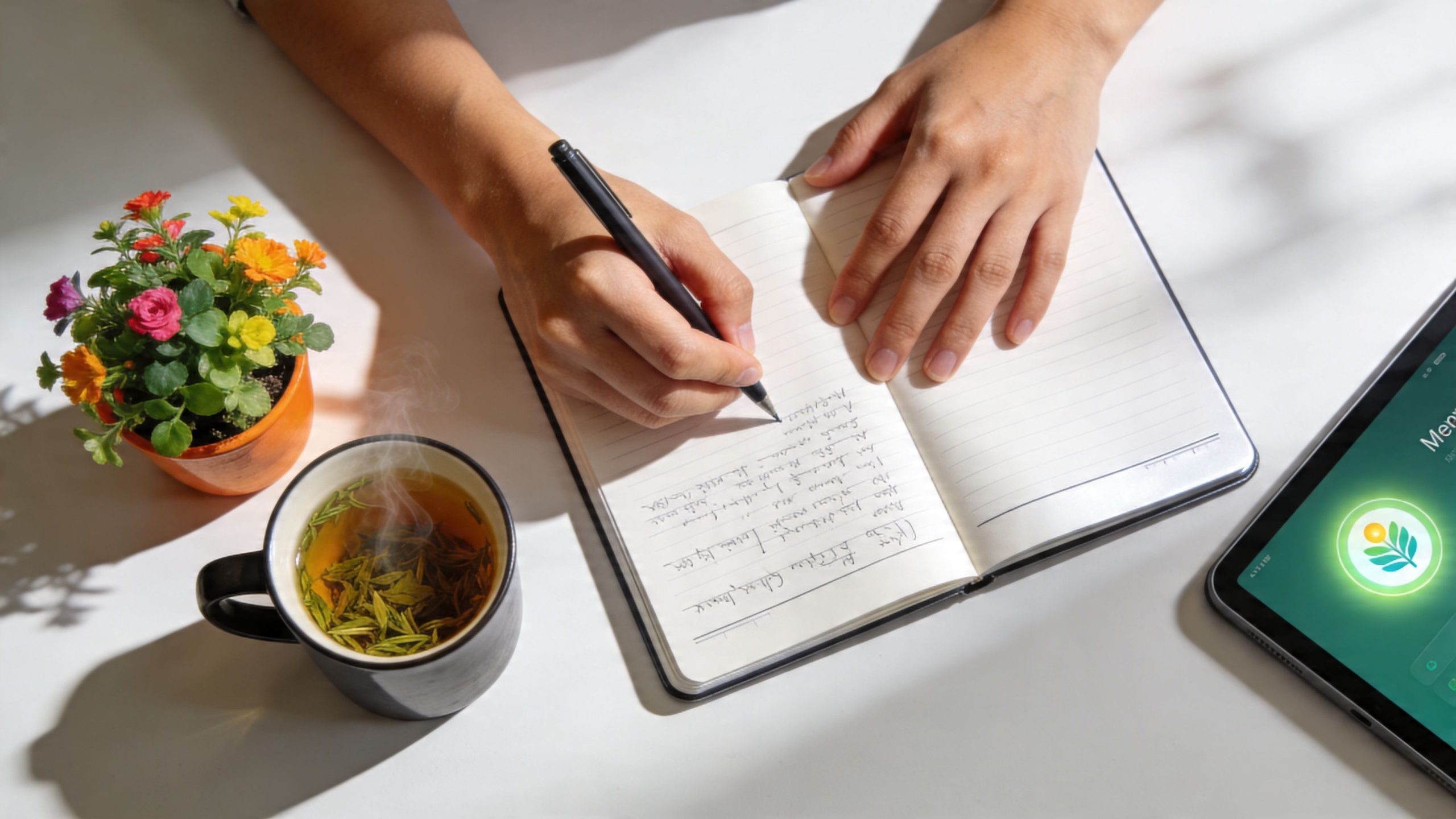
    It's helpful to understand the difference between dysthymia and major depression to find the right support. A simple weather analogy can make this clearer.

    Imagine dysthymia as a persistent, gloomy drizzle that lingers for years. It's not a torrential downpour, but it's constant enough to leave you feeling damp and down. You can still go about your day, but that grey cloud is always there.

    Major depression, on the other hand, is like a sudden, intense thunderstorm. It can feel overwhelming and make it difficult to do much of anything, though these storms are typically shorter in duration.

    Differentiating for Clarity

    The main differences are duration and intensity. Medically, dysthymia is classified under the ICD-10 code F34.1, and a core criterion is its long-term nature. An adult must experience a low-grade depressed mood for at least two years. Major depression is identified by more severe symptoms that disrupt life over a shorter period, usually at least two weeks.

    Sometimes, a person living with the constant drizzle of dysthymia can also experience a major depressive thunderstorm. This is often called "double depression" and requires a thoughtful approach in therapy or counselling.

    Dysthymia vs Major Depression: A Simple Comparison

    This table helps clarify the core differences, focusing on how duration and intensity play out for each condition.

    Feature Dysthymia (PDD) Major Depression (MDD)
    Duration Long-term, lasting at least 2 years for adults. Episodic, lasting at least 2 weeks.
    Symptom Intensity Less severe but persistent and nagging. Intense, often disruptive symptoms.
    Typical Description A constant "low" or "empty" feeling. Overwhelming sadness and loss of interest.

    Seeing them side-by-side highlights that while they involve similar feelings, their impact unfolds differently over time.

    This visual guide offers another way to understand the main differences, focusing on the timeline and the severity of the symptoms.

    Image

    As the infographic shows, dysthymia is a marathon of low mood, not a sprint. Its challenge lies in its persistence.

    Understanding this isn't just about labels; it's about validation. It helps explain why the ongoing weight of workplace stress or general anxiety can feel so heavy. Armed with this clarity, you can seek the right support to build resilience and enhance your well-being.

    Please keep in mind that this information is for educational purposes only. An assessment from a qualified professional is always recommended for diagnostic clarity.

    The Slow Burn of Dysthymia on Daily Life

    Image

    Living with dysthymia can feel like trying to run a marathon with weights on your ankles. It isn't a sudden crisis but a slow, relentless drain on your energy that quietly impacts your quality of life. Over time, this constant low mood makes everyday challenges feel heavier, affecting everything from relationships to work.

    This persistent emotional weight can create a cycle of workplace stress and anxiety. When you're always feeling drained, deadlines can seem overwhelming and social interactions can become exhausting. Exploring supportive tools like work-from-home productivity tools might offer practical ways to manage responsibilities.

    How It Affects Well-Being and Resilience

    The long-term nature of dysthymia can make it difficult to feel genuine joy or happiness. Moments that should be happy can feel flat, making it harder to connect with loved ones. This can lead to a sense of isolation, even when you’re surrounded by people.

    According to the ICD-10, dysthymia (F34.1) is identified by a depressed mood lasting at least two years. Its symptoms are less severe than major depression but are much more persistent. In India, this experience is common, especially among adults in urban areas facing intense professional and personal pressures.

    This is where positive psychology can offer a path forward. Building resilience is not about pretending you don't have bad days. It’s about learning to navigate those feelings with more self-compassion, shifting the focus to nurturing your overall well-being.

    Shifting Toward Hope and Self-Compassion

    Making small, positive changes can make a big difference. The journey is often about cultivating a gentler relationship with yourself and finding pockets of happiness and peace.

    • Practise Self-Compassion: Acknowledge that your struggle is real and treat yourself with the same kindness you would show a friend.
    • Build Resilience: Through therapy or counselling, you can learn coping strategies to better handle life's inevitable ups and downs.
    • Find Moments of Connection: Make a conscious effort to seek small, meaningful interactions that can gently lift your spirits.

    By focusing on these steady steps, you can begin to loosen the grip that a chronic low mood has on your life and move toward a more hopeful outlook.

    Finding Your Path to Professional Support

    Reaching out for help is a sign of great strength. Professional therapy and counselling provide a safe, confidential space to make sense of your experiences. This support can help you learn new ways to manage your mental well-being.

    Think of it as building an alliance with a trained professional who is on your side. A strong therapeutic relationship, where you feel heard and understood, is key to a positive outcome.

    Effective Therapeutic Approaches

    Several well-researched therapies can be effective for dysthymia. Each offers a valuable way to work with the chronic low mood associated with a dysthymia ICD 10 code.

    • Cognitive Behavioural Therapy (CBT): This practical approach helps you identify and challenge negative thought patterns that contribute to feelings of depression and anxiety. It provides concrete tools to reframe your thinking and build resilience.
    • Psychodynamic Therapy: This form of counselling helps you explore how past experiences might be shaping your present emotions. Understanding these patterns can lead to powerful insights and healthier ways of relating to yourself and others.

    Therapy is a journey of self-discovery, not a quick fix. It’s your dedicated time to practice self-compassion, manage challenges like workplace stress, and gradually rediscover a sense of hope and happiness.

    The best therapy is the one that feels right for you. It can also be helpful to learn about therapeutic communication techniques. Finding the right support is a crucial step on your journey toward a brighter future.

    Taking the First Step Toward a Brighter Outlook

    Realising that the persistent shadow you've lived under has a name—like dysthymia ICD 10 F34.1—can be a powerful moment. It’s not about a label, but about acknowledging your struggle. This is the first step toward finding self-compassion and effective support.

    This new understanding empowers you to shift from feeling stuck toward exploring pathways to a brighter sense of well-being.

    The journey forward can begin with small, manageable actions. Sometimes, just talking to a trusted friend or family member can lift an enormous weight.

    Another gentle step is reaching out to a mental health professional for an initial chat. Think of it as a conversation to help you both better understand what you've been experiencing.

    Remember, this journey is not about finding a quick cure but about building a kinder, more compassionate relationship with yourself. Supportive takeaways and strategies are available, and feeling better is possible, one step at a time.

    At DeTalks, we're here to walk alongside you whenever you feel ready. Exploring therapy or counselling can equip you with practical tools to build resilience and better navigate challenges like workplace stress and anxiety. You don’t have to do this alone.

    Frequently Asked Questions About Dysthymia

    When you've been feeling low for a long time, it's natural to have questions. Let's walk through some common ones about dysthymia to bring some clarity to your experience.

    Can Dysthymia Go Away on Its Own?

    Because dysthymia is a long-term condition, it rarely resolves without support. You might have better days, but the underlying low mood often returns. The good news is that guidance through therapy or counselling can make a world of difference by helping you build coping skills and improve your overall well-being.

    Is Dysthymia Just a Part of My Personality?

    This is a common misconception. When you've felt a certain way for years, it's easy to think it's just who you are. But dysthymia is a recognised mood disorder with specific indicators (dysthymia ICD 10 F34.1), not a character flaw. It is a health condition, and a therapist can help you untangle your true self from the symptoms of depression.

    What Is the First Step if I Think I Have Dysthymia?

    A gentle and effective first step is to have a conversation with a mental health professional. A counsellor or psychologist can listen to your experiences and conduct an assessment for informational purposes. Remember, an assessment is a tool to understand the best way to support you, not to apply a label. Reaching out is an act of strength.


    At DeTalks, we offer a safe, trusted space for you to take that first step toward building your resilience. Explore our confidential, science-backed assessments to gain clearer insight into your mental health and connect with a qualified professional who can guide you on your journey.