Tag: workplace wellness

  • Navigating Stress in Organisational Behaviour

    Navigating Stress in Organisational Behaviour

    Feeling stressed at work is a common human experience, not a personal failing. When we explore stress in organisational behaviour, we're looking at the connection between our work environment and our personal well-being. It helps us understand why some workplaces feel supportive while others leave us feeling drained.

    Why Workplace Stress Is a Shared Experience

    Think of a person at work like a plant. A healthy organisation provides the right conditions to grow strong and flourish. But in a difficult environment without support or respect, even the strongest person can begin to struggle.

    Workplace stress often happens when the demands of a job outweigh the resources available to manage them. This feeling is a shared reality for many, which tells us it's often an environmental issue, not an individual one.

    The Scale of the Challenge in India

    In India, this challenge is significant. A study of over 1,000 companies revealed that 86% of employees are dealing with mental health concerns. Given that corporate India employs nearly 50 million people, this suggests a widespread issue affecting millions. You can read the full report to understand the full scope.

    If you are feeling the pressure of workplace stress, anxiety, or burnout, you are not alone. It is a collective experience often rooted in organisational culture and structure.

    Realising this is a shared experience is the first step toward change. It helps us shift from asking, "What's wrong with me?" to "What can we improve in this environment?"

    Moving from Stress to Well-being

    Understanding stress is only part of the story. The study of organisational behaviour also guides us toward building positive experiences, such as resilience, compassion, and happiness at work. By identifying the causes of stress, we can design systems that support our well-being.

    This guide is an informational resource, not a diagnostic tool. We will explore these ideas in simple terms, creating a space for open conversation and practical, supportive solutions. The goal is to offer clarity on challenges like anxiety and depression while providing insights into building personal resilience.

    Identifying the Root Causes of Workplace Stress

    To manage stress, we first need to understand its source. Workplace stress is often a mix of factors from our daily tasks, team dynamics, or even the overall company atmosphere.

    Pinpointing these sources is a crucial step toward feeling better. When we make the concept of stress in organisational behaviour tangible, we can see what’s really going on.

    Stressors at Different Organisational Levels

    Workplace stress often comes from a combination of individual, group, and organisational factors. Each layer can add its own pressures, contributing to feelings of anxiety or burnout.

    Let’s break it down:

    • Individual Level: These are pressures tied directly to your role, such as unclear expectations or conflicting instructions from managers. Having too much to do in too little time (role overload) is a classic example.

    • Group Level: Your relationships with colleagues and managers significantly impact your well-being. Poor communication, unresolved conflict, or a lack of team support can make the workplace feel isolating. For a closer look, you might explore cognitive dissonance and burnout in the workplace.

    • Organisational Level: This is about the company's culture and policies. A culture that promotes overwork or lacks fairness can create a stressful foundation for everyone.

    To help you visualise these sources of stress, the table below provides examples relevant to the Indian context but relatable globally.

    Common Stressors in the Workplace

    Stressor Category Description Example in an Indian Context
    Role-Based Stress Issues directly related to an employee's job responsibilities and expectations. An IT professional in Bengaluru is given conflicting project deadlines from their Indian manager and their US-based client, creating role conflict.
    Interpersonal Stress Conflicts or poor relationships with colleagues, managers, or subordinates. A team member in a Mumbai-based marketing agency feels isolated due to a lack of support and constant passive aggression from their line manager.
    Organisational Culture The underlying values, beliefs, and practices that shape the work environment. A company in Gurgaon has an unwritten rule that employees must stay online late, creating a culture of presenteeism and burnout.
    Work-Life Imbalance The inability to maintain a healthy boundary between professional and personal life. A sales executive in Delhi is expected to answer calls and emails from clients on weekends and during family holidays, blurring personal time.
    Career Development Concerns related to job security, promotions, and future career prospects. An employee at a manufacturing plant in Pune feels stagnant and anxious due to a lack of clear growth opportunities and training programmes.

    This table shows how stress is often a systemic issue stemming from the work environment itself.

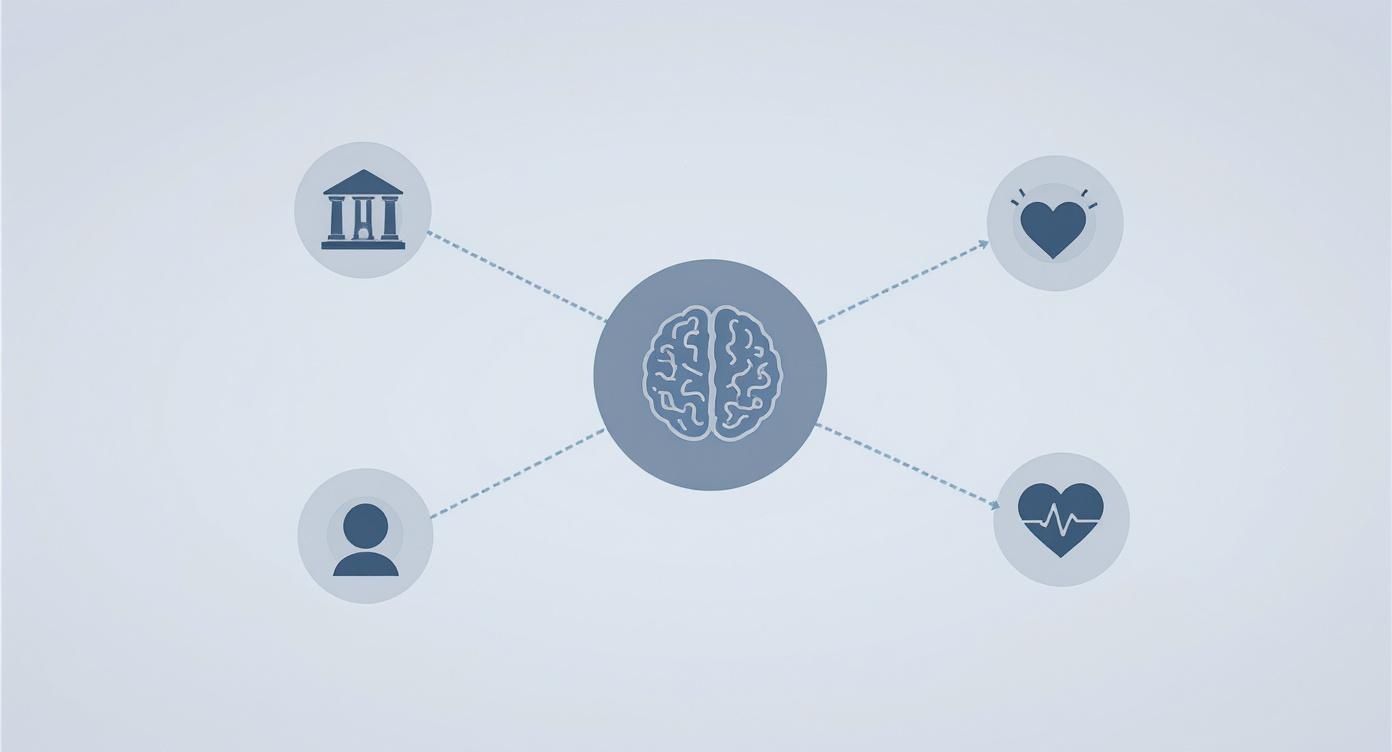
    This concept map helps visualise how your environment, personal well-being, and individual factors all come together to shape your experience of workplace stress.

    Infographic about stress in organisational behaviour

    As the map illustrates, stress is rarely just a personal problem; it’s an outcome of the entire ecosystem you work in.

    The Blurring Lines Between Work and Life

    In India, the expectation to be "always on" has become a significant source of stress. A recent survey revealed that 52% of employees feel burnt out because of poor work-life balance. This challenge is especially common in demanding sectors, leading to chronic workplace stress.

    Finding the root cause of your stress isn't about blaming anyone. It’s about gaining clarity so you can find the right help, whether that means talking to a manager, seeking counselling, or setting better boundaries.

    Understanding these triggers is empowering. It shifts the conversation from a vague feeling of unease to a clear view of the challenges, helping you protect your mental health from pressures that can contribute to anxiety and depression.

    How Stress Impacts People and Performance

    A person sitting at their desk, looking stressed and holding their head in their hands, with blurred office background.

    When work pressures build up, the effects can extend beyond the office. The experience of stress in organisational behaviour can ripple through every part of a person's life and, in turn, affect an organisation's performance.

    For an individual, chronic workplace stress can lead to persistent anxiety and even depression. It can also show up physically through fatigue, headaches, and a weakened immune system. This constant drain can lead to burnout—a state of emotional, physical, and mental exhaustion.

    The Personal Toll of Workplace Stress

    The impact on a person's well-being is deep and wide-ranging, affecting both mind and body.

    • Psychological Impact: This can include constant worry, feeling overwhelmed, or difficulty making decisions. It can also strain personal relationships and diminish joy in hobbies.
    • Physical Impact: Chronic stress can disrupt sleep and contribute to long-term health issues. It is the body's way of signalling that it is under too much pressure.
    • Behavioural Impact: People under stress may withdraw from social activities or become more disconnected from their work and colleagues.

    It's important to clarify that this information is for awareness, not self-diagnosis. If these feelings resonate, reaching out for professional counselling is a positive step toward building resilience.

    The Organisational Cost of Employee Distress

    When people in an organisation are struggling, the entire system is affected. These personal challenges often translate into measurable business problems. Investing in employee well-being is therefore a sound business strategy.

    A Gallup report found that 30% of Indian employees feel stressed daily. This strain directly impacts loyalty, with nearly half of all employees actively looking for new jobs. You can find more details in the report on Indian employees' workplace stress on Business Standard.

    This widespread strain can lead to higher employee turnover, absenteeism, and a decline in productivity. Addressing workplace stress is essential for building a healthy and successful organisation.

    Practical Strategies to Build Personal Resilience

    While organisations have a responsibility to create a healthy environment, you also have the power to build your own skills for managing pressure. Cultivating personal resilience is about finding practical, compassionate ways to support your own mental well-being.

    Think of these strategies as your personal toolkit for navigating tough times. They are here to support you as you navigate workplace stress.

    Mindfulness in the Moment

    When anxiety hits during a chaotic workday, mindfulness can be a simple yet powerful tool. It involves pausing to bring your attention to the present moment without judgment. This mental pause gives you space to respond thoughtfully instead of reacting instinctively.

    You don't need to meditate for hours. Just taking five minutes to focus on your breath can make a difference in managing stress.

    The Power of Setting Boundaries

    The line between work and personal life has become increasingly blurred. Setting clear boundaries is one of the most effective ways to prevent burnout and protect your well-being.

    This can be as simple as:

    • Defining your work hours: Decide on a time to log off and communicate it to your team.
    • Saying no respectfully: It's okay to decline a new task if your plate is full to ensure you can do your current work well.
    • Creating "no-work" zones: Designate times or spaces where work is off-limits.

    Boundaries are not about building walls; they are about protecting your energy so you can be present at work and at home.

    "Self-compassion is simply giving the same kindness to ourselves that we would give to a good friend." – Kristin Neff

    Practicing self-compassion means accepting that you are human and will have challenging days. Treating yourself with kindness, especially when you feel overwhelmed by stress in organisational behaviour, is key to building lasting resilience and can be a powerful antidote to feelings of depression.

    Seeking Support and Celebrating Wins

    You don't have to navigate workplace stress alone. Reaching out to a trusted colleague or friend can offer a new perspective and make you feel understood. If stress persists, seeking professional therapy or counselling is a sign of strength.

    Also, remember to acknowledge your progress, no matter how small. Celebrating small wins builds positive momentum and a genuine sense of accomplishment and happiness.

    How Leaders Can Cultivate a Healthier Work Environment

    The most effective solution to stress in organisational behaviour involves changing the environment that causes it. A healthy workplace is built by leaders who understand that employee well-being is a business essential. This means creating a culture where support is part of the daily routine.

    It starts with creating psychological safety, where people feel safe to speak up or admit mistakes without fear. To learn more, it's worth exploring how prioritizing employee well-being through addressing psychosocial risks is a leadership responsibility.

    Lead with Empathy and Set Clear Expectations

    Training managers to lead with empathy is essential. This includes teaching them to recognise early signs of burnout, anxiety, and depression and respond with support.

    Clear and fair policies also create a low-stress foundation. When people understand their roles and believe the system is fair, it removes significant uncertainty and reduces workplace stress.

    An organisation’s true commitment to mental health is shown in its daily actions. It's about creating a culture where asking for help is seen as a strength.

    Provide Support That's Easy to Access and Confidential

    Employee Assistance Programmes (EAPs) are a vital resource. They provide a confidential way for employees to access professional help for various challenges.

    These programmes typically offer:

    • Confidential Counselling: A safe space to discuss stress, anxiety, or family issues.
    • Therapy Services: Connections to therapists who can provide structured support for building mental resilience.
    • Financial and Legal Guidance: Help with external stressors that affect an employee's overall well-being.

    By investing in a robust EAP, a company shows it values its employees as whole people. It's important to remember these assessments are informational, not diagnostic.

    It’s Okay to Ask for Help: Getting Professional Support for Workplace Stress

    Asking for help with workplace stress is a sign of strength and a proactive step for your career and health. Just as you would see a doctor for a physical injury, challenges like stress, anxiety, and burnout deserve expert care.

    Therapy and counselling offer a confidential space to talk without judgment. A professional can help you understand your stress triggers, learn coping skills, and build lasting resilience. You don't have to navigate the complexities of stress in organisational behaviour alone.

    Finding the Support That Fits You

    Finding help is often easier than you think, but remember that assessments offered are informational, not diagnostic.

    Here are a few ways to find support:

    • Employee Assistance Programmes (EAPs): Your company may offer an EAP with free, confidential access to counselling.
    • Private Practice: You can search for a therapist who specialises in workplace stress or anxiety. Platforms like DeTalks can connect you with qualified professionals.
    • Community Resources: Non-profit organisations often provide quality mental health support at a lower cost.

    Professional support is not a magic cure; it provides tools and guidance to help you navigate stress. The goal is to empower you, helping you feel more in control and on a path toward better work-life health.

    Taking that first step is a powerful act of self-care. It opens the door to understanding your experiences with stress, anxiety, or depression, and equips you with skills for lasting well-being.

    Quick Answers to Common Questions

    Having questions about stress in organisational behaviour is normal. Here are straightforward answers to some common queries. Please note this information is for educational purposes and is not a substitute for professional advice.

    Can Workplace Stress Ever Be a Good Thing?

    Yes, in small doses. A bit of pressure, known as 'eustress', can be motivating and help you meet deadlines.

    The problem arises when pressure becomes constant and overwhelming, leading to distress. This is when negative effects like anxiety and burnout appear. The goal is to feel challenged, not chronically overwhelmed.

    Is It My Fault If I Can't Handle the Stress?

    Absolutely not. Workplace stress is rarely a sign of personal weakness.

    It often points to a larger issue, like a mismatch between job demands and available support. Realising this helps shift the focus from self-blame to finding solutions, like building personal resilience or advocating for a healthier work culture.

    What's the Difference Between Stress and Burnout?

    Stress is often characterised by over-engagement—feeling frantic and overwhelmed by responsibilities. You feel like you're doing too much.

    Burnout, in contrast, is about disengagement. It involves emotional exhaustion, cynicism, and feeling empty. While chronic stress can lead to burnout, they are different experiences.

    Burnout is the result of prolonged, unmanaged workplace stress. It's a state of total depletion, which is why addressing stress early is so important.

    When Should I Get Professional Help?

    A good guideline is to seek support if stress is consistently affecting your daily life, work, or relationships.

    If you are experiencing persistent feelings of anxiety, sadness, or hopelessness, reaching out for counselling or therapy is a proactive step. You don't have to wait for a crisis to ask for help.


    We all need support sometimes. At DeTalks, we make it easy to find qualified professionals who offer the confidential guidance you need to handle workplace challenges. If you're ready to build resilience and find a better balance, explore our network of therapists and take that first important step.

  • Your Guide to Mental Health First Aid Training

    Your Guide to Mental Health First Aid Training

    Mental Health First Aid (MHFA) training gives you the skills to be a compassionate first responder when someone faces a mental health challenge. It’s not about becoming a therapist, but about knowing how to offer immediate, kind support until professional help is available.

    Think of it as CPR for mental well-being—a practical skill that anyone can learn to support others with confidence and care.

    What Exactly Is Mental Health First Aid Training?

    A group of diverse individuals sitting in a circle during a supportive training session.

    If you saw someone with a physical injury, you would likely know a few basic steps to help them feel safe. Mental Health First Aid training gives you a similar, practical toolkit for emotional and psychological distress.

    This training is for everyone, not just healthcare workers. Whether you're a manager in a bustling Indian city, a student, or a friend, you'll learn to notice early signs of mental health challenges and provide initial support without judgement.

    Bridging the Gap to Professional Help

    A common misunderstanding is that this training teaches you to provide therapy or counselling. The real goal is to bridge the gap between when someone starts struggling and when they receive professional care.

    This role is vital, especially in a country like India where conversations around mental health are becoming more open. A trained first aider can make it feel safer for someone dealing with anxiety or depression to take that brave first step toward professional help.

    Building Skills for Real-Life Situations

    The training is practical and hands-on, designed to give you real-world skills for navigating sensitive conversations. It focuses on building both your ability to help and your own emotional resilience and compassion.

    Here's a look at the abilities you'll develop in a Mental Health First Aid course.

    Skill Area What You Will Learn
    Recognising Early Signs How to notice subtle changes in behaviour that may signal challenges like burnout or workplace stress.
    Providing Initial Support The fundamentals of active listening and offering genuine reassurance in a supportive, non-judgemental way.
    Guiding to Professional Help How to gently encourage someone to connect with resources like therapy or counselling services.
    Crisis Intervention Basics Essential skills to assist someone in a mental health crisis until professional support arrives.

    This training provides a clear framework for responding effectively and safely.

    The core principle is that your role as a first aider is to observe and support, never to diagnose. The goal is not to label someone, but to create a safe space where they feel comfortable opening up and seeking help.

    Ultimately, MHFA training strengthens your own emotional literacy. It gives you the confidence to be there for your community, helping to build a culture where well-being truly matters.

    Why Mental Health First Aid is So Crucial in India Right Now

    In India, there's often a gap between the number of people struggling with their mental health and the professional help available. For a long time, it has been difficult to talk about challenges like anxiety and depression. This silence can prevent people from considering therapy or counselling, leaving them feeling isolated.

    This is where mental health first aid training makes a difference. It creates allies—friends, family, and colleagues who have the skills and compassion to offer that first crucial bit of support. A trained first aider can be the bridge that helps someone move from silent struggle toward getting help.

    By teaching practical listening skills and a clear action plan, this training helps build communities of care. It makes it easier to have open conversations about mental health, one person at a time.

    Closing the Preparedness Gap

    This training is vital because many people feel unprepared to help someone in a mental health crisis. When Mental Health First Aid guidelines were first developed for India, a key focus was on suicide prevention. Research showed a stark contrast: while professionals felt confident helping, the general public felt 'not at all' or only 'somewhat prepared.' You can explore the full research on these findings to see this gap.

    This isn't just a statistic; it's a call to action. Mental Health First Aid training directly addresses this need, giving people the confidence to step in safely and effectively.

    Building More Resilient Workplaces

    The modern workplace can be a source of significant pressure, where workplace stress and burnout affect both employee well-being and company performance. When employees don't feel supported, morale and productivity can suffer.

    A manager or colleague with mental health first aid skills can spot early signs that someone is struggling. By offering a non-judgemental ear and guiding them toward professional help, they create a psychologically safer work environment where people feel seen and valued.

    Remember, a mental health first aider's role is supportive, not diagnostic. The assessment of a situation is for informational purposes only. The goal is to start a caring conversation and help someone find professional help, never to label their experience.

    Moving from Stigma to Supportive Action

    That first conversation can be a turning point for someone on their path to recovery. This training shifts our culture from silence to support in several key ways:

    • Building Compassion: It teaches you to listen without judgement, replacing misunderstanding with empathy and genuine care.
    • Encouraging Early Help-Seeking: People are more likely to seek help for anxiety or depression when they have trained allies who understand.
    • Promoting Positive Psychology: The training also fosters positive concepts like resilience, happiness, and greater well-being in yourself and others.

    Ultimately, the aim is to weave a strong safety net of support through our communities. The supportive takeaways from this training offer something very practical: the ability to care in a meaningful way.

    Your Practical Toolkit for Providing Support

    At its core, mental health first aid training equips you with practical, real-world skills. It moves you beyond good intentions, providing a structured way to respond when you see someone struggling.

    The training gives you tools to break the silence that often surrounds challenges like anxiety or depression. You learn how to start a supportive conversation, listen with empathy, and create a safe space for someone to open up without fear.

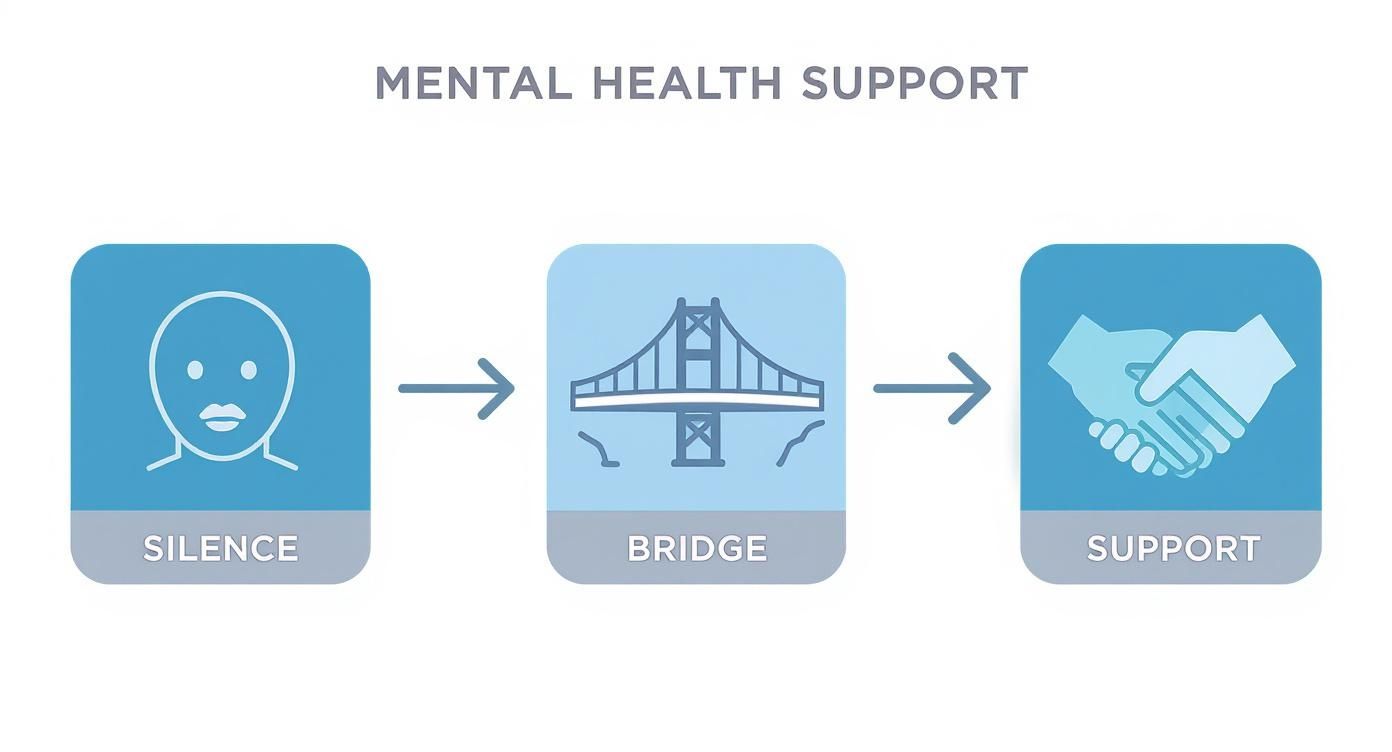
    Infographic about mental health first aid training

    This visual captures the journey from isolation to connection, showing how a trained first aider can guide someone toward the help they need.

    Introducing the ALGEE Action Plan

    To give you a reliable framework, most mental health first aid training courses are built around a simple yet powerful action plan. One of the most widely used models is the ALGEE action plan.

    Each letter represents a clear step, giving you a logical sequence to follow. This structure helps reduce anxiety about what to do next, allowing you to focus on the person in front of you.

    The plan involves these steps:

    1. Assess for risk of suicide or self-harm.
    2. Listen non-judgementally.
    3. Give reassurance and information.
    4. Encourage appropriate professional help.
    5. Encourage self-help and other support strategies.

    This is a flexible guide that you can adapt to any situation, helping you stay grounded and cover the most important steps.

    Listening Without Judgement

    One of the most valuable skills you’ll gain is the art of listening without judgement. This means setting aside your own assumptions and simply being present for the other person. You learn to hear what they are truly saying, creating a powerful sense of connection and trust.

    Effective communication is key to providing support. To dive deeper into these abilities, you might find value in resources on effective communication skills training. These skills are essential for showing genuine empathy and ensuring the person feels truly heard.

    It’s important to remember that any assessments you learn are for informational purposes, never for diagnosis. Your role is to understand the immediate situation and ensure safety, not to apply a clinical label to someone's experience.

    This approach empowers the person who is struggling by validating their feelings. It sends a clear message that their experience is real and that they are not alone.

    Guiding Toward Professional Support

    A key part of your role as a mental health first aider is acting as a bridge to professional care. The training teaches you how to discuss therapy and counselling in a supportive, non-intimidating way.

    For instance, you might learn gentle ways to suggest professional support, like, "It sounds like you're going through a lot right now. Have you considered talking to someone trained to help with these feelings?" This approach respects their autonomy while opening a door to new possibilities.

    The toolkit you gain is built on both skill and compassion. It prepares you to handle difficult conversations with grace and helps deepen your own emotional intelligence and resilience.

    Learning to See the Early Signs of Distress

    A person looking out a window with a thoughtful expression, suggesting introspection and observation.

    One of the most valuable skills from mental health first aid training is learning to see what often goes unnoticed. It’s not about mind-reading, but about developing a gentle awareness of the people around you. You learn to recognise subtle shifts that might signal someone is struggling before they find the words to say so.

    This is a skill of observation, not assumption. The training helps you notice real-world changes, like a colleague becoming withdrawn due to workplace stress, or a friend who seems constantly on edge, a common sign of anxiety.

    Looking Beyond the Obvious

    Distress doesn’t always appear as sadness or frustration. Often, it's quieter, showing up in small changes to a person's daily patterns. Your training will help you see these subtle cues as a call for support.

    Think about these less obvious signs:

    • Changes in Social Habits: A friend who loves social events suddenly starts avoiding them.
    • Shifts in Communication: Someone who was once responsive now seems distant or takes days to reply.
    • Neglecting Personal Care: A noticeable change in personal grooming or appearance that is out of character.
    • Increased Irritability: Small frustrations now trigger an unexpectedly sharp reaction.

    Noticing these shifts is the first step. The goal is not to jump to conclusions, but to know when it might be time to gently check in.

    Understanding Workplace Stress and Burnout

    The modern Indian workplace can be a high-pressure environment where chronic workplace stress can lead to burnout. A key part of mental health first aid training is learning to identify these signs in a professional setting.

    You might notice a team member missing deadlines or seeming disengaged in meetings. These are often signs that someone is overwhelmed, not that they lack a good work ethic. As a trained first aider, you learn to see these behaviours through a lens of compassion.

    It’s vital to remember that these observations are informational, not diagnostic. Your role is never to diagnose someone with depression or an anxiety disorder. It is simply to notice a change and care enough to ask if they are okay.

    This distinction is empowering. It frees you from the pressure of having all the answers and lets you focus on providing a safe, non-judgemental space for someone to feel heard.

    From Challenges to Positive Psychology

    While the training focuses on identifying difficulties, it also includes principles of positive psychology. You will learn to recognise the foundations of well-being, such as resilience, compassion, and connection. Understanding what helps people thrive makes it easier to spot when those foundations are weakening.

    This balanced view helps you frame your support more constructively. Rather than only focusing on the problem, you can also help someone reconnect with their own strengths and inner resilience.

    This training sharpens your emotional intelligence. By learning to see early signs of challenges like anxiety or depression, you are better prepared to offer timely support until they can connect with professional therapy or counselling.


    What You Really Gain from the Training

    Becoming a Mental Health First Aider creates a positive ripple effect in your life. You gain the confidence to approach tough conversations with empathy, cutting through the fear that often stops us from discussing mental health.

    This training also boosts your own well-being. As you learn to spot signs of distress and support others, you build your own emotional toolkit, becoming more self-aware and resilient.

    Creating a Better Place to Work

    In your professional life, these skills make you a valuable asset. You become someone who actively builds a workplace culture where people feel safe and supported, which is crucial with rising workplace stress and burnout.

    For managers, this training is a game-changer. It provides practical skills to look after your team's well-being, handle issues like anxiety before they grow, and foster a more human and engaged work environment.

    One supportive conversation can truly change a life. The training empowers you to start that conversation, knowing your role is to offer initial help and guide someone toward professional therapy or counselling, not to provide a cure.

    A single trained person can start to shift a company's culture from silence to open support, making it normal to talk about mental health.

    Building Stronger Communities and Breaking Down Stigma

    The ripple effect extends beyond the workplace. Every person trained as a Mental Health First Aider helps break down the stigma surrounding challenges like depression. This is a crucial step toward creating more connected and understanding communities across India.

    When you're trained, you encourage people to get help sooner. By responding with empathy, you create a safe space for friends and family to share what they're going through. This act can be the bridge that connects someone to the professional support they need.

    The benefits build on each other:

    • For You: You'll feel more confident, emotionally intelligent, and better equipped to handle life's challenges.
    • For Your Workplace: It helps create a supportive atmosphere, reduces workplace stress, and boosts team well-being.
    • For Your Community: It chips away at stigma, encourages early help-seeking, and weaves a stronger, more compassionate social fabric.

    At its heart, mental health first aid training is an investment in human connection. It nurtures compassion and understanding, helping to build a world where we all feel a little more seen and supported.

    How to Find and Enrol in an MHFA Course

    Deciding to get trained in Mental Health First Aid is a wonderful step. A quick online search for certified providers in your city is a great place to start, as many organisations across India now offer accredited mental health first aid training.

    As you look at different providers, consider what kind of learning environment suits you. Do you prefer an interactive classroom setting, or does the flexibility of an online course better fit your life?

    Choosing the Right Training Format

    The choice between online or in-person courses depends on your learning style. Each format offers unique benefits for learning how to support someone experiencing anxiety or depression.

    • In-Person Workshops: These are highly interactive and often use role-playing to build real-world confidence. The direct contact with instructors and peers creates a strong sense of community.
    • Online Courses: For those with busy schedules, online training offers incredible flexibility. You can learn at your own pace from anywhere with an internet connection.
    • Blended Learning: This hybrid approach combines the convenience of online modules with live, instructor-led sessions to practice your skills.

    What to Look for in a Provider

    It’s important to choose an accredited provider to ensure the course material is evidence-based and your certification is respected. Also, review the instructors' qualifications and the course outline to make sure it aligns with your goals for improving community well-being.

    Remember, the aim of any assessment within these courses is purely informational—to build your awareness. It is never about making a clinical diagnosis; your role is to offer initial support and guide someone toward professional counselling or therapy.

    The availability of formal first aid training that includes mental health is still growing in India. A study found that training for first responders was often infrequent, showing a need to expand these vital programs. You can read more on the state of first aid training in India to see why it matters.

    By enrolling, you’re joining a growing movement of compassion and helping to build a more supportive community, one conversation at a time.

    Common Questions About MHFA Training

    Stepping into mental health first aid training is a big step, and it's natural to have questions. Let's clear up some common queries to help you feel confident about getting started.

    People often wonder, "Am I qualified enough to do this?" The answer is yes. This training is designed for everyone, not just clinicians, giving everyday people the tools to offer compassionate support.

    Will This Training Let Me Diagnose or Provide Therapy?

    No, and this is a crucial point. MHFA training does not teach you to diagnose conditions like anxiety or depression, nor does it turn you into a therapist or counsellor. The goal is to help you spot signs of distress, offer immediate support, and guide someone toward professional help.

    Think of it like physical first aid. You learn to apply a bandage to prevent things from getting worse, but you wouldn't perform surgery. Your role is to be a bridge to proper care.

    Is This Training Only for Healthcare Professionals?

    Not at all. Mental Health First Aid is for teachers, managers, parents, and community leaders. The skills you learn are for everyday situations, helping to create communities where more people feel equipped to look out for one another.

    It's worth repeating: any assessments you learn are purely for understanding the situation to provide safe, initial help. They are not diagnostic tools and are never about putting a label on what someone is going through.

    How Long Does a Typical Course Take?

    The time commitment can vary. A face-to-face course often takes place over two full days. Blended or online options might spread the learning over a few weeks with self-study modules and live sessions.

    It's always best to check with accredited providers to see their schedules. This will help you find a format that fits into your life.

    What if I Say the Wrong Thing When Trying to Help?

    This is a common fear, and the training addresses it directly. You'll learn simple frameworks for conversations and practice active listening skills to build your confidence. A key takeaway is that showing you care and listening without judgement is more important than finding the "perfect" words.

    The training helps you build your own resilience and shifts your mindset from a fear of making mistakes to a focus on compassion. It empowers you to be a genuine, supportive presence in someone's life.


    Feeling inspired to find the right support for yourself or someone you know? At DeTalks, we connect you with qualified therapists and provide science-backed assessments to guide your journey toward greater well-being. Explore professional help at DeTalks.

  • Employee Assistance Program Benefits for Work Wellness

    Employee Assistance Program Benefits for Work Wellness

    An Employee Assistance Programme offers confidential, professional support for life's hurdles—both at work and at home. It is a proactive and compassionate resource, offered at no cost to you, designed to help manage stress and build well-being.

    What Exactly Is an Employee Assistance Programme?

    Think of an Employee Assistance Programme (EAP) as a confidential support system, fully paid for by your employer, created to help you navigate life’s ups and downs. It’s a private and safe space to connect with experts who can guide you through a wide range of challenges.

    This could be anything from managing workplace stress and dealing with anxiety, to getting advice on personal matters that are weighing on you.

    The key word here is confidentiality. Your conversations are completely protected, which means you can seek support without worrying about privacy. Employers offer this because they understand that your overall well-being matters, and they see reaching out for help as a sign of strength.

    A Toolkit for Everyday Well-being

    An EAP isn't just for a crisis; it’s a practical toolkit for everyday life that supports both challenges and growth. The aim is to give you easy access to resources that support your mental and emotional health, whether that’s short-term therapy, counselling, or guidance.

    Here are a few common areas where an EAP can lend a hand:

    • Mental Health Support: Guidance for managing feelings of anxiety, depression, or burnout.
    • Workplace Challenges: Help with navigating on-the-job stress, conflicts with colleagues, or career pressures.
    • Personal and Family Issues: Support for relationship difficulties, parenting concerns, or coping with grief.
    • Financial and Legal Guidance: Initial consultations to help point you in the right direction.

    An EAP is a compassionate first step. It empowers you to tackle concerns early, helping you build resilience, compassion, and happiness before challenges grow too large. The assessments offered are informational tools to guide your journey, not clinical diagnoses.

    Here in India, we're seeing a growing commitment to employee well-being, with many companies increasing their wellness spending.

    Despite this investment, EAP usage often remains low, showing how important it is for us to better understand and embrace these valuable programmes. You can explore more about EAP trends in India to see how organisations are adapting.

    The takeaway is simple: your EAP is there to help you grow, cope, and ultimately, thrive.

    How EAPs Directly Support Your Mental Well-Being

    An Employee Assistance Programme (EAP) is a confidential support line for your mental and emotional health. It gives you a direct, private path to licensed professionals who can help you work through challenges like workplace stress, anxiety, or burnout.

    In one-on-one sessions, you can learn practical coping skills and build the kind of resilience that helps you not just get by, but genuinely thrive. This kind of therapy or counselling is an incredible tool for personal growth, and reaching out is a sign of strength.

    From Navigating Challenges to Fostering Happiness

    But an EAP isn't just for difficult moments; it’s also for proactively building a more positive life. It helps you shift from only managing problems to actively cultivating happiness, resilience, and self-compassion.

    It's also important to know that any initial assessments are for informational purposes. They are not clinical diagnoses but helpful guides to understand your needs and find the best path forward.

    An EAP is designed to be a safe harbour. It offers a confidential space where you can speak freely, process your thoughts, and gain new perspectives on whatever is on your mind, empowering you to take control of your well-being.

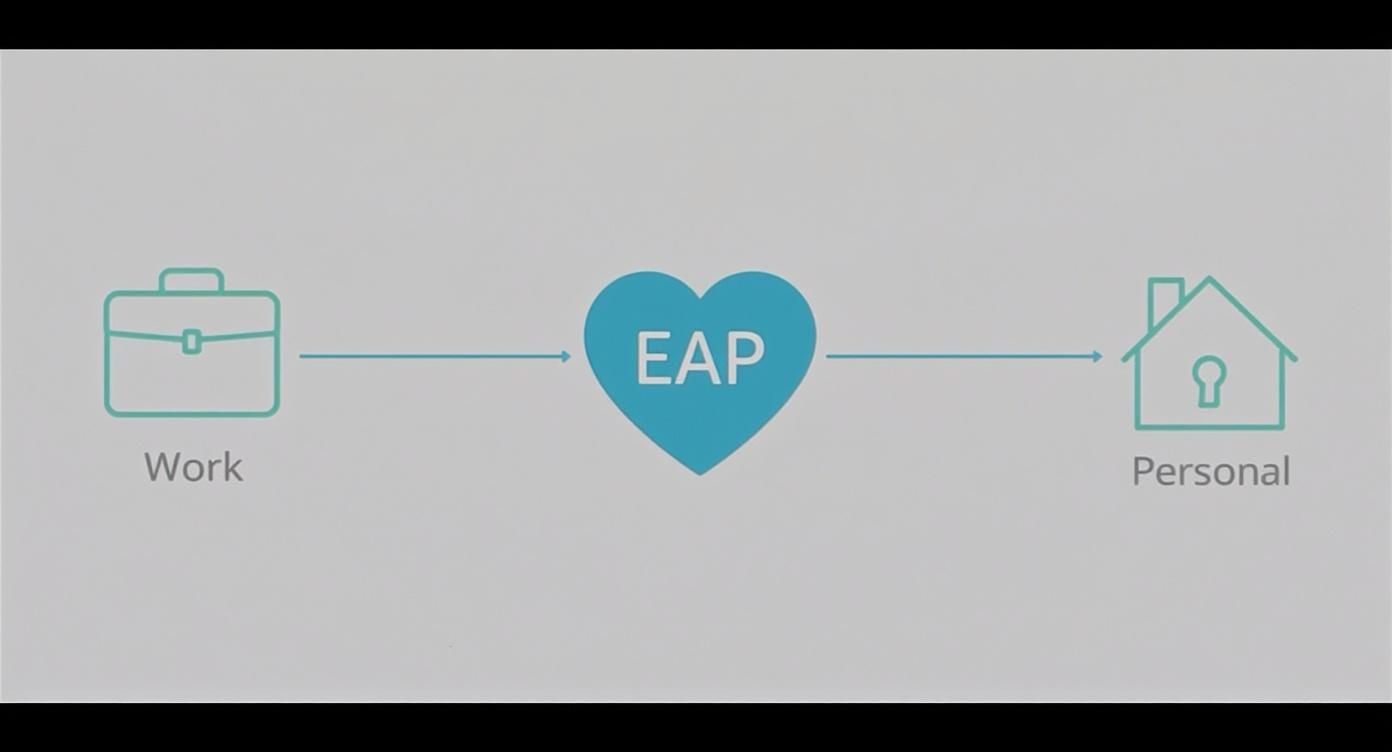
    This visual map shows how an EAP acts as a central hub, connecting confidential support to both your work and personal life.

    Infographic about employee assistance program benefits

    The key takeaway is that an EAP integrates support across all areas of your life, reinforcing that personal wellness and professional performance are deeply connected.

    Building Resilience and a Healthier Workplace

    When people have the right tools to manage their mental health, the ripple effect is felt across the entire organisation. In India, EAPs have shown a remarkable return on investment by improving employee mental health and reducing productivity losses.

    This focus on well-being helps address challenges like anxiety and depression early, creating a more stable and supportive environment for everyone.

    The table below breaks down the wide range of support an EAP typically offers, showing just how versatile this resource can be.

    How EAPs Support Employee Well-being

    Area of Support Common Challenges Addressed Potential Positive Outcome
    Mental Health Stress, anxiety, depression, burnout, trauma Improved emotional regulation, resilience, coping skills
    Work-Life Balance Time management, caregiver stress, personal responsibilities Reduced feelings of being overwhelmed, better focus at work
    Relationship Issues Marital conflict, family problems, workplace disagreements Stronger communication skills, healthier relationships
    Financial Well-being Debt management, budgeting, financial planning stress Increased financial literacy and reduced money-related anxiety
    Legal Guidance Divorce, tenancy issues, will preparation Clarity on legal rights and a clear path forward
    Addiction & Substance Use Alcohol or drug dependency, behavioural addictions Access to recovery resources and ongoing support

    As you can see, the support is holistic, addressing the many interconnected parts of an employee's life.

    By their very nature, EAPs are instrumental in reducing absences related to mental health. As you build your own resilience, you're also contributing to a healthier, more positive workplace culture. It's worth exploring other strategies for reducing mental health absence to see how individual support lifts the entire team.

    Ultimately, the benefits of an employee assistance programme are both personal and profound, offering supportive takeaways for a more balanced life.

    The Business Case for Investing in Employee Wellness

    An Employee Assistance Programme (EAP) is more than a perk; it is a strategic investment in your team and your business. When you give your team tools to manage their well-being, the positive effects ripple across the entire organisation.

    This kind of support has a direct, measurable impact on business outcomes. A team that feels genuinely cared for is more engaged, focused, and motivated, creating a powerful cycle of productivity and growth.

    A group of colleagues collaborating in a bright, modern office, showcasing a positive work environment.

    Tackling Absenteeism and Turnover

    When an employee is navigating workplace stress, anxiety, or personal difficulties, it often leads to sick days and disengagement. An EAP offers a confidential lifeline, providing professional counselling and support to find real solutions.

    Moreover, a culture of genuine support is a powerful way to retain talent. People are far more likely to commit to a company that invests in their total well-being, lowering the costs of high staff turnover.

    Driving Productivity and Engagement

    A person's mental state and their performance at work are deeply connected. Challenges like anxiety or depression can make it difficult to concentrate, collaborate, or innovate.

    By providing an EAP, you give people practical tools to navigate these issues, freeing them up to be their most effective selves. This helps prevent burnout and cultivates a more energetic and driven workforce.

    Investing in an EAP sends a clear message: we see you as a whole person, not just a role. This builds the trust and loyalty that form the foundation of a resilient, high-performing organisation.

    Building a Resilient Organisation

    A compassionate and supportive culture is the bedrock of any adaptable business. An EAP is a cornerstone for building this resilience, giving your team essential coping strategies for today's fast-moving world.

    Consider the long-term returns on this investment: better morale, a stronger reputation for attracting talent, and potentially lower long-term healthcare costs.

    Ultimately, offering employee assistance program benefits is about creating a workplace where people can thrive. It shows a deep commitment to your team's health, building a compassionate culture where people and business can flourish.

    How EAPs Are Evolving for the Modern Workforce

    Today's Employee Assistance Programmes have transformed into dynamic, digital-first well-being platforms. This evolution makes support more accessible, private, and seamlessly integrated into our daily routines than ever before.

    Technology is the real game-changer here, knocking down old barriers to getting help. Many modern EAPs are built around mobile apps that put confidential therapy and counselling sessions right at your fingertips, which is a massive plus for remote or hybrid work across India.

    A person using a smartphone to access a wellness app, with icons for therapy and support visible.

    From Reactive Support to Proactive Well-being

    The biggest shift is in the mindset from reactive to proactive care. New EAPs give you the tools to build mental fitness every day, long before burnout or severe workplace stress can take hold.

    This approach puts you in the driver's seat of your own mental health journey, offering resources that fit your life.

    • Virtual Workshops: Live and on-demand sessions on topics like building resilience, managing anxiety, and practising mindfulness.
    • Self-Paced Resources: Libraries of articles, guided meditations, and assessments to help you better understand your emotional health.
    • Digital Check-ins: Simple tools to monitor your mood and spot patterns, so you can address small issues before they grow.

    It’s worth noting that any assessments on these platforms are for your information only, not for diagnosis. They are simply guides to help you understand yourself and point you towards the right support.

    The Rise of Data-Informed, People-Focused Care

    Technology also gives organisations a way to understand well-being trends without compromising privacy. By looking at anonymised data, a company might spot rising stress levels and proactively offer a workshop on coping with pressure.

    This responsive approach is fuelling huge growth in the EAP market globally, with India being a significant part of this expansion. You can learn more about the EAP market’s projected growth and the tech behind it.

    The evolution of EAPs marks a huge step forward in making mental health support more approachable. By making it discreet and easy to access, these programmes empower more people to prioritise their well-being.

    The modern EAP offers a supportive, confidential space to not only navigate challenges like anxiety or depression but also to build skills for a happier, more resilient life.

    Breaking Down the Barriers to Using Your EAP

    An Employee Assistance Programme is a fantastic resource, but often goes unused. The biggest hurdles are often the invisible walls we build around asking for help, like stigma or confusion about privacy.

    Reaching out takes courage when you're struggling with workplace stress or a personal issue. Let's gently pull back the curtain on these common barriers and make EAPs feel more approachable for everyone.

    For Employees: Let's Bust Some Common Myths

    One of the first questions on anyone's mind is, "Will my boss find out?" The answer is a firm no. Your conversations are 100% private and protected, just like any session with a therapist or counsellor.

    Your company only ever sees high-level, anonymous data—like the total number of people who used the service. They never see your personal details.

    Another hurdle is thinking EAPs are only for major crises. While they are a lifeline in tough times, they’re just as valuable for everyday challenges and personal growth, helping you build resilience before small stresses become bigger issues like anxiety or depression.

    Think of your EAP as a confidential coach for your personal well-being. Using it isn't about admitting defeat; it's about being proactive and using a resource designed to help you become stronger.

    For Employers: How to Foster a Truly Supportive Culture

    Organisations have a huge part to play in knocking down these barriers. Engagement begins when you build a culture where reaching out for support is seen as a sign of strength.

    Here are a few practical strategies that companies in India and around the world can use:

    • Talk About it Often: Weave reminders into company newsletters, mention it in team meetings, and highlight it during wellness campaigns. Make sure contact info is always easy to find.
    • Get Leaders on Board: When leaders openly discuss the importance of mental health, it changes the conversation and breaks down stigma faster than any policy.
    • Train Your Managers: Ensure managers understand the EAP's benefits and strict confidentiality rules, so they can confidently guide their team members toward this resource.

    Closing the gap between having an EAP and using it is a team effort. By tackling myths and building a compassionate workplace, we can ensure these powerful programmes deliver their intended employee assistance program benefits.

    Choosing the Right EAP for Your Organisation

    For HR leaders, picking an Employee Assistance Programme is a significant decision for your team’s well-being. It's less about hiring a vendor and more about finding a partner who becomes an extension of your company's culture.

    The right fit means looking closely at what a provider offers. A good programme should provide professional counselling for mental health issues like anxiety and workplace stress, as well as practical support for financial or legal situations.

    Key Criteria for Selecting Your EAP Partner

    When looking at providers, it helps to have a clear set of criteria. The aim is to find a provider whose values mirror your own and who understands the specific context of your team in India.

    Here are a few essential factors to consider:

    • Cultural Relevance: Does the provider understand India's diverse landscape? Their network of counsellors should be familiar with local contexts and speak regional languages.
    • Digital Accessibility: A seamless mobile app and online portal are essential for hybrid teams. Getting help should be easy, no matter where employees are.
    • Commitment to Confidentiality: This is a deal-breaker. A provider must have an ironclad commitment to protecting employee data and ensuring every conversation remains private.
    • Proactive Well-being Tools: Look for tools that help your team build resilience before a crisis hits, like workshops and self-help resources. Remember, any assessments are informational guides, not a formal diagnosis.

    The best EAP is one that feels like a trusted, approachable resource, not a faceless corporate benefit. It should be just as easy for a remote employee in Pune to use as it is for someone in your Mumbai head office.

    A great partnership doesn’t stop once the contract is signed. A top-tier provider will collaborate with you on a thoughtful launch plan and supply ongoing materials to keep the EAP top-of-mind and build trust.

    Got Questions About EAP Benefits? Let's Clear Things Up

    It’s completely normal to have questions when you first hear about an Employee Assistance Programme (EAP). Understanding how it works is the first step toward feeling confident enough to use it.

    Our goal here is to pull back the curtain on EAPs. We want you to see it as a personal, supportive tool you can turn to whenever you need it.

    Is This Really Confidential?

    Absolutely. Confidentiality is the foundation of any good EAP.

    Your employer will never know that you’ve reached out for help or what’s discussed during therapy or counselling sessions. They only see high-level, anonymous data, while your personal details are always kept private.

    What Can I Actually Talk to an EAP Counsellor About?

    Honestly, you can talk about almost anything that’s on your mind. EAPs are built to help with the full spectrum of life's challenges.

    Whether you're dealing with workplace stress, grappling with anxiety or depression, or need advice on personal matters, they can help. No problem is too small if it's affecting your well-being.

    Think of your EAP as a safe starting point. The support is designed to be informational and empowering, helping you find the right path forward rather than providing a formal clinical diagnosis.

    Do I Have to Pay for This?

    Nope. The EAP is a benefit paid for entirely by your employer. Core services like short-term counselling are available to you—and often your immediate family—at no cost.

    If you need more specialised or long-term support, your EAP counsellor will help you navigate your options. They can connect you with affordable resources through your health plan or community programmes.

    The bottom line is that an EAP offers accessible, confidential, and professional support when you need it most. It's a supportive takeaway to handle life’s challenges and build a greater sense of well-being.


    At DeTalks, we believe everyone deserves access to the right mental health support. Our platform connects you with qualified therapists and provides science-backed assessments to guide your journey toward resilience and clarity. Explore your path to well-being with us at https://detalks.com.

  • What Is Positive Psychology? A Guide to Happiness & Resilience

    What Is Positive Psychology? A Guide to Happiness & Resilience

    Positive psychology is the scientific study of what helps us flourish. It explores what makes life feel meaningful and fulfilling, focusing on our strengths rather than just our challenges.

    Instead of only looking at what's wrong, this field helps us understand what's right. It offers tools to build lasting resilience, compassion, and happiness in our everyday lives.

    Understanding Psychology Beyond Fixing Problems

    A person sitting peacefully outdoors, symbolizing mental well-being and flourishing.

    When we hear "psychology," we often think of treating conditions like anxiety, depression, or stress. For a long time, its main goal was to help people move from a state of suffering back to a stable baseline, which is incredibly important work.

    But what happens after you reach that baseline? Positive psychology offers a complementary view by asking a different, empowering question: "What is right with you?"

    This simple shift helps us move from fixing problems to actively nurturing our inner strengths. It provides a path toward genuine well-being.

    Think of it like this: A gardener doesn't just pull weeds. To grow a vibrant garden, they must also nourish the soil, provide sunlight, and water the plants. Positive psychology is the "nourishing" side of mental health.

    This isn't about ignoring life's hardships or forcing a smile. It is about equipping you with science-backed tools to build your inner resources, so you can face challenges with greater strength.

    To understand this better, let's look at how the two approaches compare.

    Positive Psychology vs Traditional Psychology At a Glance

    This table shows how positive psychology and traditional clinical psychology focus on different, yet equally important, parts of our mental health journey.

    Focus Area Traditional Psychology Positive Psychology
    Primary Goal To heal distress and treat mental illness; moving from negative to neutral. To cultivate well-being and flourishing; moving from neutral to positive.
    Core Question "What is wrong with you?" or "How do we fix the problem?" "What is right with you?" or "How do we build on your strengths?"
    Focus of Study Disorders, trauma, dysfunction, and human suffering. Happiness, strengths, resilience, optimism, and positive relationships.
    Outcome Alleviating symptoms, restoring normal functioning. Increasing life satisfaction, engagement, and a sense of meaning.

    As you can see, both are essential for a complete picture of mental wellness. They work together to support your overall health.

    Key Focus Areas of Positive Psychology

    So, what does positive psychology actually concentrate on? It zeroes in on a few core areas that help create a balanced and meaningful life.

    • Building resilience: This is about learning how to bounce back from adversity and grow from challenges.
    • Cultivating positive emotions: This involves mindfully fostering feelings like gratitude, joy, and hope in your daily life.
    • Identifying and using character strengths: We all have unique strengths, and using them helps boost our confidence and engagement.
    • Fostering strong relationships: This explores how to build and maintain the supportive connections crucial for our well-being.

    The tools and assessments in positive psychology are designed to be informational guides on your journey. It's important to remember they are not for diagnosing conditions, but for offering insights into building a more flourishing life.

    The Core Pillars of a Flourishing Life

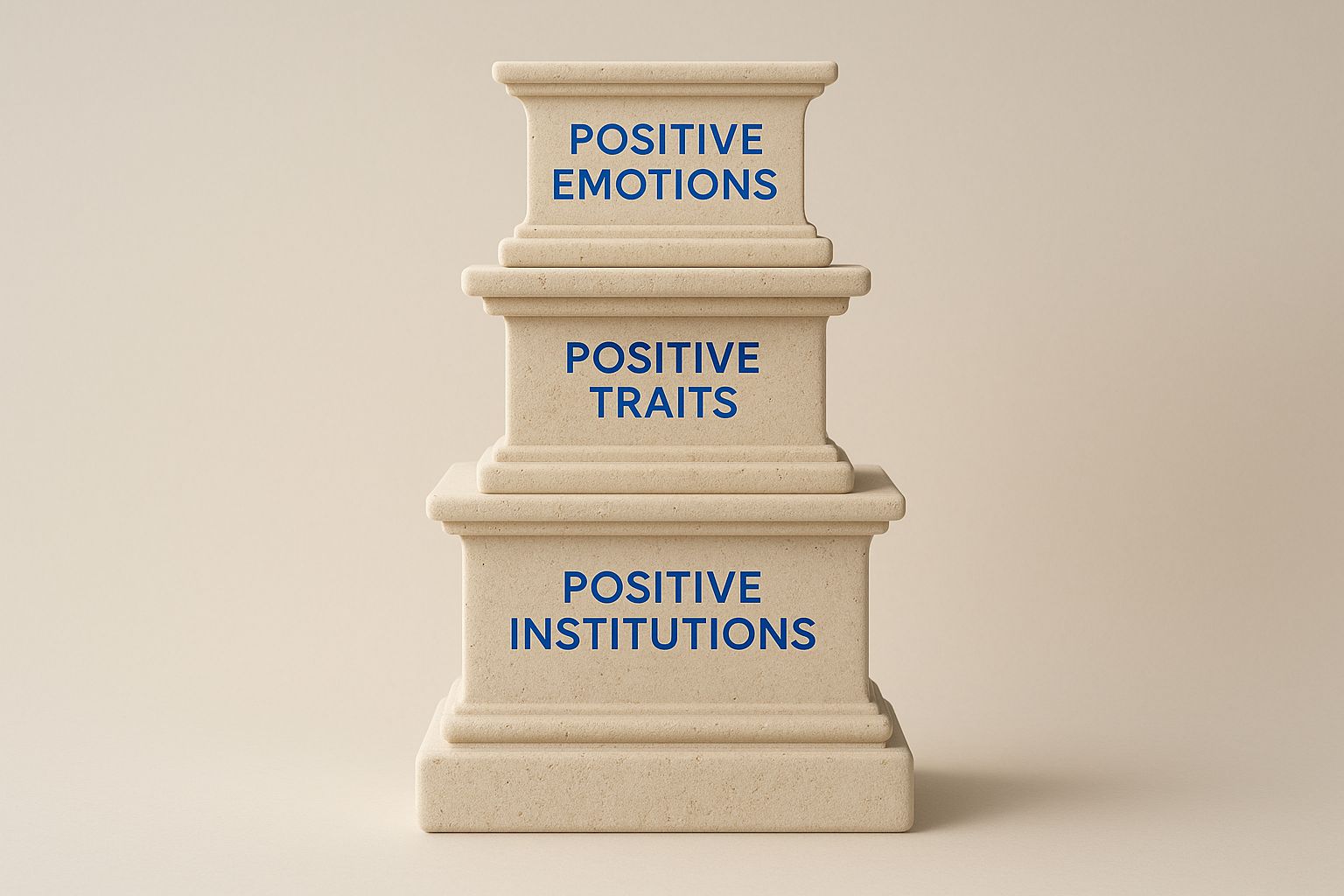
    To understand positive psychology in practice, it helps to see it as a structure built on three core pillars. These pillars work together to support a life of genuine well-being, helping us move from just getting by to truly flourishing.

    The first pillar is Positive Emotions. This goes beyond fleeting happiness to include intentionally cultivating feelings like joy, gratitude, hope, and compassion. These emotions enrich our lives, broaden our perspective during challenges, and build our resilience over time.

    Next is the second pillar: Positive Individual Traits. This focuses on our inner character—the strengths and virtues we can all develop, like kindness, courage, and perseverance. These are like muscles that get stronger with use, helping you navigate workplace stress and personal struggles with more confidence.

    This infographic neatly shows how these three foundational pillars—Positive Emotions, Positive Traits, and Positive Institutions—all link up to support a flourishing life.

    Infographic about what is positive psychology, showing three pillars labeled "Positive Emotions," "Positive Traits," and "Positive Institutions."

    As you can see, our personal growth is deeply connected to the environments we live and work in.

    The Power of Positive Connections

    This brings us to the third pillar: Positive Institutions. We don't build well-being in a vacuum. Supportive families, fair workplaces, and strong communities are essential for us to thrive and feel a sense of belonging.

    A key part of living a flourishing life involves getting clear on your core values and purpose. You can gain clarity and direction by learning how to write a personal mission statement.

    Nurturing all three pillars helps create a balanced foundation for a meaningful life. This framework complements, rather than replaces, professional therapy or counselling for challenges like anxiety or burnout.

    Why Well-being Is Gaining Global Attention

    There has been a major shift in how we talk about mental health. For years, the focus was mostly on fixing problems. Now, the conversation is expanding to include how we can actively build and nurture our well-being.

    This is a global movement. From corporate wellness programs in India to community initiatives worldwide, people are asking how to move from just surviving to truly thriving. This is why understanding what is positive psychology is so important for handling challenges like workplace stress.

    From West to East and Beyond

    While the term "positive psychology" was coined in the West, its core ideas—like building resilience and fostering compassion—are universal. Cultures around the world, including in India, are adapting these principles to fit their unique contexts.

    The field has grown globally, especially in regions with strong South Asian cultural ties. For example, a review of studies in the Arab world showed a dramatic spike in interest after 2011. You can read the full research about these regional trends.

    This surge shows that the desire to flourish is a fundamental human aspiration, shared across borders.

    By focusing on well-being, we aren't dismissing the seriousness of conditions like anxiety or depression. We are adding a vital layer to mental health care—one focused on prevention, strength, and proactive growth.

    Traditional therapy and counselling are essential for healing, while positive psychology provides tools for building strength. The two approaches work together to create a more complete and supportive picture of mental health.

    Practical Ways to Apply Positive Psychology Daily

    Knowing the theory is a great start, but real change comes from putting these ideas into practice. This is about weaving small, consistent actions into your day that build mental strength over time.

    Turning these concepts into simple habits can help you manage anxiety and cope with workplace stress. These exercises are tools for self-discovery that support, not replace, professional therapy or counselling.

    Cultivating Gratitude and Mindfulness

    One of the simplest practices is gratitude journaling. Each day, take a few minutes to write down three things you are thankful for. This small act trains your brain to focus on what you have, which is an idea you can learn more about in the profound impact of gratitude.

    Mindfulness is another powerful tool that brings you into the present moment, calming anxious thoughts.

    • Mindful Breathing: When you feel overwhelmed, stop and take a few slow, deep breaths. This can be done anywhere.
    • Sensory Check-in: Pause and name five things you can see, four you can touch, and three you can hear. This simple trick grounds you in the here and now.

    Identifying and Using Your Strengths

    Another key part of positive psychology is discovering your unique character strengths and finding ways to use them. When you lean into what you're naturally good at, you feel more authentic, engaged, and confident.

    Positive psychology often takes a holistic approach, which fits well with many cultural perspectives, including those across India. Any assessments you find are for informational purposes, not for diagnosis.

    Research shows these methods work. A major review found that interventions based on these principles boosted resilience and happiness while reducing symptoms of anxiety and depression. By bringing these small practices into your life, you build a stronger foundation for your mental well-being.

    Let's Clear Up Some Common Myths About Positive Psychology

    As positive psychology has become more popular, a few misunderstandings have emerged. It’s important to clarify these so you can see how this field genuinely supports our overall well-being.

    The biggest myth is that positive psychology is about being happy all the time. This is untrue. Forcing a smile, often called "toxic positivity," is the opposite of what this science is about. The goal is not to ignore difficult feelings like sadness or anger, but to build the inner resources to navigate them.

    It’s Not a Replacement for Therapy

    Another common mix-up is thinking positive psychology can replace traditional therapy or counselling. It cannot. Instead, think of it as a powerful ally that works alongside these vital services.

    While therapy is often essential for healing from distress like anxiety or depression, positive psychology offers tools to proactively build your strengths. The two approaches are complementary and can be used together for a holistic approach to mental health.

    We see this balance in research worldwide. For instance, studies in Asia show that both a strengths-based focus and a focus on deficits are needed for a complete picture of mental health. You can discover more insights about these research trends if you're curious.

    Positive psychology fully acknowledges human suffering. Its aim is to help you build the coping skills, emotional balance, and resilience needed to navigate life's inevitable hardships, not pretend they don't exist.

    By clearing up these myths, we see positive psychology for what it is: a science-backed partner on your journey. It offers practical tools to manage challenges like workplace stress and build a more meaningful life.

    Your Path Forward to Greater Well-being

    Your journey toward well-being is deeply personal, and understanding positive psychology can be a supportive first step. It's not about chasing constant happiness, but about gathering tools to build a more authentic and resilient life.

    Focusing on your strengths and nurturing meaningful connections creates a solid foundation for your well-being. Remember that progress comes from small, consistent steps, not a complete life overhaul overnight.

    The goal is to build a life that feels good on the inside, not just one that looks good on the outside. This means embracing all your emotions while actively nurturing the resources that help you thrive.

    Reaching out for professional support through therapy or counselling is a sign of strength. It is especially helpful when navigating challenges like anxiety, depression, or workplace stress.

    Ultimately, this path is about discovering what works for you. Whether through your own exploration or with professional guidance, you have the power to build a life filled with purpose, connection, and genuine well-being. Every step you take is a move toward a more resilient you.

    Got Questions? We've Got Answers

    Let's answer a few common questions about positive psychology and how it might fit into your life.

    Is Positive Psychology Just Another Name for Therapy?

    Not at all. Think of it as a partner to traditional therapy, not a replacement. While therapy is often essential for healing and managing mental health conditions, positive psychology focuses on building your strengths for a more fulfilling life.

    How Can This Actually Help Me with Stress at Work?

    Positive psychology is very practical for real-world challenges like workplace stress. Instead of just coping with burnout, it helps you proactively build resilience.

    You can start by identifying your unique strengths and using them more at your job. Practising short mindfulness exercises or fostering better relationships with colleagues are also proven strategies to buffer against stress.

    So, Do I Have to Be Happy All the Time?

    Absolutely not. Positive psychology acknowledges that sadness, anger, and anxiety are normal parts of being human. It is not about forcing a smile or ignoring difficulties.

    The goal is to build a foundation of positive emotions, relationships, and meaning. This foundation doesn't prevent life's storms, but it helps you weather them with greater strength. Remember, any assessments you take are for your own insight and are not diagnostic.


    Ready to explore how you can build a more fulfilling life? At DeTalks, we connect you with qualified therapists and provide science-backed tools to support your unique journey.

    Take a look at our resources and find the support that's right for you at https://detalks.com.