Tag: mental health India

  • Adjustment Disorder with Anxiety ICD 10: A Guide

    Adjustment Disorder with Anxiety ICD 10: A Guide

    A lot of people search for adjustment disorder with anxiety icd 10 when life suddenly feels harder than it used to. You may have started a demanding job, moved to a new city, gone through a breakup, faced exam pressure, or taken on family responsibilities that leave you tense all day and unable to switch off at night.

    If that sounds familiar, it doesn’t mean you’re weak, dramatic, or “failing” at coping. It may mean your mind and body are reacting to a real stressor, and that reaction has become strong enough to affect your work, sleep, relationships, or sense of well-being.

    Feeling Overwhelmed After a Big Change

    Rohan had wanted the new job for months. But after getting it, he couldn’t relax. He checked emails late into the night, replayed every conversation with his manager, and felt a knot in his stomach every morning before work.

    Aditi moved to Bengaluru for university and thought she’d feel excited. Instead, she felt restless, homesick, and constantly on edge. Even simple tasks like attending class or calling home started to feel exhausting.

    A stressed young man looking at a job application form while surrounded by moving boxes

    These experiences are common after major life changes. A new beginning isn’t always calm. Sometimes even a positive change creates uncertainty, pressure, and fear.

    When stress stops feeling temporary

    It is common to feel stressed after a change. The concern starts when the anxiety doesn’t settle and begins to shape daily life. You might find yourself overthinking, avoiding calls, snapping at loved ones, struggling to focus, or feeling physically tense all the time.

    In Indian primary care settings, adjustment disorder with anxiety was identified in about 1.34% of general patients in a cross-sectional study across primary healthcare centres, which shows that this is a real and recognisable mental health presentation in everyday care, not a rare or unusual problem (study on adjustment disorders in primary care).

    You can have a real stress response even if other people think you should be “fine by now”.

    A helpful name, not a harsh label

    The phrase adjustment disorder with anxiety can sound clinical, but it can also be useful. A name can help you understand why you feel unlike yourself after a specific change. It can also guide you toward the right kind of therapy, counselling, and support.

    If you’re still in the stage of trying to calm the immediate flood of stress, practical guides on how to stop feeling overwhelmed can help you create a little breathing room while you decide what support you need next.

    • Common triggers: relocation, relationship conflict, job loss, exam pressure, workplace stress, family tension
    • Common feelings: worry, dread, irritability, mental overload, poor sleep
    • Common impact: lower concentration, burnout, conflict at home, reduced confidence

    Decoding the Diagnosis Adjustment Disorder with Anxiety F43.22

    F43.22 is the ICD-10 code for adjustment disorder with anxiety. That code is mainly a shared language used by health professionals and systems. It helps with documentation, records, referrals, and sometimes insurance.

    Consider it similar to a library label. The label doesn’t define your whole story. It helps professionals place your symptoms in the right category so you can get suitable care.

    What the diagnosis actually means

    Adjustment disorder with anxiety is a stress-related condition. The key idea is that the anxiety is linked to an identifiable stressor. In plain language, something happened, and after that, your emotional system started struggling to adjust.

    The formal description states that symptoms such as nervousness and excessive worry develop within 3 months of an identifiable stressor, and the distress must be out of proportion to the stressor or cause significant impairment in social or occupational functioning (ICD-10 F43.22 overview).

    An analogy often helps here. If a long-term anxiety disorder is like a condition that keeps flaring up across many situations, adjustment disorder with anxiety can feel more like an emotional sprain. Something strained your coping system. It hurts, it limits movement, and it needs attention, support, and time.

    Why people get confused by the code

    Many readers worry that a code means a lifelong diagnosis. Usually, it doesn’t. In this case, the code points to a reaction connected to a stressor and used for clinical clarity.

    Here’s what usually matters most in everyday life:

    What to understand What it means in simple language
    Identifiable stressor There’s a clear event or situation linked to the anxiety
    Within 3 months Symptoms begin after the stressor, not years later
    Marked distress Your reaction feels intense and hard to manage
    Impairment It affects work, study, family life, or daily functioning

    Practical rule: If your anxiety is strongly tied to one major life change and your daily life has started shrinking around it, it’s worth discussing with a qualified mental health professional.

    Why codes exist at all

    People often see medical coding as cold or bureaucratic. In reality, good coding can improve care. If you’re curious about the wider system, this guide to behavioral health ICD-10 codes gives useful context about how these labels are organised.

    What matters most is this. F43.22 is not a character judgement. It’s a clinical shorthand for a treatable pattern of stress-related anxiety.

    Recognising the Signs in Your Life and Work

    Sometimes the signs don’t look dramatic from the outside. A person may still go to the office, attend lectures, smile in family photos, and answer messages. Inside, though, they may feel wired, fragile, and close to tears.

    A college student might start dreading exam season weeks in advance. Not because they’re lazy or unprepared, but because the pressure has become so intense that their body reacts before their mind can reason with it. They sit at the desk, stare at the page, and feel panic rising.

    A concerned woman checks her smartphone while sitting in an office with a coworker working nearby.

    A young manager might receive a promotion and then begin second-guessing every decision. Instead of feeling proud, they feel constant workplace stress. They stay late, can’t stop checking for mistakes, and carry that tension home.

    What it can feel like day to day

    The experience often includes both thoughts and body sensations. You may notice worry, irritability, fear of failure, or a sense that something bad is about to happen. You may also notice a racing heart, shallow breathing, muscle tightness, poor sleep, or stomach discomfort.

    Some people become highly avoidant. They delay meetings, skip classes, ignore calls, or withdraw socially because every interaction feels like one more demand. Others keep functioning but pay for it through burnout, emotional numbness, or short tempers.

    Why many people don’t get the right help

    In India, adjustment disorders account for 10% to 15% of outpatient psychiatric visits, but only 28% of affected individuals seek formal care due to stigma. The same source notes that workplace stressors affect 35% of urban professionals, and these experiences are often misread as generalized anxiety disorder rather than the more specific F43.22 (India-focused coding and prevalence discussion).

    That matters because language shapes care. If the stressor isn’t recognised, the person may not get support that fits their real situation, such as counselling around a breakup, career setback, exam pressure, relocation, or family conflict.

    • At work: overchecking, fear of criticism, difficulty switching off, rising burnout
    • At home: irritability, more arguments, feeling unsupported, emotional exhaustion
    • In studies: blanking during revision, procrastination driven by fear, loss of confidence
    • In the body: restlessness, headaches, tiredness, poor sleep, muscle tension

    Many people don’t seek therapy because they think, “This isn’t serious enough.” If it’s affecting your functioning, it’s serious enough to deserve care.

    Is It Adjustment Disorder or Something Else

    People often ask a very reasonable question. “How do I know this is adjustment disorder with anxiety and not normal stress, anxiety, depression, or trauma-related distress?” The answer depends on the trigger, the pattern, and how much your life is being affected.

    A diagnostic guide comparing Adjustment Disorder with Anxiety to Generalized Anxiety Disorder, Major Depressive Disorder, and normal stress.

    A simple way to think about it is this. Adjustment disorder with anxiety is tied to a clear stressor. The distress is stronger than you’d expect and begins to interfere with living. It isn’t just a busy week or one bad day.

    Differentiating Adjustment Disorder with Anxiety

    Condition Primary Trigger Symptom Duration Core Feature
    Adjustment disorder with anxiety A clear life stressor such as a move, breakup, exam pressure, or job change Begins after the stressor and is typically time-linked to it Anxiety centred around difficulty adapting
    Generalized anxiety disorder Not tied to one single trigger More persistent and broad Worry spreads across many areas of life
    Major depressive disorder May or may not follow a stressor More sustained low mood pattern Sadness, loss of interest, low energy, hopelessness
    Normal stress response Everyday demands or short-term pressure Usually brief and manageable Stress is present, but functioning remains mostly intact

    The key differences

    With generalized anxiety disorder, worry tends to roam. One day it’s work, then health, then money, then family. With adjustment disorder, the anxiety usually circles around a specific change or pressure point.

    With depression, low mood and loss of interest often move to the centre. A person may stop enjoying things, feel heavy or hopeless, and struggle with energy and motivation in a more pervasive way.

    With PTSD, the trigger is typically a traumatic event and the person may experience intrusive memories, strong avoidance of reminders, or feeling on constant alert in a trauma-linked way. That’s different from the stress-linked anxiety pattern seen in adjustment disorder.

    Self-reflection can guide you, but it can’t replace assessment by a qualified clinician.

    A useful self-check

    Ask yourself these questions:

    1. Did this begin after a clear life event or major stressor?
    2. Has my reaction started affecting work, study, sleep, or relationships?
    3. Does the anxiety feel mainly connected to that specific stressor?
    4. Am I trying to “push through” while my quality of life keeps slipping?

    If you answer yes to several of these, a professional conversation could help clarify what’s going on. Any self-test or online screening should be treated as informational, not diagnostic. It can point you in a direction, but it shouldn’t be the final word.

    Pathways to Resilience and Well-being

    The hopeful part of this diagnosis is that it often responds well to timely support. Research reviewing adjustment disorder found lower 10-year readmission rates than depressive disorders, and only 17% of cases progressed to a chronic course, which supports the view that this condition is often time-limited when addressed early (review on adjustment disorder outcomes).

    A woman meditating on a park bench while another practices yoga and a third writes notes.

    That doesn’t mean you should minimise your pain. It means your current state isn’t necessarily your permanent state. With the right therapy, counselling, and daily support habits, many people regain steadiness and build stronger resilience than they had before.

    What effective support often looks like

    For many people, therapy helps because it offers both relief and structure. A therapist may help you identify the stressor clearly, understand how your mind is interpreting it, and build coping responses that feel realistic in your life.

    Cognitive behavioural therapy, often called CBT, is commonly used for stress-linked anxiety. It can help you notice thoughts like “I’m going to fail,” “I can’t handle this,” or “One mistake will ruin everything,” and examine them more fairly. That doesn’t mean forced positivity. It means learning to respond with accuracy rather than panic.

    Counselling can also help with the practical side of adjustment. If the trigger is workplace stress, therapy may focus on boundaries, communication, and burnout recovery. If the trigger is family conflict or a breakup, it may centre on emotional processing, self-worth, and stabilising daily routines.

    Small practices that support recovery

    These don’t replace professional care, but they can make therapy more effective:

    • Steady routines: waking, eating, and sleeping at roughly regular times helps the nervous system feel safer
    • Body-based calming: slow breathing, light stretching, a walk, or gentle yoga can reduce the sense of internal alarm
    • Compassionate self-talk: replace “I should be coping better” with “I’m under strain, and I need support”
    • Short reflection writing: note the stressor, the fear it triggers, and one realistic response
    • Connection: talk to one safe person instead of carrying everything alone

    A short practice can help some people settle enough to engage with deeper work.

    Resilience isn’t pretending you’re fine

    Resilience is often misunderstood as toughness. In practice, it looks more like flexibility. It’s the ability to feel distress, ask for help, adapt, and slowly regain balance.

    “Getting support early can stop a difficult season from becoming your new normal.”

    Well-being also includes positive psychology, not just symptom reduction. Gratitude, meaning, self-compassion, and moments of pleasure matter. They don’t erase anxiety or depression, but they help rebuild a fuller inner life while you recover.

    Navigating Records Insurance and Professional Support

    Many people hesitate to seek help because they worry about records, labels, and insurance. That concern is understandable. Mental health can feel personal in a way that even physical health records sometimes don’t.

    Still, accurate diagnosis has a practical purpose. In Indian mental health practice, precise coding like F43.22 is important for reimbursement, and misclassification can lead to claim denials. The same source also notes that this condition involves stress-related biological changes that are reversible with therapy or medication, which reinforces that it is treatable rather than fixed or hopeless (clinical coding note for F43.22).

    Why correct documentation matters

    If a clinician uses the correct code, it can support clearer communication across professionals and smoother handling of claims where insurance applies. That can matter under public schemes, private plans, or employer-supported care pathways.

    Precise documentation is essential for shaping better treatment. If your anxiety is linked to a specific life stressor, your care plan may differ from the plan used for a broader, more persistent anxiety condition.

    What many people fear

    People often worry about three things:

    • Confidentiality: whether others will find out
    • Stigma: whether a diagnosis changes how they’re seen
    • Permanent labels: whether the record follows them forever in the wrong way

    Mental health professionals are expected to protect client privacy and handle records ethically. If you’re unsure, ask direct questions before beginning therapy or counselling. You’re allowed to understand how notes are stored, what’s shared, and when information might be disclosed.

    A diagnosis is a tool for care. It isn’t a verdict on your identity.

    If you’re considering support, it can help to ask practical questions at the first appointment. What diagnosis is being considered, if any? Why does it fit? What type of therapy is recommended? How will progress be reviewed? Clear answers can reduce anxiety and help you feel more in control.

    Taking Your First Step Towards Feeling Better

    If you’ve been feeling tense, overwhelmed, or unusually anxious after a major life change, try not to turn that into a moral judgement about yourself. Stress can shake even capable, caring, high-functioning people. The issue isn’t whether you “should” be coping better. The issue is whether you deserve support while you cope. You do.

    A good first step is simple. Write down the stressor, when the anxiety began, and how it’s affecting sleep, work, relationships, or studies. That gives you a clearer picture and makes it easier to talk with a professional.

    You can also use a mental health assessment as a starting point for self-understanding. Just keep the role of assessments clear. They are informational, not diagnostic. They can highlight patterns and help you decide whether therapy, counselling, self-help, or medical care may be useful.

    If you do seek help, look for a therapist or counsellor who understands both anxiety and context. In India, that may mean someone who gets exam pressure, family expectations, workplace stress, burnout, relocation, or the tension between personal needs and social roles.

    You don’t need to wait until things fall apart. Support is appropriate when life still looks “mostly fine” from the outside but feels hard to carry inside. That early step can protect your well-being, strengthen resilience, and reduce the chance that temporary stress turns into a longer struggle.


    If you’d like a simple place to begin, DeTalks can help you explore qualified therapists and counsellors for anxiety, workplace stress, depression, burnout, family concerns, and personal growth. You can also use confidential, science-backed assessments to gain insight into what you’re experiencing. Those assessments are informational, not diagnostic, but they can help you take your next step with more clarity, self-compassion, and support.

  • Finding Indian Work Life Balance in 2026

    Finding Indian Work Life Balance in 2026

    Trying to find a healthy Indian work life balance can feel like a constant struggle, but it's a conversation we can no longer afford to ignore. For many of us, the lines between professional drive and personal life have blurred, turning balance into a distant goal instead of a daily necessity.

    The Search for Balance in Modern India

    Let's be honest. In India’s dynamic, fast-moving work culture, the pressure to not just succeed, but to excel, is immense. This ambition is a powerful engine for our country's growth, but it often comes at a high personal cost, contributing to widespread workplace stress and anxiety.

    Finding a sustainable Indian work life balance isn’t about working less; it's about working with greater intention and living a more conscious life. It's about creating harmony where your career and your personal well-being support each other, leading to long-term success and genuine happiness.

    The goal was never a perfect 50/50 split—that’s an impossible standard. Real balance is the flexibility to navigate the shifting demands of your job and your life without your mental health paying the price.

    Understanding the Pressure

    So, where does this strain come from? It’s a mix of things: constant connectivity through our phones, fierce competition, and a cultural expectation of "presenteeism"—the idea that long hours at your desk equal dedication. This makes it incredibly difficult to ever truly switch off and can leave you feeling perpetually "on."

    This relentless pressure can show up in a few key ways:

    • Persistent Stress: That nagging feeling of being constantly overwhelmed by your to-do list.
    • Rising Anxiety: The constant worry about your performance, job security, or the next step in your career.
    • Risk of Burnout: The deep emotional, physical, and mental exhaustion that comes from being stressed for too long.

    Ultimately, tackling India’s work-life balance challenge is a shared responsibility. It starts with individuals learning to build resilience and set firm boundaries, but it also demands a cultural shift in workplaces toward genuinely supporting people. Knowing when to ask for help—whether through therapy or counselling—isn't a weakness; it's a sign of profound strength. As your trusted partner in mental health, DeTalks is here to help you find the guidance and resources you need to navigate this journey toward a healthier, more balanced life.

    Why Is Balance So Hard to Achieve in India?

    If you feel like finding a healthy work-life balance in India is an uphill battle, you’re not alone. It can often feel like a race where the finish line keeps moving. This isn't a personal failure; it's a shared experience woven into our professional culture.

    One of the biggest hurdles is the unspoken pressure of presenteeism. This is the subtle expectation to be seen working late or to be constantly available online, even when you aren't being productive. This culture mistakenly equates long hours with dedication, making it incredibly difficult to truly switch off.

    The Cultural and Systemic Pressures

    This pressure is amplified by the intense competition and collective ambition that define our professional landscape. The fear of falling behind pushes many of us to sacrifice personal time, letting work bleed into every corner of life. This can easily fuel anxiety and lock you into a persistent cycle of stress, where genuine rest starts to feel like an out-of-reach luxury.

    Recent data paints a stark picture. The 2025 Global Work-Life Balance Index ranked India a low 42nd out of 60 countries, with a score of just 45.81 out of 100. The report highlighted familiar reasons: an average work week of 46.7 hours, few flexible work options, and a strong culture of presenteeism.

    Despite this, a striking 78% of Indian employees said they prioritise family time, showing a massive disconnect between our values and our daily reality. You can discover more insights about these work-life balance findings and what they mean for employees.

    This next visual captures how these forces interact—linking ambition, high pressure, the mental toll it takes, and why finding balance has become so urgent.

    Conceptual model showing work-life strain in India: ambition fueled by pressure leads to mental toll and need for balance.

    As you can see, while ambition is a powerful driver, it's the unchecked pressure that leads to a heavy mental toll. This is what makes the search for balance absolutely essential for our well-being.

    From External Pressure to Internal Strain

    Over time, these external demands can feel like internal ones. The constant need to perform can feed anxiety, depression, and a sense of being perpetually overwhelmed. It also chips away at our personal resilience, because there is simply no time left for the activities that recharge our minds and bodies.

    Remember, the struggle for a better Indian work-life balance is not a sign of weakness. It’s a natural response to a demanding system that often prioritises output over well-being.

    Understanding this context is the first step toward reclaiming your time and mental space. The goal isn't to diminish your ambition, but to learn how to pursue success in a way that doesn't cost you your health. Seeking support through therapy or counselling can offer tools to manage this pressure and build a more sustainable and fulfilling life.

    Recognising the Signs of Burnout and Stress

    A tired Indian man sits at a desk, head in hands, next to a closed laptop and a cup of tea.

    When does 'working hard' cross the line into 'working unwell'? Knowing the difference is the first step towards getting your well-being back on track. It’s easy to dismiss exhaustion as just part of being ambitious, but chronic workplace stress can quietly damage your health.

    Burnout isn’t just about feeling tired; it’s a state of emotional, physical, and mental exhaustion from prolonged stress. Similarly, anxiety isn't just everyday worrying; it can be a persistent sense of dread that interferes with your life. These are serious signals from your mind and body that you may need support.

    Realising that you're struggling is not an admission of failure. It is an act of self-awareness and strength, empowering you to take proactive steps for your well-being.

    This struggle is especially common in India’s high-pressure industries like the tech sector, which is facing a major burnout crisis. A March 2025 survey found that 72% of IT professionals were working beyond the mandated 48 hours per week. Of those, 52% pointed directly to a poor Indian work life balance as the reason. You can read the full research about these burnout trends for a deeper look.

    Physical and Emotional Warning Signs

    The toll of burnout often shows up in your body, thoughts, and actions. Physically, you might notice a deep fatigue that sleep doesn't seem to fix, frequent headaches, stomach issues, or changes in your appetite. Think of these as your body’s red flags.

    Emotionally, you might start feeling cynical about your job, disconnected from colleagues, or as if nothing you do matters. A tell-tale sign of burnout is that feeling of just going through the motions with no motivation. This often spills over into your personal life, making you feel irritable and overwhelmed.

    To help you get a clearer picture, we've put together a table outlining some common indicators. Please remember, this is for informational purposes only and is not a diagnostic tool.

    Recognizing the Warning Signs of Burnout

    This table helps you identify common emotional, physical, and behavioural signs associated with chronic workplace stress and burnout.

    Sign Category Common Indicators to Watch For
    Emotional Exhaustion Feeling constantly drained, cynical, and detached from your work and colleagues.
    Physical Symptoms Experiencing frequent headaches, stomach issues, changes in sleep, or unexplained fatigue.
    Behavioural Changes Procrastinating more than usual, withdrawing from social activities, or becoming irritable.
    Reduced Performance Struggling to concentrate, making more mistakes, or feeling a lack of accomplishment in your work.

    If these signs feel familiar, it might be a good time to consider seeking support. The goal is to build the self-awareness you need to act early. Catching these signs is crucial for building resilience and seeking help—whether through therapy or other support—before stress evolves into burnout, anxiety, or depression.

    Practical Strategies to Reclaim Your Well-Being

    Young Indian man enjoys reading a book and hot drink on his balcony.

    Knowing you have a poor Indian work-life balance is one thing; doing something about it is where real change begins. This isn't about a dramatic overhaul, but about making small, deliberate choices every day that help you reclaim your time and headspace.

    The most effective place to start is with boundaries. You have to be the one to decide when your workday is over and create a real separation between your job and your life. It can feel awkward at first, but it’s the only way to stop the chronic workplace stress that leads to burnout.

    Building Resilience and Setting Boundaries

    Building personal resilience starts the moment you give yourself permission to disconnect. It means treating your personal time with the same importance as a major client meeting. Block out time in your calendar for yourself, whether it's for a workout, reading a book, or just sitting quietly without a screen.

    Here are a few ways to make this happen:

    • Communicate Your Availability: Be clear about your working hours in your email signature and online status. This manages expectations from the start.
    • Create a “Shutdown” Ritual: At the end of the day, take five minutes to tidy your workspace, write down your top three priorities for tomorrow, and then close your laptop. This simple act signals to your brain that work is done.
    • Practise Saying 'No' Gracefully: When you’re at capacity, you can say, "I’d love to help, but my plate is full this week. Can we look at this next Monday?" This protects your time while showing you’re a team player.

    Flexibility also plays a massive role. A recent Randstad India survey found that 52% of Indian employees would consider quitting a job if it didn't offer enough flexibility. You can read more about these workplace flexibility findings to see how critical this has become.

    Embracing Mindfulness and Self-Compassion

    Managing the internal pressure we put on ourselves is just as important. Simple mindfulness practices can make a huge difference. Taking a few deep breaths before a stressful meeting or a quick walk at lunchtime can help tame anxiety and sharpen your focus.

    Self-compassion is the other side of that coin. It’s about treating yourself with the same kindness you’d show a friend who is struggling. Instead of criticising yourself for feeling overwhelmed, simply acknowledge that you're in a tough spot. This small shift can make a big difference in fighting off feelings of depression and isolation.

    Remember, these strategies are for your information and well-being, not for self-diagnosis. If you are struggling, professional therapy or counselling can offer personalised guidance.

    For many, the ultimate strategy is to find a role that’s built for balance from the ground up. Exploring and applying to top remote companies can open up the flexibility you need. These small but consistent efforts are the building blocks of a healthier, more balanced life.

    How Leaders Can Build a Healthier Work Culture

    Five Indian professionals, men and women, smiling and discussing around a table in a bright office.

    While every employee plays a role in their own well-being, leaders truly set the tone. Improving the Indian work life balance isn’t just a feel-good initiative; it’s a driver of productivity, innovation, and loyalty. The shift begins when you stop seeing your team as resources and start seeing them as people.

    A healthy culture starts with psychological safety, where people can voice concerns or talk about struggles without fear of being penalised. When leaders openly discuss mental health and normalise conversations around workplace stress and anxiety, they send a powerful signal: your well-being matters here. This can dramatically lower the risk of burnout and depression across your team.

    Leading by Example

    The quickest way to change a culture is by what you do every day. If you’re sending emails at 10 PM, you’re setting an unspoken expectation for your team to be constantly online. If you never take a proper holiday, you’re telling them that rest is not a priority.

    Real leadership is about respecting boundaries—both yours and your team's. It's about consciously moving the focus from hours worked to results delivered. A team that feels trusted and respected is an engaged, motivated team, one far more likely to build resilience and navigate challenges effectively.

    A supportive work culture doesn’t just happen; it is intentionally built. It requires compassion, consistency, and a genuine commitment from leaders to prioritise the human beings on their team.

    Concrete Actions for a Healthier Culture

    Moving from a culture of constant pressure to one of sustainable performance requires deliberate action. While individuals must manage their own boundaries, employers have a clear responsibility to support them in maintaining a good work-life balance.

    Here are a few practical steps you can start taking today:

    • Encourage Full Disconnection: Actively tell your team to log off and recharge. Consider a "right to disconnect" guideline that discourages after-hours contact.
    • Model Healthy Boundaries: Take your full lunch break away from your desk. Leave at a reasonable time and be open about how you use your downtime to disconnect.
    • Promote Open Dialogue: Make one-on-ones about more than just project updates. Ask your team members how they're really doing with their workload and stress levels.
    • Focus on Outcomes, Not Hours: Shift your performance metrics. Celebrate the quality of work and achievement of goals, not who is online the latest.

    Taking these steps helps build a culture where reaching out for therapy or counselling is seen not as a failure, but as a proactive step towards well-being. This is how you create a workplace where everyone can genuinely thrive.

    When to Seek Professional Support

    There are times when self-help strategies just don’t seem to be enough. If you've been trying to manage chronic workplace stress on your own but still feel overwhelmed, that’s perfectly okay. Realising you need more support isn't a sign of failure—it's a sign of self-awareness.

    Deciding to speak with a professional through therapy or counselling can be a game-changer. It provides a safe, confidential space to unpack the sources of your stress with someone trained to listen. This becomes especially important when feelings of anxiety or burnout start impacting your daily life and relationships.

    Understanding Your Needs

    Taking that first step can often feel like the hardest part. At DeTalks, we offer confidential, science-backed psychological assessments to help you get started. Please keep in mind, these tools are for informational purposes to offer clarity; they are not intended to provide a diagnosis.

    Think of these assessments as a personal map. They help you put a name to what you're feeling and point you toward the right kind of support, whether that’s a self-help routine, coaching, or one-on-one counselling.

    For many people, improving their Indian work life balance means learning new ways to cope and building genuine resilience. A good therapist can offer personalized tools to manage office dynamics, deal with persistent anxiety or feelings of depression, and reshape your relationship with work.

    Finding the Right Path Forward

    Recognising that you need help is the first hurdle. The next is finding a professional you can trust. Platforms like DeTalks were created to simplify that search, connecting you with vetted therapists and counsellors across India who understand the challenges you're facing.

    Remember, seeking counselling is an investment in your long-term health and happiness. It’s about equipping yourself with the tools not just to survive a demanding work culture, but to genuinely thrive within it.

    Frequently Asked Questions

    Thinking about improving your Indian work life balance often brings up tough questions. Let’s tackle a few of the most common ones we hear from people starting this journey.

    Is Good Work-Life Balance Possible in India?

    Yes, absolutely. But it doesn’t just happen—you have to be intentional about creating it.

    Forget the myth of a perfect 50/50 split. Real balance is about consistently setting boundaries, protecting your well-being, and communicating your needs. Small, steady actions build resilience and are more sustainable than massive changes, helping you feel in control of your life.

    How Do I Talk to My Manager About My Workload?

    Frame the conversation around performance and efficiency, not just how overwhelmed you feel. Instead of saying, “I’m completely overloaded,” try a more constructive approach.

    For example, you could say, “To ensure I’m delivering the best quality work on our top priorities, could we review my current tasks and align on what’s most critical?” This positions you as a proactive problem-solver, not just someone complaining about workplace stress.

    Acknowledging you feel burned out isn't a sign of weakness; it's the first brave step toward recovery. Focus on one small, restorative action you can take today—it makes the path forward feel manageable and builds momentum for lasting change.

    What Is the First Step if I Feel Burned Out?

    The very first step is to acknowledge how you're feeling, without judgment. Burnout is a real and valid response to prolonged stress.

    After that, pick one small, achievable action. It could be taking your full lunch break away from your screen, logging off on time for one day, or booking a confidential consultation for therapy or counselling. Starting small is key to breaking through the paralysis that burnout, anxiety, and depression can create.

    These feelings are powerful signals from your body and mind telling you that something needs to shift. Listening is an act of strength.


    If these challenges resonate with you and you’re looking for support that understands your situation, DeTalks is here. Explore our directory of trusted professionals and take the first step toward a more balanced life by visiting https://detalks.com.

  • A Practical Guide to Cognitive Behavioral Therapy in India for 2026

    A Practical Guide to Cognitive Behavioral Therapy in India for 2026

    If you're seeking a practical, proven way to navigate mental health challenges in India, Cognitive Behavioral Therapy (CBT) may be an excellent choice. It has become a trusted approach for many individuals and professionals looking to manage common issues like workplace stress, anxiety, and burnout, helping them build the resilience needed to thrive.

    Your Guide to Mental Well-Being in India

    Life in modern India is full of energy and opportunity, but it can also feel overwhelming. Juggling demanding careers, academic pressures, and family responsibilities can leave you feeling stretched thin and emotionally drained. In these moments, therapy can offer a supportive space to find your balance, and Cognitive Behavioral Therapy (CBT) is one of the most effective forms of counselling available.

    So, what is it exactly? CBT is a practical training program for your mind, built on one core idea: our thoughts, feelings, and actions are all connected. By learning to identify and gently reframe unhelpful thought patterns, you can positively influence how you feel and what you do. It's a goal-oriented approach that equips you with skills you can use for life.

    Building Resilience for Modern Challenges

    The pace of modern Indian life brings a unique mix of high-stakes opportunities and equally high-stress situations. While our ambitions drive us to achieve great things, they can also pave the way for chronic stress and burnout. This is where CBT offers real, concrete strategies to support your well-being.

    Instead of only talking about a problem, a CBT therapist works with you like a compassionate coach. Together, you will:

    • Pinpoint the specific thoughts that fuel feelings of anxiety or sadness.
    • Develop practical coping strategies for stressful situations.
    • Set small, achievable goals that improve your daily life and relationships.
    • Build a foundation of resilience to better handle life's challenges.

    The aim of CBT is not to promise a magic cure, but to give you the self-awareness and tools to become your own guide. It’s about empowering you to take charge of your mental health, fostering everything from self-compassion to a greater sense of happiness.

    In this guide, we’ll explore what makes cognitive behavioral therapy in India a trusted path toward mental balance. We’ll also cover how to find the right support, including how informational assessments can offer a gentle starting point. Please remember, these assessments are for personal insight and are not a substitute for a professional diagnosis.

    Understanding How CBT Actually Works

    Cognitive Behavioral Therapy (CBT) might sound complex, but its core idea is refreshingly straightforward and practical. It all centers on the powerful link between your thoughts, your feelings, and your behaviors. Simply put, what you think affects how you feel, and how you feel influences what you do.

    Consider a common scenario in India: you're stuck in traffic and running late for an important meeting. A thought like, “This is a disaster, I’m going to look so unprofessional,” might appear. This thought can immediately trigger feelings of stress and anxiety, which might lead you to honk impatiently or compulsively check your phone—actions that only increase your stress.

    CBT teaches you to notice this cycle as it happens, like pressing a pause button on automatic reactions. This space allows you to gently question that initial thought, helping you navigate life's challenges with a clearer mind and a calmer approach.

    The Collaborative Journey of Therapy

    A CBT therapist is not a silent observer but an active partner in your journey. The process is structured and collaborative from the very first session. You'll work together to identify specific challenges and set clear, practical goals for your counselling experience.

    This goal-oriented approach makes the process feel focused and empowering. You aren’t just exploring issues; you're actively developing skills to address them. This hands-on nature is what makes CBT a highly regarded tool for managing challenges like anxiety and building genuine resilience.

    A key feature of CBT is the use of 'homework'—simple, practical tasks to try between sessions. You might be invited to keep a thought diary to notice your thinking patterns or practice a calming breathing exercise. This helps you integrate what you learn in the therapy room into your real, daily life.

    To give you a clearer picture of what to expect, a typical session is quite structured.

    The Core Components of a Typical CBT Session

    Session Component Purpose and What It Involves
    Check-in & Agenda Setting You’ll start by briefly discussing your week and collaboratively setting an agenda for the session. This ensures the time is focused on your most pressing goals.
    Review of 'Homework' You and your therapist will review the between-session task. What went well? What was challenging? This feedback is crucial for learning.
    Working on a Specific Issue This is the main part of the session, where you'll use CBT techniques to work on a specific thought pattern or behavioural challenge identified in your agenda.
    Learning a New Skill You will often learn a new cognitive or behavioural skill, like how to challenge a negative thought or a new relaxation technique.
    Summarising & New 'Homework' At the end, you'll summarise the key takeaways from the session and agree on a new, practical task to work on before your next appointment.

    This structure ensures every session builds upon the last, helping you make steady, measurable progress.

    Diagram: Cognitive Behavioral Therapy (CBT) applications in India, alleviating stress, anxiety, 'STRNOUT', and burnout.

    As the diagram illustrates, CBT offers a practical framework for tackling the stress, anxiety, and burnout that so many of us face. It empowers you to manage these pressures by changing the way you think and react.

    The ultimate goal of cognitive behavioural therapy in India isn't to keep you in therapy forever. It is to equip you with the skills to become your own therapist over time, empowering you to handle life's challenges long after your sessions have ended.

    From Unhelpful Thoughts to Healthy Coping

    A significant part of the CBT process is learning to spot and challenge "cognitive distortions." These are simply unhelpful thinking habits our minds can develop, such as jumping to the worst-case scenario (catastrophizing) or blaming yourself for things outside your control (personalization).

    For instance, imagine your boss offers constructive feedback. A distorted thought might be, “I’m terrible at my job, I’m going to get fired.” CBT teaches you to pause and examine that thought with curiosity. Is there actual evidence for this, or is there another, more balanced way to see the feedback?

    This skill is called cognitive restructuring. It's not about forcing "positive thinking" but about learning to see situations with more accuracy and kindness. Over time, you can replace rigid, negative thoughts with more realistic and helpful ones, which is one of the most effective therapeutic interventions for anxiety because it puts you back in the driver's seat.

    By gently changing your thoughts, you directly influence your emotional experience. This is a game-changer for managing conditions like depression and for building deep, lasting emotional resilience. It's a skill that fosters self-compassion and, ultimately, opens the door to greater happiness. Remember, any assessments you take are for your own insight; a formal diagnosis can only be provided by a qualified professional.

    Why CBT Is Gaining Trust Across India

    It’s no surprise that Cognitive Behavioral Therapy is quickly becoming one of India's most sought-after therapies. Its practical, no-nonsense approach is a perfect match for the unique pressures of modern Indian life. Whether you're navigating intense academic competition, a demanding career, or the sheer pace of city living, CBT offers real skills to manage your mental health.

    This isn't just talk therapy. Instead of simply exploring problems, CBT gives you a clear, structured roadmap to start solving them. It zeroes in on the powerful link between your thoughts, feelings, and actions, empowering you to break negative cycles. This goal-oriented style really clicks with students and professionals looking for effective ways to handle anxiety, depression, and workplace stress.

    A Proven Framework for Real-World Problems

    As conversations around mental health open up across the country, people are looking for therapy that actually delivers results. CBT's greatest strength is that it's backed by decades of solid research proving its effectiveness for a whole host of concerns. More importantly, studies right here in India have shown consistently positive outcomes, building huge confidence among both therapists and the people they help.

    Think of the tools you learn in CBT as life skills. When you learn to spot and challenge your own unhelpful thought patterns, you're not just managing a condition—you're building resilience, improving your relationships, and finding a greater sense of self-compassion. It's a proactive way to look after your mind, helping you handle challenges before they feel overwhelming.

    The rise of CBT points to a bigger, healthier shift in our mindset. We're moving away from seeing therapy as a last resort and starting to embrace it as a powerful tool for personal growth, resilience, and real happiness.

    The momentum is undeniable. Research confirms that since 2010, cognitive behavioural therapy in India has become the most widely practised evidence-based psychotherapy. This trend is marked by a huge jump in published studies, with the cognitive-behavioural model leading the pack. Tellingly, 93% of CBT sessions are for adults aged 19-59, directly addressing the needs of young adults and professionals dealing with career pressures and burnout. You can see the data for yourself in this research on the rise of empirical therapies in India.

    Practical Support for Today’s Challenges

    The structured, hands-on nature of CBT is a big part of its appeal. Rather than being an open-ended discussion, each session has a clear focus. You’ll often leave with practical “homework” to try out in your daily life—this might be keeping a thought journal, testing new beliefs, or practising a different way of reacting in a stressful situation.

    This hands-on approach helps you see progress, which is incredibly motivating. It makes the whole process feel less mysterious and more like a personal training programme for your mind. That kind of clarity is especially helpful if you’re new to therapy or counselling and aren't sure what to expect.

    Ultimately, the trust in CBT comes from its promise of empowerment. It doesn’t offer a magic wand. What it does is give you the understanding and the skills to become your own best advocate for your mental well-being. It’s a journey toward self-awareness that leaves you with practical tools you can use for the rest of your life. And remember, while online assessments can be a useful starting point, they are purely for your information and can never replace a professional diagnosis from a qualified therapist.

    Adapting CBT for Indian Culture and Values

    Therapy is not a one-size-fits-all formula, especially in a country as culturally rich and diverse as India. While the core principles of Cognitive Behavioral Therapy are universal, how they are applied matters greatly. A good therapist in India understands that a person's thoughts and feelings are deeply connected to their family, community, and cultural values.

    This cultural awareness is essential for making therapy effective and building trust. Instead of applying a purely individualistic Western model, skilled therapists in India weave in the collectivist fabric of our society. This transforms cognitive behavioural therapy in India from a clinical procedure into a respectful partnership.

    An Indian family, including a man, girl, and elderly woman, consults with a female therapist.

    Blending Individual Goals with Family Dynamics

    In India, family is often at the center of our lives, providing both our greatest support and, at times, our biggest stressors. A therapist practicing CBT here knows this and often incorporates elements of family counselling. They understand that major life decisions are rarely made in isolation.

    Consider how often our challenges are tied to family dynamics:

    • Marital Discord: Resolving issues with a spouse while navigating opinions from relatives.
    • Parenting Stress: The pressure to raise children according to specific cultural expectations.
    • Inter-Generational Conflict: Balancing tradition with the pulls of modern life.
    • Academic and Career Pressure: Fulfilling expectations set by parents and elders.

    By acknowledging the powerful influence of family, a therapist helps create a supportive environment for change. This ensures that the progress you make in sessions can be sustained at home, leading to more lasting improvements in your well-being.

    Making Therapy Relatable and Effective

    To make concepts like "challenging negative thoughts" feel intuitive, therapists in India often use relatable examples. They might draw on metaphors from local culture, stories, or familiar philosophies. This use of familiar language makes the entire process feel less clinical and more accessible.

    There's strong evidence for this approach. One study found that nearly 90% of practitioners in India blend CBT with other therapeutic styles. A significant 71% make direct changes to the standard CBT model to better fit the local context.

    Most tellingly, family therapy is combined with CBT in 70% of cases to address issues like marital friction and parenting stress. Therapists noted that without these cultural adjustments, it is hard to keep clients engaged, especially when they present with physical symptoms rather than directly stating feelings of anxiety or depression. You can read the full study in this analysis of cultural adaptation of CBT in India.

    A culturally adapted approach doesn't change the science of CBT; it changes how that science is delivered. It ensures that the therapy is not only effective but also feels deeply respectful and understanding of the individual's world.

    Building Resilience and Positive Growth

    Adapting CBT in India is about more than just managing workplace stress or family issues. It's also about fostering positive growth in a way that resonates with deep-seated cultural values like resilience, compassion, and inner harmony.

    For instance, a therapist might help you cultivate self-compassion by framing harsh self-criticism as something that goes against the value of kindness we're taught to show others. They might use mindfulness techniques—which have ancient roots in India—to help you manage anxiety and rediscover a sense of calm and happiness.

    By integrating these positive principles, therapy becomes more than just a tool for fixing problems. It becomes a path to personal growth, helping you build a stronger, more authentic self while staying connected to your roots. While informational assessments are a helpful starting point, they are no substitute for a professional diagnosis from a qualified practitioner.

    How to Find a Qualified CBT Therapist in India

    Taking the first step to find a therapist can feel huge, but it's also a move filled with hope. As conversations around mental health open up across India, finding a qualified professional for Cognitive Behavioural Therapy is easier than it has ever been. Think of this process as finding a partner—someone who will help you build the skills you need for long-term well-being.

    The right therapeutic relationship is founded on trust, solid expertise, and a genuine connection. This person will be your guide through challenges like workplace stress or persistent anxiety, so investing the time to find a good fit is one of the best things you can do for your mental health.

    A laptop displays an online profile for a licensed CBT therapist, alongside a calendar, mug, and smartphone on a white desk.

    Verifying Credentials and Qualifications

    Before you dive in, it’s important to understand who is qualified to help. In India, the mental health field has specific regulations to ensure you receive quality, ethical care. Checking a therapist’s credentials isn't about being difficult; it's about making sure they have the proper training to provide effective therapy.

    Here are the main qualifications to look for in India:

    • RCI Licence: The Rehabilitation Council of India (RCI) is the official body that regulates the training and practice of Clinical Psychologists. An RCI licence is your best sign that a professional is qualified to diagnose and treat mental health conditions.
    • Educational Background: A qualified psychologist should hold at least a Master’s degree (M.A. or M.Sc.) in Psychology or Clinical Psychology. Those with an M.Phil in Clinical Psychology have completed intensive, supervised practical training, which is a big plus.
    • Specialised CBT Training: A psychology degree is the foundation, but you need someone who has specifically trained in CBT. Don't be shy—ask if they have certifications or have attended specialised workshops in cognitive behavioural therapy in India.

    A therapist's qualifications are your assurance of their professional commitment. They confirm that the practitioner has undergone rigorous academic and practical training, and adheres to a recognised code of ethical conduct.

    Key Questions to Ask a Potential Therapist

    Finding a good fit goes beyond a CV. That first consultation call is your chance to see if you click with the therapist’s personality and approach. It’s completely normal to "interview" a few therapists before deciding on one.

    This initial chat is where you can gauge their experience with what you're going through, whether it’s depression, social anxiety, or a desire to build resilience. A good therapist will expect and welcome your questions, answering them openly to help you feel comfortable and understood.

    To make sure you cover the important bases, here are some essential questions to have ready.

    Questions to Ask a Potential CBT Therapist

    Question Category Sample Questions to Ask
    Experience and Specialisation "What is your experience in using CBT for issues like [mention your concern, e.g., workplace stress, anxiety]?"
    "Do you have specific training in Cognitive Behavioural Therapy?"
    Therapeutic Approach "How do you adapt CBT for the Indian cultural context?"
    "Can you describe what a typical CBT session with you looks like?"
    Logistics and Practicalities "What are your session fees, and what is your policy on cancellations?"
    "Do you offer online sessions, and how do they differ from in-person ones?"

    Asking these questions helps you make a choice you feel confident about. The goal is to find someone you believe can truly understand and guide you. Remember, a strong therapeutic alliance is one of the biggest predictors of successful counselling.

    Understanding Pricing and Affordability

    The cost of therapy in India varies quite a bit. It depends on the therapist’s experience, their location (a session in Mumbai or Delhi will likely cost more than in a smaller city), and the format (online is often more affordable than in-person).

    Generally, you can expect in-person sessions to range from ₹1,500 to ₹4,000. Many therapists also offer a sliding scale, where they adjust their fees based on your income, so it never hurts to ask.

    While insurance coverage for mental health is improving in India, it's not yet a given. Your best bet is to call your insurance provider directly to understand what your policy covers.

    Your mental well-being is a priority, and there are ways to make it work financially. Platforms like DeTalks can help you find therapists with different price points, making it easier to connect with support that fits your budget. This journey is about growth and empowerment, and finding the right guide is the perfect place to start.

    Your Journey Starts With a Single Step

    Deciding to explore therapy is a huge act of hope and a real commitment to your own well-being. Throughout this guide, we've seen that Cognitive Behavioral Therapy isn't just a clinical term—it's a practical, evidence-based toolkit. It gives you concrete strategies for handling everything from workplace stress and anxiety to achieving lasting personal growth.

    In India, we've learned that its power is magnified when therapists blend these proven techniques with a genuine understanding of our cultural context, family dynamics, and community values. Finding a qualified professional who gets this isn't just a bonus; it's fundamental to a successful journey. It’s a process that empowers you to build the skills for a more balanced and fulfilling life.

    What's a Comfortable Next Step for You?

    The path to better mental health rarely starts with a giant leap. It begins with a single, manageable step. Think of therapy less as a quick 'fix' for issues like anxiety or depression, and more as a collaborative partnership where you build self-awareness, resilience, and genuine self-compassion.

    Your next step can be as small or as structured as you feel comfortable with. For some, it might just be reading more and quietly exploring resources to better understand their own thought patterns and feelings. As you start out, looking into the principles of holistic mental wellness can be a great way to support your therapeutic path.

    Remember, the goal of therapy isn't to become someone new. It's about learning the skills to become more fully yourself—calmer, clearer, and more resilient in the face of life's challenges.

    For others, a good starting point is an informational self-assessment. These confidential tools are designed to offer a private look into your emotional patterns. It is always important to clarify that these assessments are for informational purposes only and are not a substitute for a professional diagnosis. They can, however, give you a useful foundation for a future conversation with a therapist.

    Finding Help Is Easier Than You Think

    If you feel ready, browsing a directory of qualified, compassionate professionals is an excellent next move. You can search for someone whose expertise aligns with what you're going through, whether it’s navigating career pressures or wanting to improve your relationships.

    The most important thing to remember is that you are not alone on this path. With so many options for counselling available online and in person across India, support is more accessible than ever. Your journey toward greater happiness and balance begins with the simple belief that you deserve to feel better. Taking that first step—whatever it looks like for you—is a true sign of your strength.

    Frequently Asked Questions About CBT in India

    It’s completely natural to have questions before you start therapy. In fact, it’s a great sign that you’re taking this step seriously. Let's tackle some of the most common queries we hear about Cognitive Behavioural Therapy in India, so you can feel more confident about what to expect.

    How Long Does CBT Take to Show Results?

    This is probably the number one question people ask, and for good reason. CBT is designed to be a focused, practical form of counselling, not a years-long commitment. Most people begin to feel a real shift and see positive changes within 8 to 12 sessions.

    Of course, everyone's pace is different. Your progress really depends on how you use the tools you learn. The work you do between sessions—practising the new ways of thinking and reacting in your everyday life—is what truly creates lasting change. Your therapist is your partner in this, helping you set clear goals and track your progress together.

    Is Online CBT as Effective as In-Person Therapy?

    Yes, absolutely. A lot of solid research shows that for common concerns like anxiety and depression, online CBT works just as well as face-to-face therapy. For many people in India, it's actually a much better fit.

    Think about it: no more battling city traffic, no need to rearrange your entire day for an appointment, and you can connect with a great therapist no matter where you live. It gives you access to quality care from the comfort and privacy of your own home, which is a huge advantage.

    What if I Don’t Feel a Connection With My Therapist?

    This is a crucial point. If you don't feel comfortable or understood by your therapist, the therapy simply won't be as effective. Finding the right 'fit' is everything.

    Don't be discouraged if the first therapist you speak with doesn’t feel right. This is a very normal part of the process. You have every right to find someone you connect with. A good therapist will completely understand and even encourage you to find a better match, because your well-being is always the top priority.

    The therapeutic relationship is the foundation of successful therapy. It is perfectly okay if you do not feel a strong connection with the first therapist you meet. Your comfort and trust are paramount.

    Can CBT Help With More Than Anxiety and Depression?

    Definitely. While CBT is famous for its success with anxiety and depression, its tools are incredibly useful for a whole range of life’s challenges.

    It’s highly effective for managing the pressures of workplace stress, building genuine self-esteem, tackling specific fears (phobias), and improving difficult relationships. At its heart, CBT teaches you a skill: how to catch, question, and change unhelpful thought patterns. That’s a superpower for building personal resilience and overall happiness in any area of your life.


    Taking that first step is often the hardest part, but it’s a true sign of strength. At DeTalks, our goal is to make that step a little bit easier. We can help you connect with a qualified, compassionate therapist anywhere in India. Whether you’re ready to start therapy, want to try our self-assessments, or just need more information, we're here to guide you.

    Find the support you deserve at https://detalks.com.

  • OCD Symptoms Test: A Guide to Understanding Your Thoughts

    OCD Symptoms Test: A Guide to Understanding Your Thoughts

    If you're exploring this topic, it shows you're taking a thoughtful step towards understanding your well-being. An OCD symptoms test is a supportive tool for self-reflection, and it's important to know it is not a diagnosis. Think of it as a private, gentle way to gain clarity about your thoughts and feelings.

    What Is an OCD Symptoms Test and Should You Take One?

    A thoughtful young man looking at a checklist on his smartphone, sitting at a table.

    Taking an online test for OCD symptoms can feel like a big step, but its purpose is to offer insight, not judgment. These questionnaires help you notice patterns, like recurring thoughts (obsessions) and repetitive actions (compulsions), that may be causing you stress. They provide a confidential first look into your experiences.

    This process can be a powerful way to move from confusion toward understanding. The questions act as a guide, helping you reflect on specific thoughts and behaviours you might not have connected before.

    A Tool for Self-Awareness, Not Diagnosis

    It is essential to clarify that an online assessment cannot replace an evaluation by a qualified professional. Only a trained therapist, psychologist, or psychiatrist can provide a diagnosis. They use a comprehensive approach, including detailed clinical interviews, to understand your unique situation.

    So, how does a self-screening test help? It plays its own important role in your journey toward better well-being.

    • It offers a starting point. The results help you organize your concerns, making it easier to explain what you're experiencing if you choose to seek counselling.
    • It builds self-awareness. Answering specific questions helps you see how symptoms might affect your daily life, from managing workplace stress to your personal relationships.
    • It can reduce uncertainty. Instead of wondering if something is "wrong," a test provides a structured way to explore your experiences, which can quieten the anxiety that comes from not knowing.

    Before taking a specific test, it can be useful to understand more about mental health screenings in general. Viewing them as simple check-ins for your mental health helps put their role into a supportive perspective.

    To make the distinction even clearer, here’s a quick comparison of what a self-screening test offers versus a professional diagnosis.

    Understanding Self-Screening vs Professional Diagnosis

    Aspect Online OCD Symptoms Test (Self-Screening) Professional Diagnosis
    Purpose To provide a private, preliminary insight into your symptoms and build self-awareness. To provide a definitive, clinical confirmation of a mental health condition.
    Process Answering a standardised questionnaire online, usually taking 5–15 minutes. In-depth clinical interviews, observation, and standardised diagnostic assessments with a trained professional.
    Outcome A score or result that suggests the likelihood of symptoms being present and their severity. A formal diagnosis based on established criteria (like the DSM-5), which is required for treatment planning.
    Limitation Cannot diagnose OCD or any other condition. It is an informational tool only. Requires finding a qualified professional, and can involve costs and waiting times.
    Next Step Helps you decide whether to seek professional help and gives you a clear way to describe your concerns. Leads to a personalised treatment plan, such as therapy, medication, or a combination of both.

    As you can see, both are valuable, but they serve very different functions in your mental health journey.

    From Insight to Action

    The purpose of an OCD symptoms test is not to receive a label, but to gather information that empowers you. The results can act as a bridge, connecting what you’ve discovered about yourself with the expert support that can make a real difference. If the test suggests your symptoms are causing significant distress, it may be a good sign that talking to a therapist is a positive next step.
    This is all about building self-compassion. Acknowledging that you’re struggling and taking steps to understand why is an act of strength and an investment in your own happiness. The journey from worry to clarity is a hopeful one, and a self-assessment can be a supportive first step.
    Understanding Obsessions and Compulsions

    Before exploring what an OCD symptoms test might show, it's helpful to understand what obsessions and compulsions feel like. Let's move away from clinical language and see them as two parts of a cycle that can feel difficult to break.

    A distressed young man with a thought bubble, contemplating a closed door with his hand on the handle.

    It’s crucial to know this cycle is a recognized pattern of the brain and behaviour, not a flaw in your character. Understanding this is a key step toward self-compassion and building the resilience needed to move forward with your life.

    What Are Obsessions?

    Obsessions are intrusive, unwanted thoughts, images, or urges that appear without invitation. They can trigger intense feelings like anxiety, disgust, or a sense of dread. These thoughts often clash with your personal values, and you don't want them there.

    For example, you might be trying to work, but your mind keeps showing an image of your house on fire because you fear you left an appliance on. This isn't a fleeting thought but a persistent alarm, creating significant workplace stress. This sticky, distressing thought is an obsession.

    An obsession can feel like an unwanted song stuck on a loop, demanding your attention and insisting that if you don't listen, something awful will happen.

    These intrusive thoughts are a global challenge, and they are not uncommon in India. In fact, local studies show that the prevalence of OCD symptoms is around 3.3%. You can learn more about these OCD statistics and their global context by exploring the research.

    And What Are Compulsions?

    Compulsions are the repetitive behaviours or mental acts you feel driven to perform to reduce the noise of an obsession. These actions, like checking, counting, or praying, are done to ease the overwhelming anxiety or prevent a feared outcome. The challenge is that any relief they bring is only temporary.

    If the obsession is a fire alarm, the compulsion is frantically trying to turn it off. For the person worried about the house fire, this could mean driving back home multiple times to check appliances. It might even become a complex ritual they believe is necessary to keep their family safe.

    These actions are not enjoyable; they feel like urgent, non-negotiable tasks. Not performing them can cause intense panic, leaving a person feeling trapped in a cycle.

    The Cycle in Action

    Let’s see how obsessions and compulsions work together, creating a powerful loop that can affect your overall well-being.

    • Obsession: An unwanted thought appears, such as, "What if this food is contaminated and will make my family sick?" This thought causes a sudden wave of intense anxiety.
    • Compulsion: To ease that fear, you feel an overwhelming urge to perform a ritual. You might wash vegetables in a very specific way or repeat a silent prayer until it "feels right."
    • Temporary Relief: Performing the act brings a brief moment of calm. The anxiety subsides, and for a moment, you feel safe again.
    • Reinforcement: This short-lived relief reinforces the behaviour. Your brain learns the ritual "worked," making it more likely you'll repeat it the next time the obsession arises.

    This exhausting and isolating cycle is often linked with feelings of depression. It's important to remember these are symptoms of a condition, not personal failings. An OCD symptoms test is designed to shed light on this pattern, offering a starting point for finding effective counselling or therapy.

    A Practical Guide to Common OCD Screening Tools

    When you take an OCD symptoms test online, you are often using a simplified version of the tools a professional might use. These are thoughtfully designed questionnaires that help give structure to your experiences. Knowing a bit about them can make the process feel less intimidating.

    Remember, these are screening tools, not diagnostic ones. Their purpose is to provide a structured way for you to reflect on your thoughts and behaviours, acting as a starting point for self-awareness.

    Demystifying the Questionnaires

    Most online tests are based on scientifically validated assessments used in therapy and clinical research. One of the most recognized is the Yale-Brown Obsessive Compulsive Scale (Y-BOCS). Online screeners often borrow its principles to understand how symptoms might be impacting your daily life.

    These tools can be seen as a compassionate guide. They ask questions that gently explore the space intrusive thoughts and compulsions take up, helping to quantify experiences that can feel chaotic.

    The Obsessive-Compulsive Inventory-Revised (OCI-R)

    One common questionnaire you might encounter is the OCI-R, which is designed to be direct. It can help you see which types of OCD symptoms might be most prominent for you. The questions are often grouped into categories, providing a clear picture of your unique challenges.

    The OCI-R typically focuses on six key areas:

    • Washing: Looks at feelings of contamination and the need to wash.
    • Checking: Focuses on the urge to repeatedly check things like locks or emails.
    • Ordering: Relates to the need for things to be arranged perfectly or "just right."
    • Obsessing: Focuses on the intrusive thoughts themselves, separate from any action.
    • Hoarding: Explores difficulty in discarding items others might see as unimportant.
    • Neutralising: Looks at mental rituals, like counting or repeating a phrase to "undo" a thought.

    As you rate how much each statement has bothered you, patterns begin to emerge. For many, this process is validating, as it shows that their struggles have a name and can be understood.

    Understanding the “Why” Behind the Questions

    The questions in an OCD symptoms test are crafted to measure two important things: the frequency of your symptoms and the distress they cause. This distinction is what separates a personal quirk from a mental health concern affecting your well-being.

    Remember, these assessments are not about judging you. They are informational tools to translate private struggles into a format that can be shared with a professional, paving the way for effective counselling.

    For example, a question might ask: "How much time is occupied by your obsessive thoughts?" This is a practical way to understand the impact on your life, such as causing workplace stress or affecting relationships.

    A question about the anxiety you'd feel if you couldn't perform a compulsion helps measure the ritual's power. High distress scores can signal a difficult cycle where anxiety or even depression may be intertwined with OCD symptoms. Understanding your experience this way can make the path toward building resilience feel more manageable.

    How to Interpret Your Test Results Safely and Mindfully

    After receiving your results, take a moment to breathe. The most important thing to remember is that an online test score is not a diagnosis. It is simply a signpost, suggesting it might be helpful to talk with a professional.

    Think of your score as a "conversation starter." It gives you language to describe your experiences, which can make the first conversation with a therapist feel less overwhelming. This perspective shifts the focus from self-diagnosis to taking a positive, proactive step for your well-being.

    Understanding What Scoring Ranges Mean

    Most screening tools provide a score in a range, such as mild, moderate, or severe. These labels are not about you as a person but are meant to measure the impact symptoms may be having on your daily life. A higher score often means these thoughts and behaviours are taking up significant time or causing distress.

    Here’s a general way to think about what those ranges might indicate:

    • Mild: Symptoms are present and may cause some anxiety, but you can generally manage them without major disruptions.
    • Moderate: Symptoms are more persistent, causing distress and likely interfering with your job or social life. This may contribute to workplace stress.
    • Severe: Symptoms feel intense and time-consuming, often taking up over an hour a day. They likely cause serious problems and may be accompanied by significant anxiety or depression.

    This flowchart offers a simple, visual guide for your next steps, regardless of your score.

    Flowchart for OCD test result interpretation, guiding action based on score relative to a threshold.

    The bottom line is that any score reflecting genuine distress is a valid reason to seek support.

    A Bridge From Insight to Professional Action

    It's normal to feel overwhelmed after seeing your score, but you are not alone. In India, studies show the prevalence of OCD symptoms among college students is between 3.8% and 6.7%. This highlights how common these challenges are.

    In this group, an OCD symptoms test might find moderate severity in around 4.3% of young adults, often alongside higher levels of anxiety and depression. You can learn more about mental health trends in Indian youth and see that what you're feeling is a recognized human challenge.

    Your test results are a bridge, not a destination. They connect your private self-awareness with the professional support system ready to help you build resilience and move toward greater happiness.

    The goal is not to fixate on a number but to use it as motivation. A high score is a clear signal that it may be time to speak with a trained professional who can provide a formal assessment and guide you through effective therapy. The true value of an OCD symptoms test is that it empowers you to take that next step with confidence.

    Common Misconceptions About OCD You Can Ignore

    If you've just taken an OCD symptoms test, you may be dealing with many confusing feelings. It is easy to get caught up in myths about OCD, so let's clear up some common misconceptions. This can help you move forward with more self-compassion.

    These stereotypes can create barriers, making it difficult for people to seek the therapy and support they need. Understanding the facts is a powerful step for your own healing and helps create a more compassionate world for everyone.

    It Is Not Just About Being Neat

    The biggest myth is that OCD is just a personality trait for people who love being clean. Liking a tidy space is a preference. For someone with OCD, the drive for order is fueled by intense anxiety and fear, not pleasure. The temporary relief from a compulsion is very different from the satisfaction of a clean room.

    It Is Not a Sign of Weakness or a Character Flaw

    OCD has nothing to do with willpower or character. It is a recognized neurobiological condition. The intrusive thoughts (obsessions) are not a reflection of who you are; in fact, they often represent your greatest fears and are the opposite of your values.

    Understanding that you are not your thoughts is a cornerstone of building resilience. What you're experiencing are symptoms of a treatable condition, not a personal failure.

    The compulsions are your brain's misguided attempt to reduce distress. Seeing it this way can help lift the weight of shame and make it easier to seek effective counselling. It takes enormous strength just to navigate a day with these symptoms.

    Everyone Is Not a Little Bit OCD

    While many people have an occasional odd thought or double-check a lock, the difference with clinical OCD is the scale and impact. For a diagnosis, obsessions and compulsions must be very time-consuming (often over an hour a day) or cause major life problems. This might look like workplace stress from constant re-checking or social avoidance due to contamination fears, which is why the condition is often linked to depression.

    A Few Reminders for Yourself:

    • What you're going through is real and significant.
    • Your intrusive thoughts are just thoughts; they don't define you.
    • Reaching out for help shows incredible strength and self-awareness.

    By letting go of these myths, you can focus on your path to feeling better. You are not alone, and the journey toward improved mental health is one filled with hope.

    Your Next Steps Toward Healing and Resilience

    Woman on couch having a video call with another woman on a laptop in a bright room.

    Taking an OCD symptoms test is a brave first move. It’s a step out of uncertainty and into understanding. This is not about getting a label, but about gaining clarity to take meaningful action toward your own healing.

    The path ahead is about learning more about yourself and finding the right support. With help, you can manage these challenges and build a life with more peace and balance. You don't have to do it alone.

    Finding a Qualified Therapist

    Your most important next step is to connect with a mental health professional who understands OCD. Finding someone with specialized expertise is key.

    Look for therapists trained in evidence-based treatments for OCD. The two most effective approaches are:

    • Exposure and Response Prevention (ERP): A type of Cognitive Behavioural Therapy (CBT) where you gradually face fears in a safe way while resisting compulsions. This process teaches your brain that anxiety fades without the ritual.
    • Cognitive Behavioural Therapy (CBT): A broader approach that helps you identify and reframe unhelpful thought patterns. CBT provides practical strategies to change how you think and behave.

    Addressing Related Challenges

    It is common for OCD to co-occur with other concerns like anxiety and depression. The exhaustion of managing symptoms can also create significant workplace stress.

    Reaching out for support is a powerful act of self-care and a testament to your strength. It marks the beginning of your journey to reclaim your peace of mind and overall well-being.

    Good counselling will address these interconnected issues. A skilled therapist can provide coping strategies to manage your mood, reduce stress, and improve your quality of life. You can learn more by reviewing these frequently asked questions about counselling.

    Building Resilience and Self-Compassion

    Therapy is more than reducing symptoms; it's about building a stronger, more resilient you. A great therapist will also weave in principles from positive psychology to help you develop long-term stability and happiness.

    This process is about:

    • Building Resilience: Learning to navigate life’s setbacks and manage difficult emotions.
    • Developing Self-Compassion: Treating yourself with the kindness you’d offer a struggling friend.
    • Enhancing Well-being: Focusing on what brings you joy, meaning, and purpose.

    In India, data shows that while OCD affects all walks of life, co-occurring depression is found in up to 60% of individuals. The good news is that evidence-based therapy like ERP offers real hope, proving effective for 65-80% of people who commit to it. You’ve taken the first step with the OCD symptoms test; now, let the next one be reaching out for the support you deserve.

    Frequently Asked Questions About OCD Tests

    It’s natural to have questions after taking a step to understand your thoughts better. Here are some clear, straightforward answers to common queries about OCD self-assessments.

    Can an Online Test Actually Diagnose Me with OCD?

    No, an online OCD symptoms test is a screening tool, not a diagnostic one. It is designed to help you privately spot patterns that might align with OCD symptoms. A formal diagnosis of OCD can only come from a qualified mental health professional after a thorough evaluation.

    What Should I Do If My Score Is High?

    A high score can be unsettling, but view it as helpful information. It suggests the symptoms you’re experiencing may be causing significant distress or interfering with daily life. It is a strong sign that now might be a good time to talk to a professional.

    Are the Results of an OCD Symptoms Test Kept Private?

    Yes. Reputable platforms that offer mental health tools are built on trust and privacy. When you take an OCD symptoms test on a trusted site, your individual results are confidential. This privacy creates a safe space for you to be honest with yourself, which is the first step toward gaining insight into your mental well-being.

    Is OCD Something That Can Be Cured with Therapy?

    While "cure" is not a term mental health professionals typically use, OCD is a very treatable condition. With the right support, people can and do regain control of their lives. Evidence-based therapy, especially Exposure and Response Prevention (ERP), has a high success rate. The goal is to build your resilience so that intrusive thoughts no longer trigger intense anxiety or depression, allowing you to be in control, not the OCD.


    Ready to take the next step on your journey to understanding and well-being? DeTalks offers a safe, confidential space to explore your mental health. Find a qualified therapist or take a scientifically validated assessment today.

  • A Guide to ADHD Medication in India: Essential Facts

    A Guide to ADHD Medication in India: Essential Facts

    Thinking about ADHD medication in India can feel overwhelming. This guide is here to offer clear, practical information to help you understand your options. Medication can be a helpful tool for navigating the daily hurdles of ADHD. Our aim is to give you the confidence that comes from knowing your options, so you can make the best decisions for your mental health and well-being.

    Navigating Your ADHD Journey in India

    A female doctor discusses with a male patient sitting on a bench in a hospital hallway under an ADHD support sign.

    Starting the journey to understand ADHD is personal, and it's normal to feel a mix of hope and uncertainty. While awareness in India is growing, navigating myths and stigma can still be a challenge. Think of this guide as a trusted companion, here to explain each step with the clarity and compassion you deserve.

    We'll focus on the Indian context, making sure the information is practical and relevant to you. Whether you're dealing with workplace stress, persistent anxiety, or just feeling overwhelmed, understanding your options is the first step toward a more balanced life.

    A Shifting Landscape for ADHD in India

    The conversation around ADHD in India is changing for the better. More adults are seeking answers, and recent data shows a significant shift in awareness and treatment. For instance, between 2019 and 2023, prescriptions for ADHD medication among adults increased by a remarkable 85%.

    This trend is especially noticeable among women, with a 120% increase in prescriptions for those aged 25-44. This shift highlights a growing recognition of inattentive-type ADHD, which is often missed in childhood and more frequently identified in adult women. You can explore these recent findings on ADHD trends in India to learn more.

    What This Guide Will Cover

    This guide maps out the process, from getting an evaluation to finding ongoing support. True well-being comes from a holistic approach where medication is one piece of the puzzle, alongside therapy, counselling, and self-care strategies.

    Here’s a quick look at what we'll explore together:

    • Understanding ADHD: We’ll break down what ADHD is, moving past stereotypes to see how it affects daily life.
    • Medication Options: You’ll get a simple overview of common ADHD medications in India and how they work.
    • Accessing Treatment: We'll provide step-by-step advice on getting a professional assessment and a legal prescription.
    • Holistic Support: We'll touch on the vital role of therapy in building resilience and managing related challenges like anxiety and depression.

    It's important to remember that online tools and quizzes are informational only. They are not a substitute for a diagnosis from a qualified psychiatrist. This guide is here to inform and support you, not to provide medical advice.

    Our goal is to equip you with the knowledge to have confident conversations with your doctor. By the end, you'll have a better roadmap for managing ADHD and building a support system that works for you.

    Understanding the ADHD Experience

    Let's explore what ADHD actually feels like. Imagine your brain is a radio with dozens of stations playing at once. You're trying to tune into one—a conversation or a task—but the constant static makes it incredibly difficult. This is a neurodevelopmental condition that affects how the brain manages attention, organisation, and emotions.

    For many adults in India, this mental "static" creates real-world challenges. It can show up as intense workplace stress from missed deadlines or a deep sense of burnout from having to work twice as hard. This pressure often strains relationships and impacts overall well-being.

    How It Shows Up in Everyday Life

    When ADHD is unmanaged, life can feel like you're constantly struggling. Simple tasks like paying bills on time or relaxing without a racing mind can become major sources of anxiety. Over time, this constant effort can affect self-esteem and sometimes lead to feelings of depression.

    The pressure on students is just as high, as exam preparation can feel overwhelming when the brain struggles to filter distractions. This is not a rare condition; it's estimated that around 2-5% of children in India have ADHD. You can read more about the prevalence and impact of ADHD in India in this detailed study.

    Children with ADHD often grow into adults with ADHD, with a prevalence of 2.5-4% in adulthood. Untreated ADHD can be linked to significant career challenges and other difficulties.

    When Medication Can Be a Helpful Tool

    Medication is often considered when ADHD symptoms significantly interfere with your daily life, career, or mental health. It’s important to see it as a tool, not a cure. For many, ADHD medication in India helps clear the mental static, allowing for clearer thoughts and improved focus.

    The goal of medication is to manage symptoms enough so you can engage with other forms of support. It can create the mental space needed to benefit from therapy or counselling. This is where you build long-term skills for organisation, emotional regulation, and resilience.

    Medication isn’t about changing who you are. It's about providing the clarity to be your best self. It's a personal choice made with a qualified psychiatrist who understands your goals.

    This step towards stability helps build self-compassion and find genuine happiness. A combined approach of medical support and psychological strategies fosters lasting well-being. Remember, while online assessments are informational, they are not a substitute for a professional diagnosis.

    Common ADHD Medications Available in India

    Figuring out the landscape of ADHD medication in India is more straightforward than it might seem. Once you and your psychiatrist agree that medication could be helpful, the options typically fall into two main categories. Understanding these groups is the first step toward an informed conversation with your doctor.

    The goal is to equip you with basic knowledge to partner effectively with your doctor. Let’s break down the two primary types of medication used for ADHD in India: stimulants and non-stimulants.

    Stimulant Medications: The First-Line Approach

    Stimulants are the most commonly prescribed and often the most effective medication for managing ADHD symptoms. In India, the main stimulant available is Methylphenidate.

    It might sound odd to use a "stimulant" for hyperactivity, but it’s about brain chemistry. Stimulants help balance key brain chemicals, which leads to better focus and clearer thinking. This improvement can be a huge relief, often reducing the workplace stress and anxiety associated with unmanaged ADHD.

    Common brand names for Methylphenidate in India include Ritalin®, Inspiral®, and Concerta® XL. They come in different formats:

    • Immediate-Release (IR): These tablets work quickly but wear off in about 4 hours.
    • Extended-Release (ER/XL): These release medication slowly, providing steady symptom control for 8-12 hours.

    Many people notice a significant improvement soon after starting a stimulant. It's crucial to work closely with your psychiatrist to find the right dose and monitor for any side effects.

    Non-Stimulant Medications: A Different Pathway

    Stimulants aren't the right fit for everyone. In these cases, non-stimulant medications offer a valuable alternative. The most common non-stimulant for ADHD medication in India is Atomoxetine.

    Unlike stimulants, non-stimulants work more gradually, taking several weeks to build up to their full effect. They offer a slow-and-steady approach, making them a good choice for people who need consistent, 24/7 symptom management.

    You’ll find Atomoxetine under brand names like Attentrol®, Axepta®, and Attera® in India. They are not controlled substances like stimulants, which can simplify the prescription process. They are often a great choice for individuals who also experience significant anxiety.

    This infographic helps visualize how ADHD impacts daily life—the very challenges that medication helps manage.

    An infographic illustrating the ADHD Hierarchy from brain dysregulation, core symptoms, to daily life impact.

    The idea is to use medication to address the neurological roots of ADHD, which in turn helps lessen its impact on your daily functioning and well-being.

    Stimulant vs Non-Stimulant ADHD Medication in India

    The choice between a stimulant and a non-stimulant is a collaborative one you'll make with your doctor. It depends on your specific symptoms, health, and response. The right medication is the one that gives you the most benefit with the fewest side effects.

    Here’s a quick side-by-side comparison to make the differences clearer.

    Feature Stimulants (e.g., Methylphenidate) Non-Stimulants (e.g., Atomoxetine)
    How It Works Directly increases levels of key brain chemicals for a rapid boost in focus. Gradually increases brain chemicals over time for a stable, consistent effect.
    Speed of Effect Very fast-acting, often felt within an hour of taking a dose. More gradual, taking 4-6 weeks to reach its full effect.
    Duration of Action Immediate-release lasts about 4 hours; extended-release lasts 8-12 hours. Provides smooth, 24-hour coverage with consistent daily dosing.
    Best For… Often the first-line treatment for significant challenges with focus and hyperactivity. An excellent alternative if stimulants aren't effective or cause side effects. Good for co-occurring anxiety.
    Prescription & Legal Status A Schedule X drug in India, requiring a special triplicate prescription. Not a controlled substance, making prescribing and dispensing more straightforward.

    Finding what works takes time and open communication with your doctor. It’s completely normal for this process to require patience.

    It’s also crucial to remember that the most effective treatment plans combine medication with therapy or counselling. This holistic approach helps you develop coping strategies, build resilience, and work through related challenges like anxiety and depression.

    How to Get a Prescription Legally and Practically

    Getting help for ADHD in India is a path you don't have to walk alone. Let's break it down into simple, practical steps. The most crucial thing is that only a qualified professional can provide a diagnosis and the support you need.

    This journey begins with a professional assessment. While online quizzes are informational, they cannot replace a formal diagnosis from a trained expert. Real clarity comes from an evaluation with a psychiatrist—a medical doctor specializing in mental health.

    Step 1: Find a Qualified Psychiatrist

    In India, only a registered psychiatrist can diagnose ADHD and prescribe medication. Psychologists and counsellors are vital for providing therapy and support, but they cannot write prescriptions. Your first step is to find a psychiatrist you trust.

    You can ask your family doctor for a referral or use trusted online platforms like DeTalks to find experienced professionals. Look for someone with experience in adult ADHD. The goal is to find a doctor who listens and makes you feel understood.

    Step 2: Undergo a Comprehensive Assessment

    Getting an ADHD diagnosis is a thorough process designed to build a complete picture of your life and challenges.

    Here’s what you can generally expect:

    • A Detailed Clinical Interview: An in-depth conversation about your symptoms and experiences from childhood to the present.
    • Symptom Checklists and Rating Scales: Standardised forms that help your doctor objectively measure your symptoms.
    • Input from Others (Optional): Feedback from a close family member can offer a valuable outside perspective.

    Remember, this assessment is a team effort. It’s about understanding what’s going on so you can get the right help, manage anxiety, and build resilience.

    Step 3: Understanding the Legal Framework in India

    If a diagnosis is confirmed and medication is a good option, it's helpful to understand the legal side. This knowledge can prevent potential workplace stress and confusion.

    In India, stimulant medications like Methylphenidate are Schedule X drugs. This means they are tightly controlled for safety. Your psychiatrist will issue a special triplicate prescription, which you must take to a licensed pharmacy.

    The Practical Realities: Cost and Access

    Let's discuss the practical side of getting ADHD medication in India. Generic versions make up 85% of prescriptions, which is good because they are much more affordable. A month's supply of generic methylphenidate typically costs between INR 500 and INR 1,000.

    However, accessing a specialist can be difficult, as India has only about 0.75 psychiatrists for every 100,000 people. You can find more details in recent market data on ADHD therapeutics.

    Additionally, insurance coverage for ADHD treatment is often limited, leaving many to pay out-of-pocket. Awareness of these costs allows for an open conversation with your doctor about affordable options, helping you create a sustainable plan.

    Managing Side Effects and Monitoring Your Well-Being

    A person writes symptoms in a notebook on a white desk with a phone and water glass.

    Starting any new medicine is a big step, and it's normal to have questions. ADHD medication in India is a helpful tool, and finding the right balance is a partnership between you and your doctor.

    A psychiatrist will usually start you on a very low dose. This "start low, go slow" method helps minimize side effects and gives your body time to adapt. Open and honest communication during this period is key.

    Common Side Effects and Practical Tips

    Most side effects are mild and often fade within a few weeks. Knowing how to manage them can make the adjustment period smoother and ease any related anxiety.

    Here are some common initial hurdles and how to handle them:

    • Difficulty Sleeping: Taking stimulant medication in the morning helps its effects wear off by bedtime.
    • Changes in Appetite: Feeling less hungry is common. Try having a protein-rich breakfast before your dose and keeping healthy snacks handy.
    • Headaches or Nausea: Staying well-hydrated throughout the day can often prevent these symptoms.

    Keeping a simple daily log of your medication, feelings, and side effects can be very helpful. This information allows your doctor to make informed adjustments to your treatment.

    The Importance of Regular Monitoring

    Treating ADHD with medication requires regular check-ins with your psychiatrist. These appointments ensure the medicine is working safely and effectively.

    During follow-ups, your doctor will check things like your blood pressure and heart rate. This monitoring is a crucial part of maintaining your long-term health and well-being.

    Medication is a dynamic tool. Your needs may change over time, and regular monitoring allows your treatment plan to evolve with you.

    Therapy as an Essential Partner to Medication

    If medication clears the fog, therapy and counselling provide the map to navigate your life with that clarity. While medication addresses brain chemistry, therapy builds life skills and emotional resilience.

    Working with a therapist helps you learn practical strategies for organisation, time management, and handling emotions. It's also a safe space to address workplace stress, anxiety, or feelings of depression. This dual approach offers a complete toolkit for lasting change.

    Navigating your treatment comes down to self-compassion and clear communication with your healthcare team. Working together, you can find a plan that enhances your life and supports your well-being.

    Building a Life That Works With Your Brain, Not Against It

    Medication can be an incredible tool, but it's rarely the whole story. Sustainable success with ADHD comes from building a support system that addresses your mind, body, and daily life.

    Think of medication as glasses that clear up blurriness; you still need to learn how to navigate the world. Therapy, lifestyle choices, and self-kindness are the skills that help you make the most of that new clarity.

    Therapy: The Missing Instruction Manual

    While medication tackles brain chemistry, therapy provides the practical manual for living with ADHD. It's a space to unpack frustrations, from underachievement to workplace stress.

    Cognitive Behavioural Therapy (CBT) is a powerful approach. A therapist can help you challenge harsh thoughts like "I'm lazy" and build resilience and self-compassion.

    CBT also provides tools for:

    • Organisation and Time Management: Learning to break down large projects into manageable steps.
    • Emotional Regulation: Gaining control over feelings of frustration or impulsivity.
    • Problem-Solving Skills: Developing a framework for handling challenges at work and home.

    Lifestyle Tweaks That Make a Real Difference

    Small adjustments in your daily life can have a big impact on ADHD symptoms. These habits work with medication and counselling to create an upward spiral of well-being.

    Building these habits is an act of self-care. You're giving your brain the best environment to thrive, which boosts your overall happiness.

    Weave these simple practices into your routine:

    • Mindful Movement: Regular physical activity boosts the same brain chemicals that stimulant medications target, sharpening focus and mood.
    • Brain-Friendly Food: A diet with stable blood sugar can improve energy and focus. Think lean protein, healthy fats, and complex carbs.
    • Making Sleep a Priority: A consistent sleep schedule can dramatically improve your focus and ability to manage stress.

    Medication is just one piece of the puzzle. Exploring other strategies to improve focus and concentration can create a much fuller picture of support. The goal is to build a life where you can genuinely flourish.

    Your Top Questions About ADHD Medication Answered

    It's normal to have questions when considering medication. Let’s walk through some common concerns about ADHD medication in India. This can be a starting point for a deeper conversation with your psychiatrist.

    Everyone's path with ADHD is different. Our goal is to provide clear answers so you feel more confident when you talk to your doctor.

    How Long Will I Need to Take This Medication?

    There's no one-size-fits-all timeline. For some, medication is a long-term tool for managing symptoms. For others, it might be a shorter-term solution while they build coping strategies in therapy.

    This is always a joint decision between you and your psychiatrist, based on your symptoms and goals. Your needs can change, and your treatment plan should be flexible too.

    Is ADHD Medication Addictive?

    This is an understandable fear. When taken exactly as prescribed for ADHD, the risk of addiction is very low. The purpose is therapeutic—to rebalance your brain chemistry, not to get a "high."

    Your doctor will monitor you closely to ensure everything is safe. Sticking to their instructions is the best way to get the benefits while minimizing risks.

    What Should I Do If I Miss a Dose?

    If you forget a dose, it's usually best to skip it and take your next dose at the scheduled time. Don't double up to "catch up," as this can increase the chance of side effects.

    If you're ever unsure, call your doctor or pharmacist. They can give you the right advice for your specific situation.

    You are not going through this alone. Building resilience is about asking questions and working with professionals. Medication is one tool in a bigger picture that includes counselling and self-compassion.

    This is your journey. Open communication with your doctor is the key to navigating it successfully.


    Finding the right professional is the first, most crucial step. DeTalks is here to connect you with experienced psychologists and psychiatrists across India, so you can get the expert guidance you deserve without the hassle.
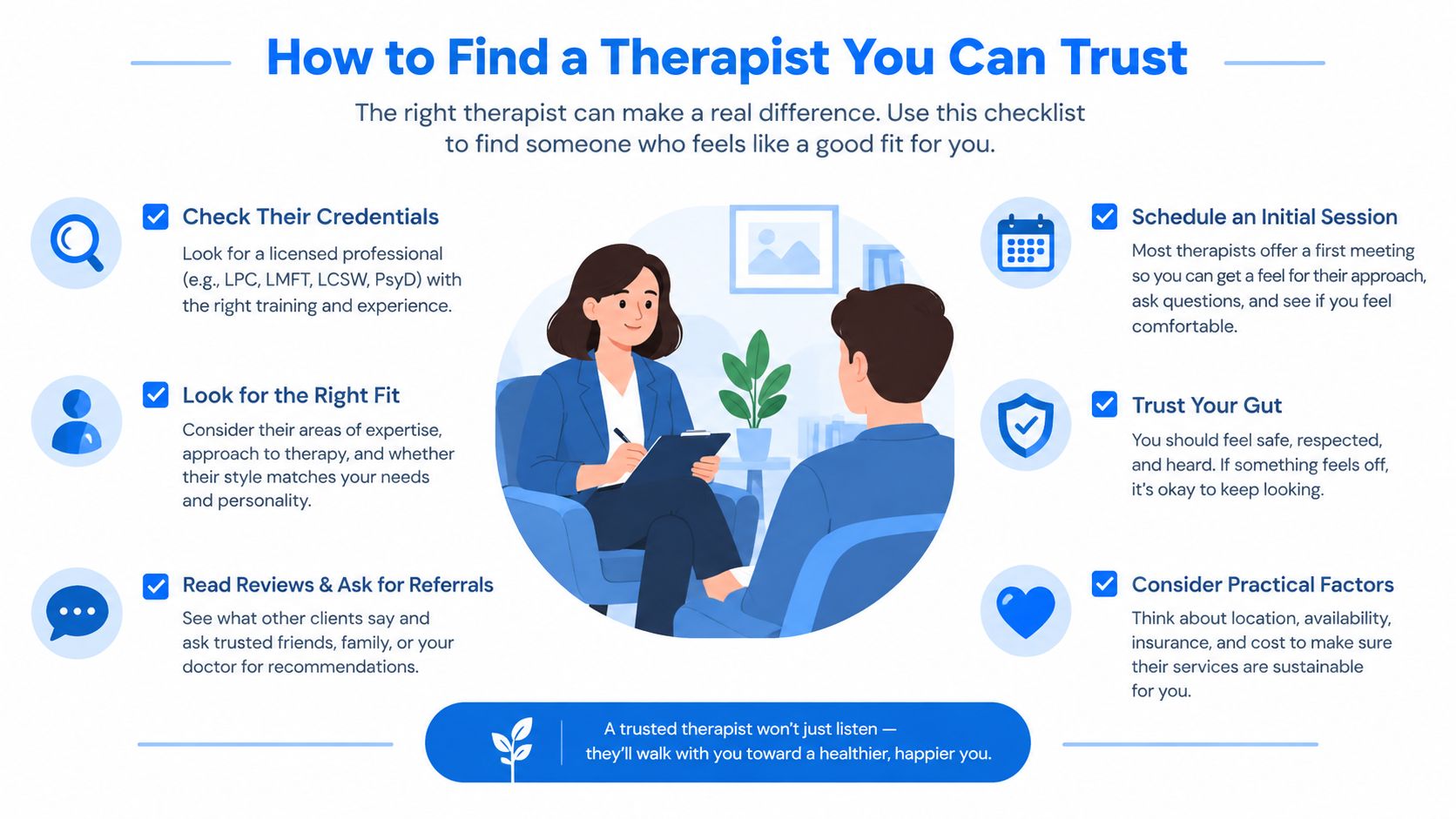
    Find Your Therapist on DeTalks

  • What Makes You Happy Answers: A Guide to Interviews and Self-Reflection

    What Makes You Happy Answers: A Guide to Interviews and Self-Reflection

    The question ‘What makes you happy?’ sounds simple, but finding an honest answer can be a thoughtful journey. In our busy lives, especially in contexts like India where professional and personal pressures often meet, taking a moment to reflect on our joy is key to our well-being. This self-awareness helps build resilience against daily challenges like workplace stress and anxiety.

    This article offers practical guidance for crafting authentic ‘what makes you happy answers’ for different situations. Whether you are in a job interview or simply journaling, you will find adaptable examples to help you. These are starting points to help you connect with and share what truly brings you fulfillment.

    Understanding your own happiness is a powerful step towards a more intentional life. For many, exploring these feelings is a meaningful part of a broader journey that may involve therapy or counselling to manage challenges like anxiety or depression. Let’s explore how to express your joy with confidence and clarity.

    1. Short Answer: Direct & Authentic

    A short, honest response captures your happiness in one or two clear sentences. This approach is great for quick conversations or casual settings where a simple, genuine connection is the goal. It offers a powerful glimpse into your core values without being overwhelming.

    A person's open palm gently holds a smooth, grey, oval-shaped pebble against a plain background.

    This type of answer works because it is immediate and heartfelt, cutting through pretence. By focusing on a single, meaningful concept, you create a memorable and relatable impression. It is one of the most effective what makes you happy answers because its simplicity can invite deeper conversation.

    When and Why to Use This Approach

    This direct style is perfect for initial meetings, like a first date or a networking event, where you want to be open but not overly revealing. It’s also useful in professional settings, like a team-building exercise, for a quick, positive contribution. The main benefit is its ability to build instant rapport through authenticity.

    Actionable Tips for Crafting Your Answer

    • Choose One Core Value: Think about what truly brings you contentment. Is it connection, growth, peace, or creativity? Pick one that feels central to your well-being.
    • Use Simple Language: Avoid jargon or complex phrases. Say it in a way that feels natural to you, like "working together to create something amazing."
    • Be Specific but Brief:
      • "Spending quality time with my loved ones."
      • "Learning a new skill and seeing myself improve."
      • "Quiet mornings with a hot cup of chai and a good book."

    2. Detailed Answer: Comprehensive & Reflective

    A detailed answer explores the many sides of your happiness, including personal values, relationships, and growth. This thoughtful approach is suited for deep conversations, journaling, or therapeutic settings where self-exploration is encouraged. It shows a high level of self-awareness and emotional intelligence.

    This type of response is powerful because it tells a story, connecting different parts of your life into a narrative of joy. By explaining the ‘why’ behind your happiness, you foster a much deeper connection. These thoughtful what makes you happy answers can be very affirming, both for you and the person you are sharing with.

    When and Why to Use This Approach

    This reflective style is ideal for conversations with a trusted friend, partner, or a counsellor, where vulnerability is welcome. It’s also effective in written formats like a personal essay or a journal entry to help you process your feelings. Its main benefit is fostering deep intimacy and providing clarity on your life’s sources of contentment.

    Actionable Tips for Crafting Your Answer

    • Structure Around 2-3 Themes: Organise your thoughts around key areas like relationships, personal growth, and contribution to keep your answer focused.
    • Explain the ‘Why’: Don’t just state what makes you happy; explain why it’s meaningful. Connect it to your values, life experiences, or goals.
    • Use Specific Illustrations:
      • “I find happiness in deep connections with my family, the challenge of learning new things at work, and moments of quiet mindfulness during my morning walks.”
      • “For me, it’s about a sense of progress. Whether seeing a project through or noticing my own growth in therapy, moving forward brings me immense joy.”

    3. Interview Answer: Professional & Strategic

    A response for job interviews should balance personal authenticity with professional relevance. This approach shows how your happiness connects to work performance and career satisfaction, presenting you as a motivated and self-aware candidate. It shifts the focus from purely personal joys to what drives you professionally.

    This answer is effective because it aligns your sense of fulfillment with the company's goals and culture. It shows genuine interest in finding a mutually beneficial role, making it one of the most compelling what makes you happy answers in a formal setting. For those preparing professional responses, learning about mastering personal experience interview questions and storytelling can provide valuable guidance.

    When and Why to Use This Approach

    This strategic style is essential for job interviews, performance reviews, and professional networking events. It allows you to showcase your motivations, work ethic, and desire for a healthy work environment. The primary benefit is that it frames your happiness as a driver of productivity, collaboration, and commitment.

    Actionable Tips for Crafting Your Answer

    • Align with Company Values: Research the organisation’s mission. If they value innovation, mention your happiness in creative problem-solving.
    • Connect to Professional Strengths: Link your happiness to activities where you excel. This reinforces your capabilities and shows you enjoy using them.
    • Be Specific but Professional:
      • "I find great satisfaction in mentoring junior team members and seeing them succeed."
      • "I'm happiest when I'm analysing complex data to uncover insights that drive business decisions."
      • "Collaborating with a diverse team to overcome a challenge brings me a real sense of purpose."

    4. Casual Answer: Conversational & Relatable

    A relaxed, informal response uses everyday language to connect with others in social situations. This approach is designed to feel spontaneous and authentic, making you seem approachable. It’s perfect for casual chats where a formal or deep answer would feel out of place.

    This style works because it lowers social barriers and builds an immediate sense of camaraderie. By sharing simple, relatable joys, you create common ground and encourage a light-hearted exchange. These types of what makes you happy answers are effective because they reflect your personality and make the conversation feel natural.

    When and Why to Use This Approach

    This conversational style is ideal for informal get-togethers, team lunches, or when catching up with friends. It keeps the mood light while still offering a sincere glimpse into your life. The primary benefit is its ability to foster easy-going connections and make social interactions feel more comfortable.

    Actionable Tips for Crafting Your Answer

    • Use Everyday Language: Stick to a relaxed vocabulary that you would use with a friend.
    • Include Relatable Pleasures: Mention common joys like your favourite food, a good TV show, or the feeling of finishing a task to create an instant connection.
    • Let Your Personality Shine:
      • "Honestly? A good biryani, my cat, and not having to set an alarm."
      • "Comfort food, good music, and when my favourite show drops a new season."
      • "Getting through a deadline without feeling completely overwhelmed. That’s pure bliss."

    5. Romantic Answer: Intimate & Affectionate

    A warm, emotionally open response centred on your romantic partner can be a powerful expression of happiness. This answer highlights connection, shared growth, and the profound impact of love. It’s a vulnerable and deeply personal way to share your joy.

    Close-up of a person's hands clasped together on a bright white windowsill, bathed in sunlight.

    This type of response strengthens your bond by affirming your partner’s role in your well-being. It is one of the most meaningful what makes you happy answers in a relationship because it communicates deep appreciation. It goes beyond a simple "you make me happy" to explain the specific ways your partner contributes to your contentment.

    When and Why to Use This Approach

    This affectionate style is ideal for private conversations with your partner or close loved ones. It is also suitable for relationship-focused settings, like an anniversary, where expressing deep feelings is appropriate. The main benefit is its ability to foster intimacy and make your partner feel seen, valued, and loved.

    Actionable Tips for Crafting Your Answer

    • Be Genuine and Vulnerable: Speak from the heart. Authenticity is key to making this answer feel special and true.
    • Focus on Specific Qualities: Mention particular actions or traits you admire. It shows you pay attention to the small things.
    • Use “I Feel” Statements:
      • "Happiness is knowing I have someone who truly gets me, who I can be vulnerable with, and who chooses to grow with me every day."
      • "The way you encourage my dreams and listen without judgment. I'm happiest when we're building our life together."

    6. Reflective Answer: Philosophical & Growth-Oriented

    A thoughtful, introspective response explores the deeper meaning of happiness, personal growth, and your life philosophy. This approach is perfect for conversations where depth is welcomed, as it shares a piece of your personal evolution. It moves beyond simple joys to explore how your understanding of happiness has matured over time.

    This answer works because it showcases self-awareness, resilience, and a commitment to personal development. By acknowledging that your perspective on happiness has shifted, you demonstrate wisdom gained from life experiences. Sharing such an insight is one of the most meaningful what makes you happy answers you can give.

    When and Why to Use This Approach

    This style is ideal for building intimacy in close relationships, such as with a partner, a trusted friend, or during a therapy session. It’s also powerful in mentoring situations or deep conversations where sharing life lessons is appropriate. The main benefit is its ability to build trust and show your capacity for self-reflection and growth.

    Actionable Tips for Crafting Your Answer

    • Share Your Evolution Honestly: Reflect on how your definition of happiness has changed. Did you once chase achievements but now value inner peace?
    • Connect Past Struggles to Current Wisdom: Frame past challenges as catalysts for your current understanding. This reframes hardship as a source of strength and resilience.
    • Use “I” Statements:
      • “I used to think happiness was about achieving goals. Now, I realise it’s about appreciating the journey and finding peace in imperfection.”
      • “For me, happiness has become less about excitement and more about a quiet sense of contentment and self-acceptance.”

    7. Humorous Answer: Witty & Light-Hearted

    A clever, humorous response uses wit to break the ice and create an instant connection through laughter. This approach is perfect for easing tension in social situations and revealing your playful side. It offers a refreshing and memorable way to answer the question.

    This type of answer works because it is disarming and relatable, making you seem approachable and confident. By grounding humour in everyday truths, you build rapport quickly. It is one of the most engaging what makes you happy answers because it invites a shared laugh.

    When and Why to Use This Approach

    Use this style in casual social gatherings, with friends, or on a dating profile where showing your personality is key. It's also effective in informal team settings to lighten the mood. The primary benefit is its ability to showcase your intelligence and sense of humour, making interactions more enjoyable.

    Actionable Tips for Crafting Your Answer

    • Ground Humour in Truth: Base your joke on something genuinely relatable, like the love for coffee or the joy of an empty inbox.
    • Keep it Light: Use gentle self-deprecation or observational wit rather than sarcasm, which can sometimes be misunderstood.
    • Be Specific and Playful:
      • "Three things: my bed, my couch, and the five glorious minutes when my Wi-Fi works perfectly."
      • "Honestly? My dog pretending I'm the most interesting person in the world."
      • "Finding money in a jacket I haven't worn since last winter. That's pure joy."

    8. Professional Answer: Values-Based & Achievement-Focused

    In a professional setting, linking your happiness to your values and achievements demonstrates alignment with organisational goals. This structured response highlights your drive and commitment to both personal growth and collective success. It frames happiness as a result of meaningful work.

    This answer is effective because it showcases ambition and a strong work ethic while also emphasising collaboration. It positions you as a motivated professional, making it one of the most strategic what makes you happy answers for career-related discussions. It shows you find fulfillment in contributing to a larger vision.

    When and Why to Use This Approach

    This approach is ideal for job interviews, performance reviews, and professional networking events. It allows you to articulate your motivations in a way that resonates with corporate values like innovation and growth. The primary benefit is that it presents you as an engaged employee who is invested in the organisation’s mission.

    Actionable Tips for Crafting Your Answer

    • Connect to Company Values: Align your answer with the organisation's mission. If they prioritise innovation, talk about solving complex problems.
    • Highlight Team Impact: Emphasise collaboration and mentorship to show you value teamwork.
    • Balance Ambition with Well-being:
      • "I find happiness in leading projects that drive meaningful outcomes and developing talented team members."
      • "Solving complex problems and seeing my contributions make a real difference energises me."
      • "I thrive in environments that support professional growth and celebrate team success."

    9. Familial Answer: Relationship-Centred & Generational

    This heartfelt response centres on the deep happiness derived from family bonds and generational connections. It highlights how family relationships, traditions, and creating a secure environment for loved ones generate profound meaning. This answer reveals that your core sense of well-being is intertwined with the people you are closest to.

    This approach is powerful because it speaks to a universal human need for belonging and connection. Sharing that family is your anchor makes you relatable and shows you prioritise long-term relationships. It’s one of the most grounding what makes you happy answers because it reflects stability, love, and compassion.

    When and Why to Use This Approach

    This answer is ideal for personal conversations, especially with people who share similar family-oriented values. It is also fitting for contexts like dating profiles or journaling, where you are exploring your core identity. The benefit is its sincerity and its ability to communicate your foundational principles of love and commitment.

    Actionable Tips for Crafting Your Answer

    • Be Specific About Relationships: Mention particular family dynamics that bring you joy, like "my children's laughter" or "seeing my parents proud."
    • Include Traditions or Rituals: Talking about Sunday dinners or family holidays adds a vivid, personal touch to your response.
    • Express Genuine Appreciation:
      • "My children's laughter and watching them discover the world, knowing I'm creating a safe space for them."
      • "Being there for my siblings during tough times and creating a home where everyone feels they belong."

    10. Aspirational Answer: Purpose-Driven & Future-Focused

    An aspirational response connects your happiness to your personal growth, future goals, and sense of purpose. This answer looks beyond immediate pleasures, focusing on the fulfillment that comes from working toward a meaningful vision. It communicates ambition, self-awareness, and a commitment to making a positive impact.

    A lone figure stands on a grassy hill, gazing at a vibrant sunset over a winding path.

    This type of answer is powerful because it shows your happiness is a sustainable state derived from progress and contribution. It is one of the most inspiring what makes you happy answers because it highlights resilience and a forward-looking perspective. It frames happiness as an active, ongoing journey.

    When and Why to Use This Approach

    This approach is particularly effective in job interviews or mentorship discussions where demonstrating ambition and vision is beneficial. It conveys that you are a motivated individual driven by more than just a salary. The main benefit is its ability to showcase your character, drive, and long-term potential in a compelling way.

    Actionable Tips for Crafting Your Answer

    • Connect Actions to Vision: Clearly link what you are doing now to the future you are building. This shows intentionality and strategic thinking.
    • Balance Ambition and Contentment: Emphasise that the journey itself brings you joy, not just the final destination.
    • Be Specific but Inspiring:
      • "I find happiness in progress toward my goals: building a career that aligns with my values and creating a positive impact in my community."
      • "Becoming the person I'm meant to be and using my unique gifts to make a difference is what makes me happy."

    10 Answer Styles Compared: What Makes You Happy

    Style / Example 🔄 Complexity ⚡ Speed / Ease 📊 Expected Outcomes ⭐ Effectiveness / Depth 💡 Key Tip
    Short Answer: Direct & Authentic Low — quick to craft ⚡ Very fast Quick clarity, memorable in casual settings ⭐⭐⭐ Pick one core value, be specific
    Detailed Answer: Comprehensive & Reflective High — layered & structured ⏳ Slow to prepare/deliver Deep understanding, meaningful dialogue ⭐⭐⭐⭐ Use 2–3 themes with personal examples
    Interview Answer: Professional & Strategic Medium — tailored to role ⚡ Moderate (prep recommended) Positive impression, shows fit and motivation ⭐⭐⭐⭐ Align answer with company values and examples
    Casual Answer: Conversational & Relatable Low — informal, spontaneous ⚡ Very fast Builds rapport, approachable connection ⭐⭐⭐ Use everyday language and light humor
    Romantic Answer: Intimate & Affectionate Medium — emotionally vulnerable ⏳ Moderate (requires readiness) Deepens intimacy, strengthens bonds ⭐⭐⭐⭐ Be genuine, cite specific moments or qualities
    Reflective Answer: Philosophical & Growth-Oriented High — introspective and nuanced ⏳ Slow (needs reflection) Shows maturity, inspires others ⭐⭐⭐⭐ Share evolution and lessons learned
    Humorous Answer: Witty & Light-Hearted Medium — timing and tone matter ⚡ Fast (if comfortable) Eases tension, memorable and likable ⭐⭐⭐ Read the room; pair humor with sincerity
    Professional Answer: Values-Based & Achievement-Focused Medium — structured for workplace ⚡ Moderate (prep advised) Demonstrates motivation, leadership alignment ⭐⭐⭐⭐ Connect happiness to impact and team growth
    Familial Answer: Relationship-Centered & Generational Medium — emotionally focused ⏳ Moderate Emotional resonance, emphasizes loyalty/legacy ⭐⭐⭐⭐ Mention specific traditions and acknowledge complexity
    Aspirational Answer: Purpose-Driven & Future-Focused Medium–High — vision-driven ⏳ Moderate (clarify goals) Inspires, shows ambition and long-term purpose ⭐⭐⭐⭐ Tie present actions to clear future goals

    Your Journey to Happiness Is Unique and Valid

    Throughout this exploration of "what makes you happy answers," we have seen that joy is not a one-size-fits-all concept. From professional responses in an interview to intimate answers shared with a partner, your sources of happiness are a unique reflection of your values and experiences. There is no right or wrong way to find contentment; there is only your way.

    The real power in understanding what makes you happy lies in the self-awareness it builds. Whether your joy is found in big goals or the quiet pleasure of a morning cup of chai, acknowledging these sources is the first step towards intentionally bringing them into your life. This practice is a form of self-compassion, affirming that your feelings are valid and your well-being matters.

    Supportive Takeaways and Next Steps

    Articulating your happiness is not just about having a ready answer; it is about building a deeper connection with yourself. Here are some supportive next steps for your journey:

    • Practise Regular Reflection: Set aside a few minutes each day or week for journaling. Use prompts like "What brought me a moment of peace today?" or "When did I feel most energised this week?" to uncover patterns in your happiness.
    • Tailor Your Communication: Remember that context is key. The vulnerable answer you share with a close friend will differ from the professional answer you give a potential employer. Practise adapting your response to strengthen connections in all areas of your life.
    • Build Joy into Your Routine: Identifying what makes you happy is half the journey; the next step is making space for it. No matter your path to joy, building sustainable routines is key, and you can explore strategies for forming effective habits that last.

    Embracing the Journey with Support

    It is important to acknowledge that sometimes, connecting with happiness can feel difficult. If you are struggling with persistent sadness, overwhelming workplace stress, burnout, or feelings of anxiety or depression, please know you are not alone. Seeking support is a courageous step towards building resilience and reclaiming your well-being.

    Professional guidance through therapy or counselling can provide a safe, non-judgemental space to explore these feelings. A trained therapist can help you develop coping mechanisms and build a personalised toolkit for navigating life’s challenges. Remember, the goal is not a constant state of happiness, but a more balanced, authentic, and meaningful life. Your journey is yours to define, and every step is a valid part of that process.

  • Understanding Moderate Depression (ICD-10: F32.1)

    Understanding Moderate Depression (ICD-10: F32.1)

    Hearing a clinical term like moderate depression ICD 10 can feel a bit formal, but it simply points to a specific code: F32.1. This code helps healthcare professionals understand the level of depression someone is experiencing. It describes a challenge that is more disruptive than mild depression but not yet considered severe, offering a clear starting point for a supportive plan.

    Demystifying the Moderate Depression ICD 10 Code

    Hand holding a card displaying 'F32.1 – Moderate depression' against a blurry background with a window showing a rain cloud.

    A phrase like "moderate depression ICD 10" might sound intimidating, but it's just a tool to bring clarity to your feelings. The International Classification of Diseases, 10th Revision (ICD-10) is a global system that helps doctors and therapists speak the same language about health conditions.

    Think of it like a weather report. Knowing a "moderate storm" is expected helps you prepare better than just hearing "it might rain." Similarly, the code F32.1 helps a professional understand the intensity of the challenges you're facing, including feelings of anxiety or stress.

    To give you a clearer picture, here’s a quick breakdown of how the ICD-10 system categorises single depressive episodes.

    A Simple Guide to Depression Levels in ICD-10

    Severity Level ICD-10 Code General Description
    Mild F32.0 Symptoms are present but often manageable. Daily activities can be done, though with some difficulty.
    Moderate F32.1 Symptoms are more pronounced and cause significant trouble with work, social life, or home duties.
    Severe F32.2 / F32.3 Symptoms can feel overwhelming, making it nearly impossible to continue with daily routines.

    This table helps show where F32.1 fits, creating a shared understanding between you and your care provider.

    A Tool for Understanding, Not a Label

    It is so important to remember that a diagnostic code is not a permanent label. It is a snapshot in time—an informational starting point that guides conversations about therapy and counselling. It describes what you are going through right now, not who you are.

    In India, conversations around mental health and well-being are growing. With millions of people experiencing depressive disorders, codes like F32.1 are vital for ensuring people get the right kind of support. This clarity is the first step toward building resilience and finding effective ways to feel better.

    An assessment offers a shared language between you and your healthcare provider. It transforms a vague feeling of being unwell into a recognised condition with established pathways for support.

    This structured approach allows professionals to tailor support for challenges like workplace stress and anxiety. Staying informed about latest ICD-10 coding updates helps them provide accurate care. By demystifying these terms, we can focus on what truly matters: your journey toward compassion, happiness, and lasting well-being.

    Recognising the Signs of a Moderate Depressive Episode

    A thoughtful young man sips a steaming hot drink at his desk beside a laptop.

    Understanding what a moderate depressive episode feels like is a meaningful step toward seeking support. It is more than a bad day; it’s a persistent cloud that can make every part of life feel heavier. Learning to see these signs, in yourself or a loved one, is an act of strength.

    While everyone's experience with depression is unique, there are common patterns that clinicians look for. These signs often affect your thoughts, feelings, and even your physical health. Gently taking stock of them can bring much-needed clarity.

    Core Emotional and Mental Signs

    At the heart of a depressive episode are two key experiences: a persistent low mood and a loss of interest in things you once enjoyed. This is a deep feeling of emptiness or hopelessness that lasts for weeks. It can feel like the colour has drained from your world, making it hard to find joy.

    For example, a young professional in Delhi who loves meeting friends might suddenly find the thought exhausting. This loss of interest is a significant sign that something more than everyday stress or anxiety is happening.

    Physical and Behavioural Changes

    Depression doesn’t just stay in your head; it often shows up in your body and actions. These physical shifts can be some of the most disruptive parts of a moderate depressive episode.

    Common physical signs include:

    • Sleep Disturbances: You might struggle with sleeplessness or find yourself sleeping far more than usual without feeling rested.
    • Appetite and Weight Changes: You could lose your appetite and weight, or you might turn to food for comfort, leading to weight gain.
    • Pervasive Fatigue: This is a deep exhaustion that sleep doesn't seem to fix, making even small tasks feel difficult.
    • Difficulty Concentrating: Trouble focusing at work or making decisions is very common and can add to workplace stress.

    Noticing these changes is not about finding fault. It's about compassionately acknowledging that your mind and body are signalling a need for support, a courageous first step toward building resilience.

    Research from India highlights how common these experiences are. One study using the moderate depression ICD 10 classification noted that many patients experienced physical symptoms that worsened their fatigue. You can learn more in this study on Indian patients with depression.

    Acknowledging these signs opens the door to seeking professional help. Through therapy or counselling, you can find the tools and support needed to navigate these challenges and move toward a greater sense of well-being.

    How Professionals Assess Moderate Depression

    An assessment might sound clinical, but it's really a compassionate conversation to understand what's going on. It's not about judging a bad day but about exploring a pattern of feelings you've had for at least two consecutive weeks. This timeframe helps distinguish a temporary reaction to stress from a more persistent challenge.

    A mental health professional, like a counsellor or therapist, will listen to your story in a safe space. They are trained to gently explore your experiences to understand your overall well-being. Please remember that any assessment is for informational purposes and is not a final diagnosis.

    A Collaborative Conversation

    Think of the assessment as a partnership, not an interrogation. A clinician’s goal is to get a full picture of your well-being, including workplace stress or personal struggles. This open dialogue is the foundation for creating a support plan that truly fits you.

    They will gently ask about your mood, energy levels, sleep, and how these are impacting your daily life. It is a completely confidential space for you to share honestly without fear of judgement.

    Differentiating Depression from Other Challenges

    A key part of a professional’s role is to distinguish moderate depression from other common experiences. Many challenges, like burnout or anxiety, can look similar on the surface. Getting this right is crucial for ensuring you receive the best support.

    Here’s how they might differentiate them:

    • Depression vs. Burnout: Burnout is almost always linked to your job and often improves with a break from that environment. Depression, however, tends to cast a shadow over all areas of life and doesn’t disappear with a holiday.
    • Depression vs. Anxiety: These two often appear together, but they are different. Anxiety is typically driven by intense worry about the future, while depression is rooted in a persistent low mood and loss of interest in the present.
    • Depression vs. Grief: Grief is a natural response to loss that comes in waves, with moments of happiness still possible. Depression is more like a constant, heavy blanket that makes it hard to feel anything positive.

    An accurate assessment isn't about putting you in a box. It's about unlocking the right door to effective therapy and counselling, creating a clear path toward building resilience and reclaiming your well-being.

    Ultimately, this careful process builds trust and ensures the support you receive is right for your journey. It is the first, most important step toward feeling heard, understood, and ready to move forward.

    Pathways to Managing Your Mental Well-being

    A serene counseling room with two light-colored armchairs, a wooden table, and a green plant.

    Recognising that you might be dealing with a moderate depressive episode is a huge first step. While the journey is personal, you don't have to walk it alone. There are effective approaches that offer support, hope, and practical tools for managing your mental health.

    Choosing to speak with a professional is a powerful act of self-care. It creates a safe space to explore your feelings and learn new ways to cope with pressures like workplace stress or anxiety.

    The Role of Psychotherapy and Counselling

    Psychotherapy, often called talk therapy or counselling, is a cornerstone of managing depression. It’s a collaborative partnership where you work with a trained therapist to understand your thoughts, feelings, and behaviours.

    A well-researched approach is Cognitive Behavioural Therapy (CBT). CBT helps you identify and challenge unhelpful thought patterns that can fuel depression. By reframing thoughts, you can build resilience and find more compassionate ways of relating to yourself.

    Other effective therapies include:

    • Interpersonal Therapy (IPT): This focuses on your relationships, helping you improve communication and build a stronger support network.
    • Mindfulness-Based Cognitive Therapy (MBCT): This blends CBT with mindfulness, teaching you to observe your thoughts without getting carried away by them.

    Therapy isn't about "fixing" something broken. It's about learning new skills and gaining fresh perspectives to navigate life’s challenges with greater ease and compassion.

    Considering Medication as Part of a Plan

    For some, medication prescribed by a psychiatrist can be a helpful part of a broader care plan. It isn't a quick fix, but a tool that can help lift symptoms, giving you the energy to engage fully in therapy and other positive changes.

    This is always a decision made carefully with a qualified doctor who can explain the potential benefits. The most effective strategy often involves a combination of therapy for skill-building and medication for symptom management.

    Building Resilience with Positive Psychology

    Beyond formal treatment, you can actively support your well-being by incorporating principles of positive psychology. These practices focus on building your strengths and fostering positive emotions like happiness and resilience.

    Learning strategies for cultivating self-compassion can be a powerful starting point. Simple habits like mindfulness, gratitude journaling, or gentle physical activity can create small but significant shifts in your daily experience. These practices are powerful additions to professional support, empowering you on your journey.

    Your Active Role in the Healing Journey

    Overhead shot of hands writing 'Self-care notes' in a journal, with a small plant and tea on a sunny table.

    While professional support from a therapist or counsellor is vital for managing moderate depression, the small steps you take each day build the foundation for your well-being. Self-care isn't another chore; it's about making gentle, kind choices for yourself.

    Your therapist helps plant the seeds of recovery, but you tend to the soil. Simple lifestyle adjustments can create an environment where the work you do in therapy can grow, giving you a sense of agency on your path to feeling better.

    Building Resilience with Small Daily Actions

    You don't need to change your entire life overnight. Real power lies in small, consistent habits that can ease the weight of workplace stress and anxiety.

    Consider these simple adjustments:

    • Gentle Physical Activity: A short walk, a few minutes of stretching, or dancing to a favourite song can release endorphins and lift your mood.
    • Balanced Nutrition: Eating regular, nourishing meals can help stabilise your energy and mood throughout the day.
    • Prioritising Sleep: A calming bedtime routine can signal to your body it’s time to wind down, promoting more restful sleep.

    Each of these small acts is a way of showing yourself compassion and care.

    Recovery is not a race to a finish line. It is a gradual process of building resilience, one small, compassionate step at a time, contributing to your overall well-being.

    The Importance of Your Support System

    Depression can make you feel isolated, but it is important to remember you don't have to carry this alone. Leaning on trusted friends, family, or a support group can be a lifeline.

    Sharing what you're going through with people who care can make the load feel lighter. Reaching out is an act of bravery that reinforces your connection to others and supports your journey toward happiness and health.

    Supportive Takeaways for Your Path Forward

    Navigating mental health can feel confusing, but understanding terms like moderate depression ICD 10 can bring clarity. This is not a label but a tool that helps you and your care provider map out a path toward well-being. Recognising the signs in yourself is a brave first step.
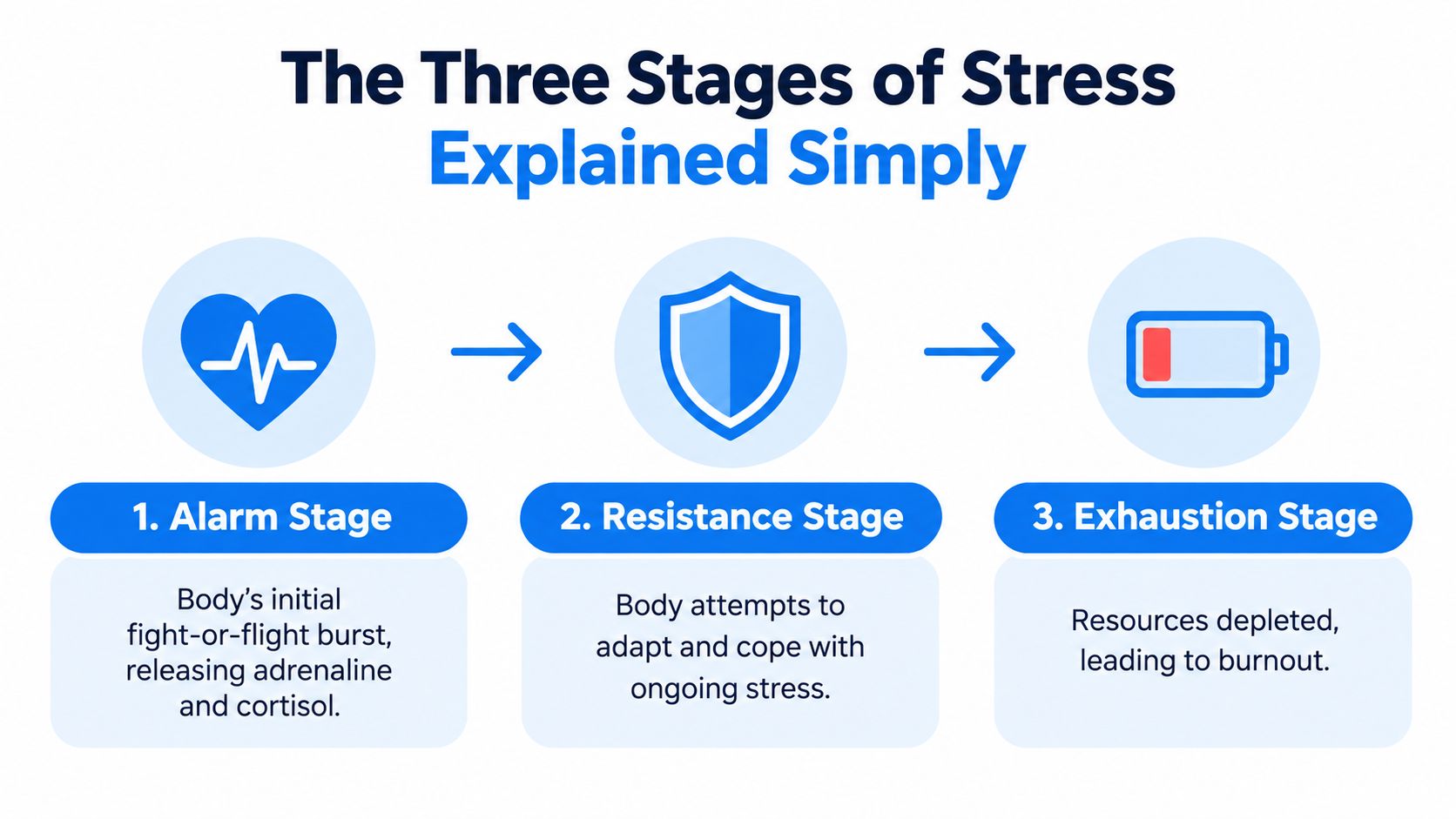
    This single moment of awareness can shift everything. It moves you from a place of confusion to a space where you can start making positive changes in your life.

    Embracing Your Unique Journey

    Healing is not a straight line; it is a personal journey with its own ups and downs. Some days will feel easier than others, and that is completely normal. The most important thing is to treat yourself with kindness and compassion through it all, which builds true resilience.

    Seeking support through therapy or counselling is one of the most powerful ways to care for yourself. It is a safe space to learn practical ways to cope with challenges like workplace stress or persistent anxiety.

    Remember, you do not have to walk this path alone. Reaching out for help is a sign of incredible strength and an investment in your well-being.

    Your journey forward is about taking small, manageable steps. Every positive choice—a nourishing meal, a five-minute walk, or booking a therapy session—is a step in the right direction. Be patient and kind with yourself as you move toward a brighter future.

    When you're ready, resources like DeTalks can connect you with qualified therapists. Finding a professional who understands your experience can guide you with empathy on your path to emotional well-being.

    Frequently Asked Questions

    It's normal to have questions as you learn more about mental health. Here are some common queries about moderate depression to help bring some clarity.

    Can I feel better from moderate depression without therapy?

    While self-care practices like exercise and mindfulness are helpful, moderate depression often involves patterns that are difficult to navigate alone. Professional counselling offers a supportive space to understand your feelings and build lasting coping skills for challenges like anxiety and depression.

    Is an ICD-10 code a permanent label?

    Not at all. A moderate depression ICD 10 code like F32.1 is an informational tool for your healthcare provider. It helps them create the best plan for you right now and is not a permanent part of your identity. As you heal, this information may change or no longer apply.

    Remember, a diagnostic code is a snapshot in time, not a life sentence. It is the starting point for a supportive conversation about your well-being and recovery.

    How can I tell if it’s moderate depression or burnout?

    This can be tricky, as they feel similar. The key difference is often scope: burnout is usually tied to workplace stress and tends to improve with a break. Depression is more pervasive, affecting all areas of your life, from work to relationships. A mental health professional can provide an assessment for clarity.

    What’s the first step to getting help in India?

    Taking that first step is simpler than you might think. You can speak to a trusted general practitioner for a referral or reach out directly to a qualified mental health professional for therapy. Online platforms are great resources for finding therapists who specialise in challenges like depression and anxiety.


    If you feel ready to take that next step, DeTalks is here to help. Our platform simplifies the process of finding and connecting with qualified therapists and counsellors across India. You can explore our directory and book a session that works for you today at https://detalks.com.

  • Affordable Online Therapy in India: Your Guide to Accessible Mental Health Support

    Affordable Online Therapy in India: Your Guide to Accessible Mental Health Support

    Finding quality online therapy in India that fits your budget is more possible now than ever. With sessions typically ranging from ₹500 to ₹3,000, professional support for your mental well-being is a real option for many people navigating stress, anxiety, or personal growth—all from home.

    Finding Your Path to Accessible Mental Wellness

    Smiling young Indian man using laptop by a bright window, enjoying tea.

    Taking the first step toward caring for your mental well-being is a sign of strength, and you are not alone on this journey. Many of us feel the pressures of modern life, from workplace stress and burnout to feelings of anxiety or depression. This guide is here to help you find quality online therapy that respects your budget.

    Our goal is to help you find tools to build resilience, practice compassion, and create a more fulfilling life. We'll show you how to find trusted, affordable counselling and give you the confidence to begin.

    The Growing Accessibility of Online Counselling

    The conversation around mental health in India is changing for the better. Improved internet access has opened up professional counselling to many who were held back by distance or stigma. This is a positive shift as more of us recognize that our emotional health is just as vital as our physical health.

    This change is supported by data, showing that seeking help is becoming more common. India's online mental health market is growing, expected to reach about USD 133.47 million in 2024, with online consultations increasing by over 90% since 2020. You can explore these trends in this detailed market analysis.

    What to Expect from This Guide

    Think of this guide as a warm, practical roadmap for your well-being journey. We will break down everything you need to know to feel empowered and informed.

    Here’s what we’ll cover:

    • Understanding Costs: We’ll provide a clear picture of what "affordable" means for online therapy in India.
    • Finding Support: You'll get actionable tips for finding skilled and low-cost therapists.
    • Building Skills: The focus is not just on managing challenges but also on cultivating lasting well-being and resilience.

    A quick note: If you come across online assessments or quizzes, please view them as informational tools for self-reflection. They can offer useful insights but are not a substitute for a formal diagnosis from a qualified professional.

    Your path is unique, and finding the right person to support you is a crucial first step. Let's begin.

    Decoding the Cost of Online Therapy in India

    Let's talk about the financial side of therapy. Understanding what 'affordable' means in an India-first context is key to feeling in control of your well-being journey. The cost of support shouldn't add to the stress you may already be feeling from challenges like anxiety or burnout.

    One of the biggest advantages of online therapy is its cost-effectiveness. By connecting with a counsellor from home, you eliminate travel time and expenses. These savings can make consistent therapy much more manageable for your budget.

    Additionally, many online platforms offer flexible pricing that traditional clinics often don't. You may find subscription plans or package deals that lower the per-session cost. This makes it easier to plan for your mental wellness expenses.

    Understanding the Price Spectrum

    When you start your search, you'll notice that online therapy prices vary. This is often linked to a therapist's experience, their qualifications, and the type of counselling offered. Knowing what to expect helps you find a good match for your needs and your wallet.

    So, what are the different formats you'll come across?

    • Individual Video Sessions: This is a classic one-on-one session with a therapist, ideal for personalized support for concerns like depression, relationship issues, or workplace stress.
    • Text-Based Support: Some services offer counselling through chat or messaging, which can be a lower-cost way to get ongoing support whenever you need it.
    • Group Therapy Sessions: Joining a professionally-led group session can be very powerful. It is a budget-friendly way to connect with others facing similar challenges, share experiences, and build resilience together.

    It can be helpful to see therapy as an investment in your long-term well-being, rather than just an expense. Finding the right financial fit makes that investment sustainable.

    What You Can Expect to Pay

    Now, let's look at the actual numbers. Online platforms have made mental healthcare much more accessible across India.

    Here is a quick comparison to give you a clearer picture of what you might find.

    A Look at Online Therapy Costs in India

    Therapy Format Typical Price Range (per session/month) Best Suited For
    Individual Video/Audio Session ₹600 – ₹3,500 Personalised, in-depth work on specific issues.
    Text-Based/Chat Therapy ₹1,500 – ₹4,000 (monthly plans) Ongoing, flexible support and daily check-ins.
    Group Therapy Session ₹500 – ₹1,500 Shared experiences, peer support, and specific focus areas.
    NGO/Subsidised Services ₹300 – ₹1,150 Those on a very tight budget needing foundational support.

    While prices vary, a typical online session generally falls between ₹600 to ₹3,500. For those needing more budget-friendly options, services from NGOs can lower that cost to ₹300–₹1,150 per session. You can explore this detailed cost analysis of therapy in India for more insights.

    This means professional support is no longer out of reach due to high clinic fees. It empowers you to prioritize your mental health without financial strain, making the path to building resilience and happiness clearer.

    How to Find High-Quality, Low-Cost Therapy

    Finding mental health support that feels right and fits your budget is absolutely possible. This section is your practical guide to finding great, affordable counselling in India.

    The key is not just finding the cheapest option, but knowing where to look. Many therapists and organizations are committed to making mental healthcare more accessible. Let's explore the different ways you can find therapy that supports your emotional well-being without straining your finances.

    This chart can help you see which therapy formats might work best for your budget.

    A therapy format decision guide flow chart showing options based on budget: low, medium, and high.

    As you can see, there is a path forward for every budget, from simple text-based check-ins to dedicated one-on-one sessions.

    Explore Therapists Offering Sliding Scale Fees

    One of the best ways to access affordable therapy is by finding a professional who offers a sliding scale. This is a compassionate system where the session fee is adjusted based on your income. This ensures quality care is available to everyone, not just those with high earnings.

    Don't hesitate to ask a therapist if they offer a sliding scale during your first contact. It's about finding a price point you can manage consistently. Many independent therapists see this as a core part of their mission to serve the community.

    Consider the Power of Group Therapy

    Group therapy is another fantastic, budget-friendly option. In these sessions, a small group of people facing similar issues—like anxiety, grief, or workplace stress—meet with a trained therapist. The cost is shared, making it more affordable than individual counselling.

    The benefits go beyond the price. There is incredible power in realizing you’re not alone. Sharing your story with others who understand can be deeply validating and helps build a sense of community and compassion.

    Remember, therapy is not about finding a quick cure. It's about building skills to handle life's challenges. Finding an affordable option allows you to stick with the process long enough to see real, lasting change.

    Look into NGOs and University Clinics

    Don’t overlook non-governmental organizations (NGOs) and university psychology departments. Many of these institutions are committed to providing low-cost or even free counselling services.

    University clinics are a hidden gem. You may work with postgraduate psychology students who are supervised by experienced, licensed faculty. They are equipped with the latest knowledge and provide thoughtful, high-quality care.

    Indian startups and NGOs are also making a difference. Some offer text-based support for under ₹500 per month, while others provide one-on-one sessions between ₹500–₹800. You can discover more about these affordable mental health initiatives in India to see what's available.

    Ensuring Quality and Safety in Online Therapy

    Finding affordable online therapy in India is a huge step, but it is crucial that it doesn't compromise quality or safety. Your peace of mind is the ultimate goal.

    Think of this section as your checklist for connecting with a qualified professional. Let's walk through how to ensure your online therapy experience is secure, supportive, and effective.

    Verifying a Therapist’s Credentials

    Before you book a session, it is a good idea to check the therapist’s qualifications. Any credible professional will be transparent about their education and training.

    Most qualified therapists in India hold at least a Master’s degree in Psychology (M.A. or M.Sc.) or an M.Phil in Clinical Psychology. Many are also registered with bodies like the Rehabilitation Council of India (RCI), which indicates adherence to ethical standards.

    Feel free to ask about their credentials during your initial consultation. A good therapist expects and welcomes these questions; it shows you are taking an active role in your well-being.

    Assessing the Right Fit for You

    Finding the right therapist is about personal connection. Your first call or chat is a two-way conversation to see if you feel comfortable with their style.

    Pay attention to your gut feeling during that first interaction. Do you feel heard and understood? Does their approach make sense to you? This initial sense of safety is the foundation for the trust needed for effective therapy.

    Remember, therapy is a partnership. The goal is to find someone you feel comfortable working with—someone who empowers you to build resilience and self-awareness.

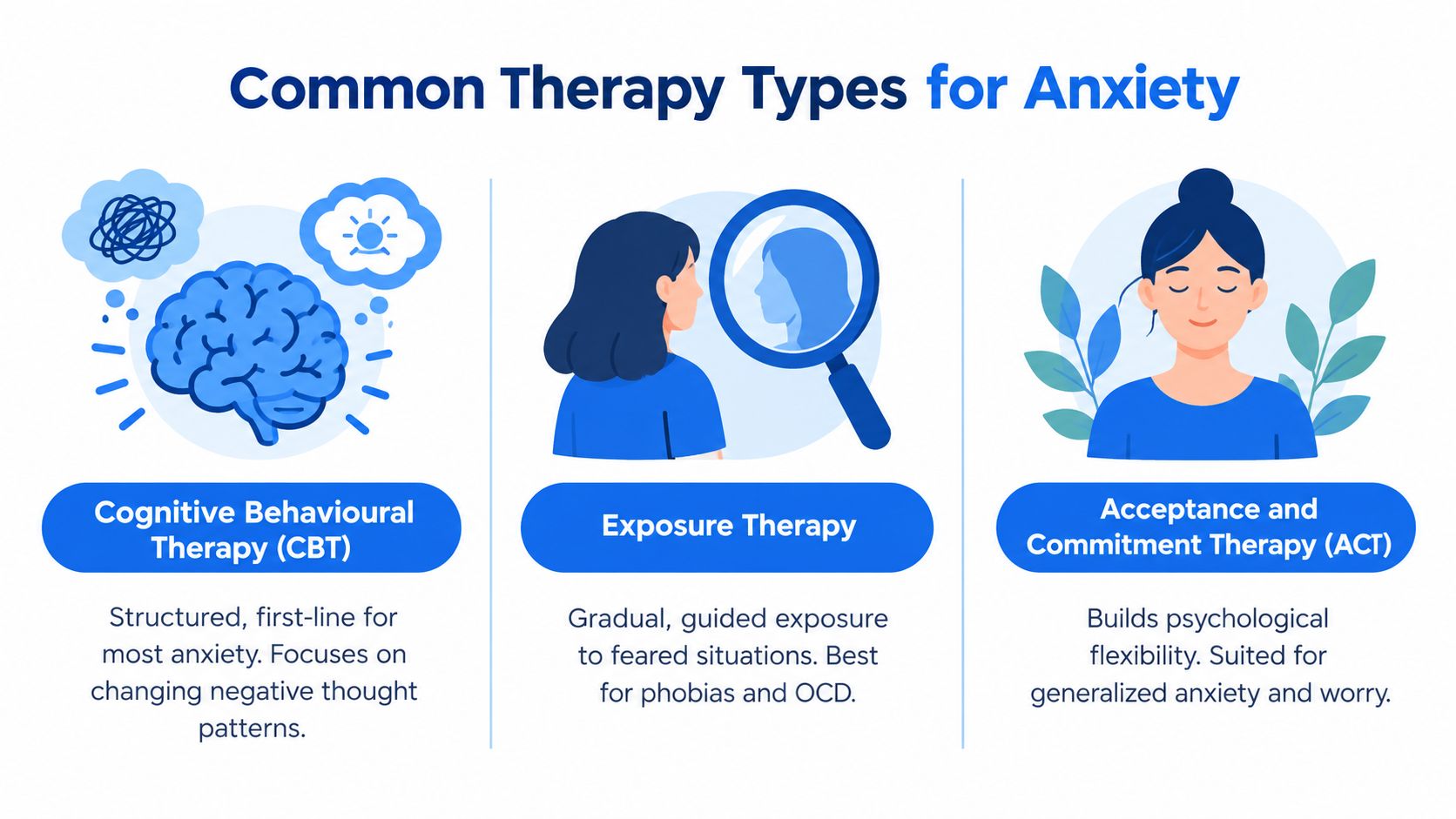
    Protecting Your Privacy and Confidentiality

    Confidentiality is the cornerstone of therapy, especially when sharing personal information online. Any reputable service will have a clear and accessible privacy policy.

    Before signing up, take a moment to read the platform's terms of service. Look for clear statements on data encryption and confirmation that your information will not be shared without your permission. This ensures your private conversations about anxiety or depression remain private.

    As you explore digital mental health tools, you may also find various online mental health assessment options. These can be helpful starting points, but it's important to remember they are informational guides, not a clinical diagnosis.

    Preparing for Your First Therapy Session

    A woman with short dark hair works focused on a laptop at a wooden desk, illuminated by natural light.

    Starting therapy can feel a bit nerve-wracking, which is completely normal. A little preparation can help calm your nerves and make you feel more in control. This is about setting the stage to ease into the process.

    Think of your first session as a simple conversation. It's a chance for you and your therapist to meet and see if it feels like a good fit. There is no pressure to say the "right" thing; this is your time.

    Setting Up Your Space and Mindset

    To get the most out of online counselling, your environment matters. Find a quiet, private space where you won’t be disturbed. This could be any place where you feel comfortable speaking freely.

    Do a quick tech check before your session begins. Ensure your internet is stable and your device is charged. Testing your camera and mic beforehand helps you focus entirely on the conversation.

    Your first therapy session is a brave step forward. It's not about having all the answers but being open to exploring the questions. This is your dedicated time for personal growth and well-being.

    Thinking About Your Goals

    It's perfectly fine to show up without knowing exactly what you want to work on. Many people start therapy because they feel stuck, anxious, or not like themselves. This could be due to workplace stress, sadness, or relationship challenges.

    If it helps, you could jot down a few thoughts beforehand. Simple prompts can get you started:

    • What feelings or situations have been on your mind lately?
    • When did you first start noticing these challenges?
    • Have you tried anything on your own to feel better?
    • What does a "good day" look and feel like for you?

    These notes are just for you and can serve as a starting point. Sharing these initial thoughts helps your therapist understand your needs and begin creating a supportive plan. It’s a key part of making sure the affordable online therapy you’ve found in India is genuinely effective.

    A Final Word: Your Path Forward

    As we conclude, please hold onto this key thought: reaching out for therapy is a sign of strength. It is an active investment in yourself and your resilience for whatever life brings. Think of it as building a stronger foundation for your emotional well-being.

    We've covered how to find affordable, quality online therapy in India that you can trust. The goal is to leave you feeling confident that support for challenges like anxiety, depression, or workplace stress is within your reach.

    It’s a Journey, Not a Quick Fix

    It's natural to want instant results, but therapy is a gradual process. There will be sessions that feel like a breakthrough and others that feel more challenging. This is a normal part of the journey toward understanding yourself better and finding a healthier balance.

    Therapy isn't about finding a magic solution. It is about building a connection with a professional who helps you tap into your own inner strength and develop tools to navigate life with more confidence and self-compassion.

    As you move forward, keep these supportive takeaways in mind:

    • You're in control: You have the power to choose a therapist and a plan that works for you.
    • Every small step counts: Reading this guide is a positive step for your mental health.
    • Help is available: Quality, affordable counselling in India is accessible. You don’t have to do this alone.

    Frequently Asked Questions

    It’s normal to have questions when you’re considering therapy. It shows you are taking this step seriously. Here are straightforward answers to some common questions about affordable online therapy in India.

    What’s the Difference Between a Therapist and a Counsellor?

    In India, the terms "therapist" and "counsellor" are often used interchangeably. While there is overlap, there can be a slight difference.

    A counsellor often helps you navigate specific life challenges, like workplace stress or relationship difficulties, usually over a shorter term. This process focuses on building resilience and practical coping skills.

    A therapist, particularly a clinical psychologist, is typically equipped to work with more deep-rooted mental health conditions like chronic anxiety or depression. This work may take longer. The best choice depends on your current needs.

    How Do I Know if Online Therapy Is Right for Me?

    Online therapy is a fantastic option for many people, especially if you prefer the comfort of your own space. It is effective for working through common issues like anxiety, stress, mild to moderate depression, and personal growth goals.

    However, it is not the right fit for every situation. If you are experiencing a severe mental health crisis or having thoughts of self-harm, please seek immediate, in-person help. Online therapy is for support, not a replacement for emergency care.

    A helpful reminder: The self-assessment tools you see online can be great for reflection, but they are informational, not diagnostic. Only a qualified professional can provide a formal diagnosis.

    How Long Does Therapy Usually Take?

    This is a common question, and the answer is that it's different for everyone. There is no set number of sessions.

    Some people feel they achieve their goals in just a few appointments. Others find long-term therapy beneficial for ongoing personal growth and well-being. It's a journey that moves at your pace.

    You and your therapist will set goals together and check in on your progress along the way. For more general information on how online health services work, this general telehealth FAQ is a helpful resource.


    Ready to find someone you can connect with? At DeTalks, we make it easy to find qualified, caring professionals all over India. You can start exploring our directory right now to find the support that feels right for you at https://detalks.com.

  • A Compassionate Guide to Internet Addiction Treatment

    A Compassionate Guide to Internet Addiction Treatment

    Finding a healthy balance with technology often combines professional support with practical self-help strategies, strengthened by a strong support system. The goal isn't to eliminate the internet from your life, which isn't realistic in today's world. It's about regaining control of your digital habits for better overall well-being.

    Understanding When Internet Use Becomes a Problem

    A person sitting in a dimly lit room, illuminated only by the glow of their smartphone screen, looking tired and disconnected.

    We all spend a lot of time online. In a vast and connected country like India, the internet is essential for work, learning, and staying in touch with loved ones. It is a powerful and necessary tool.

    The challenge arises when this connection slowly becomes a dependency. It's a gradual shift that can happen quietly, where the hours spent online begin to negatively affect your real life.

    The Journey from Habit to Dependence

    A simple habit, like checking social media, can become a dominant part of your day. The constant urge to check notifications or engage online can start to drain your mental and emotional energy.

    This growing dependence can lead to feeling mentally exhausted and make it hard to focus. This is often when challenges like workplace stress, anxiety, and even feelings of depression can begin to surface, impacting key areas of your life.

    • Mental Well-being: Feeling restless or moody when you can't get online.
    • Relationships: Being physically present but mentally distant from family and friends.
    • Professional Life: Struggling with deadlines and feeling your focus is scattered.

    Building Resilience and Self-Compassion

    Noticing these patterns is a positive first step toward building a healthier relationship with technology. Approaching this with self-compassion, rather than guilt, allows you to understand the challenge with curiosity.

    The goal of any internet addiction treatment is not to assign labels. It's about building self-awareness and developing the resilience you need to use the digital world on your terms, so you can reconnect with what brings you happiness.

    This understanding is a solid foundation for seeking support. Professional therapy and counselling offer tools to reclaim your time and attention, putting your well-being first and helping technology work for you.

    Recognising the Signs of Internet Addiction

    It can be difficult to tell when "a lot of time online" becomes too much. Since being connected is part of modern life in India and globally, the signs of a problem can be subtle.

    The real indicator isn't the number of hours you spend online, but how those hours affect you. Noticing shifts in your mood, responsibilities, and relationships is a crucial first step in self-awareness.

    Common Indicators of Problematic Internet Use

    These signs often appear gradually and can vary from person to person. They generally fall into three areas: changes in your behaviour, your emotions, and your physical health. This infographic highlights a few common impacts.

    Infographic bar chart showing that 65% of people feel irritable offline, 50% sacrifice sleep for internet use, and 40% notice a decline in work performance.

    Our emotional state and basic needs like sleep are often the first to be affected when our internet use becomes unbalanced. To help you reflect on your own habits, consider the following informational guide, which is not intended for diagnosis.

    Common Signs of Problematic Internet Use

    Category Example Signs
    Behavioural Neglecting work, studies, or home responsibilities. You may lose interest in hobbies and social events or find yourself hiding how much time you're online.
    Emotional Feeling anxious, lonely, or irritable when offline. You might experience mood swings, feeling happy online but down when you log off, or use the internet to avoid feelings of stress or depression.
    Physical Experiencing frequent headaches, eye strain, or back pain. Your sleep patterns may be disrupted, and you might notice changes in your weight due to different eating habits.

    If you see these signs in yourself, it's important to remember you are not alone.

    A Growing Concern in India

    This is a widespread issue, especially among young people. Studies on internet addiction in India show it's a growing concern for adolescents and young adults.

    Recognizing these signs is an opportunity to pause and reflect. It's a chance to consider supportive counselling or therapy to reclaim your digital well-being and build lasting resilience.

    How Professional Therapy Can Help

    Seeking professional help is a positive and courageous step toward regaining control. Therapy offers a safe, confidential space to explore your internet habits and discover healthier ways to navigate life's challenges.

    A compassionate therapist sitting opposite a person in a comfortable, sunlit room, engaged in a supportive conversation.

    A therapist acts as a supportive guide, helping you unpack your thoughts without judgment. The goal is to build your inner resilience and improve your overall well-being, so you're in charge of your online time.

    Understanding Cognitive Behavioural Therapy

    Cognitive Behavioural Therapy (CBT) is a practical and effective approach used in internet addiction treatment. This type of counselling focuses on the connection between your thoughts, feelings, and actions.

    For example, if you instinctively reach for your phone when you feel lonely or anxious, CBT helps you identify that trigger. You can then work with your therapist to develop healthier responses, empowering you to choose a new path. Research on CBT for internet addiction in India highlights its effectiveness.

    What a Therapy Session Feels Like

    Therapy is a partnership where you and your therapist set achievable goals together. You will learn practical skills for managing urges, dealing with workplace stress, and addressing underlying anxiety or depression.

    Therapy provides tools and understanding to create lasting change. The aim is to help you build a life that feels more present, connected, and genuinely fulfilling.

    Exploring other supportive methods, like understanding how acupuncture for stress and anxiety can help manage emotional strain, can also be beneficial.

    The Role of Family Counselling

    Problematic internet use often affects the entire family. Family counselling can help repair communication and build a stronger support network at home.

    These sessions provide a space for family members to understand your experience and learn how to offer support. Working together helps reinforce the positive changes you're making, creating a home environment that promotes digital well-being.

    Exploring Inpatient and Digital Detox Programmes

    A serene, nature-filled retreat centre with comfortable seating areas, suggesting a calm space for reflection and healing.

    For some, stepping away from technology is a necessary step. Inpatient programmes and digital detoxes offer a supportive space away from daily digital triggers.

    This break allows your mind to rest and recalibrate without constant notifications. It's an opportunity to rediscover offline joys, build real connections, and develop resilience without a screen.

    What to Expect from Intensive Treatment

    Inpatient internet addiction treatment offers immersive, round-the-clock support. These programs blend individual therapy, group counselling, and activities to improve overall well-being.

    A typical program might include:

    • Structured Daily Routines: Creating a new schedule with productive, calming activities.
    • Mindfulness and Relaxation: Learning to manage stress without relying on a device.
    • Skill-Building Workshops: Focusing on communication, problem-solving, and healthy coping skills.

    This structured environment helps you form new habits in a place of understanding and support.

    A Realistic Look at the Journey

    In India, dedicated inpatient centres offer controlled settings for a digital detox. However, it's important to have realistic expectations and a strong plan for ongoing support after leaving.

    Understanding broader social media addiction statistics can provide helpful context for this journey.

    Choosing an intensive programme is a significant investment in your long-term happiness. These programmes are a catalyst for change, providing tools and guidance for a more balanced life.

    The journey is rooted in self-compassion and a commitment to sustained well-being long after the programme ends.

    Practical Strategies for Everyday Digital Wellness

    Regaining control over your digital life happens through small, consistent changes. The goal is to mindfully introduce practices that help you feel more present and improve your daily well-being.

    These strategies are tools for self-care, designed to help you build resilience and find more joy away from the screen.

    Creating Mindful Boundaries with Technology

    Setting clear boundaries for device use is an effective first step. This is about reclaiming parts of your day for focus and real connection, not about punishment.

    Designating certain areas, like the dining table or bedroom, as tech-free zones can be helpful. This physical separation helps your brain switch off and signals that these spaces are for rest and connection. Following practical tips for limiting screen time can also support these efforts.

    Cultivating Offline Resilience and Joy

    A key part of any internet addiction treatment is rediscovering life offline. Making a conscious effort to reconnect with hobbies and interests is essential for building a fulfilling life beyond the screen.

    Here are a few gentle ways to begin:

    • Reconnect with Old Hobbies: Set aside 30 minutes a few times a week for an activity you once enjoyed.
    • Embrace Mindful Moments: When you feel the urge to scroll, try a simple mindfulness exercise like taking five deep breaths.
    • Schedule Social Time: Make intentional plans to see friends or family in person to counter the anxiety that can fuel excessive internet use.

    These activities are the building blocks of emotional resilience. Each time you choose an offline activity, you reinforce that you don't need a screen to manage boredom, stress, or sadness.

    Remember to be patient and compassionate with yourself. Every small step towards digital wellness is a success.

    Finding the Right Professional Support in India

    Taking the first step to get help is a courageous move. The conversation around mental health in India is growing, and there are many skilled professionals ready to support you.

    Finding a therapist is about starting a partnership. It's important to find someone who makes you feel safe and heard, as the connection you build is key to making lasting change.

    Therapy vs. Counselling: What’s the Difference?

    The terms 'therapy' and 'counselling' are often used interchangeably, but they have slightly different focuses. Counselling is often shorter-term and targets a specific issue, like workplace stress.

    Therapy may take a deeper look at long-standing patterns related to challenges like anxiety or depression. Platforms like DeTalks make it easier to find qualified professionals across India, reducing barriers to getting help.

    Questions to Ask a Potential Therapist

    Your first meeting is a chance to see if a therapist is a good fit for you. Having a few questions ready can help you make an informed decision.

    • Do you have experience helping people with their internet use?
    • What is your approach in a typical session?
    • How will we work together to set goals?

    Remember, the goal is to build a supportive relationship. This alliance can equip you with tools for self-compassion, build your resilience, and empower you to create a life that feels balanced and fulfilling.

    Frequently Asked Questions

    It's normal to have questions as you explore your relationship with technology. Getting clear, supportive answers can make a significant difference on your journey.

    Is Internet Addiction a Real Medical Condition?

    While 'Internet Gaming Disorder' is noted for further study in diagnostic manuals, most mental health professionals recognize problematic internet use as a behavioral challenge.

    The focus of internet addiction treatment is less on a formal label and more on the compulsive behaviors and their real-world impact. Addressing the resulting anxiety, depression, or isolation is what truly matters.

    Can I Overcome This on My Own?

    Many people successfully manage their digital habits through self-help strategies and support from friends and family. Building personal resilience and having a strong support system is powerful.

    However, if your internet use is causing serious issues like constant workplace stress, professional counselling can provide structured guidance. Reaching out for help is a sign of strength.

    When approaching a loved one, use compassionate 'I' statements, like, "I've been feeling worried about you." This opens a door for communication and offers support, reframing the conversation around their well-being.

    This shift creates a sense of partnership, making it easier for them to hear your concerns and consider getting help.


    Ready to take the next step towards a more balanced life? The team at DeTalks can connect you with qualified therapists who understand the complexities of digital wellness. Explore our directory and find the right support for your journey at https://detalks.com.