Tag: mental well-being

  • Insomnia Severity Index: A Guide to Your Sleep Health

    Insomnia Severity Index: A Guide to Your Sleep Health

    Some nights feel endless. You turn to one side, then the other. Your body is tired, but your mind keeps going, replaying work conversations, family worries, exam pressure, or a general sense of unease you can’t quite name.

    After a while, poor sleep stops feeling like “just a rough patch”. It starts affecting your patience, your focus, your mood, and your confidence. You may even wonder whether you’re overreacting. You’re not.

    Tired of Being Tired? A Gentle Introduction to Understanding Your Sleep

    Sleep problems can feel private and lonely. Many people keep going through the day with a smile, while feeling drained underneath. In India, where long commutes, workplace stress, family responsibilities, and academic pressure often overlap, sleep can become the first part of well-being to suffer.

    That’s where the insomnia severity index can help. It isn’t a label. It isn’t a judgement. It’s a structured way to understand what your recent sleep has been like and how much it’s affecting your daily life.

    A lonely young man sitting on his bed at night looking at the bright full moon outside.

    Why a simple sleep check can matter

    The Insomnia Severity Index (ISI) is a validated 7-item questionnaire designed to quantify insomnia severity. In India, sleep disorders affect 10 to 20% of the urban population, and the tool is used for screening. A 2022 study in Mumbai and Delhi found that 28% of urban adults had subthreshold insomnia, with higher scores linked to a 2.3 times greater risk of anxiety and 22% higher absenteeism in severe cases. The same source also highlights the 40% comorbidity between insomnia and depression in Indian populations, which shows why early understanding matters for overall mental health and well-being (Harvard Sleep Medicine ISI document).

    When readers first hear “assessment”, they often imagine something intimidating. The ISI is much gentler than that. It asks about common experiences such as trouble falling asleep, waking in the night, and how sleep problems affect your day.

    Practical rule: An assessment like the ISI is informational, not diagnostic. It helps you notice patterns and decide whether self-care, counselling, therapy, or medical support may be worth exploring.

    Sleep is connected to more than stress alone

    Many people assume sleep trouble comes only from overthinking. Sometimes that’s true. But sleep can also be influenced by routine, physical discomfort, relationship strain, burnout, or health issues you may not connect to sleep straight away.

    One helpful example is the connection between oral health and sleep quality, which shows how sleep can overlap with other parts of health. That broader view can be comforting, because it reminds you that your sleep isn’t “failing”. It’s sending information.

    If you’ve been feeling exhausted, flat, irritable, or less resilient than usual, understanding your sleep is a kind step towards clarity. It gives shape to an experience that can otherwise feel vague and overwhelming.

    What Exactly Is the Insomnia Severity Index

    You may have had this experience. You sleep badly for days, maybe weeks, and start asking yourself, “Is this just a rough patch, or is something deeper going on?” The insomnia severity index gives that question some structure. It helps you put words and numbers to an experience that can otherwise feel foggy.

    The ISI is a short questionnaire designed to measure how much insomnia is affecting you right now. It does not hunt for a single cause, and it does not reduce your sleep to hours alone. Instead, it looks at the full picture of your recent sleep experience over the past two weeks, including what happens at night and how it spills into the day.

    That distinction is important because two people can have similar sleep patterns on paper and feel very different in real life. One person may feel irritated but cope reasonably well. Another may feel drained, anxious, tearful, or unable to focus at work or college. The ISI captures that human side of sleep difficulty.

    What the ISI measures

    The questionnaire asks about the parts of insomnia people commonly struggle with, along with the effect those struggles have on daily life.

    It covers:

    • Falling asleep. Are you spending a long time trying to drift off?
    • Staying asleep. Do you wake during the night and find it hard to settle again?
    • Waking too early. Are you up before you want to be, with sleep cut short?
    • Satisfaction with sleep. Does your sleep feel refreshing, or does it leave you disappointed?
    • Daily interference. Is poor sleep affecting work, study, household responsibilities, or relationships?
    • Noticeability. Do you feel the effects are visible to other people around you?
    • Distress. How upsetting, frustrating, or worrying does the problem feel?

    A helpful way to understand the ISI is to see it as a compass rather than a verdict. It does not label you. It helps you notice where you are.

    What the score means and what it does not

    The ISI is a 7-item self-report questionnaire. Each item is rated from 0 to 4, which gives a total score between 0 and 28. “Self-report” means your answers come from your own lived experience. That matters in sleep care, because you are the person living with the restless nights, the tired mornings, and the mental strain that can follow.

    The score shows the current burden of insomnia. It does not identify the exact reason behind it. Stress from work, pressure around exams, caregiving fatigue, relationship strain, anxiety, depression, burnout, physical discomfort, and changing routines can all shape sleep. In India, many people also deal with long commutes, irregular work hours, multigenerational household demands, and constant digital stimulation late into the evening. The ISI helps you recognise the impact, even before you fully understand every cause.

    The ISI is best used as a guide for self-understanding, reflection, and conversations with a therapist, counsellor, or doctor.

    A higher score is not a sign that you have failed at sleep. It is a sign that your sleep difficulties are taking up more space in your life and deserve care.

    Why subjective experience matters

    People often dismiss their own sleep problems. They say, “I’m still functioning,” or “Other people have it worse,” or “Maybe I’m just overreacting.” But if poor sleep is making you more irritable, less patient, more anxious, or less able to enjoy ordinary moments, that impact is real.

    This is one reason the ISI is so useful in counselling and therapy. It gives shape to something that often feels blurry. Once sleep stops being a vague struggle and becomes something you can describe clearly, it becomes easier to work through the why and choose the next helpful step. For some people, that may mean changing routines. For others, it may mean getting support for anxiety, stress, or emotional overload through a platform like DeTalks.

    The ISI Questionnaire and How to Score It Yourself

    Completing the ISI can feel less like taking a test and more like pausing for honest self-reflection. You’re not trying to be impressive, positive, or tough. You’re answering based on what your sleep has really been like over the last two weeks.

    Try to respond to each question with the answer that feels most accurate overall, even if some nights were better than others. Go with your general pattern, not your best night or your worst one.

    The seven ISI questions

    Use the table below as a simple self-check. For each question, choose one score from 0 to 4.

    Question None (0) Mild (1) Moderate (2) Severe (3) Very Severe (4)
    Difficulty falling asleep 0 1 2 3 4
    Difficulty staying asleep 0 1 2 3 4
    Problems waking too early 0 1 2 3 4
    Satisfaction with current sleep pattern 0 1 2 3 4
    How much sleep problems interfere with daily functioning 0 1 2 3 4
    How noticeable the sleep problem is to others 0 1 2 3 4
    How worried or distressed you feel about the sleep problem 0 1 2 3 4

    The first three questions focus more on the night itself. The last four bring in your emotional experience and daytime functioning. That’s important, because insomnia isn’t only about being awake. It’s also about what that wakefulness costs you.

    How to answer honestly

    People often get stuck on questions like sleep satisfaction or noticeability. They wonder, “What if I’m not sure?” In that case, choose the option that feels closest.

    A few gentle guidelines can help:

    • Answer from real life. Think about weekdays, weekends, workdays, and ordinary evenings, not just unusual nights.
    • Include daytime impact. If poor sleep affects concentration, patience, motivation, or resilience, let that count.
    • Don’t downplay distress. If your sleep problem is making you anxious about bedtime, that matters.
    • Don’t panic about a high number. A score is information, not a verdict.

    If you’re tempted to say “I’m fine, I just need to cope better”, pause and answer as kindly as you’d want a friend to answer.

    How to calculate your total score

    Once you’ve chosen one answer for each of the seven items, add the numbers together.

    Use this simple process:

    1. Score each question from 0 to 4.
    2. Add all seven scores.
    3. Write down the total.
    4. Compare it with the score ranges in the next section.

    Here’s a very simple example without assigning a “meaning” yet. If someone answers 2, 3, 2, 2, 3, 1, and 2, they would add those numbers for a total score. That total becomes a clearer snapshot of how strongly sleep problems are affecting them right now.

    Why self-scoring can be useful

    The value of this exercise isn’t just the final number. It’s the clarity you gain while answering. You may notice that your biggest issue isn’t falling asleep at all. It may be early waking, constant fatigue, or the emotional toll of dreading bedtime.

    That self-awareness can be powerful in therapy, counselling, or even a personal journal. It turns “I’m always tired” into something more specific and workable.

    A structured self-check can also reduce confusion. Many people swing between minimising their sleep difficulty and catastrophising it. The insomnia severity index creates a middle ground. It gives you a more balanced way to name what’s happening.

    Understanding Your Insomnia Severity Index Score

    You add up your answers and get a number. Then comes the question that matters most. What does that number say about your sleep, your stress, and your next step?

    The ISI score works like a map legend. It does not define you, and it does not predict your future. It gives shape to something that can feel vague and overwhelming, especially when you have been lying awake at 2 a.m. wondering whether you are overreacting or not getting enough help.

    The score is usually read in four ranges: 0 to 7, 8 to 14, 15 to 21, and 22 to 28. These ranges are commonly described as no clinically significant insomnia, subthreshold insomnia, moderate clinical insomnia, and severe clinical insomnia. The labels matter less than the lived experience behind them. What changes as the score rises is usually the extent to which sleep trouble begins affecting your mood, concentration, patience, and daily functioning.

    A professional chart explaining the Insomnia Severity Index score ranges from no insomnia to severe insomnia.

    Score range 0 to 7

    This range suggests that insomnia is not showing up in a clinically significant way right now. You may still have the occasional bad night, especially during stressful periods, travel, family responsibilities, shift changes, or exam pressure.

    That can still feel frustrating. It means the pattern may be mild, brief, or not strongly disrupting daytime life.

    Score range 8 to 14

    This range is often called subthreshold insomnia. Sleep problems are present, and you are noticing them, but they may not have fully taken over your routine yet.

    For many people, this is the stage where the mind starts getting involved. You may begin worrying about sleep before bedtime, checking the clock, or feeling slightly drained the next day. In the Indian context, this can show up during long commutes, late-night screen use, work pressure, caregiving, or competitive academic schedules. The sleep issue is real, even if you are still managing to "push through."

    Score range 15 to 21

    This range reflects moderate clinical insomnia. By this point, sleep difficulty is usually affecting more than the night itself. It may be shaping your day.

    You might notice irritability, low energy, forgetfulness, or a sense that your body is tired but your mind will not switch off. Anxiety and insomnia often feed each other here. Stress makes sleep lighter and harder to trust. Poor sleep then makes stress feel louder the next day. A score in this range often means you would benefit from structured support rather than trying to fix it through willpower alone.

    A higher score is a clearer signal that your sleep needs care and attention.

    Score range 22 to 28

    This range suggests severe clinical insomnia. People here often feel worn down by the effort of trying to sleep, failing, and then facing another demanding day.

    There is often a strong emotional layer too. Fear of bedtime, frustration with your own mind, and hopeless thoughts can start building around sleep. If this is your score, kindness matters. Reaching out for professional help is a sensible response to a difficult pattern.

    How to read your score wisely

    Your total score is a useful guide, but it is still one snapshot. A person scoring 12 during a short-term stressful week may need something different from a person scoring 12 month after month. The number gives direction. Your context gives meaning.

    A helpful way to read the score is to ask three simple questions. How often is this happening? How much is it affecting my day? What seems to be keeping it going? Sometimes the answer is irregular routine. Sometimes it is anxiety, grief, burnout, relationship strain, or the habit of fighting sleep so hard that bedtime itself becomes stressful.

    Keep these points in mind:

    • Look for patterns over time. One difficult week does not tell the whole story.
    • Pay attention to daytime effects. Sleep trouble often shows up as irritability, brain fog, low motivation, or emotional sensitivity.
    • Use the score to choose your next step. A lower score may point toward self-help and routine changes. A higher score may suggest counselling, CBT-I, or medical guidance.

    Used well, the ISI score gives you language for what you are going through. That kind of clarity can bring relief. It can also help you stop blaming yourself and start choosing support that fits your situation.

    Why the ISI Is a Trusted Tool for Well-being

    People trust a questionnaire more when they understand why professionals use it. The insomnia severity index has earned that trust because it’s both practical and consistent.

    In simple terms, a good tool should do two things. It should measure what it claims to measure, and it should give reasonably stable results when your situation hasn’t changed much. That’s what clinicians mean by validity and reliability.

    A professional man in a suit pointing at a tablet screen displaying concepts of validity and reliability

    Why professionals keep using it

    In India, the ISI has shown strong psychometric properties, including Cronbach’s alpha of 0.85 and test-retest reliability of 0.89 in a 2023 study. It also showed a significant correlation with the Pittsburgh Sleep Quality Index (r=0.78). In that same evidence base, 22.5% of university students had moderate insomnia linked to 30% higher exam stress, and an AIIMS Delhi study reported 65% symptom reduction post-CBT-I, supporting the ISI’s value in both screening and treatment tracking (Journal of Sleep Research validation findings).

    If those terms sound technical, here’s the human version. The ISI is trusted because it repeatedly helps people and professionals capture a real problem clearly enough to act on it.

    A tool for screening and a tool for progress

    The ISI is useful at two different moments.

    First, it helps with screening. If someone has been dismissing their sleep struggles as “normal stress”, the questionnaire can reveal that the impact is bigger than they thought.

    Second, it helps with monitoring progress. A therapist or counsellor can use repeat scores to track whether support is helping over time. That can be encouraging, especially when progress feels slow in daily life.

    Why this matters emotionally

    When sleep is disrupted, people often lose trust in themselves. They stop believing they can recover. A structured tool can restore a little confidence because it creates a way to observe change.

    That matters for positive psychology too. Well-being isn’t only the absence of distress. It also includes resilience, steadiness, self-compassion, and the return of hope. If a person starts sleeping better, they often reconnect with these parts of themselves more easily.

    A trusted assessment can lower confusion. And lower confusion often makes it easier to ask for help.

    A brief and humane check-in

    The ISI is short enough to complete without feeling burdened. That brevity is part of its strength. Someone who is exhausted, overwhelmed, or low in motivation can still engage with it.

    It also respects personal experience. Sleep can be measured in labs, but your own perception still matters. If you’re waking unrefreshed, struggling at work, or feeling more vulnerable to anxiety or depression, your lived reality belongs in the conversation.

    From Insight to Action Your Practical Next Steps

    A score becomes useful when it changes what you do next. The aim isn’t to chase perfect sleep overnight. The aim is to respond to your sleep with the right level of support.

    The ISI can also help track whether treatment is working. A 4 to 7 point reduction after 4 weeks of CBT-I predicts 70% remission in moderate-to-severe cases. In high-stress regions like Mumbai and Delhi, where insomnia prevalence among professionals has been reported at 31%, practitioners often use scores to guide care. Scores of 15 to 21 may point towards weekly therapy, while scores over 22 suggest a more urgent referral, especially in the context of India’s therapist shortage (PMC review on treatment response and triage).

    A person holding an action plan document with three steps: Gentle Support, Professional Guidance, and Expert Care.

    If your score is low or mildly elevated

    If your score falls in the lower ranges, your sleep may still improve with thoughtful routine changes and emotional care. That doesn’t mean “just fix it yourself”. It means you may have room to experiment gently before the problem deepens.

    Helpful starting points include:

    • Keep a steady wake time. Even if bedtime varies, waking at a similar time can support rhythm.
    • Reduce late mental stimulation. Work emails, doom-scrolling, and emotionally loaded conversations close to bedtime can keep your mind activated.
    • Create a wind-down ritual. Light stretching, quiet reading, prayer, breathwork, or soft music can signal safety to the body.
    • Notice workplace stress. If your mind races only at night, the issue may be unprocessed pressure from the day.
    • Be kinder to yourself. Sleep often worsens when people start fearing sleep loss itself.

    For some readers, practical home factors matter too. Mattress comfort, room temperature, noise, and evening habits can all affect rest. If you want a broader lifestyle-based overview, this guide on what causes insomnia and how to address it can add useful context.

    If your score is in the moderate range

    A moderate score often means self-help alone may not be enough. If you’ve already tried “sleep hygiene” and still feel stuck, that’s not a personal failure. It usually means your sleep problem has become more layered.

    This is often a good stage to consider therapy or counselling. Support can help in two directions at once. One path addresses the sleep habits and thought patterns that keep insomnia going. The other explores what may be feeding the problem underneath, such as anxiety, depression, grief, burnout, family conflict, or exam stress.

    A few signs that professional support may help now:

    • Your mind feels alert at bedtime even when your body is tired.
    • Your mood is changing and you’re becoming more irritable, tearful, flat, or tense.
    • Your work or study is suffering because concentration and motivation are dropping.
    • You dread the night and start worrying about sleep long before bedtime.

    If your score is high

    A high score deserves prompt and compassionate attention. If sleep loss is starting to feel relentless, reaching out is a strong and sensible step.

    Support may involve a psychologist, therapist, counsellor, or doctor depending on the full picture. Some people need help mainly with behavioural sleep treatment. Others also need assessment for anxiety, depression, medication questions, or physical health contributors.

    Seek support sooner if poor sleep is seriously affecting safety, work functioning, emotional stability, or your ability to cope.

    Why CBT-I is often recommended

    Cognitive Behavioural Therapy for Insomnia (CBT-I) is widely regarded as a leading treatment for persistent insomnia. It helps people change the thought patterns and habits that keep the sleep struggle in motion.

    CBT-I doesn’t only tell you to relax. It gives structure. It can help you rebuild trust in sleep, reduce bedtime dread, and respond to wakefulness with less fear. For many people, that shift alone supports greater resilience.

    Small actions still matter

    Even when therapy is needed, daily habits still play a role. Think of them as support beams, not the whole house.

    Try a short nightly reset:

    1. Dim stimulation in the last part of the evening.
    2. Write down tomorrow’s tasks so your mind doesn’t carry them into bed.
    3. Use one calming practice such as slow breathing or guided relaxation.
    4. Respond gently to rough nights instead of turning them into proof that things won’t improve.

    Sleep recovery usually isn’t linear. Some nights improve before others do. The goal is steadier well-being, not perfection.

    Find Your Path to Better Sleep with DeTalks

    A lot of people reach the end of a long day in India feeling worn out, crawl into bed, and then find that sleep still does not come easily. After a while, the problem stops feeling like "just sleep" and starts touching mood, focus, patience, and hope. That is where a clear next step can help.

    The insomnia severity index can give you language for what you have been experiencing. It works like a compass for self-understanding, helping you notice whether stress, anxiety, burnout, low mood, or constant mental pressure may be shaping your nights. A score does not define you. It helps you see your pattern more clearly so you can choose what support may fit.

    If your sleep struggles are tied to workplace stress, family pressure, relationship strain, exam stress, or emotional overload, you do not have to sort through it alone. A confidential assessment can help you connect the "what" of your sleep difficulty with the "why" behind it. From there, a therapist or counsellor can help you build a plan that suits your routine, your needs, and your pace.

    Better sleep often supports more than sleep. It can make space for steadier emotions, clearer thinking, and a greater sense of control in daily life.

    Use what you have learned here as a starting point. Let your score guide reflection instead of fear. Progress may begin with one check-in.

    You can explore DeTalks to take a confidential insomnia severity index assessment and connect with therapists and counsellors who support sleep concerns, anxiety, depression, stress, burnout, and overall well-being. If you are ready for more clarity, therapy, or a kinder understanding of what your sleep may be telling you, DeTalks offers a practical place to begin.

  • Mind and Wellness: Your Ultimate Guide to Well-being

    Mind and Wellness: Your Ultimate Guide to Well-being

    Some days look fine from the outside. You answer messages, attend calls, help your family, study for exams, finish tasks, and still feel strangely tired inside. Your mind keeps running even when your body is sitting still.

    That quiet strain is common. In India, it may show up through workplace stress, exam pressure, family expectations, long commutes, social comparison, or the feeling that you always need to keep up. Anywhere in the world, the core experience is familiar. You want to feel steadier, clearer, and more like yourself.

    Mind and wellness begins there. Not with the idea that something is “wrong” with you, but with the simple truth that your inner life needs care, just like your physical health does. Therapy, counselling, rest, reflection, and healthy routines all belong in that picture.

    Your Journey into Mind and Wellness Begins Here

    A young professional finishes dinner, opens a laptop again, and tells himself he’ll only check one more email. A university student revises late into the night, but nothing seems to stay in memory. A parent holds everything together for everyone else, yet feels increasingly irritable and drained.

    These moments can look ordinary. They’re also signs that your mind may be carrying more than it can comfortably hold.

    A focused man looking at his smartphone screen while holding it in his hand near a laptop.

    When life feels full but you feel empty

    Many people think well-being only matters when there’s a crisis. That idea keeps people waiting too long. Mind and wellness is relevant when you're struggling, but it also matters when you’re functioning and still not feeling balanced.

    In daily life, stress rarely arrives with a label. It may look like short patience, shallow sleep, tension headaches, procrastination, overthinking, or losing interest in things you usually enjoy. Anxiety can feel like a mind that won’t switch off. Burnout can feel like caring has become heavy work.

    A helpful reframe: You don’t need to “hit rock bottom” before you start caring for your mental well-being.

    Why this matters in the Indian context

    India carries many strengths. Strong family networks, community ties, ambition, and adaptability help people get through difficult times. But those same environments can also make it hard to admit when you’re tired, low, or overwhelmed.

    A student may hear that everyone else is managing, so they should too. A working adult may worry that asking for therapy or counselling will be seen as weakness. Someone in a smaller town may not know where support is available at all.

    That’s why mind and wellness needs to be discussed in plain, practical language. It isn’t only about illness. It includes well-being, resilience, emotional balance, healthy relationships, purpose, and the ability to recover after hard days.

    A kinder starting point

    You don’t need to fix your whole life this week. You only need a starting point.

    That might mean noticing your patterns, improving sleep, talking to someone you trust, learning a simple breathing practice, or considering professional therapy if things feel stuck. Small steps count because the mind responds to repeated care more than dramatic effort.

    What is Mind and Wellness Really

    Mind and wellness is easier to understand if you stop thinking of it as a test you either pass or fail. It’s closer to caring for a garden. A garden doesn’t stay healthy because of one good day. It grows through regular attention.

    Some days your inner garden gets sunlight. That might come from rest, friendship, meaning, movement, or doing work that feels worthwhile. Other days, stress acts like harsh weather. If the pressure lasts too long, even strong roots can struggle.

    A diagram depicting the concept of mind and wellness illustrated as a garden with various cultivation techniques.

    Mental health and mental well-being aren’t identical

    People often use these terms as if they mean the same thing. They’re related, but not identical.

    Mental health is the broader area. It includes emotional functioning, distress, and clinically significant concerns such as anxiety or depression. Mental well-being is about how you’re living and feeling within that bigger picture. It includes steadiness, connection, self-respect, hope, and the ability to cope.

    A person can be free from severe distress and still feel flat, disconnected, or lost. Another person may face a challenge and still build resilience, meaning, and support around it. That’s why mind and wellness isn’t only about reducing pain. It’s also about growing strength.

    The five parts of the inner garden

    The garden analogy helps because wellness has several parts working together.

    • Roots of resilience help you stay grounded when life becomes demanding.
    • Nourishing soil comes from basics such as rest, routine, food, and recovery.
    • Blooming thoughts include self-talk, gratitude, perspective, and attention.
    • Weeding worries means noticing unhelpful patterns before they spread.
    • Sunlight of support comes from friendship, family, mentors, community, therapy, or counselling.

    If one area weakens, the whole system feels it. Poor sleep can reduce patience. Isolation can make stress feel louder. Constant self-criticism can shrink motivation.

    Wellness is active, not passive

    Many readers get confused here. They assume wellness is a mood. It’s not just a mood. It’s a set of habits, conditions, and relationships that support your mind over time.

    That includes basic things people dismiss because they seem too simple. Sleep is one of them. If you want a practical read on optimal sleep and wellness habits, that resource is useful because it connects rest with day-to-day functioning in a straightforward way.

    Wellness grows best when you stop asking, “What’s wrong with me?” and start asking, “What does my mind need more of, and what is draining it?”

    Positive psychology without toxic positivity

    Positive psychology doesn’t mean pretending everything is fine. It means paying attention to qualities that help people live well. Compassion. Purpose. Engagement. Gratitude. Healthy relationships. A sense that your efforts mean something.

    That matters because well-being isn’t the absence of struggle. It’s the presence of inner and outer supports that help you move through struggle without losing yourself.

    A good garden still gets storms. The difference is that it has roots, care, and room to recover.

    The Science Behind How You Feel

    Your feelings aren’t “all in your head” in the dismissive way people sometimes say it. Your mind and body constantly affect each other. That’s why workplace stress can tighten your shoulders, anxiety can upset your stomach, and low mood can make even small tasks feel heavy.

    The body reads emotional pressure as real pressure. If your nervous system keeps receiving signals that something is wrong, it stays alert for longer than is helpful. That can leave you tired, scattered, and emotionally thin.

    Your stress system can get stuck on high alert

    A useful analogy is a car alarm. It’s meant to switch on when there’s danger, then switch off once things are safe. Stress works in a similar way. It helps you respond to challenge.

    But chronic pressure can make that alarm overactive. Tight deadlines, exam stress, conflict at home, financial worry, and repeated sleep loss can all keep the system ringing. When that happens, concentration drops, patience shrinks, and recovery becomes slower.

    For many people in cities, this pattern feels normal because it’s common. But common doesn’t mean harmless.

    Why mood changes can feel so physical

    When stress rises, the body shifts resources toward survival. That’s useful in a short burst. Over time, though, you may notice headaches, body tension, shallow breathing, digestive discomfort, poor sleep, and forgetfulness.

    Low mood can work similarly. People often expect depression to look only like sadness. In real life, it may also look like numbness, low drive, slower thinking, or feeling disconnected from things that used to matter.

    In India, the National Mental Health Survey 2015-16 found that 23.6% of adults aged 18-39 suffer from depressive disorders, with higher prevalence in urban metro areas. The same verified data notes that teletherapy apps using CBT modules have demonstrated a 30-40% reduction in depression symptoms, highlighting why accessible support matters in daily life as well as crisis care, according to the mental wellness and technology discussion.

    The brain can learn new patterns

    Hope takes on a practical dimension. The brain isn’t fixed in the way people often fear. It adapts through repetition. When you practise calmer breathing, healthier thinking, better boundaries, or regular reflection, you’re not “just trying to feel better.” You’re training your system to respond differently over time.

    That ability to adapt is why small habits matter. A brief pause before reacting. A walk after work. Writing down one thought instead of believing it automatically. Speaking to a counsellor before stress becomes collapse. These actions look modest, but repeated patterns shape the mind.

    Why understanding the science reduces shame

    People often blame themselves for symptoms that are partly biological, partly emotional, and partly situational. They say, “Why can’t I handle this?” when the better question is, “What has my system been carrying?”

    Practical rule: If your reactions feel stronger than the situation seems to justify, don’t rush to judge yourself. Check your stress load, sleep, support, and recovery first.

    This matters for anxiety, burnout, and depression. Once you understand that your body may be responding to overload, your next step becomes clearer. You can begin to support your system rather than fight it.

    Practical Ways to Nurture Your Well-being Daily

    Daily well-being doesn’t usually come from one breakthrough moment. It comes from steady actions that lower pressure and increase support. The good news is that these actions can be simple.

    A cup of herbal tea next to a journal labeled Mindfulness and a book about wellbeing.

    Some people get discouraged because they think self-care must be elaborate. It doesn’t. A few minutes of attention done regularly is often more useful than a perfect routine you can’t maintain.

    Start with mindfulness in ordinary moments

    Mindfulness sounds abstract until you make it concrete. It means noticing what is happening right now without immediately judging it. You don’t need a special room, incense, or a silent mountain.

    Try this one-minute practice while sitting at your desk, on a train, or before sleep:

    1. Place both feet on the floor and relax your jaw.
    2. Inhale slowly and notice the air moving in.
    3. Exhale a little longer than you inhaled.
    4. Name what you feel in simple words such as “tense”, “tired”, “rushed”, or “sad”.
    5. Ask one gentle question. “What do I need in the next ten minutes?”

    That last step matters. Awareness becomes useful when it leads to care.

    A simple CBT method for difficult thoughts

    Cognitive Behavioural Therapy, often shortened to CBT, helps people examine the link between thoughts, feelings, and actions. You don’t need to turn into your own therapist, but one technique is especially helpful in daily life.

    Use a small three-part note in your phone:

    Situation Automatic thought Balanced response
    Missed a deadline “I ruin everything” “I missed one deadline. I can apologise, reset, and plan better”

    This doesn’t mean forced positivity. It means accuracy. Many anxious and depressed thoughts are harsh, sweeping, and incomplete.

    When you write them down, they lose some of their power. You start seeing the difference between a feeling and a fact.

    Protect sleep like it matters, because it does

    When sleep slips, almost everything feels harder. Focus weakens. Emotions become sharper. Minor problems start feeling large.

    A realistic sleep routine doesn’t have to be perfect. What helps is consistency. Try dimming screens before bed, keeping a similar sleep time on most days, and avoiding the habit of carrying work into the final minutes before sleep if you can.

    For students and professionals, this often means accepting one difficult truth. Late-night productivity can turn into next-day anxiety.

    If your mind gets loud at night, don’t argue with every thought. Park it on paper. A short note such as “I’ll revisit this tomorrow” can help the brain stand down.

    Use movement as mental recovery

    Exercise is often presented as a body goal. It’s also a mind tool. You don’t need a gym plan to benefit.

    A brisk walk after a workday can help your system shift out of pressure mode. Gentle yoga in the morning can reduce stiffness and create a calmer start. Climbing stairs, stretching between meetings, and walking during phone calls all count.

    The key is to stop treating movement as something that only matters if it’s intense. For well-being, regularity beats drama.

    Build resilience through people, not just habits

    Resilience is often misunderstood as “handling everything alone.” In practice, people become more resilient when they feel supported.

    That support can take different forms:

    • A friend who listens without trying to solve everything.
    • A family member who respects your need for quiet time.
    • A colleague who helps reduce workplace stress by sharing load fairly.
    • A support group or counsellor who offers structure when emotions feel tangled.

    Many people wait until they feel better before reconnecting. Try the opposite. Gentle connection often helps create the very energy you think you need first.

    Here’s a grounding resource to follow along with if you want a pause in the middle of a demanding day:

    A realistic daily reset

    Not every day needs a full wellness routine. A reset can be small and still useful.

    • Morning check-in
      Before touching your phone, ask how your body feels. Tired, calm, tense, heavy, restless. This builds awareness before the day starts making demands.

    • Midday pause
      Step away from your screen for a few minutes. Breathe, stretch, drink water, and soften your shoulders.

    • Evening closure
      Write down what is unfinished. Your brain rests better when it knows tasks have somewhere to go.

    • One kind action toward yourself
      Make tea. Take a short walk. Say no to one non-essential demand. Text someone safe. Read a few pages instead of doom-scrolling.

    When daily care feels hard

    If these practices sound simple but still feel difficult, that doesn’t mean you’re failing. It may mean you’re already depleted. Start smaller.

    Some days “wellness” means taking a shower, eating something nourishing, and asking for help. That still counts. Consistency grows from compassion, not self-criticism.

    Recognising When to Seek Professional Support

    There’s a point where self-help stops being enough on its own. That point isn’t a personal weakness. It’s information.

    If your distress keeps returning, lasts for weeks, affects work or study, strains relationships, or makes daily tasks feel unusually hard, professional support may help. Therapy and counselling create a structured space that friends and family usually can’t provide.

    Signs that deserve attention

    People often wait for dramatic warning signs. More often, the signs are gradual.

    You might notice:

    • Sleep changes such as trouble falling asleep, waking often, or sleeping but not feeling rested
    • Appetite or energy shifts that feel unusual for you
    • Social withdrawal because conversation, calls, or even simple replies feel draining
    • Persistent anxiety that doesn’t settle after the stressful event has passed
    • Low mood or numbness that makes joy, motivation, or concentration harder to access
    • Burnout signs such as cynicism, emotional exhaustion, or feeling unable to cope with normal responsibilities

    None of these automatically confirms a diagnosis. They are signals worth listening to.

    Why many people delay getting help

    In India, barriers can be practical and emotional at the same time. Some people fear stigma. Some worry about what family members will think. Others do not know how to find the right therapist, especially outside major cities.

    Verified data notes that over 65% of India’s population resides in rural areas, and 80-85% of individuals with common mental disorders receive no treatment, which shows how large the access gap still is, as discussed in the piece on addressing the mental health needs of underserved populations.

    That’s one reason accessible and tech-enabled support matters. It reduces the distance between recognising a problem and acting on it.

    Reaching out early often makes care feel less overwhelming. You don’t need to wait until life becomes unmanageable.

    Counselling, therapy, and psychiatry

    These terms can feel confusing, so here’s a simple distinction.

    Type of support What it often helps with
    Counselling Stress, decision-making, relationship strain, adjustment issues, coping skills
    Therapy Deeper emotional patterns, anxiety, depression, trauma, burnout, behaviour change
    Psychiatry Medical evaluation, diagnosis, and medication when needed

    In real life, these categories can overlap. A counsellor may help with anxiety management. A therapist may work on trauma or long-term patterns. A psychiatrist may become part of care when symptoms are severe, persistent, or biologically driven.

    What if you’re still unsure

    Uncertainty is normal. You don’t need perfect clarity to ask for support.

    A good first question is simple: “Is what I’m feeling affecting how I live?” If the answer is yes, a professional conversation can help you understand what’s happening and what kind of support fits best.

    How Assessments and Therapy Can Guide You

    Many people want support but don’t know where to begin. They don’t have the words for what they’re experiencing. They may know they’re struggling with anxiety, workplace stress, low motivation, attention difficulties, or emotional overload, but they’re unsure what kind of help fits.

    That’s where assessments can be useful. Not as labels. Not as self-diagnosis. As informational tools that organise your experience and give you a starting point.

    A therapist shows a mood assessment and progress chart on a tablet to a patient in therapy.

    What assessments can do well

    A thoughtful screening tool can help you notice patterns you may have normalised. It can show whether your stress seems situational, whether your mood has been consistently low, whether your attention difficulties deserve a deeper look, or whether burnout signs are building.

    That kind of insight can make the next step less intimidating. Instead of saying, “I feel bad and I don’t know why,” you can say, “My responses suggest stress, anxiety, or attention-related concerns are worth discussing.”

    If you want a plain-language overview of what a mental health assessment can involve, that guide is a useful starting read.

    Important limits to remember

    Assessments are helpful, but they aren’t the final word. They are informational, not diagnostic.

    A score or screening result should guide a conversation, not replace one. Context matters. Your sleep, health, grief, workload, family situation, and personal history all shape how symptoms appear.

    Keep this in mind: An assessment can point you in a direction. A qualified professional helps you understand the map.

    Why this matters for students and young adults

    This is especially relevant for younger people who may confuse chronic stress with a personality flaw. Verified data states that anxiety disorders affect 6.8% of university students in India, linked to academic pressures, and notes that evidence-based tools such as the Adult ADHD Self-Report Scale (ASRS-v1.1) can help identify at-risk individuals and guide them toward coaching or psychiatric support, according to the NIMH overview of ADHD.

    A student who keeps saying “I’m lazy” may actually be overwhelmed, anxious, distracted, sleep-deprived, or dealing with attention concerns. An assessment can help separate shame from useful information.

    How therapy uses that insight

    Therapy becomes more effective when the starting point is clearer. If your main issue is workplace stress, therapy may focus on boundaries, nervous system regulation, and thought patterns around pressure. If your concern is depression, the work may centre on activation, self-talk, grief, motivation, and support. If your challenge is attention, the plan may include behavioural strategies, routines, and further evaluation.

    The value isn’t in being categorised. It’s in being understood more accurately.

    For many people, the process becomes less frightening when broken into steps:

    1. Notice a pattern that keeps affecting daily life.
    2. Use an assessment for structured insight.
    3. Discuss the results with a qualified professional.
    4. Choose the right support, whether that’s counselling, therapy, coaching, or psychiatry.

    That path is far more approachable than guessing alone.

    Supportive Takeaways for Your Wellness Journey

    Mind and wellness isn’t a finish line. It’s an ongoing relationship with yourself. Some weeks you’ll feel steady and open. Other weeks you may feel anxious, low, stretched thin, or unsure. Both belong to a human life.

    What matters most is how you respond. A little more honesty. A little more rest. A little more compassion. A little more willingness to ask for support before things become too heavy.

    You don’t need to master every technique in this article. Start with one. Protect your sleep. Name what you feel. Question one harsh thought. Take a short walk. Reply to the friend you trust. Consider counselling or therapy if your stress, anxiety, depression, or burnout keeps interrupting your life.

    There’s strength in paying attention to your inner world. There’s resilience in learning what supports your well-being. And there’s wisdom in accepting that self-awareness and support often work better together than either one alone.


    If you’re ready to take a gentle next step, DeTalks can help you explore therapy, counselling, and science-backed assessments in one place, so you can better understand what you’re feeling and find support that fits your needs.

  • Life Success Therapy: A Guide to Thriving in 2026

    Life Success Therapy: A Guide to Thriving in 2026

    Some people read about therapy after a hard week. Others land here after a good week that still feels oddly empty.

    You may be doing many things “right”. You work hard, meet deadlines, support family, keep going through traffic, pressure, and endless notifications. Yet your mind stays busy, your body stays tense, and even success can feel like a task you must maintain rather than a life you can enjoy.

    That doesn’t mean you’re ungrateful or failing. It often means your inner life needs as much care as your outer goals.

    Life success therapy is one way to bring those two sides together. It supports people dealing with anxiety, workplace stress, burnout, low mood, or depression, while also helping them build resilience, clarity, self-compassion, and a more grounded sense of purpose.

    Beyond Surviving Your Next Goal

    Rohan is 29, works in Bengaluru, and has the kind of life many people aim for. He has a stable salary, a decent flat, and parents who proudly tell relatives he’s doing well. Still, most evenings, he feels drained and restless.

    He keeps telling himself that the next promotion will settle him. Then maybe a better package. Then maybe a holiday. But every time he reaches one target, relief lasts only briefly, and the pressure returns.

    A professional man with long hair sits at a desk, deeply focused on his laptop screen during work.

    This pattern is common. A person can look successful from the outside and still struggle with anxiety, self-doubt, burnout, or a quiet sense that life has become too mechanical. In many Indian homes, there’s also another layer. You may carry family expectations, financial responsibility, social comparison, and the belief that resting means falling behind.

    When achievement stops feeling satisfying

    Sometimes people come to therapy because they’re in visible distress. Sometimes they come because life has become flat, rushed, or emotionally crowded.

    That second reason matters just as much.

    Life success therapy helps when you’re not only asking, “How do I stop feeling bad?” but also, “How do I build a life that feels meaningful?” It treats emotional pain seriously, but it doesn’t stop there. It also asks what helps you feel steady, connected, and alive.

    Wanting a fuller life isn’t selfish. It’s part of well-being.

    A student may want help with exam stress but also with confidence. A working professional may want support for workplace stress and also a healthier definition of success. A parent may need counselling for exhaustion while learning how to respond with more patience and compassion at home.

    A different starting point

    Many people assume therapy is only for crisis. It isn’t.

    You can seek therapy because you’re functioning, but not flourishing. You can seek it because your mind is always racing, because you’ve become harsh with yourself, or because you want your ambition and your well-being to stop pulling in opposite directions.

    Life success therapy starts from a simple idea. You deserve support not only for surviving difficult seasons, but for creating a more fulfilling life.

    What Is Life Success Therapy

    Think of your mind like a home garden.

    If weeds take over, the flowers struggle. If the soil is dry, even healthy seeds won’t grow well. And if you only cut the weeds without caring for the soil, the same problems often return.

    The garden analogy

    Traditional therapy often helps people remove the weeds. That may include addressing anxiety, depression, burnout, shame, or unhelpful patterns in relationships. This work matters because emotional distress can block everything else.

    Life coaching often focuses more on planting new seeds. It may centre on goals, habits, productivity, or motivation. That can be useful, but coaching usually isn’t designed to address psychological pain in a profound way.

    Life success therapy does both. It helps clear what’s getting in your way and strengthens what helps you grow.

    What that looks like in practice

    A therapist may help you notice how fear of failure shapes your choices. At the same time, they may help you build resilience, emotional awareness, gratitude, self-respect, and a clearer sense of purpose.

    That means the work can include both healing and growth:

    • For distress: support for anxiety, depression, low motivation, workplace stress, burnout, grief, or relationship strain
    • For thriving: support for confidence, values, boundaries, compassion, meaning, and sustainable ambition

    This is especially useful for people who feel stuck between two worlds. You may not feel “unwell enough” for therapy in the way people around you imagine it. But you may also know that pushing harder isn’t solving the deeper problem.

    Why it feels different from advice

    Advice tells you what to do. Therapy helps you understand why certain patterns keep repeating, what emotions sit underneath them, and how to respond differently.

    That distinction matters for professionals under pressure. If your work role carries leadership stress, a specialised perspective can help. Some readers may also find it useful to explore how support is customized for high-pressure roles in this guide to a therapist for executives.

    Practical rule: If your goals keep growing but your peace keeps shrinking, you may need more than motivation. You may need therapeutic support.

    Life success therapy is not about becoming positive all the time. It’s about building an inner life strong enough to hold difficulty, joy, effort, and rest together.

    Core Therapeutic Approaches You Will Encounter

    Therapy can seem mysterious until you see the tools clearly. In reality, many approaches are practical and understandable. Each one shines light on a different part of your life.

    An infographic titled Core Therapeutic Approaches outlining CBT, ACT, Psychodynamic Therapy, SFBT, and MBSR methods.

    A simple comparison

    Approach Main focus Helpful when
    CBT Thoughts, beliefs, and behaviour patterns You overthink, self-criticise, or spiral after setbacks
    ACT Values and action, even with uncomfortable feelings You feel stuck, avoid difficult tasks, or feel disconnected from what matters
    Psychodynamic therapy Past experiences and repeating emotional patterns The same conflicts keep showing up in work, family, or relationships
    SFBT Small, practical changes toward a preferred future You want clarity and momentum without getting lost in over-analysis
    MBSR Present-moment awareness and nervous system regulation Stress runs high and your mind rarely feels quiet

    CBT helps you question the story in your head

    Cognitive Behavioural Therapy, usually called CBT, asks a useful question. “What am I telling myself in this moment, and is it helping?”

    If your manager sends “Can we talk?”, your mind might jump to “I’ve messed up” or “I’m about to be judged”. CBT helps you slow that chain down. It teaches you to spot automatic thoughts, test them, and replace harsh or distorted thinking with something more balanced.

    That doesn’t mean fake positivity. It means accuracy and emotional steadiness.

    ACT helps you move with discomfort, not wait for its absence

    Acceptance and Commitment Therapy, or ACT, is helpful when people delay life until they feel confident, calm, or certain. The problem is that those feelings don’t always arrive on schedule.

    ACT teaches a different skill. You can feel nervous and still act according to your values.

    A young woman may feel afraid to speak up in meetings but strongly value growth and honesty. ACT would not ask her to erase fear first. It would help her carry that fear more lightly while taking the step that matches her values.

    You don’t need a perfect inner state to take a meaningful outer step.

    Psychodynamic work looks for old patterns in new places

    Some struggles are not just about the current week. They have history.

    If you always feel responsible for everyone, panic when someone is upset with you, or chase approval at work, a therapist may explore where those patterns began. Perhaps praise was linked to performance in childhood. Perhaps conflict felt unsafe. Understanding this can reduce shame and increase choice.

    SFBT and mindfulness make growth easier to practise

    Solution-Focused Brief Therapy, or SFBT, doesn’t ignore pain. It asks what’s already working, even a little. If a student feels overwhelmed, a therapist may ask, “When was the stress slightly less intense?” That tiny exception becomes a clue.

    Mindfulness-Based Stress Reduction, often called mindfulness work, helps you notice thoughts and feelings without getting pulled by each one. In daily Indian life, this may look like pausing before reacting during a family disagreement, noticing your breath before a difficult call, or eating a meal without scrolling and rushing.

    Different therapists combine these approaches in different ways. The best fit depends on your goals, your personality, and the kind of support your nervous system responds to.

    Defining and Achieving Your Personal Success

    A common Indian experience goes like this. You meet one goal, then another appears. A promotion brings pride, but also longer hours. Good marks bring relief, but not always confidence. From the outside, life seems to be improving. Inside, you may still feel tense, tired, or unsure why none of it feels like enough.

    That is why personal success needs a deeper definition than achievement alone.

    For one person, success means financial stability and leadership. For another, it means sleeping well, speaking to themselves with less criticism, and being present at home after work. For many people, it means both. Outer progress and inner steadiness.

    What therapy can change in real life

    Life success therapy turns a vague wish into something you can practise. Instead of chasing a general idea like “I want to do better,” you begin to name what better looks like in daily life.

    It may mean receiving feedback from your manager without spiralling into self-doubt. It may mean noticing anxiety early, before it takes over your whole day. It may mean finishing work and still having enough mental space to enjoy dinner, help your child with homework, or sit peacefully without replaying every conversation.

    Personal success often grows from three areas working together:

    • Achievement: doing meaningful work and following through on goals
    • Emotional balance: handling stress, disappointment, and self-criticism with more skill
    • Alignment: living in a way that matches your values, not only other people’s expectations

    A useful comparison is a house with strong walls but no foundation, or a foundation with no rooms built on it. Career progress without emotional steadiness can feel fragile. Self-awareness without action can leave you stuck. Therapy helps you build both.

    What India-based evidence suggests

    India-specific research on life success therapy is still developing, but some findings point in a useful direction. One set of CBT success rate statistics summarised findings linked to Indian adults and working professionals, including improvements in anxiety, motivation, stress, productivity, career resilience, and sense of purpose.

    These findings matter for a simple reason. Many people do not come to therapy with only one problem. An engineer may feel burned out and directionless. A student may struggle with anxiety and low confidence. A parent may be doing well at work while feeling constantly irritable at home. Relief and growth often need attention at the same time, especially in Indian settings where family duty, social comparison, and career pressure often overlap.

    Your version matters most

    Many people hear “success” and assume therapy is trying to make them more productive.

    Sometimes productivity improves. That is not the whole aim.

    A therapist may help you define success with questions like these:

    • What do I want more of? Calm, confidence, joy, clarity, better boundaries
    • What do I want less of? Panic, burnout, people-pleasing, constant comparison
    • What kind of life feels worth my effort? One guided by values, care, and direction

    A meaningful life is not measured only by output. It is also measured by how it feels to live it.

    For some people, success means staying ambitious without going emotionally numb. For others, it means healing enough from anxiety or depression to enjoy ordinary parts of life again. In the Indian context, it can also mean learning to respect family and community while still making room for your own voice.

    That balance is often where real growth begins.

    A Look Inside a Typical Therapy Session

    Most therapy sessions are quieter and more practical than people expect. They’re not lectures. They’re not interrogations. They’re structured conversations where you and the therapist make sense of what’s happening and decide what to try next.

    A professional therapist in a blazer sits in an armchair listening to a client on a sofa.

    How a session often begins

    A session usually starts with a check-in. You might talk about your week, a stressful event, a shift in mood, or something that went better than expected.

    A therapist may ask simple questions. “What’s been most present for you?” “When did you notice the stress rising?” “What are you hoping feels different by the end of today’s session?” These questions help narrow the focus.

    What the middle of the session can feel like

    Suppose a college student says, “I’m lazy. I can’t focus. Everyone else is coping better.” The therapist may slow that down and explore what sits underneath. Is it fear of failure? Exhaustion? Harsh self-talk? Family pressure? Anxiety?

    The work may then move into an exercise. For example:

    • Values compass: You identify what matters most right now, such as learning, health, family, honesty, or creativity
    • Thought check: You write down one painful thought and test whether it is fully true, partly true, or just familiar
    • Best possible self: You imagine a future version of your life that feels meaningful, then look for one realistic step toward it

    None of these exercises are about forcing optimism. They help you see your mind more clearly.

    How sessions usually end

    Good therapy often ends with one small step, not a dramatic breakthrough.

    A professional dealing with workplace stress might decide to pause before replying to late-night messages. A parent might practise noticing tension in their body before reacting to a child. A young adult feeling depressed may commit to one steady routine that supports sleep and structure.

    Therapy often moves forward through repeatable small actions, not one perfect insight.

    The next session builds from there. You review what helped, what didn’t, and what needs more care. Over time, this creates both self-understanding and practical change.

    Measuring Your Growth with Supportive Assessments

    A lot of people can feel that something is not working in their life, yet struggle to put it into words. They may say, “I’m stuck,” “I’ve lost drive,” or “I’m doing everything, but I still feel dissatisfied.” Supportive assessments can help put shape around that fog.

    In life success therapy, these tools work a bit like a health check for your inner life. Just as a blood test does not define your whole health, an assessment does not define your identity. It gives useful clues. Those clues can point to stress patterns, coping habits, self-belief, emotional regulation, motivation, values, or areas where you may be surviving well on the outside but feeling drained on the inside.

    That matters in the kind of therapy this article is describing. Clinical therapy often helps reduce distress such as anxiety, burnout, or low mood. Growth-focused work helps build resilience, purpose, confidence, and direction. Assessments can support both. They can show where pain needs care and where strengths need development.

    Why these tools can be helpful

    Consider a student in Kota preparing for exams, or a young professional in Bengaluru who keeps missing deadlines and calling themselves lazy. The problem may not be laziness at all. A supportive assessment may suggest high stress, poor recovery, perfectionism, harsh self-criticism, or difficulty naming emotions.

    Once the pattern becomes clearer, the conversation usually becomes more practical.

    1. You identify a pattern that was hard to describe on your own
    2. You discuss the result with a therapist or counsellor in simple, everyday language
    3. You use it to set goals and notice change over time

    This can make progress easier to recognise. Many people do not notice growth while they are living through it. They only notice it later, like realising a long commute feels easier because the road has slowly improved.

    What growth looks like in practice

    A person who begins therapy saying, “I just want to stop feeling overwhelmed,” may later notice more specific changes. They recover faster after criticism. They sleep with less mental noise. They say no with less guilt. They feel more connected to what they want, not only to what others expect.

    Those shifts are easy to miss if you rely only on mood from one difficult day. Supportive assessments create a steadier reference point. They help answer questions like, “Am I coping better than three months ago?” or “Has my sense of purpose improved, even if work is still stressful?”

    Why this matters in India

    In India, many people seek help only after distress becomes hard to hide. At the same time, there is growing interest in support that goes beyond symptom relief and includes confidence, direction, and a meaningful life. That wider need matters even more because access remains uneven. Rural areas face a 70% shortage of mental health professionals, with only 0.75 psychiatrists per 100,000 people, according to this discussion of working with underserved populations.

    That gap is one reason digital tools and guided assessments are getting attention. Used well, they can help people start with clearer self-observation before or alongside therapy. Used poorly, they can feel like labels or shortcuts.

    A good assessment should leave you with more clarity, not more confusion. The aim is simple. Better self-understanding, better conversations in therapy, and better decisions about how to build a life that feels stable, meaningful, and your own.

    How to Find the Right Therapist on DeTalks

    Choosing a therapist can feel like a big decision, especially if you’re already tired, confused, or hesitant. A good fit matters because therapy works best when you feel safe enough to be honest.

    A woman holding a smartphone displaying a mobile therapy app interface called DeTalks with various therapists.

    In India, access also shapes that decision. Rural areas face a 70% shortage of mental health professionals, with only 0.75 psychiatrists per 100,000 people, which is why telehealth has become such an important bridge for people seeking support for anxiety, resilience, and growth, as described in this discussion of working with underserved populations.

    What to look for in a profile

    Start with the therapist’s areas of focus. For life success therapy, it helps to look for words such as CBT, ACT, positive psychology, career counselling, stress management, burnout, anxiety, or depression.

    Then look at the tone of the profile. Does the therapist sound warm, practical, reflective, structured, or insight-oriented? A skilled therapist can use the right method, but the relationship still needs to feel workable for you.

    Here are useful things to scan for:

    • Relevant specialisation: workplace stress, exam stress, low motivation, relationship concerns, self-esteem, grief, or burnout
    • Approach to therapy: whether they work in a practical, goal-focused, exploratory, or blended way
    • Language and accessibility: whether you can speak in the language you’re most comfortable using
    • Session format: online options, timing, and availability that match real life

    Questions worth asking early

    An initial consultation doesn’t need to be impressive. It only needs to be honest.

    You might ask:

    • How do you help clients define success in a personal way?
    • How do you work with both anxiety and personal growth?
    • What happens if I’m not sure what my goal is yet?
    • Do you offer structured tools between sessions, or is the process more exploratory?

    These questions quickly show whether the therapist can hold both healing and growth.

    A short introduction can also make the process less intimidating:

    Signs of a strong fit

    You don’t need instant comfort. First sessions can feel awkward. But a good fit usually includes a few things.

    The therapist listens carefully. They don’t rush to label you. They help you feel understood without making empty promises. And they can translate emotional struggles into practical, compassionate next steps.

    If one therapist doesn’t feel right, that isn’t a failure. It’s part of finding the support that matches your needs and your well-being goals.

    Common Questions About Life Success Therapy

    Is this only for people with serious mental health concerns

    No. Life success therapy can support people facing anxiety, depression, burnout, or major distress, but it’s also for people who want to grow. You might seek counselling because you feel stuck, disconnected, self-critical, or unclear about what matters next.

    Is it the same as life coaching

    Not quite. Coaching often focuses on goals and performance. Therapy can also help with goals, but it is grounded in psychological understanding and can work with emotional pain, long-standing patterns, and mental health concerns at the same time.

    How long does life success therapy take

    There isn’t one standard timeline. Some people come for a focused issue and work briefly on one area, such as workplace stress or exam anxiety. Others stay longer because they want deeper change in relationships, self-worth, resilience, or life direction.

    What if I don’t know what I need yet

    That’s common. You don’t have to arrive with the perfect words.

    Many people begin with a vague feeling such as “I’m tired all the time”, “I’ve lost confidence”, or “I should be happy but I’m not”. A therapist helps turn that fog into something clearer and more workable. If you’re also curious about the profession itself, this guide on what career cluster a therapist is in gives a simple overview.

    Does starting therapy mean something is wrong with me

    No. It often means you’re paying attention.

    Seeking therapy can be an act of self-respect. It says your inner life matters, your well-being matters, and you don’t want to build success on top of untreated stress, anxiety, or emotional exhaustion.


    If you’re ready to explore therapy or supportive assessments in one place, DeTalks can help you find qualified mental health professionals, understand your needs more clearly, and take a steady first step toward greater resilience, clarity, and well-being.

  • Counselling for Teens: A Complete Guide to Finding Support

    Counselling for Teens: A Complete Guide to Finding Support

    Some evenings look calm from the outside. A teenager is at a desk, books open, phone face down, headphones on. A parent walks past and thinks, “At least they’re studying.”

    Inside, though, that teen may be juggling fear of disappointing the family, pressure from boards or entrance exams, friendship drama, body image worries, loneliness, or the heavy feeling that nothing they do is enough. Many teenagers don’t have the words for all of this yet. Many parents sense something is wrong, but don’t know whether to give space, step in, or seek therapy.

    Counselling for teens can help make that confusion less frightening. It offers a steady place to sort thoughts, understand feelings, and build practical skills for stress, anxiety, low mood, burnout, relationships, and everyday well-being. It isn’t about “fixing” a teen. It’s about helping them feel supported, understood, and more able to handle life.

    Navigating Teen Years Why Counselling Can Help

    A Class 11 student might say she’s “just tired” when what she means is, “I’m scared all the time.” A boy preparing for JEE may become short-tempered at home, not because he’s rude, but because he feels cornered by expectations. A teen who used to laugh freely may suddenly want to stay alone in their room. These moments are easy to dismiss as “just teenage behaviour”, but they can also be signals that extra support would help.

    A concerned teenage boy sitting at a desk while studying with a book and smartphone nearby.

    In India, these struggles are far from rare. 20.1% of teenagers aged 13 to 17 experienced mental disorders in the past 12 months, and the treatment gap for mental disorders among youth is over 80%, which means only about one in five teens who need help receive professional support, according to the National Mental Health Survey details summarised here.

    That matters because adolescence is a training ground for adult life. The ways a young person learns to respond to stress, conflict, disappointment, and self-doubt can shape their future relationships, studies, and even workplace stress later on. Counselling gives them healthier tools early.

    What counselling changes

    Think of counselling like having a skilled guide on a difficult trek. The guide doesn’t walk the path for the teen, but helps them read the map, pace themselves, avoid risky turns, and keep moving when the climb feels steep.

    That support can help with:

    • Stress management: Handling pressure without falling apart.
    • Emotional awareness: Naming feelings instead of bottling them up.
    • Resilience: Recovering after setbacks such as exam results, rejection, or conflict.
    • Self-compassion: Learning that struggling doesn’t mean failing.
    • Communication: Saying “I need help” or “I feel overwhelmed” more clearly.

    Counselling works best when it’s seen as support for growth, not evidence that something has gone terribly wrong.

    Why parents and teens often hesitate

    Families often wait too long because they hope the phase will pass on its own. Teens may worry they’ll be judged, lectured, or forced to talk. Parents may worry that therapy will label their child.

    In reality, counselling for teens is often most useful before things reach a crisis. A calm conversation now can prevent deeper distress later. The earlier a teen learns how to handle anxiety, sadness, pressure, and conflict, the more confident they usually feel in facing the next challenge.

    Understanding Teen Counselling A Safe Space for Growth

    Many teens think counselling means sitting in a room while an adult analyses them. Many parents imagine the counsellor will tell the child what to do. Neither picture is accurate.

    Counselling is closer to mental fitness training. If a sports coach helps a player improve stamina, form, and focus, a therapist helps a teen strengthen emotional skills. Those skills may include calming anxiety, handling anger, challenging harsh self-talk, coping with depression, improving sleep routines, or building confidence in relationships.

    What counselling is

    A counselling session is a structured conversation with a trained professional. The teen talks, but they don’t have to arrive with perfect words or a clear story. A good therapist helps them slow things down and make sense of what’s happening.

    The space is meant to be:

    • Private: So the teen can speak openly.
    • Non-judgemental: So they don’t feel scolded or shamed.
    • Collaborative: So goals are set together, not imposed.
    • Practical: So the teen leaves with ideas, tools, or a better understanding of themselves.

    A session might focus on school pressure one week and friendship conflict the next. It might include talking, journalling, drawing connections between thoughts and feelings, or practising a coping skill.

    What counselling is not

    It isn’t a punishment for “bad behaviour”.

    It isn’t only for severe crisis.

    It isn’t a place where the therapist takes sides against parents or against the teen.

    It also isn’t magic. Therapy helps best when the teen feels safe enough to engage and when the adults around them support the process with patience.

    Practical rule: Counselling should help a teen feel more understood and more capable, not more controlled.

    Why teens often open up more in therapy

    Parents sometimes ask, “Why would my child tell a stranger things they won’t tell me?” The answer is simple. A therapist is not part of the daily argument, reminder, comparison, or expectation system.

    That distance can make it easier for a teen to say, “I’m not coping,” “I feel anxious all the time,” or “I don’t know who I am anymore.” Once those words are out, the work can begin.

    Growth matters as much as symptom relief

    Counselling for teens isn’t only about reducing anxiety or depression. It can also help a young person grow in ways that last well beyond school years.

    A teen may come to therapy because of stress, but stay long enough to learn how to:

    • Set boundaries: With friends, social media, or family pressure.
    • Build resilience: After failure, embarrassment, or change.
    • Increase self-awareness: Noticing patterns before they spiral.
    • Develop compassion: Toward themselves and others.
    • Strengthen happiness habits: Creating routines that support well-being.

    The role of assessments

    Some therapists and platforms use questionnaires or screening tools early on. These can be helpful because they organise what the teen is experiencing and highlight themes that need attention.

    Still, one point matters. Assessments are informational, not diagnostic. They can guide the conversation, but they don’t replace a proper professional evaluation. Think of them like a torch in a dark room. They help you see more clearly, but they don’t tell the whole story on their own.

    Signs It Is Time to Talk Common Reasons for Teen Therapy

    Parents often ask the same question in different words. “Is this normal teenage stress, or is my child struggling?” Teens ask their own version. “Am I overreacting, or do I need help?” Both questions are valid.

    The simplest answer is this. If distress is lasting, affecting daily life, or making a teen feel stuck, counselling may help. You don’t need to wait for everything to become dramatic.

    A collage showing troubled teenagers in a classroom setting, illustrating the emotional challenges faced during adolescence.

    Signs parents often notice

    Sometimes the first clues are behavioural. A teen who used to be steady may become unusually quiet, irritable, tearful, or explosive. Another may look “lazy” when they’re mentally exhausted.

    Look for patterns such as:

    • Pulling away: Avoiding friends, family meals, hobbies, or school activities.
    • Sudden drop in motivation: Homework piles up, focus slips, and routine tasks feel too hard.
    • Frequent arguments: Small issues turn into big reactions.
    • Changes in habits: Sleep, appetite, energy, or screen use shifts noticeably.
    • Loss of enjoyment: Things they once liked no longer seem to matter.

    These signs don’t automatically mean a disorder. They do suggest the teen may need a better space to talk and cope.

    Feelings teens often hide

    Teens don’t always show pain in obvious ways. A young person may still attend school, reply “fine”, and keep going, while internally feeling flooded.

    They may be dealing with thoughts like:

    • “I can’t switch my brain off.” This often shows up in anxiety.
    • “Everyone else is managing better than me.” Shame and comparison feed low mood.
    • “If I fail once, everything is over.” This kind of all-or-nothing thinking is common under pressure.
    • “I don’t want to burden anyone.” Many teens stay silent for this reason.
    • “I’m tired of pretending I’m okay.” That sentence alone is enough reason to seek support.

    If a teen is suffering quietly, waiting for them to “speak up properly” often delays help.

    The Indian reality of academic pressure

    In many Indian homes, education carries hope, sacrifice, status, and fear all at once. A board exam result can feel like a family event. Entrance tests such as JEE and NEET can turn one child’s stress into a whole household’s tension.

    This pressure is not minor. In India, 70% of adolescents aged 13 to 17 report high stress from board exams and entrance tests like JEE and NEET, and this academic pressure is described as a leading contributor to anxiety disorders among teens in the referenced summary here.

    A teen under exam strain may need help with:

    • Burnout: Feeling empty, numb, or unable to start.
    • Fear of failure: Treating one result as a verdict on self-worth.
    • Body stress: Headaches, stomach discomfort, panic, or poor sleep.
    • Family tension: Feeling loved, but also constantly monitored.

    Many families would also benefit from broader guidance on actionable problems, from mental health to online safety, because teen stress rarely comes from one source alone.

    Therapy is also for strengths

    Not every teen starts counselling because things are falling apart. Some come because they want to understand themselves better, become more confident, or improve relationships at home.

    A teenager might seek therapy to:

    • manage social anxiety before college interviews
    • recover confidence after bullying
    • communicate better with parents
    • handle friendship breakups more maturely
    • build resilience for future change

    That’s a healthy reason to come. Counselling for teens can support both pain and growth.

    Finding the Right Fit Types of Counselling for Teenagers

    One of the most confusing parts for families is that “therapy” is a broad word. It can describe different methods, different settings, and different goals. The best fit depends on what the teen is dealing with, how they prefer to communicate, and what support is available.

    An infographic illustrating four different types of counselling for teenagers including CBT, family, school-based, and person-centered therapy.

    Four common options

    Some teens need structure. Some need warmth and space. Some need the whole family involved. Here are four common approaches that parents and teenagers often encounter.

    Cognitive Behavioural Therapy

    CBT helps a teen notice the link between thoughts, feelings, and actions. If a student thinks, “I’m going to mess this up”, their body may tense, their anxiety may rise, and they may avoid studying or overwork in panic.

    A CBT-focused therapist helps the teen test those patterns and replace them with more balanced responses. This can be especially useful for anxiety, low mood, perfectionism, and exam stress.

    Family therapy

    Family therapy doesn’t assume the teen is “the problem”. It looks at how the family communicates, reacts, and supports one another.

    This can help when there are repeated conflicts around studies, independence, phone use, routines, or misunderstandings. The aim is to improve the whole team’s communication, not to assign blame.

    School-based counselling

    Some schools offer access to a counsellor on campus. This can be easier for teens who are nervous about formal therapy or who need support linked directly to school life.

    School counselling may help with peer conflict, academic stress, adjustment issues, and emotional support during difficult periods. It’s often a useful first step, though some teens later need more specialised outside care.

    Person-centred therapy

    This approach focuses on helping the teen feel understood and accepted. The therapist doesn’t rush to “correct” them. Instead, they create a trusting space where the teen can understand themselves better.

    This can work well for teens exploring identity, self-esteem, loneliness, or the feeling that no one really gets what they’re going through.

    Comparing Teen Counselling Approaches

    Therapy Type What It Is Best For… How It Works
    Cognitive Behavioural Therapy A practical form of therapy that links thoughts, feelings, and behaviours Anxiety, depression, exam stress, negative self-talk The therapist helps the teen spot unhelpful patterns and practise healthier responses
    Family Therapy Sessions that include family members when relationships affect the problem Conflict at home, communication struggles, repeated misunderstandings The family learns to listen better, reduce blame, and solve problems together
    School-Based Counselling Support offered within the school setting Study pressure, peer issues, adjustment to school demands The teen meets a school counsellor for regular emotional and practical support
    Person-Centred Therapy A warm, non-directive approach focused on the teen’s experience Identity questions, confidence issues, emotional expression The therapist helps the teen feel safe enough to explore and grow at their own pace

    How to choose between them

    A practical way to decide is to ask, “What’s the main difficulty right now?”

    If the teen says, “My thoughts spiral and I can’t calm down”, CBT may be useful. If everyone at home feels stuck in the same fights, family therapy may help more. If the teen needs accessible support linked to school, start there. If they mainly need a trusted adult and room to process, person-centred therapy may be the right fit.

    Online therapy and digital access

    Online therapy has become an important option for many families. It can be especially helpful when travel is difficult, privacy matters, or there aren’t many local adolescent specialists.

    For teens, online sessions sometimes feel less intimidating because they happen in a familiar environment. For parents, they can reduce logistical strain. The key is still fit. The therapist’s experience with adolescents matters more than whether the session happens in a clinic or on a screen.

    The best therapy is often the one a teen can actually access, attend consistently, and feel safe enough to use.

    It’s okay to change course

    Families sometimes worry that choosing the “wrong” type of counselling will waste time. In reality, therapy is often adjusted along the way.

    A teen may begin with supportive talk therapy, then move into more structured CBT once trust grows. A parent may start by arranging individual sessions and later realise family sessions are also needed. That’s normal. Good care is responsive, not rigid.

    Your First Steps What Happens in a Teen Counselling Session

    Starting therapy can feel awkward for both teen and parent. The unknown is often the hardest part. Once people understand what usually happens, the process tends to feel less mysterious.

    A female therapist smiling at a teenage boy sitting in a chair during a counselling session.

    In India, this need for safe support is urgent. India has the highest adolescent suicide rate globally for ages 15 to 19, and early intervention matters. The Tele-MANAS helpline handled over 1.2 million calls by mid-2024, with 40% from youth seeking crisis counselling, as described in this summary of teen mental health data. Numbers like these remind us that confidential spaces for young people are not optional.

    Step one is usually a booking conversation

    The process often begins with a parent, guardian, or older teen making an enquiry. They may ask about the therapist’s experience, availability, format, and whether the professional works regularly with adolescents.

    This first contact is not a full therapy session. It’s more like checking whether the door feels safe to open.

    The first session is about understanding, not judging

    At the first appointment, the therapist usually tries to understand the teen’s world. They may ask about school, stress, sleep, mood, family relationships, friendships, and what led the family to seek help now.

    A teen does not need to “perform honesty perfectly” in session one. It’s common to be quiet, guarded, silly, vague, or unsure. Trust takes time.

    A therapist may also use brief screening tools or questionnaires to organise concerns. Again, these are informational, not diagnostic. They help shape the conversation.

    What confidentiality usually means

    This is one of the biggest worries. Teens often ask, “Will you tell my parents everything?” Parents often ask, “Will I be left in the dark?”

    Most therapists explain confidentiality at the start in plain language. A teen’s private details are generally respected so they can speak freely. At the same time, if there is serious concern about safety, such as risk of self-harm or harm to others, the therapist may need to involve a parent or relevant support person.

    A good therapist doesn’t use secrecy to divide families. They use clear boundaries to protect trust and safety.

    This balance matters. Teens need privacy. Parents need to know that genuine safety concerns won’t be hidden.

    Ongoing sessions usually follow a rhythm

    After the first session, therapy often becomes more focused. The therapist and teen may agree on goals such as reducing anxiety before exams, improving communication at home, managing depression symptoms, or building resilience after a difficult event.

    A regular session may include:

    1. Checking in: What has the week been like?
    2. Looking closely at one issue: A fight, a panic moment, a thought spiral, a low mood.
    3. Practising a skill: Breathing, reframing thoughts, planning conversations, calming routines.
    4. Ending with one takeaway: Something small to notice or try before the next session.

    Later in the process, some therapists may invite parents in for part of a session if that would help support progress.

    A short explainer can make the flow feel less intimidating:

    What if the teen says very little

    That happens often. Silence in therapy doesn’t mean failure.

    Some teenagers need several sessions before they test whether the room is safe. A skilled therapist won’t rush, interrogate, or force a breakthrough. They may work through simple questions, drawings, examples from school, or present-day stress rather than asking for deep feelings immediately.

    What matters most at the beginning is not dramatic disclosure. It’s the gradual building of trust.

    How to Find the Right Therapist for Your Teen

    Finding the right therapist can feel like trying to choose a teacher, doctor, and mentor all at once. Credentials matter, but so does human fit. A highly qualified professional may still not be the right person for your teenager.

    The search becomes easier when you treat it like a series of filters rather than one perfect guess. You’re not looking for the “best therapist in general”. You’re looking for the right match for this teen, at this time.

    Start with the teen’s current need

    Write down the top one or two concerns in plain language. For example, “constant anxiety before exams”, “withdraws and cries often”, “family conflict”, “identity questions”, or “burnout and loss of motivation”.

    That list helps you look for therapists who work with those concerns. If the issue is school pressure, choose someone experienced with adolescents and academic stress. If the issue is family tension, ask whether they also offer family sessions.

    Use directories and screening tools carefully

    Online directories can save time because they let families compare therapists in one place. Many also allow filtering by specialty, language, location, and session format, which is useful in an Indian context where comfort with language and family values can affect trust.

    Digital screening tools can also help. They may highlight whether a teen’s main struggle seems related to anxiety, depression, stress, burnout, or relationship strain. But keep this distinction clear. These assessments are informational, not diagnostic. They are starting points, not labels.

    What to check in a therapist profile

    A profile should tell you more than “I help people feel better”. Look for specific details.

    Useful things to check include:

    • Age group: Do they regularly work with teens?
    • Focus areas: Anxiety, depression, exam stress, family conflict, self-esteem, identity.
    • Approach: CBT, family therapy, person-centred work, or a mix.
    • Language comfort: Can the teen speak in the language they naturally use when emotional?
    • Format: In-person, online, or both.

    A profile that feels clear and grounded is often a better sign than one packed with vague promises.

    Questions to ask before booking

    A short fit call can help. You don’t need to ask everything at once. A few thoughtful questions are enough.

    Consider asking:

    • How do you usually work with teenagers?
    • How do you involve parents while protecting the teen’s privacy?
    • What happens if my teen is hesitant to talk?
    • Do you have experience with exam stress, anxiety, depression, or family conflict?
    • Would you suggest individual sessions, family sessions, or both?

    The answers should sound calm, concrete, and respectful. Be cautious if someone sounds dismissive, overly certain, or eager to make sweeping conclusions too early.

    One helpful test: After the first interaction, does your teen feel slightly more at ease, or more shut down?

    Let the teen have a voice

    Parents still make practical decisions, especially for younger adolescents. But the teen should have some say. They might prefer a therapist of a certain gender, someone who works online, or someone whose style feels less formal.

    That doesn’t mean the teen gets to avoid all discomfort. Therapy requires effort. But a young person who has some ownership in the process usually engages more openly.

    Give it a little time, then review

    The first session is rarely enough to decide everything. A better question is, “After a few sessions, does this feel safe and useful?” If the answer is no, it’s okay to reconsider.

    Changing therapists isn’t failure. It’s part of finding the right support. The goal is not loyalty to the first option. The goal is effective counselling for teens that supports well-being and resilience.

    The Journey Forward Building Resilience and Well-Being

    Teen years can feel intense because so much is changing at once. Body, identity, friendships, studies, family roles, and future plans all move at the same time. That’s why support matters.

    Counselling for teens offers more than a place to talk about anxiety, depression, stress, or burnout. It helps young people build habits of reflection, courage, self-compassion, and resilience. Those are life skills, not temporary fixes.
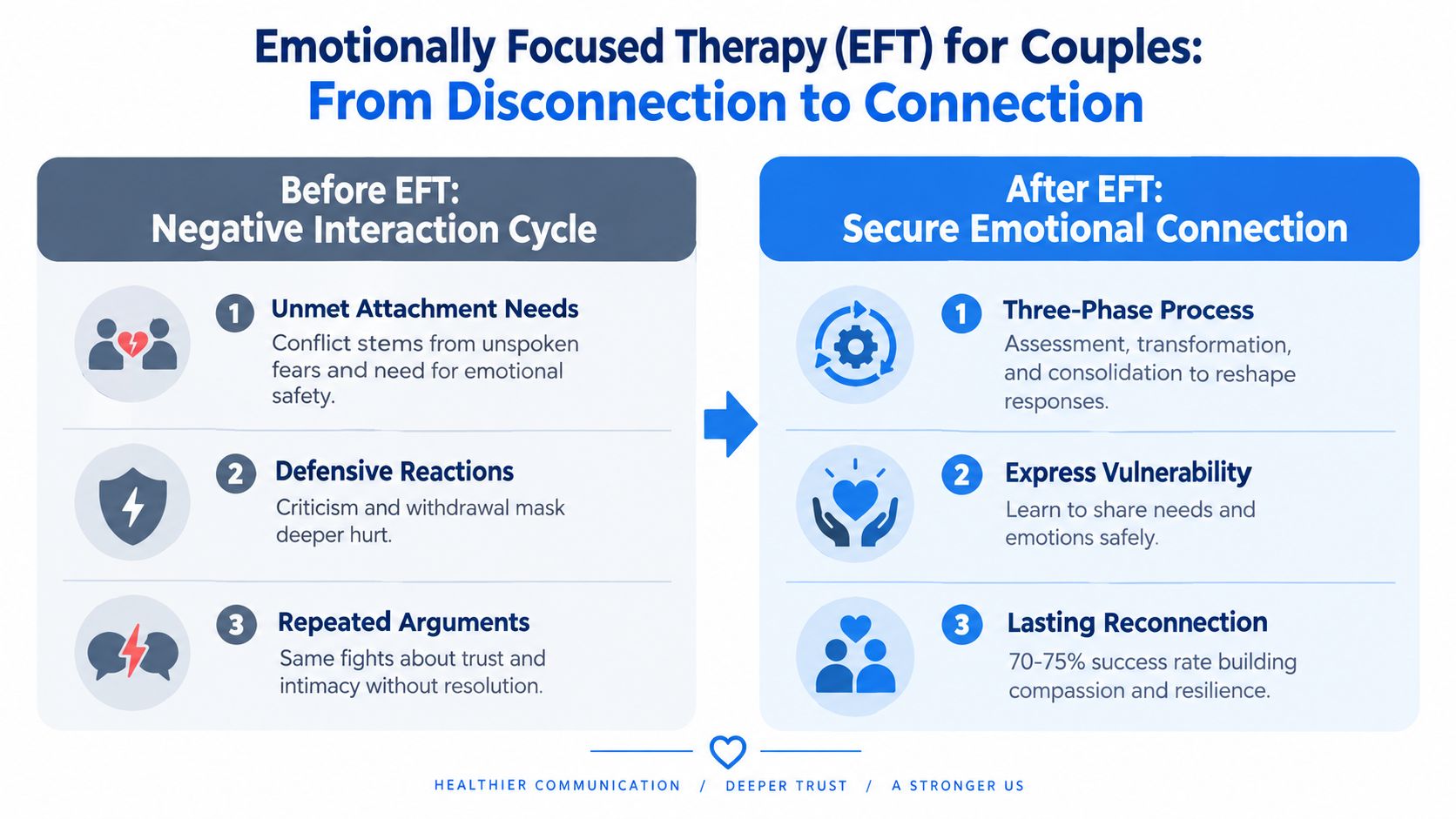
    For parents, choosing therapy can be an act of steadiness rather than alarm. It says, “You don’t have to handle everything alone.” For teens, attending counselling can be a quiet form of strength. It means learning how to understand your own mind instead of being pushed around by it.

    There may not be one dramatic breakthrough moment. Often progress looks smaller and steadier. A teen pauses before panicking. They ask for help sooner. They recover faster after a setback. They speak more kindly to themselves.

    That’s real change. And it can carry into college, relationships, and even later challenges such as workplace stress. Support now can become resilience later.

    Common Questions About Teen Counselling

    How much does teen counselling cost in India

    Fees vary widely by city, therapist experience, and whether sessions are online or in person. Some schools and community services may offer lower-cost support. It’s worth asking directly about session fees, cancellation policy, and whether any packages or sliding scale options exist.

    What if my teen refuses therapy

    Start with curiosity, not pressure. A resistant teen is often worried about being judged, forced, or misunderstood. Try saying, “You don’t have to be in crisis to talk to someone,” or “We can try one session and see how it feels.”

    Giving them some choice helps. Let them help shortlist the therapist, choose online or in-person format, or decide what concern to mention first.

    How do I know if a therapist is right for my child

    Look for three things. The therapist should be qualified, experienced with adolescents, and able to explain their approach clearly. Just as important, your teen should feel reasonably safe with them, even if they’re still nervous.

    Is counselling only for anxiety or depression

    No. Teens also come to therapy for stress, burnout, grief, confidence issues, friendship problems, family conflict, identity questions, and general well-being. Counselling can support both distress and growth.

    How can LGBTQ+ teens find affirming support

    This is an important need. In India, a 2024 survey showed that 45% of queer teens sought help post-decriminalization of Section 377, but only 15% found affirming counsellors, and suicide ideation is doubled in sexual minority youth, according to the survey summary referenced here. When searching, ask directly whether the therapist has experience supporting LGBTQ+ adolescents in a respectful, affirming way.

    Parents can help by focusing on safety and acceptance first. A teen shouldn’t have to educate their therapist about who they are while also trying to heal.


    If you’re ready to take the first step, DeTalks can help you explore therapists, counsellors, and informational screening tools in one place. It’s a practical way to begin, whether your teen is struggling with anxiety, depression, exam stress, burnout, family conflict, or wants support for well-being, resilience, and personal growth.

  • How to Discover Yourself: A Practical Guide to Clarity

    How to Discover Yourself: A Practical Guide to Clarity

    Some mornings, you wake up tired even after a full night’s sleep. You answer messages, join meetings, finish assignments, smile at home, and still feel oddly disconnected from your own life. You might be functioning well on the outside while internally wondering, “How did I get here, and what do I truly want?”

    That question is more common than many people admit. In India, 78% of professionals report burnout and career dissatisfaction, while 65% of urban youth experience identity confusion tied to parental career mandates according to this overview on self-understanding and personal growth. Those pressures may look local, but the emotional experience is widely relatable. Many people everywhere feel pulled between duty, success, belonging, and inner peace.

    If you’re trying to learn how to discover yourself, you don’t need a dramatic life reset. You need a steadier relationship with your own thoughts, values, needs, and patterns. That process can support well-being, strengthen resilience, reduce workplace stress, and help you respond to anxiety or depression with more clarity and compassion.

    The Journey Begins Within An Introduction to Self-Discovery

    A young professional I might meet in therapy often sounds like this: “My job is fine. My family is proud of me. I should be grateful. So why do I feel lost?” A student may say something similar in different words: “Everyone keeps asking what’s next, but I don’t even know what feels right to me.”

    That inner fog doesn’t mean something is wrong with you. It usually means you’ve been living under pressure for a long time without enough room to listen to yourself.

    A pensive man with a ponytail sitting by a window in a suit looking at the sunset.

    What self-discovery really means

    Many people think self-discovery means finding one perfect identity. It doesn’t. You are not a fixed answer waiting to be uncovered.

    Self-discovery is the practice of noticing who you are in real life. It helps you see what energises you, what drains you, what matters to you, and where you may be living out someone else’s expectations.

    That’s why this work matters for more than personal insight. It affects your relationships, your career decisions, your stress levels, and your sense of meaning.

    Why confusion deserves respect

    Confusion often gets treated like a weakness. In therapy and counselling, I see it differently. Confusion is often a signal that your old way of living no longer fits.

    You may be carrying workplace stress, family expectations, anxiety about the future, or the quiet heaviness that can come with depression. When those layers build up, many people stop asking themselves honest questions because survival takes over.

    Self-discovery starts when you stop treating your inner life like a problem to hide and start treating it like information to understand.

    A kinder goal

    You don’t need to “become someone else.” You need to become more familiar with yourself.

    That includes the admirable parts, the tired parts, the uncertain parts, and the hopeful parts. It also means learning that resilience is not pretending everything is fine. Resilience is staying connected to yourself while life remains imperfect.

    A practical guide should help you do that gently. Not by forcing quick answers, but by helping you build clarity one small step at a time.

    Preparing Your Mindset for Self-Exploration

    People often begin self-reflection with the wrong goal. They want immediate certainty. They want one journal entry, one assessment, or one breakthrough conversation to settle everything.

    That pressure usually backfires. Real self-discovery works better when you bring curiosity instead of urgency.

    Curiosity works better than judgement

    When you judge every feeling, you stop learning from it. If you write, “I shouldn’t feel jealous,” or “I’m weak for being overwhelmed,” you shut the door on useful information.

    Curiosity asks different questions. “What does this feeling show me?” “What need is underneath this?” “What happens in me when I try to please everyone?”

    This mindset supports mental well-being because it lowers defensiveness. It helps you observe rather than attack yourself.

    A strong reason to take this seriously is that a 2023 APA-India study found self-awareness training lowered anxiety symptoms by 27% among 50,000 participants, linking prepared self-exploration with better mental well-being, as cited in this discussion of learning and self-development.

    Self-compassion is not self-indulgence

    Many people in India, especially high achievers, were taught that being hard on yourself is how you grow. Sometimes that harshness looks like discipline, but often it becomes burnout.

    Self-compassion doesn’t mean avoiding accountability. It means telling the truth without cruelty.

    Try replacing these thoughts:

    • Instead of “I’m a mess,” say “I’m under strain and I need to understand what’s happening.”
    • Instead of “Why can’t I handle life properly?” say “What part of this is heavier than I’ve admitted?”
    • Instead of “Everyone else knows what they’re doing,” say “I may be comparing my inside to other people’s outside.”

    Emotional readiness matters

    Some people rush into deep reflection during heartbreak, job loss, or intense family conflict, then feel worse because they expected insight when they needed stabilisation. Before doing deeper exercises, it can help to pause and think about assessing your emotional readiness for vulnerable self-exploration.

    That kind of pause isn’t avoidance. It’s good emotional pacing.

    Practical rule: Don’t force major life conclusions on your hardest days. Use those days for observation and care, not final decisions.

    A safer mental space

    You don’t need a perfect routine. You need a container that helps honesty feel possible.

    A simple starting structure can help:

    Practice What it looks like
    Time boundary Set aside a short, regular window for reflection rather than waiting for a crisis
    Private space Use a notebook, notes app, or voice note where you can be candid
    Gentle opening Begin with one grounding breath or a simple check-in such as “What am I feeling right now?”
    No instant fixing Let reflection gather information before trying to solve everything

    Expect movement, not perfection

    You may not feel clearer every day. Some days you’ll feel more confused after reflection because you’re noticing contradictions that were always there.

    That isn’t failure. It’s progress.

    If you want to know how to discover yourself in a grounded way, start here. Be honest, but don’t be brutal. Be curious, but don’t interrogate yourself. Give insight enough patience to arrive.

    Structured Exercises for Inner Clarity

    Insight gets stronger when it has structure. If you only reflect when you’re upset, your self-understanding becomes distorted by the mood of the moment.

    A steadier approach works better. Research summarised from Tasha Eurich’s work, adapted for India, suggests that focusing on “what” journaling and seeking external feedback from trusted peers can boost self-awareness from a baseline of 10 to 15% to 40 to 50%, as described in this guide to knowing yourself.

    Here is a visual summary before you begin.

    A diagram illustrating five structured journaling exercises for achieving personal clarity and self-discovery.

    Use what questions, not why questions

    “Why am I like this?” sounds deep, but it often leads to rumination. You can end up circling the same painful story without learning anything new.

    “What” questions are more useful because they point to patterns you can observe.

    Try prompts like these:

    • What situations leave me feeling peaceful?
    • What kinds of tasks drain me, even when I do them well?
    • What do I say yes to when I want to say no?
    • What kind of appreciation affects me most?
    • What happens in my body when I feel pressured by family or work?

    Spend ten to fifteen minutes writing without editing. Don’t try to sound wise. Honest and plain is better.

    A useful example from Indian working life is this: a person may think, “Why do I hate my job when it’s stable?” A more helpful prompt is, “What parts of my job fit me, and what parts leave me depleted?” That question can reveal whether the issue is the field itself, the work culture, lack of autonomy, or unresolved anxiety.

    Run a simple values exploration

    Many people feel lost because they’ve built a life around achievement rather than alignment. Values are the principles that help you decide what matters, even when life gets noisy.

    You can find your values by looking at moments that affected you strongly.

    Ask yourself these three things

    1. When did I feel proud of myself recently?
      Pride often points to values like integrity, courage, learning, kindness, or perseverance.

    2. What upsets me quickly?
      Strong irritation can reveal violated values. If disrespect consistently affects you, respect may be a core value. If unfairness angers you, justice may matter greatly.

    3. When do I feel most like myself?
      This question helps identify values that make you feel internally settled.

    You don’t need a polished list of ten values. Choose three to five that feel alive in your daily decisions.

    If your current lifestyle repeatedly clashes with your values, stress usually rises even when everything looks “successful” on paper.

    Map your strengths with real examples

    Self-discovery is not only about wounds and confusion. It also involves positive psychology. You need to know what supports your resilience, compassion, confidence, and sense of contribution.

    Write two short lists.

    List one is strengths you already trust.
    These might include patience, humour, persistence, empathy, organisation, creativity, or calm under pressure.

    List two is strengths other people often notice in you.
    Sometimes others see capacities you dismiss because they come naturally to you.

    If you like structured tools, character strengths surveys can be useful mirrors. Use them as prompts for reflection, not as verdicts on your identity.

    Do a life audit

    A life audit helps you stop speaking about your life as one big blur. Instead, you look at distinct areas and notice where tension really lives.

    Use this table in your journal:

    Life area Current feeling What’s working What needs attention
    Work or study Energised, bored, pressured, unclear Specific tasks, people, routines Boundaries, meaning, workload, direction
    Relationships Connected, lonely, conflicted, mixed Support, warmth, honesty Communication, space, repair
    Health Rested, tired, neglected, stable Sleep, movement, meals Stress care, check-ups, routine
    Inner life Peaceful, numb, anxious, self-critical Prayer, reflection, therapy, rest More honesty, grief work, support
    Growth Curious, stagnant, hopeful, hesitant Learning, hobbies, reading Experimentation, courage, structure

    Keep your responses simple. One sentence per box is enough.

    This exercise often brings relief because it shows that not everything is broken. You may realise your relationships are nourishing, but workplace stress is dominating your mood. Or your career may be steady, but your inner life has had no care for months.

    Add mindful reflection

    Some people write well but still miss their emotional truth because they stay only in thought. Mindful reflection brings attention back to the body and present moment.

    Try this brief practice:

    • Sit still for two minutes
    • Notice your breathing without changing it
    • Ask, “What am I feeling right now?”
    • Name the feeling clearly
    • Ask, “What might this feeling need?”

    That final question matters. Feelings often soften when they’re understood rather than suppressed.

    A person dealing with anxiety may notice restlessness and discover a need for reassurance or rest. Someone facing depression may notice numbness and realise they need connection, structure, or professional support rather than more self-criticism.

    A short guided perspective can also help some readers slow down and reflect with less pressure:

    Use outside feedback carefully

    Self-discovery is personal, but it isn’t always solitary. Trusted feedback can reveal blind spots.

    Ask a small number of people who know you in different contexts. You might ask:

    • When do I seem most alive or confident?
    • What patterns do you notice in how I handle stress?
    • What strengths do I underestimate?
    • What do you think I avoid when life gets difficult?

    Choose people who are thoughtful, not controlling. Feedback should widen your understanding, not replace your own judgement.

    This is especially important in cultures where family voices carry a lot of weight. Loved ones can offer valuable insight, but they may also speak from fear, tradition, or their own unmet hopes.

    Try validated assessments, but keep their role clear

    Many people find that assessments give language to experiences they couldn’t describe on their own. A personality or well-being assessment can help you notice patterns in motivation, emotional style, coping, or resilience.
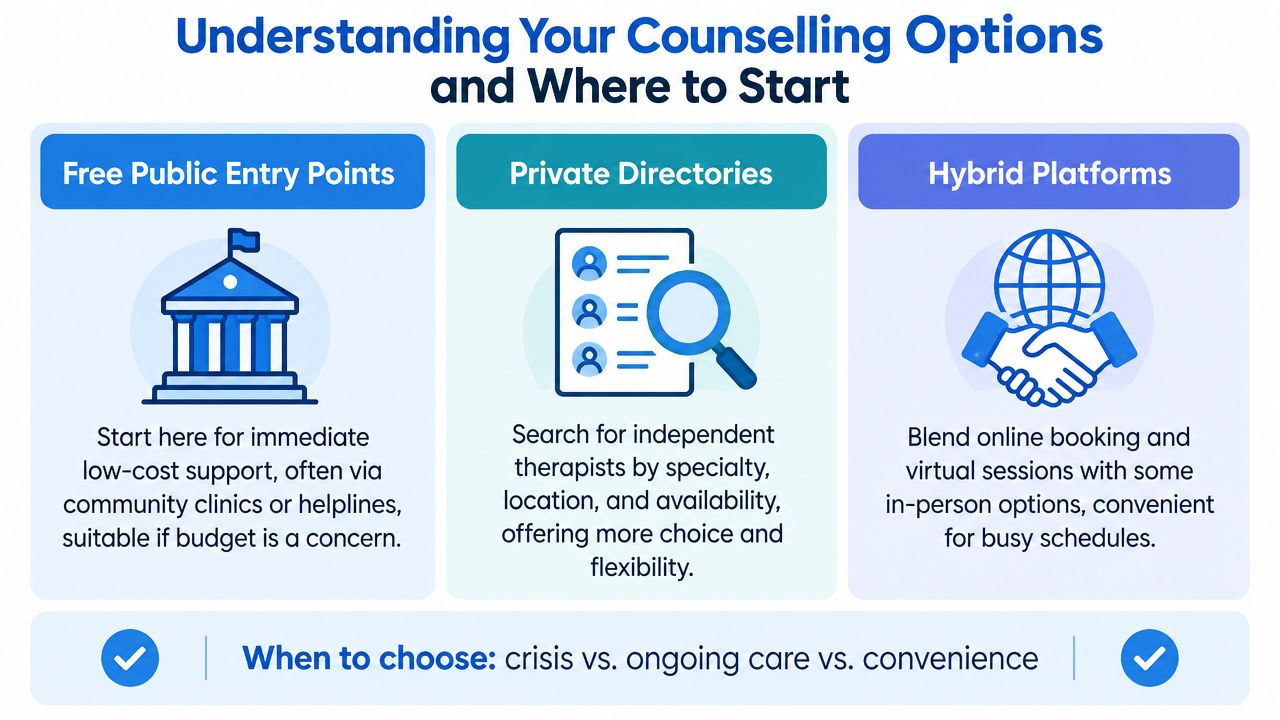
    That said, assessments are informational, not diagnostic. They can point you toward reflection or support, but they do not define you and they do not replace therapy, counselling, or a proper clinical evaluation.

    Use them well by asking:

    • Does this result feel recognisable in my daily life?
    • What part feels accurate?
    • What part feels incomplete?
    • What experiment could I try based on this insight?

    A good result from an assessment is not “This is who I am forever.” A better result is “This gives me one more lens through which to understand myself.”

    Keep the practice small enough to continue

    The most effective self-discovery routine is not the most impressive one. It’s the one you’ll keep.

    A workable weekly rhythm might look like this:

    Day Practice
    Monday Ten minutes of what journaling
    Wednesday One values check-in after a stressful moment
    Friday Short life audit review
    Weekend Quiet reflection, outside feedback, or an assessment review

    If you miss a few days, return without drama. Self-understanding grows through repetition, not intensity.

    Making Sense of Your Discoveries

    Reflection produces fragments. One page says you want stability. Another says you want freedom. An assessment suggests you need structure. Your journal says you feel trapped by too much structure.

    At this stage, many people become discouraged. They assume contradiction means they’ve done the process wrong. Usually, it means they’re finally seeing themselves with greater clarity.

    A young man sitting at a wooden desk while drawing a mind map on white paper.

    Look for patterns, not perfect answers

    Instead of reading your notes one by one, step back and scan for themes.

    You may notice that several entries mention exhaustion after social performance, guilt after setting boundaries, or relief whenever you do creative work. That repeated signal matters more than one dramatic entry written on a bad day.

    A simple way to organise your discoveries is to group them into three buckets:

    • What steadies me
    • What strains me
    • What I keep ignoring

    That last category is often the most important.

    Hold contradictions gently

    You can want approval and independence at the same time. You can love your family and still need more space. You can feel grateful for your job and still know it isn’t sustainable for your well-being.

    Maturity in self-discovery is not choosing the “good” side of every contradiction. It is learning to carry complexity without panic.

    Your inner conflict may not be a sign that you’re confused. It may be a sign that two real needs are asking to be heard.

    Family roles need special attention

    For many people, especially in India, identity is strongly shaped by family role. You may be the responsible child, the peacemaker, the achiever, the caregiver, or the one who never causes trouble.

    Those roles can offer belonging, but they can also hide your needs. That matters in adult life. In India, 62% of couples face marital discord from identity loss post-marriage, and 55% of parents report low self-esteem from child-centric sacrifices, according to this discussion of identity and relationships.

    If your discoveries create tension with family expectations, try not to jump straight to rebellion or surrender. There is often a middle path.

    Translate insight into small experiments

    You do not need to redesign your entire life because one journal pattern became clear. Test your insight in manageable ways.

    If you’ve learned that solitude restores you, experiment with protecting one quiet hour each week. If you’ve realised workplace stress rises when you overcommit, practise one respectful boundary. If you’ve discovered you miss creativity, restart a small hobby before making major decisions about your career.

    A few grounded experiments:

    Insight Small experiment
    I need more autonomy Take ownership of one task or project instead of waiting for permission everywhere
    I suppress my opinions at home Share one honest but calm preference in a family conversation
    I feel flat and disconnected Reintroduce one activity that used to bring meaning or joy
    I’m always available to everyone Delay non-urgent replies and notice the discomfort without rushing to fix it

    Build a personal summary

    At the end of a few weeks, write a short summary in plain language.

    You might write something like this: “I function well under pressure, but I neglect my feelings until I burn out. I value stability and kindness, but I also need room to think independently. I feel healthiest when I have structure, sleep, quiet, and honest relationships.”

    That summary is not your final identity. It is your current map.

    A good map helps you make wiser choices. It can improve relationships, support resilience, and make therapy or counselling more focused if you decide to seek help.

    Navigating Common Roadblocks on Your Path

    Many people assume self-discovery should feel inspiring. Often, it feels awkward, slow, and inconvenient. That doesn’t mean it isn’t working.

    The process gets tangled for predictable reasons. When you know the common roadblocks, you’re less likely to mistake them for failure.

    When reflection turns into overthinking

    Some people become very skilled at insight and very hesitant about action. They fill pages, identify patterns, and still stay stuck in the same loop.

    If that’s happening, reduce the size of the next step. Don’t ask, “What should I do with my life?” Ask, “What is one honest change I can try this week?”

    A useful rule is simple:

    • If you’ve written about the same issue three times, take one small action
    • If you can’t act yet, ask what is making action feel unsafe
    • If everything feels equally urgent, choose the area causing the most daily strain

    When uncomfortable emotions surface

    Self-discovery can stir grief, anger, shame, or loneliness. Old disappointments may come back into view. You may realise how long you’ve ignored your own needs.

    That can be painful, especially if you’ve coped by staying busy.

    Some discomfort is part of growth. Overwhelm is a sign to slow down and seek support.

    Try these grounding responses:

    • Pause the deep analysis and return to routine tasks for a day or two
    • Name the feeling plainly instead of creating a story around it
    • Talk to one safe person who can listen without taking over
    • Rest your body because emotional work is still work

    When fear says “If I know myself, I’ll have to change everything”

    This fear is common and understandable. Many people avoid honest reflection because they worry it will force extreme decisions.

    Usually, it doesn’t. Self-discovery often leads to gradual changes in boundaries, habits, communication, and priorities before it leads to major life changes.

    Sometimes the deeper block is self-doubt. If you notice a constant feeling of “Who am I to trust my own thoughts?” it may help to read about impostor syndrome, especially if your inner critic tends to dismiss your growth.

    When impatience takes over

    You may want a quick answer because uncertainty is tiring. But rushing often creates borrowed clarity. You end up adopting someone else’s advice because your own truth hasn’t had time to settle.

    Try asking, “What is becoming clearer, even if the full answer isn’t here yet?” That question respects progress without demanding instant certainty.

    If your path feels messy, you’re not behind. You’re in process.

    When and How to Seek Professional Support

    Self-reflection can take you far. It can improve self-awareness, strengthen resilience, and help you make sense of stress, anxiety, workplace strain, or relationship patterns.

    Still, there are times when private reflection isn’t enough. You may understand your patterns and still feel unable to shift them. Or your distress may be deeper than a journal can hold safely.

    A young man sitting in an armchair thoughtfully observing a painting of hands holding a small plant.

    Signs it may be time to talk to a therapist or counsellor

    Consider professional support if you notice any of these patterns:

    • Your anxiety or low mood keeps returning and is affecting work, study, sleep, or relationships
    • You feel persistently flat, hopeless, or emotionally flooded
    • Past experiences keep intruding and make self-reflection feel unsafe
    • You understand your patterns intellectually but can’t change them in daily life
    • Your coping is becoming unhealthy, such as shutting down, isolating, or reacting harshly to yourself or others

    This isn’t a sign that you’ve failed at self-help. It’s a sign that your mind may need a trained, steady companion.

    What therapy can add

    A therapist or counsellor does more than listen. They help you organise your inner world, notice blind spots, slow down harsh self-judgement, and connect present struggles with deeper patterns.

    Therapy can also help when your discoveries touch on anxiety, depression, trauma, burnout, family conflict, or long-standing shame. In those moments, structure and safety matter.

    Some people hesitate because they think their problems aren’t “serious enough.” Yet a 2023 national survey in India found that 83% of the 148 million adults with mental disorders receive no treatment, highlighting a major care gap, as noted in this reference to access barriers and mental health support.

    How assessments can support therapy

    Validated assessments can be useful at the start of therapy because they give both you and your clinician a shared starting point. They may help describe emotional tendencies, stress patterns, or resilience factors that are hard to explain on your own.

    It’s important to keep the boundary clear. Assessments are informational, not diagnostic. They can support therapy or counselling, but they do not replace a professional evaluation.

    If you choose to use them, bring your results into the session with curiosity. A good therapist won’t treat the score as your identity. They’ll use it to open a richer conversation.

    Choosing help that fits

    Look for a professional who feels respectful, clear, and emotionally safe. Fit matters.

    You don’t need someone who has all the answers immediately. You need someone who can help you ask better questions, understand your patterns, and move toward well-being in a way that suits your life.

    Conclusion Embracing Your Evolving Self

    Learning how to discover yourself isn’t about producing one final answer. It’s about building a more honest, compassionate relationship with the person you already are.

    That relationship grows through steady habits. Curiosity instead of judgement. Reflection instead of avoidance. Small experiments instead of dramatic pressure. Support when the work becomes too heavy to carry alone.

    You may discover that some of your stress comes from misalignment. You may notice that workplace stress, family expectations, anxiety, or old emotional patterns have been shaping your choices more than you realised. You may also uncover strengths you’ve overlooked for years, such as resilience, humour, tenderness, discipline, or courage.

    That’s why self-discovery matters for more than insight. It supports well-being. It can deepen relationships, improve boundaries, strengthen emotional intelligence, and create more room for happiness and self-respect.

    Keep the process simple enough to continue. Write truthfully. Notice patterns. Treat assessments as tools for insight, not labels. Let contradictions teach you rather than frighten you. If depression, anxiety, burnout, or painful history make the path feel too heavy, therapy or counselling can help you move with more safety and clarity.

    You are allowed to change. You are allowed to outgrow roles that once protected you. You are allowed to become more fully yourself without becoming less caring, less grounded, or less connected to others.

    A meaningful life rarely comes from forcing certainty. It grows from staying awake to your own inner truth, one honest step at a time.


    If you want support while exploring your inner world, DeTalks offers access to therapists, counsellors, and validated psychological assessments that can help you understand patterns related to stress, anxiety, depression, resilience, relationships, and overall well-being. If you’re unsure where to begin, it can be a practical first step toward clearer self-understanding and more supported therapy.

  • Happy to Be Alone: A Guide to Joyful Solitude

    Happy to Be Alone: A Guide to Joyful Solitude

    There are moments when the house is full, the phone won't stop buzzing, and everyone around you seems to need something. You may be at a family gathering, in a shared flat, or on a work call in Bengaluru, Mumbai, Delhi, or any busy city where silence feels rare. And yet, what you want most is ten quiet minutes with tea, a closed door, and no conversation.

    If that sounds familiar, nothing is wrong with you.

    Many people feel guilty for wanting space. In India especially, closeness is often seen as love, and constant availability can feel like duty. So when you realise you're happiest in certain moments of aloneness, it can bring confusion. Am I becoming distant? Am I lonely? Am I avoiding people? Or am I tired?

    The wish to be happy to be alone is not the same as rejecting others. It can be a healthy need for rest, reflection, and emotional balance. Solitude can support well-being, strengthen resilience, and help you respond to workplace stress, anxiety, and daily overload with a steadier mind.

    At the same time, not all aloneness is nourishing. Sometimes what looks like peace can hide burnout, social withdrawal, or the early signs of depression. That distinction matters.

    The Quiet Joy of Your Own Company

    Riya comes home after a long day of meetings. Her mother asks about dinner, a cousin calls, and messages pile up in three WhatsApp groups. Everyone means well. Still, all she wants is to sit near the window for a few minutes and breathe.

    That small wish often carries unnecessary shame. People may say, "Why are you sitting alone?" or "You've become so quiet." But needing space doesn't mean you've stopped caring. It often means your mind is asking for recovery.

    A smiling young woman enjoying a warm cup of tea on a balcony overlooking a city street.

    Alone doesn't always mean lonely

    A person can sit alone and feel calm, restored, even joyful. Another person can sit in a crowded room and feel alone. The difference is not the number of people nearby. The difference is what the experience feels like inside.

    Healthy solitude usually feels chosen. It gives you room to settle your thoughts, notice your emotions, and return to people with more patience.

    Loneliness feels different. It often carries pain, disconnection, and the sense that you don't have the closeness you need.

    You don't have to prove your love for people by being available every minute.

    Why this matters in everyday life

    Many readers struggle with a quiet contradiction. They enjoy their own company, but they also worry that enjoying it means something is off. That worry can grow stronger if you've been praised for being "adjusting" or "social" all your life.

    Being happy to be alone can be a skill. It can help when you're overstimulated, emotionally exhausted, or trying to think clearly. It can also support creativity, self-respect, and compassion.

    Here are a few ordinary examples:

    • After work: You need a silent commute home before talking to anyone.
    • During exams: You study best when no one is speaking around you.
    • In family settings: You step onto the balcony for air, not because you're upset, but because your mind needs a pause.
    • On weekends: You enjoy eating alone, journalling, praying, reading, or taking a walk without explanation.

    None of these make you cold. They make you human.

    If you've been feeling torn between your need for connection and your need for quiet, start with this gentler thought. Solitude can be an act of care, not a sign of failure.

    Understanding Healthy Solitude

    Healthy solitude is chosen time with yourself. It isn't a punishment, and it isn't evidence that you can't maintain relationships. It's a way of creating enough mental space to hear your own thoughts again.

    A useful way to understand this is to think of a garden. If every plant is pressed too tightly against another, roots struggle. Air doesn't move well. Growth becomes harder. People are similar. We need closeness, but we also need space.

    A comparison chart showing the positive aspects of healthy solitude versus the negative effects of social isolation.

    What healthy solitude looks like

    In healthy solitude, you're not disappearing from life. You're stepping back for a while so you can return with more steadiness.

    That might mean:

    • A quiet morning routine: Tea, prayer, stretching, or sitting without your phone.
    • A solo commute ritual: No calls, no reels, just noticing your breath or the road outside.
    • An hour of focused work: Headphones on, notifications off, mind less scattered.
    • A personal hobby: Reading, sketching, cooking, stitching, music, gardening, or journalling.

    These moments create emotional breathing room. They can improve self-awareness and help you respond rather than react.

    What loneliness and isolation feel like

    Painful aloneness usually isn't chosen in the same way. It can feel heavy, unwanted, and draining. Instead of helping you reconnect with yourself, it can make you feel cut off from others and from your own energy.

    A quick comparison can help.

    Experience Healthy solitude Social isolation
    Choice Feels voluntary Feels forced or hard to change
    Emotional effect Calming or clarifying Distressing or numbing
    Relationship to others Temporary pause from people Ongoing detachment from people
    After-effect You feel restored You often feel more depleted

    This is why the phrase happy to be alone can confuse people. It sounds simple, but the emotional reality isn't simple at all. The same closed door can mean rest for one person and distress for another.

    Why many people misread their own needs

    Some people assume, "If I need alone time, I must be antisocial." Others assume, "If I can handle being alone, I must be strong enough without support." Both ideas can be misleading.

    You may need solitude because your mind works best in quiet. You may also need support because stress, conflict, burnout, or anxiety has piled up. These truths can exist together.

    Practical rule: Ask not only, "Am I alone?" Ask, "How do I feel after being alone?"

    If the answer is calmer, clearer, or more grounded, that's often a sign of healthy solitude. If the answer is emptier, more hopeless, or more cut off, that deserves attention.

    Solitude as self-connection

    Positive psychology often focuses on strengths such as meaning, gratitude, compassion, and purpose. Solitude can support all of these because it gives you time to notice your inner life rather than only reacting to outer demands.

    That doesn't mean you must become highly introspective or meditate for long periods. It means you allow yourself regular moments where you are not performing, pleasing, or responding.

    For many people, that is where real self-respect begins.

    How Alone Time Boosts Your Well-being

    You may have felt this without having words for it. After a crowded family weekend, a long office commute, or a day of constant WhatsApp messages, even fifteen quiet minutes can make your mind feel less crowded.

    That shift is not selfish. It is often your nervous system settling down.

    In many Indian homes, privacy is limited and togetherness is treated as love, duty, or respect. Because of that, people sometimes ignore their need for solitude until they become short-tempered, mentally foggy, or emotionally flat. Chosen alone time helps create a pause between pressure and reaction. It gives your mind a small room to breathe.

    A clearer mind under stress

    Healthy solitude often improves well-being in ordinary, practical ways. You may reply less impulsively, recover faster after conflict, or find it easier to focus on one thing at a time. Solitude works like mental digestion. Just as the body needs time to process food, the mind needs time to process noise, emotion, and expectation.

    This matters even more in collectivist settings, where many decisions are shaped by family routines, shared space, and social obligations. If you are always available, always responsive, and always adjusting to other people's needs, your inner voice can become faint. Quiet time helps you hear it again.

    A solo walk after work, ten minutes of prayer before the house wakes up, or a phone-free tea break on the balcony can all serve the same purpose. They reduce overload.

    Solitude can improve how you relate to others

    People sometimes assume alone time pulls them away from relationships. Healthy solitude often does the opposite. It can make connection kinder and steadier.

    When your mind is less overstretched, you are more likely to listen with patience, speak with intention, and notice what you feel before it spills out as irritation. A parent may respond more gently to a child's demands after a brief early-morning pause. A student may feel less snappy with roommates after sitting and journalling. An employee may enter a family dinner with more presence after commuting home without calls or scrolling.

    Quiet does not always disconnect you. It can restore your capacity to connect.

    Meaning grows in silence too

    Some benefits of solitude are immediate. You feel calmer. Others are slower and deeper. You begin to notice what matters to you when no one is asking you to perform a role.

    That may sound abstract, but it is very real. A young professional in Bengaluru may realise she is not lazy, only exhausted. A college student in Delhi may notice that his anxiety drops when he spends time sketching alone. Someone caring for ageing parents may discover that twenty undisturbed minutes with music, prayer, reading, or easy crafts to do at home helps him return to family life with more steadiness.

    These are not dramatic breakthroughs. They are small acts of self-contact. Over time, they support better decisions and a stronger sense of identity.

    What healthy solitude often supports

    Chosen alone time can help with:

    • Better concentration: Your attention stays with one task for longer.
    • Emotional processing: Feelings become easier to name and understand.
    • Less reactivity: You pause before replying in anger or panic.
    • More grounded choices: Decisions reflect your values, not only outside pressure.
    • Warmer relationships: Rested people often have more patience.

    Why intention matters

    The effect of alone time depends on what kind of alone time it is. Passive scrolling at midnight can leave you more restless. Quiet activities with some structure, such as writing, stretching, praying, reading, crafting, or sitting without notifications, are more likely to feel restorative.

    That difference matters if you feel guilty about wanting space. Healthy solitude is not disappearing from people who care about you. It is a form of self-care that helps you return with more clarity.

    If you are unsure whether your alone time is helping, pay attention to the after-effect. Do you feel more settled, more present, and more like yourself? If yes, your solitude is probably serving you well. If you feel increasingly numb, detached, or unwilling to reconnect, that may be a sign to assess your stress more closely and consider speaking with a mental health professional.

    Practical Strategies to Embrace Solitude

    You finish dinner, the family is still talking, the TV is on, and WhatsApp keeps buzzing. Yet one part of you wants ten quiet minutes in your room or on the balcony. In many Indian homes, that wish can bring guilt. You may wonder, "Why do I need space when everyone else wants connection?" The answer is often simple. Your mind is asking for recovery, not rejection.

    A young woman sits at a wooden desk by a bright window, writing in a journal with steam rising.

    Learning to enjoy your own company begins with small, repeatable habits. Solitude works like letting a phone charge before the battery hits 1%. You do not need a dramatic personality change. You need a few steady practices that make quiet feel safe and useful.

    Put solitude on your schedule

    If alone time depends only on mood, it often gets pushed aside by chores, calls, and other people's needs. A planned pause is easier to protect.

    Choose one small pocket of the day:

    • Before the house gets busy: Sit with chai for ten minutes without conversation or scrolling.
    • During your commute: Skip one non-urgent call and stay with your thoughts for part of the ride.
    • After work or classes: Spend a short period in silence before joining the next task at home.

    Start small. Ten minutes counts.

    Make one corner feel like yours

    Many people do not have the luxury of a separate room. That does not mean solitude is impossible. A chair near a window, one side of the bed, a terrace step, or even a parked scooter before going upstairs can become a pause point.

    Your brain responds to repetition. If you return to the same spot for quiet, your body starts to associate that place with settling down, much like a child begins to feel sleepy when bedtime routines repeat.

    A few simple cues can help:

    • A notebook for racing thoughts
    • A shawl or cushion for comfort
    • A cup of tea to slow the pace
    • A timer so you are not checking the clock

    Choose an activity that gives your mind somewhere to rest

    Many people feel uneasy with silence at first. That is common. Healthy solitude does not have to mean sitting still with a blank mind. It can involve gentle action.

    Hands-on activities often help because they keep your hands busy while your mind softens. Drawing rangoli patterns on paper, tending to balcony plants, knitting, sorting old photos, or trying easy crafts to do at home can make solitude feel welcoming instead of awkward.

    Reduce noise before bed

    Sometimes the body is alone, but the mind is still in a crowd. Notifications, reels, and group chats keep your attention switched outward.

    Pick a time in the evening when input stops unless something needs your attention. This could be after dinner, after prayers, or one hour before sleep. Treat it as a gentle closing ritual for the day.

    If you are not sure what to do with that time, try this:

    If your mind feels… Try…
    Restless A short walk on the terrace or outside
    Heavy Free-writing in a journal
    Numb Gentle stretching or music without multitasking
    Crowded Reading a few pages of a physical book

    Here's a simple guided option if you prefer support rather than silence straight away.

    Give your alone time a job

    Solitude feels easier to keep when you know why you are taking it. Some days it is for rest. Some days it is for thinking clearly before a difficult conversation. Some days it is for hearing your own preferences again in a culture that often asks you to adjust.

    You might ask yourself:

    1. What has felt too loud or demanding lately?
    2. What do I need today. Rest, clarity, or expression?
    3. After this quiet time, do I feel more ready to reconnect?

    These questions help you tell the difference between healthy self-care and drifting away from people.

    A steady solitude practice helps you come back to your relationships with more patience, not less.

    Use assessments and therapy as support, not labels

    If you keep craving more and more time alone, or if solitude starts to feel flat rather than nourishing, it may help to look more closely at what is happening. A mental health assessment can help you notice patterns in stress, anxiety, low mood, burnout, or emotional exhaustion.

    Assessments do not diagnose you on their own. They are starting points. If your answers suggest deeper strain, talking with a counsellor or therapist can help you understand whether you are recovering, overwhelmed, or slipping into isolation.

    That distinction matters in collectivist settings like India, where quiet can be misunderstood by others and even by you. Solitude is healthy when it helps you return to life with more steadiness. If it keeps pulling you away from life, support can help you find balance again.

    Navigating Social and Family Expectations

    You step into your room after a long day, close the door, and within minutes someone calls out, "Why are you sitting alone?" In many Indian homes, solitude is rarely seen as neutral. It can be read as hurt feelings, attitude, family tension, or a sign that something is wrong.

    That misunderstanding can create guilt, especially in a culture that values togetherness, shared meals, open doors, and staying involved in one another's lives. Wanting quiet does not make you cold or ungrateful. It often means your mind is full and needs a little room to settle.

    This task is communication. Solitude in a collectivist setting often needs explanation in the same way a medicine label needs instructions. Without context, people may guess. With context, they are more likely to understand your intention.

    Say what your solitude means

    Family members and friends usually react to the meaning they attach to your behaviour. If you go silent and disappear, they may fill in the blanks with fear. A brief explanation can lower that anxiety.

    Use simple, specific language.

    • To a parent: "I need half an hour of quiet so I can clear my head. I am okay, and I'll come sit with you after that."
    • To a partner: "I care about you. I just reset better with a little silence."
    • To a friend or roommate: "I've had too much stimulation today and need some offline time. I'll reply later."

    These responses do two jobs at once. They protect your space and they reassure the other person that the relationship is still safe.

    Guilt can show up even when your choice is healthy

    Many people raised to be available, polite, and involved feel uneasy when they ask for time alone. That feeling is understandable. In close family systems, saying "I need space" can sound, even to your own ears, like "I am pushing you away."

    A more accurate frame helps. Healthy solitude works like a pressure valve. It releases mental strain so you do not carry irritation, exhaustion, or resentment into every interaction.

    Quiet time can support closeness because it gives you a chance to return with more steadiness.

    Handle expectations with small, visible actions

    In Indian families, trust often grows through behaviour more than theory. If you say you need 20 minutes and then rejoin the family, people learn that your solitude has a boundary. If you consistently communicate with warmth, your need for space starts to feel less threatening.

    Try this approach:

    • Be clear about time: Say how long you need.
    • Offer brief reassurance: "Nothing is wrong. I just need a little quiet."
    • Come back when you can: This helps others believe what you said.
    • Keep your tone gentle: Boundaries are easier to accept when they are calm.

    This may feel awkward at first. That is normal.

    Notice what family stress is doing beneath the surface

    Sometimes the pressure is not only about noise or tiredness. It is about conflict, criticism, comparison, or the feeling that you are always being watched. A student preparing for exams, a young adult living with parents after graduation, or a married person balancing in-laws and work may all need solitude for different reasons.

    If tension with family keeps replaying in your mind, reflective tools can help you name the pattern. Some people find resources on themes like dreams about arguments with parents useful as a starting point for self-reflection, especially when direct conversations feel difficult.

    Reflection helps with awareness. Support helps with change. If guilt, conflict, or emotional shutdown keeps growing around your need for space, a therapist or counsellor can help you assess whether you are setting a healthy boundary, reacting to burnout, or getting stuck in a painful family dynamic.

    You do not have to choose between connection and solitude. In many cases, learning how to ask for space with clarity is what protects both.

    When Solitude Becomes Isolation

    Riya starts by taking one evening for herself after work. Then she skips a cousin's call, avoids dinner with her family, and keeps her room door shut through most of the weekend. At first, the quiet feels like relief. After a while, it feels dull, heavy, and strangely exhausting.

    That change matters.

    A pensive young man sits alone by a large window, looking out at a quiet city street.

    In many Indian homes, it can be hard to tell the difference between healthy solitude and painful withdrawal. Family members may see any wish for privacy as rude, selfish, or worrying. At the same time, a person who is struggling may tell themselves, "I just need space," because that feels easier than admitting they feel low, overwhelmed, or emotionally shut down.

    Healthy solitude works like sleep. It restores you and helps you return to life. Isolation often does the opposite. It cuts you off from the very support that could steady you.

    Warning signs to watch for

    A useful question is this: after time alone, do you feel more settled, or less able to cope?

    You may need extra support if being alone starts to look like this:

    • You avoid people because contact feels frightening, exhausting, or unbearable.
    • Time alone leaves you more tense, numb, or hopeless instead of calmer.
    • You stop enjoying activities, routines, or relationships that used to matter to you.
    • You use isolation to hide from conflict, burnout, or emotional pain for long stretches.
    • People you trust keep expressing concern about how much you've pulled away.

    This can show up. A college student may stay in the hostel room for days and call it "focus" when they are sinking into distress. An employee may keep refusing team lunches, not out of preference, but because ordinary conversation now feels draining. A homemaker or parent may ask for rest, then notice that even after rest, they still feel disconnected.

    Why isolation can increase stress

    Being alone does not always calm the nervous system. If your mind is looping through worry, shame, resentment, or sadness, silence can become an echo chamber.

    That is one reason unstructured isolation can feel worse over time. There is no rhythm to the day, no grounding contact, and no outside check on what your thoughts are doing. In collectivist settings like India, the problem can become even more confusing. A person may crave distance from constant demands, but once they withdraw completely, guilt and loneliness start piling up alongside the original stress.

    A simple self-check

    You can use this quick comparison to reflect on where you are right now:

    Question More likely healthy solitude More likely isolation
    Did I choose this time alone? Yes, mostly It feels hard to do anything else
    How do I feel afterward? Clearer, rested, more like myself Heavier, flatter, more stuck
    Am I still in contact with supportive people? Yes, enough to stay connected I'm drifting away from everyone
    Can I rejoin daily life when I need to? Usually It feels harder each time

    This is not a diagnosis. It is a simple way to notice a pattern before it grows.

    When therapy or counselling may help

    Sometimes solitude is a healthy boundary. Sometimes it is a sign that your mind is overloaded and needs care.

    If your alone time is mixed with persistent sadness, panic, dread, numbness, or severe workplace stress, it may help to speak with a mental health professional. Therapy or counselling can help you assess what is happening. Are you protecting your energy? Recovering from burnout? Avoiding people because of anxiety? Sliding into depression? Those are different experiences, and they need different kinds of support.

    That support can be especially helpful if solitude has become tied to:

    • Social anxiety or fear of being judged
    • Depression, emptiness, or low motivation
    • Burnout and emotional exhaustion
    • Workplace harassment or career-related stress
    • Painful family dynamics that make closeness feel unsafe

    If you feel confused, start small. Notice your pattern for a week. Ask yourself whether your time alone is helping you return to life, or helping you disappear from it. If the answer is unclear, an assessment or a conversation with a therapist can give you a clearer map.

    Seeking help does not mean you are weak or "bad" at being alone. It means you are paying attention to what your mind and body are asking for.

    Finding Your Path to Balanced Well-being

    Being happy to be alone is rarely about choosing solitude over people forever. It's about balance. It's about learning when quiet restores you, when connection grounds you, and when you may need extra support to tell the difference.

    Healthy solitude can strengthen resilience, improve emotional clarity, and protect your well-being in a noisy world. It can help with overstimulation, workplace stress, and the mental crowding that often comes from being constantly available. But solitude works best when it stays connected to life, not cut off from it.

    If you've recognised yourself in the more difficult patterns, pause before blaming yourself. Sometimes people need rest. Sometimes they need a better routine. Sometimes they need counselling or therapy for anxiety, depression, burnout, or relationship strain.

    One useful next step can be a psychological assessment. These tools can help you reflect on stress, loneliness, emotional patterns, and coping styles. But it's important to keep the meaning clear. Assessments are informational, not diagnostic. They can help you ask better questions and decide whether to seek professional guidance.

    Support is not a dramatic last resort. It can be part of living with more honesty.

    A balanced life often includes both kinds of nourishment. Time with others. Time with yourself. And when needed, time with a skilled professional who can help you understand what your mind has been trying to say.

    Frequently Asked Questions About Solitude

    Is it selfish to want to be alone when I have family responsibilities

    No. Wanting some quiet doesn't mean you love your family less. It usually means you need a short reset so you can be more present later. The key is to communicate it kindly and clearly.

    How much alone time is too much

    There isn't one perfect amount for everyone. A better question is how the time affects you. If you feel calmer, clearer, and still able to stay connected, it's probably helpful. If you feel increasingly cut off, low, or unable to rejoin daily life, it may be tipping into isolation.

    What if my partner doesn't understand my need for solitude

    Try explaining the purpose, not just the preference. Saying "I need space" can sound scary. Saying "I recharge in quiet and then I can be more present with you" often lands better.

    Can being happy to be alone still exist with anxiety or depression

    Yes. Some people enjoy solitude and also struggle with anxiety or depression. The important part is noticing whether your alone time feels nourishing or whether it has become a place where distress grows unchecked.

    Should I take an assessment before seeking therapy

    You can, if it helps you reflect. But remember that assessments are informational, not diagnostic. They can highlight patterns and help you decide whether therapy or counselling might support you.


    If this brought up questions about your own patterns, DeTalks can help you take the next step. You can explore mental health assessments for self-reflection, keeping in mind that they're informational, not diagnostic, and connect with qualified therapists and counsellors for support with anxiety, depression, workplace stress, loneliness, family conflict, and personal growth.

  • Effective Group Decision Making Strategies

    Effective Group Decision Making Strategies

    A lot of difficult group decisions don’t look dramatic from the outside. It may be a family sitting after dinner, trying to agree on therapy for a teenager who seems withdrawn. It may be an HR lead in Bengaluru wondering how to respond to rising workplace stress, burnout, and low motivation across a team.

    Inside those rooms, though, people often feel tense, tired, and alone. One person talks too much. Another goes quiet. Someone worries that if they disagree, they’ll make things worse. Over time, the decision itself stops being the only problem. The process starts hurting the group’s well-being.

    As a therapist, I’ve seen this happen in counselling rooms, family conversations, and workplace meetings. I’ve also seen something hopeful. Group decision making is a skill. It can be learned, practised, and made healthier.

    When groups understand their patterns, they usually become clearer, kinder, and more effective. That matters whether you’re deciding on a care plan, managing anxiety in a team, or trying to build more resilience at home.

    The Challenge of Making Decisions Together

    A family in Pune sits around a table to discuss support for an ageing parent. One sibling wants therapy. Another thinks rest and routine are enough. A third keeps checking costs and says very little. By the end of the conversation, everyone is exhausted, nobody feels heard, and the decision is postponed again.

    A concerned family sitting together at a kitchen table looking over financial documents with stressed expressions.

    A similar pattern shows up at work. A team leader notices rising workplace stress and wants to choose a better support plan. The meeting is full of opinions, but not much listening. People leave with action points on paper and resentment underneath.

    Why this feels so heavy

    Group decisions touch more than logic. They also touch belonging, identity, and fear.

    When families discuss depression, anxiety, parenting stress, or relationship conflict, they aren’t only comparing options. They’re also managing guilt, hope, and old family roles. The eldest may feel responsible. The youngest may feel ignored. A spouse may worry that one choice means blame.

    At work, the emotional load is different but just as real. People may fear looking uninformed, disloyal, or “too emotional”. In hierarchical settings, employees often protect themselves by agreeing quickly, even when they have serious concerns.

    Poor group process often creates two kinds of pain at once. A weak decision, and a weakened relationship.

    The hidden cost of staying stuck

    When this happens repeatedly, groups begin to lose trust in the process itself. Members stop sharing openly. Meetings become performative. Families reduce complex well-being conversations to practical tasks.

    That’s when stress builds subtly. People may feel anxious before meetings, burnt out after them, or numb during them. In therapy and counselling, we’d call this a pattern worth noticing, not a personal failure.

    There’s good news in that. If a pattern was learned, it can be changed.

    A healthier starting point

    A useful first shift is simple. Stop asking only, “What decision should we make?” Start asking, “How are we making decisions together?”

    That question changes everything. It moves the focus from blame to process.

    • Notice who speaks first: Early voices often shape the whole discussion.
    • Notice who stays silent: Silence may mean disagreement, fear, or fatigue.
    • Notice the emotional temperature: If people are tense, the group needs safety before speed.

    The strongest groups aren’t the ones with no conflict. They’re the ones that can hold disagreement without losing compassion, clarity, or hope.

    What Is Group Decision Making Really?

    Group decision making isn’t just several people sharing opinions. It’s a process of turning different pieces of information, emotion, and experience into one direction the group can live with and act on.

    A simple way to understand it is to think of an orchestra. Each musician may be talented alone. But if they don’t follow timing, listen to one another, and make space for quieter instruments, the music becomes noise. A group works the same way.

    More than adding up opinions

    People often assume that if you put smart, caring people in one room, the best answer will naturally appear. That’s rarely how it works.

    Groups create extra layers that individuals don’t face. There are unspoken rules. There are status differences. There are emotional histories. There’s also the strong human wish to be accepted.

    A parent may avoid mentioning a concern because they don’t want to upset the family. A junior employee may hold back a useful idea because a senior manager has already spoken. The group may look calm, but important information is still missing.

    That missing information matters. In India, family therapy sessions for relationship challenges showed an 83% success rate in choosing the best interventions when all members shared complete information, but this fell to 18% when critical information stayed unshared. The same work noted that 72% of discussions focused on commonly known symptoms while unique insights were left out, which can be amplified in collectivist settings where group harmony suppresses diverse views, as described in this discussion of the hidden profile effect at Open Text BC’s group decision-making overview.

    The process shapes the outcome

    That’s why effective group decision making is less like voting on favourite ideas and more like creating the right conditions for truth to surface.

    If a group has a poor process, it may choose quickly but badly. If it has a healthy process, people often feel more settled even when the topic is hard. That emotional difference matters in therapy, counselling, family care, and workplace well-being.

    Some groups rely on habit. Others use structure. Structure often helps because it gives everyone a fairer chance to think before reacting.

    Practical rule: Don’t confuse agreement with understanding. A quiet room can still be a confused room.

    The everyday version of this

    You’ve probably seen this already.

    In a family, one person becomes the “practical” one, another the “emotional” one, and a third becomes the peacekeeper. In a team, one member always drives decisions, another always challenges, and several people wait to see where power is moving before speaking.

    These patterns aren’t random. They are the group’s informal decision system.

    If you want a gentle introduction to the interpersonal side of solving problems together, Soul Shoppe’s piece on collaborative problem solving offers a useful lens. It helps readers think beyond winning an argument and toward understanding shared needs.

    What healthy group decision making looks like

    Healthy group decision making usually includes a few simple elements:

    • Shared information: People bring in what others may not know.
    • Fair participation: The loudest voice doesn’t automatically become the final voice.
    • Emotional awareness: Anxiety, frustration, and fatigue are noticed instead of ignored.
    • Clear ownership: People know who will act after the decision is made.

    The aim isn’t perfection. The aim is to help the group think clearly without sacrificing trust, dignity, or resilience.

    Common Pitfalls That Derail Group Decisions

    Most bad group decisions don’t happen because the group is foolish. They happen because the group is human.

    People want belonging. They avoid embarrassment. They protect status. They get tired. Under stress, the mind looks for shortcuts. In a family dealing with depression or conflict, or in a company facing burnout, those shortcuts can subtly shape the whole decision.

    A diverse team of business professionals sitting in a meeting room with hands placed over their hearts.

    Groupthink and the pressure to fit in

    Groupthink happens when the desire for harmony becomes stronger than the desire for accuracy. The group starts protecting comfort instead of examining reality.

    This is common in hierarchical workplaces. A senior manager proposes a resilience initiative. Everyone nods. A few team members privately think the plan won’t help with anxiety and workplace stress, but no one wants to challenge authority in the room.

    The result is often polished agreement without real commitment.

    Social loafing and invisible effort

    Another trap is social loafing. That happens when responsibility becomes so spread out that some people stop carrying their share.

    You can see this in student projects, family caregiving, and office committees. One or two people think extensively, prepare options, and follow up. Others speak generally, avoid specifics, or disappear after the meeting.

    This creates frustration fast. The engaged members feel used. The less engaged members may feel judged and withdraw further.

    Homogeneity and blind spots

    Groups also struggle when everyone thinks in similar ways. Similar backgrounds can create ease, but they can also reduce perspective.

    In Indian corporate teams facing job stress, decision accuracy was 25-30% higher when group sizes stayed at 5-7 members, and efficiency dropped by 22% in groups larger than 8 because of process losses like groupthink. The same research found that diverse groups outperformed homogeneous ones by 35%, while ideological homogeneity contributed to polarised choices in 68% of teams, according to the Stanford Neurosciences article on how group dynamics affect decisions.

    How these pitfalls affect mental health

    Poor process isn’t only inefficient. It can wear people down.

    A team that repeatedly ignores dissent creates workplace stress. Employees begin to monitor themselves instead of focusing on the problem. Over time, that can feed anxiety, resentment, and burnout.

    In families, repeated invalidation can make members stop sharing their full perspectives. The person most affected by a decision may become the least heard. That’s painful in any setting, but especially in therapy-related choices where support depends on trust.

    When people feel they must protect the group from honesty, the group loses the very information it needs.

    Signs your group may be stuck

    You don’t need a formal assessment to notice warning signs. Most groups show them clearly.

    • Fast agreement after a powerful person speaks: The decision may be based on status, not thought.
    • Repeated silence from the same members: Silence can signal fear, exhaustion, or learned helplessness.
    • Meetings that feel circular: The group may be discussing safe information while avoiding the core issue.
    • Implementation problems later: If people “agreed” but don’t follow through, they may never have bought in.

    A short example from work

    An HR team discusses support for employees facing stress and low motivation. The meeting includes only senior staff from one department. They choose a visible wellness activity because it feels positive and manageable.

    Later, employees say the plan doesn’t address workload, manager behaviour, or emotional safety. The team didn’t fail because they didn’t care. They failed because the group structure filtered out the voices and realities they most needed to hear.

    That’s why group decision making must include both process and emotional awareness. Otherwise, even caring groups can end up repeating harmful patterns.

    Frameworks for Better Group Decisions

    When a group feels chaotic, structure helps. Not rigid structure that shuts people down, but simple methods that slow reactivity and improve fairness.

    Different situations need different frameworks. A family choosing between counselling options may need a process that protects quieter voices. A corporate well-being committee may need a quick way to measure support without forcing false agreement.

    Nominal Group Technique

    The Nominal Group Technique, often shortened to NGT, is especially helpful when one or two strong voices tend to dominate.

    In Indian corporate settings, NGT improved decision quality by 28% and reduced decision time by 35% compared to brainstorming, according to a study discussed in this PMC article on group decision methods. The same evidence notes that its structured, anonymous ranking process helps reduce authority bias and social loafing in hierarchical workplaces.

    Here’s how it usually works:

    1. People think alone first. Each person writes ideas privately.
    2. Ideas are shared without debate. This protects less confident members from being interrupted too early.
    3. The group discusses for clarity. The aim is understanding, not winning.
    4. Members rank options privately. This separates private judgment from public pressure.

    This method works well for topics like anxiety support, burnout prevention, team well-being, and family discussions where one person’s intensity can steer everyone else.

    An infographic titled Frameworks for Better Group Decisions showing four methods: Delphi, Nominal Group, Consensus, and Fist-to-Five.

    Delphi Method

    The Delphi Method is useful when the issue needs expert input and the group wants to reduce face-to-face influence.

    Participants respond in rounds, often anonymously. After each round, a facilitator summarises the responses and sends them back for another review. This gives people time to reflect instead of reacting socially.

    It’s a strong fit for complex workplace policy decisions, multidisciplinary care planning, or any topic where expertise matters but hierarchy could distort the discussion.

    Consensus and Fist-to-Five

    Consensus can be valuable when long-term commitment matters more than speed. Families often prefer this approach for care decisions because they need everyone to live with the outcome, not just accept it in theory.

    But consensus needs guardrails. Without them, it can slide into vague agreement.

    A simpler support tool is Fist-to-Five voting. Members show their level of support on a scale from a closed fist to five fingers. It doesn’t replace discussion, but it quickly reveals whether the group has real alignment or hidden reluctance.

    Choosing the right decision-making framework

    Technique Best For Key Feature Potential Drawback
    Nominal Group Technique Uneven participation, authority-heavy settings Private idea generation and private ranking Can feel formal if the group wants open exploration
    Delphi Method Expert input across distance or status differences Anonymous feedback in rounds Takes more time and coordination
    Consensus Mapping High-stakes decisions needing shared understanding Visual organisation of ideas and common ground Can drift if no one guides the process firmly
    Fist-to-Five Voting Quick check of support levels Fast visual read of agreement Doesn’t explain why people feel hesitant

    When to use which

    A quick way to decide is to ask what problem the group is facing most.

    • Too much dominance from senior voices: Use NGT.
    • Too many complex expert opinions: Use Delphi.
    • Too much misunderstanding about values: Use Consensus Mapping.
    • Too much false politeness: Use Fist-to-Five to surface hesitation.

    One more thing matters here. Every framework works better when the meeting itself has clear behavioural boundaries. If your group needs help setting those expectations, this guide to essential ground rules in meetings is a practical companion.

    A good framework doesn’t remove emotion. It gives emotion a safer container.

    A family example

    Suppose a family is choosing between individual therapy, couples counselling, or a combined plan for ongoing conflict and low mood. Instead of arguing immediately, each member writes what they most want help with, what worries them, and what support feels realistic.

    That small structure changes the conversation. It turns blame into information.

    A daughter may say she wants less shouting at home. A father may admit he fears being judged. A mother may reveal that cost and travel are major concerns. The group now has a fuller picture, and the decision becomes more humane as well as more practical.

    The Role of Emotion in Group Dynamics

    Some groups have a sensible agenda and still make poor decisions. The missing piece is often emotional, not intellectual.

    A room can look organised while people inside it feel threatened, ashamed, or dismissed. When that happens, the brain shifts from reflection to protection. People defend themselves, avoid risk, or stop participating.

    What feelings do to the process

    Unspoken emotion changes attention. Anxiety makes people scan for danger. Resentment makes them interpret neutral comments as attacks. Fear of judgement pushes them toward silence or over-explaining.

    In group decision making, this means the conversation often stops being about the actual issue. It becomes about safety.

    A workplace team discussing burnout may stay on safe topics like scheduling software because nobody feels able to talk about unfair expectations. A family discussing depression may focus on routines because sadness, stigma, and helplessness feel harder to name.

    Psychological safety matters

    Psychological safety matters. For this reason, psychological safety becomes essential. It means people believe they can speak candidly without being humiliated, ignored, or punished.

    Psychological safety doesn’t mean endless softness or avoiding disagreement. It means the group can handle disagreement without making someone pay a social price for telling the truth.

    That is highly relevant to well-being. People who feel emotionally unsafe in repeated group settings often carry stress beyond the meeting itself. They may sleep poorly, dread the next conversation, or question their own judgment.

    A healthy group doesn’t ask members to choose between honesty and belonging.

    Compassion improves clarity

    Compassion isn’t separate from effective decision making. It improves it.

    When people feel heard, their nervous systems often settle enough to think more clearly. They can tolerate complexity. They can listen without preparing a defence. They can hold multiple truths at once.

    That’s part of resilience. Not the kind that means “push through no matter what,” but the kind that helps a group recover, adapt, and stay connected under pressure.
    A small shift with big impact

    One of the simplest interventions I use in counselling-informed group work is asking each person two questions before problem-solving begins:

    • What feels most important to you here?
    • What feels hardest to say out loud?

    Those questions don’t solve everything. But they often bring hidden emotion into the room in a manageable way.

    Once emotion is named, it usually becomes less disruptive. The group can stop fighting shadows and start dealing with reality.

    Using Assessments to Improve Group Functioning

    When groups are under strain, they often personalise everything. “You always interrupt.” “You never help.” “You’re too sensitive.” These statements feel true in the moment, but they rarely move the group forward.

    Assessments can help by creating a more neutral language. Instead of arguing about personality in a blaming way, the group can explore patterns in communication, coping, stress response, and resilience with more curiosity.

    What assessments can and can’t do

    Used well, assessments support self-awareness. They can highlight how different people process conflict, make decisions, respond to pressure, or recover after stress.

    That can be useful in therapy, counselling, family support, and workplace well-being planning. It can also reduce shame, because the conversation shifts from accusation to observation.

    But this boundary is important. Assessments are informational, not diagnostic. They can guide reflection and discussion. They shouldn’t be used to label, box in, or pathologise anyone in the group.

    Why data helps groups talk better

    Objective inputs can soften defensiveness. A person who resists feedback may be more open to discussing patterns when the language is structured and less personal.

    For example, a team may learn that it has a mix of fast processors and reflective thinkers. That doesn’t mean one style is better. It means the group may need quiet writing time before discussion.

    A family may realise that one member copes with stress by taking action while another needs time and reassurance. Again, that’s not a diagnosis. It’s a practical insight.

    Access matters too

    Another reason assessments and decision aids matter is access. Financial barriers often prevent underserved Indian communities from participating fully in group health decisions, and research discussed in Health Affairs notes that remote support models combining telephonic coaching with decision aids can be a low-cost, effective way to reach broader populations, while remaining under-tested in India’s mental health context, as outlined in this Health Affairs article on shared decision support.

    That matters for working professionals, students, couples, and families who can’t always attend multiple in-person sessions. Remote tools can make reflection easier before the live conversation even begins.

    Useful ways to bring assessments into a group

    • Before the meeting: Invite members to complete a brief self-reflection tool on stress, communication, or coping.
    • During the meeting: Use the results as prompts, not verdicts.
    • After the meeting: Revisit the patterns when implementation starts to slip.

    A healthy facilitator might say, “This suggests our group has different comfort levels with conflict,” rather than, “You are the problem.”

    What to watch out for

    Assessments become harmful when groups use them as weapons. That can sound like, “See, this proves you’re difficult,” or “The results say you shouldn’t lead.”

    That isn’t reflective practice. It’s disguised control.

    The better use is humble and specific. What are we learning about our patterns? What support does each person need? What changes in process could help this group function with more clarity, compassion, and resilience?

    The Power of Mental-Health-Informed Facilitation

    A meeting chair keeps time. A mental-health-informed facilitator does much more.

    They notice who is speaking, who is shrinking, and where tension is building. They help the group slow down before conflict becomes damage. This can be vital when the decision involves therapy, family conflict, workplace stress, anxiety, or burnout.

    A businesswoman presents to a group of colleagues during a meeting on workplace group decision making.

    Why facilitation matters so much

    Many people assume fairness means letting everyone talk. In emotionally loaded settings, that isn’t enough.

    Some people speak easily because they hold more power. Others need invitation, pacing, and reassurance before they can express what they really think. Research shows that 52% of patients prefer shared decision-making, but vulnerable populations face power imbalances that make it hard to articulate preferences, and there is no evidence-based framework for structuring these patient-family-therapist conversations, as described in this PubMed record on shared decision-making challenges.

    A facilitator helps correct for that imbalance. They don’t force equal personalities. They create more equal conditions.

    Skills a facilitator brings

    A strong facilitator often uses a blend of clinical sensitivity and practical structure.

    • Active listening: They reflect what someone means, not just the words spoken.
    • Conflict de-escalation: They slow accusatory exchanges before they harden into injury.
    • Power balancing: They notice when authority, age, role, or gender is shaping the room unfairly.
    • Emotion naming: They gently identify fear, frustration, grief, or shame when those feelings are driving the conversation.
    • Decision clarity: They keep the group connected to the actual choice instead of getting lost in old arguments.

    This kind of support can be especially valuable in Indian family systems and workplaces where respect, duty, and hierarchy are strongly felt.

    A short visual explainer can help make these skills easier to picture in practice.

    What this looks like in real life

    In a family setting, a facilitator might say, “I’d like to hear from the person most affected before we move to solutions.” That single sentence can shift the room.

    In a workplace meeting, they may ask, “What concern would be easiest to leave unsaid here?” This invites truth without creating confrontation for its own sake.

    The facilitator’s job isn’t to control the group. It’s to protect the conditions that let the group think and feel openly.

    A healthier outcome

    Not every facilitated conversation ends in full agreement. That isn’t the only goal.

    Sometimes the biggest gain is that people leave feeling respected, clearer about the choice, and more able to live with the next step. In mental health work, that’s often the difference between forced compliance and meaningful participation.

    Supportive Takeaways for Your Journey

    Group decision making becomes healthier when people stop treating it as a battle of opinions and start treating it as a shared human process. That means paying attention to information, yes, but also to emotion, fairness, timing, and trust.

    A family can make a better therapy decision when each person’s view is heard without ridicule. A team leader can reduce workplace stress when meetings stop rewarding speed and start making room for honest reflection. A group can build resilience when disagreement doesn’t automatically become disconnection.

    There’s no perfect formula. Some days, your group will need more structure. On other days, it will need more compassion. Often, it needs both.

    A few gentle practices can make a real difference:

    • Pause before solving: Ask what people know, feel, and fear before debating options.
    • Use simple structure: Private writing, rounds of sharing, or support-level voting can reduce pressure.
    • Protect quieter voices: The most useful insight often comes from the person least eager to interrupt.
    • Treat assessments carefully: Use them for insight and self-awareness, not diagnosis or blame.
    • Get support when stakes are high: A skilled facilitator can help the group stay grounded and respectful.

    If your group has been stuck, that doesn’t mean you’re failing. It usually means the group needs better conditions, not better people.

    Kindness helps here. So does patience. Better decisions often begin when someone in the room chooses to slow things down, listen more carefully, and make space for what hasn’t yet been said.


    If you’d like support finding therapy, counselling, or self-awareness tools for better well-being, resilience, and group communication, DeTalks offers a trusted place to explore mental health professionals and informational assessments at your own pace.

  • Finding a Specialist for ADHD: Your Guide to Support

    Finding a Specialist for ADHD: Your Guide to Support

    You may be here because something has felt off for a long time.

    Maybe your child is bright and curious, yet homework turns into tears every evening. Maybe you are doing well at work on paper, but deadlines, forgotten messages, mental clutter, and workplace stress leave you drained. Maybe you keep wondering why everyday organisation seems harder for you than for other people.

    That question matters. Looking for a specialist for adhd is not overreacting. It is a practical step towards clarity, better well-being, and more self-compassion.

    ADHD is often misunderstood in India. People may call it laziness, lack of discipline, or “just stress”. In real life, it can show up as chronic overwhelm, emotional exhaustion, anxiety, burnout, or repeated self-doubt.

    Support can help. The right professional can help you understand what is happening, rule out other causes, and build a plan that fits your life.

    Is It More Than Just Distraction

    Riya is 29, capable, thoughtful, and always tired.

    She starts the day with good intentions. By lunch, she has opened ten tabs, forgotten one important email, missed a meeting reminder, and felt a surge of anxiety because everyone else seems more organised. At home, she wants to rest, but her mind keeps jumping from one unfinished task to the next.

    Arjun is 11. His teachers say he is intelligent but “careless”. He loses notebooks, interrupts in class, and melts down during long study sessions. His parents have tried stricter routines, extra tuition, and pep talks. Nothing seems to explain why simple things feel so hard.

    These stories are different, but the emotional pattern is similar. Repeated struggle can slowly become shame. People stop asking, “What support do I need?” and start asking, “What is wrong with me?”

    That is often the moment when someone searches for a specialist.

    Common signs people notice first

    • Focus feels unreliable: You may concentrate intensely on one thing, then completely lose track of another.
    • Tasks pile up fast: Starting is hard. Finishing is hard. Switching between tasks can feel strangely exhausting.
    • Emotions feel intense: Small setbacks may trigger frustration, guilt, or panic.
    • Daily life gets messy: Bills, schoolwork, calendars, meals, sleep, and routines can all become harder to manage.
    • Stress keeps rising: Over time, this can feed anxiety, low mood, and burnout.

    Not every distracted or restless person has ADHD. Stress, poor sleep, thyroid problems, depression, anxiety, learning difficulties, and major life changes can look similar.

    A helpful first step: If the same struggles keep showing up across school, work, home, or relationships, it may be worth seeking a professional opinion instead of relying on self-blame.

    Wanting answers does not mean you are looking for a label. It means you want to understand your mind with honesty and care.

    Understanding ADHD Beyond the Stereotypes

    ADHD is not just about “not paying attention”. It is a neurodevelopmental pattern that affects how a person regulates attention, activity, impulses, and follow-through.

    Some people picture only the most obvious stereotype: a child who cannot sit still. Real life is broader than that. Many adults with ADHD do not look outwardly hyperactive at all. They may look competent, polite, and successful, while privately struggling every day.

    A person sitting on the floor in a meditative pose with a glowing futuristic artificial intelligence brain hologram.

    The three main presentations

    Inattentive presentation often looks like a mind with too many browser tabs open. The person may lose track of details, drift during conversations, forget routine tasks, or struggle to organise steps in order.

    Hyperactive-impulsive presentation can look like a motor that runs fast. In children, this may show up as constant movement. In adults, it may look more like inner restlessness, impatience, blurting things out, or difficulty slowing down.

    Combined presentation includes features of both. This is one reason ADHD can feel confusing. Someone may be mentally scattered and physically restless, or outwardly calm but inwardly racing.

    How ADHD can show up in adults

    Adult ADHD often hides behind “I work best under pressure” or “I am just bad at admin”.

    A person may be creative and hardworking, yet still miss deadlines, struggle with planning, avoid boring tasks, interrupt during meetings, overspend, procrastinate, or feel crushed by routine paperwork. Relationships can suffer too. Forgotten plans and emotional reactivity can create friction at home.

    This matters in India because many adults are reaching care later than expected. Adult ADHD prevalence in India has risen sharply to 4.5% among urban professionals aged 18 to 45, affecting approximately 18 million adults, with 60% receiving late diagnoses after age 25 due to masking in high-stress workplaces, according to the cited report in this PubMed-linked reference.

    ADHD is not a character flaw

    ADHD does not mean a person lacks intelligence, values, or effort. It means the systems involved in attention regulation and self-management work differently.

    That difference can create real hardship. It can also coexist with strengths.

    • Creativity: Many people think quickly, connect ideas fast, and solve problems in original ways.
    • Energy: When interested, they may bring enthusiasm and momentum to a project.
    • Hyperfocus: Some can concentrate intensely on meaningful tasks.
    • Resilience: Living with misunderstanding often builds persistence and self-awareness over time.

    Keep this in mind: ADHD can exist alongside anxiety, depression, and workplace stress. Treating only the stress without examining the underlying pattern may leave people feeling stuck.

    A good assessment does not reduce you to a checklist. It helps connect the dots between attention, emotion, functioning, and daily life.

    Who to See The Different Types of ADHD Specialists

    When people search for a specialist for adhd, they often assume there is only one “right” expert. In practice, ADHD support usually involves more than one professional.

    For children, families may start with a paediatrician, developmental paediatrician, clinical psychologist, or psychiatrist. For adults, many people first contact a psychiatrist or clinical psychologist. The best first step often depends on your age, symptoms, location, and whether you want diagnosis, therapy, medication support, or all three.

    Infographic

    India needs this clarity because many families are looking for support. ADHD affects an estimated 7 to 10% of school-going children in India, translating to over 10 million children under 18 years old, according to the cited reference associated with this supporting link.

    What each specialist usually does

    Psychiatrist

    A psychiatrist is a medical doctor trained in mental health.

    They can assess ADHD, identify co-occurring concerns such as anxiety or depression, and prescribe medication when appropriate. If someone has severe distress, sleep disruption, panic, burnout, or emotional instability alongside attention difficulties, a psychiatrist may be a strong starting point.

    Clinical psychologist

    A clinical psychologist focuses on assessment and therapy.

    They may conduct detailed interviews, use rating scales and structured tools, and help explore patterns across childhood and adult life. They also offer therapy for organisation, emotional regulation, self-esteem, anxiety, and behaviour change.

    Developmental paediatrician

    A developmental paediatrician is especially relevant for children.

    They look at attention, behaviour, development, learning, and related concerns in the wider context of a child’s growth. They often work closely with psychologists, speech professionals, schools, and parents.

    Counsellor or therapist

    A counsellor or therapist may not always provide a formal diagnosis, but they can still play a major role in daily support.

    They help with routines, emotional coping, resilience, relationship strain, study skills, workplace stress, and the shame that often builds up after years of struggle.

    Neurologist and occupational therapist

    These are not always the first stop, but they can matter in some cases.

    A neurologist may help when symptoms could be linked to another brain or nervous system issue. An occupational therapist can support sensory regulation, time use, and practical daily living strategies, especially for children.

    ADHD Specialist Roles at a Glance

    Specialist Type Primary Role in ADHD Care Can Formally Diagnose? Can Prescribe Medication?
    Psychiatrist Medical assessment, diagnosis, medication management, treatment planning Yes Yes
    Clinical Psychologist Detailed assessment, testing, therapy, coping strategies Yes, in many settings through formal psychological assessment No
    Developmental Paediatrician Child development review, ADHD assessment in children, referrals Yes, especially for children Yes
    Counsellor or Therapist Therapy, counselling, emotional support, skill-building Usually not formal medical diagnosis No
    Neurologist Rules out neurological conditions that may mimic symptoms Can identify neurological issues, not usually primary ADHD care Yes, within medical scope
    Occupational Therapist Daily functioning, sensory strategies, routines, task management No No
    Paediatrician or Family Doctor Initial screening, general check-up, referral onward Sometimes initial identification, usually refers for full assessment Limited by role and context

    Who should you approach first

    If you want a formal diagnosis, start with a psychiatrist, clinical psychologist, or developmental paediatrician for a child.

    If you already have a diagnosis and want help with follow-through, habits, emotional regulation, therapy, or counselling, a therapist or psychologist may be the best next step.

    Simple rule: Choose the specialist based on your immediate need. Clarify first, then treat, then build support skills.

    Your Diagnostic Journey What to Expect

    Assessment feels intimidating for many people because the unknown is stressful. In reality, a good ADHD evaluation is usually a structured conversation, not a test you pass or fail.

    A medical professional examining a tablet screen displaying a five-step diagnostic journey flowchart in a clinic.

    A specialist will not usually decide based on one symptom like distraction. They try to understand the whole pattern. When did the difficulties begin? Do they happen only during stress, or have they been present for years? Do they affect school, work, home, and relationships?

    Step one starts with your story

    The first consultation often covers:

    • Current concerns: focus, forgetfulness, impulsivity, restlessness, time blindness, emotional swings
    • Life impact: work quality, studies, family strain, social difficulties, burnout
    • History: school reports, childhood behaviour, coping patterns, major stressors
    • Health context: sleep, medical issues, substance use, mood symptoms, thyroid concerns, learning problems

    Many adults worry they do not remember childhood well enough. That is common. Specialists may ask for school records, old report cards, or input from a parent, sibling, partner, or someone who has known you over time.

    Why specialists ask other people too

    ADHD is not just about how you feel inside. It is also about how patterns show up across settings.

    NIMHANS guidelines note a three-step assessment: multi-informant symptom confirmation, ruling out mimics like thyroid dysfunction, which is prevalent in 15% of Indian misdiagnosis cases, and screening for comorbid anxiety, which co-occurs in 30% of cases in this NIMHANS-related reference.

    That means a careful clinician does three important things.

    They confirm symptoms across contexts

    A child may struggle both at school and at home. An adult may show similar patterns in work, family, and personal routines. This helps distinguish ADHD from a temporary rough patch.

    They rule out look-alikes

    Poor sleep, high anxiety, depression, trauma, thyroid concerns, and some learning difficulties can resemble ADHD. The point is not to dismiss your experience. The point is to get the right answer.

    They check for related difficulties

    ADHD can coexist with anxiety, depression, stress, and low self-esteem. Identifying these early leads to better support.

    A broader psychological evaluation can help you understand how professionals piece together history, behaviour, and functioning in a careful way.

    What about online tests

    Online screeners can be useful starting points. They may help you notice patterns, prepare questions, and decide whether to book a professional consultation.

    They are informational, not diagnostic.

    That distinction matters. A high score does not prove ADHD. A low score does not rule it out. Culture, stress, masking, and overlap with anxiety or depression can all affect results.

    This short video gives a simple overview of how the assessment journey may feel in practice.

    What happens after assessment

    You may receive one of several outcomes.

    • ADHD is confirmed: You discuss treatment and support options.
    • ADHD is possible but more information is needed: The specialist may seek collateral history or additional testing.
    • Another issue explains the symptoms better: You still gain useful direction for care.
    • More than one condition is present: This is common and manageable with the right plan.

    A diagnosis is not a verdict. It is a working map.

    Building Your Support System After Diagnosis

    Relief often arrives with diagnosis, but so do new questions. Should I start medication? Do I need therapy? How do I handle family expectations, anxiety, or workplace stress?

    The most helpful approach is usually not one single tool. It is a support system.

    A professional counselor comforts a young woman during a therapy session with a supportive man present.

    Medication is one option, not the whole story

    For some people, medication helps improve attention, task initiation, and impulse control. That conversation belongs with a psychiatrist or another medical specialist authorised to prescribe.

    Medication does not teach routines, repair self-esteem, or automatically reduce years of shame. That is where therapy and counselling become important.

    Therapy helps turn insight into daily change

    Therapy is often where people learn how to live with ADHD in a kinder, more effective way.

    A therapist may help with:

    • Planning skills: breaking large tasks into small steps
    • Emotion regulation: handling frustration before it becomes conflict
    • Self-talk: reducing guilt, shame, and harsh internal criticism
    • Anxiety and depression: recognising where these overlap with ADHD strain
    • Workplace stress: building systems for meetings, reminders, and deadlines
    • Relationships: repairing trust after repeated forgetfulness or impulsivity

    Some people also benefit from coaching-style support focused on practical functioning. This can include calendars, visual task systems, body-doubling, reminder structures, and weekly reviews.

    Positive psychology matters too

    ADHD care should not be built only around problems.

    Resilience grows when people notice what already works. You may think quickly under pressure, notice patterns others miss, bring warmth to relationships, or show strong curiosity and originality. Support becomes more sustainable when it includes compassion, not just correction.

    Try this reframe: Instead of asking, “How do I become like everyone else?” ask, “What conditions help me function well and feel well?”

    Daily practices that often help

    Some supports are simple, but they work better when they are realistic.

    • Externalise memory: use alarms, sticky notes, whiteboards, and visible checklists
    • Reduce friction: keep essentials in one place and simplify routines
    • Match tasks to energy: do demanding work when your focus is best
    • Plan recovery: rest is part of productivity, not the opposite of it
    • Use human support: involve family, a partner, a therapist, or an accountability buddy

    For parents, support also includes the school environment. A child may need structure, shorter instructions, movement breaks, and less blame. For adults, support may include discussing reasonable adjustments, pacing, and healthier communication at work.

    No single plan suits everyone. The right mix of therapy, counselling, medical care, routine changes, and emotional support depends on the person, not the label.

    How to Find and Choose the Right Specialist

    Finding the right person can feel harder than deciding to seek help in the first place. In India, that challenge is real.

    India has only 0.75 psychiatrists per 100,000 population, dropping to 0.05 in rural areas, and over 80% of children with ADHD remain undiagnosed or untreated due to this gap, according to this Indian Journal of Psychiatry reference.

    That shortage means you may need to be strategic.

    Where to begin your search

    Try more than one route at the same time.

    • Hospital mental health departments: Large hospitals often have psychiatrists, psychologists, and paediatric specialists under one roof.
    • Trusted referrals: Ask a family doctor, paediatrician, school counsellor, or therapist.
    • Tele-consultation options: These can be especially useful if you live outside a metro city.
    • Professional directories: Look for verified qualifications and experience with ADHD, not just general mental health listings.

    Questions worth asking before you book

    A short call or first-session discussion can save time and stress.

    • Do you assess ADHD in adults, children, or both?
    • What does your assessment process usually involve?
    • How do you distinguish ADHD from anxiety, depression, or stress-related difficulties?
    • Do you offer therapy or only diagnosis and medication review?
    • Do you work online, in person, or both?
    • What languages do you offer sessions in?
    • What should I bring to the first appointment?
    • If this is for a child, how do you involve parents and school feedback?

    Look for fit, not just credentials

    Qualifications matter. So does how the person makes you feel.

    Notice whether the specialist listens carefully, explains things clearly, and treats your concerns with respect. You are not looking for someone who dismisses you in five minutes. You are looking for someone who can think carefully and work collaboratively.

    Small daily systems also matter after you choose support. Practical resources on forming habits that stick can be useful when you are trying to turn advice into routines you can sustain.

    Good care feels collaborative: The right specialist does not shame you for struggling. They help you build a structure that matches your real life.

    How DeTalks Can Guide Your Search for Support

    For many people, the hardest part is not admitting they need help. It is figuring out where to begin.

    That is where a platform like DeTalks can be useful. It brings together mental health professionals in one place, which can reduce the confusion of searching across scattered websites, hospital pages, and informal recommendations.

    Digital access is becoming a central part of ADHD care. An emerging trend is the integration of digital assessments and teletherapy for adult ADHD. A 2025 Indian Journal of Psychiatry study reports adult ADHD prevalence at 4.5 to 5.8% in urban India, with only 15% accessing specialists due to stigma and availability. Telehealth platforms are key to bridging this, as noted in this Lancet Regional Health-linked reference00075-X/fulltext).

    For an Indian audience, this can make a practical difference. Someone in a Tier-2 or Tier-3 city may find it easier to access counselling, therapy, or specialist guidance online than to wait for a local appointment.

    DeTalks also offers psychological assessments and screening tools that can support self-understanding. They can help you notice patterns and prepare for a professional conversation. It is important to use them correctly. These assessments are informational, not diagnostic.

    For students, parents, and professionals dealing with anxiety, depression, burnout, or workplace stress alongside attention concerns, a structured platform can make the first step feel less overwhelming.

    Your Path Forward Is One of Understanding

    Seeking a specialist for adhd is not about proving that something is wrong with you.

    It is about understanding how your mind works, what support fits your life, and how to reduce unnecessary struggle. For some people, that journey includes diagnosis. For others, it begins with therapy, counselling, or learning better systems for daily life.

    You do not need to have everything figured out before asking for help. Start with one clear step. Book a consultation. Gather your questions. Notice your patterns with honesty, and treat yourself with compassion.

    Well-being grows through understanding, not self-judgement. With the right support, many people build more stability, stronger resilience, healthier relationships, and a calmer way of moving through work and life.


    If you are ready to take that first step, DeTalks can help you explore mental health assessments, find qualified professionals, and connect with therapy or counselling that supports your well-being with clarity and care.

  • Reactive Depression ICD 10: Symptoms & Support

    Reactive Depression ICD 10: Symptoms & Support

    Some evenings, the mind does not feel sad. It feels bruised.

    A job ends unexpectedly. A relationship breaks down. Conflict at home stretches on for weeks. You keep telling yourself to stay strong, but your body feels heavy, sleep changes, and even small tasks begin to feel like climbing a hill.

    Many people in this situation wonder, “Is this normal stress, burnout, anxiety, or something more?” That question is reasonable. When emotional pain follows a major life event, the term reactive depression often comes up. It is a common phrase, but the clinical language around it can feel confusing, especially when you see terms like ICD-10, F32, or F43.21 on reports or insurance paperwork.

    This guide is here to make that language easier to understand. It is educational, not diagnostic. If you recognise yourself in these patterns, that does not mean you should label yourself. It means your experience deserves care, clarity, and support.

    Feeling Overwhelmed After a Life-Changing Event

    One morning after a job loss, a person may wake up and notice that nothing feels simple anymore. Getting out of bed takes effort. Messages stay unanswered. The mind keeps returning to the same question: “Why am I not coping better than this?”

    That reaction can feel frightening, especially when other people treat the event as something you should “move on” from quickly. Yet emotional strain after a major life change is a human response, not a character flaw.

    A young man sits by a window during a rainy day, looking down with a contemplative expression.

    In India, this question matters for many families. The National Mental Health Survey has reported that depressive disorders affect a meaningful share of young and middle-aged adults, with patterns that differ between urban and rural settings. That broader picture helps explain why distress after work pressure, loss, conflict, or sudden change deserves attention rather than dismissal.

    When pain follows an event

    Sometimes the link is clear. A breakup is followed by weeks of crying and poor sleep. A parent’s illness brings constant dread and mental exhaustion. A humiliating experience at work leaves someone withdrawn, tense, and unable to focus.

    Common triggers include:

    • Work stress: job loss, burnout, harassment, public criticism, or ongoing insecurity
    • Relationship disruption: separation, divorce, betrayal, or repeated conflict at home
    • Family strain: caregiving pressure, grief, financial stress, or heavy expectations
    • Life upheaval: relocation, medical illness, exam setbacks, or a sudden change in routine

    The trigger does not make the suffering less real. It gives the suffering context. That distinction matters because many people hear the word “reactive” and mistakenly assume it means “mild” or “temporary.” It may be temporary for some people, but the impact can still be intense and disabling while it lasts.

    Why this feels so confusing

    People often judge themselves harshly when they can identify the cause of their distress. They may think, “If I know what started it, I should be able to control it.”

    The mind does not work like a switchboard.

    A better comparison is a body reacting to an injury. If you twist your ankle, knowing how it happened does not cancel the swelling. In the same way, a painful event can strain your emotional system beyond its usual coping capacity. Sleep changes, concentration drops, confidence shrinks, and everyday tasks begin to feel heavier than they used to.

    Key takeaway: Struggling after a major life event can be a sign that your coping system is overloaded, not that you are weak.

    Why this section matters for ICD 10 confusion

    Many people in India search for “reactive depression ICD 10” because they are trying to connect everyday language with what appears on medical records, insurance papers, or psychiatric notes. That is a reasonable concern. A person may describe their experience as depression after a stressful event, while a clinician may record it under a more specific ICD 10 category.

    Understanding the life event comes first. The coding comes later.

    That is why it helps to start here, with the lived experience. If your symptoms began after a clear stressor and your daily functioning has started to slip, that pattern deserves careful assessment and support. The next step is learning how common language such as “reactive depression” maps to official ICD 10 terms used in India.

    What Is Reactive Depression Really

    The phrase reactive depression sounds official, but it is best understood as a descriptive term. People use it to describe depression symptoms that seem to arise in response to something that happened.

    Consider this: a body reacts to an injury. If you sprain your ankle, swelling appears because something strained the tissue. Emotional life can work in a similar way. A breakup, job loss, family conflict, or prolonged workplace stress can trigger a strong psychological reaction.

    More than sadness

    Sadness is a human emotion. Reactive depression usually refers to something broader.

    A person may feel low, but also notice:

    • trouble sleeping
    • fatigue that does not lift with rest
    • reduced interest in daily life
    • frequent crying or emotional numbness
    • difficulty concentrating
    • self-blame, guilt, or hopeless thoughts

    The key feature is the connection to a stressor. The reaction is not random. It appears in the context of something difficult, painful, or destabilising.

    Why the term is still useful

    Even though clinicians may not write “reactive depression” as a standalone diagnosis, the phrase helps many people make sense of what they are experiencing. It says, in clear language, “This emotional pain may be related to what happened.”

    That can be relieving. It gives context without minimising suffering.

    In India, questions about this topic are rising. One source notes a 40% surge in teletherapy queries about reactive depression, often tied to workplace harassment and family conflict, and also reports that an AIIMS 2025 finding described brief CBT showing 60% efficacy for such cases (Blueprint AI article). Because those figures are reported in a future-dated source, it is safer to treat them as emerging claims rather than settled current facts.

    What it does not mean

    Reactive depression does not mean your distress is “just in your head.”
    It does not mean you are overreacting.
    It does not mean you will always feel this way.

    It means an external situation may have pushed your internal coping system beyond its current capacity.

    Where anxiety and burnout fit in

    For many people, the picture is mixed. They do not feel only depressed. They also feel anxious, irritable, mentally exhausted, and emotionally flat.

    That overlap is common in real life. A person dealing with reactive depression may also experience:

    • Anxiety: racing thoughts, dread, restlessness
    • Burnout: detachment, low motivation, emotional exhaustion
    • Stress overload: headaches, muscle tension, poor sleep, low patience

    This is one reason proper assessment matters. Different symptoms can look similar from the outside, but support works best when the pattern is understood clearly.

    Helpful frame: The term “reactive” points to a trigger. It does not reduce the seriousness of your symptoms. It helps explain why they may have started.

    Decoding Reactive Depression and the ICD 10 Codes

    Many people get stuck at this point. They hear the phrase reactive depression, then see a code like F32 or F43.21 and wonder whether these mean the same thing.

    The short answer is this. Reactive depression is not a separate standalone ICD-10 diagnosis. In ICD-10 language, clinicians usually map that experience to a code based on the type, severity, timing, and duration of symptoms.

    Infographic

    The broad ICD 10 picture

    One source summarising ICD-10 guidance explains that reactive depression is included under F32 (Depressive episode) and F33 (Recurrent depressive disorder) rather than given its own unique code (SimplePractice overview).

    Another commonly used mapping is F43.21, which refers to adjustment disorder with depressed mood in ICD-10-CM style clinical use. This is often the closest fit when symptoms are clearly tied to a recent stressor and follow a shorter stress-related course.

    When F43.21 is often considered

    A clinician may think about F43.21 when a person develops depressed mood after something identifiable, such as unemployment, separation, relocation, or conflict.

    According to the clinical summary used in the India-focused material, this diagnosis generally requires symptoms to appear within 3 months of a stressor and last no more than 6 months after the stressor ends. The same source reports a 28% prevalence of F43.21 among professionals facing workplace stress, with 72% showing full remission after 8 to 12 sessions of problem-focused therapy (Carepatron overview).

    In simple terms, this code is often used when the emotional reaction is clearly linked to life circumstances and has not grown into a longer, broader depressive pattern.

    When F32 codes may fit better

    If symptoms are stronger, more disabling, or meet full criteria for a depressive episode, clinicians may map the presentation to the F32 range instead.

    The source above also notes that reactive depression is often mapped to ICD-10 codes like F32 or F43.21, depending on the person’s presentation. In practice, that means the trigger still matters, but the clinician looks closely at the depth of symptoms and their effect on functioning.

    A depressive episode can include low mood, reduced energy, sleep problems, poor concentration, guilt, and marked loss of interest. If those symptoms are intense enough, the coding may move from adjustment-related language to depressive episode language.

    Where F33 comes in

    F33 is used when depressive episodes are recurrent. If a person has repeated episodes over time, and there is no history of mania, this category may be more appropriate than a single-episode code.

    That is one reason reactive depression icd 10 can feel confusing. The everyday phrase focuses on the trigger. ICD-10 coding focuses on the full clinical pattern.

    A side-by-side comparison

    Criterion Adjustment Disorder with Depressed Mood (F43.21) Reactive Depressive Episode mapped to F32.x Major Depressive Disorder (MDD)
    Main link Clear response to an identifiable stressor May begin after a stressor but meets depressive episode coding Not necessarily tied to a specific event
    Timing Often begins within 3 months of the stressor Can follow a stressor, but coding depends on symptom pattern Timing varies
    Duration Usually resolves within 6 months after the stressor ends Depends on clinical course and severity Can persist or recur
    Clinical focus Stress-response pattern Depressive episode severity Full depressive syndrome
    Common question “Is this mainly a reaction to what happened?” “Are symptoms severe enough for an F32 episode code?” “Is this depression beyond a stress-linked reaction?”

    This table simplifies things. Real diagnosis depends on a full professional assessment, not self-labelling.

    Why coding matters to patients

    ICD-10 codes are not there to define your identity. They help clinicians communicate clearly, plan treatment, and handle records or claims.

    For a concerned individual, the practical point is this:

    • F43.21 often points to a stress-linked adjustment picture
    • F32.x often points to a depressive episode
    • F33.x often points to recurrent episodes

    A clinician does not choose between them casually. They ask when symptoms started, what triggered them, how severe they are, and how much they affect work, relationships, sleep, and day-to-day functioning.

    A reassuring reminder: A code is a clinical shorthand, not a verdict on your future. The most important question is not “Which number am I?” but “What kind of support will help me recover?”

    Recognising the Signs in Yourself and Others

    Sometimes the signs are loud. More often, they are subtle.

    A person keeps going to work but stops laughing. They answer messages later and later. Meals become irregular. Their face looks tired even after a full night in bed.

    Two young women sitting in a café engaged in an emotional and serious conversation with concerned expressions.

    Emotional signs

    Emotions often shift first.

    You might notice:

    • Persistent low mood: not just upset, but weighed down for days or weeks
    • Irritability: snapping more easily, especially with loved ones
    • Tearfulness: crying suddenly, or feeling close to tears often
    • Emotional numbness: not feeling much at all, even when you want to

    A common example is someone who says, “I know this should matter to me, but I feel blank.” Numbness is still distress.

    Thinking changes

    Depression and anxiety often affect the mind’s “processing speed.”

    People may describe:

    • forgetting small things
    • rereading the same email several times
    • struggling to make simple decisions
    • harsh self-talk such as “I’m failing” or “I’m a burden”

    This is especially noticeable during workplace stress. A capable professional may suddenly find routine tasks exhausting, then feel ashamed for not performing as before.

    Physical signals

    Mental health is never only mental. The body often carries part of the story.

    Common changes include:

    • sleep becoming lighter, broken, or too long
    • appetite increasing or dropping
    • ongoing fatigue
    • heaviness in the chest or limbs
    • headaches or tension linked to stress and anxiety

    These symptoms can make people think they only need more rest. Rest helps, but when the root issue is emotional overload, rest alone may not be enough.

    A short video can help put these patterns into words:

    Behavioural changes

    Often, other people spot behaviour shifts before the person does.

    Look for patterns such as:

    • Withdrawal: avoiding calls, cancelling plans, staying isolated
    • Loss of interest: hobbies, music, exercise, prayer, or social connection no longer feel meaningful
    • Reduced self-care: bathing less, skipping meals, neglecting routine tasks
    • Overworking or shutting down: some people become busier to avoid feelings, while others freeze

    When to take signs seriously

    Take these signs seriously when they persist, intensify, or begin affecting functioning.

    Warning signs include:

    • work or study performance dropping sharply
    • frequent hopelessness
    • feeling trapped
    • thoughts that life is not worth continuing

    If someone expresses suicidal thoughts or immediate danger, seek urgent local emergency support right away and contact a trusted person nearby.

    Gentle guidance: You do not need to wait until things become unbearable to ask for help. Early support is often kinder and more effective than waiting for a crisis.

    Understanding Your Experience with Assessments

    When feelings are tangled, a structured assessment can act like a torch. It does not solve the whole problem, but it can help you see what is going on more clearly.

    That matters because emotional distress is often messy. People use words like stress, anxiety, burnout, or depression interchangeably, even when their experiences differ.

    A woman sitting in a comfortable chair using a digital tablet to fill out an online form.

    What assessments can do

    Psychological screening tools such as the PHQ-9 and GAD-7 are commonly used to organise symptoms into a clearer picture. They can help you notice severity, frequency, and overlap between depression and anxiety.

    These tools are useful because many people minimise their distress. Others fear they are “making it up.” Seeing answers laid out in a structured format can create a more honest conversation with yourself.

    A broader self-check like the Depression Anxiety Stress Scale Test can also help you reflect on whether your main struggle feels more like anxiety, low mood, stress overload, or a combination.

    What assessments cannot do

    This part is important. Assessments are informational, not diagnostic.

    A questionnaire cannot capture every detail of grief, trauma, family pressure, sleep problems, physical illness, or the context behind a life event. It can suggest patterns. It cannot replace a trained clinician’s judgement.

    That is why a screening result should be treated as a conversation starter, not a final label.

    Why early screening matters

    Early clarity can make support easier to access. The India data summarised from the National Mental Health Survey reports 4.5% prevalence of depressive disorders in adults aged 18 to 39, and the same source notes that the likelihood of remission within 6 months is 30% higher when psychosocial interventions are started early for reactive episodes (TheraPlatform summary).

    That does not mean a questionnaire alone changes outcomes. It means early recognition can help people reach therapy, counselling, and coping support sooner.

    How to use results wisely

    A simple approach works well:

    1. Answer truthfully
      Do not answer based on how you think you should feel. Answer based on the last days or weeks.

    2. Notice patterns, not just scores
      Are sleep, motivation, concentration, and anxiety all shifting together? Is there a clear link to a recent stressor?

    3. Take the results into therapy or counselling
      A professional can help interpret what the pattern means in context.

    4. Repeat only if useful
      Rechecking after some time can show whether well-being is improving, stable, or worsening.

    Practical tip: If a self-assessment result worries you, do not panic and do not ignore it. Treat it as a prompt to speak with a mental health professional.

    Pathways to Healing and Building Resilience

    A lot of people reach this stage feeling confused by two questions at once. “Why am I feeling this bad after what happened?” and “What kind of help fits this?”

    If you have been using the everyday term reactive depression, it can help to know that treatment is guided less by the label itself and more by the full picture. Clinicians look at the trigger, the symptoms, how long they have lasted, and how much daily life has been affected. That is the practical bridge between common language and ICD-10 diagnosis. A stress-linked reaction may be understood differently from a depressive episode, even if both feel heavy from the inside.

    Therapy should match the story, not just the symptoms

    If low mood began after a breakup, loss, humiliation, family conflict, job stress, or another major life change, therapy usually works best when it addresses both the event and its emotional aftershocks.

    Several approaches can help:

    • Cognitive Behavioural Therapy
      CBT helps you notice thought patterns that make pain feel larger, such as self-blame, hopeless predictions, or harsh comparisons. Then it helps you test those thoughts and build steadier habits.

    • Problem-focused therapy
      This approach can help when part of the distress comes from a situation that still needs action. For example, housing stress, workplace conflict, caregiving strain, or financial pressure.

    • Supportive counselling
      Sometimes the mind settles only after it feels heard. A calm, respectful space can reduce shame and help you make sense of what happened.

    Good therapy is not about forcing a neat explanation. It works more like sorting a tangled drawer. You slowly separate grief, stress, fear, anger, exhaustion, and depression so the problem becomes clearer and more treatable.

    Self-checks can guide the next step

    Many people want something concrete before booking help. A screening tool can offer that first bit of structure. The Depression Anxiety Stress Scale Test is one example people use to notice whether sadness, worry, and stress are rising together.

    That kind of test cannot diagnose you, and it cannot assign an ICD-10 code. A clinician does that by looking at context. Still, a careful self-check can make it easier to explain what has been happening when you speak to a psychologist, counsellor, or psychiatrist.

    Daily routines help the nervous system recover

    After a stressful life event, the body often stays on alert. Sleep changes. Appetite shifts. Concentration becomes patchy. You may feel flat one hour and overwhelmed the next.

    Simple routines can act like repeated signals of safety:

    • sleeping and waking at roughly similar times
    • eating regular meals, even if appetite is low
    • doing gentle movement such as walking, stretching, or yoga
    • staying in touch with one safe person instead of isolating completely

    These supports do not replace therapy. They make recovery easier to hold.

    Resilience grows in small, believable ways

    People sometimes hear the word resilience and assume it means being strong all the time. In mental health care, it means something gentler. It means recovering bit by bit without expecting yourself to be untouched by pain.

    That may include:

    • noticing one part of the day that feels slightly easier
    • speaking to yourself with less blame
    • returning to values like family, faith, honesty, creativity, or service
    • remembering earlier periods you survived, even imperfectly

    If self-criticism is loud, try a simple question: “What would I say to someone I love if they were going through this?”
    Then borrow that tone for yourself.

    You might say:

    • “This has been a lot.”
    • “I am hurting, and I still deserve care.”
    • “I can handle today before I handle next month.”

    Medication can be one part of care

    Some people improve with therapy, rest, support, and time. Others need medication too, especially if symptoms are severe, prolonged, or affecting sleep, appetite, work, or safety.

    A psychiatrist or qualified doctor can help you weigh that decision carefully. The goal is not to choose the “strongest” treatment. The goal is to choose the treatment that fits your symptoms and your life.

    Recovery often begins subtly. Better sleep. Fewer tears. A little more concentration. One honest conversation. Those changes may seem small, but they matter. They are often the first signs that your system is beginning to heal.

    How to Find the Right Professional Support in India

    Looking for help can feel harder than admitting you need it. Many people worry about stigma, cost, privacy, or whether a therapist will understand family expectations, workplace stress, or cultural language around “tension.”

    Those concerns are valid. The process becomes easier when you know what to look for.

    Know who does what

    In India, you may come across several kinds of professionals:

    • Psychologists often provide assessments and therapy
    • Therapists or counsellors may offer structured counselling, emotional support, and skill-building
    • Psychiatrists are medical doctors who can diagnose, assess risk, and prescribe medication

    You do not need to choose perfectly at the start. If you begin with one professional and need another kind of support, referral is common.

    Questions worth asking in a first consultation

    The first conversation does not need to be polished. You can ask simple questions such as:

    • Have you worked with depression linked to stress or life events?
    • Do you support clients with anxiety, burnout, grief, or workplace stress?
    • What kind of therapy do you use?
    • How do online sessions work?
    • What should I do if my symptoms worsen between sessions?

    Their answers should feel clear, respectful, and free of judgement.

    Signs of a good fit

    A good fit does not mean instant comfort. Hard conversations can still feel emotional.

    But you should feel that the professional:

    • listens without dismissing your experience
    • explains things in plain language
    • respects confidentiality
    • works collaboratively rather than acting like they know your life better than you do
    • helps you create realistic next steps

    If the issue includes both mental health and substance use

    Sometimes depression and anxiety come with unhealthy coping, such as alcohol misuse, medication overuse, or other addictive behaviours. In those cases, integrated care can matter.

    If you are trying to understand what combined support can look like, this overview of mental health and addiction services gives a useful example of coordinated care models, even if your final provider is local.

    Making support easier to start

    Online therapy has made help more reachable for students, professionals, parents, and people in smaller cities. It can reduce travel, make scheduling simpler, and lower the emotional barrier of walking into a clinic.

    If you are unsure where to begin, start small:

    1. write down your main symptoms
    2. note any recent stressor or life event
    3. complete an informational assessment
    4. book an initial session
    5. decide after one or two conversations whether the fit feels right

    You do not need to have the perfect words. You only need a starting point.

    Taking that first step does not mean something is wrong with you. It means you are responding to your pain with care.


    If you want a simple, private way to begin, DeTalks helps you explore mental health assessments, understand what you may be experiencing, and connect with therapists, psychologists, and counsellors for support. Whether you are dealing with depression, anxiety, burnout, workplace stress, or relationship strain, reaching out can be a steady first step towards greater clarity, resilience, and well-being.

  • When Everything Goes Wrong: Your Guide to Coping

    When Everything Goes Wrong: Your Guide to Coping

    Some days collapse all at once. A difficult message arrives from work, someone you love stops replying, your body feels tight and restless, and even small tasks start to look impossible.

    When when everything goes wrong is the only phrase that fits, people often assume they should already know how to cope. They do not. In real life, the first need is not wisdom. It is steadiness.

    You Are Not Alone in This Feeling

    A familiar counselling moment starts with someone saying, “It is not just one thing.” Work feels uncertain. Sleep has gone off track. A family argument keeps replaying. Messages keep coming in, and even reading them feels like effort.

    That pattern is common in real life, especially when several parts of life become unstable at once. One stressor can be manageable. A stack of stressors can push the nervous system into constant alert, where everything starts to feel urgent and harder than it usually would.

    A young man sits on a couch looking discouraged while working on his laptop at home.

    Why this feeling can become so intense

    When pressure builds without enough recovery, the mind begins scanning for threat. Small setbacks carry more weight. Simple choices take longer. You may notice anxiety, irritability, mental fog, low mood, or a strong urge to pull away from people.

    This is a human stress response.

    In India, this experience is often made heavier by practical barriers and stigma. Support may be hard to access quickly, privacy at home may be limited, and many people are still told to keep going without speaking up rather than ask for help early. That combination can turn ordinary overwhelm into isolation.

    What many people get wrong

    Two habits tend to make a hard period worse.

    Some people minimise their distress. They tell themselves other people have bigger problems, so they should stop complaining and carry on. Others treat the current moment as proof that the future is finished. A painful week becomes a permanent conclusion.

    Both reactions block useful action. Minimising delays care. Catastrophic thinking makes the situation feel larger and less workable than it is.

    Try this instead: “Several things are hard right now, and I can deal with them one at a time.”

    It is a small sentence, but it does an important job. It names the pressure clearly, without turning it into a verdict about your worth, your competence, or your whole life.

    Start with validation, not self-criticism

    Accurate self-talk helps. Say what is true. You are overwhelmed right now. You are carrying strain. That is different from making your struggle into an identity.

    This matters in a crisis because shame narrows attention and drains problem-solving. Clear, calm naming creates a little space. From there, you can steady yourself, decide what needs attention first, and, if needed, reach for support through a trusted person or a service like DeTalks without waiting until things become unbearable.

    The First Five Minutes Grounding Yourself in the Storm

    In the first five minutes of overwhelm, thinking harder rarely helps. The body needs a signal of safety before the mind can sort anything out.

    Use the next few minutes as emotional first aid. Do the steps in order if you can. If one does not suit you, move to the next.

    Infographic

    Begin with your breath

    Try box breathing.

    1. Breathe in for a count of four.
    2. Hold for four.
    3. Breathe out for four.
    4. Pause for four.

    Repeat for a few rounds.

    Why it helps is straightforward. Slow breathing gives your body a repetitive pattern to follow. That pattern can reduce the feeling of being chased by your own thoughts.

    If counting feels irritating, skip the structure and lengthen the exhale. A slower out-breath is often easier than a perfect breathing exercise.

    Use the room around you

    Try the 5-4-3-2-1 sensory check.

    • Five things you see
      Name them plainly. Curtain. Mug. Window. Shoe. Charger.

    • Four things you feel
      Chair under your legs. Shirt on your arms. Floor under your feet. Air on your face.

    • Three things you hear
      Fan. Traffic. A distant voice.

    • Two things you smell
      Tea. Soap. Or even “nothing strong” if that is true.

    • One thing you taste
      Water, toothpaste, or the taste already in your mouth.

    This exercise works because panic pulls attention into imagined disaster. Sensory grounding returns attention to what is present.

    Give your body a physical anchor

    Place one hand on your chest or upper arm. Press gently. Feel warmth and pressure.

    This small action can be surprisingly effective. It tells the body, “I am here, and I am not abandoning myself.” For many people, that matters more than any motivational phrase.

    If you cannot calm your thoughts, calm one physical sensation. Loosen your jaw. Drop your shoulders. Unclench your hands.

    Make one small movement

    Acute stress creates a trapped feeling. Movement breaks that loop.

    A useful sequence is:

    • Stand up slowly
    • Roll your shoulders back
    • Plant both feet on the floor
    • Take one sip of water
    • Walk to a doorway or window

    None of this solves the problem. That is not the point. The point is to interrupt helplessness.

    What does not work well in the first five minutes

    Some responses feel natural but usually make distress worse.

    Response Why it backfires
    Trying to solve everything immediately Your thinking is less organised when you are flooded
    Scrolling for distraction It often adds noise, comparison, or more bad news
    Arguing with yourself “Calm down” is not a strategy
    Sending reactive messages You may create a second problem while upset

    If your distress remains high after grounding, repeat one exercise rather than trying five new ones. Repetition helps more than novelty in a crisis.

    Finding Your Footing for Short-Term Stabilisation

    A person sitting in a comfortable wooden chair wrapped in a blanket while holding a warm mug.

    By this point, the goal is steadier functioning. You do not need to solve your whole life tonight. You need a version of tomorrow that is survivable.

    In practice, at this stage stress often starts spreading. Work pressure, family expectations, financial strain, and relationship tension can begin feeding each other, especially in India, where privacy is limited for many people and emotional distress is still treated as something to hide or "manage without public acknowledgment." The impact of burnout is significant because it narrows patience, concentration, and emotional capacity. Even ordinary decisions can start to feel heavier than they are.

    Reduce the load around you

    People in distress often respond by pushing themselves harder. That usually creates more friction, not more control.

    For the next 24 to 48 hours, reduce what your mind has to carry:

    • Lower your decision count
      Wear something easy. Eat familiar food. Postpone non-urgent choices.

    • Clear one visible surface
      A desk, bedside table, or one chair is enough. One orderly patch can make the day feel less chaotic.

    • Limit incoming noise
      Mute non-essential notifications. Let non-urgent calls wait if you can.

    • Choose one anchor task
      Reply to one important email. Shower. Attend one meeting. Pay one bill.

    This is how stabilisation often looks. Small, plain, repeatable.

    Use short boundaries, not emotional speeches

    Under pressure, many people either over-explain or disappear. Neither gives much relief. A short boundary is easier to hold, and other people can understand it without a long conversation.

    A few examples:

    “I can do the urgent part today. I will handle the rest tomorrow.”

    “I want to talk about this. I need some time first.”

    “I need one quiet hour before I decide.”

    These are stabilisation tools. They are also respectful. They protect your energy without turning the moment into a larger conflict.

    That matters in families and workplaces where saying "I am overwhelmed" can be met with dismissal, advice, or shame. A brief, clear limit is often more effective than asking others to fully understand your inner state while you are still trying to steady yourself.

    Build a 24-hour safety bubble

    Treat the next day as protected time. Keep expectations low and structure simple.

    A useful checklist looks like this:

    • Sleep first: one better night can improve judgement and impulse control
    • Eat predictably: regular meals help more than aiming for the perfect diet
    • Stay hydrated: water will not fix the crisis, but it helps your body function under strain
    • Delay major decisions: do not resign, end a relationship, or send a harsh message while highly distressed unless immediate safety requires action
    • Stay connected to one safe person: choose someone calming, steady, and discreet

    If you do not have that person nearby, use the next best option. A cousin who listens without lecturing. A friend who does not turn your pain into gossip. A therapist or support platform such as DeTalks, where guidance can feel more private and less socially risky than opening up in a family system that may not respond well.

    What helps versus what only feels urgent

    Helpful in the short term Usually unhelpful in the short term
    Routine meals and sleep Skipping both while “powering through”
    One priority at a time Keeping ten tabs open in your mind
    Temporary boundaries Explaining yourself to everyone
    Quiet support Advice from too many people

    Short-term stabilisation often looks ordinary, and that is exactly why people dismiss it. In counselling work, these ordinary actions are often what create the first real shift. They lower the pressure enough for clearer thinking, better choices, and real recovery to begin.

    Changing the Lens to Reframe and Problem-Solve

    Once the first wave of distress settles, the mind can do more than react. It can sort, assess, and choose. This stage is less about calming down and more about seeing clearly enough to respond well.

    That shift matters because crisis tends to flatten everything into one conclusion: my whole life is going wrong. In practice, people are usually dealing with several different problems at once, each with a different level of urgency, consequence, and control. Good counselling often starts by separating those threads.

    A young man intensely examines a complex flow chart on paper using a handheld magnifying glass.

    Reframing without pretending

    Reframing means describing the situation in a way that is accurate enough to act on.

    Compare these two statements:

    • “Everything is falling apart.”
    • “My relationship is tense, work is draining, and I have not been sleeping well.”

    The second statement does not reduce the pain. It makes the pain more specific. Specific problems are easier to address than a global sense of collapse.

    A useful question is: What is hard, what is uncertain, and what is still intact?

    This last part needs attention. Even during a painful period, some parts of life often remain usable. One supportive friend. The ability to get through part of the workday. The fact that you are still looking for help instead of giving up. In therapy, these are not small comforts. They are starting points.

    This distinction is especially important in India, where emotional stress is often intensified by family pressure, privacy concerns, and delayed access to mental health care. If support is hard to reach or feels socially risky, clear thinking becomes even more valuable. It helps you use limited energy where it will be most effective.

    A relationship example

    Relationship stress can make life feel unstable very quickly. It touches daily routine, belonging, trust, money, and future plans. In many Indian homes, it also pulls in extended family, social expectations, and stigma around conflict or separation.

    That does not mean every conflict points to a breakup. It means relationship strain deserves practical attention, not dismissal.

    When couples or families are under pressure, the conversation often turns into a case for the prosecution. Each person gathers proof. Each person repeats old injuries. Very little changes. Structured problem-solving works better because it lowers heat and increases clarity.

    Try this sequence:

    1. Name the actual issue
      Replace “we are a disaster” with something observable, such as “we keep arguing about money,” “we avoid difficult conversations,” or “trust has been damaged.”

    2. Separate fact from interpretation
      “They did not answer my calls” is a fact. “They do not care about me” is a conclusion. The conclusion may feel true, but it still needs testing.

    3. Choose one problem for one conversation
      Do not combine finances, intimacy, in-laws, housework, and past betrayals into a single talk. That usually creates overload, not resolution.

    4. Ask for one concrete action
      “Can we talk tonight for 20 minutes without interruptions?” is clearer than “you need to communicate better.”

    5. Review the outcome objectively
      Ask whether the conversation reduced confusion, repeated the same pattern, or became harmful. That answer helps you decide whether to try again, set firmer boundaries, or bring in outside support.

    Agency often starts small

    People in crisis often assume change should feel decisive. It rarely does.

    Early agency is usually discreet. Writing down the three real problems. Postponing one avoidable conflict. Sending one message to clarify one misunderstanding. Booking one counselling session because the same issue keeps repeating.

    Small actions count because they interrupt helplessness. They also show you where influence still exists and where it does not.

    When reframing becomes avoidance

    Reframing can help. It can also be misused.

    Some people turn it into forced optimism. They tell themselves to be grateful, stay strong, or stop overreacting before they have fully acknowledged what hurts. In counselling work, this often creates more strain because the mind knows the truth has been skipped.

    A better approach is simpler. Name the loss. Name the fear. Name the part that feels unfair.

    Then ask: Given this reality, what can I influence today?

    That question supports both immediate coping and longer-term resilience. It moves attention from total overwhelm to the next workable step. For many people, especially those trying to manage distress discreetly in environments where stigma is still strong, that is where recovery begins.

    When to Seek Help and How DeTalks Can Guide You

    Some crises can be steadied with rest, grounding, and practical support from people close to you. Some need trained help.

    Reaching out to a therapist, counsellor, or psychiatrist is often the most responsible step, rather than a dramatic one. In practice, support tends to work better when people seek it before exhaustion, panic, conflict, or hopelessness become their normal.

    Signs it is time to reach out

    Professional support is worth considering if any of the following are happening:

    • The distress keeps returning
      You get brief relief, then the same fear, heaviness, or agitation comes back.

    • Daily functioning is slipping
      Work, study, sleep, hygiene, parenting, or basic routines are becoming hard to manage.

    • Your mind will not settle
      The same arguments, regrets, or worst-case thoughts keep repeating without resolution.

    • Your coping is starting to hurt you
      You are withdrawing, lashing out, overusing substances, doom-scrolling for hours, or avoiding problems until they grow.

    • You do not feel safe with your own thoughts
      If there is any immediate risk of self-harm, contact emergency support or a trusted person now and do not stay alone with it.

    A clinician can help sort out whether you are dealing with acute stress, burnout, anxiety, depression, trauma responses, or a mix of factors. That matters, because the right support is not the same for every problem.

    In India, delay is often about access and stigma

    Many people in India do not postpone therapy because they do not care about their mental health. They postpone because appointments can be hard to get, privacy can be limited at home, and family or community attitudes may make help-seeking feel loaded with shame.

    Those barriers are real. They also create a risky gap between "I am struggling" and "I finally got support."

    Digital options can be practical in this situation. They do not solve every access problem, and they are not a substitute for emergency care. They can shorten the distance between recognising that you need help and taking the first concrete step.

    What to look for in a platform or service

    When energy is low, the search itself can become another burden. A useful service should reduce friction, not add to it.

    What you may need What to look for
    A clear starting point Therapist listings that are easy to scan and booking that does not take multiple calls
    Better self-understanding Screening tools or assessments explained in plain language
    Support matched to your concern Filters for anxiety, grief, relationship stress, burnout, exam pressure, or family conflict
    Privacy and convenience A process that feels manageable if you are tired, ashamed, or unsure where to begin

    One option is DeTalks, which offers therapist discovery, booking, and psychological assessments. Those assessments are informational, not diagnostic. They can help you spot patterns, prepare for a first session, and decide what kind of support to ask for.

    What works better than waiting

    People often get stuck because they assume help-seeking must be a major decision. It usually starts smaller than that.

    Useful first steps include:

    • Booking one session instead of trying to map your whole recovery
    • Taking one assessment for insight, while remembering it is not a diagnosis
    • Asking a GP, counsellor, or therapist what level of care fits your situation
    • Telling one trusted person that things are not okay right now

    I often tell clients this in simple terms. Support should increase your agency, not replace it.

    Good care helps you understand your patterns, choose steadier responses, and build resilience over time. That is especially important in settings where people are expected to stay silent, cope privately, and keep functioning no matter the cost.

    Building Your Foundation for Long-Term Resilience

    Crisis skills help you get through the day. Long-term resilience helps you keep recovering after the immediate surge has passed.

    In practice, resilience means you can feel shaken, adapt, and return to a steadier state without abandoning yourself. It usually develops through repeated ordinary choices. Sleep. Boundaries. Honest support. Rest that comes before burnout, not only after it.

    Self-compassion supports recovery

    Many people slow their own healing by adding harsh self-criticism to an already difficult period. They push, blame, and shame themselves while expecting to feel better.

    A steadier inner script sounds like this:

    • “This is a hard week.”
    • “I do not need to solve it all tonight.”
    • “I can be firm with myself without being cruel.”

    Self-compassion improves stamina by reducing the extra burden of shame. It does not lower standards. It helps you use your energy for repair instead of self-attack.

    Build habits that support emotional balance

    Positive psychology is often reduced to forced positivity, which misses the point. Used well, it focuses on the conditions that help people stay connected to meaning, hope, and daily functioning even during strain.

    A few repeatable practices tend to work better than ambitious resets:

    • Keep a brief gratitude note
      Skip the performance. Write down one thing that felt supportive, steady, or kind today.

    • Protect one nourishing routine
      Tea on the balcony, a short walk, evening prayer, journalling, stretching, or quiet music.

    • Strengthen one relationship on purpose
      Send one honest message. Make one call. Sit with one person who helps you feel more settled.

    • Notice what restores energy
      Some people recover through solitude. Others recover through company. Learn your pattern instead of copying someone else’s.

    The India-specific challenge

    Long-term resilience in India is shaped by more than personal mindset. Family systems, privacy limits, financial pressure, patchy access to care, and stigma all affect how recovery unfolds.

    For many people, the problem is not a lack of insight. It is the difficulty of asking for help in an environment that may minimise distress or treat mental health support as a moral failure. That is one reason resilience needs to include both inner skills and practical ways to access support.

    Personal resilience becomes concrete here. It helps you stay grounded while you build a life with more support than silence.

    Resilience practices that fit cultural pressure

    If family or community stigma is part of your reality, these responses are often useful:

    Situation A resilient response
    Family dismisses therapy Keep your language simple. “I need support for stress and well-being.”
    You fear judgement Start privately with journalling, counselling, or one trusted ally
    You feel guilty for resting Reframe rest as necessary maintenance instead of laziness
    You keep comparing yourself Return to your own pace and your own values

    Resilience grows when your daily actions match your needs, not just other people’s expectations.

    A steadier way forward

    Long-term well-being usually comes from repetition more than intensity. Small practices done consistently tend to hold up better under pressure than dramatic promises made on a difficult night.

    You do not need to become fearless. You need practice returning to yourself, asking for support earlier, and building systems that make that support easier to reach.

    That is where immediate coping and long-term resilience meet. The same person who learns to ground themselves in the first five minutes can also learn to create a life with better protection, better support, and fewer collapses into crisis. In settings where access is uneven and stigma remains strong, practical tools such as therapy discovery, simple booking, and informational assessments can make that path easier to start.