Tag: mental well-being

  • How to Control My Thoughts for Mental Clarity

    How to Control My Thoughts for Mental Clarity

    Learning how to control my thoughts isn't about forcing your mind into silence. It's a gentler process of listening to your inner dialogue and guiding the conversation with kindness, which builds resilience and improves your overall well-being.

    This skill helps you understand that you are not your thoughts; you are the one who observes them. This small shift in perspective is the first step toward managing stress, anxiety, and the pressures of daily life with greater calm.

    Understanding Your Inner Dialogue

    Before you can guide your thoughts, you have to get to know them. Our minds are constantly active, and much of this inner chatter happens automatically, influenced by our past experiences and core beliefs.

    These automatic thoughts can be triggered by everyday challenges, from workplace stress to personal anxiety. Learning to notice them without judgment is a key step toward improving your mental well-being and building emotional strength.

    The Nature of Automatic Thoughts

    Imagine you have a major presentation at work in Mumbai. A thought like, "I'm going to mess this up," might suddenly appear. This isn't a conscious choice but an automatic reaction, perhaps rooted in past fears.

    Recognising that these thoughts are just mental events—not facts—is incredibly freeing. The goal isn't to stop thinking, but to change your relationship with your thoughts, observing them with curiosity instead of fear.

    The Broader Context of Mental Well-being

    Managing our thoughts is especially important in a place like India, where the pressures of work and family life can feel intense. This environment can often fuel feelings of anxiety, self-doubt, and burnout.

    When challenges like depression or anxiety are present, managing your thoughts can feel even harder. Exploring mental health issues in India shows just how common these experiences are.

    This is why developing thought-management skills is so vital. It helps you build a foundation of self-awareness and compassion, allowing you to navigate life's challenges with greater ease and happiness.

    This process isn't about fighting with your mind. It's about treating yourself with kindness and curiosity, creating a safe internal space where you can build resilience and find greater peace.

    This gentle approach allows you to become an explorer of your thoughts rather than a prisoner to them. Understanding where they come from is the first step toward guiding them to a more balanced and supportive place.

    How to Observe Your Thoughts Without Judgment

    The first skill in managing your mind is to simply watch your thoughts without getting caught up in them. This creates a small but powerful space between you and your thoughts, which is key for building resilience.

    When you can see a thought as just a mental event, it loses its power to trigger an immediate emotional reaction. This helps you handle everything from workplace stress to feelings of anxiety with more calm and clarity.

    Create Space with Mindful Breathing

    A simple way to step back from a racing mind is to focus on your breath. This isn't about stopping your thoughts, but gently shifting your attention to the physical sensation of breathing.

    When you feel overwhelmed, find a quiet spot and bring your awareness to the air moving in and out of your body. If your mind wanders, just notice it and gently guide your focus back to your breath.

    Label Your Thoughts Gently

    Once you have a little distance, you can start to gently label what your mind is doing. This isn't about deep analysis; it’s simply a way of categorising your thoughts, like "planning" or "worrying."

    For example, if the thought "They'll think I'm an idiot" appears, you can label it as a "judging thought" or a "fear thought." This act of naming helps you see it as a mental habit rather than a fact.

    By simply naming what your mind is doing, you shift from being in the thought to being an observer of the thought. This simple change in perspective is a powerful tool for improving your well-being.

    Start a Thought Journal

    A thought journal is a private space to notice your recurring thought patterns. This simple practice can help you identify triggers for anxiety or low moods without pressure to fix anything.

    You can use a notebook or a notes app with a simple structure:

    • The Situation: What was happening? (e.g., "My boss sent a one-word email: 'Urgent'.")
    • The Thought: What did your mind say? (e.g., "I've messed something up badly.")
    • The Feeling: What emotion came up? (e.g., Panic, dread.)

    Remember, these informational self-assessments are for your awareness and are not a substitute for a professional diagnosis. If the patterns you notice feel overwhelming, seeking professional counselling can provide supportive guidance.

    Gently Questioning Unhelpful Thinking Patterns

    Once you're comfortable observing your thoughts, you can begin to question them with gentle curiosity. This isn't about self-criticism, but about checking if your thoughts are as true as they feel in the moment.

    This practice builds mental flexibility, a key skill for improving your well-being and strengthening your resilience against workplace stress and other life challenges.

    Identify Common Thought Traps

    Our brains sometimes take mental shortcuts that aren't very helpful, often called "thought traps." Learning to recognise them is the first step toward loosening their hold on your mood and actions.

    Here are a few common ones:

    • Black-and-White Thinking: Seeing things as all-or-nothing. For example, a small mistake makes you think, "I'm a complete failure," instead of, "I made an error I can correct."
    • Catastrophising: Assuming the worst-case scenario will happen. A friend not replying to a text immediately leads to, "They must be angry with me."
    • Mind Reading: Believing you know what others are thinking without evidence. You might assume, "My boss thinks I'm incompetent," after a brief interaction.

    These patterns can feel particularly strong when dealing with anxiety or depression. In a high-pressure environment like India, these thoughts can feel very real and powerful.

    Becoming aware of these patterns is not about self-criticism. It’s about understanding your mind's habits so you can respond with more wisdom and self-compassion.

    Ask Compassionate Questions

    After you notice an unhelpful thought, you can explore it with a few simple questions. Approach this with kindness, as if you were helping a friend.

    Try asking yourself:

    • What's the evidence for this thought? And what's the evidence against it?
    • Is there a more balanced or realistic way of looking at this situation?
    • What would I say to a friend who was having this exact thought?

    Practising this helps build mental strength. You can explore critical thinking exercises to develop these skills further. This self-exploration is for your benefit and is not a clinical diagnosis; if you feel overwhelmed, professional counselling can offer personalised support.

    Reframing Thoughts for a Kinder Inner Voice

    After you've learned to notice and question your thoughts, the next step is to cultivate a kinder inner voice. Reframing is the skill of shifting a harsh thought into one that is more balanced, compassionate, and constructive.

    This isn't about ignoring problems but about finding a more helpful perspective. This small shift can have a big impact on your well-being and build the resilience you need to navigate workplace stress and personal challenges.

    Turning Criticism into Compassion

    The first step is to catch a self-critical thought and consciously replace it with something more supportive. Think of it as swapping an inner critic for a compassionate coach.

    Here’s an example:

    • Harsh Inner Critic: "I completely failed that job interview. I'm so useless."
    • Supportive Coach: "That interview was challenging. It was a good learning experience for next time."

    Another example might be:

    • Harsh Inner Critic: "I can't believe I made that mistake. Everyone must think I'm incompetent."
    • Supportive Coach: "I made a mistake, which is human. I can fix it and learn from it."

    With practice, you begin to strengthen neural pathways linked to self-compassion and problem-solving. This is how you can guide your thoughts in a way that truly supports your well-being.

    Reframing doesn't change the facts of a situation, but it fundamentally changes the story you tell yourself about it. This shift in narrative is where your power lies.

    Cultivating a More Positive Focus

    You can also build a more positive mindset through simple, daily habits from positive psychology. These practices train your brain to notice what's good and what's working in your life.

    Two helpful habits include:

    1. Practising Gratitude: Each day, take a moment to identify three specific things you're grateful for. This could be a warm cup of chai, a kind word, or a moment of peace.
    2. Acknowledging Small Wins: Celebrate your small accomplishments instead of waiting for a huge success. Finishing a difficult task or handling a stressful conversation with grace are both wins worth noting.

    Reframing your thoughts effectively is supported by strong cognitive skills. It can be helpful to improve your executive function, as these abilities are key to regulating thoughts and actions.

    These practices are valuable tools for building a stronger mindset, but they are not a cure for conditions like anxiety or depression. They are supportive habits for your mental well-being, helping you build a foundation of inner strength.

    When to Seek Professional Support

    While self-help strategies are powerful, sometimes our thoughts are too heavy to manage alone. Reaching out for professional support through therapy or counselling is a proactive and courageous step toward lasting well-being.

    A therapist provides a safe, confidential space to explore your thoughts without judgment. They offer expert guidance and personalised strategies that can help you build resilience and navigate challenges more effectively.

    Signs It Might Be Time to Reach Out

    Knowing when you need extra support is a sign of self-awareness. It may be time to seek professional help if your thoughts are consistently interfering with your daily life.

    Consider reaching out if you notice these signs:

    • Persistent Distress: Your thoughts regularly cause significant emotional pain, anxiety, or sadness that doesn't go away.
    • Interference with Daily Life: Your thinking patterns make it difficult to focus at work, maintain relationships, or care for yourself.
    • Feeling Overwhelmed: You feel like you're losing the battle with your thoughts, and your coping strategies aren't enough to manage workplace stress or other pressures.
    • Lack of Joy: You've lost interest in activities you once enjoyed, which can sometimes be a sign of depression.

    Seeking therapy isn't an admission of weakness; it's an investment in your mental fitness. It’s dedicated time to build the resilience and skills you need to face life’s challenges with more clarity and kindness towards yourself.

    Normalising the Conversation in India

    In India, there can be a gap between needing and receiving mental health support due to social stigma and other barriers. This can make the journey of managing your thoughts feel isolating. You can learn more about India’s mental health challenges.

    Choosing to seek counselling is a meaningful decision for your own well-being and helps normalise the conversation for others. Therapy is a supportive partnership that can empower you to build a healthier inner world.

    A Few Common Questions

    It's natural to have questions as you begin to explore how to manage your thoughts. Here are some straightforward answers to common concerns.

    How Long Will This Take to Work?

    The timeline is different for everyone. Some people feel relief right away just by becoming more aware of their thoughts, while for others, it takes a few weeks of consistent practice.

    Be patient and compassionate with yourself. Focus on small, steady progress rather than expecting an overnight transformation, as each small win helps build resilience.

    What if I Feel Totally Overwhelmed by My Thoughts?

    When your thoughts feel like a storm, don't try to fight them. Instead, focus on grounding yourself in the present moment with simple, calming techniques.

    You can try these grounding exercises:

    • Tune into your senses: Name five things you can see, four you can feel, three you can hear, two you can smell, and one you can taste.
    • Get moving: A short walk or a few gentle stretches can help release the built-up energy that comes with anxiety.
    • Just breathe: Place a hand on your stomach and take a few slow, deep breaths to help calm your nervous system.

    When you feel overwhelmed, the goal isn't to silence your thoughts. It's to gently shift your focus and anchor yourself until the storm calms down. This is a skill that’s fundamental to long-term well-being.

    If you often feel overwhelmed, professional counselling can offer more targeted support to help you manage these intense moments.

    Is This Normal Worry, or Is It Something More?

    It can be difficult to distinguish between everyday worry and a condition like an anxiety disorder. The key differences are often in the intensity, frequency, and impact on your daily life.

    If your worries feel constant, uncontrollable, and interfere with your work, relationships, or happiness, it might be more than just stress. Conditions like anxiety or depression often involve persistent, distressing thought patterns.

    The techniques in this guide can support your well-being, but they are not a replacement for a professional assessment. If you have concerns, speaking with a therapist is the best way to get clarity and find the right path forward.


    At DeTalks, we help you find qualified mental health professionals who can offer personalised guidance for your unique journey. Take a look at our directory to connect with a therapist who can help you build a healthier, more balanced inner world. You can find the right support for you today.

  • How to Overcome Inferiority Complex and Build Confidence

    How to Overcome Inferiority Complex and Build Confidence

    Feeling like you’re not quite good enough is a deeply human experience. When these feelings are constant, learning how to overcome an inferiority complex starts with seeing these thoughts for what they are—just thoughts, not facts. Your journey begins by spotting this pattern and taking small, kind steps toward building genuine self-worth and resilience.

    Understanding What an Inferiority Complex Is

    Have you ever felt a knot in your stomach before speaking in a meeting, convinced your idea isn't good enough? Or perhaps you've scrolled through social media, feeling your own life seems dull in comparison. These moments can be signs of a deeper pattern: an inferiority complex.

    While not a formal diagnosis, the term describes a persistent, gnawing feeling of inadequacy. It’s the inner voice that whispers you’re less capable or worthy than others, shaping your decisions, relationships, and overall well-being.

    It's helpful to see this not as a personal failing, but as a learned pattern of thinking rooted in past experiences. Childhood criticism, social comparisons, or difficult times can create a mental filter that distorts how we see ourselves.

    The Impact on Daily Life

    Living with these feelings is exhausting and can create significant workplace stress. It might stop you from seeking a promotion or taking credit for your hard work, leading to burnout.

    These feelings often spill into personal life, fueling social anxiety and making it hard to form genuine connections. If left unaddressed, these persistent thoughts can sometimes contribute to more serious mental health challenges like depression.

    The infographic below breaks down the core elements of an inferiority complex, from what it is to its most common signs.

    Infographic about how to overcome inferiority complex

    This visual guide unpacks a complex feeling into a mix of thoughts and behaviours. Simply recognising these signs in yourself is a powerful and compassionate first step toward change.

    A Relatable Challenge in India

    In India, intense pressure to succeed in academics and careers can create fertile ground for these feelings. A study on Indian college students found a direct link between feelings of inferiority and lower academic performance. You can read more about these findings about student challenges.

    This shows that an inferiority complex is less about your actual abilities and more about your perception of them. Understanding this is key to improving your mental well-being.

    The goal isn't to become perfect or banish self-doubt forever. It's about building resilience and self-compassion so you can manage these feelings without letting them run your life.

    How to Challenge Your Inner Critic

    We all have an inner voice that whispers doubts and criticisms. The first step in overcoming an inferiority complex is learning to gently challenge this internal narrative. You can learn to turn down its volume and reframe the self-talk that fuels feelings of inadequacy.

    A person sitting calmly and meditating while thoughts swirl around them

    The techniques for doing this are simple and borrowed from well-established therapeutic approaches. With small, consistent efforts, you can build the mental resilience needed to quiet that critic and improve your overall well-being.

    First, Just Notice the Critical Thought

    Your first task is to catch your inner critic in the act, especially during moments of workplace stress or social anxiety. These thoughts often appear automatically, saying things like, "I’m going to fail this presentation," or, "Everyone here is smarter than me."

    The key is to notice these thoughts without judging yourself for having them. This simple act of mindful awareness creates a small but vital space between the thought and your emotional reaction. Once you can spot these thoughts, you are ready to question them.

    Now, Question and Reframe Your Thoughts

    Once you've noticed a critical thought, it's time to examine it. Ask yourself: is this thought 100% true? Is there a kinder, more realistic way to see this situation? This isn't about forced positivity, but about finding a more balanced perspective.

    For example, if your inner critic says, "I messed up that entire project," you can challenge it:

    • Is that completely true? "No, most of the project went well. I made one mistake and I can learn from it."
    • What’s a more helpful way to look at this? "Mistakes happen to everyone. This is a chance to improve for next time."
    • What would I tell a friend? "I'd tell a friend that one error doesn't define their competence."

    This reframing process helps break the cycle of automatic negative thinking that often drives anxiety and can contribute to depression.

    By consistently examining your inner critic, you reduce its power. You start to see that critical thoughts are often distorted interpretations, not objective facts.

    This shift in perspective is a cornerstone of building genuine self-worth.

    Try Keeping a Thought Journal

    To make this process more concrete, try keeping a thought journal. When you feel a strong negative emotion, pause and write down the situation, the automatic thought, and the feeling that followed. Then, consciously write a more balanced, alternative thought.

    An entry might look like this:

    • Situation: My manager gave me constructive feedback on my report.
    • Automatic Thought: "I'm terrible at my job. I can't do anything right."
    • Emotion: Shame, anxiety.
    • Alternative Thought: "My manager is helping me grow. This feedback is about the work, not about me as a person."

    This practice trains your brain to challenge these patterns more naturally over time. It's a practical tool to help you learn how to overcome an inferiority complex in the moments it matters most. Remember, this is about building new mental habits. If feelings feel too overwhelming, professional therapy or counselling can offer structured support. Assessments here are for informational purposes and not a substitute for a professional diagnosis.

    Building a Foundation of Self-Compassion

    Challenging your inner critic is important, but a gentler, more effective approach is to actively cultivate self-compassion. This means treating yourself with the same kindness and understanding you would offer a good friend. It is a shift from self-judgment to self-support that builds lasting resilience and improves well-being.

    A person gently holding a small, glowing plant, symbolising self-care and growth.

    This change is fundamental to managing the pressures that can lead to workplace stress and anxiety. It helps you build a more supportive inner world, which is crucial for happiness.

    Embrace Kindness Through Self-Compassion Breaks

    When feelings of inadequacy arise, a self-compassion break can ground you in kindness. This brief, mindful pause is a simple yet powerful exercise you can do anywhere.

    It is built on three core actions:

    1. Acknowledge Your Pain: Say to yourself, "This is a difficult moment." This validates your experience without judgment.
    2. Recognise Common Humanity: Remind yourself, "Feeling this way is part of being human. I am not alone in this." This connects you to a shared experience.
    3. Offer Yourself Kindness: Gently place a hand over your heart and say, "May I be kind to myself." The physical touch can be very calming.

    These breaks can interrupt the downward spiral of negative self-talk. They are a practical way to soothe difficult emotions and prevent them from escalating into deeper feelings of anxiety or depression.

    Celebrate Your Small Victories

    When you're figuring out how to overcome an inferiority complex, focusing only on big goals can be overwhelming. Instead, shift your focus to celebrating small wins along the way. Every small act of courage—like speaking up in a meeting or reframing a negative thought—is a victory.

    Acknowledging these small wins builds positive momentum and provides tangible proof of your progress. Each success, no matter how minor, reinforces your capability and helps build genuine self-belief.

    Celebrating small wins builds a ladder to your larger goals, one sturdy rung at a time. This approach makes the journey feel more manageable and rewarding.

    Cultivate Authenticity in a World of Comparison

    In a world of curated online lives, it’s easy to fall into the comparison trap, a major source of workplace stress and unhappiness. The antidote is not to be better than others, but to be more authentically yourself.

    Authenticity means aligning your actions with your core values and embracing your unique strengths. It's about understanding what truly matters to you, separate from external expectations.

    Reflect on these questions to connect with your authentic self:

    • What activities make you feel genuinely energised?
    • When do you feel most like yourself, without any pretence?
    • What values (like honesty, creativity, or kindness) are most important to you?

    Living authentically reduces the need for external validation because your sense of worth comes from within. It’s a powerful step toward building true resilience and a deeper sense of well-being. Keep in mind that all assessments mentioned are for informational purposes only and are not a substitute for a professional diagnosis.

    How Your Lifestyle Can Lift You Up

    Our mental and physical health are deeply connected. The small choices you make every day—what you eat, how you move, and how well you rest—form the foundation of your mental resilience. Gentle, sustainable shifts in your lifestyle can be a powerful way to support yourself as you work to overcome feelings of inferiority.

    A person practicing yoga at sunrise, representing mindful movement and a healthy start to the day.

    This is not about a complete life overhaul or adding more pressure. It’s about making small, manageable changes that can genuinely reduce feelings of anxiety and protect against burnout.

    Mindful Movement for a Calmer Mind

    When you feel down, exercise might be the last thing on your mind. But mindful movement is about connecting with your body gently, which can be very effective for easing workplace stress. A brisk walk, simple stretches, or a few yoga poses can release feel-good chemicals in your brain.

    These small actions help regulate your mood and build a stronger mind-body connection. The goal is to find joy in moving, which is a huge step for building self-compassion and boosting your overall well-being.

    The Restorative Power of Sleep

    Good sleep is essential for mental health. When you are tired, negative emotions can feel more intense, making you more vulnerable to anxiety and depression. A well-rested mind is better equipped to challenge the inner critic and handle stress.

    Creating a simple pre-sleep routine can make a big difference.

    • Limit Screen Time: Put devices away at least an hour before bed.
    • Create a Calm Environment: A dark, quiet, and cool room promotes better sleep.
    • Practice Relaxation: A few minutes of deep breathing or reading can help calm your mind.

    Consistent, restful sleep is one of the most powerful tools for building emotional resilience.

    Nourishing Your Body to Support Your Brain

    The food you eat directly impacts your mood and brain function. A balanced diet rich in whole foods provides the stable energy and nutrients your brain needs to thrive.

    You don't need a "perfect" diet to feel the benefits. Simply adding more fruits, vegetables, and lean proteins can help regulate your mood and lessen symptoms of anxiety, making a big impact on your well-being.

    In the Indian context, basic needs like education can significantly shape self-worth, as research shows a link between illiteracy and feelings of inferiority. You can learn more about how education shapes self-perception and its impact. These lifestyle changes create a supportive environment for your mind and body to thrive, but remember that this information is for guidance, not diagnosis.

    When to Seek Professional Support

    Reaching out for professional help is an act of strength and self-care. While self-help tools and lifestyle changes are powerful, sometimes the weight of inadequacy is too heavy to carry alone. Recognising when you need support is a huge step toward lasting mental well-being.

    If feelings of inferiority consistently interfere with your daily life, work, or relationships, it may be time to talk to someone. When these feelings contribute to persistent anxiety, cycles of depression, or overwhelming workplace stress, professional guidance offers structured support.

    Recognising the Signs It’s Time for Support

    It can be hard to tell the difference between a bad day and a deeper issue. Gently ask yourself if any of the following feel familiar, as they may indicate that professional support could be helpful.

    • Feelings Are Overwhelming: You feel stuck in a loop of negative self-talk you can't break.
    • Daily Functioning Is Affected: Your work performance is suffering, or you are avoiding social situations.
    • Coping Mechanisms Are Unhealthy: You are relying on unhealthy habits to manage your feelings.
    • You Feel Persistently Hopeless: A sense of hopelessness has become a constant companion.

    These are not personal failings; they are signals that you are carrying a heavy load. A professional can help you unpack it in a safe, non-judgmental space.

    What to Expect from Therapy and Counselling

    The idea of therapy or counselling can feel intimidating, but the process is designed to be supportive. In a first session, a therapist aims to understand your experiences and goals. It is a collaborative space where you can share your story at your own pace.

    The goal of therapy isn’t to "fix" you, because you are not broken. It is to provide you with personalised tools and new perspectives, empowering you to build the resilience needed to thrive.

    In India, societal pressures can add another layer to these feelings. You can learn more about how this mindset can be addressed by fostering greater self-assurance. A culturally aware therapist can be invaluable in helping you explore these nuances.

    Finding the Right Professional for You

    Finding the right person is key to a successful therapeutic journey. It's important to work with someone you feel comfortable with, such as one of these Clinical and Counseling Psychologists. Look for qualified professionals with experience in self-esteem, anxiety, and cognitive-behavioural techniques.

    Don't hesitate to have a brief initial chat with a potential therapist to see if their approach feels right. Think of it as an investment in your long-term happiness and well-being. Remember, the self-assessments and guidance in this article are informational and not a substitute for a professional diagnosis.

    A Gentle Path Forward on Your Journey

    The journey to move past an inferiority complex is a personal one, built on small, courageous steps. It is not a race to a flawless state of confidence, but rather a process of valuing progress over perfection. Every time you question a negative thought or offer yourself kindness, you are strengthening your foundation for mental well-being.

    This path is about weaving these strategies into your daily life. It’s about questioning your inner critic, celebrating small wins, and nourishing your mind and body. Every effort, no matter how small, adds to your growing resilience.

    Embracing the Gradual Process

    Healing is rarely a straight line; you will have days when old feelings creep back in, and that's okay. These moments are not setbacks but opportunities to practice your new skills, like self-compassion or managing workplace stress.

    Think of it like tending a garden. You plant seeds with new techniques, water them with consistent effort, and remain patient. This steady, consistent care helps your self-worth flourish over time. You might also find this external guide to building confidence to be a helpful companion.

    Your Continued Growth

    This process is proof that you can change your inner narrative. You have the power to shift from self-criticism to self-acceptance. If the journey feels too heavy to walk alone, remember that seeking professional support through therapy or counselling is a sign of incredible strength.

    The most important takeaway is this: you are worthy of kindness, respect, and acceptance—especially from yourself. Every small step on this path is a victory for your long-term happiness and a testament to your strength.

    Your Questions, Answered

    As you work through these feelings, questions will naturally arise. Here are answers to some common ones, but remember, this is for informational purposes; it's always best to speak with a professional for personal advice.

    Is an Inferiority Complex Just Low Self-Esteem?

    That's a great question. While they are related, there is a subtle but important difference. Low self-esteem is a general feeling of not being good enough, whereas an inferiority complex is a more intense conviction that you are fundamentally behind everyone else.

    It involves constant comparison and always finding yourself lacking. Working on your self-esteem is an excellent starting point for addressing feelings of inferiority.

    Can I Really Get Over This on My Own?

    For many, the answer is yes. Self-help strategies like practicing self-compassion, reframing negative thoughts, and making positive lifestyle changes build resilience. These practical tools can genuinely help you manage feelings of anxiety and workplace stress.

    However, if these feelings are deeply ingrained, professional therapy or counselling can be highly effective. A good therapist provides a safe space and tailored strategies for lasting change.

    How Long Until I Start to Feel Better?

    There is no magic timeline, as everyone's journey is different. Some people notice small shifts within a few weeks, while for others, it may be a more gradual process. It’s all about unlearning old habits and building new, healthier ones.

    Be patient and compassionate with yourself. Celebrate the small victories along the way—each one is a meaningful step toward breaking free from self-doubt and building a healthier relationship with yourself.

    Your progress is not a race. It is a commitment to your own well-being, and every step is a powerful move in the right direction.


    Ready to take the next step in your mental health journey? At DeTalks, we connect you with qualified therapists and provide science-backed assessments to guide you toward greater clarity and resilience. Find the right support for you today.

  • How to Stop Overthinking Everything

    How to Stop Overthinking Everything

    The first step to stop overthinking is to notice when you're doing it. Catch yourself in the thought loop, and gently guide your focus back to the present moment. This simple act of awareness is powerful—it breaks the cycle and creates a space for calm and clarity.

    Breaking the Cycle of Repetitive Thoughts

    It's easy to get stuck replaying a conversation or worrying about a future decision. If you've ever laid awake at night dissecting a comment from a colleague, you know how overwhelming this can feel. This isn't a personal flaw; it's a common human experience that can impact your well-being.

    A person sitting calmly with their eyes closed, representing a quiet mind.

    Understanding why our minds get stuck is the first step toward regaining control. These repetitive thoughts often stem from our brain's attempt to protect us from uncertainty. However, they can create significant challenges for our mental health and contribute to burnout.

    Recognising Your Thought Patterns

    Overthinking often appears in specific situations. You might experience intense workplace stress, replaying a presentation in your head and criticising every detail. Social situations can also be a trigger, leading to anxiety as you over-analyse conversations with friends or strangers.

    These thought loops are mentally exhausting and are linked to broader mental health challenges. Constant worrying can fuel anxiety, while replaying negative events can deepen feelings of sadness and depression. This creates a difficult cycle where overthinking worsens the very feelings that cause it.

    "Understanding your unique overthinking triggers is like finding a map to your own mind. It shows you where thought spirals begin, giving you the power to choose a different path toward calm and improved well-being."

    The Broader Context of Mental Well-Being

    In India, the challenge of overthinking exists within a wider context of mental health awareness. While conversations around well-being are growing, many people still face barriers to support. The stigma surrounding mental health can make it difficult for individuals to seek help for issues like anxiety or depression.

    You can find more details on the state of mental health support in India on Business Standard. Realising that overthinking is a common response to stress can be incredibly empowering. It shifts the focus from self-blame to finding practical ways to build resilience and cultivate a healthier inner world.

    Actionable Techniques to Calm Your Mind Now

    When your mind is racing, you need something that works in the moment. The good news is that you don't need special equipment or a lot of time to break the cycle. You can pull yourself out of the spin wherever you are.

    Think of these techniques as your mental first-aid kit. They are simple but powerful tools for managing everything from a sudden spike of workplace stress to the nagging worries that keep you up at night. These strategies can help you build compassion for yourself and find happiness in the present moment.

    A person practicing a calming grounding technique in a natural setting.

    Let's move from understanding why you overthink to the practical how of stopping it.

    Ground Yourself in the Present Moment

    One of the quickest ways to quiet a racing mind is to bring your attention back to the here and now. The 5-4-3-2-1 grounding technique is excellent for this because it shifts your brain's focus to your immediate surroundings. It works by engaging all your senses to anchor you firmly in the present.

    Here’s how you can do it. Wherever you are, take a quiet moment to:

    • Notice 5 things you can see: Look around you. Name five objects in the room—your laptop, a plant, the colour of a mug.
    • Notice 4 things you can feel: Bring your focus to physical sensations. It could be the chair beneath you or your feet on the floor.
    • Notice 3 things you can hear: Listen carefully. Can you hear the hum of a computer, birds outside, or your own breathing?
    • Notice 2 things you can smell: Try to identify two distinct scents, like the aroma of coffee or soap.
    • Notice 1 thing you can taste: Focus on one taste. Can you still taste something you ate, or just the neutral taste in your mouth?

    This simple exercise redirects your brain from abstract worries to concrete information, which can instantly reduce feelings of anxiety.

    Schedule Time to Worry

    It might sound counterintuitive to schedule time for worrying. However, giving your anxious thoughts a specific, contained appointment can be incredibly freeing. Instead of letting them interrupt your day, you put them in their place.

    Choose a 15-20 minute slot in your day, but avoid scheduling it right before bed. When a concern appears outside of this time, write it down and promise yourself to address it during your scheduled slot. You may find that by the time your "worry appointment" arrives, the issue seems smaller or has resolved itself.

    By containing your worries to a specific timeframe, you regain control over your mental energy. This practice teaches your brain that there is a time and place for problem-solving, allowing you to focus on the present for the rest of the day.

    This technique is about managing your thoughts, not suppressing them. It’s a powerful way to build mental resilience and improve your overall well-being. You can find more ideas in this list of therapeutic activities for mental health.

    Whether you use these methods alone or alongside counselling, they're practical steps toward greater peace. Please remember, this advice is informational and is not a substitute for a professional diagnosis.


    To give you a clearer picture, here’s a quick guide to some immediate techniques you can try.

    Quick-Relief Techniques for Overthinking

    This table breaks down a few in-the-moment strategies to help you manage overthinking, explaining what each involves and when it might be most helpful.

    Technique What It Involves Best For
    5-4-3-2-1 Grounding Using your five senses (sight, touch, hearing, smell, taste) to connect with your immediate surroundings. When you feel overwhelmed by a sudden rush of anxiety or your thoughts are racing uncontrollably.
    Scheduled Worry Time Designating a specific, short period each day (e.g., 15 minutes) to actively think about your worries. When you find yourself distracted by recurring anxious thoughts throughout the day and need to regain focus.
    Deep Belly Breathing Taking slow, deep breaths that engage your diaphragm, inhaling through the nose and exhaling slowly through the mouth. When you're feeling physically tense and need to calm your body's stress response quickly.

    Having a few of these tools ready means you're better prepared to handle moments when your thoughts spiral, giving you a sense of control and immediate relief.

    Building Long-Term Mental Resilience

    While quick techniques can help in the moment, learning how to stop overthinking everything for good is about building lasting mental strength. It's about changing your relationship with your thoughts, not fighting them. Think of it as cultivating a compassionate inner guide to navigate uncertainty.

    A person watering a small plant, symbolising the cultivation of mental resilience and growth.

    This kind of shift is a practice that requires conscious effort to build healthier mental habits. By focusing on reframing your thoughts and practising self-compassion, you can lay a solid foundation for long-term well-being and emotional balance.

    Learning to Reframe Your Thoughts

    Overthinking thrives on negative thought loops. Cognitive reframing is a technique for identifying these automatic thoughts, questioning their truth, and choosing a more balanced perspective. It's like stepping back to see the whole picture instead of focusing on one negative detail.

    For example, the thought, "I'm going to fail this important presentation," is a common trigger for workplace stress. To reframe it, you could shift to something more constructive: "I've prepared for this presentation and I'll do my best. Whatever happens, it's a chance to learn and grow."

    This isn't about forced positivity. It’s about finding a viewpoint that is more realistic and genuinely helpful. When you consistently challenge your harshest assumptions, you slowly strip them of their power and build resilience against self-doubt and anxiety.

    The Power of Self-Compassion

    Self-criticism often fuels the cycle of overthinking. Practising self-compassion means treating yourself with the same kindness you would offer a friend. It's about accepting that making mistakes and feeling uncertain are part of being human.

    Instead of criticising yourself for a mistake, try acknowledging the feeling without judgment. You could say to yourself, "This is a tough moment, and it’s okay to feel this way." This simple act can reduce the internal pressure that drives repetitive, anxious thoughts, leading to greater happiness.

    To build long-term resilience, it's also important to address underlying issues like chronic stress. You can find helpful strategies for reducing chronic stress and improving your overall well-being.

    Cultivating a Healthier Inner Dialogue

    Developing mental resilience is an ongoing journey supported by good systems. In India, there's a growing recognition of mental health's importance. This positive shift is reflected in the growth of awareness and accessible digital support platforms that foster connection and compassion.

    These practices are about creating a healthier internal dialogue that supports your long-term well-being. Whether you work on these techniques alone or with the guidance of therapy or counselling, you’re taking a powerful step toward a quieter mind. Please remember, these assessments are for informational purposes, not a diagnosis.

    Simple Lifestyle Shifts for a Quieter Mind

    Addressing overthinking is connected to how you care for your body. Your daily habits—what you eat, how much you move, and your sleep quality—are the foundation of your mental well-being. Making small, consistent shifts in these areas can have a big impact on taming anxiety and building resilience.

    A person practicing yoga peacefully in a sunlit room, embodying a quiet and centred mind.

    The goal isn't a complete life overhaul, which can be overwhelming. Instead, focus on weaving in simple, sustainable changes that support a calmer state of mind and contribute to your happiness.

    Fuel Your Brain and Body

    There's a strong connection between your diet and your mental state. A diet rich in whole foods—like fresh fruits, vegetables, and whole grains—provides your brain with essential nutrients. This can help stabilise your mood and cut through the mental fog associated with workplace stress.

    You can start with simple changes:

    • Stay Hydrated: Even mild dehydration can affect your mood and focus. Keep a water bottle with you during the day.
    • Eat Mindfully: Try to eat without distractions like your phone or TV. Focusing on your food is a powerful way to ground yourself.
    • Watch Caffeine and Sugar: Too much of either can increase feelings of jitteriness, which can fuel overthinking.

    These aren't strict rules but gentle guidelines for nourishing your brain for better clarity.

    The Power of Movement and Rest

    Physical activity is one of the most effective ways to break a mental loop. Movement releases endorphins and burns off stress hormones. A brisk walk, gentle yoga, or a few minutes of stretching can work wonders to clear your head.

    Equally important is good-quality sleep. Sleep deprivation makes you more susceptible to negative thought spirals. A tired brain struggles to regulate emotions, making it harder to escape an overthinking cycle.

    A simple but game-changing habit is to create a calming pre-sleep routine. This signals to your brain that it's time to switch off. Maybe it's reading a book, listening to soft music, or just doing ten minutes of deep breathing before turning out the lights.

    Finding Pockets of Stillness

    Living in a bustling city can make finding quiet feel difficult. The key is to intentionally create small moments of stillness, even amidst chaos. This could be as simple as wearing headphones with calming music during your commute or having a no-phone zone at home.

    These lifestyle adjustments work together to build a strong foundation for your mental resilience. While they are not a substitute for professional counselling or therapy, they provide practical, everyday tools to support a happier, less anxious life. Remember, this information is for educational purposes, not a diagnosis.

    Knowing When to Seek Professional Support

    While self-help strategies are powerful, sometimes they aren't enough, and that's perfectly okay.

    Reaching out for professional help is not a sign of weakness; it's a courageous step toward reclaiming your mental well-being. It shows a commitment to your own health and happiness.

    So, how do you know when it’s time? If overthinking consistently interferes with your daily life—affecting your sleep, work, or relationships—it might be time to talk to someone. If these looping thoughts are tied to overwhelming feelings of sadness or anxiety, professional guidance can make a significant difference.

    What Therapy and Counselling Actually Look Like

    The idea of therapy can feel intimidating. However, a counselling session is simply a safe, confidential space to explore your thoughts and feelings without judgment. A trained professional can help you identify the root causes of your overthinking and provide personalised strategies.

    They offer structured approaches to help you manage challenges like workplace stress, anxiety, and depression. Think of a therapist as a guide who helps you understand your own mind better. They empower you with tools and perspectives you might not find on your own.

    Seeking support is an act of profound self-compassion. It's about giving yourself the dedicated time and expert guidance you deserve to foster a healthier relationship with your thoughts and build a more peaceful inner world.

    The Bigger Picture in India

    The need for accessible mental health support in India is more urgent than ever. The economic impact is significant, with mental health challenges projected to cost the Indian economy over $1 trillion between 2012 and 2030 in lost productivity. You can explore the full research on the economic burden of mental illness to understand the scale of this issue.

    This highlights how vital mental healthcare is for the nation’s overall well-being. By seeking help, you are not only supporting yourself but also contributing to a positive cultural shift that normalises these important conversations.

    Remember, online information and self-assessment tools are guides, not diagnoses. If you feel stuck, reaching out to a qualified professional is a powerful and proactive step toward a more resilient and happy life.

    Got Questions About Overthinking? We’ve Got Answers

    It's completely normal to have questions when you're trying to manage overthinking. Let's walk through some of the most common ones.

    Is Overthinking a Mental Illness?

    This is a common question. On its own, overthinking isn't a formal mental health diagnosis. It's better understood as a thought pattern that can be draining and stressful.

    However, it often accompanies conditions like anxiety and depression. While everyone gets stuck in their thoughts sometimes, it becomes a problem when it disrupts your daily life, relationships, and overall well-being.

    If your thoughts feel unmanageable and cause you distress, speaking with a professional can help. A good counsellor can help you explore where these thought patterns come from. Please remember, this assessment is informational and not a substitute for a professional diagnosis.

    How Can I Help a Friend Who Overthinks?

    It's difficult to watch a friend struggle with overthinking. The most helpful thing you can do is listen without judgment. Avoid well-meaning but unhelpful phrases like "just stop worrying." To your friend, the thoughts feel very real, and such comments can feel dismissive.

    Instead, gently guide them back to the present moment. Ask them what they can see or hear right now. Suggest a simple, distracting activity like taking a walk or making tea together. If they seem open to it, gently encouraging them to seek professional therapy can be a powerful act of friendship.

    "One of the kindest things you can do is validate their feelings. A simple, 'Wow, that sounds incredibly tough,' shows you're in their corner. It’s far more powerful than trying to offer a quick fix."

    Can Medication Help with Overthinking?

    Medication can be part of the solution, especially if overthinking is linked to an anxiety disorder or depression. Some medications help balance brain chemistry, which can reduce the intensity of racing thoughts. This can make it easier to apply the techniques learned in therapy.

    However, medication is rarely a complete solution on its own and often works best when combined with therapy. This is a conversation to have with a doctor or psychiatrist, who can assess your situation and determine if it's the right option for you.

    Learning how to stop overthinking everything is a journey of building self-awareness and mental resilience. Whether you start with small lifestyle changes, self-help strategies, or professional support, every step you take is a supportive takeaway on the path to a quieter mind and a more peaceful life.


    At DeTalks, we're passionate about connecting you with the right support for your mental well-being. Our platform offers access to qualified therapists and science-backed tools to help you understand your inner world and build the resilience to thrive. Take the first step toward a clearer, calmer mind with DeTalks.

  • How to Overcome Self-Doubt: Practical Steps to Confidence

    How to Overcome Self-Doubt: Practical Steps to Confidence

    Overcoming self-doubt is a journey, not an overnight fix. It starts with seeing this feeling for what it is: a common human experience, not a personal flaw. You can learn how to overcome self-doubt by understanding its roots, gently challenging negative thoughts, and building resilience with self-compassion.

    This path is about learning to manage these feelings with kindness, not pretending they don't exist. It's a quiet, steady process of building a stronger, more supportive relationship with yourself.

    Understanding What Self-Doubt Really Is

    Before you can work with self-doubt, it helps to understand it. It’s not a character weakness but a near-universal feeling that often appears in high-pressure situations, like the modern workplace. It’s that quiet voice that questions your abilities before a big meeting or makes you feel like an imposter, even when you’re successful.

    This feeling can be subtle, causing you to hold back ideas or downplay your achievements. The irony is that self-doubt often comes from caring deeply about your work and wanting to do well, which can lead to stress and anxiety if left unaddressed.

    The Common Ground of Uncertainty

    Imagine starting a new job in a busy city like Mumbai or Bengaluru, facing high expectations from family and society. This kind of pressure can easily lead to feelings of inadequacy and contribute to workplace stress. Realising you're not alone in this is a crucial step toward building genuine mental well-being.

    Approaching this challenge with curiosity instead of self-criticism creates space for real growth. It allows you to explore these feelings without judgment, which is the foundation of building resilience and happiness.

    This infographic lays out a clear comparison between the mindsets of self-doubt and confidence.

    As you can see, self-doubt tends to fixate on perceived flaws and the potential for failure, while a confident mindset focuses on strengths and opportunities to learn and grow.

    To help you get a clearer picture of where you stand, here’s a breakdown of common thought patterns and behaviours. Please remember, this table is for informational purposes only and is not a diagnostic tool.

    Common Signs of Self-Doubt vs Self-Confidence

    Characteristic Sign of Self-Doubt Sign of Self-Confidence
    Focus On weaknesses and potential failures. On strengths and past successes.
    Decision-Making Indecisive, second-guessing choices. Decisive, trusts their own judgment.
    Feedback Takes constructive criticism personally. Views feedback as a growth opportunity.
    Goals Avoids challenges due to fear of failure. Sets ambitious goals and pursues them.
    Social Interaction Compares self negatively to others. Celebrates the success of others.
    Self-Talk Harsh, critical inner dialogue. Encouraging and compassionate self-talk.

    Seeing these side-by-side can be a real eye-opener, helping you pinpoint exactly where that inner critic is getting the upper hand.

    A Deeper Look at the Indian Context

    In India, conversations about mental well-being are becoming more open and urgent, especially for young people. The pressures of modern life can be intense, contributing to challenges like anxiety and depression. Acknowledging this reality is vital for fostering supportive communities.

    It's important to build robust support systems that make professional help like therapy and counselling more accessible. You can read more about these mental health statistics in India30475-4/fulltext).

    Acknowledging self-doubt is not admitting defeat; it's the beginning of a conversation with yourself. It's an opportunity to understand what truly matters to you and where you want to grow. This mindset shifts the focus from fear to resilience.

    When you see self-doubt as a protective but often misguided internal alarm, you can start to disarm it. This understanding creates a supportive foundation to manage workplace stress and cultivate lasting confidence.

    Identifying the Real Roots of Your Self-Doubt

    Self-doubt is often an echo from past experiences, amplified by current pressures. Understanding where it comes from isn't about dwelling on the past but about spotting the triggers that keep those feelings alive today. This awareness is the first step toward regaining control.

    Many of these triggers are external, tied to societal and cultural expectations. In India, for example, immense pressure to achieve specific career and life milestones can create a perfect environment for self-doubt to grow, making you feel like you're falling behind.

    A person looking thoughtfully out a window, reflecting on their journey.

    This feeling is magnified by daily life. Persistent workplace stress, a critical manager, or even scrolling through social media can reinforce the thought that you’re not good enough, chipping away at your resilience and overall well-being.

    Common Triggers for Self-Doubt

    Pinpointing your triggers is key to moving past them. Most tend to fall into a few familiar categories:

    • Lingering Criticisms: A harsh comment from a parent, teacher, or boss can stick with you, becoming the voice of your inner critic.
    • The Comparison Trap: Constantly measuring your journey against someone else's highlight reel can diminish your own accomplishments.
    • High-Stakes Environments: Intense competition at work or university can lead to feelings of inadequacy and even burnout.
    • Facing the Unknown: Starting a new job or a big project can bring deep-seated fears of failure to the surface.

    A huge part of this journey is learning how to start overcoming limiting beliefs and rewriting your narrative so you can truly empower yourself.

    How Societal Pressures Affect Our Well-being

    It's important to consider the bigger picture, especially in places where discussing mental health is still gaining acceptance. In India, the stigma around mental health challenges can be a significant hurdle, making it difficult for people to seek help for self-doubt, anxiety, or depression.

    This silence can lead to social exclusion, worsening feelings of inadequacy and preventing people from getting the support they need. This journey toward better well-being is something many people around the world can relate to.

    Takeaway: Your self-doubt is not a personal failure. It’s almost always a reaction to outside pressures and things you’ve been through. By gently exploring these roots in a safe space—maybe with a counsellor or therapist—you can start to untangle your true self-worth from all that external noise.

    Practical Ways to Challenge Those Negative Thoughts

    Once you understand where your self-doubt comes from, you can start to challenge it. This isn't about ignoring negative thoughts but questioning them with gentle curiosity. It's like building a mental toolkit to navigate anxiety and feel better about yourself, one thought at a time.

    This involves practical techniques, many used in professional counselling, that help create distance from that critical inner voice. Like any skill, it gets stronger with practice, paving the way for lasting confidence.

    Play Detective with Your Fears

    Negative thoughts often feel like facts, but they are usually just anxious assumptions. The next time your mind says, "I'm going to completely bomb this presentation," treat it as a theory to investigate, not the truth.

    Ask yourself a few simple questions:

    • What's the evidence for this thought? Maybe you feel nervous or are unsure about one slide.
    • What's the evidence against it? You've given successful presentations before. You know the material well.
    • What’s a more realistic, balanced view here? "I'm nervous about this presentation, but I've prepared well and have succeeded before. I can handle this."

    This simple act of questioning can stop an anxiety spiral and bring you back to reality. It shifts your focus from a feared catastrophe to your actual abilities, building resilience.

    Change the Story You're Telling Yourself

    The way you frame a situation greatly impacts how you feel. Reframing is choosing a more helpful or kind perspective, a powerful tool for managing workplace stress or performance anxiety.

    For instance, if you get some tough feedback on a project, your first thought might be, "I'm just not good at my job." This is a dead-end thought that only fuels more self-doubt and can lead to burnout.

    Now, let's try reframing it.

    "This feedback isn't a verdict on my entire career. It's a chance to learn something new and get even better on the next project."

    This subtle shift turns criticism from a personal attack into a practical lesson for growth. It acknowledges the challenge while focusing on progress, which is the essence of building resilience and happiness.

    Keep a "Success Jar"

    Our brains often hold onto failures and forget successes due to a negativity bias. To counter this, create a tangible record of your wins with a 'success jar' or a simple digital folder. This is a foundational piece in applying proven strategies to build self-confidence.

    Whenever you do something you're proud of, big or small, write it down and put it in the jar.

    • Received a kind email from a client.
    • Finished a task you'd been avoiding.
    • Helped a teammate with a problem.
    • Shared your idea in a meeting.

    When self-doubt creeps in, pull out a few notes. These reminders provide concrete proof of your competence, helping you build a more accurate and positive self-image and improve your overall well-being.

    Building Resilience Through Self-Compassion

    Think about how you speak to a friend who is struggling. It's likely with kindness and support. Yet, when self-doubt arises after a setback, our inner critic can be harsh, creating stress and anxiety.

    The most effective way to quiet that voice is not to fight it but to practice self-compassion. This isn't about making excuses; it's about offering yourself the same understanding you would give a friend, which is foundational for long-term well-being and preventing burnout.

    A person sitting calmly with a gentle, compassionate expression, one hand over their heart.

    From Self-Criticism to Self-Kindness

    Practicing self-compassion helps you shift from harsh judgment to supportive encouragement. This is a game-changer when navigating workplace stress or feelings of inadequacy. Over time, this builds genuine resilience, helping you bounce back from challenges without them damaging your self-worth.

    Imagine a project you led didn't meet its goals. The self-critical voice might say, "I failed. I knew I wasn't cut out for this." A self-compassionate response sounds different: "This is disappointing, and it's okay to feel that way. What can I learn from this for next time?"

    This small change stops the negative cycle that fuels anxiety and can contribute to depression. It acknowledges the difficulty but pivots toward growth, which is a core component of positive psychology.

    Self-compassion is the practice of treating yourself with the same care and support you'd offer a good friend. It acknowledges that imperfection is a shared human experience, fostering resilience instead of self-criticism.

    A Quick Self-Compassion Break

    You can do this simple exercise anywhere to ground yourself when you feel overwhelmed. It has three simple parts and is an informational technique, not a diagnostic tool.

    • Acknowledge the Pain: Say to yourself, "This is a moment of difficulty," or "This hurts."
    • Recognise Shared Humanity: Remind yourself, "Struggles are a part of life," or "Other people feel this way, too."
    • Offer Kindness to Yourself: Gently place a hand over your heart and say, "May I be kind to myself," or "May I give myself the compassion I need."

    Self-Criticism vs Self-Compassion In Practice

    Rewiring your internal script takes consistent effort. This table shows how this shift looks in day-to-day situations, offering compassionate alternatives to self-critical thoughts.

    Situation Self-Critical Response Self-Compassionate Alternative
    Making a mistake at work "I'm so stupid. I can't do anything right." "Everyone makes mistakes. This is an opportunity to learn."
    Receiving negative feedback "They think I'm a failure. I'll never be good enough." "This feedback is hard to hear, but it will help me improve."
    Feeling overwhelmed "I should be able to handle all of this. I'm weak." "It's understandable to feel overwhelmed right now. It's okay to ask for help."

    If you find this shift difficult, professional counselling can offer a guided and supportive space to develop this skill. Choosing self-compassion gives you the emotional resources to navigate life's challenges with more grace and is the foundation of lasting confidence.

    Knowing When and How to Seek Support

    Working to overcome self-doubt is admirable, but you don't have to do it alone. Sometimes, a persistent inner critic is connected to deeper challenges like burnout, anxiety, or depression. Recognizing you might need support is a sign of strength and self-awareness.

    Sometimes, the first step is talking to someone you trust, like a friend, family member, or mentor. Hearing an outside perspective can cut through the noise in your head and make a world of difference.

    A supportive hand resting on a person's shoulder, conveying comfort and empathy.

    If that doubt constantly affects your work, relationships, or happiness, professional help can be invaluable. Therapy and counselling provide a confidential, judgment-free space to explore these feelings with a trained professional who can offer personalized tools.

    What to Expect from Professional Support

    The idea of therapy can feel intimidating, but it’s really just a conversation. A therapist is there to listen, understand your experience, and work with you to create a plan. Any assessments used are informational tools to guide the process, not to label you.

    Think of it as a supportive partnership. In your sessions, you will likely discuss your goals, pinpoint triggers, and learn new coping skills to build lasting confidence and resilience.

    Seeking help isn't about finding a "cure." It's about developing the self-awareness and resilience to manage that inner critic so it no longer runs the show.

    Finding the Right Support in India

    Thankfully, the conversation around mental health in India is becoming more open. Initiatives like the National Tele Mental Health Programme (Tele MANAS) are making a huge impact by offering free, accessible mental health support. This positive shift is mirrored in many countries worldwide, making it easier to get help without judgment.

    You can learn more about these government mental health initiatives and the resources available. Taking the first step, whether by talking to a friend or finding a professional counsellor, is a powerful act of self-compassion and an investment in your well-being.

    A Few Common Questions About Self-Doubt

    As you build a more compassionate relationship with yourself, it's normal to have questions. Here are supportive answers to some common queries to help you move forward with more confidence.

    How Can I Tell the Difference Between Self-Doubt and Humility?

    This is an important question. The key difference is the feeling behind it. Humility comes from a place of quiet, realistic self-awareness, where you know your strengths but also recognize you have room to grow.

    Self-doubt, however, often stems from insecurity and anxiety. It makes you undervalue your abilities and dismiss your achievements as luck. Humility encourages growth, while self-doubt keeps you feeling stuck.

    Can Counselling Really Help with Workplace Self-Doubt?

    Yes, absolutely. Professional counselling offers a safe space to explore the triggers behind your workplace stress and self-doubt. A therapist can help you identify the root causes and provide personalized strategies to cope.

    The goal of therapy isn't a quick fix but to build genuine skills for resilience and self-awareness that support your career and overall well-being. Speaking with an objective professional can offer invaluable clarity.

    A quick note: The insights from any assessment or therapy session are for informational purposes, not a diagnosis. Think of them as tools to empower your journey of self-discovery, helping you understand your patterns so you can build a more fulfilling life.

    What Is One Small Action I Can Take When Self-Doubt Feels Overwhelming?

    When anxious thoughts feel overwhelming, grounding yourself in the present moment is a powerful tool. This simple mindfulness exercise acts as a circuit breaker for your brain.

    Try this right now: name three things you can see, acknowledge three sounds you can hear, and move three parts of your body. This quick practice pulls your focus from internal chaos to your external environment, creating enough space to calm your nervous system.

    Is It Possible to Eliminate Self-Doubt Completely?

    It's more realistic and healthier to aim for managing self-doubt rather than eliminating it entirely. A small amount of self-doubt can be useful—it keeps us humble and encourages preparation. The goal is to prevent it from becoming a paralyzing force that holds you back.

    With practice and self-compassion, you can learn to turn down the volume. You can reach a point where you notice the feeling, acknowledge it without judgment, and then move forward with confidence. This journey is not about winning a battle but about managing a relationship with yourself with kindness and growing strength.


    Ready to understand yourself a little better? At DeTalks, we can connect you with qualified therapists and provide you with science-backed tools to support your mental health journey. Explore our resources and find the right support for you today.

  • How to Overcome Insecurity and Build Lasting Confidence

    How to Overcome Insecurity and Build Lasting Confidence

    Overcoming insecurity isn't about quick fixes. It’s about gently understanding its roots, learning to challenge negative thoughts, and being kinder to yourself in the process.

    This guide will help you identify personal triggers and reframe your inner critic. By taking small, consistent steps, you can build genuine, lasting confidence for improved well-being.

    Understanding Where Insecurity Comes From

    A person sitting on a window sill, looking thoughtfully outside, representing self-reflection and understanding insecurity.

    Before building confidence, it helps to understand what you're facing. Insecurity is a normal human feeling, not a personal flaw, and it often comes from past experiences or social pressures.

    These feelings of self-doubt can be traced to specific sources. Pinpointing your triggers helps you see insecurity not as a permanent trait, but as a thought pattern you can change.

    Common Roots of Self-Doubt

    Insecurity often grows from past experiences. Understanding its origins is the first step toward building a stronger sense of self and improving your overall well-being.

    • Past Experiences: Criticism during childhood or setbacks in your career can leave a lasting mark of self-doubt. These events may cause you to question your worth and abilities long after they've passed.
    • Social Comparisons: Constantly measuring yourself against others, especially on social media, can make you feel like you're not good enough. This is a common source of modern anxiety and stress.
    • Cultural Expectations: In places like India, societal pressure to meet certain career or family milestones can be intense. Falling short of these standards can significantly impact your self-worth.

    If this feels familiar, you are not alone. Research suggests many people in India experience social anxiety. The good news is that approaches like therapy are highly effective in reducing anxiety and boosting self-esteem. You can learn more in the Indian Journal of Psychiatry.

    It's crucial to remember that these feelings don't define who you are. They are learned responses, and just as you learned them, you can unlearn them with conscious effort and self-compassion.

    To help you connect the dots, let's look at common triggers and how they might show up in your life.

    Common Insecurity Triggers and Their Impact

    Source of Insecurity Common Thought Pattern Potential Impact on Well-being
    Social Media Comparison "Everyone else is so successful/happy/attractive. What am I doing wrong?" Increased anxiety, feelings of loneliness, and distorted self-perception.
    Workplace Feedback "My boss pointed out one mistake; I must be terrible at my job." Fear of taking risks, avoiding new projects, and chronic workplace stress.
    Family Expectations "I haven't achieved what my parents expected of me by this age." Feelings of guilt, shame, or being a disappointment, leading to low self-worth.
    Past Rejection "I was rejected before, so it will definitely happen again. I shouldn't even try." Avoidance of new relationships or opportunities, leading to social isolation.
    Body Image Concerns "I hate how I look. I need to change myself before I can be confident." Low self-esteem, social withdrawal, and preoccupation with appearance.

    Recognising your patterns in a table like this is a powerful step. It makes the feeling more tangible and something you can begin to work with.

    The Impact on Your Daily Life

    Insecurity can seep into your actions and create real challenges. It might show up as stress at work, making you hesitant to speak up in meetings or ask for a promotion.

    This cycle of doubt can also lead to more persistent issues like anxiety and sometimes depression. The good news is that building resilience begins with recognising how these feelings affect you personally, which is a huge step toward regaining control and finding happiness.

    Rewire Your Thinking to Silence Your Inner Critic

    A person calmly practising mindfulness, symbolizing the process of rewiring negative thoughts.

    We all have an inner critic—that voice that points out our flaws and tells us we're not good enough. This voice fuels insecurity by turning small mistakes into huge problems.

    Learning how to overcome insecurity means learning how to respond to this voice. Using tools from therapy like Cognitive Behavioural Therapy (CBT), you can build a kinder internal dialogue and quiet the noise of self-doubt.

    Identify Your Automatic Negative Thoughts

    First, you have to spot the critic in action. These automatic negative thoughts (ANTs) are harsh, knee-jerk judgments that often feel like the absolute truth.

    For example, a small mistake at work might trigger the thought, "I'm a complete failure." This all-or-nothing thinking can create relentless workplace stress and damage your confidence.

    Try to catch these thoughts as they happen by noting them down. When you feel insecure, pause and write down what just went through your mind.

    • The Situation: What happened right before the thought? (e.g., "My manager gave me feedback.")
    • The Emotion: How did it make you feel? (e.g., "Anxious, embarrassed.")
    • The Automatic Thought: What did your inner critic say? (e.g., "I can't do anything right.")

    This simple act of observation is a core practice in counselling. It creates space between you and the thought, helping you see it more clearly instead of being overwhelmed by it.

    Challenge and Reframe Your Inner Critic

    Once you can identify these thoughts, you can start to question them. Your inner critic relies on assumptions, not facts, so you can build mental resilience by challenging its claims.

    You don't need to argue with yourself. Just gently question the negative thought with a few logical questions to see if it holds up.

    Takeaway: Your feelings are always valid, but they are not always facts. A key skill in managing anxiety is learning to separate your emotional reaction from the objective reality of a situation.

    Here’s how you can dismantle common negative thoughts and find a more balanced perspective:

    Automatic Negative Thought The Challenge (Ask Yourself) A Balanced Reframe
    "Everyone in the meeting thought my idea was stupid." "Did anyone actually say that? What evidence do I have?" "My idea wasn't chosen, but I spoke up and contributed. That's a win."
    "I'll never be as successful as my friends." "Is success a competition? What does 'success' mean to me?" "My friends are on their own paths, and I'm on mine. I can celebrate their wins and focus on my own progress."
    "I'm so awkward in social situations." "Have I had positive social interactions before? What went well?" "Sometimes I feel nervous, but I'm capable of connecting with people. Each interaction is a chance to practise."

    This process isn't about ignoring weaknesses but seeing yourself as a whole person capable of growth. Regular practice can foster a more compassionate inner voice, which can ease feelings linked to depression and improve your daily well-being.

    Build Lasting Confidence with Self-Compassion

    A person practising a gentle, compassionate yoga pose indoors, with soft light creating a calm atmosphere.

    One of the kindest ways to quiet insecurity is to treat yourself as you would a dear friend. This is the heart of self-compassion, a powerful tool for building confidence from within. It helps reduce the stress and anxiety that fuel insecurity.

    Instead of fighting self-doubt, self-compassion invites you to meet it with warmth and understanding. Accepting that you are human and that mistakes are part of life builds profound emotional resilience and a stronger sense of self-worth.

    Start with Mindful Acceptance

    The first step is to notice your feelings without judgment. When insecurity arises, pause and acknowledge what's happening by saying to yourself, "This is a moment of pain," or "I'm feeling insecure right now."

    This mindful act creates space between you and your emotions, preventing a negative spiral. It is a foundational skill taught in therapy to help manage difficult feelings and improve your overall well-being.

    Remember, acknowledging your feelings isn't the same as giving in to your insecurities. It’s about creating the space to feel, without letting those feelings define who you are.

    Practical Self-Compassion Exercises

    Bringing self-compassion into your daily life can be simple. Here are a few practices to try when you're feeling low:

    • Comforting Touch: Place a hand over your heart or give yourself a gentle hug. This physical act can release oxytocin, a hormone that promotes feelings of safety and helps calm your nervous system.
    • Kind Self-Talk: Ask yourself, "What would I say to a friend going through this?" Then, turn that supportive and understanding language inward.
    • Journaling Prompts: Write about a recent setback. Describe what happened without judgment, then write a compassionate letter to yourself, offering gentle words of encouragement.

    Practising self-compassion often includes learning to set healthy boundaries. It can be challenging, but asserting your needs is a vital part of building self-respect and confidence.

    Fortunately, support is widely available. Mental health resources and mindfulness exercises can be powerful allies on your journey to overcoming insecurity.

    Find Strength in Your Relationships and Community

    Insecurity often thrives in isolation, making you feel completely alone. One of the most powerful ways to counteract this is through genuine human connection. A strong support system can buffer against the anxiety that self-doubt creates.

    Authentic relationships with trusted friends, family, or colleagues can reflect your true value back to you. When you share your vulnerabilities, you often find empathy and acceptance, which directly counters your inner critic and fosters a sense of belonging.

    Cultivate Your Support System

    Nurturing your relationships is an active choice. Invest your time and energy in people who make you feel seen, heard, and valued for who you are.

    Even one or two deep connections can make a huge difference. Reach out to the people you feel most comfortable with through a call, a coffee, or an honest conversation.

    Supportive relationships don’t just make us feel good; they actively build our resilience. Knowing you have people in your corner during tough times can make any challenge feel less overwhelming and reduce feelings of loneliness or depression.

    Research confirms this. Data shows that individuals with strong family and community ties report significantly lower levels of personal insecurity. Institutions like the Joint Research Centre track these indicators of social well-being.

    Set Healthy Boundaries

    While positive relationships are vital, it's just as important to manage those that drain you. Setting boundaries is an act of self-respect and a key part of learning how to overcome insecurity.

    This may mean limiting time with critical people or learning to say "no" to requests that cause workplace stress. It's about protecting your energy and well-being.

    Here are a few ways to start building healthier boundaries:

    • Identify Your Limits: Notice what makes you feel uncomfortable, resentful, or drained. This awareness is your starting point.
    • Communicate Clearly and Kindly: You can state your needs calmly. A simple phrase like, "I appreciate the offer, but I can't take that on right now," is effective.
    • Start Small: If setting boundaries is new to you, practice in low-stakes situations to build your confidence.

    The goal is a social environment that supports your growth and happiness. If relationship dynamics feel complex, professional counselling or therapy can offer a safe space to practice these skills.

    Turn Self-Doubt into Action with Small Wins

    Lasting confidence is built through action, not just positive thinking. Turning insights into small, tangible steps proves to yourself that you are capable.

    This isn't about grand leaps but about creating a series of small, meaningful wins. Each step builds momentum, chipping away at feelings of inadequacy and creating a sustainable engine for your self-esteem and well-being.

    Set Goals That Truly Matter

    For your actions to feel rewarding, they must be meaningful to you. Chasing external validation often magnifies anxiety, especially if it's not aligned with your true desires.

    Take a moment to look inward and ask what gives you a sense of purpose and happiness. When your goals align with your core values, your progress will feel authentic and satisfying, providing a powerful antidote to workplace stress and insecurity.

    Consider setting a small goal in one of these areas:

    • Personal Growth: Learn a new skill, like coding or public speaking.
    • Health and Well-being: Commit to a short daily walk or a five-minute meditation practice.
    • Relationships: Reconnect with an old friend or have a meaningful conversation with a loved one.
    • Creativity: Work on a passion project you've set aside.

    Pick one small, specific goal that genuinely excites you. This will kick-start a positive feedback loop where each success builds your resilience and courage for the next step.

    Focus on Progress, Not Perfection

    Perfectionism is insecurity's best friend, setting an impossible standard that keeps you stuck. To break free, you must learn to celebrate the process and your progress, no matter how small.

    The goal isn't to get it perfect; the goal is to get it done. Every small action you take is a vote for the person you want to become, reinforcing your capability and strengthening your self-belief.

    For example, if your goal is to speak up more in meetings, a win is simply sharing one idea, even if your voice shakes. This shift reframes success as effort and participation, which can ease performance-related anxiety and feelings of depression.

    Track Your Wins to Build Momentum

    Our brains tend to focus on failures while overlooking successes. Actively counter this by keeping a record of your accomplishments.

    At the end of each day or week, jot down three things you did that moved you closer to your goals. This simple habit creates tangible proof of your progress, which you can look back on when your inner critic reappears.

    If you struggle to maintain momentum, remember that professional counselling or therapy can provide structured support. A therapist can offer accountability to help you stay on track and build on your wins.

    Your Path Forward and When to Seek Professional Support

    Overcoming insecurity is a personal journey, not a race. It’s about slowly building a more compassionate and resilient relationship with yourself by weaving these practices into your daily life.

    Lasting change comes from small, consistent habits that reinforce your sense of worth. Remember, this path is about progress, not perfection.

    You will have days when self-doubt is loud and others when you feel confident. The goal isn't to silence doubt forever but to build a foundation that helps you manage it with kindness, improving your overall well-being.

    Knowing When You Need More Support

    Self-help strategies are powerful, but sometimes insecurity is too heavy to carry alone. Reaching out for professional help is a courageous step toward healing and investing in your happiness.

    It might be time to consider professional counselling or therapy if you notice:

    • Your feelings of insecurity are constant and disrupting your daily life, work, or relationships.
    • You’re struggling with overwhelming anxiety or symptoms of depression.
    • The strategies you've tried on your own aren't making a difference.
    • You suspect deep-rooted past issues are still affecting your self-worth.

    A therapist provides a safe, non-judgmental space to explore the roots of your insecurity. They offer personalised guidance and proven techniques to help you build healthier coping skills.

    What to Expect from Therapy

    Starting therapy can feel intimidating, especially where mental health conversations are still evolving, such as in India. A qualified therapist will work collaboratively with you.

    Together, you'll identify your unique triggers and develop tailored strategies to build your emotional resilience. Therapy can help you make sense of complex feelings and manage challenges like workplace stress or difficult relationships.

    Supportive Takeaway: Your journey is your own. The aim isn't to eliminate insecurity forever but to reduce its power over you, allowing you to live a more authentic and fulfilling life. Be patient and compassionate with yourself every step of the way.

    The tools mentioned here are for informational purposes to help you build self-awareness; they are not a substitute for a professional diagnosis. Whether you continue this journey on your own or with professional support, know that you are capable of building a more confident and peaceful inner world.


    If you're ready to take that next step, DeTalks is here to help. Our platform connects you with qualified therapists and provides scientifically validated assessments to guide your journey towards greater self-understanding and well-being. Explore our resources and find the right support for you.

  • How to Stop Worrying And Calm Your Mind

    How to Stop Worrying And Calm Your Mind

    Learning how to stop worrying isn't about flipping a switch. You won’t suddenly feel no anxiety at all. Instead, it's about gently untangling anxious thoughts and finding healthier ways to respond.

    Think of it as building mental muscle. This skill improves your resilience and well-being for the long haul.

    Understanding Why You Worry and How to Move Forward

    Worry is a natural response. But when it becomes a constant chatter in your head, it can feel exhausting. Pressures from work, family, and social expectations can keep us stuck in stress and anxiety.
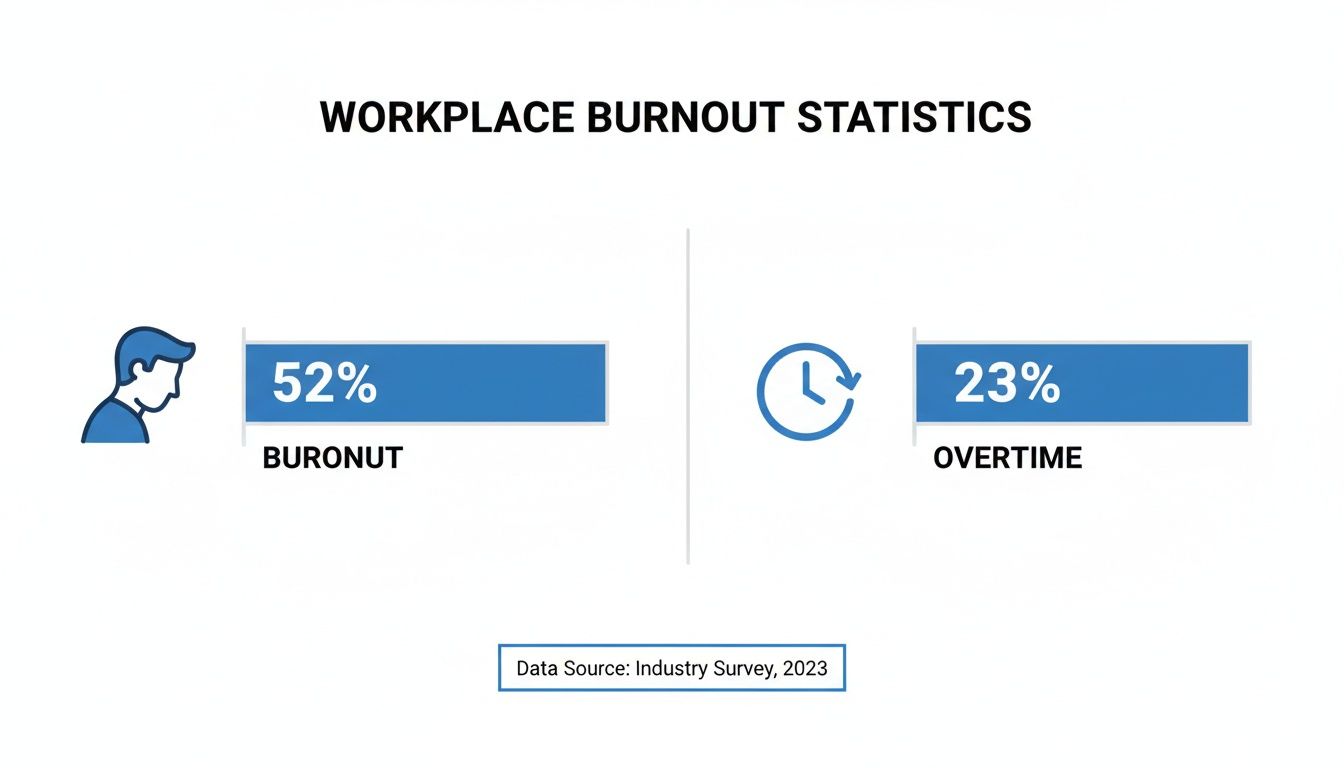
    The first step is to reframe how you see worry. It’s not a flaw or a weakness. It’s a signal your brain is waving to tell you something needs attention.

    Here in India, the weight of career ambitions and family expectations often fuels this endless loop of anxious thoughts. This can affect your sleep, your relationships, and your ability to enjoy simple moments.

    A person sitting calmly on a windowsill, looking out at a peaceful city view, representing a moment of quiet reflection.

    The Roots of Worry in Daily Life

    Chronic worry often springs from uncertainty or feeling out of control. Everyone’s triggers look a bit different:

    • Workplace Stress: Deadlines, performance pressure, or fears about job security can fuel anxiety.
    • Personal Responsibilities: Managing family needs, finances, and health can leave little room for rest.
    • Societal Pressures: Messages about success and perfection can turn small stumbles into big catastrophes.

    A 2021 report showed India had 2.6 million diagnosed cases of anxiety disorders among those aged 10–24—the highest figure globally for that age group. You can discover more insights about these findings on youth mental health directly from the report.

    Worrying does not take away tomorrow's troubles; it takes away today's peace.

    This quote reminds us that worry drains our peace. Building emotional resilience starts here.

    Self-compassion is a powerful tool. Instead of judging yourself for worrying, get curious. Ask what your thoughts are trying to tell you. This simple shift supports your mental well-being.

    Talking with a trusted friend or keeping a journal can help you notice patterns. And if you ever feel stuck, seeking professional counselling or therapy is a proactive, caring step—not a sign of failure.

    Practical Ways to Break the Worry Cycle

    When you’re caught in an anxious loop, you need tools that work right now. Pushing worries away often gives them more power. The goal is to interrupt the cycle with simple, practical techniques.

    A close-up of a person's hands gently holding a small, delicate plant, symbolizing care and grounding.

    Create a 'Worry Window'

    A “worry window” helps you control when you face concerns. Choose a 15-minute slot each day—say 6 PM—to sit with your worries.

    When a worry pops up outside that window, acknowledge it and remind yourself, “I’ll deal with this at 6 PM.” This simple act frees your mind for other tasks.

    Ground Yourself in the Here and Now

    Grounding exercises pull you back to the present. One favourite is the 3-3-3 Rule. It works for workplace stress or any spike of anxiety.

    1. Notice 3 things you can see around you.
    2. Listen for 3 sounds you can hear.
    3. Move 3 parts of your body, like wiggling toes or shrugging shoulders.

    This sensory focus breaks the chain of “what if” thoughts. You can also try other grounding techniques for anxiety to anchor yourself in the present.

    Remember, these tools help you manage worry—they're not a magic cure for anxiety or depression.

    Gently question anxious thoughts using cognitive reframing. Ask, “What evidence supports this fear? Is there a more realistic outcome?” This practice builds resilience and reduces the power of catastrophic thinking.

    Worry-Breaking Techniques at a Glance

    Technique What It Does Best Used When
    Worry Window Contains worrying to a specific, limited time slot each day. Worries creep in and disrupt your focus all day long.
    3-3-3 Rule Uses your senses to pull you into the present moment. You feel a sudden spike of anxiety or spiralling thoughts.
    Cognitive Reframing Gently questions and challenges the logic behind an anxious thought. You’re stuck on a persistent “what if” scenario that feels catastrophic.

    Keeping a few of these tools handy can make all the difference when worry starts to take over.

    Building Long-Term Resilience Against Stress

    A person practicing yoga on a mat in a brightly lit room, signifying the connection between physical and mental well-being.

    Quick fixes can help in the moment, but lasting resilience grows through small, steady habits. Think of resilience as a muscle that needs daily exercise.

    Cultivating Mindfulness And Presence

    Mindfulness means noticing what’s happening right now, without rushing to judge or solve. Even a five-minute pause can shift how you handle the day.

    • Mindful Breathing: Focus on each inhale and exhale. When thoughts wander, gently return to your breath.
    • Body Scan Meditation: Lie down and notice sensations from toes to head, without trying to change anything.

    Regular practice can loosen anxiety’s grip over time and support your overall well-being and happiness.

    Resilience is not about avoiding stress but learning to recover from it with compassion and practice.

    The Powerful Link Between Body And Mind

    Physical routines directly impact emotional resilience. Small changes can make a big difference:

    • Nutrition: Include foods rich in Omega-3s, magnesium, and B vitamins—like oily fish, nuts, and whole grains.
    • Sleep: Aim for 7–9 hours of rest each night. A consistent bedtime calms your stress response.
    • Movement: A simple 20-minute walk or gentle stretching lowers cortisol without a full gym workout.

    Journaling For Clarity And Self-Compassion

    Journaling creates space to untangle thoughts. A quick evening “brain dump” for five to ten minutes can lighten your mental load.

    Writing without judgement transforms worries into something you can work with. If you need more guidance, professional counselling can offer personalised support, but a journal remains a powerful first step.

    Navigating Workplace Stress and Preventing Burnout

    For many, the workplace fuels chronic worry. Deadlines, high expectations, and always-on cultures can spark both anxiety and burnout. Learning to stop worrying at work means taking back control of your time and energy.

    It starts with healthy boundaries. Politely decline extra tasks when your plate is full. Truly log off at the end of your workday—protecting your personal time is essential for long-term well-being.

    A person at their desk taking a mindful break, looking away from their screen and stretching, with a calm and focused expression.

    Smart Strategies for Managing Your Workload

    Feeling swamped by your to-do list is a classic worry trigger. Productivity methods can restore order and calm.

    The Pomodoro Technique is one to try. Work in 25-minute sprints, then take a five-minute break. This rhythm helps you stay focused without mental fatigue.

    Mindful breaks are just as important. Stand up, stretch, walk to the window, or close your eyes and breathe. These tiny resets interrupt the stress cycle and bring you back with a clearer mind.

    If you want more guidance on workplace wellbeing, check out effective workplace stress management strategies.

    Your career can be a source of fulfilment, not chronic worry. Small, consistent actions build resilience and support your mental health.

    These practices are acts of self-compassion that protect you from deeper issues like depression. And if stress ever feels too much, professional counselling or therapy offers targeted strategies to thrive without sacrificing your peace.

    When and How to Seek Professional Support

    Sometimes self-help tools need a partner in professional support. That’s perfectly okay. Recognising you might need more help is a sign of strength, not weakness.

    Assessments offered by therapists or online platforms are informational, not diagnostic. They can guide you toward useful strategies, but only a qualified professional can provide a formal diagnosis.

    Knowing When Worry Is Something More

    Everyday worry ties to specific concerns like a looming deadline or exam. It’s temporary.

    Anxiety often feels persistent and hard to pin down. You might carry unease even when there’s no clear reason. Physical symptoms like a racing heart can appear.

    Depression involves long-lasting low mood, loss of interest in activities, and a sense of hopelessness that disrupts daily life.

    If your worry is running the show—ruining sleep, work, or relationships—it may be time to talk to a professional. Remember, these pointers are for awareness, not a substitute for diagnosis.

    Finding the Right Support for You

    The connection with your therapist matters. Finding someone you click with makes all the difference.

    Access to mental healthcare in India is growing, with more in-person and online options. Platforms like DeTalks help you find qualified professionals who fit your budget and preferences.

    Consider what you need—specialisation, approach to counselling, or online versus in-person sessions. Many therapists offer a short initial chat to see if it’s a good fit before you commit.

    Therapy isn’t about being “fixed.” It’s about being heard, understood, and guided as you learn healthier ways to manage thoughts and life’s challenges, including workplace stress.

    Got Questions About Managing Worry? Let's Talk.

    It’s normal to have questions when you start using these tools. Learning how worry works is part of feeling confident you can manage anxious thoughts.

    Is It Realistic to Think I Can Stop Worrying Forever?

    Worry is a basic human emotion that helps us spot problems. The goal isn’t to silence it completely—that’s not possible. It’s to manage it so it doesn’t run your life.

    With consistent practice, you can dial down worry’s volume and frequency. It becomes an alert, not a tidal wave.

    How Can I Tell if My Worrying Is Just ‘Normal’ or Something More Serious?

    Everyday worry is tied to specific events. But if you feel unstoppable worry, constant unease, or physical symptoms like a racing heart, it could point to an anxiety disorder.

    Guides like this are for information and insight, not a diagnosis. If worry spirals out of control, professional counselling or therapy can give you clarity and a structured plan.

    I’m Already in Therapy. Can I Still Use These Techniques?

    Absolutely. These strategies complement professional therapy. Journaling, grounding exercises, and boundary-setting reinforce the progress you make with your counsellor.

    Share any new techniques with your therapist to ensure they fit your treatment plan. Together you can weave these tools into your daily routine for the best results.


    Ready to take that next step? At DeTalks, we help you find qualified therapists and provide science-backed assessments to support your journey towards better mental well-being. Find the right support for you on DeTalks

    Supportive Takeaways

    • You are not alone—worry is a shared human experience.
    • Small, consistent actions build lasting resilience.
    • These techniques are tools, not quick fixes or cures.
    • Assessments are informational, not diagnostic.
    • Kindness and compassion toward yourself fuel well-being.
  • How to Practice Self-Compassion: A Guide to Greater Well-Being

    How to Practice Self-Compassion: A Guide to Greater Well-Being

    Think about how you treat a good friend having a rough time. You would likely offer kind words, understanding, and support. Self-compassion is simply turning that same warmth and kindness inward, especially when you need it most.

    It's about accepting that being human means being imperfect. This gentle shift in mindset is one of the most powerful things you can do for your emotional resilience and overall well-being.

    What Self-Compassion Really Means

    When we face a setback, our first reaction is often to listen to that harsh inner critic. It's the voice that tells us we aren't good enough or that we're the only one who makes mistakes, which can lead to feelings of isolation, anxiety, or even depression.

    Learning how to practice self-compassion offers a healthier, more supportive way to handle life's challenges. Whether dealing with workplace stress or academic pressure, it’s not about letting yourself off the hook but about building a strong foundation for lasting mental health.

    The Three Pillars of Self-Compassion

    To truly understand self-compassion, it helps to see its three core parts. Think of them as working together to create a stable support system for your mind.

    • Self-Kindness: This is the simple act of being gentle with yourself when you're struggling, instead of being critical.
    • Common Humanity: This is the powerful realisation that you are not alone. Imperfection and challenges are universal parts of the human experience that connect us all.
    • Mindful Awareness: This means acknowledging your difficult thoughts and feelings without judgment, so they don't overwhelm you.

    A Powerful Tool for Well-Being

    Cultivating self-compassion has a real, measurable impact on your mental health. It acts as a buffer against the harsh effects of stress and self-criticism, helping you navigate challenges with more emotional stability.

    For example, a study of university students in Asia revealed that those with higher self-compassion had significantly lower rates of anxiety, depression, and insomnia. The compassionate group, making up 54.1% of students, showed far better mental health and resilience. You can learn more about the study on student mental health for more details.

    Remember, self-compassion doesn't make challenges disappear. It gives you an inner resource to face them with strength and kindness, which is fundamental to building lasting well-being and can be supported through practices like therapy and counselling.


    How to Deal With Your Inner Critic

    Before building self-compassion, we must first get to know our inner critic. Think of it as that harsh monologue playing on a loop inside our heads, often echoing the demanding expectations we absorb from the world around us. In India, this pressure to succeed can be intense, whether on a university campus or in the workplace.

    This internal voice fuels self-doubt, kicking off cycles of anxiety and stress. The first step in learning how to practice self compassion is simply to notice this voice when it appears, without judging yourself for having it.

    Tuning In to Your Inner Critic’s Voice

    Learning to recognise your inner critic is a mindfulness exercise. It’s about becoming an observer of your thoughts, especially when you’re feeling stressed or disappointed.

    Pay attention to its language. Does it use absolute words like "always" or "never"? These are classic signs of the inner critic.

    For instance, after receiving feedback at work, the critic might say, "You always mess things up!" This kind of thinking only adds to anxiety and harms your well-being.

    The skill is learning to separate that critical voice from your own balanced perspective. Think of it not as an enemy to defeat, but as a thought pattern you can gently redirect with patience and awareness.

    Figuring Out What Sets It Off

    That critical voice is usually triggered by specific situations that make us feel vulnerable. By identifying your personal triggers, you can anticipate its arrival and manage its impact.

    Common triggers include:

    • Workplace Stress: A looming deadline or comparing your career to a colleague's can activate the inner critic.
    • Social Anxiety: Feeling like you don't fit in can be a prime time for self-judgment.
    • Perceived Failure: Not hitting a personal or professional goal can give your inner critic ammunition.

    Once you notice when this voice gets loudest, you can see it for what it is: a reaction, not a fact. This creates the space to choose a kinder response. If these triggers bring up persistent feelings of depression or intense anxiety, professional counselling can offer tailored strategies to build resilience.

    Practical Ways to Cultivate Self-Kindness

    Knowing about self-kindness is one thing; putting it into practice is where change happens. It's about weaving small, intentional moments of gentleness into your everyday life. The goal is to build a reliable toolkit of simple practices to help you respond with warmth.

    These techniques are like anchors, designed to be used anywhere to shift from harsh judgment to supportive care. Over time, these small acts build your emotional resilience and improve your overall well-being.

    This visual guide offers a straightforward, three-step approach to practising self-kindness when you're struggling.

    By mindfully pausing, using a calming touch, and speaking to yourself gently, you can create a buffer against both stress and your inner critic.

    Take a Self-Compassionate Break

    A simple and effective exercise is the Self-Compassionate Break. It's a short, structured pause that helps you acknowledge your feelings without letting them take over.

    The next time you feel a wave of anxiety or self-criticism, try this. First, acknowledge the pain by saying to yourself, "This is a moment of suffering."

    Next, connect with common humanity by reminding yourself, "Suffering is a part of life." This step counters the isolating feeling that you're alone in your struggles.

    Finally, offer yourself kindness. You can place a hand over your heart, feel the gentle warmth, and say something comforting to yourself.

    It doesn't have to be poetic. Something as simple as, "May I be kind to myself," works perfectly. The intention to offer comfort instead of criticism is what matters most.

    Use a Supportive Touch

    Never underestimate the power of physical touch to soothe your nervous system. A simple, supportive physical gesture can send a direct message to your brain that you're safe, calming your body's stress response.

    This doesn't need to be complicated. Here are a few simple gestures you can use anytime:

    • Hand on Heart: Gently place one or both hands over your heart and breathe.
    • A Gentle Hug: Cradle one arm with the other or wrap your arms around yourself.
    • Cupping Your Face: Gently place your hands on your cheeks.

    This practice is kindness made physical. It’s a tangible way to calm feelings of depression or anxiety and ground you in the present. You can extend this kindness to other routines, like exploring a food journaling app focused on memories, not macros to foster a healthier relationship with food.

    Connecting with Our Shared Human Experience

    One of the heaviest burdens is feeling alone in our struggles. This sense of isolation can turn a tough situation into an unbearable one, making us believe we're uniquely flawed. The idea of ‘common humanity’ reminds us that imperfection and pain aren't personal failures—they're universal human experiences.

    In many cultures, including in India, there is immense pressure to appear strong. Admitting we're having a hard time can feel like a weakness, reinforcing the isolating belief that everyone else has it figured out. This mindset can fuel shame, which is often at the heart of anxiety and depression.

    Seeing Yourself in Others’ Stories

    Learning how to practice self compassion begins when you shift your perspective from "Why me?" to "Just like me."

    Every setback is not a unique mark against you. Instead, see it as a thread connecting you to the vast, imperfect fabric of humanity.

    This shift doesn't dismiss your pain; it validates it as a real and understandable human feeling. Embracing this shared experience disarms shame and fosters a comforting sense of belonging, which is crucial for our emotional well-being.

    True connection arises from understanding that our vulnerabilities are what we have in common. Acknowledging your struggles as part of the human condition is a profound act of kindness to yourself.

    A Protective Factor for Everyone

    This sense of common humanity acts as a buffer against mental health challenges for everyone. Research on self-compassion's role in diversity and inclusion shows it helps people from all backgrounds.

    For instance, studies with sexual and gender-minority youth found that self-compassion significantly reduced rates of stress, anxiety, and depression, whether they had experienced bullying or not. You can discover more insights on these findings to see how this practice builds universal resilience.

    Journal Prompts to Foster Connection

    Writing can be a fantastic way to solidify this feeling of shared humanity. Try exploring these ideas in a journal to reframe your struggles as part of a collective journey.

    • Think about a recent mistake. What gentle, understanding words would a kind friend say?
    • Describe a time you felt you failed. Consider how many others might be feeling the same way right now.
    • What is one imperfection you're critical of? Write a short, compassionate note to yourself, acknowledging it as part of being human.

    These reflections are about making connections, not excuses. If feelings of loneliness or self-criticism feel too heavy, seeking professional counselling or therapy can provide a safe space to explore them with expert guidance.

    Using Mindful Awareness in Daily Life

    Think of mindfulness as the quiet foundation for self-compassion. It's about learning to hold your experiences—good, bad, and uncomfortable—with balanced, non-judgmental awareness.

    This is key to navigating feelings of anxiety or depression without getting swept away. When you can observe your thoughts and emotions with gentle curiosity, you create space to respond with kindness.

    Weaving Mindfulness into Your Routine

    You don’t need a special retreat to start. The most powerful way to practice mindful awareness is to weave small moments of it into your existing life. This makes it an accessible tool for managing workplace stress and improving your well-being.

    Here are a few simple ways to get started:

    • The One-Minute Breathing Break: Right at your desk, pause. For 60 seconds, bring all your attention to the sensation of your breath.
    • A Mindful Walk: On your next break, take a short walk and tune into your senses. Notice your feet on the pavement, the sounds around you, and the air on your skin.

    Mindfulness isn’t about fixing your feelings; it's about holding them with gentle awareness. This creates the space to choose a compassionate response over a critical one, boosting your resilience.

    How Awareness Builds Resilience

    Every time you practice mindful awareness, you train your brain to step back from overwhelming emotions.

    When a jolt of anxiety hits before a meeting, mindfulness helps you see it as "a feeling of anxiety" passing through, rather than becoming "an anxious person." This subtle shift is incredibly powerful.

    It allows you to see that thoughts and feelings are temporary visitors. This understanding is the foundation for learning how to practice self compassion, as it stops you from over-identifying with your struggles.

    Research shows self-compassion often deepens with age and experience. Broader studies involving over 20,000 people show men tend to be less self-critical, while women often cultivate a more supportive inner voice. You can discover more about these demographic insights for more context. If difficult thoughts persist, therapy or counselling offers a safe space to build these skills.

    Your Path Forward with Self-Compassion

    https://www.youtube.com/embed/4HTKzQm67mw

    Learning to be kinder to yourself is a gentle, ongoing journey, not a race to a finish line. The real work happens in tough moments when you choose to offer yourself kindness instead of criticism.

    Progress isn't a straight line, and that's okay. Being patient with yourself through the ups and downs is perhaps the most compassionate thing you can do.

    Remember the core ideas we've explored. These are your anchors for navigating workplace stress or personal struggles:

    • Be kind to yourself: Treat yourself as you would a good friend.
    • Recognise our shared humanity: You're not alone in your imperfections.
    • Hold your feelings with mindfulness: Acknowledge your pain without being overwhelmed.

    Your commitment is to the practice, not perfection. Every time you choose a gentle response over a harsh one, you strengthen your resilience and nurture your well-being.

    Sometimes, the kindest act is realising you need more support. If feelings of anxiety or depression feel too heavy, seeking professional therapy or counselling is a powerful step forward. This is your journey, and every step, no matter how small, is a victory.

    Common Questions About Self-Compassion

    As you start exploring self-compassion, it's normal for questions to come up. Let's walk through some of the most common ones to clarify what it means to be kind to yourself.

    Isn't This Just Being Selfish or Making Excuses?

    This is a common misconception, but the truth is the opposite. Self-compassion is about giving yourself the support needed to build genuine resilience, not letting yourself off the hook.

    People who practice self-compassion are often more motivated to learn from mistakes because they aren't paralysed by shame. It strengthens your ability to grow rather than getting stuck in self-blame.

    How Long Until I Actually Feel the Benefits?

    Everyone’s journey is different. Some people feel relief almost immediately, while for others, it's a gradual process of unlearning old habits.

    The goal is consistency, not perfection. Every small, intentional moment of self-kindness adds up, building a stronger emotional foundation over time, especially when navigating workplace stress.

    The most important thing is to be patient with yourself. Each small step you take toward self-kindness reinforces your inner strength and fosters lasting resilience.

    Can I Still Practise This if I'm Dealing with Severe Anxiety or Depression?

    Yes, self-compassion can be a powerful tool when managing symptoms of anxiety or depression. It helps you relate to difficult feelings with more care and less judgment.

    However, it's important to see self-compassion as a supportive practice, not a replacement for professional care. Please remember, these assessments are for informational purposes, not for diagnosis. If you are struggling, please seek guidance from a qualified therapist, as professional counselling offers structured support for healing.


    At DeTalks, we believe that finding the right support is a vital act of self-care. If you're ready to explore your mental well-being with a qualified professional, our platform connects you with trusted therapists across India. Find the right therapist for you and start your journey with DeTalks.

  • Top Mindfulness Techniques for Stress Relief in 2025

    Top Mindfulness Techniques for Stress Relief in 2025

    In today's fast-paced world, feeling stressed, anxious, or overwhelmed is a common experience. The demands of our personal and professional lives can sometimes lead to workplace stress and burnout, impacting our overall well-being. This article explores practical mindfulness techniques for stress to help you find calm and build a strong foundation for emotional balance.

    Mindfulness is the simple practice of paying attention to the present moment on purpose and without judgment. It's a skill that builds resilience, enhances self-compassion, and can foster a greater sense of happiness. By connecting with the here and now, you can learn to navigate difficult feelings linked to anxiety and depression with more ease. For a broader approach to mental calm, you might find value in this gentle guide to calming your mind and finding inner peace.

    This guide offers eight proven methods to support your mental wellness journey, explained in warm, clear language. Rooted in an India-first context with global relevance, these informational techniques are tools for well-being, not diagnostic assessments or a replacement for professional therapy or counselling. Let’s explore how you can cultivate a more balanced and mindful life.

    1. The Anchor of Now: Mindful Breathing (Breath Awareness Meditation)

    Mindful breathing is the foundation of many mindfulness techniques for stress. It involves focusing your attention on the natural rhythm of your breath. This simple act anchors you in the present moment, guiding your focus away from anxious thoughts.

    This practice helps activate the body's relaxation response, which can lower stress hormones and slow your heart rate. Popularised in the West, its power lies in its simplicity and accessibility for managing stress and promoting well-being.

    Why It's a Powerful Tool for Stress

    This technique is especially helpful for managing immediate stress. When you feel overwhelmed by workplace stress or a sudden wave of anxiety, focusing on your breath offers an instant point of concentration. The Indian Army incorporates similar tactical breathing to enhance focus, while the NHS in the UK often suggests it for managing anxiety.

    How to Practise Mindful Breathing

    Getting started is simple and requires no special equipment. Here are some tips to integrate this into your routine:

    • Start Small: Begin with just two to three minutes a day. Consistency is more important than duration when building a new habit.
    • Use a Tangible Anchor: Place one hand on your belly to feel the rise and fall with each breath, giving your mind a concrete sensation to focus on.
    • Practise the 4-7-8 Technique: A calming method popularised by Dr. Andrew Weil involves inhaling for 4 counts, holding for 7, and exhaling for 8.
    • Don't Judge Your Thoughts: Your mind will wander; that's natural. When it does, gently guide your attention back to your breath without criticism.
    • Use Guided Resources: Apps like Calm or Insight Timer offer guided breathing meditations that can help structure your practice, which is especially useful for beginners.

    2. Body Scan Meditation

    Body Scan Meditation is a practice that cultivates a deep connection between your mind and body. It involves guiding your attention through different parts of your body, noticing sensations like warmth or tension without judgment. This is one of the most effective mindfulness techniques for stress for those who carry tension physically.

    Body Scan Meditation

    Popularised as part of Mindfulness-Based Stress Reduction (MBSR), the practice helps you tune into your body's signals. By simply noticing physical sensations, you can consciously release accumulated stress from challenges like workplace stress and improve your well-being.

    Why It's a Powerful Tool for Stress

    This method is potent for managing chronic stress and physical discomfort that often come with anxiety and burnout. It trains the mind to observe sensations objectively rather than reacting to them. Major corporations like Apple and Nike include body scan sessions in their wellness programs to enhance employee resilience and well-being.

    How to Practise Body Scan Meditation

    Lying down comfortably is ideal for this practice, making it a perfect pre-sleep routine. Here are some actionable tips:

    • Use Guided Recordings: When starting, guided meditations are invaluable. Apps like Headspace or Insight Timer have excellent guided body scans.
    • Practise Before Bed: Performing a body scan in bed can significantly improve sleep quality by calming your nervous system and body.
    • Notice Without Judging: The goal is to notice sensations, not change them. Acknowledge tightness, pain, or ease with gentle curiosity.
    • Pace Yourself: Spend about 30-60 seconds on each major body part, such as your feet or abdomen, before moving to the next.
    • Return Gently: Your mind will naturally wander. When you notice this, gently guide your focus back to the part of your body you were attending to.
    • Stay Warm: As you relax, your body temperature might drop slightly. Keep a light blanket nearby to stay comfortable.

    3. Mindful Walking

    Mindful walking transforms the everyday act of moving into a powerful meditation. It involves bringing your full, non-judgmental awareness to the physical sensations of walking. This mindfulness technique for stress shifts your focus from the destination to the journey itself.

    Mindful Walking

    This practice grounds you in the present moment through movement, making it a great alternative for those who find seated meditation difficult. It connects the mind and body, helping to soothe anxiety by engaging your senses directly with the here and now.

    Why It's a Powerful Tool for Stress

    This technique is valuable for managing workplace stress and integrating calm into a busy schedule. A short mindful walk can physically and mentally reset your state, reducing feelings of being overwhelmed. The Japanese practice of Shinrin-yoku (forest bathing) combines mindful walking with nature to lower cortisol, while companies like Salesforce encourage it to boost employee well-being and resilience.

    How to Practise Mindful Walking

    You can practice mindful walking anywhere, from an office corridor to a quiet park. Here are some tips to get started:

    • Start with Short Sessions: Begin with just five minutes of mindful walking. As you become more comfortable, you can extend the duration.
    • Focus on Each Movement: Pay close attention to the sensation of lifting one foot, moving it through the air, and placing it back down.
    • Coordinate Breath with Steps: Try synchronizing your breath with your steps, such as inhaling for three steps and then exhaling for the next three.
    • Walk Barefoot: If you are in a safe, natural space like a grassy lawn, try walking barefoot to enhance the sensory feedback from the ground.
    • Use it as a Transition: Take a mindful walk when moving between tasks. This can act as a mental palate cleanser, helping you refocus.
    • Choose a Quiet Path: When possible, find a route with minimal distractions to deepen your practice and sense of well-being.

    4. Loving-Kindness Meditation (Metta)

    Loving-kindness meditation, or 'Metta', is a practice focused on cultivating unconditional compassion and goodwill. It involves silently repeating phrases that extend warmth and well-wishes first to yourself, and then to others. This can transform your relationship with stress born from conflict or self-criticism, fostering resilience.

    This technique shifts your mental state from judgment to acceptance and connection. By generating feelings of warmth, you actively counter the brain's negativity bias, reducing the emotional charge of stressful situations and promoting happiness.

    Why It's a Powerful Tool for Stress

    This mindfulness technique for stress is uniquely effective for managing emotional and interpersonal challenges. When facing workplace conflict or harsh self-judgment, Metta offers a way to soften your heart and approach the situation with greater empathy. Healthcare organizations are now using compassion meditation to help professionals prevent burnout and manage emotional tolls.

    How to Practise Loving-Kindness Meditation

    You can begin this heartfelt practice with just a few minutes a day. Here are some actionable tips:

    • Start With Yourself: Always begin by directing kind phrases toward yourself. Repeat phrases like, "May I be safe. May I be happy. May I be healthy. May I live with ease."
    • Personalise Your Phrases: If the traditional phrases don’t resonate, change them. You might prefer, "I wish myself peace," or "May I feel strong today."
    • Visualise the Recipient: When extending wishes to others, picture them in your mind. This makes the practice more vivid and heartfelt.
    • Combine with a Gesture: Place a hand over your heart as you offer kindness to yourself. This physical touch can deepen the feeling of self-compassion.
    • Be Patient with 'Difficult People': Only extend Metta to those you have friction with after you are comfortable directing it towards yourself and loved ones. It is a gradual process.

    5. The RAIN Technique: Navigating Emotional Storms

    The RAIN technique is a structured mindfulness practice to help you work through difficult emotions rather than suppressing them. Developed by mindfulness teachers, it provides a clear, four-step process. This method transforms your relationship with stress, creating a crucial pause between a trigger and your reaction.

    The infographic below illustrates the core steps of the RAIN process, offering a visual guide to this powerful technique.

    Infographic showing key data about RAIN Technique

    This simple flow provides a structured pathway to process difficult emotional experiences. By moving through these stages, you build resilience and self-compassion.

    Why It's a Powerful Tool for Stress

    RAIN is exceptionally effective for processing intense emotions that accompany workplace stress or anxiety. It is widely used in therapy and counselling; for instance, addiction recovery programs in India employ it to manage cravings. It provides a practical framework for emotional regulation and well-being.

    How to Practise the RAIN Technique

    You can apply this four-step process anytime you feel a strong emotion rising. Here are some tips to integrate RAIN into your life:

    • Recognise What’s Happening: Pause and mentally name the feeling. For example, say to yourself, "This is anxiety," or "Anger is here."
    • Allow the Experience to Be There: Gently give the feeling permission to exist without trying to fix it. You might whisper internally, "It's okay to feel this."
    • Investigate with Kindness: Turn your attention inward with curiosity. Ask yourself, "Where do I feel this in my body?" or "What does this emotion need right now?"
    • Nurture with Self-Compassion: Offer yourself a gesture of kindness, like placing a hand on your heart or offering kind words. This step provides comfort and care.
    • Start with Minor Irritations: Practice RAIN with small stressors, like being stuck in traffic, before applying it to more intense situations to build the skill.

    6. Mindful Observation (Open Awareness)

    Mindful observation, or open awareness, is a practice that trains your attention on a single object in your environment. Whether it's a flower or a cup of tea, the goal is to observe it with full sensory awareness, free from judgment. This technique interrupts the cycle of stress-generating thoughts by anchoring your mind in the tangible world.

    The practice shifts your focus from internal mental chatter, which often fuels anxiety, to external sensory input. Popularised through the famous "raisin exercise," it shows that even a mundane object can be a gateway to presence and peace.

    Why It's a Powerful Tool for Stress

    This technique is effective for breaking free from repetitive negative thinking. When you're caught in a loop of worry about workplace stress, mindful observation provides an escape route. Nature-based therapy programs in India often use mindful observation to help individuals manage symptoms of anxiety and depression, grounding them in the natural environment.

    How to Practise Mindful Observation

    Integrating this practice requires only a willingness to see the world with fresh eyes. Here are some actionable tips:

    • Start with a 'Beginner's Mind': Choose an object, perhaps the cup of chai you have every morning, and pretend you are seeing it for the very first time.
    • Keep a 'Mindfulness Object': Place a small object like a smooth stone on your desk. When stress rises, take a two-minute break to simply observe it.
    • Engage All Senses: The "raisin exercise" is a classic example. Look at it, feel it, smell it, and finally, taste it slowly, observing the flavor.
    • Use the 5-4-3-2-1 Technique: Ground yourself by naming: 5 things you can see, 4 things you can feel, 3 things you can hear, 2 things you can smell, and 1 thing you can taste.
    • Don't Strive, Just Notice: The goal is simply to observe. When your mind wanders, gently guide it back to the object of your attention.

    7. Penning Down Peace: Mindful Journaling

    Mindful journaling is a powerful mindfulness technique for stress that combines writing with present-moment awareness. It involves writing about your thoughts, emotions, and physical sensations as they arise, observing them without judgment. This practice helps make overwhelming feelings feel more manageable.

    Translating thoughts and feelings into words creates a healthy distance, allowing you to see them more objectively. This method builds self-awareness, a key component of emotional resilience and well-being.

    Why It's a Powerful Tool for Stress

    This technique is effective for untangling complex emotions tied to workplace stress, anxiety, or burnout. It’s a private and accessible way to engage in self-counselling and identify recurring thought patterns. Corporate wellness programs, like those at LinkedIn, offer journaling sessions to help employees manage job stress and improve well-being.

    How to Practise Mindful Journaling

    You don’t need to be a writer to benefit; you just need a pen and paper or a digital app. Here are some tips to begin:

    • Start with Five Minutes: Begin with a short, achievable goal of five minutes a day. Consistency is more crucial than duration.
    • Use Mindful Prompts: Kickstart your session with prompts like, "Right now, I am feeling…" or "I notice in my body…" to anchor your writing in the present.
    • Observe, Don't Solve: Write about a source of stress without pressure to find a solution. The goal is to simply observe your thoughts and feelings.
    • Incorporate Gratitude: End each session by noting three specific things you are grateful for. This shifts your focus towards positivity and builds resilience.
    • Try Morning Pages: This involves writing stream-of-consciousness thoughts upon waking to clear your mind for the day.
    • Use Digital Tools: If you prefer typing, apps like Day One or Journey offer secure platforms to support your mindful journaling practice.

    8. Mindful Sensory Grounding (5-4-3-2-1 Technique)

    Mindful sensory grounding is a powerful mindfulness technique for stress that pulls your awareness out of overwhelming thoughts. It uses your five senses to connect to the present moment, as seen in the popular 5-4-3-2-1 method. This practice involves systematically identifying things you can see, touch, hear, smell, and taste.

    The technique works by redirecting your brain's focus from anxiety-fuelling thoughts to neutral, real-world sensory information. This shift interrupts the body's stress response, calming the nervous system and providing immediate relief.

    Why It's a Powerful Tool for Stress

    This technique is effective for managing sudden spikes in anxiety or panic. When your mind is racing with workplace stress or worry, sensory grounding acts as an emergency brake. Professionals in therapy and counselling use grounding as a core component for helping people navigate intense emotions and feel safe in the here and now.

    How to Practise Mindful Sensory Grounding

    The 5-4-3-2-1 method is easy to remember and can be done anywhere. Here are actionable tips to integrate this into your well-being toolkit:

    • Practise When Calm: Rehearse the technique when you are relaxed. This makes it easier to use automatically during a high-stress moment.
    • Be Specific: Instead of just noticing "a chair," describe it to yourself: "I see a brown wooden chair with a smooth surface." Specificity deepens the grounding effect.
    • Speak Aloud: If you are in a private space, say what you observe out loud. Hearing your own voice can provide an extra layer of grounding.
    • Adapt for the Senses: For taste, you can notice the current taste in your mouth or have a mint or sip of water. For touch, focus on textures like the fabric of your clothes.
    • Create a 'Grounding Kit': Keep a small bag with items that have strong sensory properties, such as a textured stone or a small bottle of essential oil.

    Mindfulness Techniques: 8-Item Comparison

    Technique Implementation Complexity 🔄 Resource Requirements ⚡ Expected Outcomes 📊 Ideal Use Cases 💡 Key Advantages ⭐
    Mindful Breathing Low – simple focus on breath, easy to learn Minimal – no equipment needed, 5–20 mins Immediate stress reduction, parasympathetic activation Acute stress, quick calming Accessible anywhere, scientifically proven, no cost
    Body Scan Meditation Moderate – systematic, 10–45 mins Quiet space, guided audio recommended Reduces chronic pain, improves body awareness Insomnia, chronic stress, physical tension Effective for physical stress, increases emotional regulation
    Mindful Walking Low to moderate – slow walking, 5–30 mins Safe walking space, outdoors preferred Combines stress relief with physical activity Restless individuals, integrating mindfulness into daily routine Combines exercise and mindfulness, grounding benefits
    Loving-Kindness Meditation (Metta) Moderate – structured phrases, 10–30 mins Minimal – quiet space, no equipment Increases positive emotions, reduces social anxiety Interpersonal stress, self-criticism, isolation Enhances empathy, social connection, self-compassion
    RAIN Technique Moderate – 4-step cognitive-emotional process Minimal, 5–20 mins Enhances emotional intelligence, prevents reactivity Acute emotional overwhelm, trauma processing Structured, practical for intense emotions
    Mindful Observation (Open Awareness) Low to moderate – focus on external object, 5–15 mins Suitable object, quiet or public space Reduces rumination, improves concentration Those triggered by internal focus, daily routine Easily integrated, subtle public practice
    Mindful Journaling Moderate – writing with mindful awareness, 10–20 mins Writing materials or digital app Processes stress, identifies thought patterns People who express via writing, emotional processing Tangible record of stress, combines writing & mindfulness
    Mindful Sensory Grounding (5-4-3-2-1) Very Low – simple sensory engagement, 2–5 mins None, portable, can be discreet Immediate grounding, reduces panic and acute anxiety Panic attacks, acute stress, anxiety Fast, easy, discreet, suitable for all ages

    Your Path Forward: Integrating Mindfulness into Your Life

    You have just explored a powerful toolkit of mindfulness techniques for stress, each offering a unique pathway to the present moment. These strategies are invitations to reshape your relationship with your mind and emotions. From Mindful Breathing to the compassionate practice of Loving-Kindness Meditation, they provide practical ways to build resilience and find calm.

    The journey through these techniques reveals a central truth: you do not have to be swept away by stress, anxiety, or worry. Instead of fighting difficult thoughts, you can learn to observe them with gentle curiosity. This shift in perspective is the heart of mindfulness and is key to greater well-being.

    Key Takeaways: Making Mindfulness Your Own

    As you integrate these practices into your life, remember the goal is not perfection but presence. The true value lies in discovering which techniques resonate with you and committing to a gentle, consistent practice.

    • Start Small and Be Patient: You don’t need to meditate for an hour. Begin with five minutes of Mindful Breathing or a short Mindful Walk. Each time you gently guide your attention back from a wandering thought, you are strengthening your resilience.
    • Adapt to Your Needs: These are flexible tools. On a day filled with workplace stress, the 5-4-3-2-1 technique might be your anchor. When dealing with difficult emotions, the RAIN technique can offer insight and self-compassion.
    • Mindfulness is Not a Cure, but a Skill: Mindfulness won't eliminate stress, but it builds your capacity to navigate it without being overwhelmed. It cultivates emotional regulation, enhances well-being, and provides a buffer against burnout, anxiety, and depression.

    Building a Foundation for Lasting Well-being

    By weaving these mindfulness techniques for stress into your life, you invest in your long-term mental health and happiness. This practice fosters a deeper connection with yourself and the world around you. You learn to savour positive moments more fully and approach challenges with greater clarity and self-compassion.

    This journey is a powerful step towards personal growth and building resilience against life's challenges. Remember, each breath and each moment of awareness is a victory. You are cultivating a sanctuary within yourself—a place of calm you can always return to.


    If you're looking for personalised support to navigate stress, anxiety, or other life challenges, professional guidance can make all the difference. DeTalks connects you with qualified therapists and counsellors across India who can help you integrate these mindfulness practices into a structured plan for your mental well-being. Explore your path to a healthier mind by visiting DeTalks today.

  • 8 Powerful Self Esteem Building Activities to Try in 2025

    8 Powerful Self Esteem Building Activities to Try in 2025

    Building self-esteem is a rewarding investment in your personal well-being. In a world often filled with challenges like workplace stress and anxiety, a strong sense of self-worth is vital for resilience and confidence. This journey is about small, consistent actions that reshape how you see yourself.

    This guide offers practical and effective self esteem building activities for your daily routine. Rooted in positive psychology, these exercises help manage stress, foster compassion, and improve your overall happiness. Whether you're a student in India or a professional elsewhere, these tips are globally relatable.

    Consider this list a supportive toolkit for self-discovery, not a diagnostic tool for conditions like depression. Each activity is a step toward understanding your strengths and building a healthier relationship with yourself. The goal is to empower you with strategies to cultivate a stronger sense of self, one step at a time.

    1. Positive Affirmations Practice

    Positive affirmations are simple statements used to challenge and overcome unhelpful self-talk. This practice involves repeating positive phrases about yourself to reinforce a sense of self-worth and confidence. It is a foundational step among self esteem building activities as it directly addresses your inner dialogue.

    This method works by helping your brain form new, more positive thought patterns. Consistent repetition of these statements can strengthen these pathways, making positive thoughts more automatic and weakening negative beliefs that may contribute to anxiety or low moods.

    How to Implement Positive Affirmations

    Getting started is simple, but consistency is key to seeing real benefits for your well-being.

    • Create Your Statements: Write affirmations that are personal and believable to you. For example, instead of a general phrase, try, "I am capable of handling today's challenges."
    • Practise Mirror Work: Stand in front of a mirror and repeat your affirmations aloud while making eye contact with yourself. This technique can be powerful for building self-compassion.
    • Integrate into Daily Routines: Add affirmations into your existing habits. You can write them in a journal, repeat them during your commute, or say them while getting ready in the morning.

    Why This Practice Is Effective

    Affirmations help disrupt the cycle of negative thinking that often accompanies workplace stress. By consciously focusing on empowering thoughts, you actively build resilience and a more positive mindset to face challenges. This practice is a proactive tool for managing your mental well-being and can complement professional support like therapy or counselling.

    2. Gratitude Journaling

    Gratitude journaling is the simple habit of writing down things you are thankful for. This powerful exercise shifts your focus from what's missing to the good things already in your life, improving self-worth. It is a key self esteem building activity that helps cultivate a positive mindset, which is crucial for managing workplace stress and anxiety.

    Grounded in positive psychology, this practice trains your brain to notice and appreciate positive experiences. This counters the natural tendency to dwell on negative events. Over time, this conscious effort can foster greater resilience and a more optimistic outlook.

    Gratitude Journaling

    How to Implement Gratitude Journaling

    This practice only requires a few minutes each day, but consistency is vital for your emotional well-being.

    • Be Specific and Personal: Instead of writing "I'm grateful for my friend," try, "I'm grateful my friend sent a supportive message today." Specificity makes the feeling more real.
    • Focus on People and Experiences: While it's okay to be thankful for things, reflecting on relationships or small moments of happiness often has a deeper impact on your self-worth.
    • Integrate into a Routine: Make journaling a regular part of your day, like writing down three things you're grateful for each morning or before bed.

    Why This Practice Is Effective

    Gratitude journaling helps interrupt the cycle of negative self-talk that can contribute to low moods. By focusing on what you have, you build a foundation of appreciation for yourself and your life. This simple practice provides a tangible tool for navigating challenges and serves as a powerful complement to professional support like therapy for mental well-being.

    3. Strengths Identification and Application

    Identifying your strengths means discovering and using your personal talents and positive qualities. This practice involves reflecting on your abilities and applying them in daily life to build confidence. It is one of the most empowering self esteem building activities because it shifts focus from fixing weaknesses to leveraging what you already do well.

    This method is rooted in positive psychology, which suggests that using your character strengths leads to greater happiness and resilience. By concentrating on your natural capabilities, you create a positive feedback loop that reinforces your self-worth. This can help you better manage feelings of anxiety or self-doubt.

    Strengths Identification and Application

    How to Implement Strengths Identification

    Discovering your strengths is a journey of self-exploration. These tools are for informational purposes and are not diagnostic.

    • Take Validated Assessments: Use free tools like the VIA Character Strengths Survey to get a structured overview of your top qualities.
    • Seek Feedback: Ask trusted friends, family, or colleagues what positive qualities they see in you. Their perspective can offer valuable insights.
    • Create a Strengths Portfolio: Write down specific examples of when you used your top strengths successfully. This creates real evidence of your capabilities.
    • Apply Strengths to Goals: Each week, aim to use one of your signature strengths in a new way, such as at work or in a personal project.

    Why This Practice Is Effective

    This practice builds genuine, evidence-based confidence by helping you value and amplify the best parts of who you already are. For professionals, this can be a powerful tool against workplace stress and burnout. Recognizing how your strengths contribute to your team can reconnect you with a sense of purpose and competence, enhancing your overall well-being and resilience.

    4. Achievement and Success Documentation

    Documenting your achievements is the practice of recording and reviewing your personal accomplishments, both big and small. This creates tangible evidence of your competence and progress, which can help counter negative self-perception. It is one of the most concrete self esteem building activities because it provides a factual record of your capabilities.

    This method helps build a personal collection of successes you can look at during moments of doubt or high workplace stress. Instead of relying on memory, which often highlights setbacks, this log offers clear proof of your skills and resilience. It helps ground your self-worth in real-world evidence, which is helpful for managing performance-related anxiety.

    Achievement and Success Documentation

    How to Implement Achievement and Success Documentation

    Creating your success log is straightforward, and maintaining it can become a rewarding part of your routine.

    • Start with the Past: Begin by listing accomplishments from the last year to build some initial momentum and fill your log.
    • Capture Small Wins: Include daily victories, not just major milestones. This could be anything from solving a tricky problem to receiving positive feedback.
    • Organise Your Evidence: Use a digital tool or a physical notebook to save positive emails, photos of completed projects, or notes from others.
    • Reflect on the Process: When you document a win, briefly note the challenges you overcame to achieve it and what you learned along the way.

    Why This Practice Is Effective

    This practice shifts your focus from perceived shortcomings to proven strengths. For professionals, it's a practical tool for career growth, but its main benefit is psychological. When you feel discouraged, reviewing your log offers an immediate, factual confidence boost, helping you build resilience and a healthier perspective on your journey.

    5. Skill Development and Mastery Challenges

    Skill development is the process of learning and improving a specific ability through practice. This activity builds self-esteem by providing clear proof of your growth, showing that effort leads to real improvement. It is one of the most effective self esteem building activities because it shifts your focus to the empowering process of acquiring new talents.

    This method creates a cycle of positive reinforcement. As you practice and achieve small wins, your brain feels a sense of reward, which boosts motivation and belief in your abilities. This experience of earned success directly counters feelings of helplessness and boosts resilience against workplace stress.

    How to Implement Skill Development

    The key is to choose a skill you are genuinely interested in and approach it with a structured plan.

    • Choose a Meaningful Skill: Select something you’re curious about, whether it's learning a new language, starting a new fitness routine, or picking up a creative hobby.
    • Set Micro-Goals: Break the skill into small, manageable steps. Instead of "learn to draw," start with "practise basic shapes for 15 minutes daily." Exploring essential drawing practice exercises to master new skills can be a great starting point.
    • Track Your Progress Visually: Keep a journal or photo log of your journey. Seeing how far you've come provides powerful motivation and a concrete record of your achievements.
    • Find a Community: Join a group or online class to share the experience with others. Accountability and shared learning can make the process more enjoyable.

    Why This Practice Is Effective

    Mastering a skill builds self-efficacy—the belief in your ability to succeed. When you prove to yourself that you can learn and grow, this confidence can spread to other areas of your life, from managing anxiety to tackling professional challenges. It provides a healthy outlet for your energy and equips you with a stronger sense of purpose, complementing professional support like therapy or counselling when needed.

    6. Compassionate Self-Talk and Self-Compassion Exercises

    Compassionate self-talk means treating yourself with the same kindness and understanding you would offer a good friend. It involves shifting your inner voice from harsh criticism to a gentler tone, especially during difficult times. This approach is a cornerstone of self esteem building activities as it directly addresses the inner critic that can fuel feelings of anxiety.

    This method is built on self-kindness, recognizing that struggles are a shared human experience, and being mindful of your feelings. By engaging with our challenges in this way, we can build profound inner resilience. This is crucial for navigating workplace stress and personal setbacks with greater compassion.

    How to Implement Self-Compassion Exercises

    Integrating self-compassion into your life is a skill that strengthens with consistent practice.

    • Practise the Self-Compassion Break: In a difficult moment, pause and acknowledge the feeling by saying, "This is a moment of suffering." Remind yourself, "Suffering is a part of life," and then offer yourself kindness, saying, "May I be kind to myself."
    • Reframe Your Inner Dialogue: When you notice self-critical thoughts, ask, "What would I say to a friend in this situation?" Then, direct that same compassionate response to yourself.
    • Write a Compassionate Letter: Write a letter to yourself from the perspective of a loving friend, addressing something you tend to judge yourself for. Read it when you need support.

    Why This Practice Is Effective

    Self-compassion offers a supportive alternative to self-criticism, which can worsen feelings of depression and low self-worth. Instead of punishing yourself for mistakes, you learn to see them as opportunities for growth. This practice provides a stable source of internal comfort, equipping you with the emotional resilience to navigate life's challenges.

    7. Boundary Setting and Assertiveness Practice

    Setting boundaries is the practice of clearly communicating your personal limits and needs. This skill involves learning to say 'no' without guilt and is a fundamental self esteem building activity because it demonstrates self-respect. By honoring your needs, you teach yourself and others that your well-being matters.

    This method works by reinforcing your sense of personal control and worth. When you set healthy boundaries, you protect your emotional and mental space. This practice helps create healthier, more balanced relationships where your voice is heard and valued.

    How to Implement Boundary Setting

    Building assertiveness is a skill that strengthens with consistent practice. Start small to build confidence.

    • Practise Low-Stakes Scenarios: Begin by setting small boundaries, like declining a social invitation without needing an elaborate excuse.
    • Use Clear Language: Adopt simple, firm phrases. A statement like, "That doesn't work for me," is often more effective than a long justification.
    • Establish Digital Boundaries: Protect your personal time by turning off work notifications after hours. This reinforces that your time for rest is important.

    Why This Practice Is Effective

    Setting boundaries protects your energy and helps prevent burnout. It is one of the most effective strategies to avoid burnout at work, which directly supports a healthier sense of self. By asserting your limits, you affirm your self-worth and reduce the resentment that can build when your needs are consistently ignored.

    8. Social Connection and Acts of Kindness

    Engaging in meaningful social interactions and performing acts of kindness are powerful self esteem building activities. This approach shifts focus from internal self-criticism to external contribution. It reinforces your value to others and fosters a sense of purpose and belonging.

    This practice is rooted in the benefits of helping others. When we are kind, our brains release feel-good chemicals that boost our mood. This also strengthens social bonds, which helps counter feelings of isolation that can contribute to low self-esteem and anxiety.

    How to Implement Social Connection and Kindness

    Integrating kindness into your life can be simple and doesn't require grand gestures. The key is intention.

    • Start with Micro-Kindnesses: Begin with small, everyday actions like offering a genuine compliment or holding a door open for someone.
    • Join a Structured Programme: For a more organized approach, consider volunteering with a local community group. This provides structure and connection.
    • Practise Intentional Connection: When interacting with others, be fully present by putting your phone away and listening actively. Stronger connections are built on genuine attention.

    Why This Practice Is Effective

    Kindness helps change our perspective by allowing us to step outside our own cycle of negative thoughts. This practice demonstrates our capability and impact, providing tangible evidence that we matter. It is a proactive strategy for improving mental well-being, fostering resilience, and building a compassionate view of both others and ourselves.

    Self-Esteem Activities Comparison Guide

    Item Implementation Complexity 🔄 Resource Requirements ⚡ Expected Outcomes 📊 Ideal Use Cases 💡 Key Advantages ⭐
    Positive Affirmations Practice Low – Beginner-friendly Minimal – time daily 5-15 mins Improved self-worth, reduced stress, rewired self-talk Daily mental health, stress reduction, confidence Free, portable, scientifically activates brain reward centers
    Gratitude Journaling Low – Beginner-friendly Minimal – 5-10 minutes daily Increased positivity, better sleep, reduced depression Emotional well-being, social-emotional learning Supported by 40+ studies, improves relationships
    Strengths Identification and Application Medium – Intermediate Moderate – initial 1-2 hr assessment + ongoing practice Increased engagement, performance, authenticity Career development, personal growth Validated tools, asset-focus, backed by positive psychology
    Achievement and Success Documentation Low – Beginner-friendly Minimal – 5-10 mins weekly + review Enhanced motivation, counters imposter syndrome Career, interviews, overcoming self-doubt Concrete evidence of competence, motivates during challenges
    Skill Development and Mastery Challenges Medium to High – varies by skill Time-intensive – 15-60 mins daily Tangible competence growth, mastery, new opportunities Learning new skills, hobbies, career shifts Builds resilience, measurable progress, growth mindset
    Compassionate Self-Talk and Exercises Medium – Intermediate Minimal – 5-15 mins daily + ongoing Reduced anxiety, increased resilience, better motivation Mental health, handling failure, emotional regulation Strong research backing, enhances emotional resilience
    Boundary Setting and Assertiveness Medium to High – Intermediate to Advanced Ongoing practice Healthier relationships, reduced burnout, increased agency Personal and professional relationships Empowers self-respect, reduces resentment and anxiety
    Social Connection and Acts of Kindness Low to Medium – Beginner to Intermediate Variable – 5 mins to hours Enhanced belonging, increased happiness, reduced loneliness Community involvement, social anxiety reduction Builds social support, releases mood-boosting hormones

    Your Journey Forward: Embracing Progress, Not Perfection

    The journey to building healthier self-esteem is about consistent and compassionate engagement with yourself. The self esteem building activities in this article are powerful tools for your ongoing well-being toolkit. They are daily practices that, over time, can reshape your inner dialogue and perception of self-worth.

    Think of these exercises as a conversation with yourself. Documenting achievements reminds you of your capabilities, while gratitude shifts your focus to what is abundant. Each activity is a unique way to nurture the most important relationship you will ever have: the one with yourself.

    Integrating These Practices into Your Life

    Lasting change comes from consistency, not intensity. Trying to do everything at once can feel overwhelming, especially when dealing with workplace stress or anxiety. Instead, choose one or two practices that resonate with you most right now.

    • Start Small: Dedicate just five minutes each day to your chosen activity. For example, write down three things you are grateful for or repeat a single positive affirmation.
    • Track Your Progress: Notice the small shifts in how you feel or act. Acknowledging these small victories builds momentum and keeps you motivated.
    • Be Patient and Forgiving: Some days will be harder than others, and you may forget your practice. This is a normal part of the process, so simply return to it the next day without judgment.

    The Supportive Role of Professional Guidance

    While these strategies are effective for building resilience, it's important to recognize when professional support can offer deeper guidance. If low self-esteem is persistently linked to feelings of anxiety, depression, or is impacting your daily life, seeking therapy or counselling is a courageous step.

    A qualified professional provides a safe space to explore the root causes of your feelings and develop personalized coping strategies. Therapy is not a last resort but a proactive investment in your mental health and well-being. Every step you take to honor your mental health is a testament to your strength.


    Ready to take the next step in your self-esteem journey with professional guidance? DeTalks offers accessible, confidential online counselling with qualified therapists who can support you in building confidence and resilience. Explore personalised therapy plans and start your journey towards a healthier relationship with yourself today at DeTalks.

  • 8 Essential Work Life Balance Tips to Thrive in 2025

    8 Essential Work Life Balance Tips to Thrive in 2025

    In today’s demanding professional world, the line between our work and personal lives can easily blur. This often leads to increased workplace stress and anxiety, making us feel overwhelmed and pushing us towards burnout. This isn't just about managing time; it's about nurturing your well-being with compassion and building resilience.

    Achieving a harmonious balance is not a luxury but a necessity for a fulfilling and healthy life. It allows us to be present for our families, pursue passions, and protect our mental health from professional pressures. This journey is supported by practices like mindfulness, and sometimes, seeking professional therapy or counselling can provide valuable tools.

    This article offers practical, empathetic work life balance tips, framed with an India-first context while remaining globally relatable. We will explore eight actionable strategies to help you navigate these challenges. These insights will help you build a more sustainable and joyful way of living, fostering greater well-being and resilience against challenges like anxiety and depression.

    1. Set Clear Boundaries Between Work and Personal Time

    In today's 'always-on' work culture, the lines between our professional and personal lives can easily fade. This often leads to increased workplace stress and burnout. One of the most effective work-life balance tips is to consciously create and maintain firm boundaries to protect your personal time, space, and mental energy.

    Setting boundaries is not about working less; it’s about working smarter and protecting your well-being. It involves defining specific work hours and sticking to them, which helps prevent the chronic stress that comes from feeling perpetually on-call. This protected personal time is vital for nurturing relationships and maintaining your overall mental health.

    Why Boundaries are Essential for Well-being

    Without clear divisions, work can seep into every part of your life, depleting your energy and contributing to feeling overwhelmed. This is a common path to burnout, a state of emotional, physical, and mental exhaustion. Renowned researcher Brené Brown notes that clear boundaries are a prerequisite for compassion and connection, both with others and ourselves.

    Companies are also recognising the benefits of this approach. For example, Microsoft Japan's experiment with a four-day work week saw a 40% increase in productivity. This shows that when employees have protected time to rest, their focus and efficiency during work hours improve dramatically.

    How to Implement Strong Boundaries

    Building this separation requires intentional, consistent effort. Here are some actionable steps to reclaim your personal time and build resilience against workplace stress:

    • Create a Shutdown Ritual: At the end of your workday, perform a series of actions that signal to your brain that work is over. This could be closing your laptop, tidying your desk, and saying "work is done for today" out loud.
    • Use Separate Digital Spaces: If possible, use separate devices or user profiles for work and personal life. This creates a powerful psychological barrier, reducing the temptation to check work emails on your personal phone late at night.
    • Communicate Your Availability: Proactively inform your team about your working hours and when you will be unavailable. Use your calendar to block off personal time and set up an email auto-responder to manage expectations after hours.
    • Physically Leave Your Workspace: If you work from home, make a point to physically exit your designated workspace. This physical separation reinforces the mental one, helping you to truly disconnect and recharge.

    By setting these boundaries, you take a crucial step towards a healthier, more sustainable relationship with your work.

    2. Practice Time Blocking and Prioritisation

    Managing your time intentionally is one of the most powerful work life balance tips for reducing workplace stress. Instead of reacting to an endless stream of demands, time blocking helps you proactively divide your day into dedicated blocks for specific tasks. This ensures your most important activities, both professional and personal, receive the focus they deserve.

    This strategy is about making conscious decisions about how you spend your energy. By scheduling everything, from deep work projects to family dinner, you create a clear, structured plan. This intentionality helps protect your personal time from work-related creep, fostering greater well-being and resilience.

    Why Intentional Scheduling is Crucial

    Without a deliberate plan, it's easy to feel busy but unproductive, a common trigger for anxiety and burnout. Time blocking minimises the mental load of deciding what to do next, freeing up your mind for focused, high-quality work. This is a key principle highlighted by author Cal Newport.

    This structured approach extends to your personal well-being. By blocking time for rest and relationships, you treat them with the same importance as a business meeting. This commitment is fundamental to building a more sustainable and fulfilling routine.

    How to Implement Time Blocking and Prioritisation

    Integrating this method into your life requires a shift from a reactive to a proactive mindset. Here are actionable steps to get started:

    • Block Your Non-Negotiables First: Before scheduling any work, block out time for sleep, meals, exercise, and family commitments. This ensures your well-being essentials are protected.
    • Prioritise with a Framework: Use a system like the Eisenhower Matrix to categorise tasks. Schedule blocks for "important, not urgent" tasks first, as these are often tied to long-term goals and personal growth.
    • Colour-Code Your Calendar: Assign different colours to various types of activities (e.g., blue for deep work, green for personal time). This provides a quick visual overview of how your time is allocated, helping you see imbalances.
    • Schedule Buffer and Planning Time: Include 15-minute buffers between major blocks to decompress or handle unexpected issues. Also, dedicate a block at the start of each week to plan your schedule.

    By mastering your schedule, you master your life. This practice is a foundational skill for managing workplace stress and improving focus.

    3. Embrace the Power of Saying 'No'

    One of the most transformative, yet challenging, work life balance tips is learning to say 'no'. In a culture that often praises being busy, we can feel pressured to accept every request. However, every 'yes' to a new commitment is an implicit 'no' to something else, whether it’s time with family or essential rest.

    Embracing the power of saying 'no' is about strategic refusal, not negativity. It involves consciously protecting your time and energy for tasks that align with your highest priorities. This skill is fundamental in preventing overcommitment, which is a direct path to workplace stress, resentment, and burnout.

    Why Saying 'No' is Essential for Well-being

    Constantly saying 'yes' depletes your most valuable resources: time and energy. This can lead to a state of chronic overwhelm and anxiety. Learning to decline non-essential requests is a powerful act of self-respect and a critical component of building resilience.

    This principle is championed by many successful leaders. Warren Buffett famously said, "The difference between successful people and really successful people is that really successful people say no to almost everything." Saying 'no' allows you to channel your energy where it creates the most impact and satisfaction.

    How to Implement the Power of 'No'

    Learning to say 'no' gracefully is a skill that can be developed with practice. Here are some actionable steps to reclaim your focus and protect your well-being:

    • Apply the 'Hell Yeah or No' Test: Before committing, ask yourself if the opportunity genuinely excites you. If your gut reaction isn't a resounding "hell yeah!", then it should probably be a 'no'.
    • Offer a Clear but Kind Refusal: You don't need to over-explain or make elaborate excuses. A simple, "Thank you for thinking of me, but I'm not available at this time," is often sufficient and respectful.
    • Propose an Alternative: If you want to help but lack the capacity for the original request, suggest a different solution. For example, "I can't lead that project, but I can offer some feedback on the proposal next week."
    • Create a 'Stop-Doing' List: Alongside your to-do list, create a list of commitments you will consciously stop doing. This helps you actively remove low-impact activities from your schedule, freeing up space for what truly matters.

    By mastering the art of saying 'no', you are not rejecting others; you are saying 'yes' to your own well-being.

    4. Prioritize Physical Health and Regular Exercise

    Your physical well-being is the foundation upon which a healthy work-life balance is built. Prioritising regular exercise, proper nutrition, and adequate sleep is a fundamental necessity. It directly influences your energy levels, mental clarity, and resilience against workplace stress.

    Physical activity is a powerful tool for managing stress, as it reduces cortisol levels and releases mood-boosting endorphins. It also serves as a natural transition, helping you mentally disconnect from professional duties. This is a key component of our work life balance tips for protecting your overall well-being.

    Why Physical Health is a Non-Negotiable

    Neglecting your physical health while pursuing professional goals is a common path to burnout, anxiety, and exhaustion. As fitness expert Dr. John Ratey explains, exercise fundamentally rewires the brain for better focus, mood, and resilience. This is why many high-performers, like Richard Branson, make it a priority.

    Companies like Google and Asana invest in on-site fitness facilities because they understand this connection. A healthy, energised team is more innovative, engaged, and capable of navigating challenges. They are better equipped to handle pressure without succumbing to chronic stress.

    How to Integrate Fitness into Your Routine

    Integrating physical activity into a busy schedule requires intention and planning. Here are some actionable steps to make your physical health a consistent priority:

    • Schedule It Like a Meeting: Block out time for exercise in your calendar. Treating it with the same importance as a business appointment makes you far more likely to stick with it.
    • Find Activities You Enjoy: Consistency is easier when you genuinely like what you are doing. Explore different options like dancing, trekking, team sports, or yoga until you find something that doesn't feel like a chore.
    • Embrace the 'Two-Day Rule': To build a lasting habit, commit to never skipping your planned physical activity for more than two consecutive days. This prevents small breaks from turning into long-term lapses.
    • Optimise Your Work Environment: Small changes during your workday can have a significant impact. Consider exploring the various standing desk benefits for health and well-being to support your physical wellness.

    Weaving physical health into your daily life is an investment in the energy and focus needed to excel in all areas of life.

    5. Implement Digital Detox and Technology Boundaries

    In our hyper-connected world, the digital link to work can feel unbreakable, fueling workplace stress. One of the most powerful work-life balance tips is to implement a digital detox. This means consciously stepping away from screens to reclaim your mental space from constant notifications and information overload.

    A digital detox is not about abandoning technology, but about controlling it so it doesn't control you. Setting deliberate boundaries around your device usage creates pockets of time free from digital distractions. This allows your brain to rest, which is essential for managing anxiety and strengthening your overall well-being.

    Why Digital Boundaries are Essential for Well-being

    Constant connectivity keeps our minds in a state of high alert, contributing to burnout and feelings of depression. The pressure to be always available blurs the lines between work and home. As Cal Newport, author of 'Digital Minimalism', argues, a thoughtful approach to technology is crucial for a meaningful life.

    This idea is gaining global recognition, with countries like France establishing a "right to disconnect" for employees after hours. This shows a growing understanding that mental downtime is necessary for productivity and health. When you protect your offline time, you build resilience against chronic workplace stress.

    How to Implement Strong Digital Boundaries

    Creating a healthier relationship with technology requires intentional habits. Here are actionable steps to reduce digital noise and reclaim your personal time:

    • Schedule "No-Tech" Time: Designate specific periods, like during meals or the first hour of your day, as completely screen-free. This simple rule helps you reconnect with yourself and your loved ones.
    • Curate Your Notifications: Turn off all non-essential notifications on your phone and computer. This one change can drastically reduce distractions and the constant sense of urgency.
    • Establish Email-Checking Windows: Instead of reacting to every incoming email, set specific times to check your inbox (e.g., 10 am and 3 pm). This puts you in control of your schedule.
    • Create a Tech-Free Bedroom: Charge your devices outside the bedroom to protect your sleep. Using a traditional alarm clock can help break the habit of scrolling before bed, improving sleep quality and reducing anxiety.

    Implementing these digital boundaries is a proactive step toward a more balanced life, giving your mind the space it needs to thrive.

    6. Cultivate Mindfulness and Mental Health Practices

    Achieving a healthy work-life balance is about managing your mental state as much as your time. Cultivating mindfulness means intentionally paying attention to the present moment without judgement. This practice helps you be fully present where you are, rather than being at home while your mind is still at the office.

    These mental health practices are not about eliminating stress but about building resilience to it. They train your brain to stop ruminating on work-related anxieties during your personal time. This focused attention reduces feelings of being overwhelmed and enhances your ability to manage workplace stress.

    Why Mindfulness is Essential for Well-being

    Without a conscious effort to manage your thoughts, work stress can easily spill over into your personal life. This is a primary contributor to burnout, a state of mental and physical exhaustion. To learn more, it's helpful to understand the psychological impact of burnout and chronic stress.

    Companies are increasingly recognising the power of these practices. Aetna's mindfulness programme resulted in a reported $3,000 annual productivity gain per employee. This shows that supporting mental health directly translates to a more focused, productive, and resilient workforce.

    How to Implement Mindfulness Practices

    Integrating mindfulness into your routine requires small, consistent efforts. Here are some actionable steps to foster better mental health and improve your work-life balance:

    • Start with Short Meditations: Use apps like Headspace or Calm to begin with just five minutes of guided meditation each day. This simple habit can train your focus and calm your nervous system.
    • Practise Mindful Transitions: Create a ritual to mentally switch off from work. This could be a short walk, listening to a specific song, or practising a few minutes of deep breathing before you engage with your family.
    • Use the 'STOP' Technique: When feeling overwhelmed, remember to Stop, Take a breath, Observe your thoughts and feelings without judgement, and then Proceed with intention.
    • Schedule Mental Health Check-ins: Just as you would a physical health appointment, block out time for activities that support your mental well-being, like journaling or speaking with a therapist or counsellor.

    By incorporating these practices, you actively build a buffer against workplace stress and protect your mental and emotional resources.

    7. Delegate, Automate, and Eliminate Tasks

    Many people struggle with work-life balance because they try to manage everything themselves. A powerful strategy is to systematically review your responsibilities to see what can be delegated, automated, or eliminated entirely. This frees up precious time and mental energy for high-impact work and personal priorities.

    This approach involves applying principles like the Pareto Principle (the 80/20 rule). By identifying and focusing on the critical 20% of tasks that yield 80% of results, you can reclaim significant portions of your day. This is about strategically investing your energy where it yields the greatest return, a key component of effective work life balance tips.

    Why This Strategy is a Game-Changer

    Trying to do everything leads to a constant state of being overwhelmed, which is a direct path to workplace stress and burnout. Delegating, automating, and eliminating tasks allows you to focus on your core strengths. It's a mindset shift from being busy to being effective.

    Author and entrepreneur Tim Ferriss popularised this concept in "The 4-Hour Workweek." He demonstrated that by letting go of non-essential tasks, you not only improve productivity but also create space for personal well-being and a healthier, more sustainable career.

    How to Implement This Approach

    Reclaiming your time requires a conscious effort to re-evaluate your to-do list. Here are actionable steps to start delegating, automating, and eliminating:

    • Conduct a Time Audit: For one week, track all your activities. This will reveal where your time is actually going and highlight repetitive, low-impact tasks that are prime candidates for change.
    • Apply the 'Only I Can Do This' Test: Review your task list and ask if someone else could do the task to an 80% standard. If the answer is yes, delegate it. This applies at work and at home.
    • Embrace Automation Tools: Use technology to handle repetitive work. Set up email filters, use scheduling software like Calendly, or explore tools like Zapier to connect apps and automate workflows.
    • Ask: 'What if I Just Didn't Do This?': Challenge the necessity of every task on your list. Use the Eisenhower Matrix to identify tasks that are neither urgent nor important and consider eliminating them completely.

    By strategically reducing your workload, you take control of your time and energy, which is fundamental to managing workplace stress.

    8. Schedule and Protect Personal Time and Relationships

    In the push for professional achievement, our personal lives can become an afterthought. A powerful strategy is to treat your personal time with the same importance as your work. This means proactively scheduling it into your calendar so it doesn't get pushed aside.

    Date nights, family dinners, hobbies, and even solo relaxation time should not be left to chance. This approach, championed by time management experts like Laura Vanderkam, ensures your life isn't just about what's left over after work. It creates a balanced structure where personal fulfilment is a scheduled priority, preventing workplace stress from taking over.

    Why Scheduling Personal Time is Crucial

    What doesn't get scheduled often doesn't happen, especially in demanding careers. When you calendar these events, you create a commitment to yourself and your loved ones. This practice is essential for nurturing relationships, reducing feelings of anxiety, and building resilience against burnout.

    This is a practice adopted by many successful individuals. For example, Barack Obama made it a non-negotiable priority to have dinner with his family almost every evening. This shows that protecting personal time is not a sign of a lack of ambition but a key component of sustainable success and well-being.

    The infographic below highlights key metrics for actively protecting your personal time.

    As the data suggests, consciously scheduling a few dedicated personal events each week can transform your approach to work-life balance.

    How to Prioritise Your Personal Life

    Integrating this practice requires a shift from passive hope to active planning. Here are actionable steps to start protecting your time:

    • Use a Unified Calendar: Put personal appointments and family events directly into your work calendar. This makes them visible and treats them as immovable commitments.
    • Implement Relationship Rituals: Adopt a simple rule like the '2-2-2 rule': a date night every two weeks, a weekend away every two months, and a week-long vacation every two years. Scheduling these strengthens connections.
    • Time-Block for Yourself: Schedule a recurring weekly activity dedicated to your own renewal. This could be reading at a café, visiting a museum, or simply going for a long walk without your phone.
    • Be Proactive with Planning: At the start of each month, schedule your key personal priorities first, before your calendar fills up with work demands. This aligns with Stephen Covey's "Big Rocks" principle.

    Work-Life Balance Tips Comparison Matrix

    Strategy Implementation Complexity 🔄 Resource Requirements ⚡ Expected Outcomes 📊 Ideal Use Cases 💡 Key Advantages ⭐
    Set Clear Boundaries Between Work and Personal Time Moderate to Difficult Low to Moderate (time, consistency) Reduced burnout, improved focus, better relationships For those needing mental health protection and clear separation Prevents work bleed; improves life satisfaction
    Practice Time Blocking and Prioritization Moderate (planning & maintenance) Moderate (planning time, tools) Increased productivity, reduced decision fatigue Highly structured schedules; managing multiple priorities Enhances focus; clear time allocation
    Embrace the Power of Saying 'No' Moderate (skill development) Low (time & communication skills) Prevents overcommitment, reduced stress Overloaded individuals needing to protect priorities Protects energy; improves quality of commitments
    Prioritize Physical Health and Regular Exercise Moderate (habit formation) Moderate to High (time, possible costs) Increased energy, reduced stress, better health Anyone seeking improved well-being and productivity Boosts mood and resilience; enhances sleep
    Implement Digital Detox and Technology Boundaries Moderate (habit & discipline) Low to Moderate (apps, time) Reduced stress and anxiety; improved presence Those overwhelmed by technology; improving focus Restores mental clarity; reclaims personal time
    Cultivate Mindfulness and Mental Health Practices Moderate to High (consistent practice) Low to Moderate (time, possible costs) Reduced stress, better emotional regulation Individuals seeking stress resilience and mental clarity Enhances self-awareness; reduces burnout risk
    Delegate, Automate, and Eliminate Tasks Moderate to High (setup & trust building) Moderate to High (tools, outsourcing costs) Frees up time; reduces mental load People with heavy workloads needing efficiency Increases focus on high-value activities
    Schedule and Protect Personal Time and Relationships Moderate (discipline & negotiation) Low to Moderate (time, calendar management) Improved relationships; balanced life Busy professionals prioritizing personal life Strengthens connections; prevents personal life neglect

    Your Journey to a More Balanced Life Starts Today

    Navigating the demands of modern professional life can feel like a constant juggling act. We've explored practical work life balance tips to help you regain control, from setting boundaries and saying 'no' to time blocking and digital detoxing. Each strategy offers a tool for your personal well-being toolkit.

    Remember, the goal is not a flawless, static equilibrium but a flexible system that honours both your professional ambitions and personal needs. It's about consciously choosing where to invest your energy. By prioritising your physical and mental health and scheduling time for joy, you build a foundation of resilience against workplace stress.

    The Path Forward: Integration, Not Perfection

    The key takeaway is to approach this as an ongoing practice. The tips shared are not one-time fixes but habits to be cultivated. Start small by choosing one or two strategies that resonate most with you and focus on integrating them into your routine. Perhaps you begin by blocking out 30 minutes for a walk or turning off work notifications after 7 PM.

    Celebrate your progress, however small it may seem. This journey requires patience and self-compassion. There will be days when the balance feels off, and that's okay. The objective is not to eliminate stress entirely but to build the capacity to manage it effectively, preventing it from escalating into chronic anxiety or burnout.

    A Commitment to Your Well-being

    Ultimately, mastering these approaches is an investment in your long-term happiness and health. A balanced life fuels creativity, strengthens relationships, and prevents the emotional exhaustion that can lead to more serious issues like depression. It empowers you to show up as your best self in all areas of your life.

    If the weight of stress feels overwhelming, remember that seeking support is a sign of strength. Professional therapy or counselling can provide a safe space and expert guidance to help you navigate these complexities. Taking control of your work-life harmony is a significant act of self-care, and your journey towards a more intentional and fulfilling life can begin today.


    Ready to take the next step towards a more balanced and resilient life? The expert therapists at DeTalks are here to provide personalised support for managing workplace stress, anxiety, and burnout. Explore our resources and connect with a professional at DeTalks to start building a healthier, more harmonious future.